How Long Is the Iliad? The Number of Pages and Reading Time
How Long Is the Iliad?
The standard accepted version of the Iliad consists of exactly 15,693 lines all grouped into 24 books. The events of the story itself span 52 days but the details of the poem make it great for reading.
The poem has received praise for its presentation of love and war, trust and betrayal, heroes and villains, and honor and dishonor. Also known as Song of Ilium, the poem is part of the Epic Cycle – a collection of great classical Greek poems written in dactylic hexameter and set in the period of the Trojan War, where it is mentioned so much about the famous Trojan horse.
If you're wondering how long is the Iliad words, the poem has over 193,500 words compared to the Odyssey which contains a little over 134,500 words. Others also ask, 'how long is the Iliad and the Odyssey?'
There are over 700 pages in the Iliad and over 380 pages in the Odyssey depending on the translation you are using. Therefore, the next logical question will be how long it will take complete the whole Iliad from start to finish, based on the discovery of how many pages is the Iliad and the Odyssey.
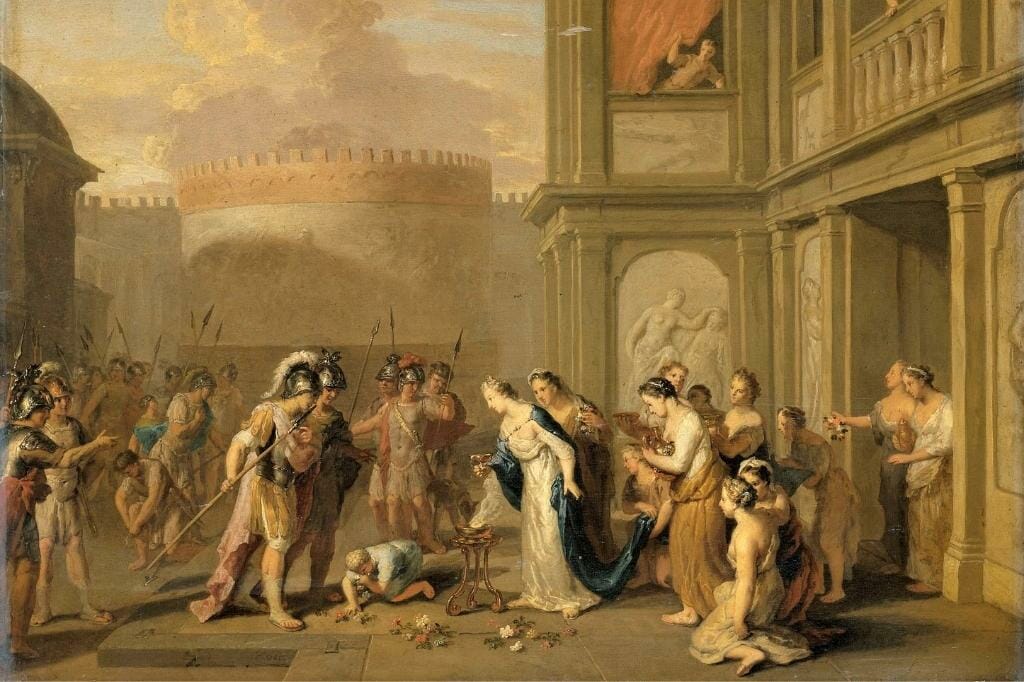
How Long Would It Take to Read the Iliad?
With the average person reading 250 words per minute, it'll take approximately 11 hours and 44 minutes. These hours can either be implemented in one sitting or spread over the week/weekend. Whatever your choice is, know that the poem is voluminous and requires a great deal of discipline but you'll definitely relish every second.
Additionally, this depends on several factors including your reading pace, schedule, literacy level, understanding, etc. However, taking the average reading speed we can estimate how long it'll take for an average person to finish reading the poem.
How Long Does A Public Reading or Performance of the Iliad Take?
Some Greek scholars stipulate the public reading of the Iliad takes between three to five evenings. This is because evenings are when the majority of the people are less busy and therefore are free to gather around a campfire to read the Iliad.
In some places, the reading of the Iliad is a big festival that features food and drinks to entertain the whole community. The narration was done by the local bard who would intentionally flesh out the story to help the audience understand it even better.
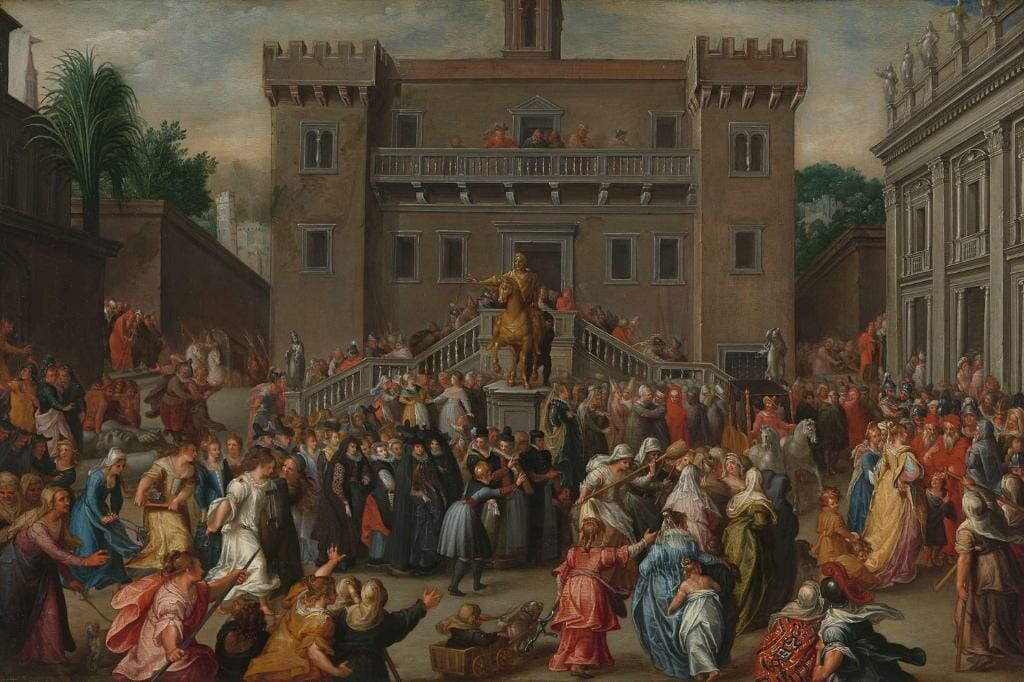
The public reading also takes longer if the Iliad is read in the towns where the epic poem is set or if a particular hero hails from the same town in which it is read. This is because the bard intentionally highlights the fame of the city or the strengths of the hero from that city to cheer up the audience.
However, if we are to take away all the overdramatizations and the long interludes and go strictly according to the story, it should take between one and two days to finish. Nevertheless, in 2015, about 60 British actors took part in a public reading of the Iliad and the whole event lasted for 15 hours.
The public performance began at the British Museum and ended at the Almeida Theatre, all in London. Though it was streamed online, many people queued outside the British Museum and attended the event at the Almeida Theater to hear their favorite actor read a portion of the book.
As part of the event was the moving production where some actors read to audiences on commuting on buses. Actors that took part in the 15-hour event included Rory Kinnear, Simon Russell Beale, Brian Cox, and Ben Whishaw.
Frequently Asked Questions
How Do I Read the Iliad if I'm Not Interested in It One Bit?
The first step is to get a good translation that has simpler words and doesn't require you to use a dictionary after every sentence. Some translations are very technical and are meant for academic purposes which may cause you to lose interest if you are not reading as part of an academic exercise.
Some people recommend the Robert Fitzgerald version because they find it easier and it doesn't sacrifice the quality of the epic poem for simplicity. Also, a good translation helps you to finish the reading quickly to avoid fatigue down the road.
You can also resort to the internet where there are abridged versions and even notes that cover all the books in the Iliad. These would give you a fair idea of what the Iliad is about and if they pique your interest, you can grab a copy or download the epic poem and read it.
However, if they still don't arouse your interest, at least, you'll have a fair idea of what Homer's poem is all about. If you need to read the Iliad as part of your studies, then the best approach is to divide the book into 20-minute 'blocks' and take a 10-minute break after each reading.
You can also get a good commentary to help you understand the context of the poem. A good commentary is likely to pique your interest as it is written in modern language and provides details and background information.
Note that you'll require discipline and effort to read the first pages of the poem, once you get introduced to the main characters the story becomes interesting from there. Others also recommend reading the Ilium which is a science-fiction recreation of the Iliad to give you an entertaining introduction to the epic Greek poem.
How Long is the Odyssey?
The Odyssey has over 134,500 words written in 384 pages and has 12,109 lines and takes about 9 hours to complete if read at 250 words per minute.
How Many Pages Is in the Iliad and Why Is the Iliad So Long?
Simply put, the Iliad has approximately 15,693 lines and 24 chapters/books with over 700 pages. It is long because it covers the details of the last 54 days of Greece's war against Troy. However, you can get the Iliad pdf (abridged version) on the internet to give you a fair idea of what the poem is all about.
When Was the Iliad Written?
The exact time is unknown but scholars believe it was written between 850 and 750 BCE.
Conclusion
We've been looking at the length of the Greek classic poem the Iliad and how long it'll take to finish the epic poem. Here is what we've learned:
Written by Homer, the Iliad is an epic poem detailing Greece's war with Troy which has over 15,600 lines and about 52,000 words which is more than the Odyssey word count depending on the translation.
It is part of the Epic Cycle of poems set during the period of the Trojan war and was orally transmitted long before Homer put it into writing.
The Greeks were familiar with the storyline so Homer instead concerned himself with the universal truths that could be learned from the epic.
The Iliad has fascinated scholars over the centuries with its exciting tales of adventure and is definitely a good read regardless of how long it takes to complete.