Mezentius in the Aeneid: The Myth of the Savage King of the Etruscans
Mezentius in the Aeneid was a King who antagonized the Trojans as they settled in Latium. The Romans referred to him as "Despiser of the gods" due to his perceived disregard for the divine. He had a son Lausus who he loved more than his life but unfortunately died.
Keep reading to know more about this Etruscan King and how he died in Virgil's epic poem.
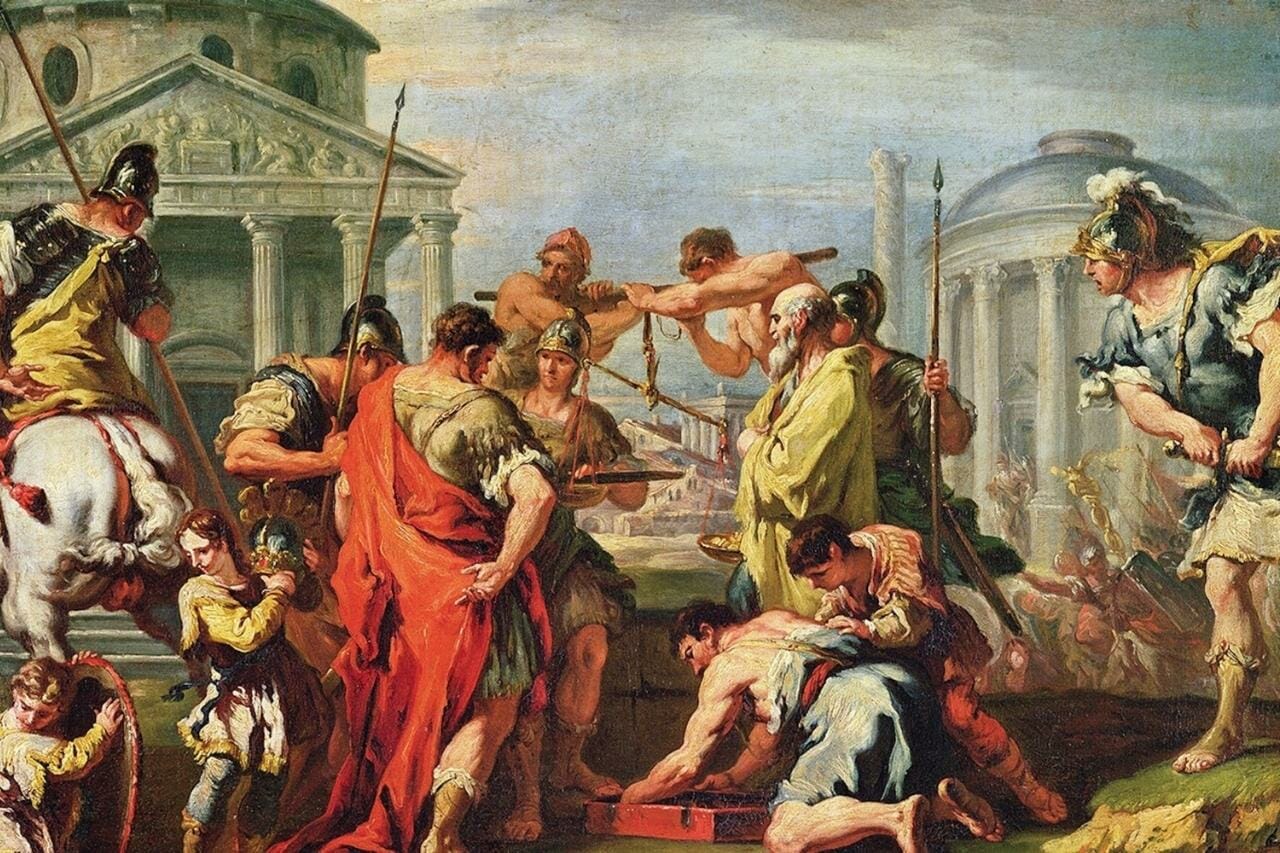
Mezentius, the savage King of the Etruscans
Who Was Mezentius in the Aeneid?
Mezentius was a King of the Etruscans who resided in the south-eastern part of ancient Italy. He was famous for his savageness on the battlefield and never spared anyone. He fought Aeneas in the book but was no match for the epic hero.
Mezentius's Life and Adventure
Mezentius was the king who joined his forces in order to fight against the Trojan Army. Read below all about this wicked epic king:
Mezentius' Encounter With Aeneas and Pallas' Death
Mezentius joined forces with Turnus, the leader of the Rutulians, to wage war against the Trojans. During the battle, Turnus killed Pallas in the book, the foster son of Aeneas, by spearing him in his midsection.
Pallas' death grieved Aeneas for, though, they were not related by blood, Pallas and Aeneas shared a special bond. Thus, Aeneas slashed his way through the Latin forces in the search for Turnus but Juno, the Queen of the gods, intervened and saved Turnus.
Since Aeneas could not find Turnus, he turned his attention to Mezentius and pursued him. Mezentius was no match for Aeneas and he suffered a devastating blow from Aeneas' spear.
As Aeneas was about to deal the fatal blow to Mezentius, his son, Lausus, came to his rescue, allowing Mezentius to escape to safety. Aeneas then advises Lausus to abandon the fight and save his life, but his pleas fell on deaf ears as the young Lausus was eager to prove his worth.
Aeneas then killed Lausus without breaking a sweat and when the news got to Mezentius, he came out of his hiding to fight the son of Anchises. He fought bravely and held off Aeneas for a while by riding his horse around him.
Aeneas, however, became victorious when he struck Mezentius' horse with a spear and it fell. Unfortunately, the horse's fall pinned Mezentius to the ground rendering him helpless.
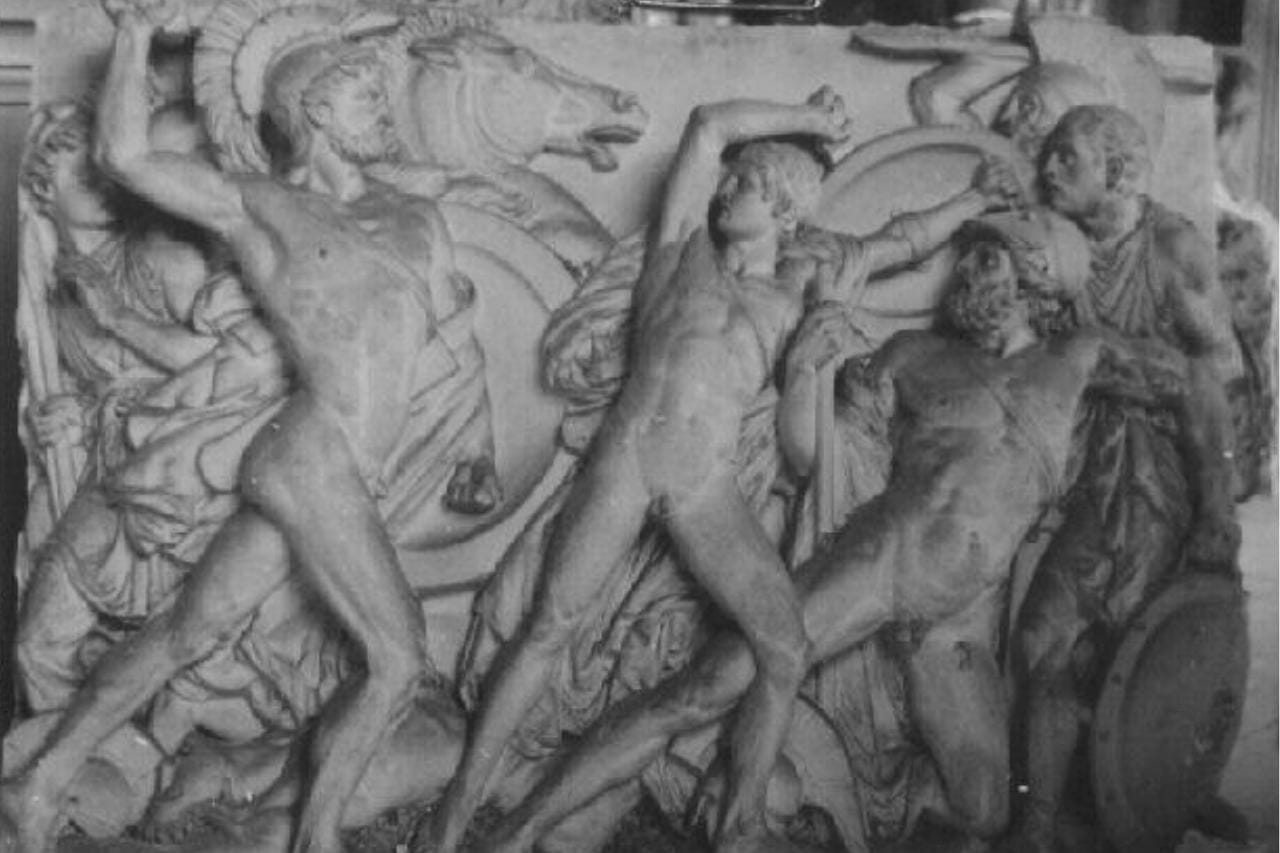
Mezentius in battle in the Aeneid
Final Moments of Mezentius in the Aeneid
While he was pinned to the ground, Mezentius refused to ask for mercy for he was puffed up with pride. Before he died, he begged Aeneas to bury his body with his son so that they would be together in the afterlife. Aeneas then dealt the final blow to Mezentius and killed him.
Mezentius Aeneid in Book 8
In Book 8 of the Aeneid, it was mentioned that Mezentius was overthrown by the Etruscans for his cruelty. Mezentius' cruelty was a common theme in Homeric poem as Homer portrayed him as an evil King whose people were peaceful. Thus, it is likely that Virgil's Mezentius was inspired by the Mezentius of Homer.
Conclusion
The article has looked at the role and the death of Mezentius in Virgil's epic poem, the book. Here is a summary of all that this article has discussed so far:
Mezentius was a cruel King of the Etruscans who joined forces with Turnus, the leader of the Rutuli, to fight against Aeneas and his Trojan army.
During the battle, he faced off with Aeneas's foster son, Pallas, and he murdered him.
This angered Aeneas who slashed his way through the enemy lines looking for Mezentius, but Juno intervened and Mezentius was spared.
Finally, Aeneas encountered Mezentius and wounded him fatally, but just when Aeneas was about to deal the final blow, Lausus swoops in to save him.
Mezentius then escaped and his son, Lausus, dueled with Aeneas but he was no match for the experienced epic hero as he killed him effortlessly.
When Mezentius got wind of what had happened to his son, he ran back into the battle to avenge the death of his beloved son. Mezentius fought bravely by riding his horse around Aeneas but Aeneas eventually killed him after his horse fell and pinned him to the ground.