Athena vs Ares: The Strengths and Weaknesses of Both Deities
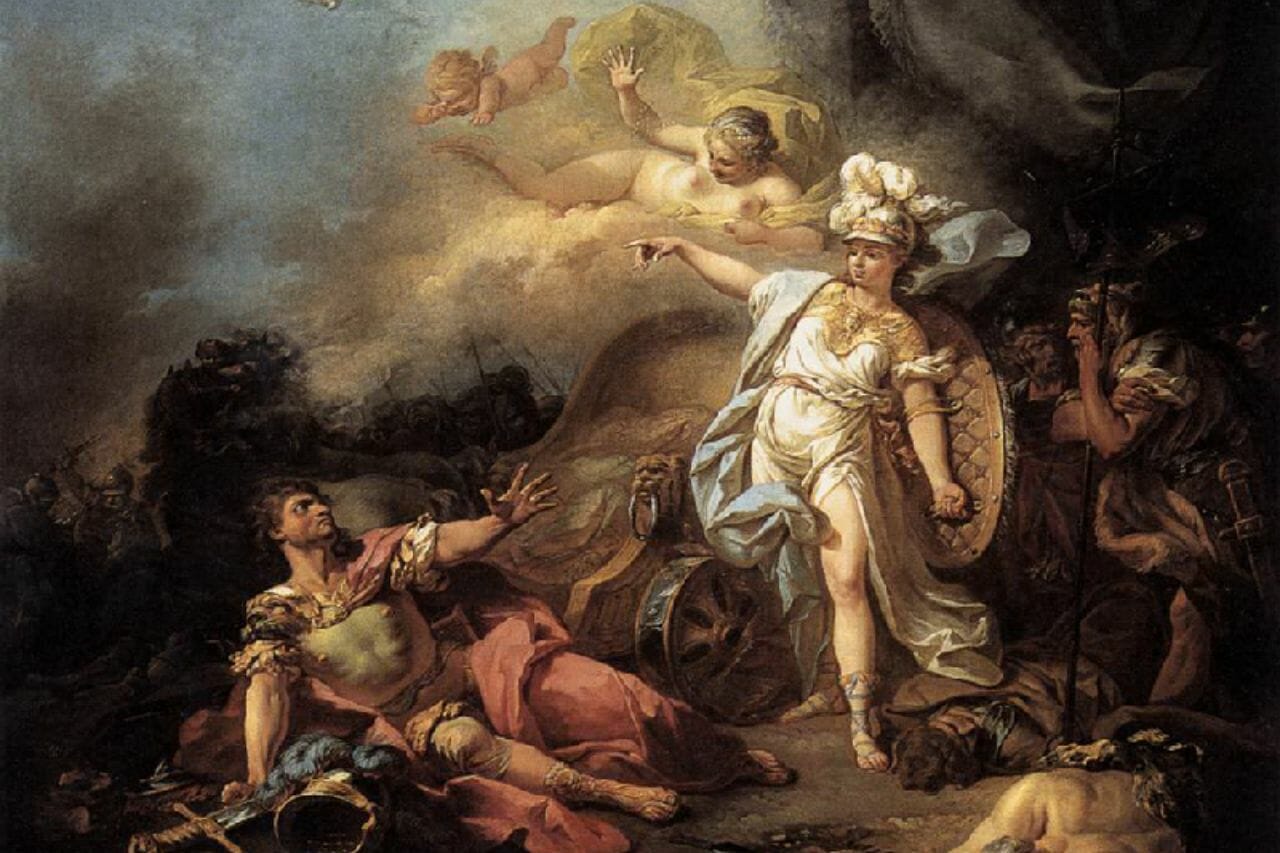
Athena vs Ares seeks to contrast the characteristics of Athena, the goddess of wisdom, with Ares, the god of war. The idea is to establish their origins, strengths and their weaknesses and to analyze their roles in ancient Greek mythology. These comparisons have helped to shape Greek mythology over the years.
This article will compare Athena vs Ares to ascertain their origins, strengths, and their weaknesses.
Athena vs Ares Comparison Table
Features | Athena | Ares |
|---|---|---|
Mother | Metis | |
War Tactics | Prefers to apply wisdom in settling conflicts | Prefers to apply brute force |
Symbols | Olive tree | Sword |
Greek mythology | More prominent | Less prominent |
Nature | Calm | Vicious |
What Are the Differences Between Athena and Ares?
The main difference between Athena and Ares is in their nature and their approach to battle. Athena preferred a diplomatic approach and will to strategize her wars. Conversely, Ares prefers brute force and is vicious on the battlefield. Athena was a calm goddess, whereas Ares was a hot-tempered god.
What Is Athena Best Known For?
Athena was best known to be a goddess of war in ancient Greece, she is famously known for her insight, intelligence, and wisdom even in the art of war. She is known as a great war strategist who helps her adherents plan out the best ways to win a war.
The Birth of Athena
The story of Athena's birth had two narratives; one narrative says she was born from the forehead of her father Zeus. The other says Zeus swallowed her mother, Metis, when she was pregnant with her. Metis delivered Athena while she was still inside Zeus, thus Athena grew up while buried in Zeus. Later, she made a racket while embedded in Zeus' head, giving him constant headaches until Zeus gave birth to her.
Athena The Goddess of War
Athena is also popular for helping heroes like Perseus, Achilles, Jason, Odysseus, and Heracles to overcome their enemies. The goddess was the patron of craft and weaving and had the city of Athens named after her.
Though she was a goddess of war, Athena preferred to settle disagreements through the application of practical wisdom. Athena was calmer and level-headed in dealing with disputes, she had a way of dealing with conflict and bringing them to resolutions instead of making the war bigger than it is. She dealt with them in a calm way, as she approaches with a diplomatic plan, aiming to make peace and not make things worse in their manner.
Athena's Character
Athena came out fully armed for war and was believed to lead her adherents into war as Athena Promachos. Athena was additionally revered as the goddess of handicraft and the patron craft of weaving, known as Athena Ergane.
Athena was known as a virgin and even one old version of the myth suggested that Hephaestus, the god of iron, tried unsuccessfully to rape. Athena was the patron of heroism and was believed to aid heroes such as Jason, Bellerophon, and Heracles in their quests.
Athena has a leader's perspective and that is how she won the contest because of her patience and wisdom in planning perfect strategies to overcome her opponents. Athena is likely to counter by patiently wearing him out with her evasive skills. If anyone makes a wrong move that will open them up for a devastating blow from Athena.
Athena in the Trojan War
Athena played an active role at the start of the Trojan war and supported the Greeks to defeat the Trojans. She aided Achilles to kill the Trojan hero Hector and protected Menelaus from an arrow hurled by the Trojan, Pandaros. Athena was often associated with the olive tree and the owl which was a symbol of wisdom and the city of Athens was named in her honor. She was often referred to as 'bright-eyed' and the 'lovely-haired goddess' for her charm.
The Worship of Athena
In places like Sparta, scholars have discovered that the worshippers of Ares made human sacrifices (especially prisoners of war) to him. However, Athena worshippers only made animal sacrifices and it is widely believed that the difference in sacrifices was due to their varying natures.
What Is Ares Best Known For?
Ares is best known for his brutality and bloodthirst in war as well as his constant defeat and humiliation. He inspired heroism albeit through sheer force and ruthlessness, on the other hand, he was unlike his sister who employed tact and wisdom during battles.
The Birth of Ares and Other Characteristics of the God
As already mentioned, Ares' birth required the union of Zeus and Hera. He was a member of the 12 Olympians, but unlike Athena, his siblings were not fond of him. Ares was promiscuous as various myths depicted him with different consorts and children. He was a god of courage but was known for his sheer force and brutality.
Ares was always on the losing side of battles, either human or divine. He was known to be the hot-tempered and bloodthirsty god. Furthermore, it is key to note that Ares had a limited role in Greek myths and was mostly humiliated while and he didn't have worshippers either. He wasn't the one who helped, he was usually the one who ruined things.
The reason for the latter is simple, Ares, was quick to resort to brutal war and to show supremacy through combat. He didn't think further ahead or wasn't far-sighted, which is why he ended up in a bigger problem.
Ares' Support to the Trojans
He supported the Trojans during the war but was ultimately humiliated when the Achaeans trounced his favorites. In one episode Ares faced off with his sister, Athena, but Zeus intervened and warned the gods to stop intervening in the war.
However, in another scene, Athena aided Diomedes to injure Ares by guiding Diomede's arrow to hit pierce Ares in the womb. Ares let out a loud cry and run back to Mount Olympus to nurse his wounds.
Poor Choices
Ares was popular for poor moral choices that resulted in several instances of indignity. Ares played a limited role in ancient Greek myth due to his sour relationship with his parents and siblings.
Due to his vicious nature, Zeus and Hera, including the other Greek gods, were not fond of him but his sister, Athena, was well-loved by Zeus. Though she exhibited calmness and practical wisdom, Athena was strong enough to defeat some deities she dueled with.
In addition, Ares also faced great humiliation when Hephaestus discovered that he was having an affair with his wife, Aphrodite. First, Hephaestus set a trap where the cheating lovers usually met and when they fell inside, he called the other gods to come and look at them.
FAQ
What Happened in Athena vs Poseidon?
According to mythology, Athena won the competition between her and Poseidon, the god of the seas. The competition was to determine which deity should the city of Athens be named after. Poseidon produced a horse or saltwater from a rock but Athena produce the olive tree which became an important asset to the Athenians thus the city was named after her.
Would Athena have defeated Zeus in Athena vs Zeus?
A prophecy was foretold that a son of Zeus would overthrow him and that was why Zeus swallowed Metis after he found out she was pregnant. However, Athena grew up inside Zeus and came out when she was all grown up. According to other myths, Athena joined forces with Poseidon, Apollo and Hera to overthrow Zeus but Zeus defeated all of them.
What is the Difference Between Mars vs Ares?
Mars was the Roman version of the Greek god, Ares. Unlike Ares, he was widely worshipped and believed to be the father of the Romans. Mars was not a destructive force but similar to Athens in terms of military strategy.
Conclusion
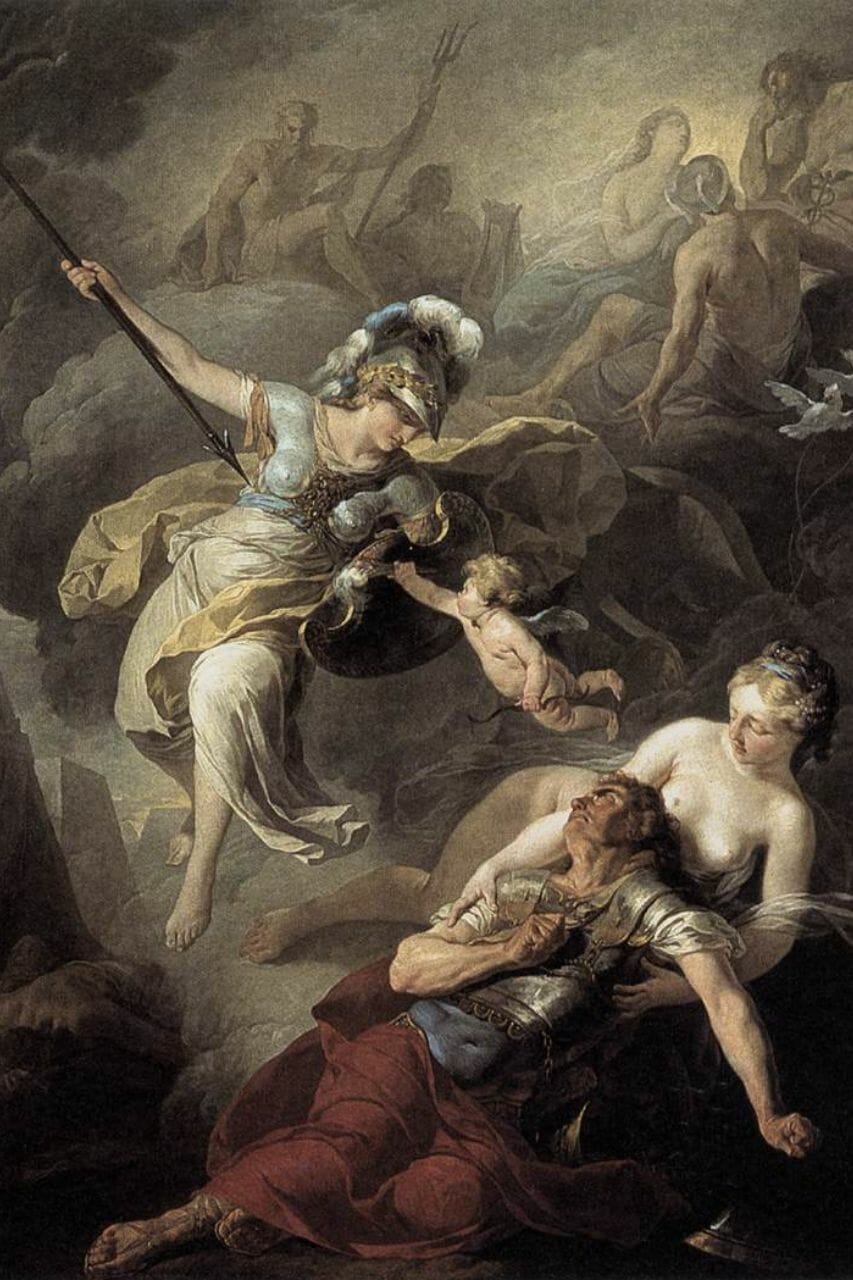
Athena was a more likable deity as compared to Ares who was despised even by his parents due to his nature. Athena, though a war goddess, was more strategic and would only resort to violence after all diplomatic efforts have failed. Ares, on the other hand, was quick to unleash mayhem and violence and represented the brutal aspects of war.
In terms of strength, Athena seems stronger since her efforts wounded Ares during the war against Troy, forcing him to run back to Mount Olympus. Even when she contested with Poseidon over the city of Athens, she came out victorious using her wisdom, not brawn. Meanwhile, Ares faced scorn and ridicule including being humiliated by Hephaestus after he caught Ares cheating with his wife. Comparing Athena vs Ares, we can conclude that Athena was more morally upright than Ares. Also, Athena is more revered and worshipped than her savage and bloodthirsty brother.