Wiglaf in Beowulf: Why Does Wiglaf Help Beowulf in the Poem?
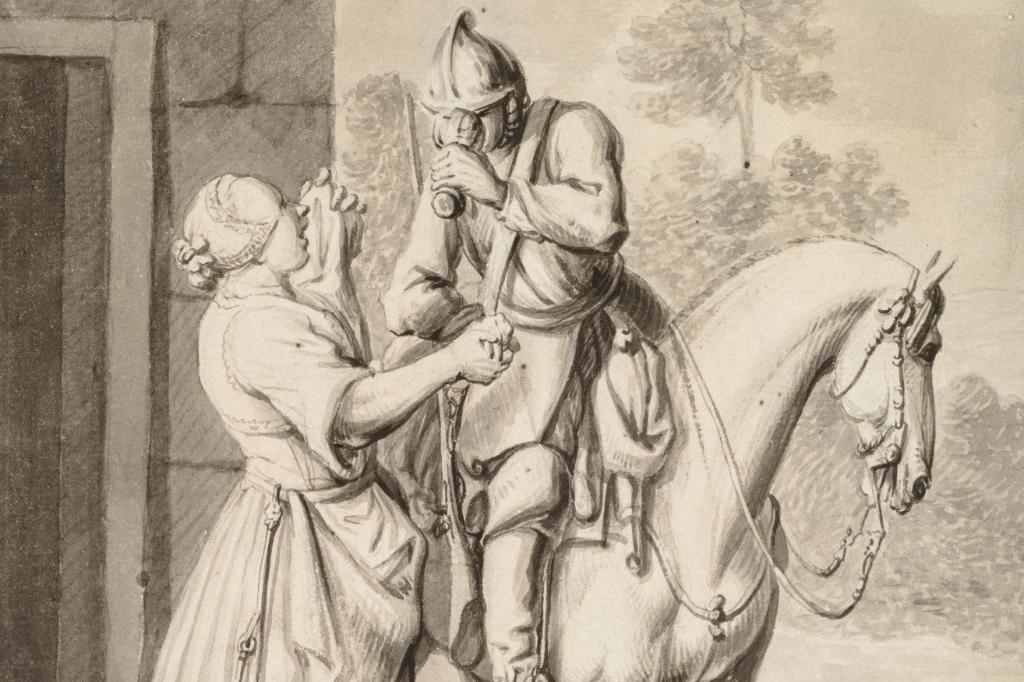
Wiglaf in Beowulf is one of the most important characters, but he doesn't show up until the end of the poem. He is the only one of Beowulf's warriors who comes to help him fight against the dragon. Wiglaf perfectly abides by the heroic code, showing his loyalty.
Find out all about Beowulf and Wiglaf in this article.
Who Is Wiglaf in Beowulf?
Wiglaf is one of Beowulf's kinsmen or thanes in the poem. Wiglaf doesn't appear until later in the poem after Beowulf has become king of his homeland, Geatland. He is one of the many soldiers under the famous Beowulf's command and is there when the dragon fights him. Despite his youth, Wiglaf shows his loyalty, strength, and bravery by coming to assist Beowulf in Beowulf's final battle.
Here are some other descriptions of the young warrior, as found in Seamus Heaney's translation of Beowulf:
"son of Weohstan"
"A well-regarded Shylfing warrior"
"Related to Aelfhere"
"the young warrior"
"Dearest Wiglaf"
"the young thane"
"You are the last of us"
"the young hero"
By these descriptions, it is implied just how beloved and respectful the young man is together with Wiglaf's character traits overall. He is not just respected by Beowulf but also by the author of the poem. He is a worthy warrior to eventually take over Beowulf's throne and kingdom.
Why Does Wiglaf Help Beowulf?: The Final Battle With a Monster
Wiglaf helps Beowulf in his final battle because he is a loyal warrior, and he knows that Beowulf has already done so much for him. The Heaney version of the poem states,
When he saw his lord
Tormented by the heat of his scalding helmet,
He remembers the bountiful gifts he bestowed on him."
In this battle, Beowulf has come up against a fiery dragon who has come for revenge against Beowulf's people. The dragon had a hoard of treasures, and one day, a slave came upon the hoard and took something. It flew out of his lair to come and get his revenge, and Beowulf vowed to kill him.
Since his past successes, Beowulf wanted to fight the monster on his own. He brought his men with him and set them to wait on the edge of the valley. However, when the battle started getting dangerous, his men ran away, and "that hand-picked troop Broke ranks and ran for their lives To the safety of the wood."
It is only Wiglaf who decides to go and help his lord and master. The poem states,
"But within one heart Sorrow welled up: in a man of worth
The claims of kinship cannot be denied.
His name was Wiglaf."
Because of his loyalty to his king, he chose to go and fight with him and take the dragon down.
The Speech and Wiglaf Character Traits: The Power of a Loyal Warrior
Even though loyalty is such an important part of the heroic culture at the time, most of Beowulf's chosen soldiers run away in fear. Wiglaf is the one who is strong and brave enough to fight for his king, and he gives a speech to the men, encouraging them to fight.
Wiglaf's speech is important because it shows his strength, reminding the readers how similar Wiglaf is to the young Beowulf. The poem says that it is Wiglaf's first battle, and his first time to be tested against such a powerful foe.
Before he goes into battle, he turns to the other soldiers and, as the poem states:
Sad at heart, addressing his companions,
Wiglaf spoke wise and fluent words.
He has to remind them of the importance of loyalty and honor, telling them that he would rather die than be found out they'd left their king.
But in the end, they do not listen to his rousing speech or his beautiful words like,
Should he alone be left exposed
To fall in battle?
We must bond together,
Shield and helmet, mail-shirt and sword.
The dragon rears up and shows his power, as Beowulf is at the end of his life, and Wiglaf rushes into battle on his own.
Wiglaf and Beowulf: One Strength Passes to Another
Wiglaf and Beowulf could be seen as copies of one another, and since Beowulf had no male heir, Wiglaf was the one to inherit the role. Even though Wiglaf's skill as a warrior is shown to be new and fresh, his heart is brave, just like Beowulf. If Wiglaf was to take Beowulf's place after his death, it makes sense that they would battle Beowulf's final monster together. Wiglaf's, as well as Beowulf's blade, plunges into the dragon, killing it.
It's as if the transformation of power happened at that particular moment when the dragon died, and Beowulf lies, almost dead. The poem calls them a pair, saying, "That pair of kinsmen, partners in nobility, Had destroyed the foe." Wiglaf comes to Beowulf's side and hears the final words of his king. He helps Beowulf to see the beautiful treasure which lived in the dragon's hoard.
However, since Beowulf has no male heir, he offers the kingship to Wiglaf. Part of Beowulf's speech is,
Then the king in his great-heartedness unclasped
The collar of gold from his neck and gave it
To the young thane, telling him to use
It and the war shirt and the gilded helmet well.
You are the last of us, the only one left.
Later, Wiglaf takes up the role he was given and the role that he earned.
Quick Run-through the Story of Beowulf
Beowulf is a very skilled warrior, who reaches out to the Danes offering them his help them with a monster. The story is issued in Scandinavia in the 6th century between two countries that reside across the water from each other. For years now, the Danes have struggled against a bloodthirsty monster named Grendel, who keeps killing them. The epic poem was written between 975 to 1025 in Old English, by an anonymous author.
However, due to an old debt, Beowulf comes to help King Hrothgar and offers his services to fight. He fights Grendel, and he defeats him by pulling off his arm, earning honor and rewards. He also has to fight Grendel's mother who comes for vengeance for her son's death. Later, Beowulf becomes king of his own land, Geatland, and he has to come up against a dragon in his final battle.
Because of his pride, he refuses to fight with others, but he is older and weaker, not as powerful as he once was. He cannot defeat the powerful dragon without losing his life. Only one of his warriors, Wiglaf, comes to help him to kill the beast. In the end, the dragon is defeated, but Beowulf dies, leaving his kingdom to Wiglaf because he has no male heir.
Conclusion
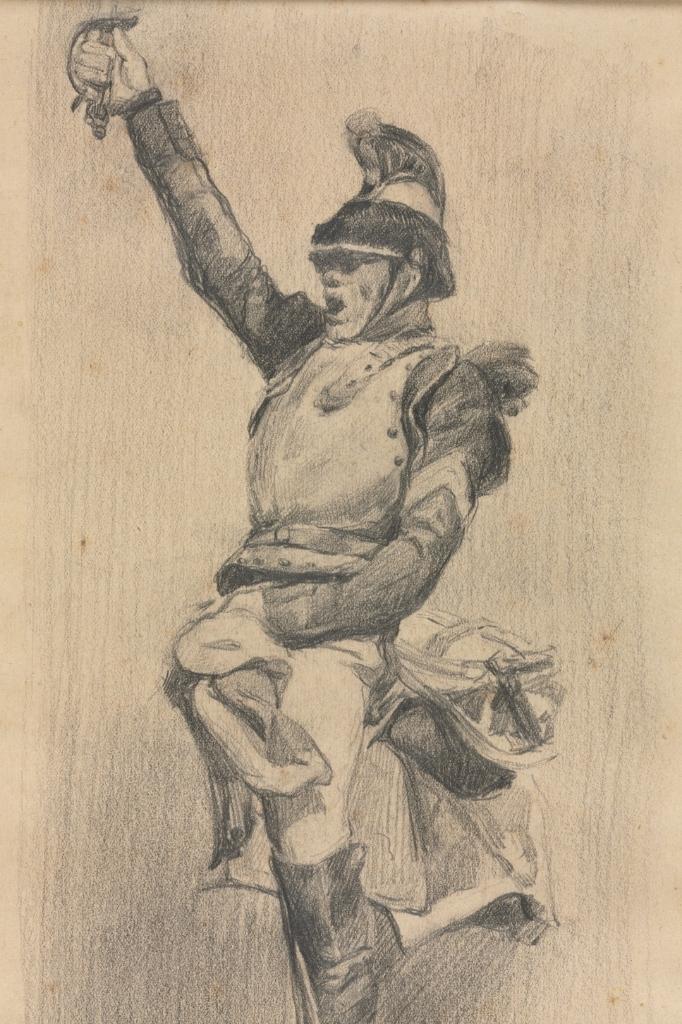
Take a look at the main points about Wiglaf in Beowulf covered in the article above.
Wiglaf is one of Beowulf's kinsmen, and he helps Beowulf in the poem because Beowulf is his king
He doesn't show up until the end of the poem, but he's still a very important character and maybe the most loyal
He is the perfect embodiment of the heroic code because of his true loyalty. He is a young warrior, full of spirit, and well-respected
He is one of many soldiers who go with Beowulf to wait on the side while Beowulf fights the dragon
Beowulf wants to fight the dragon on his own, but he brings his men anyway to watch over him
Wiglaf is there among Beowulf's soldiers, and they watch as their elderly king attempts to fight the strong monster
But the dragon soon overpowers him, and Wiglaf turns to the men, begging them to join him in going to save their king
He gives a rousing speech, declaring his loyalty, reminding them to have the honor and to think of what their king did for them
But the dragon shows its power again, and the men run in fear
Wiglaf is the only brave one who rushes out to help his king defeat it
At the end, Beowulf has a valiant and worthy successor, and Wiglaf's loyalty shows that he is the best option to become king
Wiglaf shows up toward the end of the poem, and yet he is one of the most important characters in relation to Beowulf. Because of his loyalty, bravery, and strength, he shows Beowulf and the readers that he is the perfect choice to take over the kingdom of Geatland. His decision to join the battle to save his king may show him as the most loyal character in the entire poem, a noble title, indeed.