Zeus vs Hades: The God of the Living and the Dead
Zeus vs Hades is one of the most interesting comparisons in Greek mythology. The reason behind it is that Zeus was the god of everything living and Hades was the king of everything that was dead. So the kings of the most opposite nature institutions were also brothers to each other in Greek mythology. Here, through this article, we bring you an in-depth comparison of the two gods, their lives, and their parts in Greek mythology.
Zeus vs Hades Comparison Table
Features | Zeus | Hades |
|---|---|---|
Origin | Greek | Greek |
Parents | Cronus and Rhea | Cronus and Rhea |
Siblings | Hera, Poseidon, Hades, Hestia | Hera, Poseidon, Zeus, Hestia |
Consort | Hera and Many Other | Persephone |
Children | Many | Zagreus and Macaria |
Powers | God of Sky and Thunder | God of the Underworld |
Type of Creature | Olympian God | Olympian God |
Popularity | Among Olympians and Earthlings | Among Olympians and Earthlings |
Roman Counterpart | Jupiter | Dis Pater |
Appearance | Old muscular man with Gold headband | Muscular man with the element of fire |
Major Myth | Titanomachy and Various children | Underworld (the house of Hades) |
Death | Does not Die | Does not Die |
What Are the Differences Between Zeus vs Hades?
The main difference between Zeus and Hades is that Zeus was the king of all the Olympian gods and goddesses whereas Hades was the king of the Underworld. They both were brothers to each other and to Poseidon as well.
What Is Zeus Best Known For?
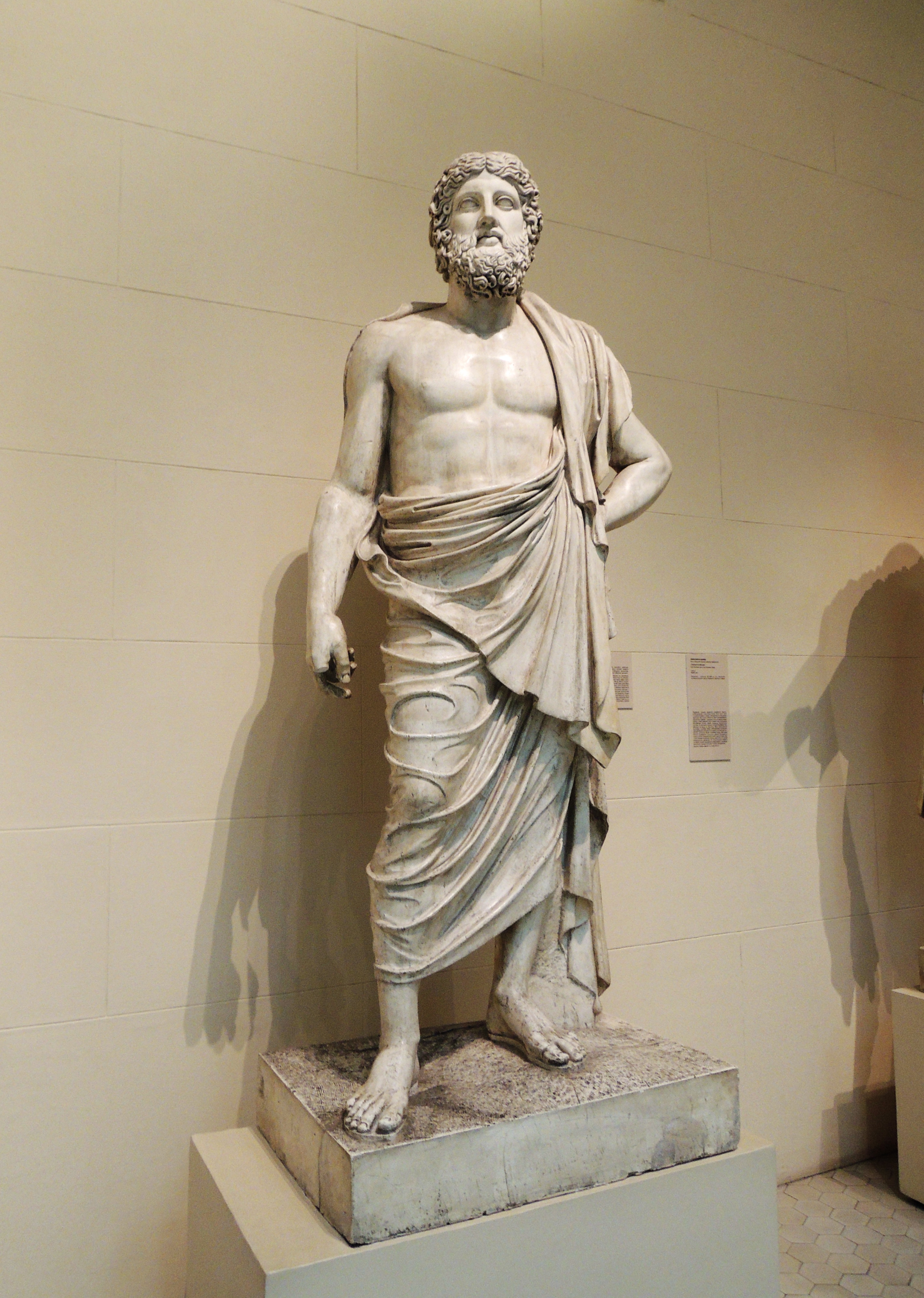
Zeus is best known for the role that he played in Greek mythology, the ultimate deity that had the supreme power to rule over everyone and everything. Among many important things, he was the king of everything that lived and breathed, on the land and on Mount Olympus.
The Story in Greek Mythology
Zeus was known to be the god of the sky, thunder, lightning, justice, law, and order in Greek mythology. He was the prime god under which all other gods and goddesses came. In addition, he was also even the first Olympian god on Mount Olympus. He had many victories to his name and even more children and consorts but his first true wife was his sister, Hera.
Zeus was the son of Titan god and king, Cronus and his sister-wife and queen, Rhea. He had many famous siblings namely Hera, Hades, Poseidon, and Hestia. Zeus married Hera and the couple had three children namely Ares, Hebe, and Eileithyia. Besides his children with Hera, he had more than 100 illegitimate children with various mortal and immortal creatures.
Some of the most famous illegitimate children of Zeus are Aphrodite, Apollo, Artemis, Persephone, Perseus, Helen of Troy, Hermes, Athena, Dionysus, Heracles, Melinoe, and the Morai sisters. Most of these famous children of Zeus were demigods on Earth.
He was openly infidel to Hera and she knew it so she took all of her anger out on the women that Zeus consummated with or their children, and due to that he would sometimes hide his children on Earth, logically, it was because he knew this fact about himself.
Almighty and Powerful
He was known for his powers this is how he was undefeated and almighty, his relationship with his siblings, the ascension war he started, and the hundreds of children he had with mortal and immortal women. Hesiod and Homer mention Zeus in their books many times. He was surely one of the most important characters of all time.
The greater part of Greek mythology roams around this god, because he was the most powerful one and he was considered the strongest one. From very chaotic beginnings to an even more chaotic mid-life, however, he lived an adventurous life. His relation with his father Cronus is of utmost importance as it reshaped the mythology.
He was Hidden After Birth
Zeus was hidden when he was born to Cronus and Rhea because of what Cronus did to his father. Cronus was the son of Uranus and Gaea, the first ever Greek gods. He killed Uranus on the order of his mother, Gaea, because Uranus hated his children and would hide them from Gaea. To take revenge, Gaea ordered Cronus to castrate Uranus and so he did.
Now that Cronus was the new king of the gods, goddesses, and every other creature, he learned of a prophecy. The prophecy stated that the son of Cronus was going to be even stronger than him and would kill Cronus exactly like Cronus killed Uranus. Due to this fear, Cronus would eat any child born to him. This would upset Rhea so much.
Now, when Zeus was born, the youngest of his siblings, Rhea hid him and when his father was chasing to find him, he came to eat Zeus, however, she gave him a piece of rock instead and fooled Cronus. This was how Zeus had been hidden far away on an island where he grew up and learned how to fight.
How He Had Numerous Children
One of the key factors that were famously known about him was that this god had a lust that remained unfulfilled which is why he had many children. He had three children with Hera, his sister-wife, and countless children with many mortal and immortal women and other creatures.
On the other hand, he also had encountered relations with his own daughters too, he was an unreasonable entity when it came to his lust and passion for intercourse, in general he had a hunger that was never satisfied.
Some of his children were Ares, Hebe, Eileithyia, Aphrodite, Apollo, Artemis, Persephone, Perseus, Helen of Troy, Ersa, Hermes, Athena, Dionysus, Enyo, Heracles, Melinoe, Pollux, the Graces, and the Morai sisters. Amongst them, you may even find some of the most famous characters and important characters of Greek mythology that Zeus fathered.
How Zeus Died
Zeus does not die in Greek mythology, as this may come as a surprise; however, most gods and goddesses in Greek mythology are true immortals which means even a god cannot kill them.
He was one of the true immortals and he did not die at least in Greek mythology, and since he was known to be the the strongest one, no one even tried to risk it and kill him. Such gods and goddesses can be exiled to the Underworld or some other remote place but they cannot be killed.
He, however, is shown to be killed or murdered in various media adaptations. This is only to show the triumph of good over evil or to give the story a perfect ending but according to the literature, and the Greek myth, he never dies.
What Is Hades Best Known For?
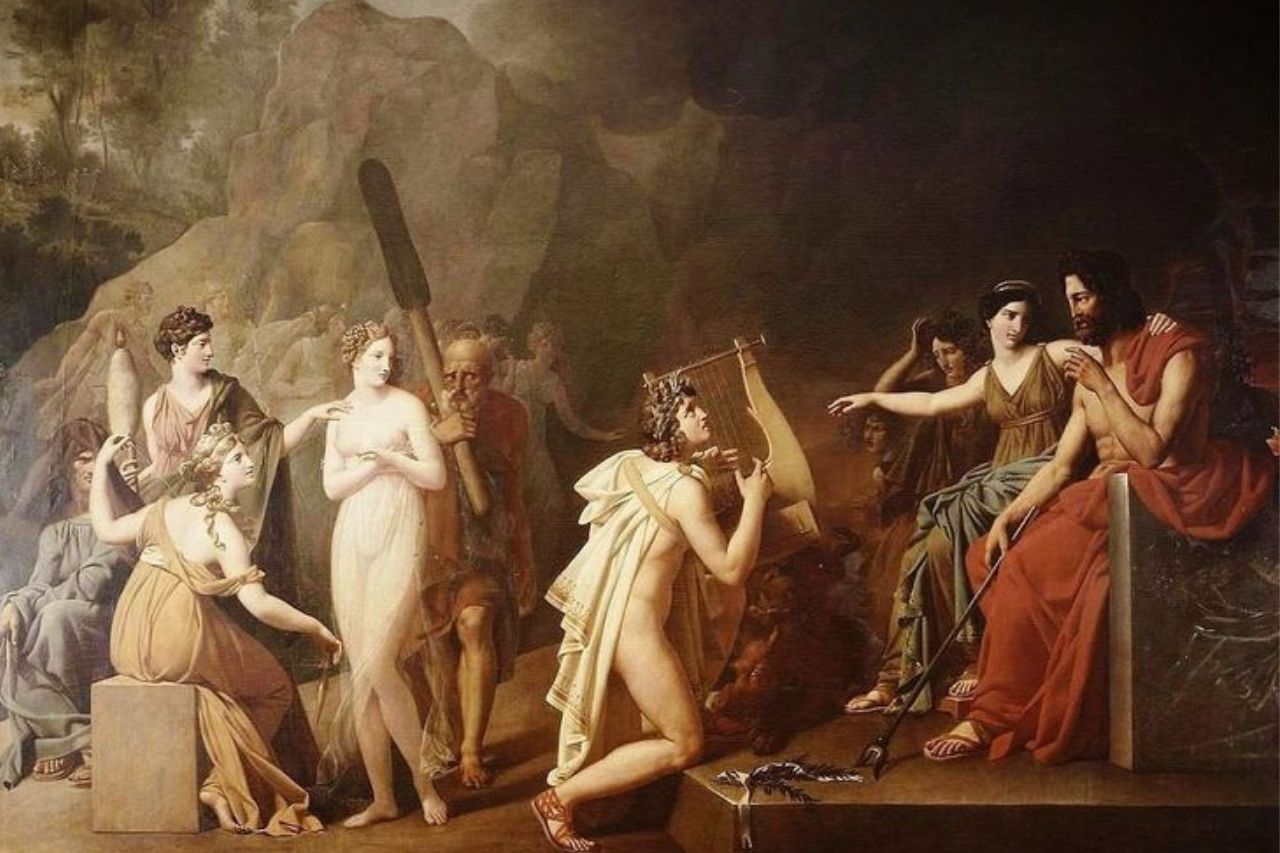
Hades was best known for being the brother of Zeus and for being the king of the most dreadful place in all of Greek mythology, the Underworld. Hades was an exceptional character with a lot of power and vigor to himself, he married Persephone, who was the daughter of Zeus.
The Ruler of the Underworld
After Titanomachy, when the Titans were fallen, the Olympian brothers: Zeus vs Poseidon vs Hades were supposed to pick a domain of rule. Zeus picked the living and as he liberated the others, he also became their king, Hades picked the Underworld, and Poseidon picked the waters.
Hades picked the darkest place to rule and his nature was just the same. He was the perfect fit for ruling the dead and everything that was damned to the pits of the Underworld.
Each brother started ruling his domain and so did Hades. The Underworld is a place where all the dead go after they die in their lives. It is a place of punishment, resentment, remorse, and sadness.
The place can evacuate and take out the last living drop of happiness or joy inside anyone who was there and leave them with an absolute void inside, and none other than this fact is exactly what happened to Hades and his life and he felt miserable.
He became lifeless, even though he was the god, he had no willpower to live and to be happy, the key reason to this was because he wasn't surrounded with anything that was joyous, or happy, he had to deal with punishments, and nothing that really had a soul.
He Married Persephone
Just as thought of, he didn't feel any joy or any grace when he was the ruler of the underworld, however, this changed until he married Persephone, who gave him a reason to live his life to the fullest.
She was one of the daughters of Zeus and Demeter, the goddess of agriculture. She married the King of the Underworld, Hades, not because of any arrangement but because of love. She lived in the Underworld with him and was its queen, she truly loved him and wanted to be with him. The pair had two children together, namely, Macaria and Zagreus.
She did not however fall in love with Hades in a conventional way. Hades kidnaps Persephone and brought her to the Underworld to take revenge on Zeus. When Persephone was there she fell in love with the ways of Hades and eventually the pair married. Unlike the rest of his brothers, Hades was loyal to his wife and did not have multiple consorts or children with different women. In short, she was enough to make him happy.
They remain with each other till the end of time even though Zeus tried many times to break them apart and get his daughter back but Persephone did not leave Hades. However, as she died later in the Underworld, she didn't stay there, even though she was dead, she went on to live with the living. After this, there is no mention of her and what happened to her anywhere in the literature.
Death of Hades
Hades death is written differently in different kinds of literature. Some narrate that Hades did not die or can never die because he was the king of the Underworld and one of the original Olympian gods. However, others would say that he died of sadness in the Underworld after Persephone died while some say that he was killed by one of his many enemies in the Underworld.
Among these three alleged notions, each one has its own importance and significance. So a lot was going under the radar for Hades and which is why he is one of the most well-known characters in Greek mythology.
Conclusions
Zeus and Hades were the two Greek gods with opposite powers and abilities. While Zeus looked over the living and their matters, Hades looked after the dead in the Underworld. Hades married Persephone who was the daughter of Zeus and Demeter. He had kidnapped her and then eventually the pair fell in love. Both Olympian gods, Zeus and Hades, are one of the most well-known characters in all of Greek mythology.
Their brother Poseidon was the king of the waters and his abilities were not as well known or strong as those of Zeus and Hades. Zeus and Hades, according to famous literature and facts, cannot die. So the two have many similarities and differences with each other. Now, as we come to the end of the article about Hades and Zeus, you now know their lives and differences.