Angelia: The Greek Personification of Messages and Tidings
Angelia was the personification of messages and tidings in Greek mythology. She was the embodiment of sending and receiving proclamations among the gods and the humans. She was one of a kind creature in Greek mythology and came from a family of gods and goddesses. Here we bring you all the details on the origin, abilities, and appearance of this embodiment of messages in Greek mythology.
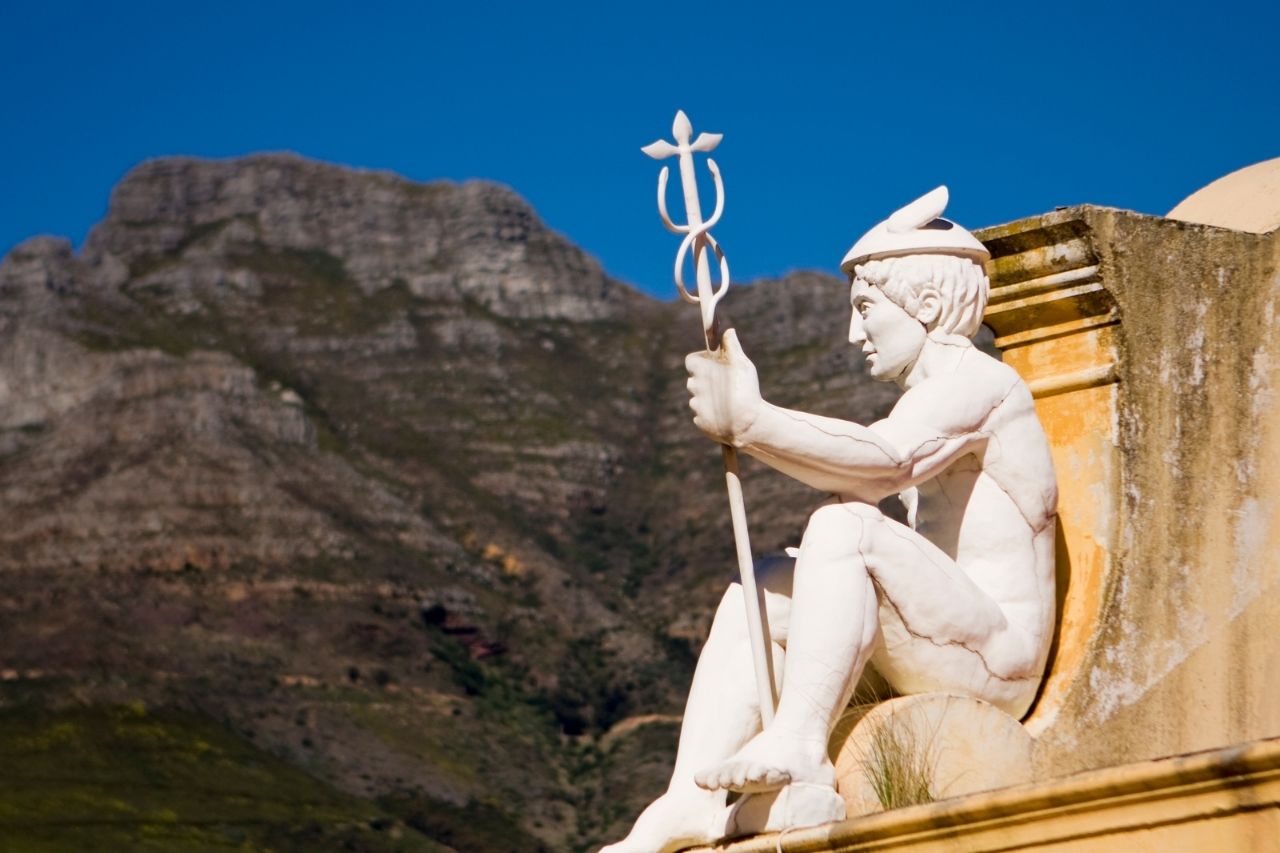
Hermes, the messenger god and father of Angelia
Origin of Angelia
The origin of Angelia is Greek in nature but she existed in almost all mythologies but with a different name and persona. The most interesting feature of Angelia, Greek mythology was that she was the daughter of the messenger of gods and goddesses, Hermes. Hermes was an Olympian god and had many different abilities under his wing. The Roman equivalent of Hermes was Mercury.
Not much is known about Angelia as she was a very minor deity with the biggest accomplishment of delivering messages from one god to the other on Mount Olympus. In ancient mythology of Greece, there were numerous gods and goddesses. They did not have the ability of telekinesis which is why they had messengers that would take their messages and deliver them to the other gods and goddesses.
Angelia was also responsible for delivering messages to the people on Earth mostly the demigods with whom the gods talked directly. The creature was also credited with the ability to ignite thoughts and passions in anyone's mind.
This power made Angelia very powerful as she could manipulate any situation and get her way. Even though she had these powers, she was a minor goddess with no description in any of the works of Hesiod or Homer.
Angelia and Angel
The English word angel is said to be taken from the Greek word Angelia. In many different mythologies and religions, different angels exist. These angels were the ones who took the messages or the prayers from the people to the gods.
Each of these angels has some specific attributes to them and also are very powerful when it comes to bringing destruction or merriment to the people. The people pray to these angels in various religions as a sign of making them happy so that they bring good news and tidings to them, from the gods back to the people. Most of these angels were good, they made sure that they behave well, and gave grace to the ones who prayed, worshipped, and sent grace to the gods.
In the same way, many evil angels also exist that play with human emotions and are the bearers of bad and unpleasant news. This is why in every religion some sort of angels, good or bad, do exist that take the messages from the above and deliver them to their host.
Physical Appearance
Angelia was a very different-looking creature because she was a messenger. She had wings that would help her fly from one place to another when she was to deliver a message, this is how she flew from one place to the other so she was a different creature in all. She did not live on Mount Olympus.
She was beautiful nonetheless, with short hair and height. She had a slender body and her facial features can be described as childish. She would manipulate any situation or any person simply by blowing air onto them. She had a smooth face and a cute smile, and this was her feature of childishness in addition to her bubbly character.
Other than that she also did not have any consorts or children of her own because she never married as the messengers were not allowed to meddle in that business and were expected to stay dedicated to their work only.
Angelia and Angelos
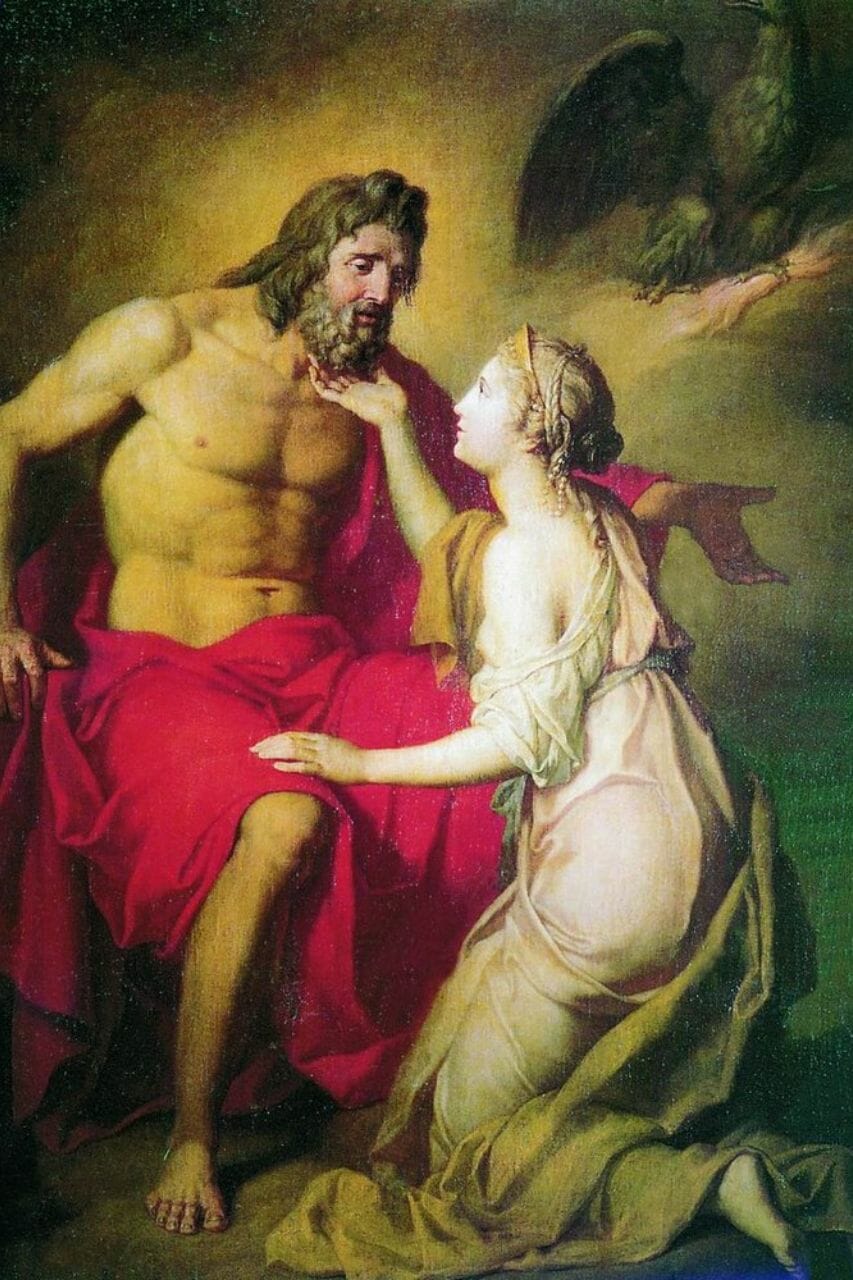
Hera and Zeus, parents of Angelos who is often confused with Angelia
Angelia and the goddess Angelos are the two creatures of Greek mythology. Angelos is also called Angelia in some contexts.
Angelia was the personification of messages and tidings whereas Angelos was the daughter of Zeus and Hera. However, note that Angelos was a troubled daughter who stole valuables from her mother Hera and gave them to Europa. Hera announced punishment for Angelos but Zeus saved her.
Even though the two creatures, Angelos and Angelia have a common name, they are totally different as day and night. Many same examples can be found in Greek mythology where the two entities with the same name or near to the same name are opposite to each other. Sometimes, the same name may also exist multiple times because multiple people with the same name exist.
Zeus ordered that Angelos shall be cleansed by the deities and given a new life. The deities did not agree with him and instead of cleansing her, she was sent to the Underworld to live a life of doom and distress, because she was troublesome and her behavior was wild.
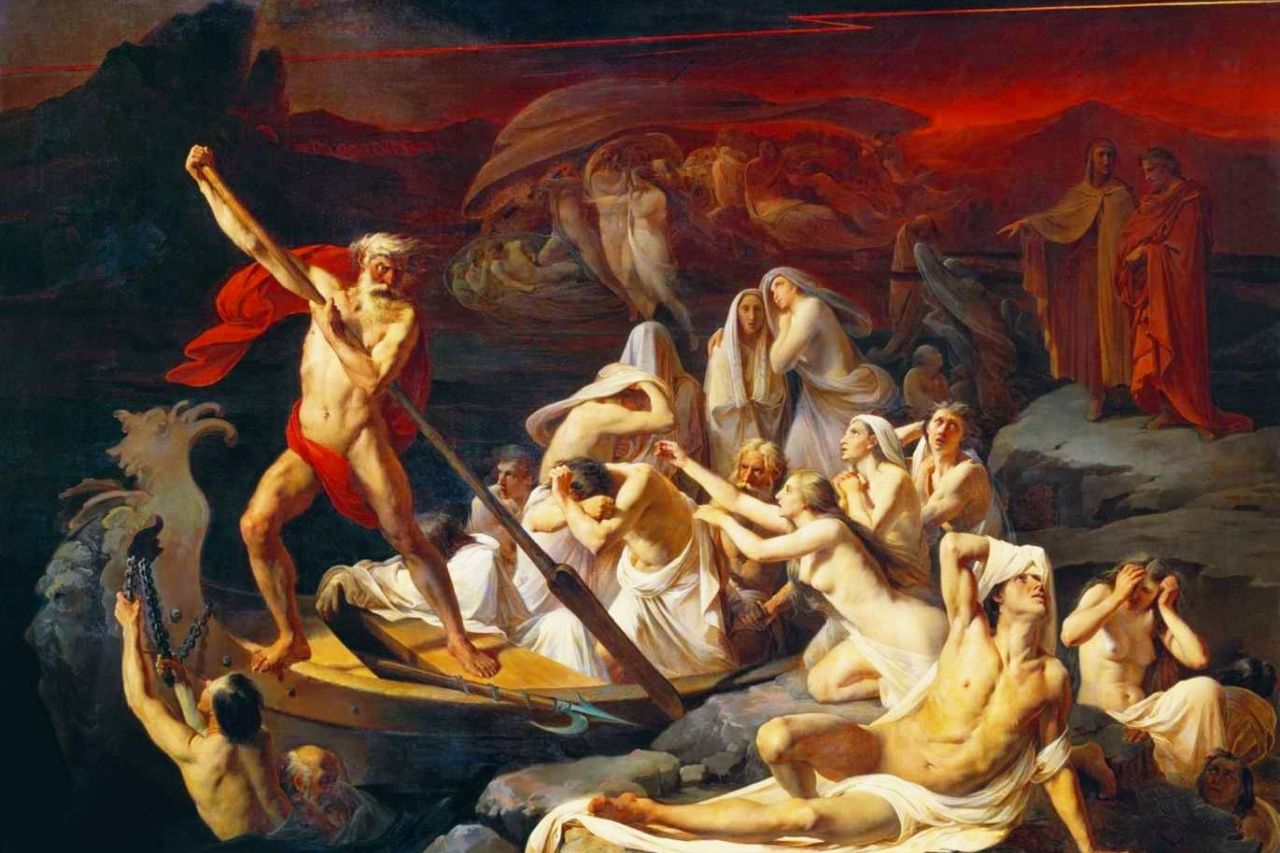
The Underworld, where Angelos was sent to live in doom
Conclusion
Angelia was the personification of messages, tidings, and proclamations among the gods and goddesses of Mount Olympus and also for the people on Earth. Here are a few points that would summarize the article:
Angelia was also responsible for delivering messages to the people on Earth mostly the demigods with whom the gods talked directly.
The most interesting feature of Angelia was that she was the daughter of the messenger of gods and goddesses, Hermes. Hermes was an Olympian god and had many different abilities under his wing.
The creature was also credited with the ability to ignite thoughts and passions in anyone's mind. This power made Angelia very powerful as she could manipulate any situation and get her way.
She had wings that would help her fly from one place to another when she was to deliver a message, even though she was on duty, but her personality was a little childish.
She was the personification of messages and tidings whereas Angelos was the daughter of Zeus and Hera. Angelos was a troubled daughter.
The Angelia's life was simple and with a single goal only: receiving and delivering messages. Here we come to the end of the article about Angelia.