Artemis and Callisto: From a Leader to an Accidental Killer
Artemis and Callisto shared a leader-follower relationship in Greek mythology that would end in tragedy. Callisto was one of the most devoted followers of the virgin goddess Artemis, sworn to chastity and dedicated to the hunt. Their initially positive connection was shattered when Zeus intervened, leading to a chain of events that resulted in Callisto’s transformation into a bear and her eventual death at the hands of the very goddess she had worshipped.
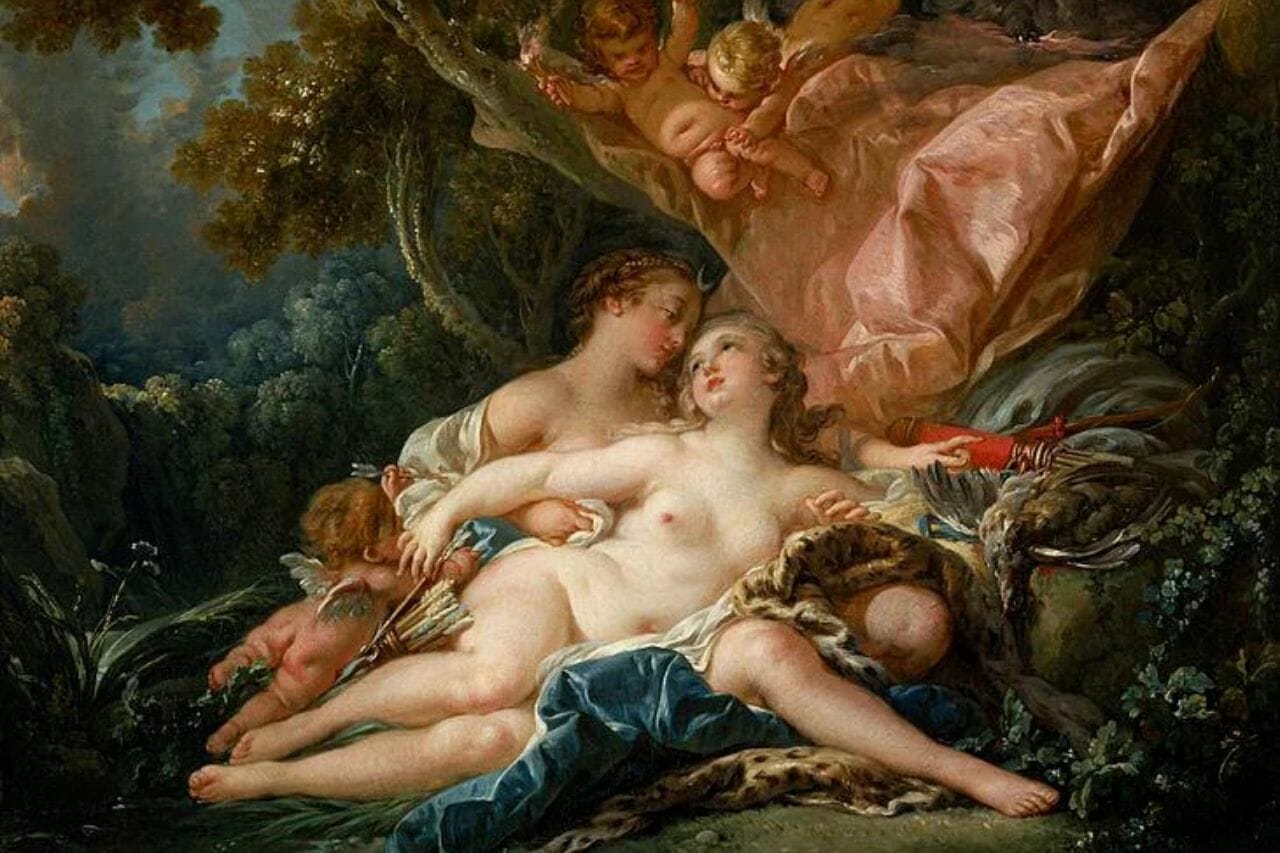
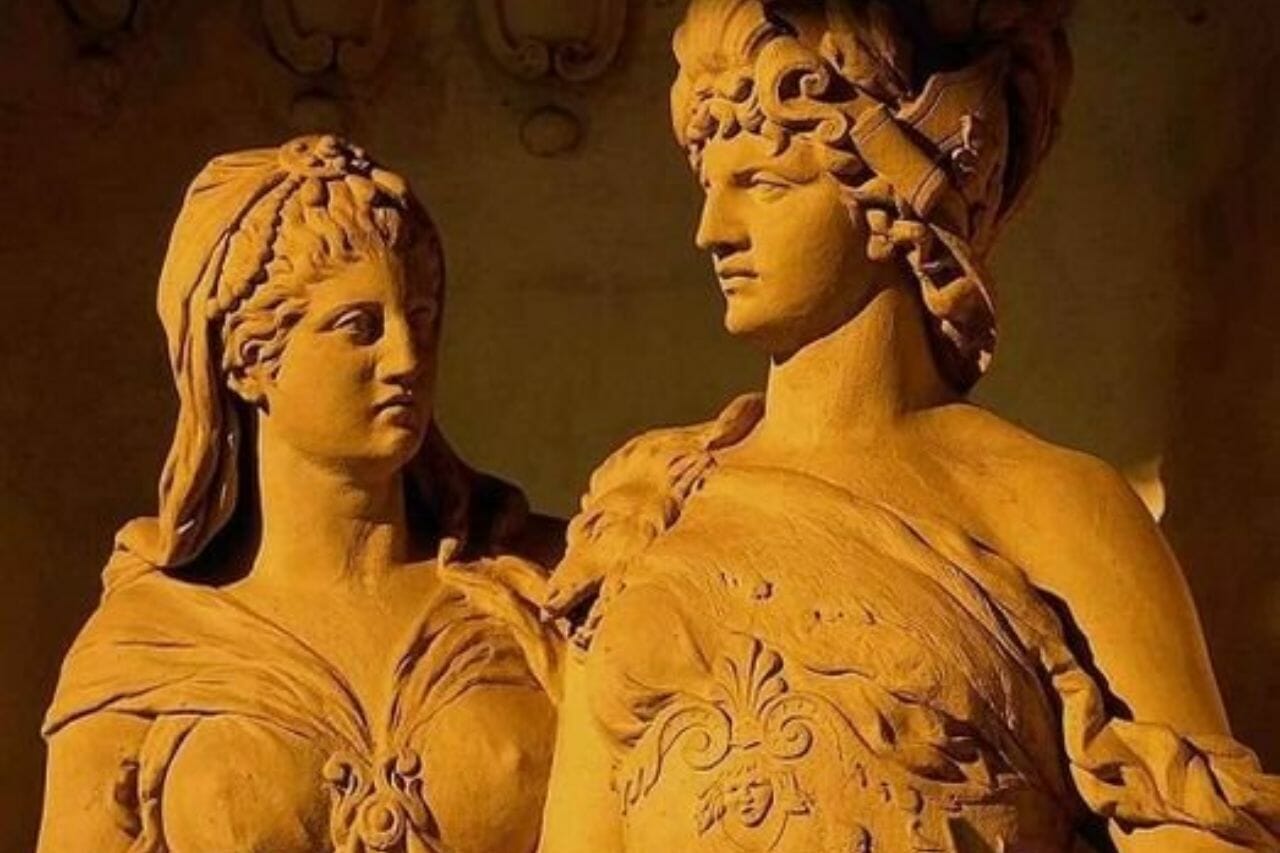
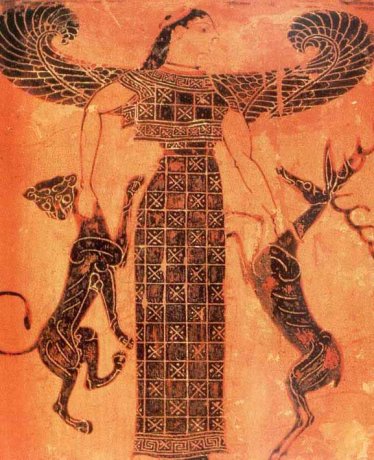
The goddess Artemis and her devoted nymph Callisto
What Is the Story of Artemis and Callisto?
The story of Artemis and Callisto is one of betrayal, divine intervention, and tragic consequences. Callisto was a beautiful nymph who joined the retinue of Artemis, the goddess of the hunt. Like all of Artemis’s followers, Callisto swore to remain pure and chaste, dedicating herself entirely to her goddess and the wilderness.
However, Callisto’s beauty caught the attention of Zeus, the king of the gods, who was notorious for his countless affairs with both mortals and immortals. Zeus impregnated Callisto through deception, and when her pregnancy was discovered, the consequences were devastating. Hera, Zeus’s jealous wife, transformed Callisto into a bear. Artemis, during one of her hunts, unknowingly killed Callisto, mistaking her for an ordinary animal.
Artemis and Callisto Relationship
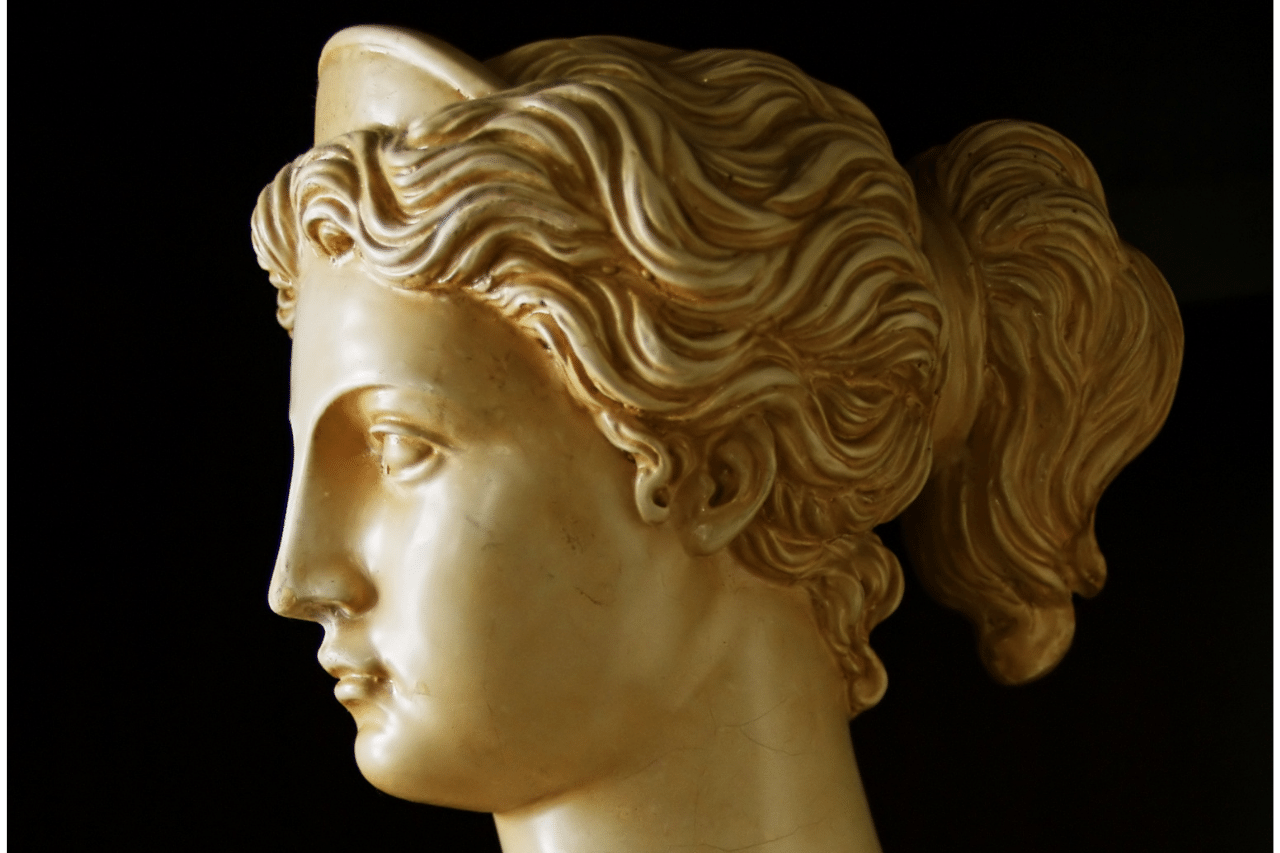
The relationship between Artemis and Callisto exemplified the bond between the goddess and her devoted followers. Artemis, as the virgin goddess of the hunt, wilderness, and wild animals, attracted many nymphs and maidens who wished to live free from the constraints of marriage and male dominance.
Callisto was among the most faithful of these followers. She excelled in the hunt, matching Artemis in her dedication to the wilderness. The goddess valued Callisto’s loyalty and skill, making her one of her closest companions. This bond made what followed all the more tragic, as Callisto’s fate would ultimately come at Artemis’s own hand.
The Story of Callisto and Zeus
Callisto’s beauty attracted Zeus’s attention, but he knew that approaching her directly would fail. Callisto was completely devoted to Artemis and would never willingly break her vow of chastity. Zeus, ever resourceful in his seductions, devised a cruel deception.
The king of the gods disguised himself as Artemis herself. When Callisto saw what she believed to be her beloved goddess, she approached without suspicion. Zeus, in Artemis’s form, embraced Callisto, then kissed her. Before Callisto could understand what was happening, Zeus revealed his true identity and raped her.
This deception was particularly cruel because it exploited Callisto’s trust and devotion to Artemis. The very loyalty that made her such an exemplary follower was used against her, leaving her violated and unable to defend herself against the king of the gods.
Callisto’s Panic from Artemis
After Zeus’s assault, Callisto was consumed by fear and shame. She knew that Artemis enforced strict chastity vows among her followers, and breaking this oath—even unwillingly—could result in severe punishment. Callisto tried desperately to hide her condition from the goddess.
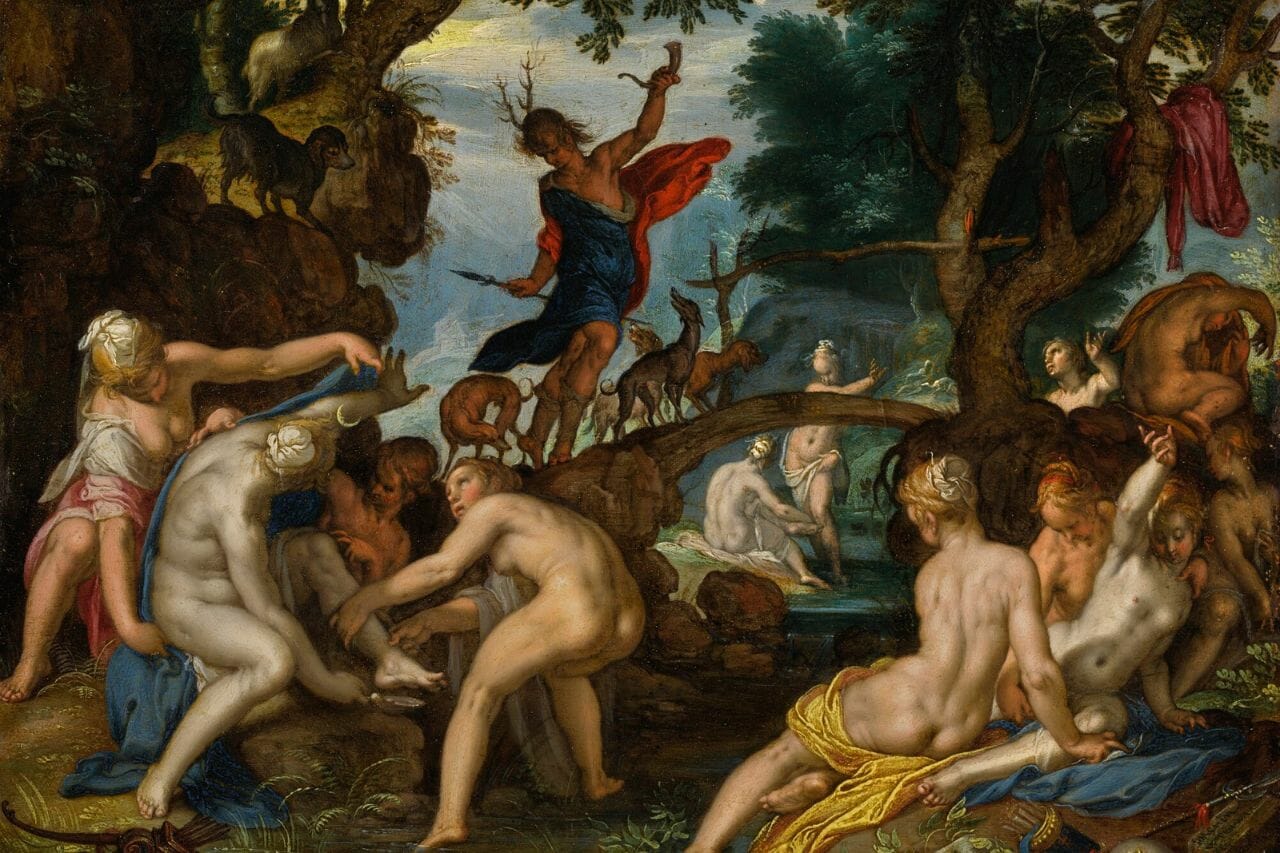
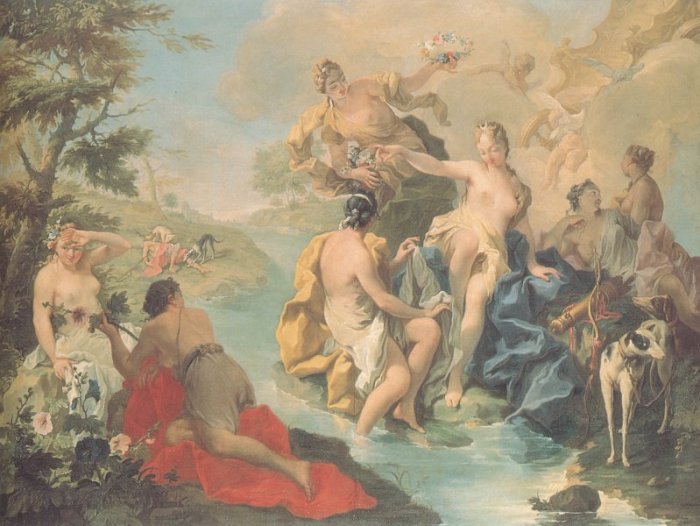
For months, Callisto managed to conceal her pregnancy, avoiding situations where her changing body might be revealed. However, the truth eventually came out. In some versions, Artemis discovered Callisto’s pregnancy when the nymphs bathed together. The goddess was furious at what she perceived as a betrayal of the sacred vows.
Callisto’s situation illustrated the impossible position of mortals caught between the whims of the gods. She had done nothing wrong, yet she would bear the consequences of Zeus’s actions. Her devotion to Artemis had been absolute, but that would not save her from punishment.
Callisto as a She-Bear
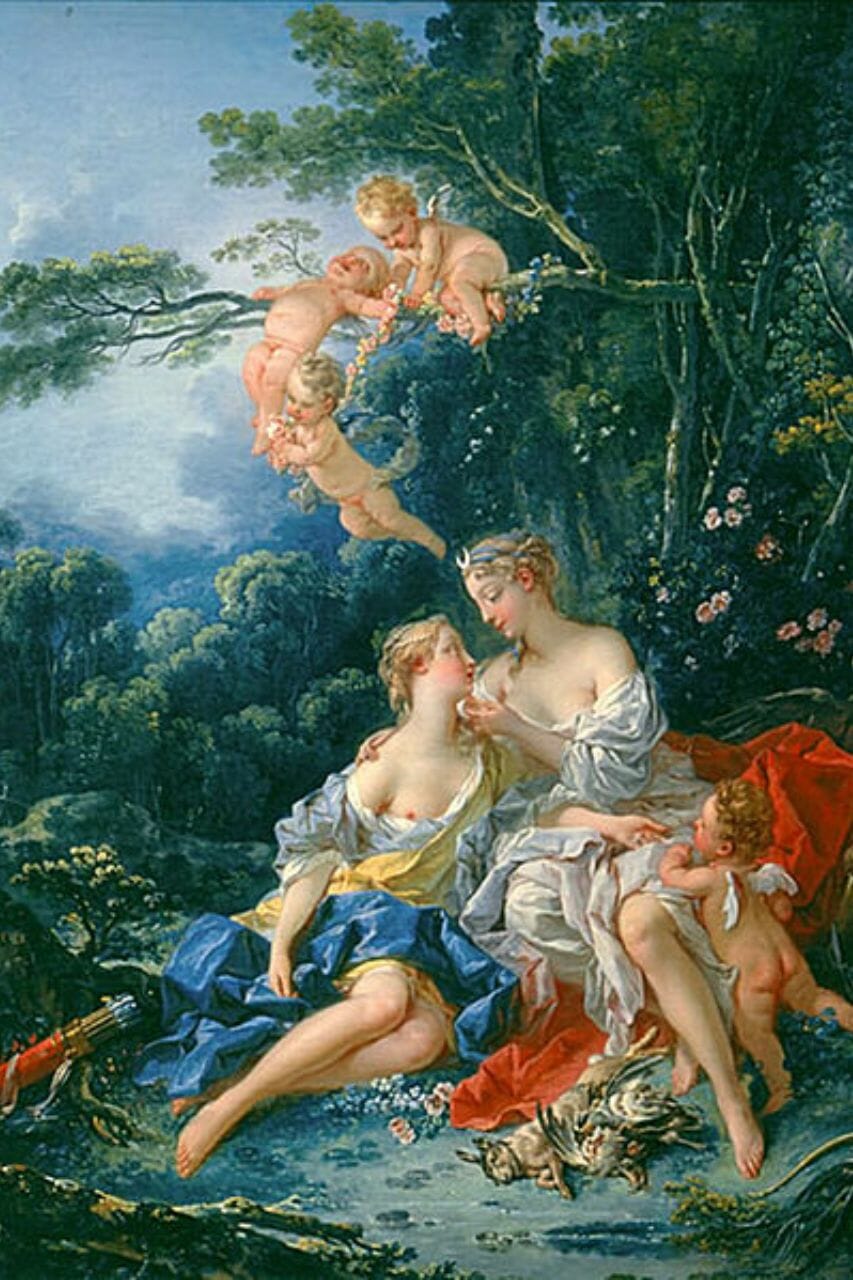
The tragic moment when Callisto was transformed into a bear
Multiple versions of the myth exist regarding who transformed Callisto into a bear. In some tellings, Zeus himself transformed her to protect her from Hera’s wrath. In others, Hera transformed Callisto as punishment for her affair with Zeus, even though it was not consensual. Some versions attribute the transformation to Artemis herself, who changed Callisto into a beast for breaking her vows.
Regardless of who performed the transformation, the result was the same. Callisto found herself trapped in the body of a bear, unable to speak or communicate her true identity. She wandered the forests she had once hunted, now hunted herself.
During one of Artemis’s hunting expeditions, the goddess spotted what appeared to be an ordinary bear. True to her nature as the goddess of the hunt, Artemis pursued and killed the creature. Only after the deed was done—or in some versions, through Zeus’s intervention—was it revealed that Artemis had killed her own devoted follower.
Callisto and Her Child
Before her transformation, Callisto gave birth to a son named Arcas, who would become the ancestor of the Arcadians. In an alternative version of the myth, it was Arcas who nearly killed his transformed mother.
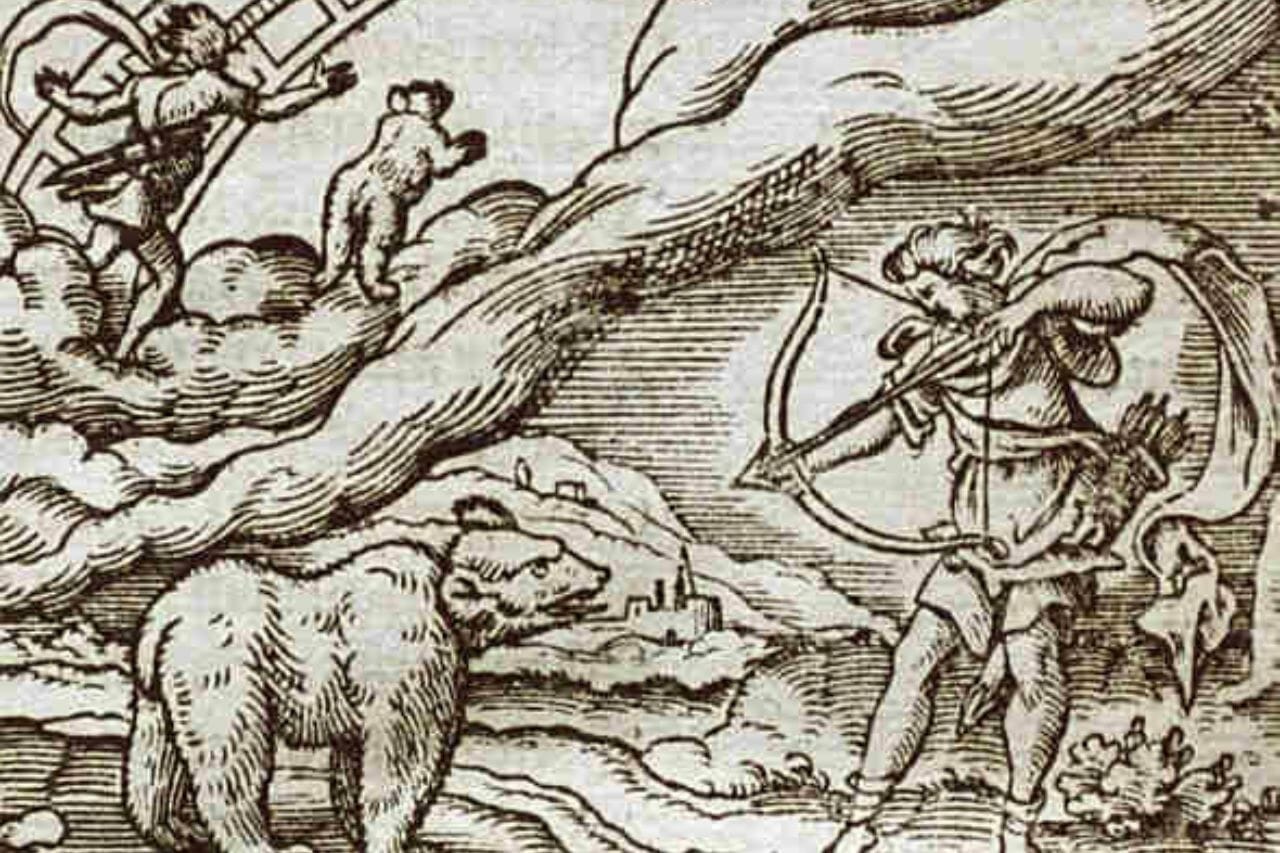
Years after Callisto’s transformation, Arcas had grown into a skilled hunter. One day, he encountered a bear in the forest—his own mother, though he did not know it. Callisto, recognizing her son, approached him with what seemed like aggression to the young hunter. Arcas raised his spear to strike.
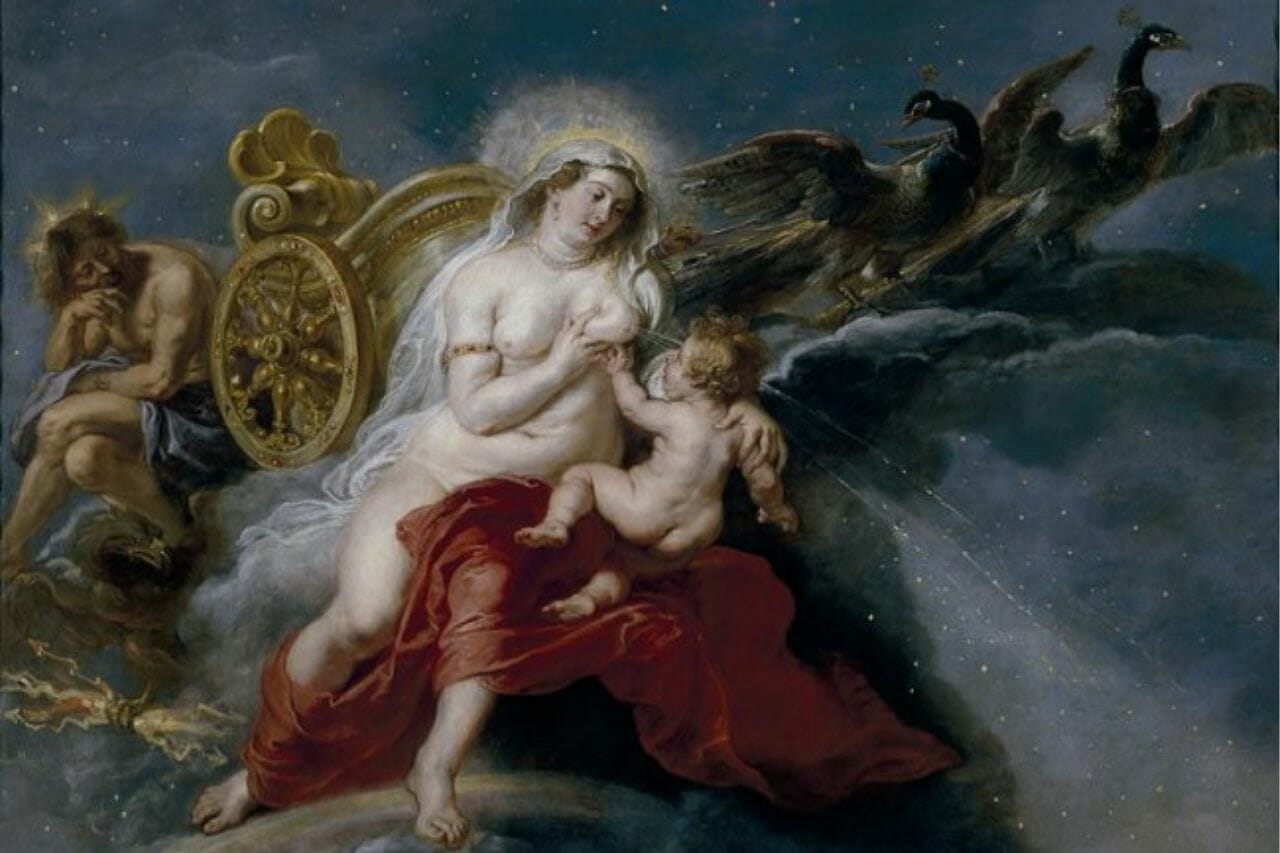
Zeus, watching from Olympus, intervened at the last moment. To prevent the tragedy of a son killing his mother, Zeus transformed both Callisto and Arcas into constellations. Callisto became Ursa Major, the Great Bear, while Arcas became either Ursa Minor, the Little Bear, or the constellation Bootes, depending on the version of the myth.
Hera, still vengeful, was not satisfied with this celestial placement. She convinced Oceanus and Tethys, the sea Titans, to forbid the bear constellations from ever setting into the ocean to rest. This is why Ursa Major and Ursa Minor are circumpolar constellations in the Northern Hemisphere, never dipping below the horizon.
The Tragedy of Divine Power
The myth of Artemis and Callisto reflects a common theme in Greek mythology: the helplessness of mortals against divine power. Callisto did nothing to deserve her fate. Her only “crime” was being beautiful enough to attract Zeus’s attention and loyal enough to Artemis that Zeus had to use deception to approach her.
Similar themes appear in other myths involving Artemis and Orion, where the goddess’s involvement led to tragedy. The gods of Olympus often acted on their desires without considering the consequences for mortals, and even other gods could do little to protect those caught in the crossfire.
Conclusion
The story of Artemis and Callisto encapsulates several key themes in Greek mythology:
- Devotion and betrayal: Callisto’s complete loyalty to Artemis could not protect her from Zeus’s assault or its consequences.
- Divine power and mortal helplessness: Even the most devoted followers of the gods could be destroyed by divine whims.
- Transformation as punishment: Callisto’s change into a bear removed her humanity while preserving her consciousness, a particularly cruel fate.
- Cosmic commemoration: Zeus’s placement of Callisto and Arcas among the stars preserved their memory eternally, though Hera ensured they would never find rest.
Through this myth, the ancient Greeks explored the complex relationships between gods and mortals, the price of divine attention, and the tragic irony of a leader becoming an accidental killer of her most faithful follower.