Helenus: The Fortune Teller Who Predicted the Trojan War
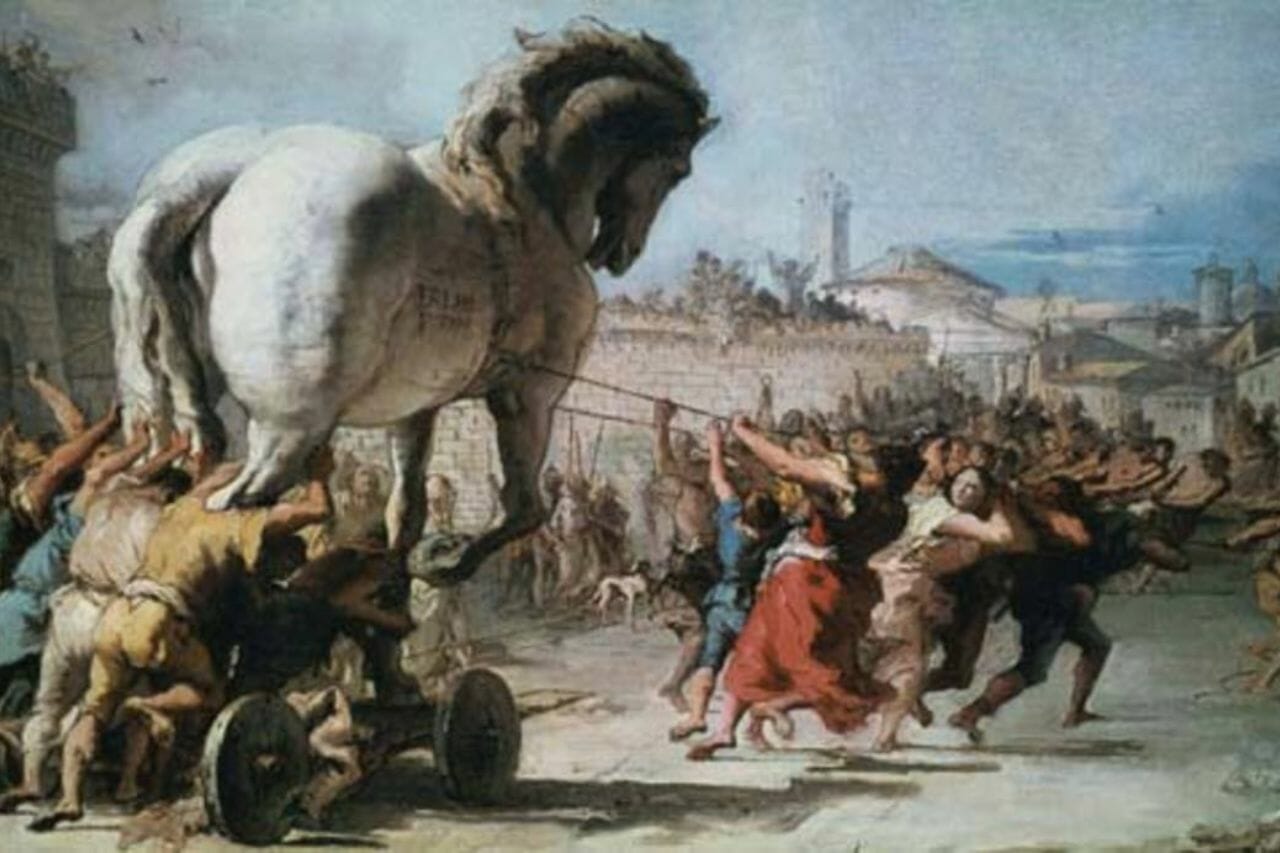
Helenus in Greek mythology
Helenus, the Trojan prince, was the son of King Priam. He had many relatives that were famous in Greek mythology, as explained by Homer in the Iliad. Helenus fought in the Trojan War and also led the army at various conquests. Here we bring you a complete guide to Helenus' life and death in mythology.
Helenus
You are bound for greatness when you are the son of a great king and the brother of exceptional warriors. Helenus, alongside his brothers and father, took on the Greeks in the Trojan War. In the Iliad, Homer writes about the character of Helenus in a very sophisticated way. The character development of Helenus from his early days to his youth is also very inspiring and exciting.
Helenus played a significant role in the Trojan war because of his powers. He and his sister, Cassandra, became fortune-tellers whose prophecies changed the course of Greek mythology. To understand the connection between Helenus, the Trojan War, and what happened next, we must start from his and his family's origin.
Origin of Helenus in the Greek Mythology
Helenus was the son of King Priam and the Queen Hecuba of Troy. King Priam was the last standing king of Troy. His siblings include Hector, Paris, Cassandra, Deiphobus, Troilus, Laodice, Polyxena, Creusa, and Polydorus.
Helenus was the twin brother of Cassandra. They had an extraordinary and sacred bond between them. Helenus was also very close with his other brothers. They grew up learning war tactics and swordsmanship together. But Helenus knew he was different from his brothers.
Characteristics of Helenus
Like all royalty men of Troy, Helenus was a well-looking, handsome prince. He had luscious hair that swayed in the air when he moved and a very well-maintained masculine body. He had hazel eyes that glared like liquid gold in the sun. Overall, the man was the epitome of perfection, and the title of prince suited him very well.
Helenus the Fortune Teller
He was not always called Helenus, but before this name, he was called Scamandrios. Helenus and his sister, Cassandra were given the powers of foresight by Apollo. Helenus was already a devoted follower of Apollo, and his abilities only strengthened his devotion. He and Cassandra helped the people of Troy against natural calamities by using their powers.
Helenus and Cassandra became a well-known couple of fortune tellers in Troy. People used to ask them about their future, and they helped. Whatever prophecy they foretold came true.
Helenus the Fighter
Other than being an exceptionally good-looking human being and a fortune teller with powers of foresight given by Apollo himself, Helenus was an amazing fighter. He was always up for defending his city and family in the face of any calamity. He served in the Trojan army and was a decorated fighter.
Helenus and the Trojan War
In the earliest sources, it was seen that Helenus was the one who prophesized that the city of Troy would fall. He said that if Paris, his brother, brought a Greek wife to their city of Troy, the Achaeans would follow and overthrow Troy. He foresaw the slaying of his father and brothers. This Helenus prophecy is known as the start of the downfall of Troy in the face of the Greeks.
Soon after, Paris abducted Helen of Sparta and the dominos started falling. The Greek armies gathered and marched towards the gates of Troy. In the war, Helenus was part of the Trojan forces that were led to the battlefield by his brothers. He himself also led many battalions.
The war went on for more than nine years. In the last year of the war, Paris died and Helenus and his brother Deiphobus contested for the hand of Helen of Sparta. Helen chose Deiphobus and left Helenus heartbroken. Helenus left Troy and went to live on Mount Ida in solitude.
After the War
The Greeks had taken over Troy and all of its belongings. Neoptolemus captured Andromache, Helenus' sister, and made her his wife. The couple had three children namely Molossus, Pielus, and Pergamus. After a while, they traveled to the city of Buthrotum, near Epirus where they laid down their roots.
They left Troy behind and Helenus left his gift behind. He was done and dusted with fortune-telling. He felt guilty for bringing the calamity of the Trojan War over his family and his city. He was happy being alive and wanted to live a normal human life in Buthrotum. So he did.
Even though the Greeks had won the war and a lot of people died on both sides, the remaining people vowed to live in peace. This is why in the end, many Trojan prisoners were freed and spared hanging. Helenus however had lost his brothers, fathers, his city, and the will to tell fortune anymore so he went on with Neoptolemus and formed a good relationship.
Helenus IV King of the Cimmerians
Neoptolemus became the king in Buthrotum and was soon after killed. Naturally, Helenus became the new king. He ascended his throne, his riches, and most importantly, Andromache. Helenus and Andromache married after the death of Neoptolemus. She bore him children who would grow up to be the heir to the throne of Buthrotum.
The Death of Helenus
Unfortunately, the Iliad does not describe the death of Helenus in any way. The last information on Helenus is that he married his sister-in-law, Andromache, and had children. The Iliad does mention his children ascending the throne but nothing about the demise of Helenus. We can only imagine what would have happened to Helenus.
FAQ
How Many Sons of Priam Died in the Trojan War?
Priam lost a total of 13 sons in the Trojan War against the Greeks. Some of his most famous fallen sons include Paris, Hector, and Lycaon. His fortune-teller son, Helenus, survived the war and later became the king of Buthrotum.
Conclusion
Helenus was a fortune-telling Trojan prince who later became the king of Buthrotum and married his sister-in-law. He has had exciting character development in the Iliad by Homer. He had famous brothers and sisters in mythology. Here are the main points of the article:
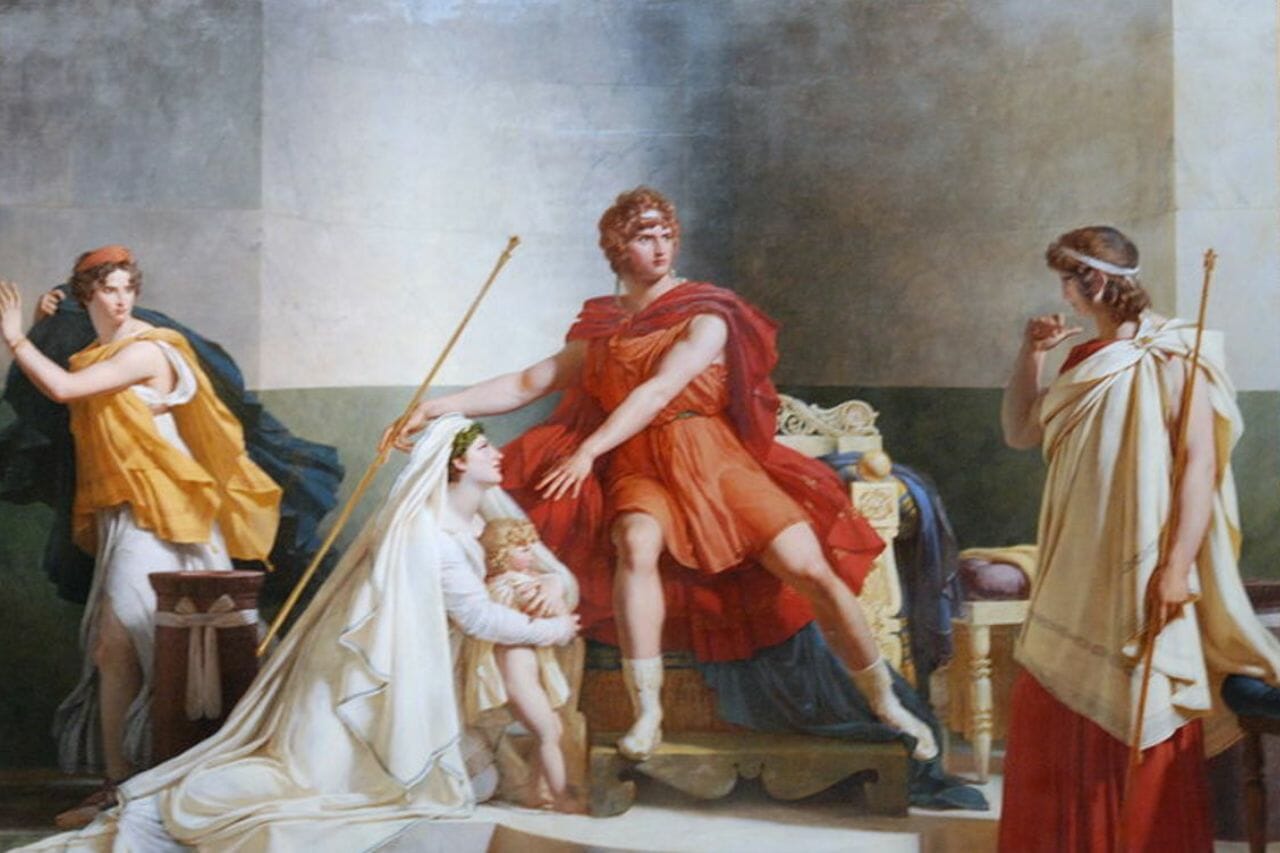
Helenus, brother of Hector and Paris
Helenus was the son of King Priam and the Queen Hecuba of Troy. His siblings include Hector, Paris, Cassandra, Deiphobus, Troilus, Laodice, Polyxena, Creusa, and Polydorus. He grew up as a handsome Trojan prince in the city of Troy.
He was called Scamandrios. He and his sister, Cassandra were given the powers of foresight by Apollo after which his name changed to Helenus.
He prophesied the Trojan War. He said that if Paris, his brother, brought a Greek wife to their city of Troy, the Achaeans would follow and overthrow Troy. He foresaw the slaying of his father and brothers. All of this happened and much more.
In the last year of the war, Paris died and Helenus and his brother Deiphobus contested for the hand of Helen of Sparta. Helen chose Deiphobus and left Helenus heartbroken so he went to live on Mount Ida in solitude.
He married Andromache, his sister-in-law, after her first husband, Neoptolemus died in Buthrotum. He ascended the throne and all his riches.
The story of Helenus is quite exciting and develops beautifully in the Iliad. Here we come to the end of the article. We hope you found everything you were looking for.