Typhon vs Zeus: The Battle Between a God and a Monster
Typhon vs Zeus is a comparison between a Titan monster and an Olympian god. These creatures belonged to two different generations of Greek gods but were very well known in their times. Zeus was the ultimate god after Titanomachy whereas Typhon was a monster who had 100 heads of a dragon, all at once. Here we bring you all the information on the two creatures and how Zeus conquered Typhon and banished him into the Underworld.
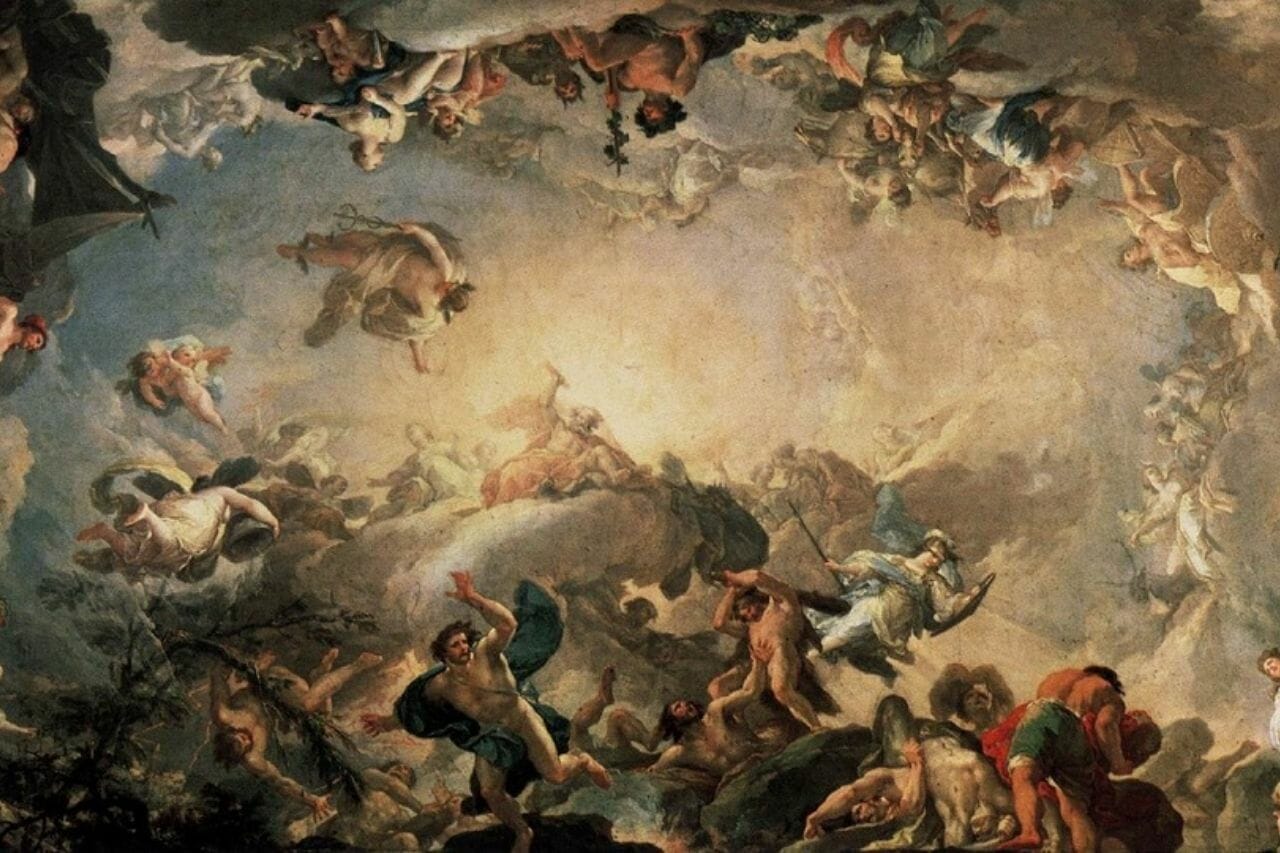
The eternal struggle between Titans and Olympians shaped Greek mythology, with the battle between Typhon and Zeus being one of the final confrontations.
Typhon vs Zeus Comparison Table
| Features | Typhon | Zeus |
|---|---|---|
| Origin | Greek | Greek |
| Parents | Gaea and Tartarus | Cronus and Rhea |
| Siblings | None | Hera, Poseidon, Hades, Hestia |
| Powers | 100-heads of dragon | God of Sky and Thunder |
| Type of Creature | Titan Monster | Olympian God |
| Popularity | Among the Titans and the Olympians | Among Olympians and Earthlings |
| Roman Counterpart | None | Jupiter |
| Appearance | Fire breathing 100 heads of a Dragon | Old muscular man with Gold headband |
| Major Myth | Battle with Zeus | Titanomachy and Various children |
| Death | Banished to Underworld by Zeus | Does not Die |
What Are the Differences Between Typhon vs Zeus?
The main difference between Typhon and Zeus is that Typhon was a monster with 100 heads of a fire-breathing dragon whereas Zeus was the ultimate King and god of the living. Zeus banished Typhon titan to the Underworld after their battle.
What Is Typhon Best Known For?
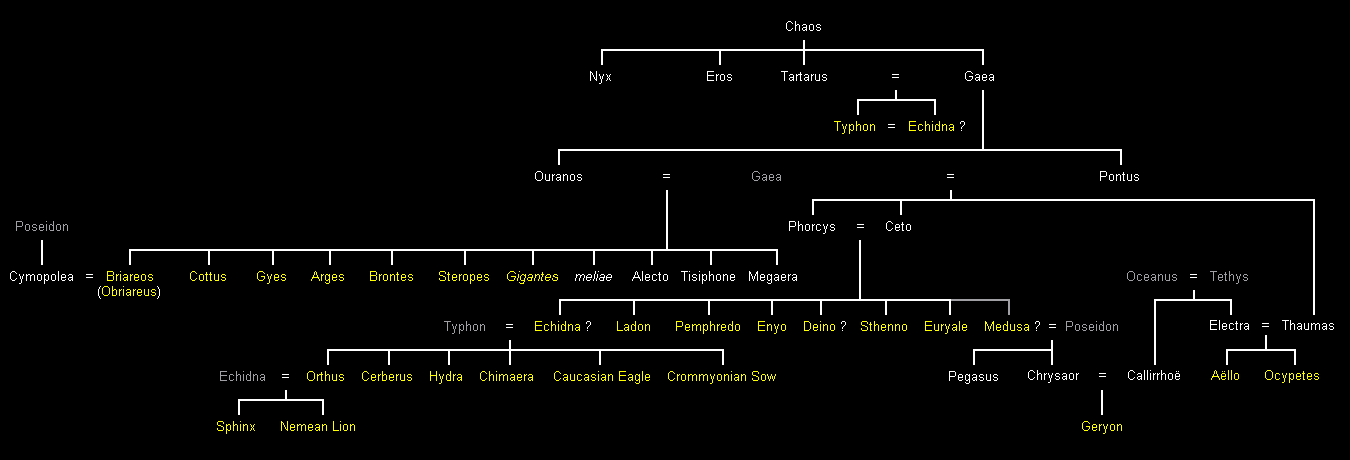
Typhon is best known for his 100 heads and also for being banished by Zeus to the Underworld. He is best described as a monster born to the mother goddess, Gaea, and Tartarus. The pair had many and all sorts of children together and Typhon was one of them.
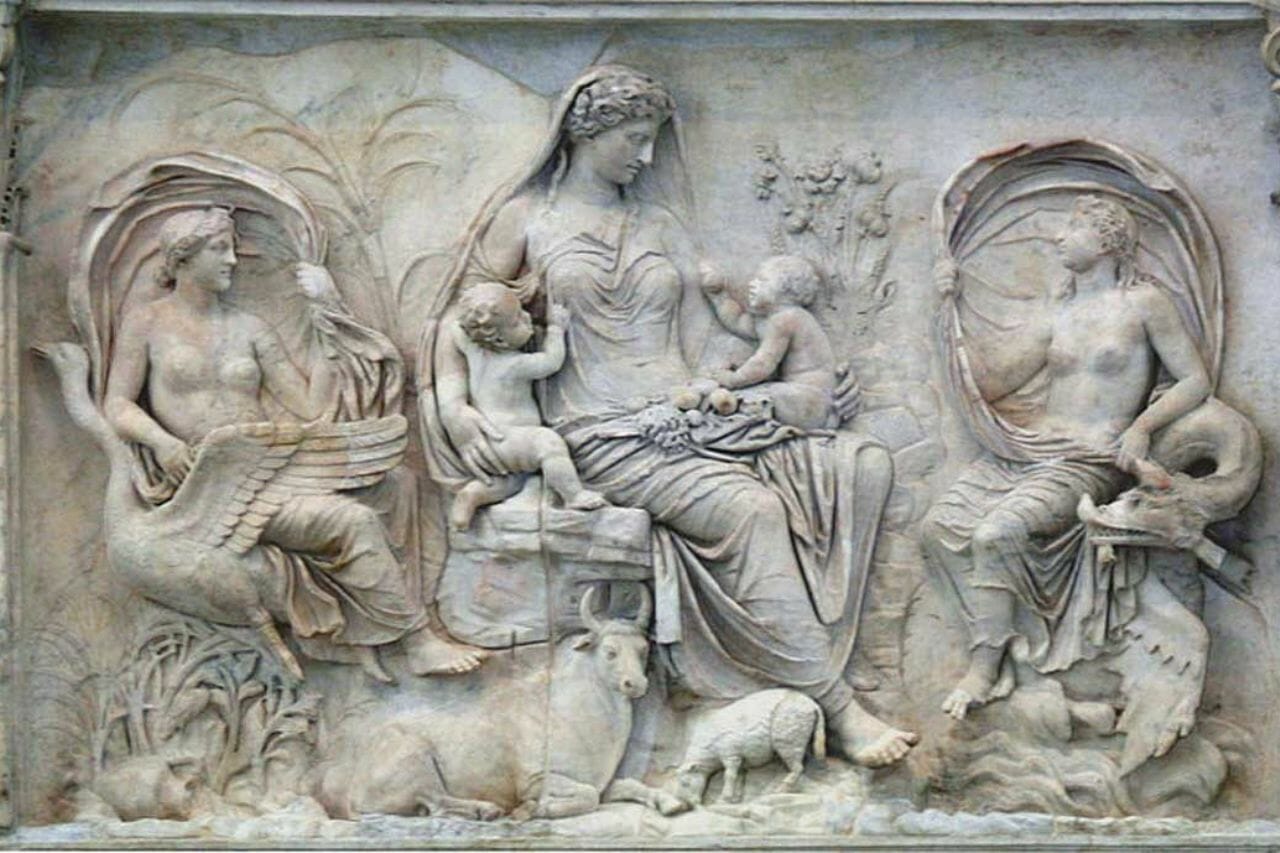
Gaea, the primordial Earth goddess and mother of Typhon. She bore the monstrous Typhon with Tartarus as revenge against the Olympian gods.
He was from the generation of the Titans. In some accounts, Typhon was married to a monster like him, known as Echidna. The pair had some children together who would possibly be monsters as well but there is no information on them.
Physical Features
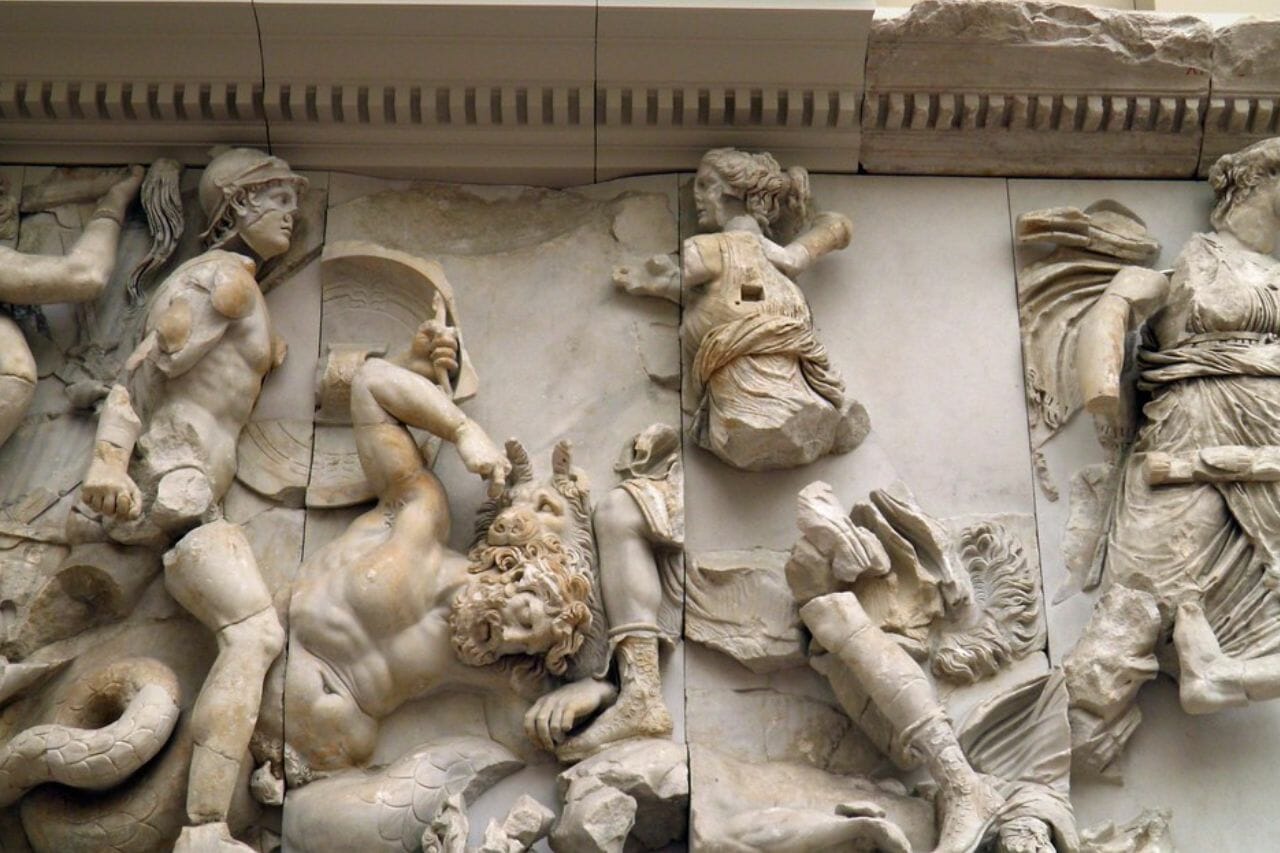
He is also famously known as the personification of the eruption of volcanoes because of the 100 fire-breathing heads that came out of him. He was physically like a grisly monster and he did not let anything stand in his way and erupted like a volcano. His upper body was muscular, as his arms were strong, and has wings coming out of his back.
On the other hand, his lower body looked like a tail of a snake that looked like it was wrapped and it was how he moved from one place to the other. He was a beast-like monster that had 100 heads and was very vast in his posture.
The other myth that he is known for is his battle with the strongest god. Typhon was one fierce monster and he wanted to defeat him.
He was thus sent to the Underworld under the supervision of Hades, where he lived for the rest of his life. No other literature is found on Typhon after his banishment to the Underworld. Typhon children were left behind along with his wife, Echidna.
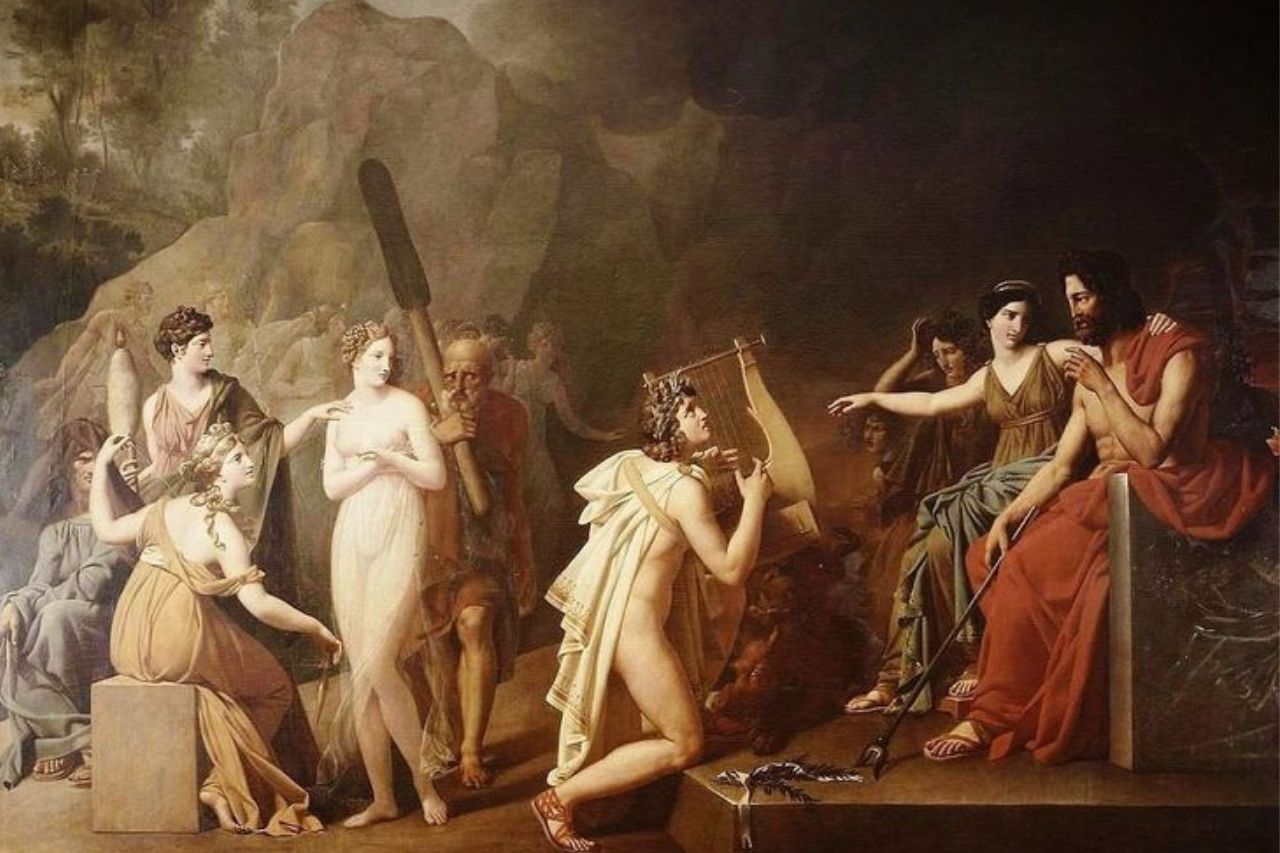
Hades on his throne in the Underworld, where Typhon was banished by Zeus to spend eternity under the supervision of the god of the dead.
What Is Zeus Best Known For?
Zeus is best known for the role that he played in Greek mythology, the ultimate deity that had the supreme power to rule over everyone and everything. Zeus was known as a conqueror and he had fun taking down monsters that were hard for anyone else.
Olympian God
Zeus was known to be the god of the sky, thunder, lightning, justice, law, and order in Greek mythology. He was the prime god under which all other gods and goddesses came. He was also the first Olympian god on Mount Olympus. He had many victories to his name and even more children and consorts but his first true wife was his sister, Hera.
He was the son of Titan god and king, Cronus and his sister-wife and queen, Rhea. He had many famous siblings namely Hera, Hades, Poseidon, and Hestia. He married Hera and the couple had three children namely Ares, Hebe, and Eileithyia. Besides his children with Hera, he had more than 100 illegitimate children with various mortal and immortal creatures.
Some of the most famous illegitimate children of Zeus are Aphrodite, Apollo, Artemis, Persephone, Perseus, Helen of Troy, Hermes, Athena, Dionysus, Heracles, Melinoe, and the Morai sisters. Most of these famous children of Zeus were demigods on Earth.
However, he was openly infidel to Hera and she knew it so she took all of her anger out on the women that he consummated with or their children, and because of that he would sometimes hide his children on Earth.
He was known for his powers, his relationship with his siblings, the ascension war he started, and the hundreds of children he had with mortal and immortal women. Hesiod and Homer mention Zeus in their books many times. He was surely one of the most important characters of all time.
The greater part of Greek mythology roams around Zeus and his life. From very chaotic beginnings to an even more chaotic mid-life, Zeus lived an adventurous life. His relation with his father Cronus is of utmost importance as it reshaped mythology.
The Story of His Birth
Zeus was hidden when he was born to Cronus and Rhea because of what Cronus did to his father. Cronus was the son of Uranus and Gaea, the first ever Greek gods. Cronus killed Uranus on the order of his mother, Gaea, because Uranus hated his children and would hide them from her. To take revenge, she ordered Cronus to castrate Uranus and so he did.
Now that Cronus was the new king of the gods, goddesses, and every other creature, he learned of a prophecy. The prophecy stated that the son of Cronus was going to be even stronger than him and would kill Cronus exactly like Cronus killed Uranus. Due to this fear, his father would eat any child born to him. This would upset Rhea so much.
So when he was born, the youngest of his siblings, Rhea hid him and when his father came to eat him, Rhea gave him a rock instead and fooled the father of the child. Hence, he was hidden far away on an island where he grew up and learned how to fight.
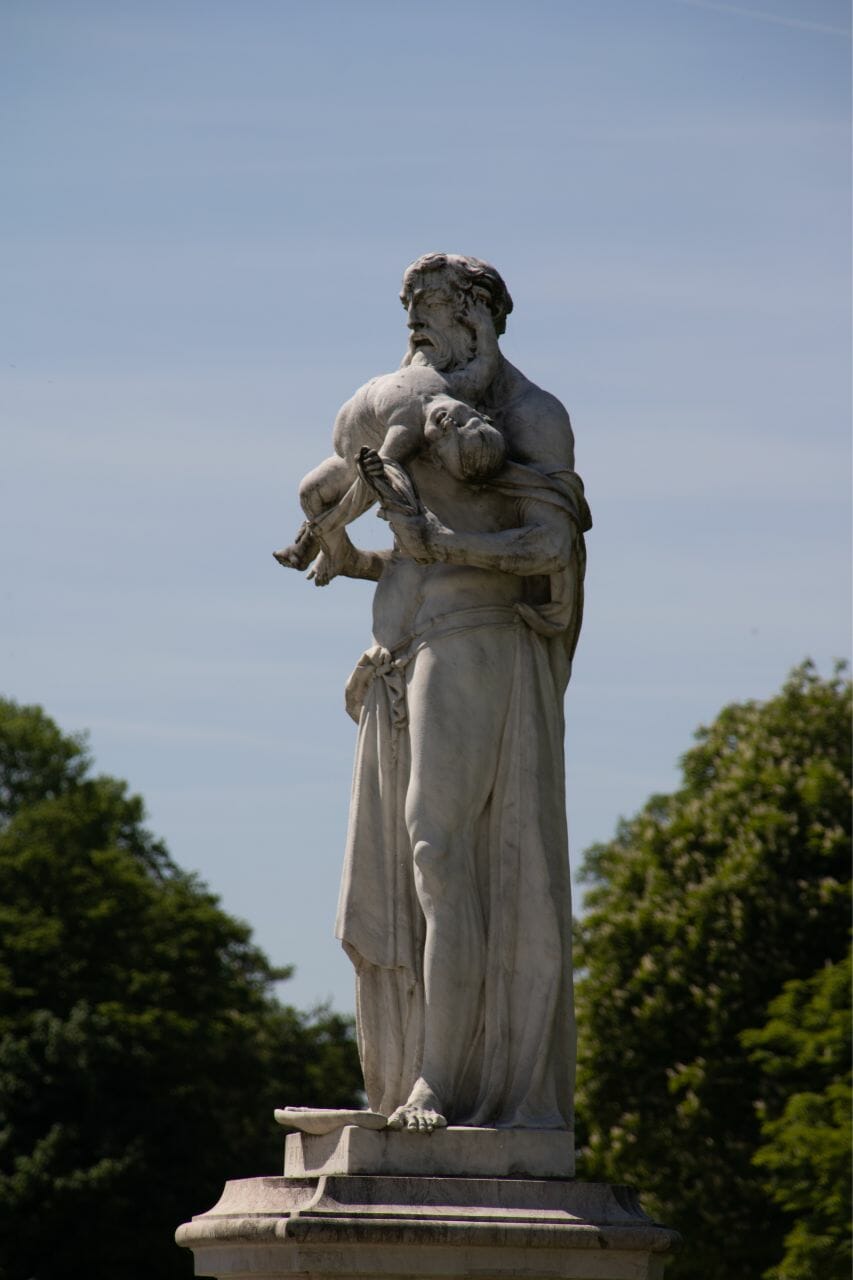
Zeus vs Cronus - Zeus eventually defeated his father Cronus and freed his siblings, establishing himself as the supreme ruler of the Olympian gods.
Reasons Why He Had Multiple Children
Zeus had a lust that remained unfulfilled which is why he had many children. He had three children with Hera, his sister-wife, and countless children with many mortal and immortal women and other creatures. He also had relations with his daughters. Zeus was an unreasonable entity when it came to his lust and passion for intercourse.
Here are some of his children: Ares, Hebe, Eileithyia, Aphrodite, Apollo, Artemis, Persephone, Perseus, Helen of Troy, Ersa, Hermes, Athena, Dionysus, Enyo, Heracles, Melinoe, Pollux, the Graces, and the Morai sisters. Among them, you find some of the most famous characters and important characters of Greek mythology that Zeus fathered.
He does not die in Greek mythology. This may come as a surprise; however, most gods and goddesses in Greek mythology are true immortals which means even a god cannot kill them. Zeus was one of the true immortals and he did not die at least in Greek mythology. Such gods and goddesses can be exiled to the Underworld or some other remote place but they cannot be killed.
Conclusions
Zeus was the ultimate god of the living and king of the gods on Mount Olympus. Typhon was a monster who had the power of 100 heads of a fire-breathing dragon. The duo fought and Zeus gained victory over Typhon. Zeus send Typhon under Hades to the Underworld where he lived until the end of his time.
In Greek mythology, many different creatures exist and with Typhon powers, this is surely a unique creature among them. Here we come to the end of the article about Zeus and Typhon.