Arimaspi: The Unusual Tribe of the One-Eyed Men and No Women
Arimaspi was a group of men in Greek mythology that were physically different from all the other men in the way that they looked. These men had only one eye and that was their unique characteristic. This unusual tribe is highly reported in the works of Herodotus. Here we bring you all the information on the people of Arimaspi, their physical features, ways of life, and their arch enemies, the Griffins.
Arimaspi The Scythia Tribe
Scythian tribe Arimaspi was a secretive tribe of men with one eye that was spotted by the north wind. There is a lot of speculation about this tribe because it had some very unusual features which were new to the outer world even if common to them.
The most famous feature is their physical appearance which was a shock to the people outside the tribe and secondly the emphasis on the fact that no women existed in the tribe. If the latter was in fact true, how come they were born in the first place and how come their number would grow and prosper?
Keeping the above questions in mind anyone can anticipate how weird the tribe was. The former speculation about the eye being singular and in the center of the forehead was also very unsettling. There are many reasons behind it but the most common one is the fact that, in most religions, the ultimate protagonist that would bring the world to an end is a one-eyed man. So if there was a whole tribe of such men there is something clearly not done right.
So the Scythian tribe was mentioned in the works of Herodotus, a Roman histologist, and mythologist. He was on the path of finding all the different tribes that once lived in the Scythian belt and the Arimaspi were one of them. They lived in the North of Scythia at the foot of the Riphean Mountains. In Greek mythology, these mountains were the extent of the Northern hemisphere.
Their Physical Features
The Arimaspi was different sort of humans and this difference was not only because of their facial features but also some other features too. To elaborate further, mainly, their extensive feature was that they had one eye in the middle of their foreheads and that was their sole and working eye.
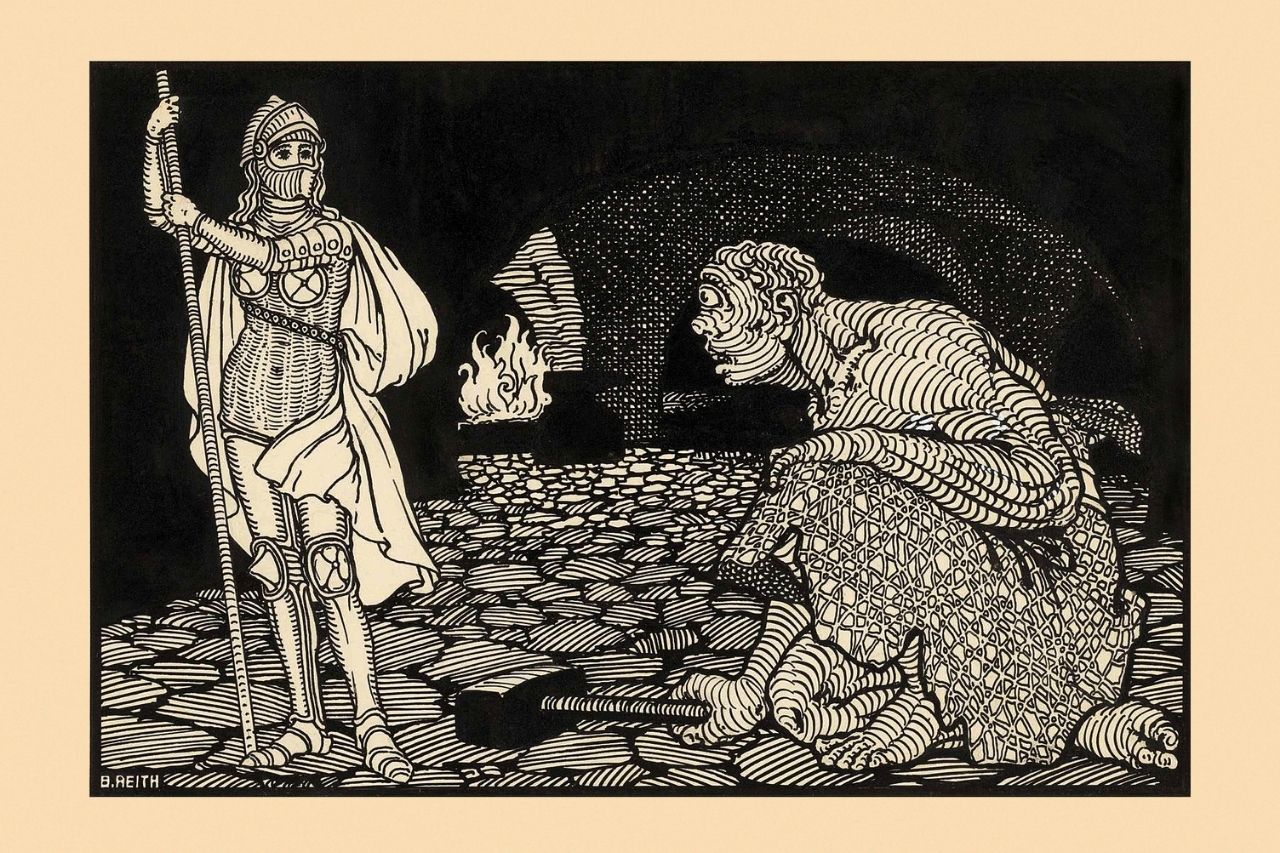
Like the Cyclops of Greek mythology, the Arimaspi were known for having a single eye in the center of their foreheads
On the other hand, physically, they were quite similar to the common man. They had two arms, two legs, hair on their body and face, an upright body along with a brain to think and all the basic functioning organs, common human traits.
The other feature that was different from the common man's was that they had no women in the tribe. Now, we can understand that they did not reproduce and kept a steady number of people in their tribe because they were immortal up to a certain age.
The Women of the Tribe
Different reasons are given about this tribe's women, one of the famous reasons that are given for the no women in the tribe feature is that they kept their women hidden and which is why no one ever saw any of their women and they stood closer as men because they didn't want to show them.
However, the notion is a little unclear, because if they did keep their women hidden, one cannot help but wonder what their women looked like or if they had a single or a double eye, and why they were hidden.
These men were not highly skilled nor did they have any supernatural abilities given to them by the gods they believed in. Nevertheless, they were common creatures with little physical alteration because of which people around them thought of them as a totally different tribe of people.
Fighting With the Griffins and The Gold
The Griffins were the creatures with whom the Arimaspi fought frequently and this fight is the only reason that either of the types of creatures was even mentioned in the literature. The Griffins guarded the gold that was hidden in a mountain nearby. No one to who that gold belonged or how did it get there but the gold-guarding Griffins were its protectors.
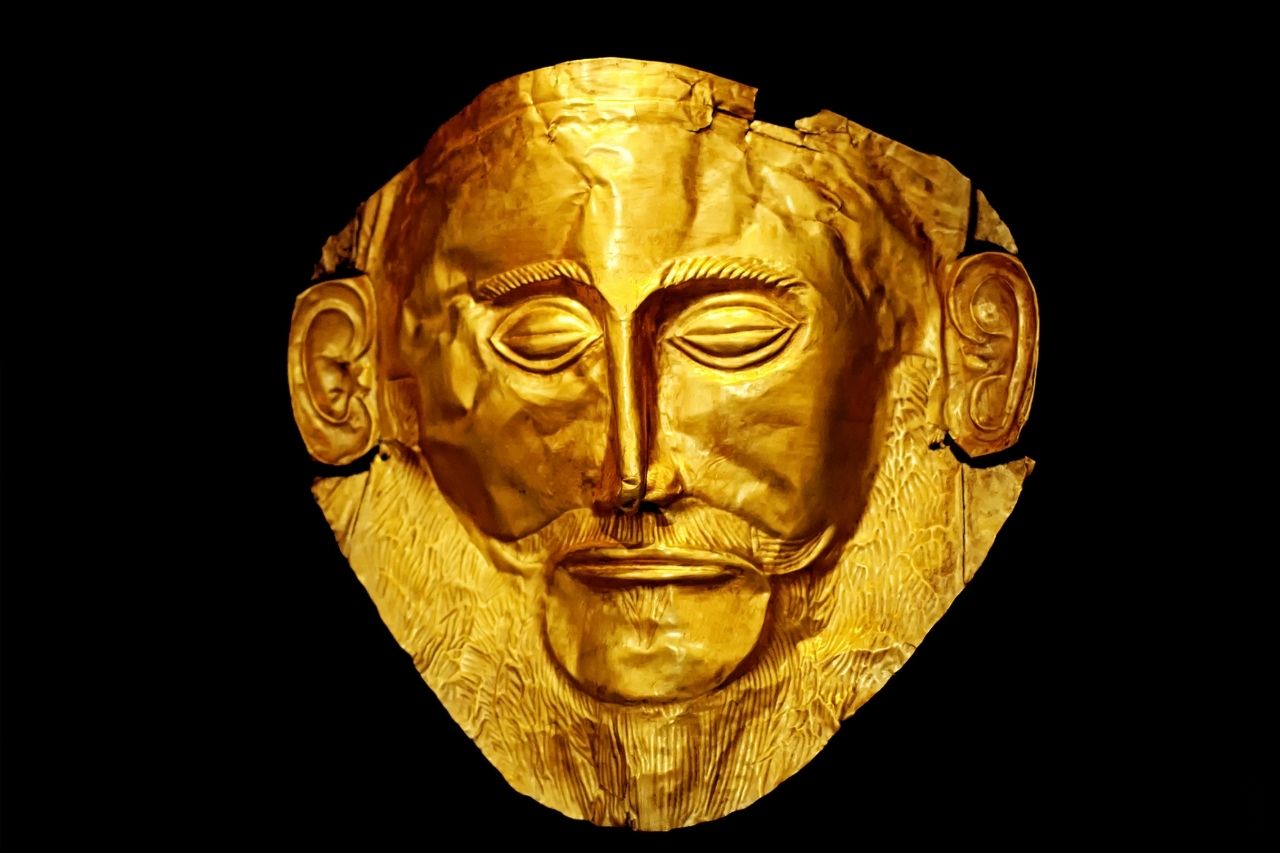
Ancient Greek gold artifacts like this famous Mask of Agamemnon represent the precious treasures that the Arimaspi battled the Griffins to obtain
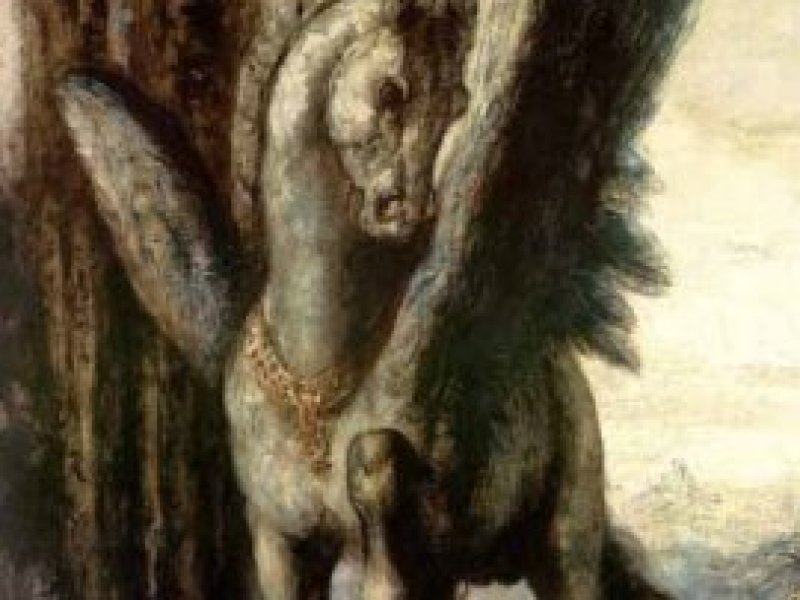
Because of this gold, the Griffins and the men of the Arimaspi fought day and night. They were eagle-faced men with wings that gave them the power to fly and had both hind legs of a lion. The single-eyed creatures were no match for the Griffins but still, they would fight them every day, get wounded, come back and heal, and later go on to fight again.
As their constant fighting went on and resulted in no one getting any of the gold. The Griffins would guard it and the Arimaspi would try to steal it, and this was like a loop that none of them gave up on, in short, on and on they went without a conclusion. No other information was present on them after it and this is where their story ends. It is not uncommon for stories to end without closure in Greek mythology because of the sheer volume of characters and storylines that exist.
FAQ
Who Were the Issedons?
Issedons were a tribe of ancient people living in Central Asia just like the Arimaspi. They were known for being a hidden tribe with not much information about their ways of life but all that is known about them is the fact that they slaughtered animals and humans in their rituals very frequently. They are also named in the works of Herodotus who is known as the father of history in Roman mythology.
What Race Were the Scythians?
The Scythians were Iranians by race but they had a deep connection to Greek culture and its mythology. In literature, the Scythians are known by many different names as these nomadic groups of people did not stay in one place for long but used to travel around the world. This is the reason why they are known in different mythologies and cultures.
Conclusion
The Arimaspi were a peculiar group of men that were physically missing an eye. They were born this way and they are a part of Greek and Roman mythology. Many distorted and less famously known characters exist in mythologies that are unknown because very less information is present on them. Here we have summarised the article in a few points:
Scythian tribe Arimaspi was a secretive tribe of men with one eye that was spotted by the north wind. The Arimaspi lived in the North of Scythia at the foot of the Riphean Mountains.
The Scythian tribe was mentioned in the works of Herodotus, a Roman histologist, and mythologist. He was on the path of finding all the different tribes that once lived in the Scythian belt and the Arimaspi were one of them.
There is no sign of any Arimaspi women anywhere which means that they had no women amongst them. They were all men with a single eye.
The Griffins guarded the gold that was hidden in a mountain nearby. The Griffins were horse-faced men with wings that gave them the power to fly. The Arimaspi fought the Griffins for gold regularly.
No one got the gold in the end and the story ended. There is no literature on any of the Griffins or the Arimaspi after that. Here we come to the end of the article about the Arimaspi.