Heorot in Beowulf: The Place of Light Amidst the Darkness
Heorot, Beowulf's center
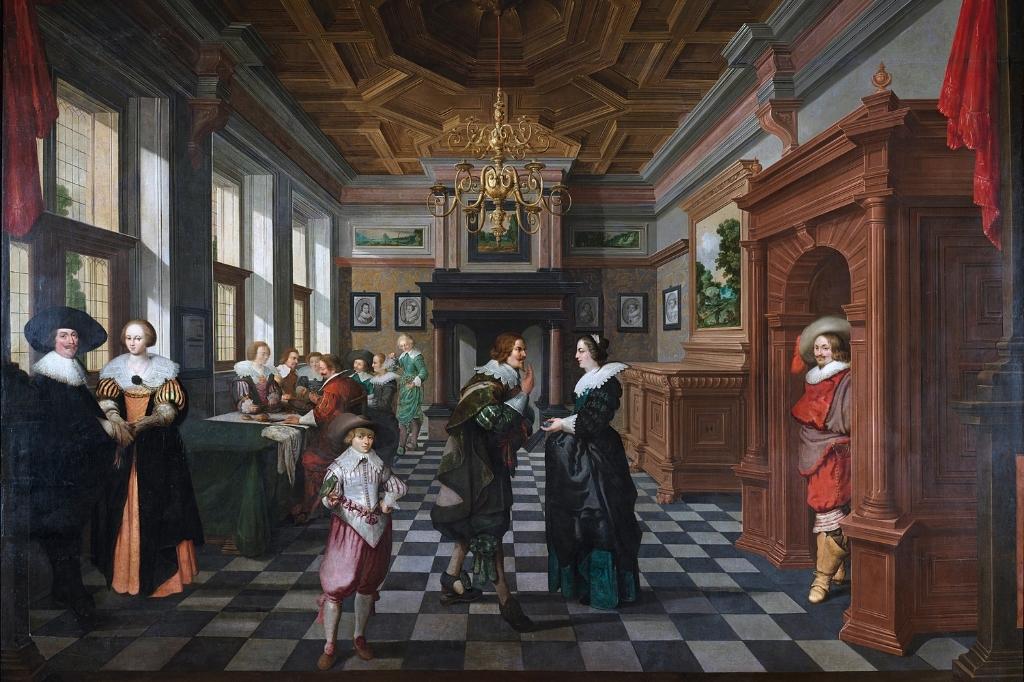
Heorot, Beowulf's center, is the mead hall for the Danes in the poem, Beowulf. It is the place where the monster, Grendel, attacks, kills and takes away Danish men. It is meant to be a place of light, but it is next to a place of darkness and needs saving.
Read this to find all about Heorot, the place of light and center of culture, in Beowulf.
What Is Heorot in Beowulf?
Heorot is the Danish mead hall in Beowulf, the famous poem. It is the seat of the famed King Hrothgar of the Danes, as he built it for his throne room, for the purpose of celebrating with his people. However, soon after it was built, a bloodthirsty monster comes to attack it, killing the people inside. For twelve years, the hall must be abandoned for the people's safety, until Beowulf came to save the day.
In the poem, Heorot is seen as a sort of light place or good place which is contrasted to the evil monsters who live nearby. It is full of happiness, merriment, joy, and the monster, Grendel, is seemingly upset about this. He cannot take part in its happiness, and so he comes one evening to destroy the happiness he finds there. And so that lightness is dimmed for a time before the hero, Beowulf comes to change everything, triumphing over the darkness.
Heorot also represents the center of everything in Danish culture. It also shows its strength and the continuation of its traditions. It is where Hrothgar receives Beowulf when he arrives to fight, offering his services as a powerful warrior. Moreover, it is where king Hrothgar gives him his rewards as well as celebrates after Beowulf kills Grendel.
Mentions of Heorot in Beowulf: Excerpts About the Mead Hall
Heorot, as the mead hall, or Beowulf castle is so important to this poem that it is mentioned various times throughout the poem.
The important mentions below include: (these are all from Seamus Heaney's translation of the poem Beowulf)
At the beginning of the poem, King Hrothgar decides to create his hall: "So his mind turned To hall-building: he handed down orders For men to work on a great mead-hall Meant to be a wonder of the world forever; It would be his throne-room and there he would dispense His God-given goods to young and old"
He decides on the name: "And soon it stood there, Finished and ready, in full view, The hall of halls. Heorot was the name"
When Beowulf came to offer his services, Hrothgar warned Beowulf just how difficult it had been for his other men: "Time and again, when the goblets passed 480 And seasoned fighters got flushed with beer They would pledge themselves to protect Heorot And wait for Grendel with whetted swords"
Heorot was the center of the action, and Beowulf believed in his success there. He said: "And I shall fulfill that purpose, Prove myself with a proud deed Or meet my death here in the mead-hall"
Heorot also had a sort of holiness about it. The villain Grendel could wreak havoc but wasn't able to approach the throne of the king. "He took over Heorot, Haunted the glittering hall after dark, But the throne itself, the treasure-seat, He was kept from approaching; he was the Lord's outcast"
It was an honor for Beowulf to be able to fight to cleanse the hall of the Danes from the monster: "Is that you won't refuse me, who have come this far, The privilege of purifying Heorot, With my own men to help me, and nobody else"
Beowulf Mead: The Importance of Mead in the Epic Poem
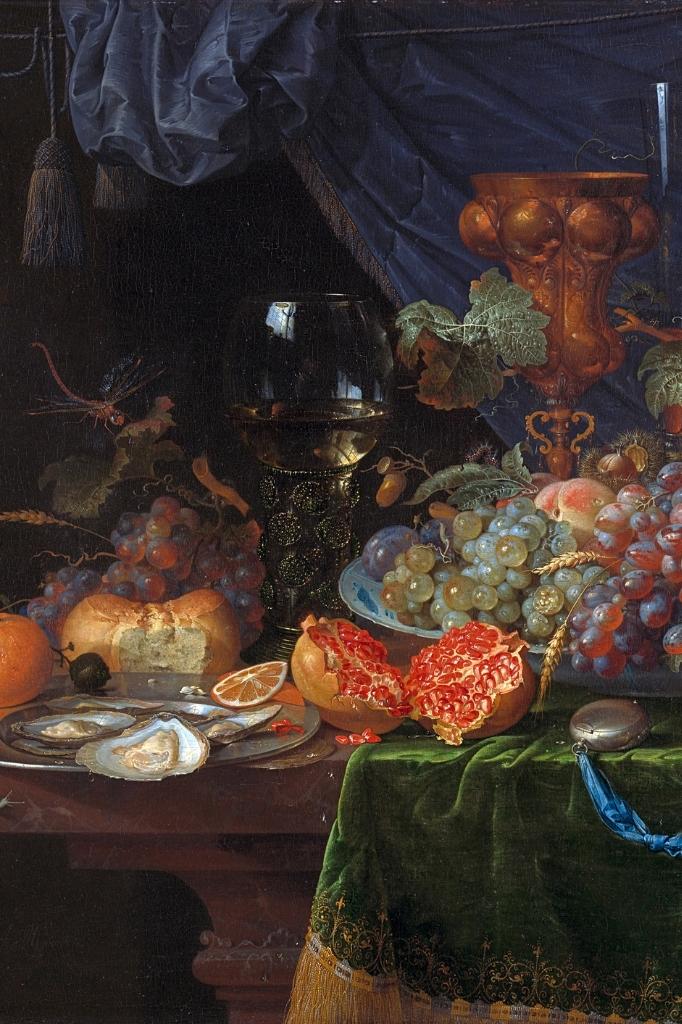
Mead is a fermented honey beverage that is alcoholic, and it's used in Beowulf to show celebration. It's mentioned very often, especially in relation to Heorot, the center of culture and civilization.
Take a look at the various mentions of mead in Beowulf
King Hrothgar wanted to create a hall where his men could relax and celebrate, where the mead could flow freely: "he handed down orders For men to work on a great mead-hall"
Before Beowulf prepared to meet the monster Grendel, there was a celebration: "And the party sat, proud in their bearing, Strong and stalwart. An attendant stood by With a decorated pitcher, pouring bright Helpings of mead"
The queen of the Danes took the cup of mead to her husband and the other men: "Hrothgar's queen, observing the courtesies. Adorned in her gold, she graciously saluted The men in the hall, then handed the cup First to Hrothgar"
And finally, when Beowulf defeats the monster, they celebrate with flowing mead: "round upon round Of mead was passed; those powerful kinsmen, Hrothgar and Hrothulf, were in high spirits In the raftered hall. Inside Heorot There was nothing but friendship"
Mead is also important to the culture and the time period, that Heorot was built. The Danes needed a place in which to drink mead in fellowship and celebration. The mead is such a center of culture that the king actually built a physical center for it to be drunk.
The Last Mention of Heorot Hall: Beowulf Remembers It in the End
Herot in the poem was so important to Beowulf that he remembers it at the end of his life, in his final battle against the dragon. He knew from his past success that he would be able to kill this monster.
The poem states that he remembers the past achievement fondly:
"He had scant regard
For the dragon as a threat, no dread at all
Of its courage or strength, for he had kept going
Often in the past, through perils and ordeals
Of every sort, after he had purged Hrothgar's hall, triumphed in Heorot And beaten Grendel."
The Famous Poem and Its Hero: Recap of Beowulf
Taking place in 6th century Scandinavia, Beowulf is an epic poem written by an anonymous author. The story originally is in Old English, at first it was an oral story, later on it was put on paper between the years 975 to 1025. It is a very famous work and one of the most important works of literature for the western world. It is a non-rhyming poem that focuses more on alliteration and emphasis on certain beats. It tells the tale of Beowulf, an epic warrior hero from Scandinavia, who has great physical strength and skill in battle.
He travels to the Danish world from his own land, Geatland, to help them against a bloodthirsty monster. This monster has been plaguing them for twelve years, and no other warrior who's come against the monster has survived. Beowulf appears as a godsend, and because of old loyalties with king Hrothgar, he offers to help them. He's successful against the monster, and he even has to kill another monster after that.
The Danish king rewards him with treasures to take back to his own land. He later becomes king of his own country, and he has to fight his final monster: a dragon. He kills the monster and saves his country, but Beowulf dies in the process. His legacy remains, however, and the poem ends commending his strengths and abilities.
Conclusion
Heorot in Beowulf
Take a look at the main points about Heorot in Beowulf mentioned in the article above.
Heorot in Beowulf is the mead hall of the Danes. It is also the seat of King Hrothgar. It is the scene where the bloodthirsty monster comes to wreak havoc upon them
Beowulf is a famous epic poem written between 975 and 1025 in Old English
He meets Hrothgar in his hall, Heorot, where they celebrate Beowulf's courage
It is there where he lies in wait for the monster, and he defeats him and his mother
Heorot is the place where the Danes celebrate Beowulf's victory
They also display Grendel's arm to show that the monster will no longer plague them
Celebration and the drinking of mead is very important to the culture and is mentioned many times in the poem
The purpose of building the mead hall by Hrothgar was to have a center of culture and civilization
It is where they welcome guests, celebrate events, and where he has his throne room
It represents the warm center of lightness and joy in the poem, contrasting against the darkness of the monsters
Even at the end of his life, in his final battle, Beowulf remembers back to his success at Heorot
Heorot is the mead hall built by Hrothgar, king of the Danes, to act as a center of culture and life in the Danish world. It is basically the center of the action at the beginning of the poem and represents a warm, happy, joyous place. Its happiness was dimmed for a while, but after Beowulf defeats the monster, it returns, representing the defeat of good over evil at long last.