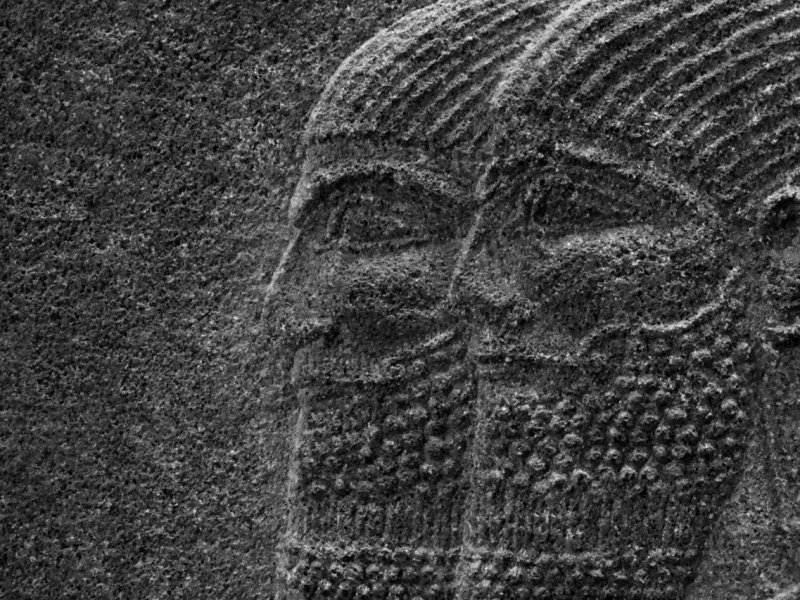
Palmyra, Syria: Discover the Wonders of This Desert Jewel
Palmyra, Syria is the birthplace of the Palmyrene Empire. The Palmyrene Empire was a short-lived, small city-state of the Roman Empire. It was born from the Crisis of the 3rd Century. Palmyra’s territories covered the Roman provinces of Syria, Palaestina, Arabia Petraea, Egypt, and large parts of Asia Minor.
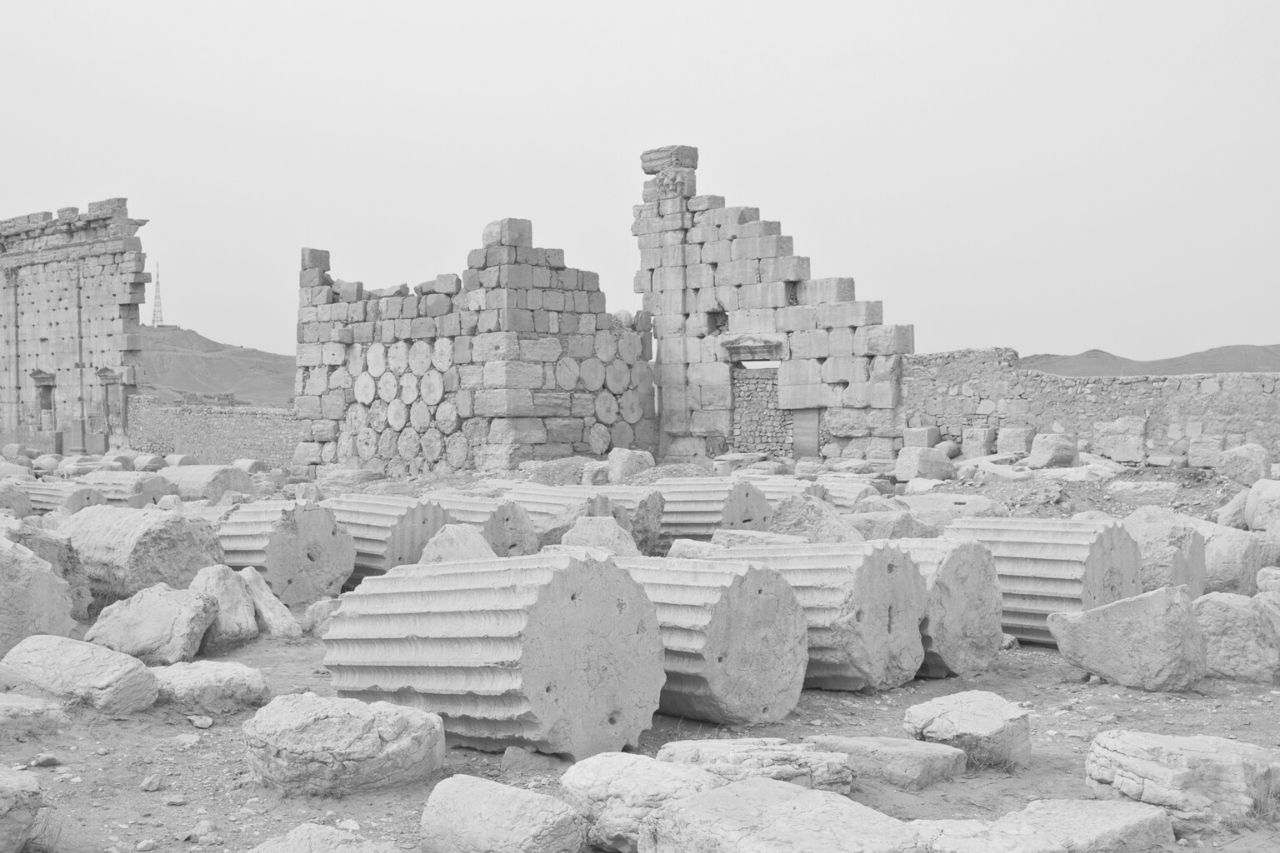
In this article, you will find all about Palmyra’s history, people, language, and the struggles it underwent in recent times.
What Is Palmyra?
Palmyra is a historical Semitic city located in Syria. Based on archaeological records, the area dates back to the Neolithic period. Originally a fertile oasis called Tadmor, the city of Palmyra was only established sometime during the 3rd millennium BC.
It later became the major city of the Near East. Palmyra was also a valuable trading post on the Silk Road.
Palmyrenes first converted to Christianity during the 4th century AD. However, during the conquest of the Rashidun Caliphate, most of the people converted to Islam. On that occasion, the Palmyrene language also changed from Greek to Arabic.
Palmyra was an autonomous state that was loosely connected to the Roman province of Syria. It only became a Roman colony during the 3rd century AD. Palmyra had different Roman governing institutions.
In 260 AD, Palmyra became a monarchy, shortly before its destruction. In the year 273 AD, Roman emperor Aurelian destroyed the city of Palmyrene. The city was later restored by Emperor Diocletian.
The people of Palmyra are called Palmyrenes. Palmyrenes have mixed ethnicities and have elements of Arabs, Arameans, and Amorites. Today, Palmyra is an ancient archaeological site situated in Syria.
History
In modern Syria, Palmyra is located in the middle of the Tadmorean Desert. It is surrounded by natural barriers such as mountains to its north, west, and south. To its east are dry flatlands and, beyond those, the Euphrates River. Due to its strategic location, Palmyra has been an important center of trade since ancient times.
The beginnings of Palmyra are still unknown. Historians have tried to unravel the mystery as to why nomads were drawn to this place surrounded by desert. One theory is that, back in those times, Palmyra wasn’t as barren and it had natural springs of sulfurous water.
Despite the Roman province of Syria emerging in 64 BC, the people of Tadmor — who were mostly Aramaeans and Arabs — remained semi-independent for over half a century. They lived and thrived by controlling the caravan routes between Syria and Euphrates.
This allowed them to provide the Roman Empire with goods from different locations. Because of this, Palmyra became one of the most important trade routes in the ancient world.
The Roman Dominion of Palmyra, Syria
Under the rule of Roman Emperor Tiberius, Tadmor was incorporated into the province of Syria. He changed its name to Palmyra which means “place of palms” due to the abundance of palm trees in the region.
After 106 AD, Palmyra replaced Petra as the leading Arab city. During the reign of Hadrian, in 129 A.D., Palmyra became a free city. With the founding of the Sassanian Empire of Iran, Palmyra lost control over its important trade routes.
During the 3rd century AD, Palmyra became a prosperous city center. It reached its peak when the Palmyrene King Odaenathus defeated Persian Emperor Shapur I. When King Odaenathus was assassinated, in 267 AD, his queen, Zenobia, declared herself Empress and ruled in the name of her son, Vaballathus.
She established Palmyra as the capital of an autonomous Roman-style empire. The Empire reached from Syria to Egypt and included much of Asia Minor.
Queen Zenobia ruled the Palmyrene Empire, officially as regent for her son Vaballathus, who inherited the throne at the age of 10. In 270, Zenobia successfully conquered most of the Roman east in the hope to maintain relations with Rome as legitimate power.
In 271, she claimed the imperial title for both herself and her son. She fought with the Roman emperor Aurelian, who conquered Palmyra and captured the self-proclaimed Empress. Later that year, the Palmyrenes started a rebellion which led Aurelian to destroy Palmyra.
The Reconquest by Emperor Aurelian
Zenobia’s rule ended when Emperor Aurelian reconquered Palmyra. He captured Zenobia and publicly humiliated her by parading her through eastern cities while riding a camel. She became ill and starved herself to death before she could reach Rome. Even after her death, her story will live on across the Palmyra heritage.
The Palmyrene Empire is often remembered as the Empire that was ruled by one of the most ambitious and powerful women in late antiquity. Her story would become an important part of Syrian nationalism.
Ancient City of Palmyra
The culture of Palmyra is heavily influenced by the Romans and Greeks. They created art and architecture that combine both eastern and western traditions. The ruins of Palmyra became a UNESCO World Heritage site in 1980. Archaeological findings and evidence from the ruins suggest that Palmyra had an organized city plan.
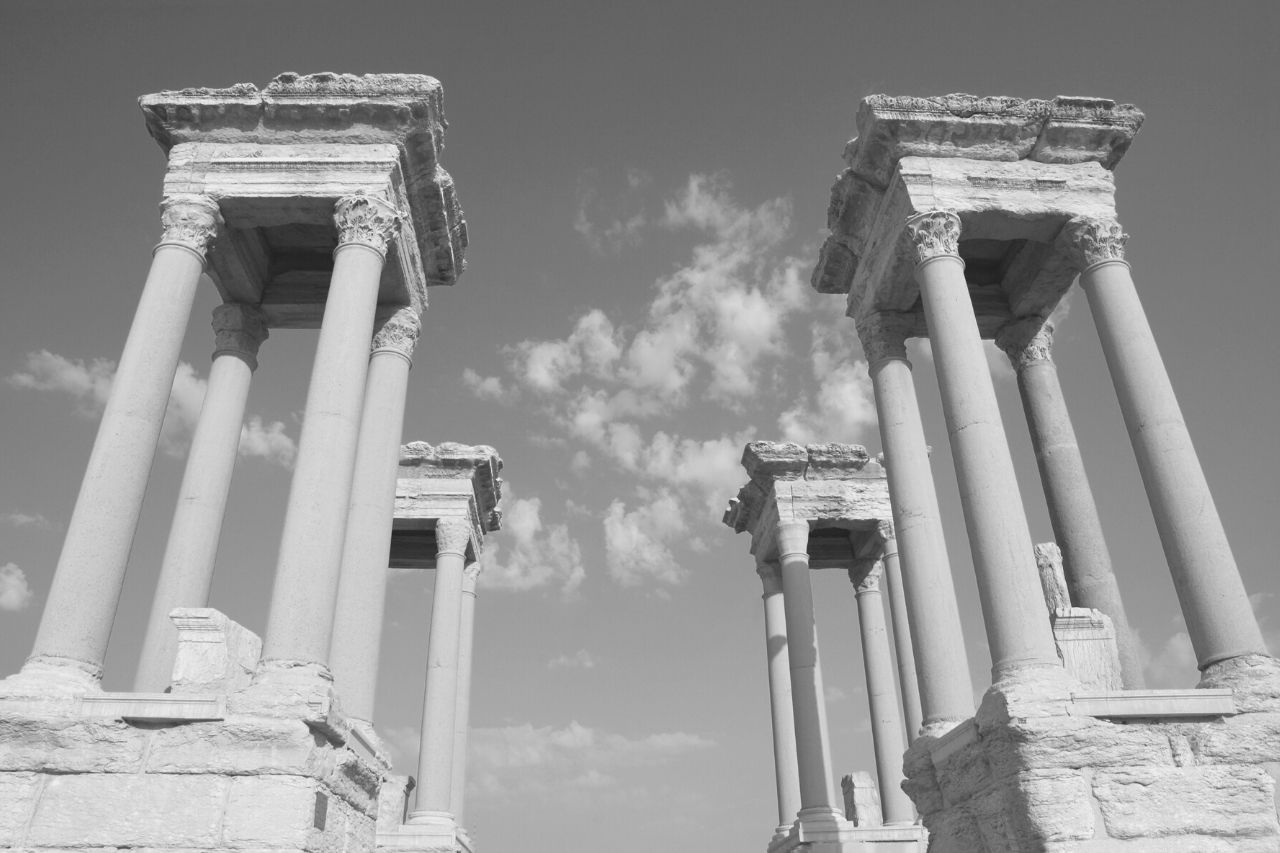
On the east-west street, a double portico is found, designed with nymphaea. To the south are the agora, theatre, and the Senate House. Other ruins also show that Palmyra had a Diocletian’s Camp and sanctuaries dedicated to their gods. They also have ancient Christian churches inside their city.
In Palmyra, you’ll find amazing monumental projects, such as the Temple of Bel and the Great Colonnade. When examining the monuments, archaeologists found Corinthian order marks. There is also art on tombstones that reflect the influence of the Roman and Persian empires.
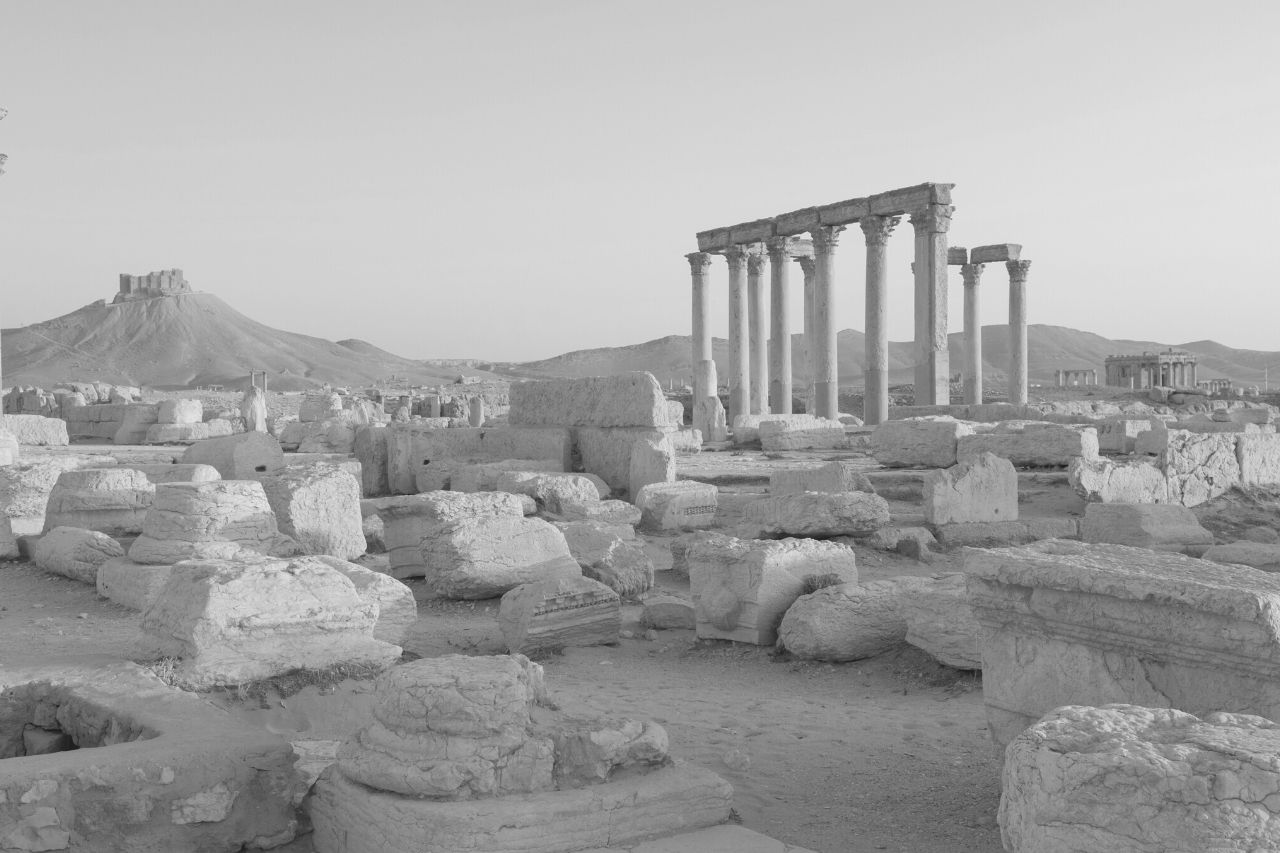
The architecture in Palmyra is filled with Greco-Roman styles, similar to those found in Arabia and Persia. Palmyra’s ruins have remained a significant cultural and historical location. However, the entire area is currently at risk due to the ongoing civil war in Syria.
Religion
Palmyrenes worshipped Semitic deities, Mesopotamian and Arab gods. Palmyra’s principal deity is Bol (Baal). Soon, he became known as Bel due to the assimilation to the Babylonian god Bel-Marduk. The Palmyrenes also linked Bel with the sun and moon gods, Yarhibol and Aglibol.
Language and Writing
Palmyrene is considered a dialect of Aramaic, which is the primary language that the people used to speak. Aramaic is related to Hebrew and is even written with the same alphabet. Aramaic was also the language of the Assyrian Empire. However, they also used Greek for commercial and diplomatic purposes.
Palmyrenes also had two systems of writing, known as the monumental script and the Mesopotamian cursive. Their inscriptions were bilingual and one can find them in both Aramaic and Greek. There are also artifacts that are found to be written in Latin.
This dualism can be found also in culture. Palmyrene clothing, in fact, represented the two main cultures that influenced them the most, Greek and Central Asian. Men wore Greek garments that include a chiton which is a long, sleeveless tunic that fastens at the shoulder. Palmyrene priests wore cylindrical headgear. They also wore more ornate clothing and had cloaks fastened with metal plaques decorated with floral patterns.
Trade
Palmyra is a city known for its trade caravans. The Palmyrenes were popular as merchants and established colonies along the Silk Road. They also traded throughout the Roman Empire. The Palmyrenes traded with other merchants from India via the Persian Gulf. They also exchanged goods from Coptos, Rome, and Doura-Europos in Syria.
The Destruction of Palmyra
Palmyra, once called the “Pearl of the desert,” is known for its preserved Greek and Roman ruins in Syria. Since 1980, it has been a UNESCO World Heritage. However, in 2013, after the rise of ISIS and the Syrian Civil War, it was added to the list of endangered world heritage sites.
The partial destruction of Palmyra was brought by the Islam militant group, ISIS. They occupied Palmyra twice since May 2015. When they retook the site in 2017, they destroyed most of its historic treasures.
As of today, the ancient city of Palmyra could reopen to tourists as early as next summer, according to the Syrian government. Due to the ongoing Palmyra reconstruction efforts, the archeological sites will soon be restored. The historic site which is located in Syria’s Homs Governorate province is one of the country’s best attractions, getting as many as 150,000 visitors a year.
Conclusion
At this point, you are quite an expert when it comes to the history and people of Palmyra, Syria. Let’s go over the main points of this article:
The Palmyrene Empire was a short-lived small city-state of the Roman Empire. It was born from the Crisis of the 3rd Century.
The city of Palmyra was established sometime during the 3rd millennium BC on a flourishing flatland called Tadmor.
The people of Palmyra are called Palmyrenes. Palmyrenes have mixed ethnicities with elements of Arabs, Arameans, and Amorites.
Palmyra is a city known as a trade hub. The Palmyrenes were popular as merchants who established colonies along the Silk Road.
During the 3rd century AD, Palmyra became a prosperous city center. It reached its peak when the Palmyrene King Odaenathus defeated Persian Emperor Shapur I.
When King Odaenathus was assassinated, in 267 AD, his queen, Zenobia, declared herself empress and ruled in the name of her son, Vaballathus.
Zenobia’s rule ended when Emperor Aurelian reconquered Palmyra. He captured Zenobia and publicly humiliated her by parading her through eastern cities while riding a camel.
The ruins of the ancient city of Palmyra were designated a UNESCO World Heritage site in 1980.
ISIS has occupied Palmyra twice since May 2015. When they retook the site in 2017, they destroyed most of its historic treasures.
The main hope for the future is that Palmyra, Syria, will soon reopen for tourists. When this happens, will you consider paying a visit to the ancient pearl of the desert?