Piankhi: The Great Nubian King Who Conquered Egypt
Piankhi (741–715 BC) was the king of ancient Nubia who initiated the invasion of Lower Egypt and eventually founded the 25th dynasty of Egypt. With his valor, he conquered a great nation and established his name as its leader.
His achievement was also called the “Ethiopian Dynasty of Pharaohs.” It was a notable era in the history of Egypt when a leader from the interior African continent took control of the upper and affluent African region.
Before his time, Egypt was already suffering from internal political disputes caused by untrustworthy and irresponsible rulers. What happened was a series of declines in the entire country.

On the contrary, it was a time of ultimate success for the Nubians because, for so many years, they had been protecting their country from their Egyptian conquerors. They had finally won the dispute after several years of fighting.
Who Was Piankhi?
Piankhi was from a royal family in Kerma, Sudan. His parents were King Kasta and Queen Pebatjma. With innate talent to rule, Piankhi showed early signs of leadership in his hometown. His consorts included Khensa, Abar, Tabiry, and Peksater, who produced an enormous family for Piankhi. Meanwhile, his children included Shepenupet II, Taharqa, Qalhata, Arty, Naparaye, Takahatenamun, Tabekenamun, Har, and Khaliut.
He presented himself as Usimare and Sneferre as his official royal names. As for his religious beliefs, he worshipped Amun, a highly popular god for the Nubians. With strong faith in the spiritual powers of Amun, he ordered the renovation of the Great Temple of Amun located in Jebel Barkal. You might recall that it was first constructed by Thutmose III.
He wanted to accomplish his main project of pleasing the god Amun. To do that, Piankhi commissioned great stonemasons, artisans, and sculptors in Egypt to build his dream temple for his god. This was written on the list of Piankhi achievements, describing Piankhi as a conqueror of Egypt.
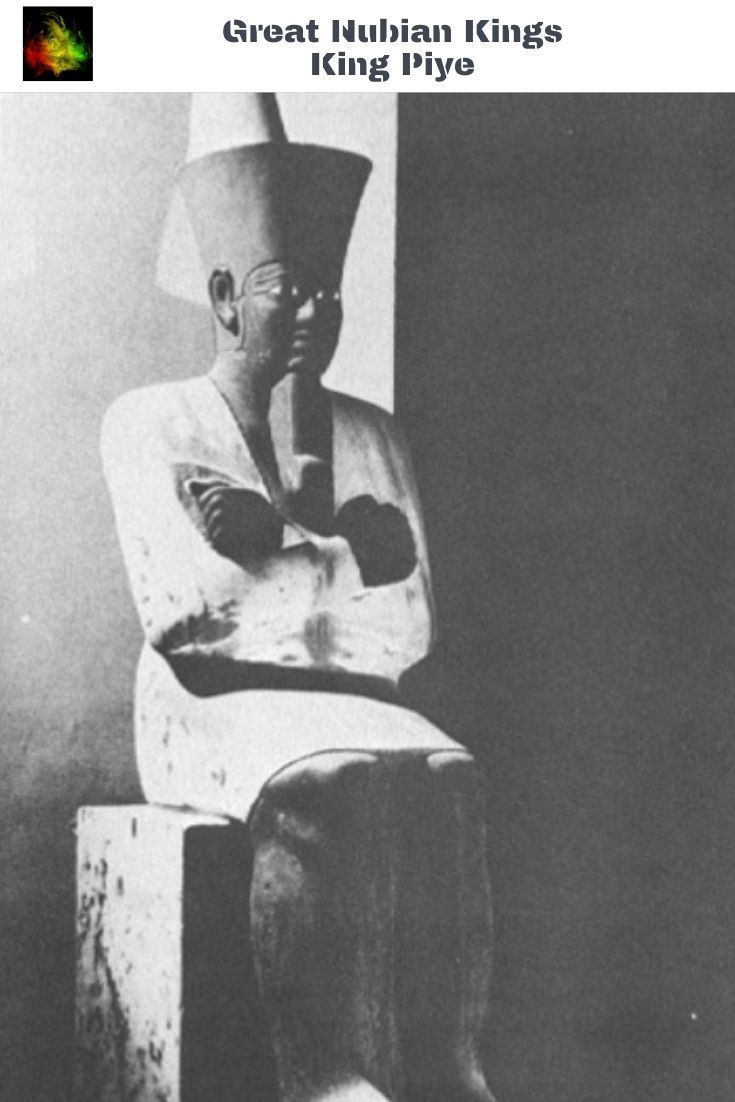
Piankhi Conquered Egypt
King Piankhi was originally a ruler of Cush, a region located in the Upper Nile. It is presently known as Northern Sudan. It is believed that he succeeded his father in ruling Cush in 741 BC. His ambitious dream of conquering Egypt started when he witnessed how King Osorkon III of Egypt flourished during his reign.
He saw a fleet of ships carrying tons of gold to Egypt, as well as slaves and mighty soldiers who were ready to fight for Egypt at the command of the king. Piankhi heard of the arrival of precious stones directly kept at the king’s vault. With this scenario, Piankhi carefully strengthened his army and devised a master plan to subdue Egypt, their formidable enemy.
He meticulously planned an end to the greed of the Egyptian king and enlarged his territory. He initially gathered a strong army, proposed a military campaign against the proud Egypt, and won the battle by fighting relentlessly. You can tell that in this scenario, war was his only option.
The Invasion of Hermopolis
He commanded his army to wait for the right timing. When they saw an opportunity, Piankhi invaded the fortress of Hermopolis and started his campaign. In this battle, Piankhi subdued the Egyptian army commander Namlot, who was overcome with fear and begged for his freedom like a slave.
Following this victorious attack was their triumph in every battle in other cities until they reached the capital city of Memphis. To give you an idea about the city, Memphis was protected by high walls, including the western and eastern walls. The people heard about the attack too late because Piankhi was already in the city center, waging war with the Egyptian soldiers.
He captured the capital city with ease, and he immediately ordered control of the harbor. It was something the Memphis people had taken for granted, such that Piankhi’s men were able to subdue the city without fail.
Knowing of his impending defeat, Tefnakhte, the commander of the Egyptian army, surrendered to the Nubians, which made it easier for Piankhi to conquer the entire country in general. He proceeded to Heliopolis and immediately seized King Osorkon, who was ready for his defeat.
Piankhi met Osorkon quietly sitting in his room and ready to be overthrown. The honorable king surrendered to Piankhi without any sign of resistance, and that gesture prompted the proclamation of a new era for Egypt. It was Piankhi’s reign as the king of Egypt.
King Piankhi of Egypt
From his humble beginning as the king of Nubia, a former enemy of Egypt, King Piankhi started a new generation of leaders in Egypt. He made sure that the Nile was navigated by ships loaded with tons of gold and precious stones to be hidden in the king’s treasury.
He rose to power and carefully built his name as a mighty conqueror of Egypt. Following his era were the Nubian kings of Egypt, who ruled the nation with more dedication to keep their honor as the conquerors of their former enemy.
He assigned leaders in every city of Egypt and assured the people that he would develop the economy, government, and military. Having settled his authority over Egypt, Piankhi came back to his hometown in Napata, where his people celebrated his honor of defeating their former enemies. You might recall that the Nubians had fought hard with the Egyptians for many years until they gained victory through the leadership of Piankhi.
The sudden triumph of Piankhi caused a serious argument among the rulers of Egypt. They started blaming one another, and the Nubian leader took that opportunity to subdue other regions of Egypt, such as Thebes and Lower Egypt. Piankhi won his military campaigns with his strong army, and all of his triumphs were written in his famous Victory Stele.
Piankhi’s Stele
To mark his victory, Piankhi erected an enormous stele with a long inscription of his campaigns in Egypt. He chose Amun for his god, and he made his personal stele for his monument.
Modern historians have found this stele different from the steles built by other rulers. With his love for detail, Piankhi asked his scribes to enumerate his adventures and triumphs, which were all written on his stele.
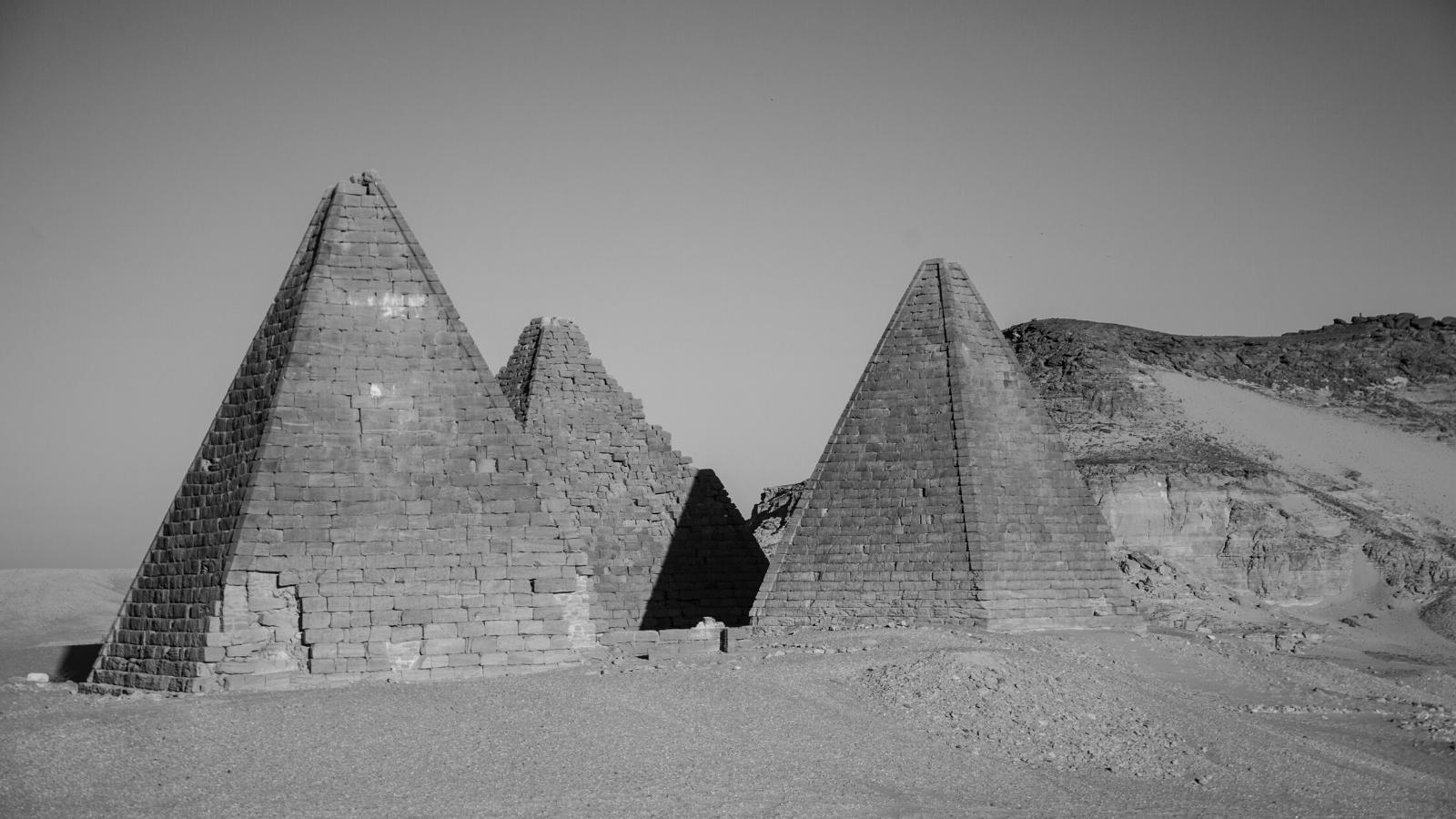
Aside from instituting new rules, Piankhi was also busy with his love of horses. He adored horses, such that he asked his people to decorate the horses that pulled royal chariots. Interestingly, historians were surprised when they saw the remains of horses inside his tomb.
In addition to the decoration of horses, he also initiated the adoption of Egyptian culture in Cush, such as building pyramids and mausoleums for the royal Nubians. He made a huge pyramid for himself in Napata. He further built temples with Egyptian influence in Nubia.
You might want to know about what kind of ruler he was. Piankhi was a conservative leader. He focused on reinforcing some of the institutions that were declining in Egypt, as well as on renovating old temples. He himself spent time supervising the restoration of the cultural symbols of Egypt.
Piankhi’s Legacy
The rise of Piankhi to power was unrivaled. History tells you how formidable he was. He started his campaign with anger against the opulence of Egypt in contrast to the economic scarcity in Nubia. He could not accept the fact that there was so much abundance in Egypt, whereas his hometown was in slavery.
He planned a holy war against Egypt with the valiant Nubian soldiers willing to follow his military strategy. With his command, he asked his soldiers to sanctify themselves before going to the battle. His loyalty to the god Amun played a significant role in his campaigns, and he uttered everything in his prayers and sacrifices to Amun.
He started his campaign in the northern part of Egypt until his triumph in Herakleopolis, Hermopolis, and Memphis became known. He routed the leaders of the Nile Delta and Thebes before he returned home for good.
He has never returned to Egypt since then. Historians have recounted their records of Piankhi, and they all agreed that the Nubian king could have reigned for approximately 31 years.
He died sometime in 714 BC and was buried in El Kurru close to Jebel Barkal. His body was buried on a stone bench in the middle of a chamber. He was the first king to be buried in a tomb with horses for more than 500 years.
Conclusion
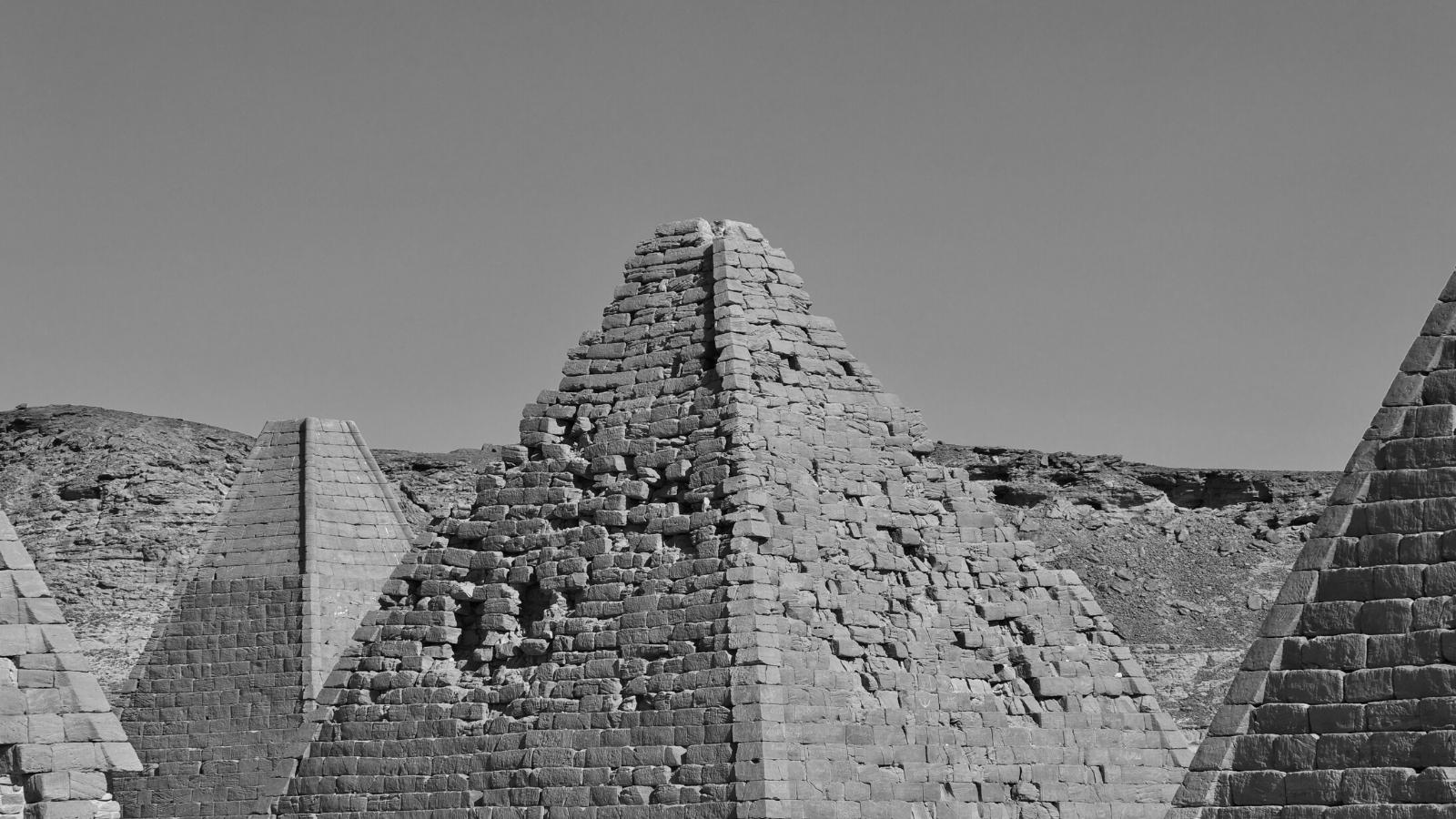
Piankhi was a valiant leader from Nubia who planned clever military campaigns to conquer Egypt.
Here are the key points you need to remember about his story:
Piankhi was enraged when he saw the luxury and affluence of Egypt and its royal family members.
Consequently, he worked hard to prepare his army to conquer the nation.
Through his intelligence and determination to invade Egypt, he finally won. This victory brought so much pride to the former slaves in Nubia.
Piankhi was a conservative leader, and he instituted many rules in Egypt.
He also supervised the restoration of old temples in honor of ancient gods, including Amun.
His unprecedented victory caused a great surprise to Egyptians because they never expected a former enemy from Nubia to conquer Egypt with his quiet military campaign.
It was indeed an unparalleled event in the history of Egypt to see a former enemy lead the 25th dynasty.