The Greek God of Rain, Thunder, and the Skies: Zeus
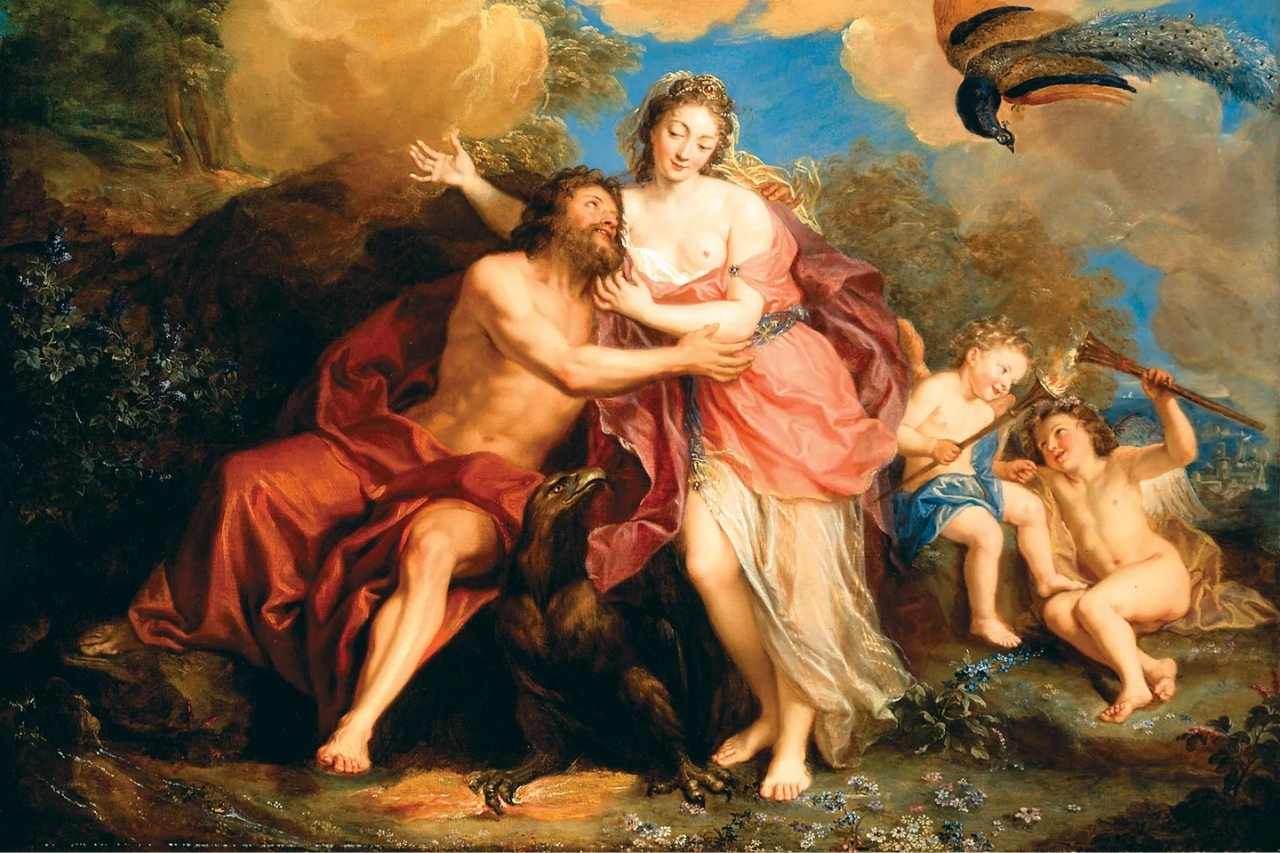
The Greek god of rain was Zeus, the king and father of the Olympians and the men. Zeus is the most famous Olympian god from Greek mythology, and rightfully so. All the works of Homer and Hesiod, describe Zeus, his relationships, and his life in one way or another.
Here, in this article, we bring you all the information on Zeus as the god of rain and how he acquired power after the Titanomachy.
Who Was the Greek God of Rain?
Zeus was the Greek god of rain, and he controlled all the aspects of the weather such as the rain, the wind, and the thunders. He elaborated how vital the rain was to the people, and they prayed to him so that he would grant them rainy showers.
How Zeus Became the Greek God of Rain
After Titanomachy, the war between the Titan and the Olympian gods, Zeus and both his brothers Hades and Poseidon chose their domains in the universe. Among many other things, Zeus took the sky and everything in it, Poseidon took control of the water and water bodies whereas Hades was given the Underworld.
Zeus controlled everything in the skies including thunder, lightning, rain, weather, wind, snow, and pretty much everything in the domain. This is the reason that Zeus is very famously depicted holding a thunderbolt. Zeus is therefore the god of many talents and roles.
Zeus and Humankind
Zeus was the king and the father of all humankind. Prometheus was the Titan god that created the men on the demand of Zeus so he had a more extraordinary relationship with humanity. He felt deeply for them and always wanted to help them in any way he possibly could. After the Titanomachy, the Olympians won and mankind was created.
Humans used to pray to the gods for the smallest of things and the gods liked it. Somewhere along the line, people got tired of praying to the gods and also battling every calamity that they sent over them.
However, Zeus did not like that his men had stopped praying to him so he wanted to teach them a lesson which is why he stopped giving them rain. Firstly the people did not care because they had a lot of food but as soon as the food started to run out they panicked.
People started to pray to the gods again. They wanted the rain because all of their crops were drying and their food was near to finish. Zeus saw them in despair and Prometheus also asked Zeus to show some leniency so he gave them rain. But now another problem stood in their way.
Zeus and Prometheus
The people were having trouble with the timing of the rain. They complained that they had no clue about how to tell if it was going to rain. They had no earlier signs and Zeus just poured the rain whenever he wanted. Prometheus wanted to help them.
He took a sheep from the land and took it with him to Mount Olympus. Whenever Zeus was about to send rain, Prometheus would first scatter some wool in the shape of clouds so the people can get ready. The people were thrilled because of the help from Prometheus.
Zeus found out about the relationship and secrets between Prometheus and his people which made him angry. He punished Prometheus for going behind his back and gave him a tormenting death.
Zeus and the Anemoi
Zeus is the primary god of rain and weather but there are also other more minor gods of temperature and wind. These four gods are collectively called the Anemoi. The Anemoi were very famous among the Greeks and had many wives, both mortal and immortal. Because they had an important role in the changing of the weather, people prayed to them at the time of harvest.
The group includes Boreus, Zephyrus, Notus, and Eurus. Each of these Anemoi had specific tasks to fulfill which were related to wind and the weather. Following are the specifications of the Anemoi:
Boreus
He brought the cold wind which is why he is the embodiment of the North wind. He was depicted as an older adult with long hair.
Zephyrus
He was the god of the winds from the West. The west winds are known to be very gentle and so was their god. He is known as the one who brings spring season.
Notus
Notus was the god of the South wind. He was the one who brought summers to the people.
Eurus
Lastly, Eurus was the god of the East winds and brought autumn.
FAQ
Who Is the Roman God of Rain?
The god of rain in Roman mythology was Mercury. He was also responsible for all the seasons and the blooming of the flowers.
Who Is the God of Rain in Norse Myth?
In Norse mythology, Odin is the god of rain. Among many things, including wisdom, healing, magic, death, and knowledge, Odin was also responsible for rain and hence the weather.
Who Was Hyades Rain Nymphs?
The rain nymphs, Hyades, brought the rain and are known as the rain makers. They are known to be the daughters of the Titan god Atlas and Aethra, the Oceanid. They were many in number and helped Zeus bring rain to the people.
Apart from the Anemoi that helped him with the winds, Hyades also helped Zeus. Hyades were the rain nymphs. A nymph is a lesser-known nature deity and supports a greater god in his role.
Conclusions
Zeus was the god of rain and thunder, in Greek mythology. He brought rain to the people and people prayed and worshipped him for it. In different mythologies, different gods are the gods of rain. Here are the points that will summarize the article:
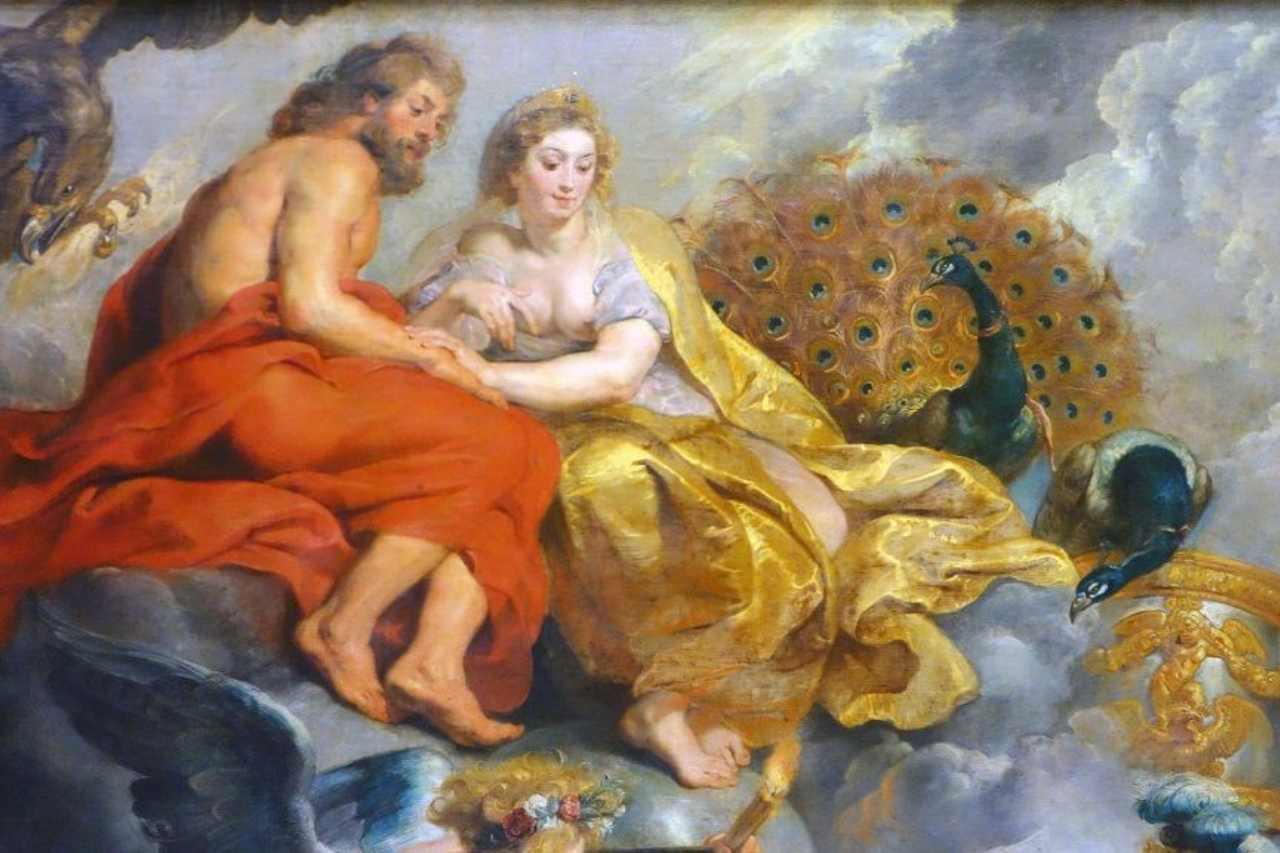
Zeus was the father and the king of the people and the Olympian gods. After Titanomachy, he chose supremacy over the sky and everything in it, Hades was given the Underworld, and Poseidon was given the water bodies. Each brother took his role very seriously because of which each god was highly worshipped and prayed to.
The people wanted the rain to grow their harvest; without it, they would starve to death. They became a little reluctant to pray and worship the gods, which was unacceptable to Zeus. So Zeus stopped giving them rain.
The people were okay with no rain at first, but when their food reserves started depleting they wanted rain. They started praying to the gods again, so Zeus gave them rain.
Prometheus was the creator of mankind on the orders of Zeus. He helped people in expecting rain by leaving clouds in the sky without the help of Zeus. For this reason, Zeus killed him and made an example out of him for whoever plans on going behind his back.
Here we come to the end of the article about the Greek god of rain which is Zeus, the god of thunder and the skies. We hope you had a pleasant read and found everything that you were looking for.