United Arab Emirates' Religion: The Role of Religion in the Modern UAE
The United Arab Emirates' religious structure might not be something you would expect from a member of the Arab world.
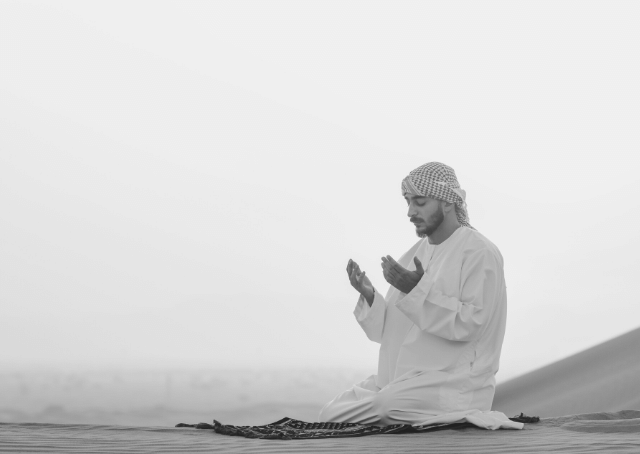
Also known as the Emirates, it’s a beautiful country in the Middle East, mainly located in Western Asia at the eastern end of the Arabian Peninsula. The UAE has changed a lot in a couple of decades, and its new image shows a remarkable product of economic ingenuity.
From arid deserts to colossal skyscrapers, the Emirates takes pride in its rapid ascent to the sophisticated lifestyle of the rich and famous, as exemplified by its modern infrastructure and high status as an international trade and transport hub.
Meanwhile, Islam remains the official religion of United Arab Emirates as it is the largest religious group, although freedom in choosing one’s religious affiliation is observed. No one can deny that high-speed modernization has swiftly taken hold of the country, but the religion of the United Arab Emirates remains strong.
This is especially evident in the diversity of religions in Dubai. To date, strong support for the Islamic faith is present in the country. Records show that 70 percent of the population is Muslim, and such deep faith is worthy of respect.
What is the Main Religion in the United Arab Emirates?
The Emirates is a powerful federation of seven emirates, including Abu Dhabi, Ajman, Dubai, Fujairah, Ras Al Khaimah, Sharjah, and Umm Al Quwain. Their commonality is their deep religious belief. Islam is the consecrated religion of the state, but religious freedom is observed as long as it does not hinder other practices and morals.
Consequently, there are laws against religious violence, blasphemy, and evangelizing by non-Muslims to convert Muslim nationals. Demographic data shows that there are more Sunni Muslims in the Emirates than Shia Muslims. In fact, statistics show that 90 percent of the people are Sunni Muslims, and only 10 percent of citizens are Shia.
To establish a strong Islamic religion in the United Arab Emirates, the government mandates Islamic education as part of the daily curriculum in public schools and for Muslim students in private schools. It is a funded curriculum to strengthen the students’ Muslim faith. In contrast, there is no government support for other religions.
Interestingly, everyone is encouraged to embrace Islam. Anyone who wants to be converted into the Islamic faith can simply follow the procedures set by the Ministry of Justice. There are procedures that can be accessed online, and everyone is warmly welcomed to the realm of the Islamic world.
Meanwhile, when it comes to freedom, there are also other religions in UAE. According to a 2017 US State Department report on religious freedom, “individuals belonging to non-Islamic faiths said they could worship in private without government interference, but they could face restrictions on their public display of faith.” The government shows some kind of ease to other religions in the Emirates, but disobeying the existing Muslim policies may result in the rules against those who defy.
Following the Sunni and the Shia Muslims are other small groups of Muslims. There are traces of Ibadi Muslims from Oman, and influences of Sufi are also present in the state. When it comes to practices of their religious customs, the Emiratis follow the Sharia courts, which have strong authority over the entire country.
Crimes are punished according to the severity of the offense. Still common are punishments like flogging and public stoning for those who commit adultery. Strict guidelines are imposed against people who disobey the principles of Islamic tradition.
Consequently, these laws are likewise applied to non-Muslim citizens who are staying in the country. This includes laws in marriage, divorce, cohabitation, theft, and so on. Although homosexuality is embraced in the West, it is strictly prohibited in the Emirates. Heresy, on the other hand, is a major offense that is punishable by death.
Foreign residents are treated just like the locals; that’s why they are required to obey Islamic laws. For example, public shows of affection like kissing could mean deportation. Foreigners need to be aware that the UAE, being a cosmopolitan country, has religious traditions and culture that are sacred, and foreigners are not exempted from observing these laws.
Islamic Education in Schools
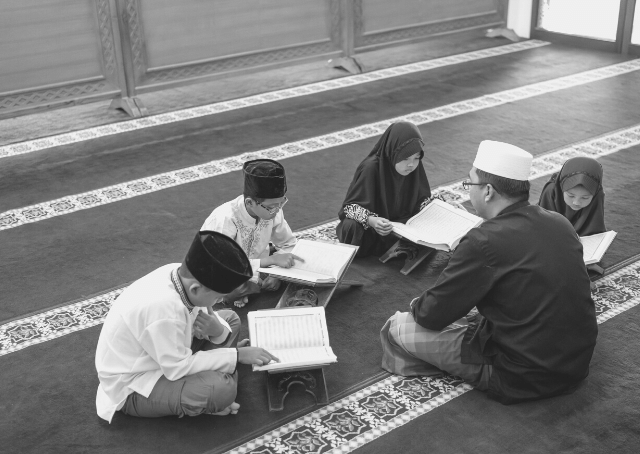
As mentioned above, the government mandates the teaching of Islam in public schools and to Muslim children in private schools. Non-Muslim children are not required to take up these classes, but they are most welcome to join.
The teaching of Islamic principles in primary and secondary education is the most basic teaching young Muslims acquire as regards their religious beliefs and customs. It is their opportunity to learn more about the Islamic faith and its beginning.
Needless to say, Islamic traits and practices are first learned in school; thus, contemporary principles about religion develop primarily in the classroom, which therefore shapes the norms of the people.
Some even contend that extremism and modern society have also influenced the tenets of Islam. The government’s commission on UAE religions reports that Islamic education is taught better to understand the foundation of Islamic principles in the UAE and strengthen the goals of the Islamic education curriculum in providing the students with sufficient knowledge on Islam, in line with the developed standards.
Religions in the UAE
The UAE government knows that it has to soften its stance on religion if it wants to meet its dream of total modernization. It is imperative to note that economic development heavily relies not only on commerce and trade but also on the cultural, religious, and education policies, as well as the political will of the state.
Luckily, the UAE has already accepted some open policies on religion; that’s why minor religious groups thrive in the state. Some Christians comprise one of the largest groups of residents. According to the latest report, Christians comprise 13 percent of the population. This is significant because it gives the message that the country is open to Christian principles.
Moreover, Hinduism is practiced by at least 10 percent of the population. Other faiths, including Buddhism, are practiced by the remaining 10 percent of the people. Both Catholics and Protestants have a strong presence in the United Arab Emirates. It is not that easy for other religions to penetrate the stronghold of Muslim power, but the statistics above present a picture of a very lenient government vis-a-vis religious issues in the world.
Religious Freedom in the UAE
Although Islam is the state religion of the UAE, the practice of other religions is generally allowed by the government. However, non-Muslims are not allowed to interfere in the religious matters and laws applicable to the Muslim citizens living in the country.
The use of media to spread knowledge about religions other than Islam is strictly discouraged in the country. Muslim citizens of the country are required to strictly adhere to the Islamic way of life and cultural practices. Conversion of Muslims to other religions is a punishable offense.
The Role of Religions in the UAE
Obviously, the presence of religions in the United Arab Emirates is permissible, but there are some precautions that must be taken to protect the official religion of the land, which is no other than Islam.
People will always crave religious power. It is considered man’s source of strength. Whoever the supreme being is, whether Allah, Jesus, Buddha, or Confucius, man will always look up to someone with supernatural powers to govern his thoughts, feelings, dreams, and even his moods. Interestingly, Muslims show a very deep sense of faith in their religion to the point of sacrificing their lives in defense of their faith.
In the same manner, other religions also teach loyalty, dependence, and grace in exchange for faith and obedience. Religions play a crucial role in the development or underdevelopment of a certain nation.
In the case of the modern United Arab Emirates, its progressive economic status is a product of ingenuity, passion, and faith. The Emiratis are dreamers of a sophisticated land who showcase their legacy as Muslim believers. In other words, they want to make a difference internationally.
Thanks to their passion for changing their country, they are now enjoying the fruit of their sacrifices. Their Muslim faith is always intact in the face of their country’s modernization. This shows a faith larger than life. They are willing to develop their country and yet remain very strong in keeping their Islamic faith in their hearts.
The role of religion in the United Arab Emirates is extremely substantial because it is able to stand the test of economic development in the midst of religious traditions. They never give up their faith. Muslim believers hold on to their faith and practice it every day to show to the world that they are the same yesterday, today, and tomorrow.
Christians in the United Arab Emirates
Much has been said about the war between Muslims and Christians. Since time immemorial, they have been fighting, but these two powerful religious groups have shown their respect in the UAE. Bloody wars have been staged to portray who is more powerful, yet they remain civil in the face of the UAE’s economic development.
Nobody wants to provoke any annihilation because they know they will both lose. Christians in United Arab Emirates enjoy their minority presence in the Emirates while Muslims keep their humility in the face of their success.
Religions have caused so many wars in history, but in the modern world, particularly in the case of the United Arab Emirates, religions have to back off to pave the way toward modernization and development.
Conclusion
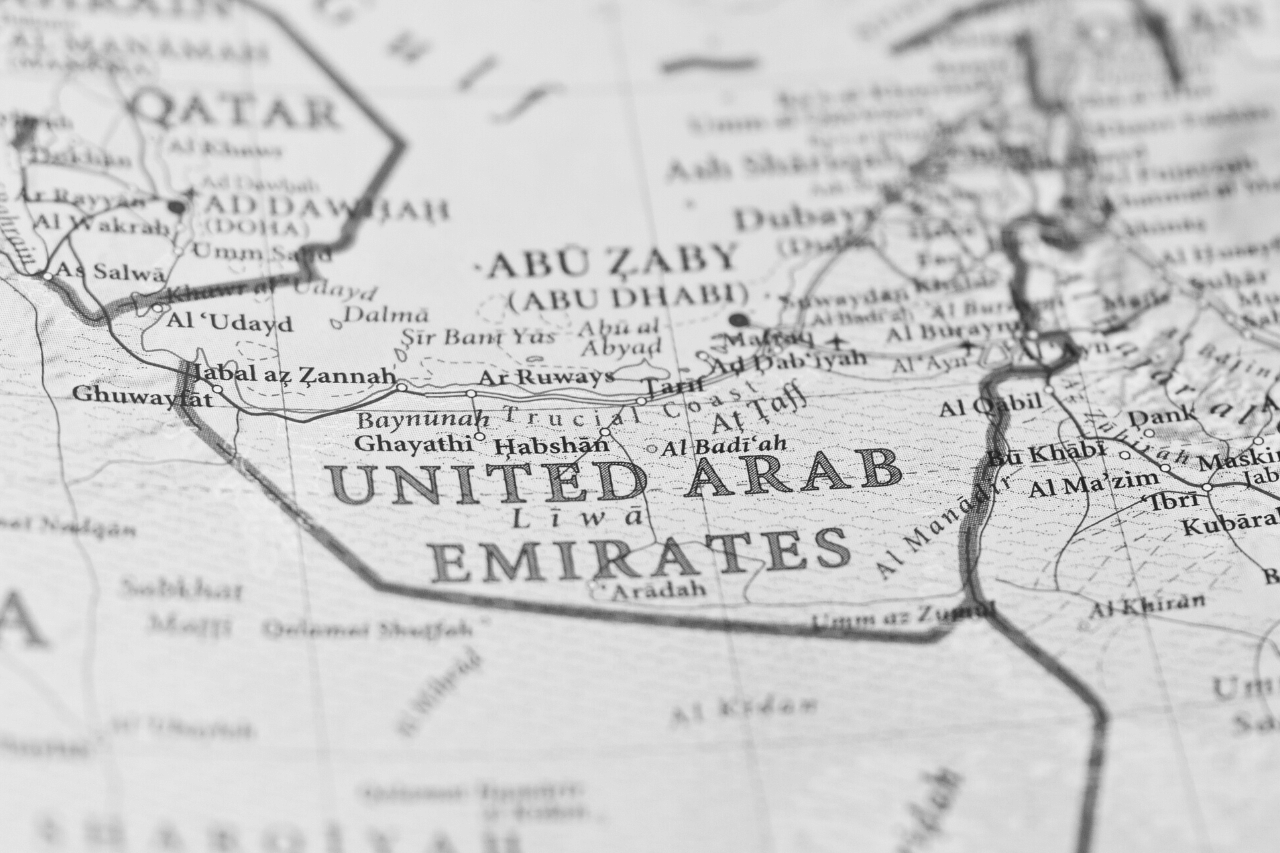
Religion is not just a particular system of faith but a symbol of a country’s united effort to aim at common goals. The Muslim faith takes the heart of a great many people in the United Arab Emirates. They are willing to die for their religious traditions, and they are not afraid to defend this faith against anyone who would challenge them.
The modernization of the UAE has paved the way toward an advanced economy that welcomes various religions from Dubai down to Abu Dhabi, even in the southernmost part of UAE.
Many have perished in the name of religion, but the UAE is not a place of hate. It is a place of modernization toward economic freedom where Muslims and non-Muslims alike can enjoy abundant success in the Emirates, thanks to Allah, thanks to Jesus, or whoever your God may be. He may have caused a barren desert into a sophisticated state called the Emirates – a beautiful land where the gods meet.