Zeus Appeared to Leda as a Swan: A Tale of Lust
Zeus appeared to Leda in the form of a swan and impregnated her. Leda gave birth to four children; only two of them were Zeus'. This tale of love and cheating is one of the most exciting tales in mythology. Read ahead about the affair of Zeus with Leda, who was Leda, and why only two of the four children born were Zeus'.
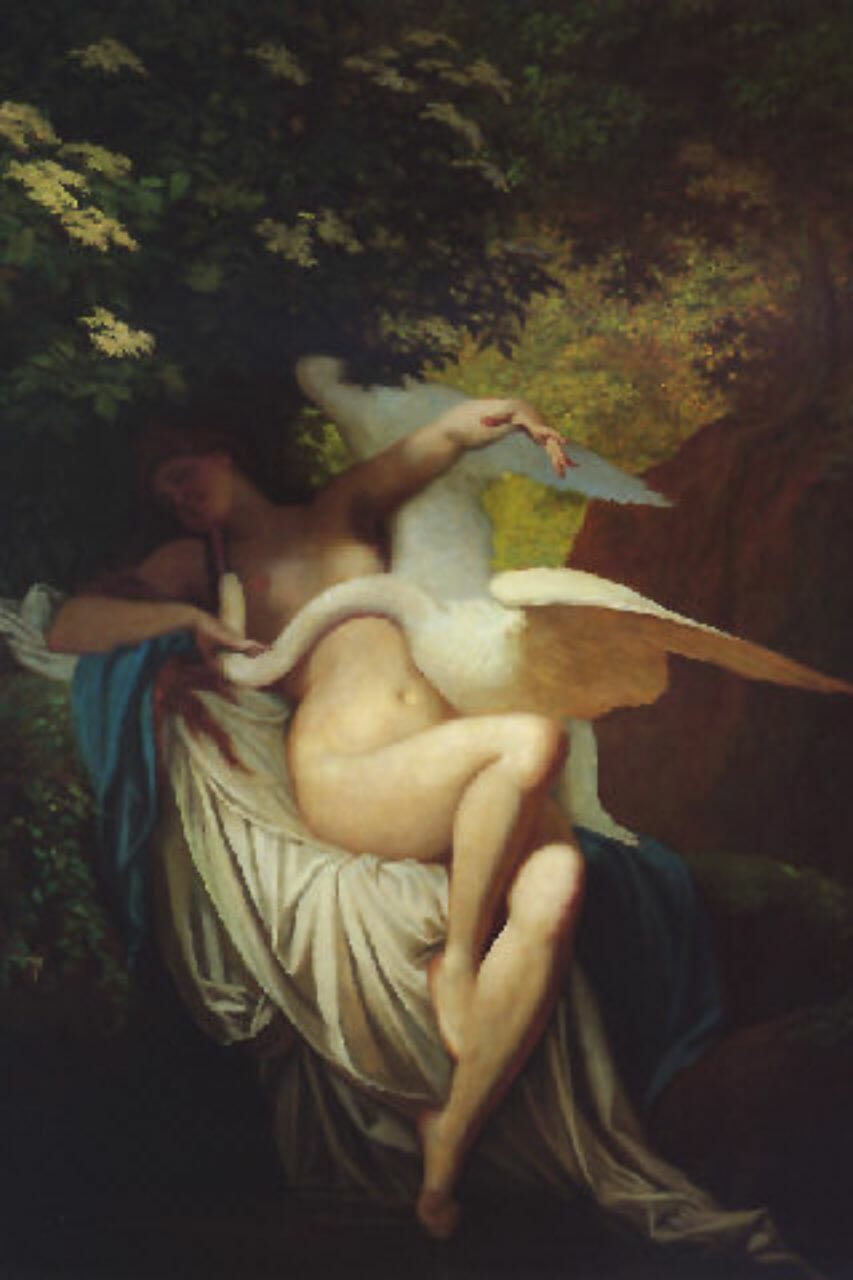
Zeus appearing to Leda as a swan
The Story of How Zeus Appeared to Leda in Ancient Greek Mythology
Zeus always kept an eye on the beautiful women on Earth for his pleasures. He caught the beauty of Leda from sitting on the Mount Olympus. He was utterly mesmerized by Leda and wanted her for himself.
He was always conscious that Leda was not the type of woman who would wish to have an affair with him, just as many others had wished, on the contrary to this, Leda was the kind that was very much in love with her husband, Tyndareus. Both Leda and Tyndareus were happily married together and loved each other.
Zeus transformed himself into a swan and went close to Leda. She was lying in the grass when Zeus came and sat next to her. The swan acted as scared and had escaped from a life-threatening debacle. Leda was the kind-hearted person that brought the swan closer to her.
When Zeus saw this he considered it a chance and impregnated Leda. The same night Leda slept with her husband Tyndareus as they were trying to conceive and to prosper their family with children.
Leda and Her Four Children
Leda gave birth to four children after some time. The theory behind four children at once is that Leda might have had two eggs, Zeus and the other by Tyndareus fertilized one. This is why she had four children, two of Zeus and two of Tyndareus. The children's names were Helen, Clytemnestra, Castor, and Pollux. Helen and Pollux were rumored to be from Zeus, and Clytemnestra and Castor were rumored to be from Tyndareus.
The four children gained more fame than their mother, Leda. The reason why is that they are mentioned in the works of Virgil and Homer quiet many times than her. Many museums have dedicated statues for the four children in all of their glory.
The Famous Children of Leda
Here we look at the details of Leda's four children:
Helen
Helen is by far the most famous of the four infants of Leda. She was the daughter of Zeus and Leda and arguably the most beautiful woman anyone had ever seen in all of Greece. Her beauty and lineage were the reason behind two wars in Greek myth and not small wars but big and bloody decisive wars.
When Helen was a baby, Theseus kidnapped her, resulting in a war between Sparta and Athens. This was the first big war between the two states, and very deadly. The second time Helen was in the midst of controversy was when she was abducted by Paris while married to Menelaus. This abduction brought the most famous Greek war afoot, the Trojan War, fought between the Greeks and the Trojans.
Castor and Pollux
The pair was famous for always being together and were also twins. They were also very well-known and esteemed fighters in the army. They were at the forefront of the war between Sparta and Athens to rescue their sister, Helen. Later they fought in the Calydonian Boar Hunt.
Pollux was immortal, and Castor was mortal. The reason is that Castor was the son of Leda and Tyndareus while Pollux was the son of Leda and Zeus. When Castor died, Pollux gave up his immortality and joined Castor in the heavens.
Clytemnestra
She is the lesser-known daughter of Leda. Clytemnestra was married to King Agamemnon of Mycenae, who is regarded as the most powerful king of the day. Therefore, she was sister-in-law to Helen and also was her sister.
These were the four children of Leda, Zeus, and Tyndareus. This event has to be one of the most unusual events in Greek myth.
The End of Leda
Leda and her children are mentioned in Homer and Virgil's works. Her children, Zeus and Tyndareus are mentioned, but Leda is not. Her last mention is about her children being born. That is considered the end of Leda in the mythology.
No mentions of Leda's death or afterlife can be found anywhere in the mythology. The mythology has many instances when Hera would punish the women whom Zeus had committed adultery with. By some miracle, Leda, however did manage to escape the wrath of Hera and so did her children.
FAQ
Did Zeus Seduce Leda?
No, Zeus did not seduce Leda. He fancied Leda for a long time and wanted to be with her. He saw a chance when Leda was laying in the garden all by herself.
Why Is Zeus Said To Have Lose Sexual Morals?
Zeus had lost sexual morals, in mythology, because any mortal or immortal woman could not fulfill his thirst. He slept with many women and produced many children including various demigods on Earth. He would sleep and lust over his own daughters even. This shows the level of his lose sexual morals.
Did Zeus Ever Sleep With Men?
The Aeneid narrates many instances when Zeus slept with men. Zeus had an unfulfilled lust which is why he had such a thirst for a body. The list of characters that Zeus slept with is endless and cannot even be compiled because he slept with men, women, and his own children.
What Does Zeus Look Like?
Zeus was very tall and muscular. He had curly hair and a bushy beard. His height and build were one of his most attractive features. Zeus had bright electric blue eyes.
His appearance suited him very well and was one of the reasons why he was so famous among the men and the women of Mount Olympus and Earth.
Conclusions
The tale of Zeus appearing to Leda in the form of a swan is very interesting in Greek mythology. For years this subject has been the center point of many paintings and also some critically acclaimed feature films and novels. This article aimed to cover the topic fully and bring you everything there is to know about the pair and their workings in the mythology. Here are some points that would sum up the article:
Zeus was known for sleeping with many women. He could be seduced and easily and he himself used to fall in love very quickly. He caught the beauty of Leda from sitting on the Mount Olympus.
Leda was the daughter of Theseus, the King of Pleuron in ancient the mythology. Leda was married to King Tyndareus of Sparta by her father, Theseus.
Leda gave birth to four children. Two of them were Zeus' and two were of Tyndareus. The names of the children were Helen, Clytemnestra, Castor and Pollux.
The children grew up to be more famous than Leda and had also managed to escape Hera's wrath.
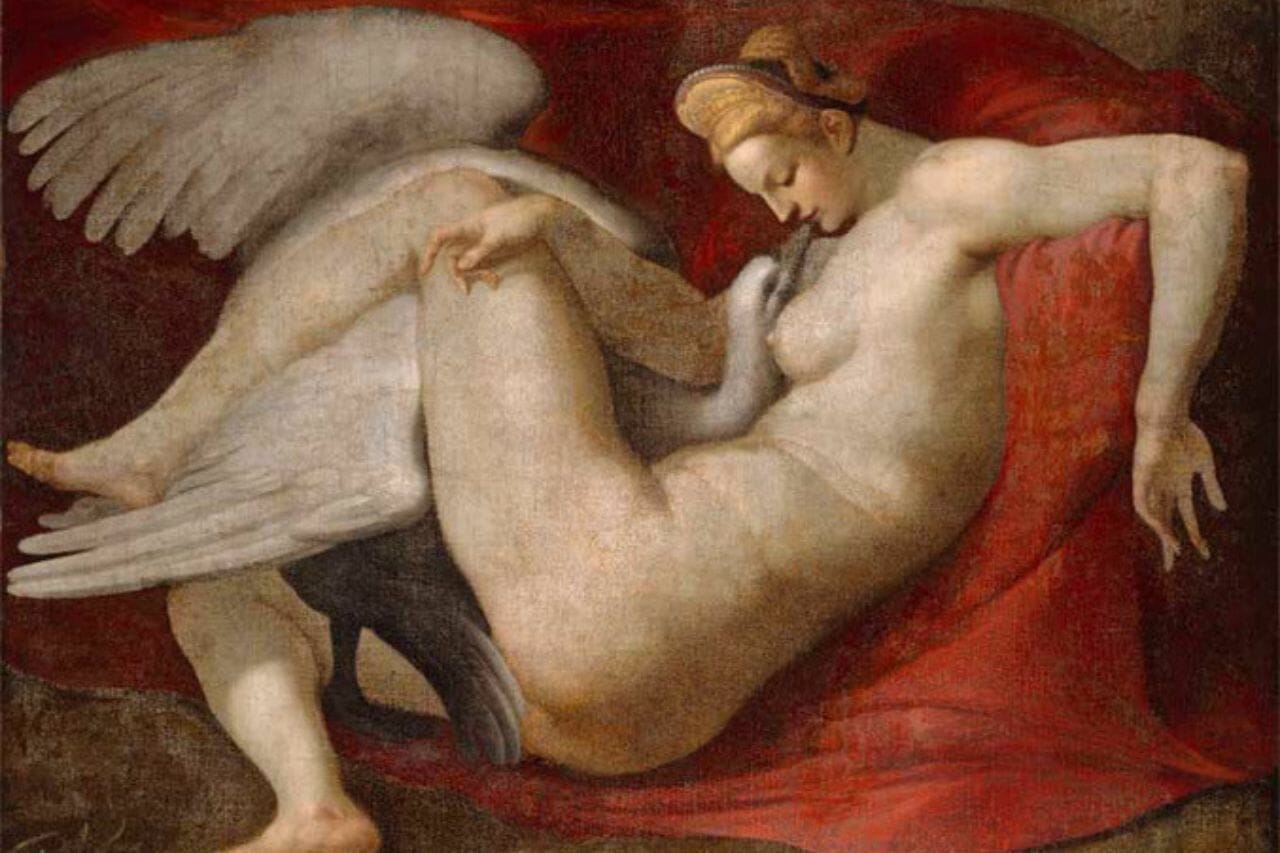
The story of Zeus and Leda
Zeus appeared to Leda in the form of a swan and impregnated her because he was too aroused by her beauty. This is a classic story of Greek myth and will be remembered for times to come. Here we come to the end of the tale of Zeus and Leda.