Dardanus: The Mythical Founder of Dardania and Ancestor of the Romans
Dardanus was the son of Zeus who established the city of Dardania in the northwestern Anatolian region of Troad. He was a king in Arcadia but had to relocate after a deluge displaced most of his citizens. According to Greek mythology, the floods were sent by Zeus after he got tired of the numerous sins and quarrelsome nature of men. This article would discuss the family and myth of Dardanus.
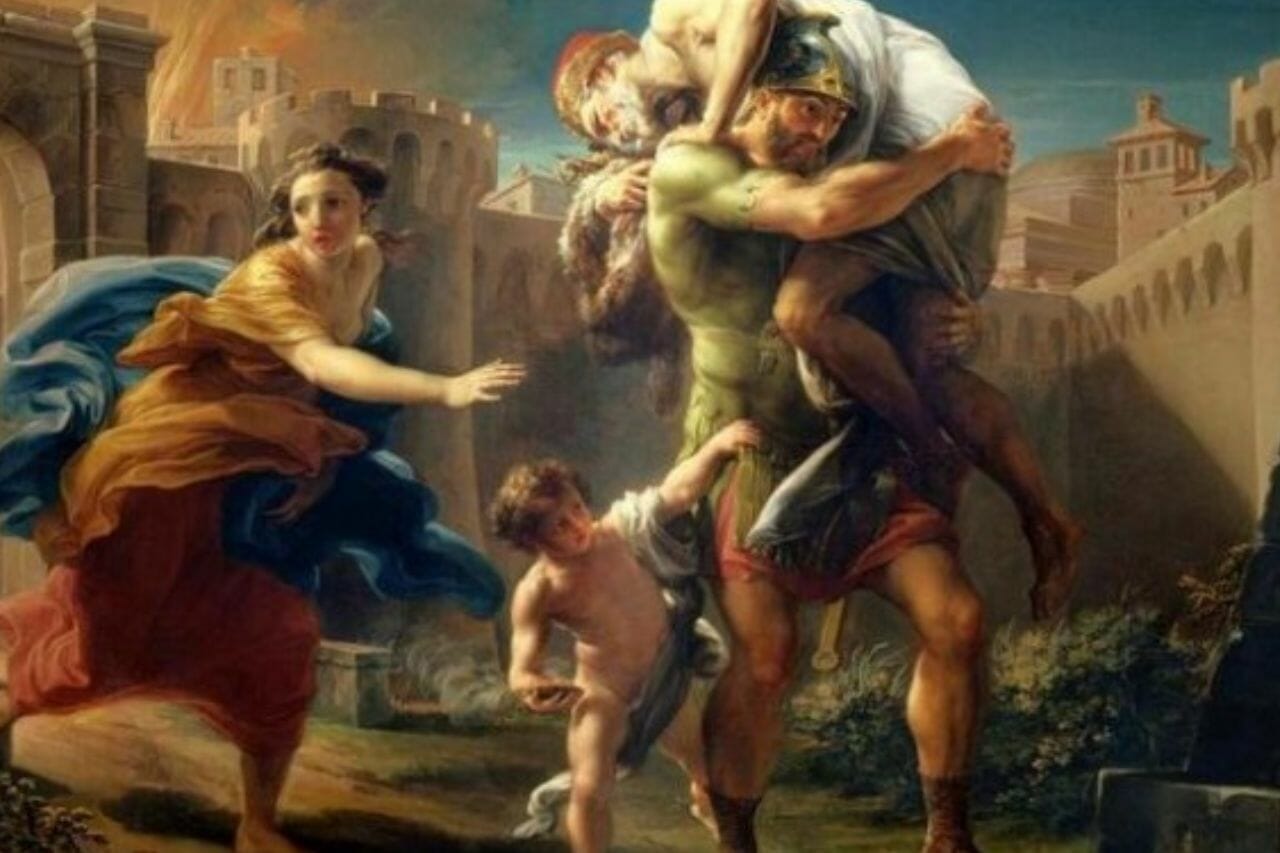
Dardanus in Greek mythology
Who Is Dardanus?
Dardanus is the son of Zeus and Electra who was a Pleiad that Zeus had an affair with. Dardanus had a brother known as Iasion, sometimes referred to as Iasius. Other versions of the myth include Harmonia, the goddess of concord and harmony, as the sister of Dardanus.
The Mythology of Dardanus
Dardanus was originally from Arcadia where he ruled alongside his elder brother Iasion after the death ofAtlas. There he had his sons Deimas and Idaeus but due to the flood mentioned in the earlier paragraphs, the citizens of Dardanus split into two. One half stayed and helped to help rebuild the city and they crowned Dardanus son Deimas as king. The other group, led by Dardanus and Iasion, left and wandered about till they finally settled in Samothrace, an island in the Aegean Sea.
At Samothrace, Iasion fell in love withDemeter, the goddess of agriculture, and slept with her. This angered Zeus who killed Iasion in a fit of rage. This coupled with the poor nature of the soil on the island forced Dardanus and his people to sail for Asia minor.
Another version of the myth found in the Aeneid written by the Roman author Virgil narrated that Aeneas had a dream in which he learned that Dardanus and Iasion were originally from Hesperia. In this account, Dardanus was a prince of the Tyrsenians while his father was Corythus, the king of Tarquinia. However, Electra, the Pleiad was still maintained as his mother.
Dardanus in Troad
Other accounts of the myth do not mention the original home of Dardanus but all maintain that he set sail to the Troad after the great flood. There King Teucer of Teucria (which later became Troad) welcomed him and helped him settle. Since Chryse, the first wife of Dardanus, had died, King Teucer gave the had of her daughter Batea in marriage to Dardanus. As if that was not enough, Teucer handed over a piece of land on Mount Ida to Dardanus.
Dardanus built a city there and named it after himself. Soon, the city spread far and wide and grew into a kingdom with Dardanus as its capital. He also founded another city and named it after his friend Thymbra who he killed in an accident. To further expand his kingdom, Dardanus embarked on a campaign against the neighboring cities and he was successful.
He mainly fought the people that lived in the region of Paphlagonia located in north-central Anatolia near the Black Sea. With his mighty army, he made inroads into Paphlagonya thereby extending the frontiers of his city.
The Children of Dardanus
Dardanus married Chryse, the princess of Pallantion, and gave birth to two sons known as Deimas and Idaeus. Furthermore, they settled in Asia Minor and established colonies there.
Dardanus fathered Erichthonius, Idaea, Zacynthus, and Ilus with his second wife Batea but Ilus died while his father was still alive. However, other versions of the myth place Erichthonius as his grandson through his son Idaeus. Later, Zacynthus left home, settled on an island, established a city, and named it after himself.
Idaeus named all the mountains in the colony that he founded Mount Ida. Later, he built a temple for Cybele, the Mother of the Gods, on Mount Ida and established various mysteries and elaborate ceremonies in honor of the goddess. Idaeus married Olizone and the couple gave birth to a son named Erichthonius. Dardanus passed away after ruling his kingdom for about 65 years and handed over the reins to his son/grandson Erichthonius.
Modern Adaptation of the Myth of Dardanus
In the 18th Century, French music composer, Jean Philippe-Rameau composed an opera with the librettist Charles Antoine Leclerc de la Bruere. The opera was commonly referred to as the Dardanus libretto and was loosely based on the myth of the founder of Dardania. The opera received mixed reviews with many critics thinking that the libretto was weak. The composers reworked the Dardanus opera and it became one of the best works of Jean Philippe-Rameau.
The Meaning of Dardanus
The original Dardanus meaning remains unclear thus most sources just name him as the mythical king of the city of Dardania which preceded the Kingdom of Troy.
Dardanus Pronunciation
The name of the mythical king is pronounced as**“|dar-dah-nes|.”**
Conclusion
So far, we’ve studied the life of the founder of the tribe of the Dardanians which preceded the great city of Troy. Here’s a summary of all that we’ve discovered in this article:
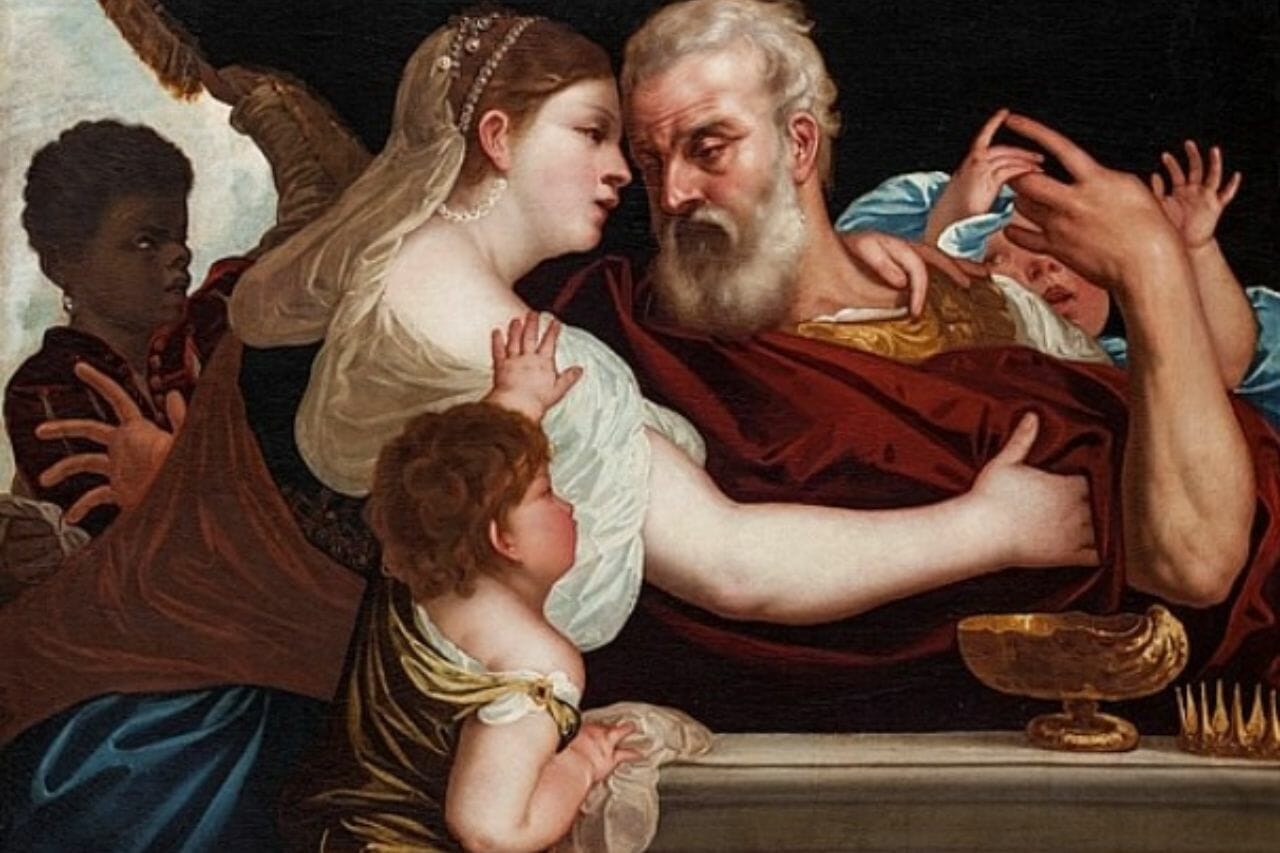
Dardanus, founder of Dardania
- Dardanus was the son of Zeus, the king of the gods, and Electra, a Pleiad and daughter of the Titan Atlas but another version of the myth named Corythus as his father.
- He married Chryse, the princess of Pallantion, and had two sons with her namely Deimas and Idaeus who eventually founded their own cities.
- A great flood-displaced Dardanus and his citizens thus he relocated to Samothrace, where his brother Iasion was killed by Zeus for sleeping with Demeter the goddess of agriculture.
- Later, they left Samothrace after they found the land barren and moved to the Troad where King Teucer welcomed them and gave Dardanus a piece of land.
- There Dardanus founded his city and extended its boundaries by conquering his neighbors, especially the Paphlagonians.
He married Batea, the daughter of King Teucer, and had three sons with her namely Ilus,Erichthonius**, Zacynthus, and Idaea **with Erichthonius later succeeding him as king. He is mainly known as Dardanus Troy because most scholars regard him as the ancestor of the Trojans.