Was Beowulf Real? An Attempt At Separating Fact from Fiction
The answer is both ‘yes’ and ‘no’ because the Old English poem had several elements which were factual and other features that were fictitious.
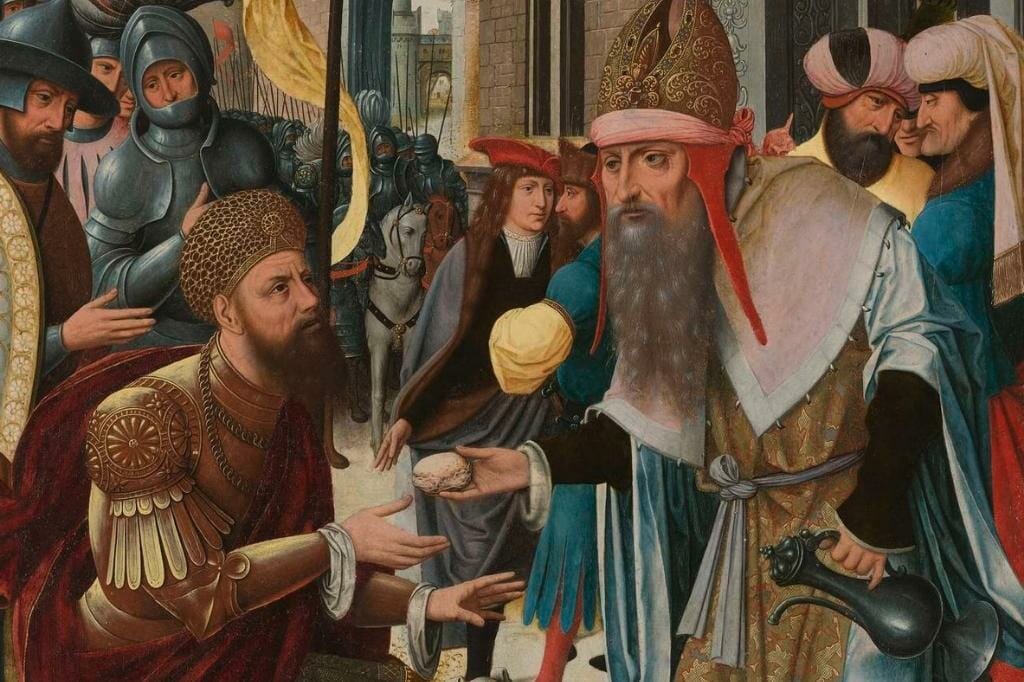
Some scholars even believe that the titular character, Beowulf, may have been a legendary king whose exploits may have been exaggerated. This essay will attempt to distinguish between what is real in the English epic poem and what is a figment of the author’s imagination.
Was Beowulf Real or Based on Fiction?
There is no evidence to back the existence of the character Beowulf but it is believed that just like King Arthur, Beowulf may have existed at a point in time. Some historians believe that he was a legendary king whose exploits may have been exaggerated for literary effects.
This belief is entrenched by several Beowulf images and figures in the poem that are factual and based on real events and historical figures. Here are some historical figures and events whose presence in Beowulf cause some scholars to believe that the Old English poem was real.
King Hrothgar
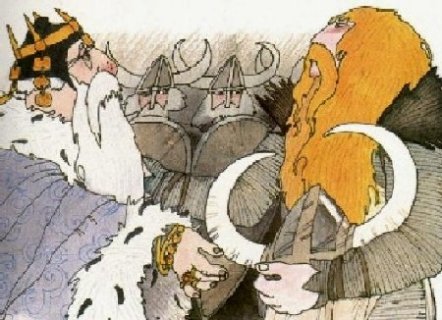
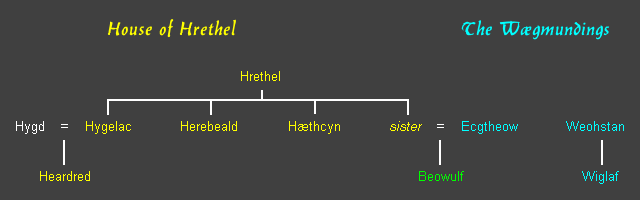
One of such is King Hrothgar of the Danes who appears in several literary works of the era including the Widsyth; also an Old English poem. King Hrothgar hails from Scylding which is a legendary noble family of Scandinavian origins.
His father was King Halfdan, a Danish king who ruled during parts of the 5th and 6th Centuries. Hrothgar’s brother, Halga, also became king as well as his nephew, Hrolf Kraki, whose legend is told in several Scandinavian poems.
King Ongentheow
In the epic poem Beowulf, Ongentheow was a brave and powerful warrior king of the Swedes who rescued his queen from the Geats. He was later killed by a combination of two Geatish warriors, Eofor and Wulf Wonreding.
Historians identify Ongentheow as the legendary Swedish king Egil Vendelcrow who was referenced in the Historia Norwagiae (History of Norway) written by an anonymous monk. Scholars arrived at this conclusion because each of the names occupied the same position in the line of Swedish monarchs.
Also, both names were described as the father of Ohthere; another legendary historical figure. Some literary works also identify them as the grandfather of Eadgils, a ruler of Sweden during the 6th Century.
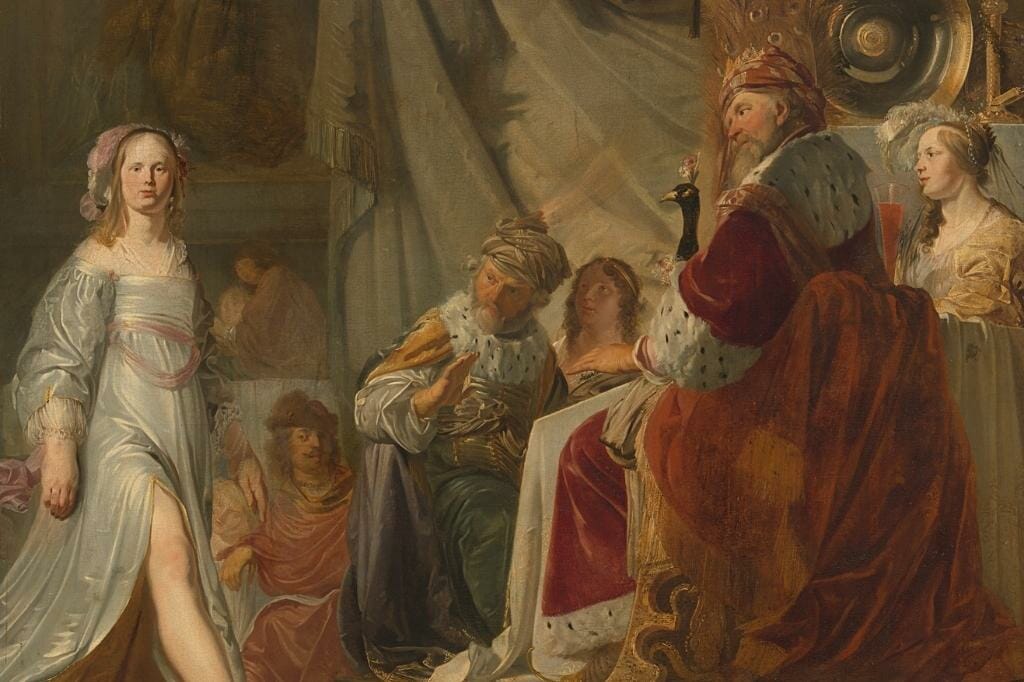
Onela was a Swedish king in Beowulf
Onela
In the Beowulf story, Onela was a Swedish king who, along with his brother Ohthere, sparked the war between the Swedes and the Geatish. Onela later became king when his brother’s son Eagils and Eandmund sought refuge in the kingdom of the Geats.
Onela followed them there and fought with the Geats. During the ensuing battle, Onela’s warrior, Weohstan, murders Eandmund but Eagils escaped and is later helped by Beowulf to exact revenge.
Offa and Hengest
Offa was a historical King of the Angles who reigned during the fourth Century. In Beowulf, he was known as the husband of Modthryth, a wicked princess who eventually became a good queen. Historically, Offa was known to the English audience as a king of noble deeds. Offa expanded the Angles by defeating two princes of the Myrgings clan and adding their land to that of the Angles.
Hengest, on the other hand, was crowned leader of the Half-Danes after the death of Hnaef. Scholars believe he was the same Hengest that journeyed to England in 449 with Horsa to help the British curb the attacks of the Pits and Scots.
However, they betrayed the British ruler Vortigern, killed him, and established the Kingdom of Kent. Other historical sources portray Hengest as an exiled mercenary which matches perfectly with how he is described in the epic Beowulf.
The Geat Kingdom
The Geat kingdom mentioned in Beowulf was a historical Kingdom that existed as far back as the 2nd Century. They occupied what is now Southern Sweden and they, along with the Gutes, are thought to be the ancestors of modern Swedes.
The event in the poem, Beowulf, where King Hygelac of the Geats was murdered while leading an expedition into the Frankish territory after winning the battle of Ravenswood is corroborated by Gregory of Tours, a 6th Century historian. According to him, the raid may have taken place around 523 AD.
The Reference to the Swedes
Just like the Kingdom of the Geats, the reference to the Swedes is deemed to be historical. This is because archaeological excavations made at Uppsala and Vendel-Crow revealed grave mounds that date back to the medieval ages.
Additionally, the wars that raged between the Geats and the Swedes in the poem really occurred because the Kingdom of the Geats had lost its independence to the Swedes by the 6th Century. Thus, the events of this war served as a backdrop for the battle between Beowulf and the dragon.
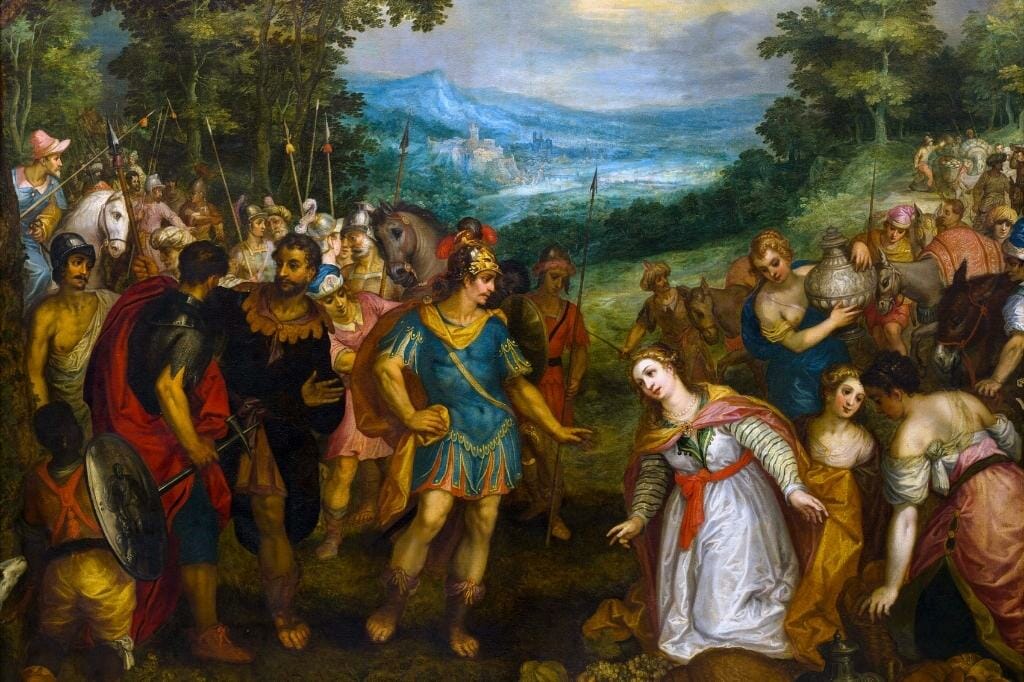
The character Beowulf is fictional
Some Fictional Beowulf Characters
Other historians have classified the Beowulf text as a semi-historical poem due to the blend of historical and fictional figures, events and places. Here are some fictional characters and events whose historicity is unlikely or has not been established.
Grendel, Grendel’s Mother, and the Dragon
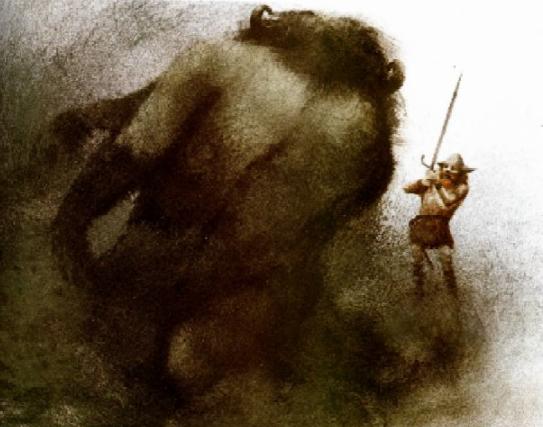
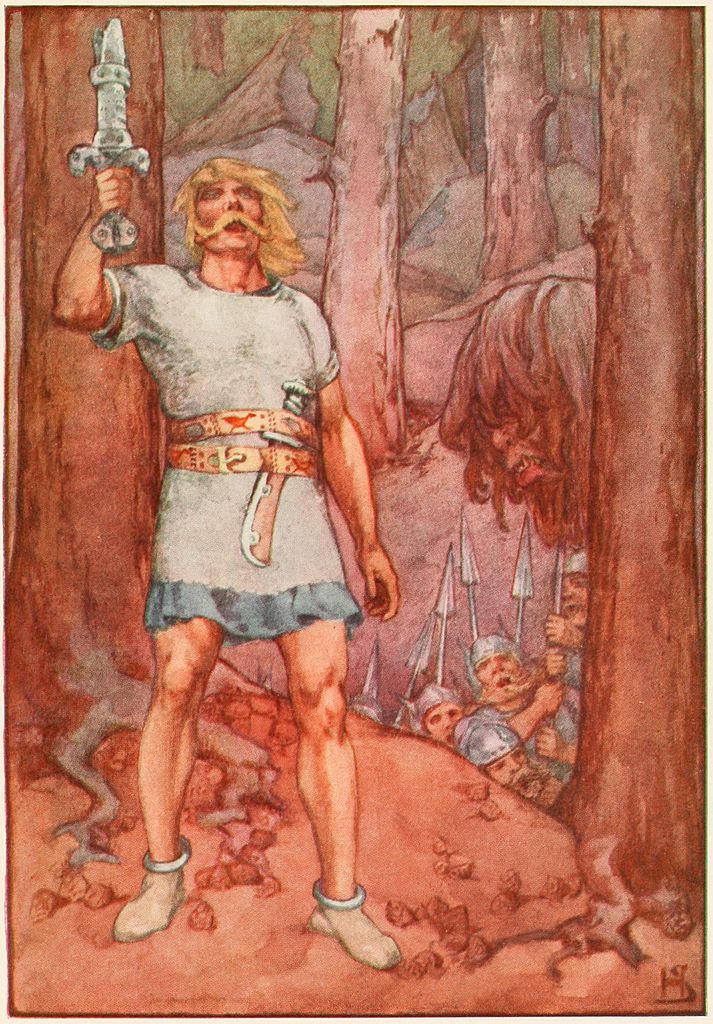
There is no shadow of doubt among scholars that the beasts described in Beowulf were mere creations of the author. Though Grendel’s physical description is not mentioned in the poem many artistic impressions portray him in the appearance of a huge man with long fingernails and spikes all over his body.
Grendel’s mother was described as a deceptive monster whose skin was so thick that spears and swords could not penetrate it. The fire-breathing dragon in Beowulf was described as a wyrm which in modern English means serpent with a poisonous bite.
Since this is no archaeological findings that support the existence of such creatures, it is safe to assume that Grendel’s mother, the dragon, and Grendel himself are all fictional.
Frequently Asked Questions
Who Is the Author of Beowulf?
The author of the poem is anonymous because the poem itself was an oral tradition passed on from one poet to the other over centuries. It is believed that the poem was finally composed in its current form between the eighth and eleventh centuries by an unknown person.
Was Beowulf Real?
Not all of it, the poem contains real figures like Hrothgar, Ongetheow, and Onela and real events like the Swede-Geatish war. However, the titular character is fictional or may be based on a real-life person with extraordinary abilities.
The poem also aptly describes theAnglo-Saxon culture of the medieval period. Other characters are purely fictional like Unferth and the monsters described in the poem thus, the poem can be described as semi-historical.
Where Does Beowulf Take Place and How Long Is Beowulf?
The poem is set in 6th Century Scandinavia which is an area that is occupied by Denmark and Sweden today. The poem has 3182 lines and if you read 250 words per minute you’ll need less than 3 hours to finish the Beowulf manuscript. An abridged Beowulf pdf can be read in a few minutes.
What Is Beowulf Meaning and Where Is Beowulf Set?
The meaning of the Beowulf name is literally a bee-hunter, however, scholars believe it is a kenning for bear. The story is set in Scandinavia of the 6th Century, that is modern-day Denmark and Sweden.
How Would Beowulf Get Summed Up?
A Beowulf summary tells the story of the titular character who comes to the aid of Hrothgar after his men were attacked by the monster Grendel. Beowulf kills the monster by pulling out its arm from its body. Next, the mother of Grendel comes for revenge but is pursued by Beowulf into her lair and killed there. The final Beowulf monster that the titular character faces is the dragon which he kills with the help of a friend but Beowulf dies from his mortal wounds. The story teaches moral lessons like bravery, selflessness, greed, loyalty, and friendship.
Conclusion
So far we’ve discovered the historicity of the Old English poem, its characters, events, and places.
Here is a summary of all that the article has covered:
- The character Beowulf is fictional or may be based on a great king whose strength and accomplishments were greatly exaggerated by the poet.
- However, several characters such as Hroghthar, Ongentheow, Offa, and Hengest really existed.
- Also, kingdoms such as the Geatish and the Swedish referenced in the poem were historical.
- Events like the Geatish and Swedish wars that took place in the sixth Century served as the backdrop for the final battle between Beowulf and the dragon.
The Old English poem is a great source of historical facts and literary appreciation which makes for good reading. Therefore, go ahead and enjoy the timeless classic,Beowulf.