Beowulf Themes: Powerful Messages of a Warrior and Hero Culture
What Is the Theme of Beowulf?
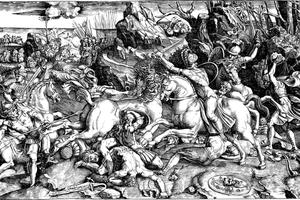
Beowulf has many themes relating to Anglo-Saxon culture; however, the overarching themes could be the heroic code of chivalry and good versus evil. The heroic code of chivalry is a very important part of Anglo-Saxon culture, and it's evident in many other pieces of literature from the Middle Ages. The heroic code of chivalry includes things like courage, strength, and fighting for one's king and people.
These kinds of values are evident throughout the poem in every action. Beowulf has courage and strength, for he is willing to fight a dangerous, bloodthirsty monster.
In addition, he's willing to do it on his own, both for honor and for the sake of an old alliance he has with the king of the Danes, Hrothgar. Another main theme mentioned in the epic poem, is the battle between good versus evil, and this is one of the universal themes in Beowulf.
Beowulf and the other characters represent the good, aiming to stamp out all evil. Since Beowulf is the best of all of them, he is the hero, the good force that will eliminate the evil one. The notion given in this theme is a positive message, showing that good can overpower evil, despite the strength of evil. It also adds to the culture of the time, giving people a reason to fight: to remove evil.
Other Major Themes in Beowulf: What Else Is Beowulf Showing Us?
Other themes of Beowulf include loyalty, revenge, honor, generosity, and reputation. These themes explored in Beowulf add to the overall theme of the heroic code of chivalry. They are all elements of Anglo-Saxon culture as well as a warrior and hero culture.
Beowulf and His Loyalty: Fight to the Death for Loyalty and Honor
Beowulf shows his loyalty by traveling across the dangerous sea to help the Danes and their monster. It is not his people nor his king, and yet he goes. This is because of an old debt or promise between King Hrothgar of the Danes and Beowulf's family. So, he goes to repay it, for it is the honorable thing to do.
When King Hrothgar hears of Beowulf's arrival at his hall, he doesn't seem all that surprised. Returning favors and being loyal was all par for the course. In the poem, he says, "This man is their son, Here to follow up an old friendship." Grendel, the first monster, has been terrorizing the Danes for a long time, and no one has been able to defeat him.
Yet Beowulf goes, and his loyalty is strong, and he even battles against Grendel's mother after. These actions can also bring him honor as well, because they will show his strength and courage. It will help people who are struggling and show Beowulf's noble character.
Beowulf and Reputation: Refusal To Be Humiliated by Others
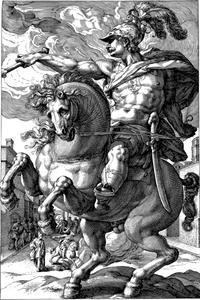
For a warrior in the Anglo-Saxon culture, reputation was everything. One had to gain honor, showing courage and strength, and fight against those who tried to take control. To lose your reputation was akin to losing everything you have. As for the hero, he was a perfect symbol of the culture at the time, and it is one of the big themes in Beowulf being covered.
Of course, he was showing his loyalty by rushing to help the Danes with their problem. However during the same time, he wanted to gain honor in order to build a proper reputation. Scholars might see that as shady, having ulterior motives, but it was a normal, understandable thing to do. That's why it's one of the biggest themes rendered in the poem.
Nonetheless, we can see just how valuable the idea of reputations were, in the manner that Beowulf fought back against another warrior who is envious of him. His name was Unferth, and to discredit Beowulf, he tries to remind him of something foolish Beowulf once did in the past.
Cleverly, he replies, "Now, I cannot recall any fight you entered, Unferth, That bears comparison. I don't boast when I say That neither you nor Breca ever were much Celebrated for swordsmanship Or for facing danger in the battlefield."
Revenge in Beowulf: Getting Even Is a Matter of Honor
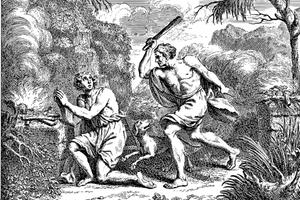
Revenge is another one of the huge themes in Beowulf, as it is seen how Grendel's mother comes after the Danes because of her son's death. It is also shown at the end of the poem once the dragon is taking revenge, due to stealing of an object belonging to him. While the battle with Grendel is exciting, the more considerable matter is during the fight between Beowulf and Grendel's mother, when she comes for vengeance, the latter portrays a far more dangerous foe.
The mother monster killed one of Hrothgar's most trusted men, hence, Beowulf races after her towards her underwater lair, and by taking his own vengeance, by beheading her. Furthermore, at the end of the poem, the old Beowulf must fight against another vengeful creature, a dragon, who is coming to hurt his people.
Generosity and Hospitality in Beowulf: From Violence to Dinner?
Even though battles, bloodshed, and death are very common throughout the poem as themes as well as cultural elements, together with generosity and hospitality. First of all, the king of the Danes builds a mead-hall for his people so that they can celebrate, feast, and have a place of protection.
Also, the queen does her duty as the generous queen of the Danes. We can see it here: "Hrothgar's queen, observing the courtesies. Adorned in her gold, she graciously saluted The men in the hall, then handed the cup."
Moreover, after Beowulf achieves what seemed impossible, King Hrothgar follows his duty and rewards him with treasures. As the rule went, Beowulf had to return the treasure back to the king, followed by the king deciding what to give Beowulf from the bounty.
Generosity was not just appreciated, but in these cases, it was expected. The theme of generosity could show us that the culture believed that you deserved to earn what you worked hard for.
What Is Beowulf? Background to the Epic Hero and His Story
Beowulf is an epic poem written between the years 975 and 1025, being of the most famous works of literature in the English-speaking world. It was written in Old English, which we couldn't read today.
However, the poem describes themes and aspects of the Anglo-Saxon culture, many of which we can still relate to till this day. This epic poem talks about the tale of Beowulf, the warrior, and how he journeys to the Danes to help them with a dangerous monster.
Beowulf gains honor and nobility for his acts, and he continues to succeed against two other monsters in his lifetime. The reason this poem is so popular that it's very entertaining, filled with a fantastical element.
Nonetheless, it is also filled with themes that are universal, meaning we can all relate to them. Beowulf also seems to create a window into the past, by giving us a glimpse of the different cultures and traditions that were respected in parts of Europe at the time.
Conclusion
Take a look at the main points about Beowulf themes covered in the article above.
Beowulf is an epic poem written between 975 and 1025 in Old English, one of the most important and famous pieces of work to the English-speaking world
It's full of themes and aspects of Anglo-Saxon culture which help give us an idea of that past world
The overarching themes of Beowulf are good versus evil and the heroic code of chivalry, together with other themes seen in this poem include loyalty, revenge, honor, generosity, and reputation
Beowulf shows his loyalty by fighting for a people not his own to honor a family promise/debt, and he also gains honor
The theme of revenge is shown by Grendel's mother avenging her son, Beowulf avenging what murder she did, and the dragon avenging someone stealing his treasure
It was an honorable thing to seek revenge for wrongdoings against you
Generosity is evident because of King Hrothgar and his queen, caring for the people, thanking Beowulf for his service, and honoring him with treasure
Beowulf is both an exciting poem as well as a poem rife with themes that relate to the culture of the time. And yet, many of these are universal themes because we can all relate to the desire to do well, gain a reputation, and help those we care about. Despite Beowulf's age and multiple translations, we can still relate to it today.