Hippocampus Mythology: The Mythical Benevolent Sea Creatures
Hippocampus mythology sea creatures
Hippocampus mythology is part of ancient Greek mythology that has plenty of interesting facts and history. In this article, you will hav better insight on the reason why the hippocampus is being called a seahorse, as well as determine its capabilities from being a half horse and a half fish creature in Greek mythology.
Discover how this mythical sea creature played its role in ancient mythology.
What Is Hippocampus Mythology?
Hippocampus were the horses having the tale of fish, they were mostly associated with the gods that lived in the sea, in addition, these horses were always loyal to the gods. Different seahorses varied with their colors, som were blue in color, others were green.
Hippocampus Symbolization
The hippocampus (hippocampi in plural) symbolizes water, power, bravery, and helpfulness. It is also defined as a symbol of hope, strength, and agility because of its ability to help people. This popular sea creature was connected with imagination and creativity and also associated with the god of the sea, Poseidon.
It was mentioned that hippocampi were created out of the crest of the sea waves, and their appearance is similar to that of a seahorse, which signifies the two important deities of Greek and Roman mythology – Neptune and Poseidon. They were similar to creatures identified in Greek mythology: Pardalokampos, Aigikampos, Taurokampos, and Leokampos.
Hippocampus Powers
The hippocampi can control the water and the weather. They are immortals, and they have the power to control their lives. They also have the ability to transform their sea creature half into legs if they want to. Lastly, the hippocampi are known for their enhanced senses, strength, speed, and ability to jump.
The hippocampi defended themselves with their powerful tails when they were being attacked. They also had strong bites that would protect them; however, these creatures would prefer to flee rather than attack and fight. They are strong and fast on the water, yet slow and clumsy on land.
Hippocampus Practices
Hippocampi live in the deep parts of the sea due to their large size. They can be sighted in both saltwater and freshwater. These sea creatures rarely return to the water's surface, as they don't need air to survive. They only return to the surface if their food sources are completely consumed. Some say that hippocampi are herbivores that consumed algae, seaweed, and other sea plants.
Various sources state that hippocampi would often travel around in groups of ten. The group consists of a single stallion, mares, and young hippocampi. A newborn hippocampus would take a year before it matures physically, but it would take a year more for it to mature mentally. Mothers are overly protective of a newborn hippocampi until they reach the time of maturity.
Hippocampus Capabilities
The hippocampus possesses unique powers and abilities to survive and protect itself:
Aquakinesis: hippocampi can control water that can create tidal waves, as well as the ability to breathe and swiftly swim underwater.
Atmokinesis: they have the ability to control the weather according to their will.
Immortality: they can control their lives; hippocampi can't die.
Shapeshifting: these sea creatures have the ability to change their appearance.
Enhanced senses, strength, speed, and jump.
What Was the Hippocampus Known For?
The hippocampus was recognized and well respected by all other sea creatures, such as sea elves, mermen, and sea gods, who identified them as their loyal mounts. Aside from having similar looks to a seahorse, the hippocampus was mostly described to have various colors, including green and blue.
Hippocampi were good-natured spiritual sea creatures that got along with other underwater creatures. They helped other underwater creatures, helped save sailors from drowning, and helped to resolve problems that occurred in the sea.
They had strong and fast tails that could make them swim miles of the sea in just a few seconds. These strong, fast tails of hippocampi made these sea creatures popular rides among other underwater creatures.
Normally, the hippocampi were also known to be trustworthy creatures living in the ocean while interacting with other Greek gods and sea nymphs. Some beliefs say that Poseidon created this mythological creature to serve him.
In Homer's poem (The Iliad), hippocampi were described as "the two-hooved horses" of Poseidon arising from the sea, whereas some artists depicted them with manes made of elastic fins rather than hair and webbed fins instead of hooves.
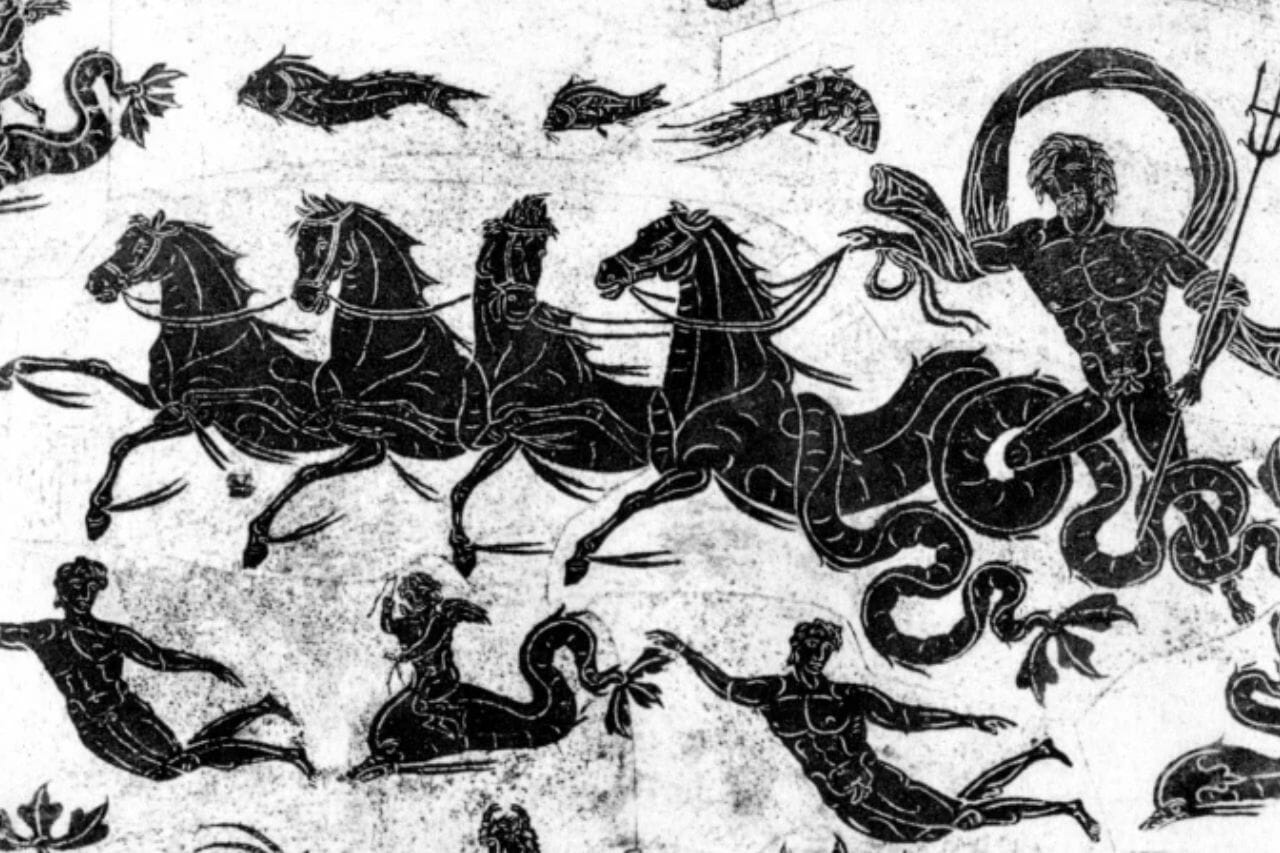
From the mosaic art point of view, they were depicted with fish fins, green scales, and appendages, whereas others depicted the hippocampi with a long fish tail that we can compare to the tail of a serpent.
The Hippocampus in Roman and Greek mythology
Hippocampus mythology originated in Greek mythology but is popularly shared by Etruscan, Phoenician, Pictish, and Roman mythology.
Etruscan Mythology
Etruscan mythology depicted the hippocampus with wings similar to the Trevi Fountain in Rome. It was an important subject of a wide variety of reliefs and tomb paintings. Some hippocampus reliefs and wall paintings have appeared in Etruscan civilization.
Pictish Mythology
Some believe that the hippocampus depiction originated in Pictish mythology and was then brought to Rome. The hippocampus was identified as "Pictish Beast" or "Kelpies" in Pictish mythology and exists in various stone carvings seen in Scotland. Their appearance seems alike; however, it was quite different from the images of Roman sea horses.
Hippocampus in Culture and History
The hippocampus Greek creature's popularity seems to have spread all throughout ancient mythology. It was also very popular in both culture and history.
The hippocampus image was used as a heraldic charge in the entire history of Greek mythology, as well as a decoration for the motif in silverware, bronzeware, baths, statues, and paintings.
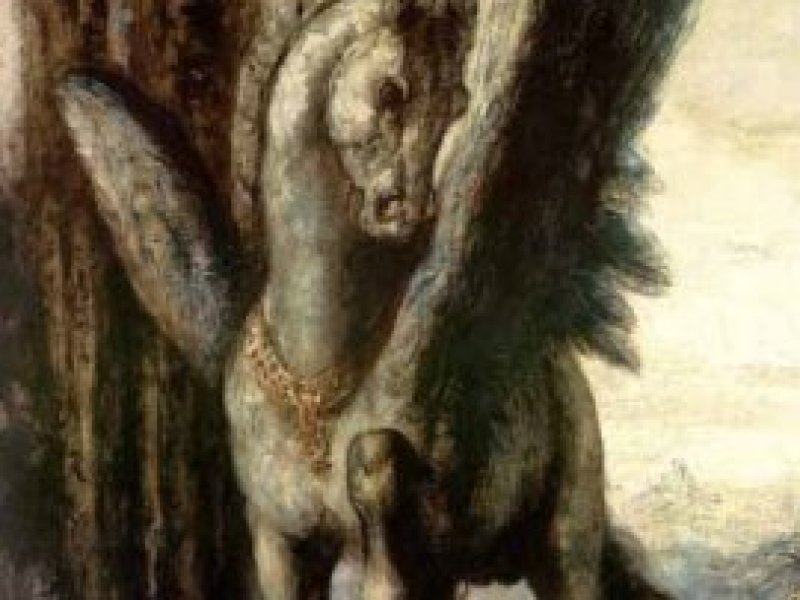
The hippocampus symbolism has similarities with Pegasus, known for being a mythical horse-like creature in ancient Greek myths.
Aside from these creatures' historical importance, they were also significant for designs; they were also associated with imagination and creativity.
Air France chose the winged hippocampus as its symbol in 1933. While in Dublin, Ireland, the images of bronze hippocampi are seen on different lamp posts, specifically on the Grattan Bridge and Henry Grattan's statue.
Even in films, television series, and mobile games, the popularity of the hippocampus has widely spread. The movie "Percy Jackson and the Olympians: Sea of Monsters" and the game "God of War" were obviously based on Greek myths. In them, the hippocampus was featured as a sea creature that appears as a cross between a fish and a horse under Poseidon's jurisdiction, and the creature has received positive reviews from the audience.
Also, one of Neptune's moons was named after the well-known hippocampus in the year 2019.
Other portrayals of hippocampus
Melqart, Tyrus' patron god, was often portrayed to be riding a winged hippocampus during the fourth century BC. Hippocampi were also portrayed on coins from Byblos. The coin contains an image of a hippocampus swimming under a warship.
Another portrayal of the hippocampus is a golden statue from the 6th century BC; this statue was later found by archaeologists. Figures of the hippocampus also appeared on the shields of countries that were close to waters later on.
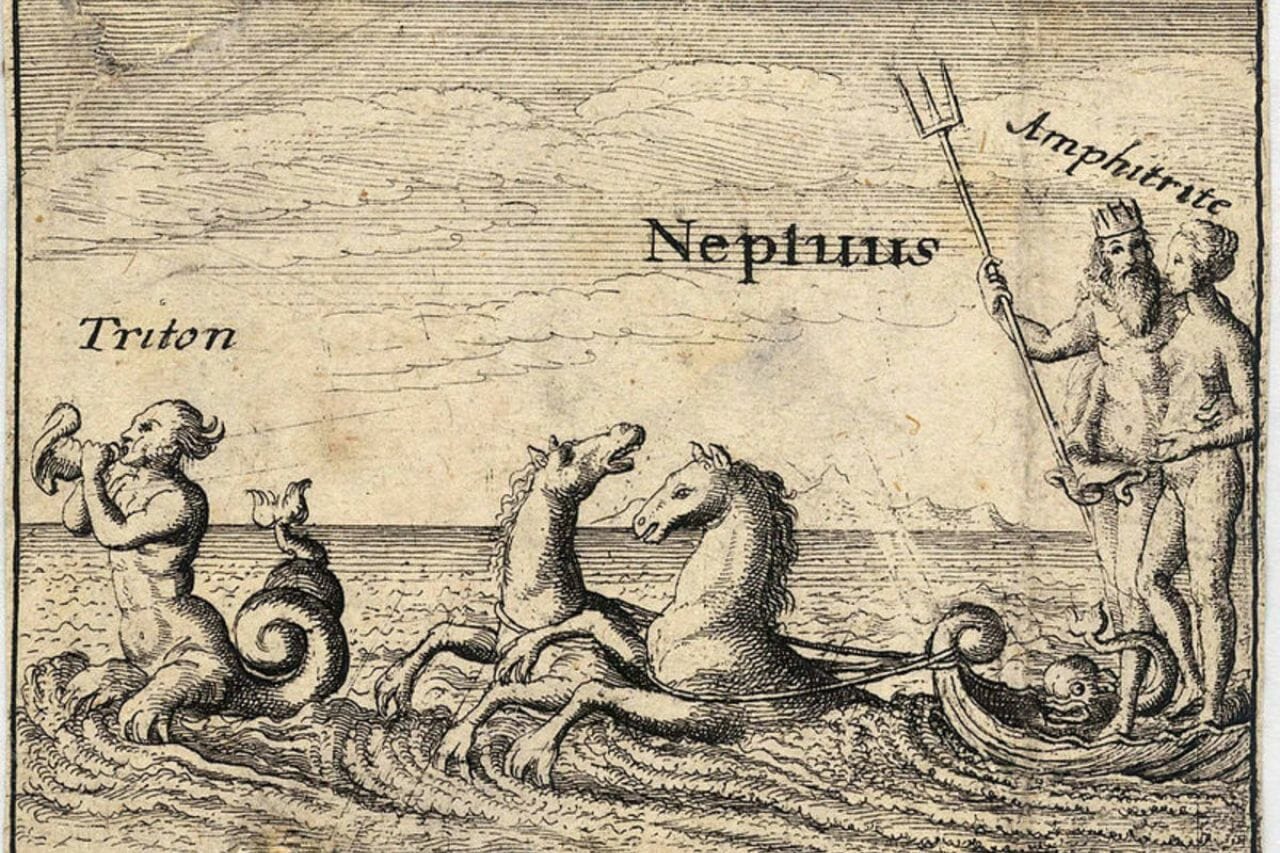
Both the Greek god Poseidon and Neptune in Roman mythology rode a chariot that was led by hippocampi. Water nymphs were also believed to ride chariots driven by hippocampi. The Greek goddess of water named Thetis also had a hippocampus ride.
Another Greek character who rode a hippocampus was the mother of Achilles. Achilles' sword and shield crafted by the blacksmith Hephaestus were delivered to him through his mother's hippocampus.
Hippocampus Mythology Meaning
The name "hippocampus" or "hippokampos" was derived from the Greek word "hippos" (horse) and "kampos" (sea monster). These mythical creatures of the sea are depicted with the upper body of a horse and the lower body of a fish. They have large wings to help them move very quickly in the water.
The hippocampus is being called a seahorse exactly because the meaning of hippocampus in Greek is seahorse. The scientific term for hippocampus refers to one of the most important parts of the brain of humans and other vertebrates.
Moreover, some opined that the hippocampus exactly looks like a seahorse, specifically the adult version of the little seahorses that we have nowadays.
Conclusion
We've learned a lot about the hippocampus in mythology and its interesting story. Let's sum up what we've covered in terms of everything we need to know about this mythical sea creature.
Hippocampus mythology all you need to know
The hippocampus originated in Greek mythology, and it symbolizes power, helpfulness, strength, and agility.
Hippocampus was portrayed to have a half body of a horse and half body of a fish.
Hippocampi appeared in many art forms like paintings and statues, and they were even shown in fascinating stories in films and television series.
This sea creature possesses amazing powers and abilities.
Hippocampi were associated with two other popular deities – Neptune and Poseidon. In fact, it was said that it was Poseidon who created the Hippocampus.
Hippocampi remain to be among the well-known mythical creatures in Greek mythology. Their popularity proves their fascinating powers and gentle natures, endearing them to many.