The Incredible Specialized Workers Who Built the Civilizations of Ancient Mesopotamia
Mesopotamian specialized workers were crucial for building the many incredible civilizations of the Fertile Crescent. Their existence allowed for an effective division of the workload that could be assigned based on the skills and aptitudes of the laborers. In this sense, they could fulfil their individual aspirations — something that is still very important in today’s society.
However, some workers were seen as more significant, powerful, or essential compared to others. As a result, both a class system and a hierarchy were formed within Mesopotamian society. Read ahead to learn how this happened, and how it affects us to this day.
What Are Specialized Workers?
Specialized workers are persons trained or educated to become master craftsmen or proficient in a job specialization. The Mesopotamian specialization of labor allowed these individuals to focus solely on their specialization in their occupation.
This way, they could strive to become the best in their field, as well as associate with other professionals in the same career path.
As such, specialized workers formed groups that over time would become the blocks to build entire civilizations, distinguish cultures, and advance humankind.
From farmers to scribes, to priests and professional soldiers, job specialization in Mesopotamia was vital for the growth of one of the wealthiest, diverse, complex, and fascinating ancient cultures in the world.
Job Specialization in Mesopotamia
Mesopotamia, whose name is derived from the Greek words “meso” — meaning “between” — and “potamos” — meaning “rivers” — was a land situated in the rich and lush Fertile Crescent Valley, carved out by the Tigris and Euphrates rivers. On the contemporary map, this area corresponds to Kuwait, Syria, southeastern Turkey, Iraq, and northwestern Iran.
Small groups of archaic nomadic tribes shifted away from the hunter/gatherer communities and organized to create larger communities devoted to agriculture. From there, complex, colorful and diverse agrarian and urban cultures would flourish.
As a result, it became vital to install a strict social order to be able to divide and organize the work required to run such a complex society. This is how specialized workers became a crucial element to come to pass as a direct result of the need for a hierarchy.
Hierarchy and Social Class
Hierarchy is the system in which people are ranked in society, corresponding to their class and importance within that civilization. It was a vital divisionary practice of labor organization in Ancient Mesopotamian culture.
Kings, royals, and nobles held the highest place in society; with religious leaders, priests, and priestesses next in line. Elected governmental representatives, military commanders, and local councils held the next level, followed by scribes, wealthy merchants, civil servants, and teachers.
Professional soldiers, traders, artisans, farmers, and other skilled laborers made up the top tier of the lower classes. Interestingly, musicians also belonged to this category, as harps were appreciated in royal palaces. For their part, unskilled workers and peasants were just above the slaves, who were at the bottom of the social pyramid.
The Upper Class: The Royals and the Clergy
Kings were the most powerful individuals in Ancient Mesopotamia, serving as the ruling class and responsible for upholding the laws of the land, organizing war, supervising judicial matters, and conducting diplomatic issues.
The upper class was made up of nobles and elected government officials, who advised the king and managed a variety of affairs in the name of the royalty. One important right that the elected governors held included being able to override some whims of the king if he was deemed imprudent.
This element, typical of a democratic system, appeared for the first time in Ancient Mesopotamia and would be instrumental in the foundations of modern state policy, administration, law, and governance.
Priests and priestesses were also extremely important in Mesopotamia, acting as the liaison between the spirit realm of the gods and the world. With their superior wisdom, they were in charge of advising the king. You should remember that one of the most important parts of Mesopotamian life was religion.
As such, priests and priestesses held a lot of influence over society and individuals, no one excluded. Kings, for their part, were perceived as godly or heavily influenced by the gods — although they did have to answer, at times, to the religious leaders.
Scholars and Scribes
Holding a social status equal to that of doctors/healers, teachers, professional soldiers, and merchants, scribes were the backbone of Mesopotamia. Working alongside the many hierarchical classes, scribes helped in a variety of capacities, including recording information and writing down business transactions.
Education was very important, allowing scholars to study several different complex fields, including:
Philosophy
Medicine
Botany
Law
Music
Diplomacy
Business
Architecture
Mathematics
This allowed scholars to either teach or focus on certain studies for particular fields, or be able to take on specialized jobs to oversee the labor or works of the lower classes.
The Medium/Lower Class
The most important individuals in the lower class were the craftsmen, trained to be masters of their specialization. In the Sumerian city of Ur, innovation and ingenuity were as important as the skilled workers’ craft. For this reason, this medium/lower class included both laborers and artists.
They supplied Mesopotamia with some of the most distinctive aspects of their society. Some of the applications of specialized workers were:
Farmers
Soldiers
Merchants
Jewelers
Artists
Stonemasons
Carpenters
Textile weavers
Smelters
Their labors, skills, and efforts advanced ancient Mesopotamian society to new heights, beyond the boundaries of the ancient world.
Unskilled Laborers
In their way, unskilled laborers were essential to the division of labor in Ancient Mesopotamia: carrying stones, moving earth or working in fields was in fact of great significance for the building of a civilization.
Specialized workers were in charge of supervising these laborers in carrying out the most arduous tasks. Beneath everyone in the social hierarchy were slaves, who were captured in war or were individuals paying off a debt.
However, they could attain some status improvements depending on their individual skills. Other slaves were subjected to incredible strife and grueling labor, deportation, or death.
Women as Specialized Workers
In Ancient Mesopotamian society, women were essentially equal to men in many capacities. They were the same in both social standing and in the workforce, although some jobs were exclusive to men — such as professional soldiers.
Although it was believed there were disparages between men and women’s intelligence, in the ancient society of Mesopotamia existed a notion of female equivalence in the field of business in ancient Mesopotamian society. Individually, women held a lot of control in their own lives that was unparalleled in other ancient civilizations, as they could:
Own businesses
Practice medicine
Brew beer
Lead nations
Serve as priestesses
Own taverns
Powerful and influential women in Ancient Mesopotamia included Ku-Baba, the first queen of Sumer, Enheduanna, daughter of Sargon the Great and owner of the oldest signature ever recorded, and priestess and writer Ninsatapada.
Mesopotamia Job Specialization: What Careers Were Available?
Now that we have established the role of individuals within society, let’s take a look at the available jobs in Mesopotamia.
Law
The Babylonians are credited to have established some of the most distinctive and fascinating elements of the Mesopotamian world. King Hammurabi was one of the most important in ancient Mesopotamia, writing one of the most comprehensive and in-depth orders of law.
The 282 laws of Hammurabi’s Code became the standard for crime and punishment in the ancient world and the modern age. Hammurabi’s laws were posted in public to make sure everyone would understand they could be prosecuted should they commit a crime. Considering the prestige held by law, jobs in this field were highly sought after.
The Professional Soldier
The Assyrians were one of the first civilizations in the world to create and use a professional army, trained for war, conquest, and the enforcement of law and order. Until King Tiglath Pileser III, who ruled from around 1100 BC until 1076 BC, soldiers were predominantly recruited from farmers who only fought during the summer months.
The professional army was vital for the success of the Assyrian empire, disciplined in their craft of warfare and combat year-round. As such, being a soldier was one of the most high-profile occupations.
Architecture
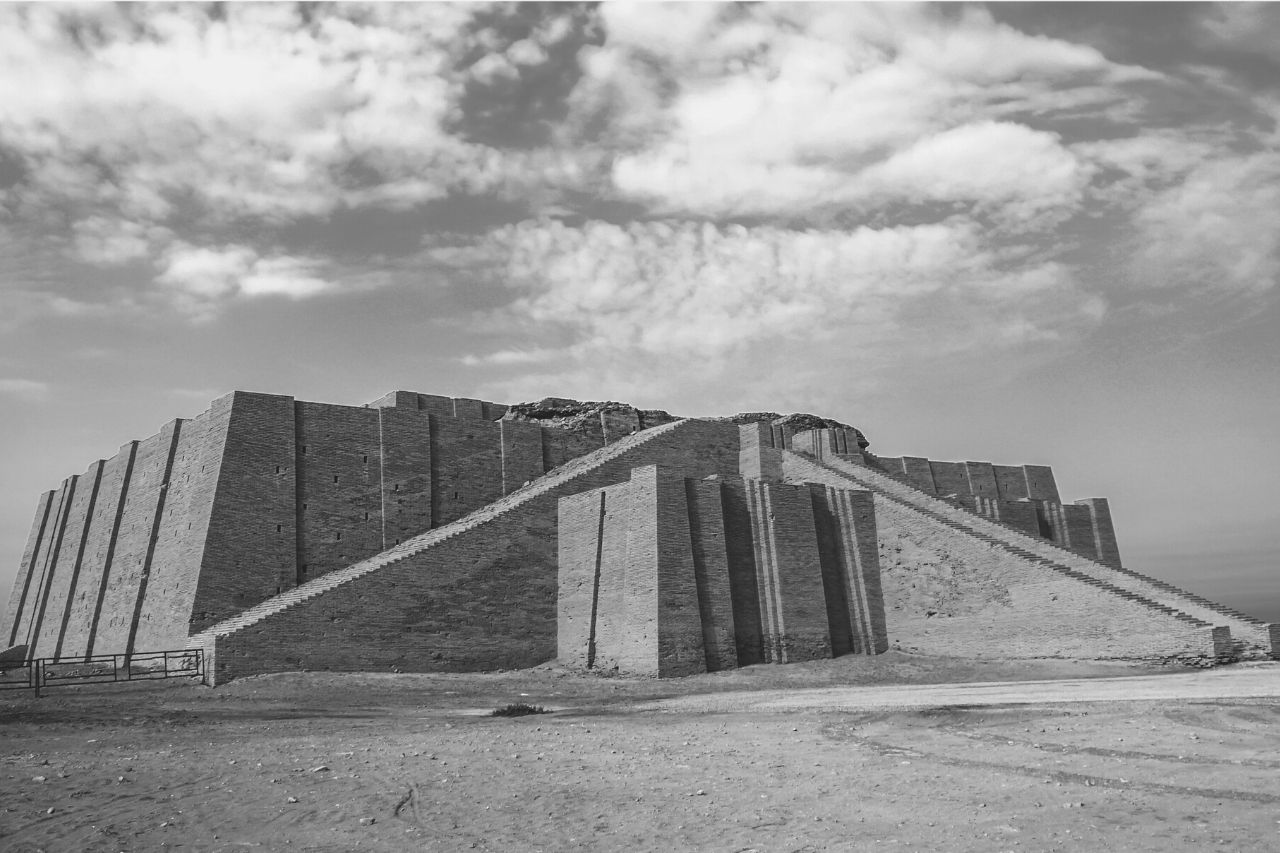
The Sumerians were responsible for building one of the most distinctive buildings in the ancient world and have existed for thousands of years, called ziggurats. These stepped rectangular structures were probably temples.
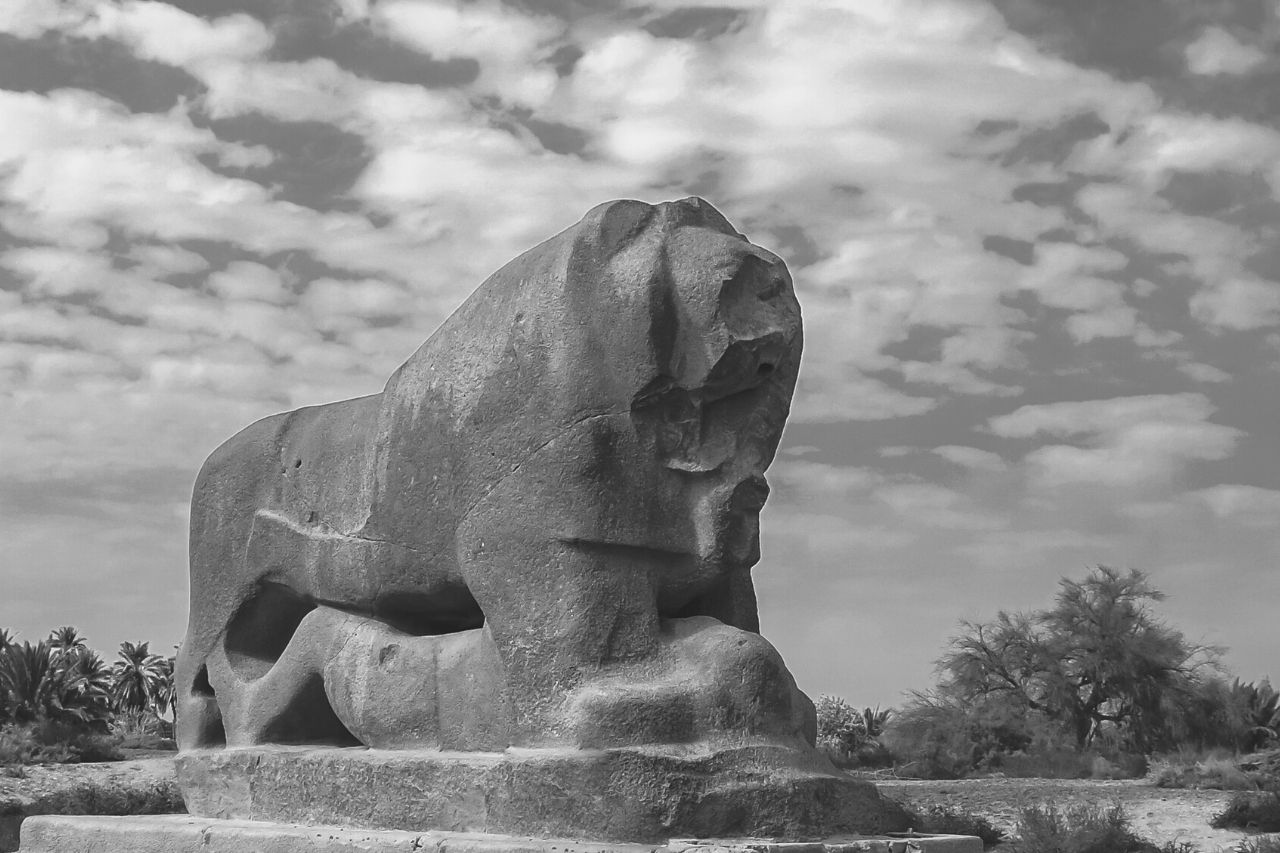
Babylonians became best remembered for their elaborate and stunning architecture from their statues to their palaces. But the most grand and impressive structure was the Hanging Gardens of Babylon, one of the Seven Wonders of the World, and it is considered to have been the jewel of the ancient world. From here, it is easy to infer that architecture was respected as a noble profession.
Plumbing
Due to the limited access to water outside of the Crescent Valley, the precious liquid became one of the most valuable commodities in Mesopotamia. To get the water to far reaching villages and desert regions, irrigation and plumbing became indispensable.
Farms would prosper with the maneuvered water moving across dams, pipelines, and aqueducts. In addition, waste could be sent out to dumpsites far away from the inhabited areas, preventing infections and illnesses. Plumbers, builders, architects, diggers, and hundreds of other workers in a variety of professions were required for the daunting task.
Agriculture
Farmers would provide food to the many different villages, towns, and cities across Mesopotamia. Domesticating animals became one of the most important tasks, and animal husbandry experts were required for training horses, cattle, sheep, goats, chickens, and other fowl.
Innovation was essential for farmers, from the irrigation process to agricultural tools that helped with the harvest of produce and sowing seeds. Some of the machinery of Mesopotamian origin includes:
Ox-drawn plow
Sickles
Plow seeder
Hammers
Spades
Specialized Workers in Mesopotamia: Religious Affairs
Unskilled laborers and slaves were destined to perform menial jobs. On the contrary, specialized workers could aspire to work for temples or spiritual orders. As such, it was not rare to see craftsmen in religious affairs.
With some thousands of laborers employed to work for the noble class, priests, priestesses, and or the gods themselves, specialized laborers worked in a variety of temple shops. Some of the other assigned professions for the specialized workers in the field of religion included:
Smelters
Weavers
Potters
Cooks
Musicians
Tailors
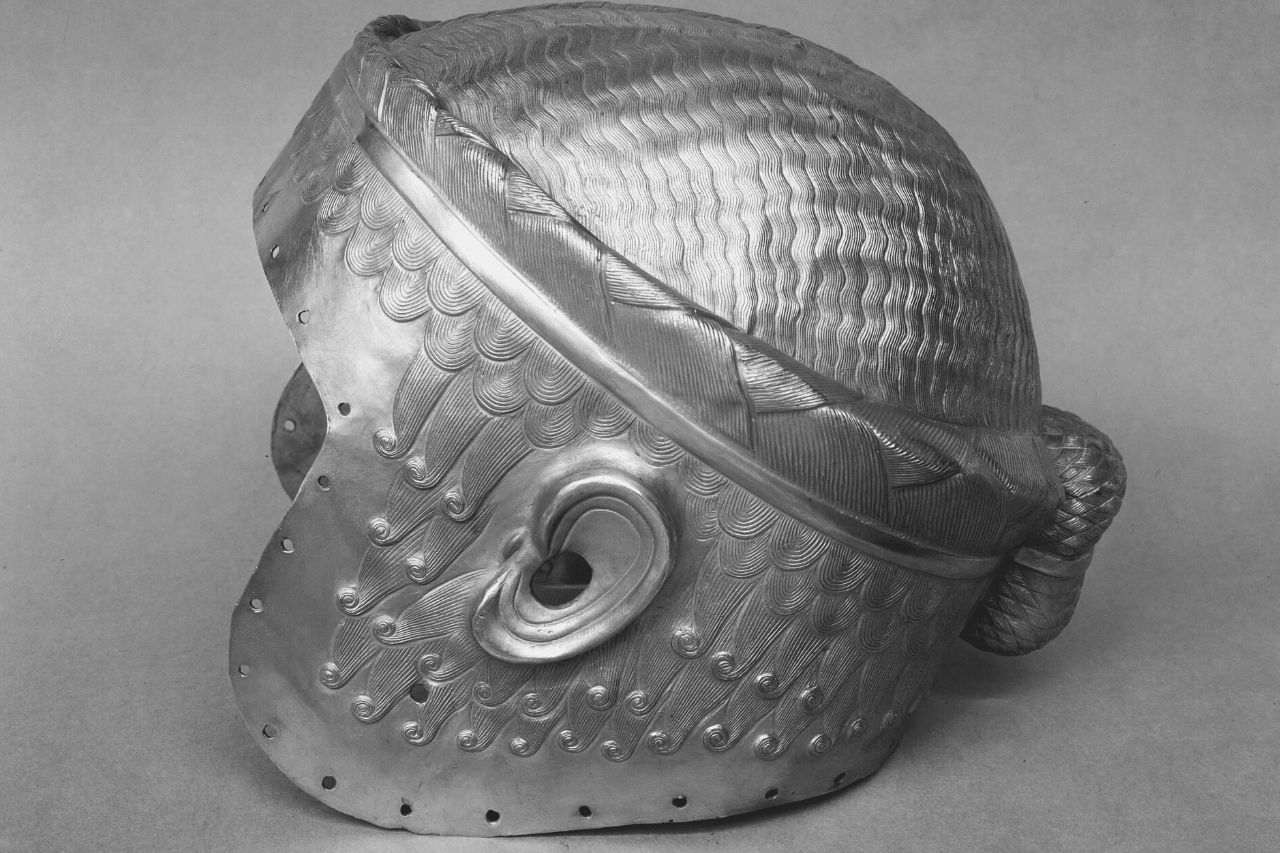
Smiths and metallurgists were highly sought after and were required to acquire years of training to be worth their salt in the field. Only the best workers were hired to work for the holy temples.
Conclusion
In Ancient Mesopotamian civilizations, societal order and specialized laborers allowed for different jobs to be allocated corresponding to the capacities of the workers. Such jobs included:
At the top tier, kings, priests and priestesses
In the medium-upper class, a variety of professionals spanned from doctors and teachers to scribes and scholars. Professional soldiers were also part of this privileged group.
In the medium-lower class, we could find craftsmen, merchants and other professionals that could perform manual work.
At the bottom of the social pyramid, there were unskilled laborers and slaves.
Women could occupy any step of the social ladder, as in Ancient Mesopotamia they could own businesses and lead nations.
Like in modern society, skills, aspirations and hard work could change, at least in part, the collocation of an individual in society.
We can see how specialized workers in Ancient Mesopotamia greatly influenced the model of occupations and how job specialization helped form some of the most fascinating societies of the ancient world.