Senusret I: The King Who Ruled with Diplomacy and Candor
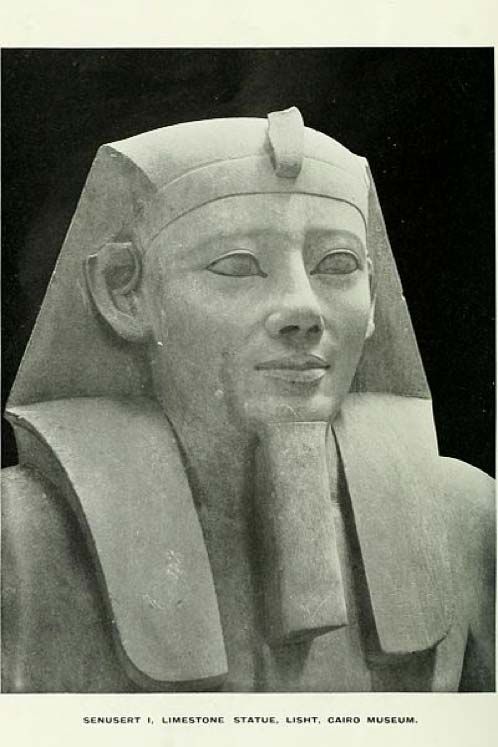
Senusret I portrayed a colorful reign during one of the most important times in the history of Egypt. He was celebrated as the second pharaoh of the 12th dynasty and led during a time of stability in Egypt. The 12th dynasty marked the epitome of the Middle Kingdom.
Everyone recognized the contributions of Senusret I, which were immortalized in the various temples, burial chambers, pyramids, and obelisks in the country. You can remarkably see the significance of his term in history, as revealed by his innumerable accomplishments.
Gifted with strong leadership, Senusret I ruled from 1971 BC to 1926 BC, in which he showed his innate ability to lead the country with diplomacy and candor. He is considered one of the most brilliant kings of Egypt. True to his promises, he achieved his ambitious goals for ancient Egypt.
Who Was Senusret I?
Also known as Kheperkare or the “the soul of Re comes into being,” Senusret I was the son of Amenemhat I and Neferitatenen. His name also meant “man of goddess Wosret.” He was trained by his father to lead with the enormous goal of expanding his territory.
Senusret I continued his father’s aggressive campaign against Nubia. This resulted in diplomatic policies involving two expeditions in the country to build the border near Khartoum and Aswan or the second cataract. Senusret I boldly established a garrison in the area with a triumph stone to commemorate their victory in the region.
King Senusret I married his sister, Neferu III, the mother of Amenemhat II and the princesses Itakayt and Sebat. His family life was stable until his father was killed, which quickly pushed him toward the leadership of Egypt.
His kingship was known for his fearless expeditions and diplomatic ties with rulers around the region. Based on records, he was able to build ties with the kings of Syria and Canaan. Armed with boldness and charisma, he strengthened his political influence, as shown by his support to kings who were loyal to his kingship.
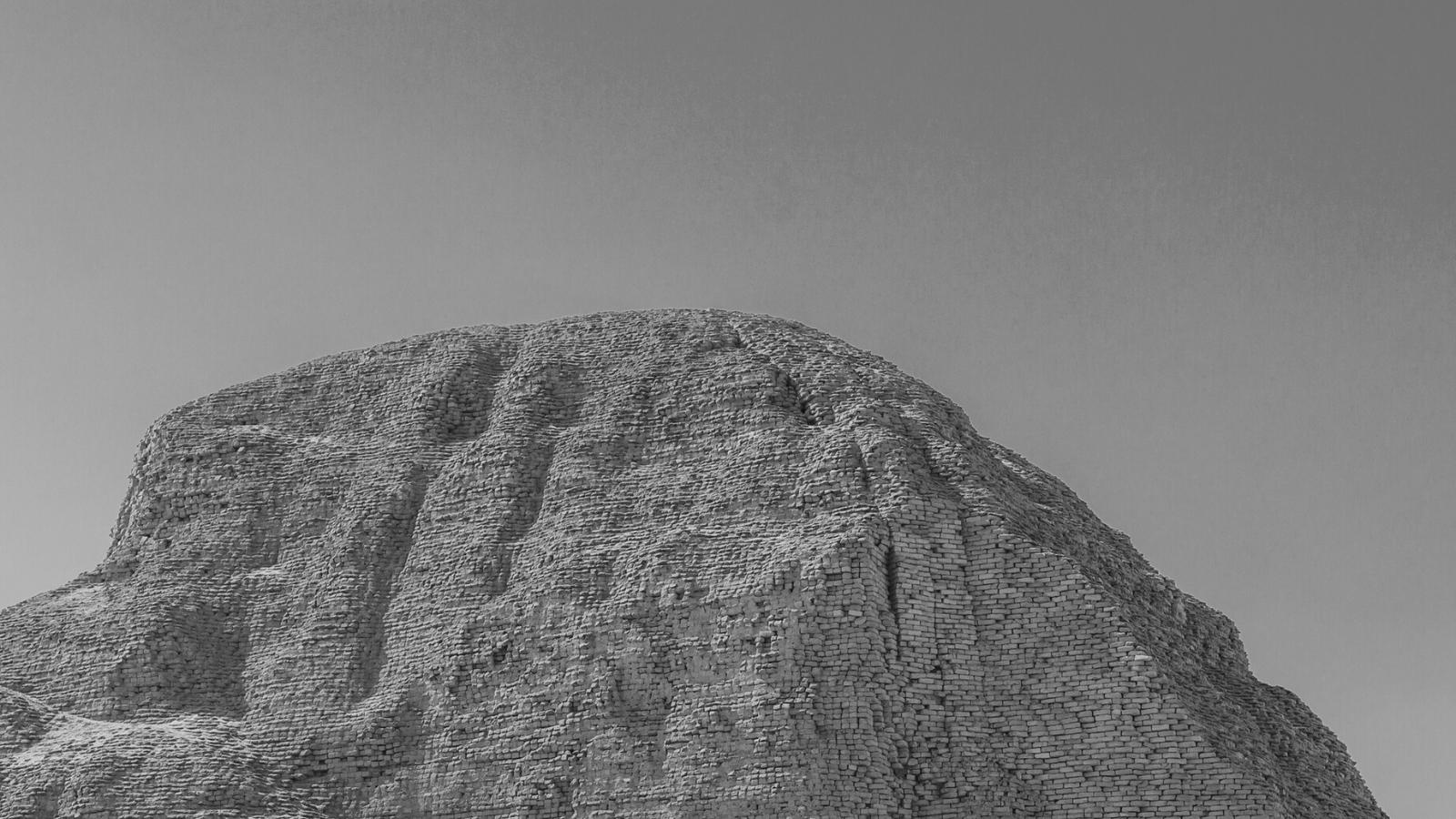
He constructed his pyramid at el-Lisht, and it was made with a more sophisticated design compared with those of others built during his time. One challenging part of his term happened when he was in the middle of a military campaign in Libra and his father, Amenemhat I, was assassinated.
Whether it was true or not, historians have claimed an apparent plot to eliminate King Amenemhet I by his guards. You could probably see the people’s disbelief of the events as Amenemhet I was respected by his people. However, Senusret I saved the kingdom from any attempt to topple the leadership of the old king.
Upon hearing the news, Pharaoh Senusret I immediately left his military expedition and returned to the palace in Memphis to secure the kingdom. It's important to understand that Senusret I had been a coregent of Amenemhet I in the 20th year of his father’s term. With his wisdom and royal training, he ascended to the throne and impeded the conspiracy plans of Amenemhet’s opponents.
Senusret I and His Legacy
You must recognize that a significant part of his legacy was the series of quarrying activities in Sinai and Wadi Hammamat. Immediately upon his reign, he started building several shrines and temples all across Egypt and in Nubia. He also initiated the rebuilding of the temple of Re-Atum located in Heliopolis.
You have to recall that the center of the sun cult was in Heliopolis, where Senusret I started his engineering works. To complete his opulent dream, he established two obelisks made of red granite to celebrate his 30 years in power. He called this celebration the Heb Sed Jubilee.
To date, one of those obelisks still stands and is considered the oldest obelisk that remains in the country. You can find it in the Al-Masalla region of Al-Matariyyah near Heliopolis. Known for its height, it proudly stands 67 feet tall and is recorded at 120 tons. You can see it as evidence of the glory of Senusret I’s legacy.
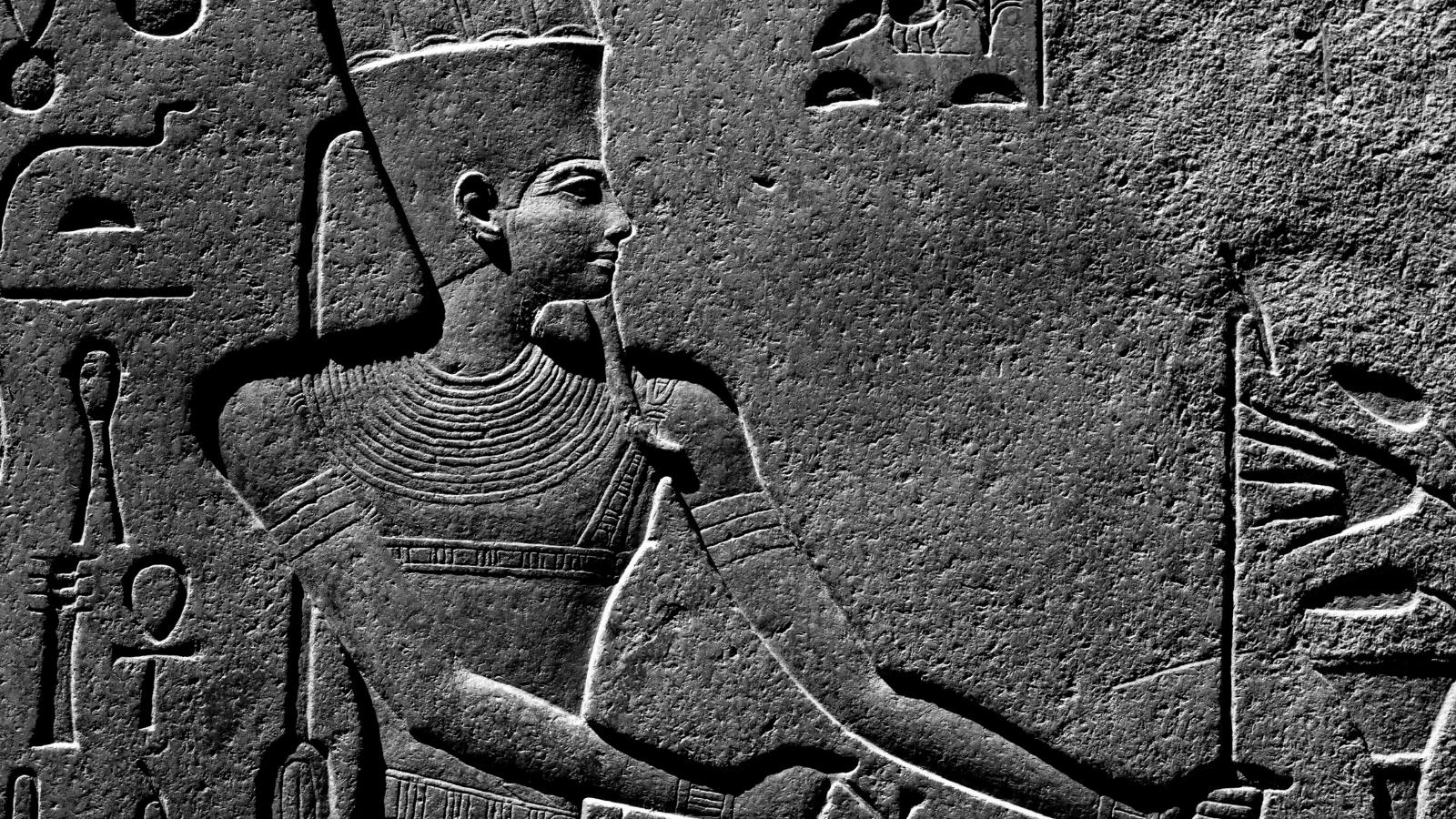
Senusret I built several temples in ancient Egypt, including the temple of Min at Koptos and the temple of Ipet sut. You could revisit these temples and witness the long writings and colorful embellishments on the walls. He also worked for the rehabilitation of the temple of Osiris in Abydos. It’s one of his major accomplishments in honor of Osiris.
Inspired by the brilliant legacy of his father, Senusret I ruled Egypt at the time of its prosperity and abundance of minerals, including gold. Hence, they were able to produce a wide array of jewelry made of gold. Records have shown a lavish collection of jewelry in Egypt during his time. The royal family members enjoyed wearing jewelry adorned with special stones and gold.
You must also know that the economic stability of the country was at its peak during Senusret I’s reign. The country took pride in its development in terms of the economy, government, and the military.
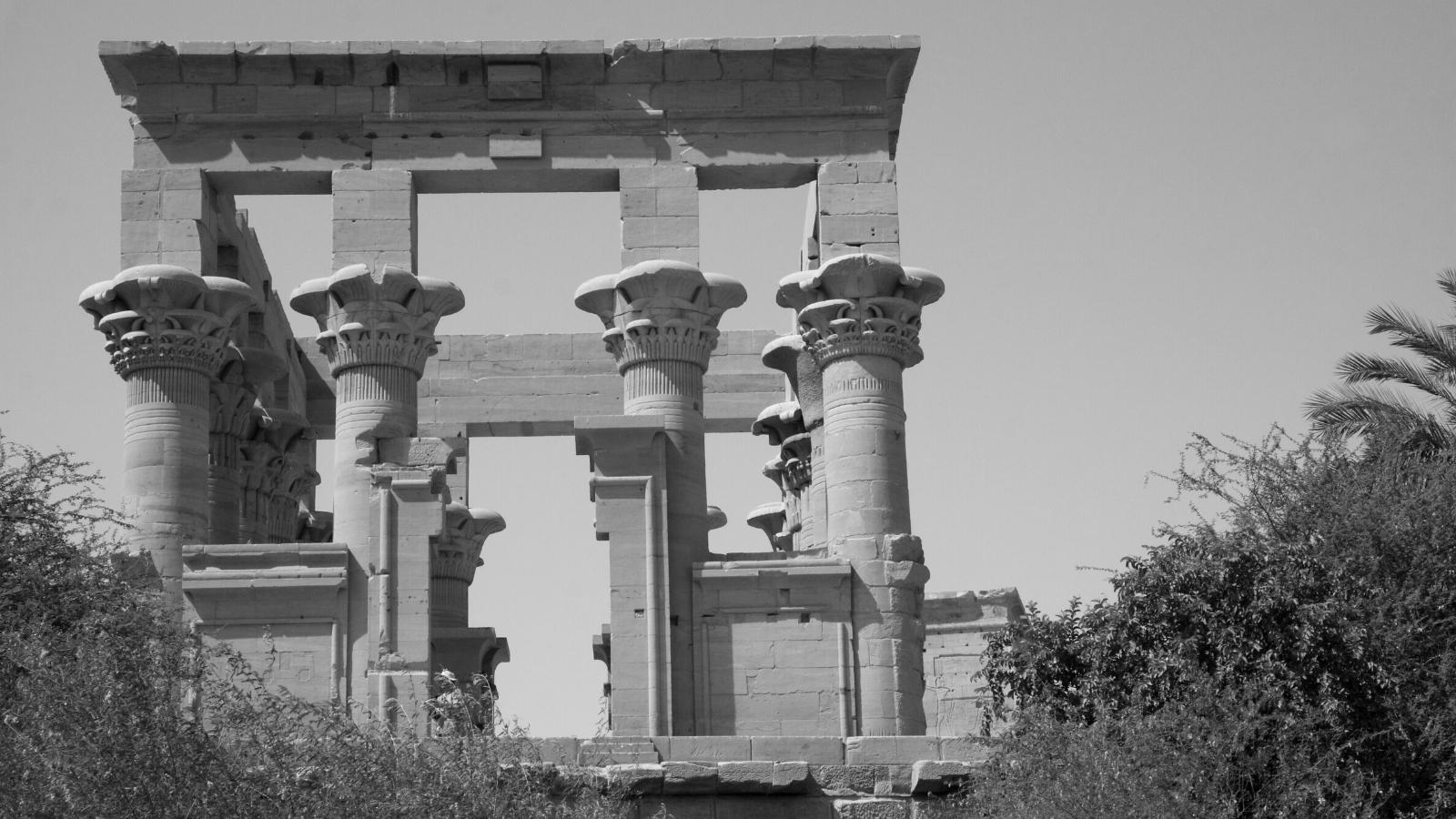
He was also credited for establishing the famous White Chapel, which was also called bark shrine. It was believed that his coronation was held in this shrine. Here, he made the famous alabaster kiosk for the god Amun; despite its small size, you could tell that it received much adoration from the people. Artists confirmed their recognition of the aesthetic design of the temple.
He also built many memorial shrines and temples in Elephantine and Tod. Historians have recorded almost 36 royal constructions from Alexandria to Nubia to validate his prestige and power.
As he was interested in strengthening his power, he built monuments in every cult site across the country. This move was an expansion of the Old Kingdom and his strategy to consolidate the national government. In short, he made a centralized government that undermined the power in temples in different provinces.
This political move greatly affected the power of the priests in faraway towns because Senusret I made the bold decision of creating a religious image in which he stood in unity with the gods.
The idea of centralized religious power resulted from his desire to affirm his name as the main mediator between the gods and the people. Senusret I tried to leave an invaluable memory as a benevolent king who ruled the people with compassion and loyalty forever.
Meanwhile, it is significant to mention that his prestigious reign characterized by luxury and enormous achievements didn’t escape the hints of famine, natural disasters, and hardships. These trials during his reign were documented in such sources as tomb writings and discovered papyrus.
How Did Senusret I Die?
Senusret I served ancient Egypt with his father, Amenemhat I, as a coregent. He ruled with remarkable success, both politically and economically. He enjoyed success in his reign with his wife, Neferu, and their son, Amenemhat II. However, historians could not provide the exact date of his birth and accurate information about his death.
You could probably assume that he was buried in his pyramid called the Pyramid of Senusret I at el-Lisht, close to the pyramid of Amenemhat I, his father and predecessor. Others reported that it’s approximately 1 mile away from the pyramid of his father. According to records, his pyramid was introduced with an ancient name that means “Senusret beholds the two lands.”
Architects have measured the pyramid; it’s reported to be 105 meters on both sides, and it stands 61.25 meters tall. Its slope was 49° 24′ on four faces.
You would be in awe because the Senusret I pyramid was established using the best method for architectural construction at that time. Engineers were amazed by the beauty of the pyramid of Senusret I because the four stone walls were made to shine from the center, which was made of blocks that went smaller and higher as they approached the summit.
The grandeur of his pyramid was recognized in the entire country, but it has been damaged over a long time. You could see only the remnants of his pyramid these days, and even archeologists find it hard to reach the burial chamber because of the rising water level there. Succeeding him was his son, Amenemhet II, who acted as his coregent three years before he died.
Conclusion
Senusret I led Egypt at the time of its abundance and power. He succeeded in his father’s reign after the old king’s assassination. It was a considerable challenge for Senusret, but he proved his wisdom and his military prowess while performing his royal obligations.
Here are other notable achievements in his reign:
Senusret I showed a truly effective type of leadership where he managed the country by using new leadership styles.
For example, he established clear boundaries that separated regions.
He gave power to provincial leaders, but established his throne as the main ruler.
Knowing the efficiency of this political maneuvering, Senusret I gained more stability and abundance in ancient times, yet priests and local leaders were disappointed.
You know that his ability to establish diplomacy was instrumental in expanding his territory when he ruled Egypt as the second king of the 12th dynasty.
Many historians have confirmed that his reign was the climax of that period, characterized by substantial growth in the economy. His reign lasted for 45 years with immense expansion, candor, and glory.