Where Do Gods Live and Breathe in World Mythologies?
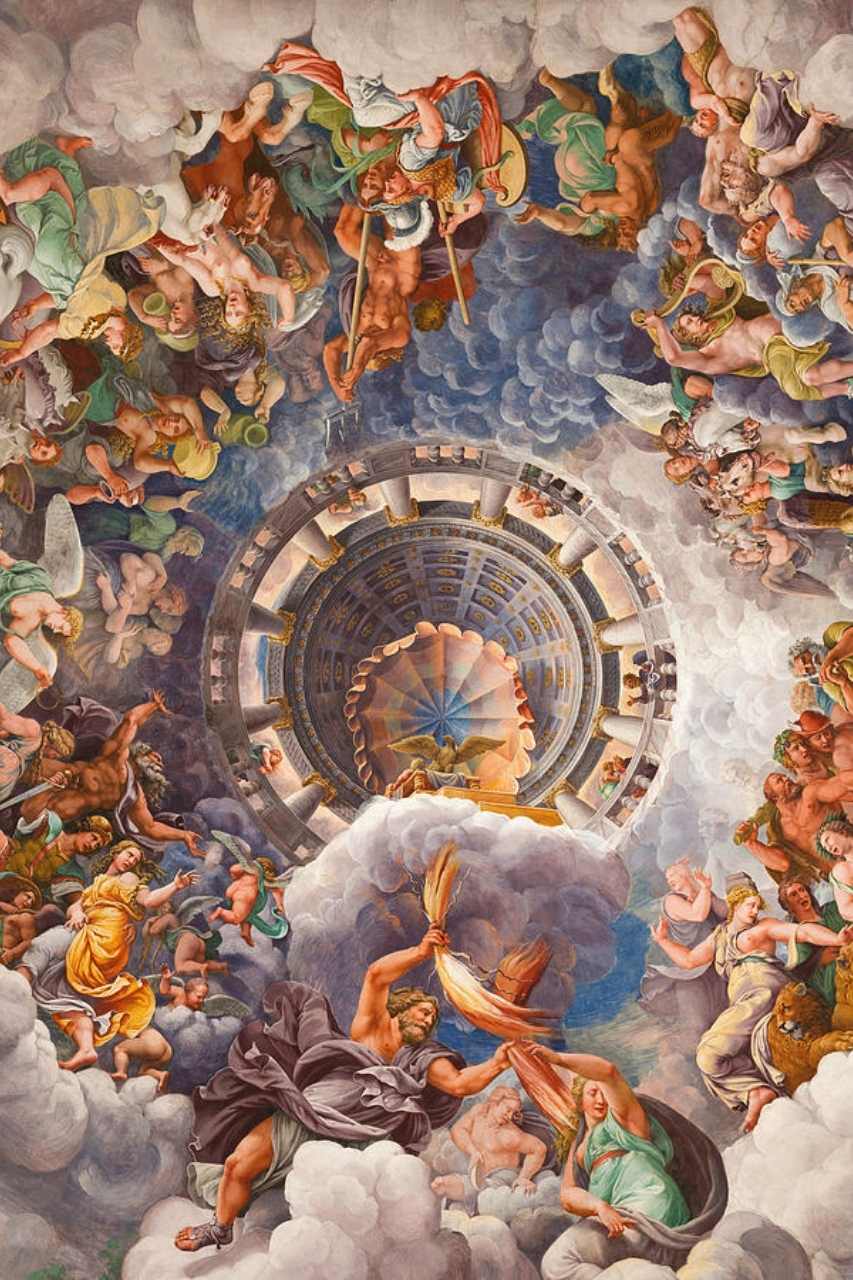
Where do gods live? This question has been asked many times and the answers are just a little blurry. The reason for this is that there are many different mythologies in the world and in each mythology, the gods, goddesses, their children, and creatures live in different places or realms.
Each of these places holds a very dear place in the hearts of the followers of that mythology. Here we bring you all the information about different places where the gods and goddesses from Greek, Roman, and Norse mythology live.
Where Do Gods Live?
Gods live in different places, in various mythologies. In Greek and Roman mythology, they live on mount Olympus. In Japanese mythology live in Takamagahara, and Norse gods lived in Asgard. However, some gods walked on the plant, some were above the sky and others were below the ground.
Greek Mythology
In Greek mythology, all the gods and goddesses lived on Mount Olympus, which is described as the biggest mountain in the center of celestial space, far above the skies. All mythologies have had their time in the light and fame among their people but some of them stood out and remained famous.
Greek mythology started with the Titans who were the first ever gods according to the mythology to rule the universe until the Olympians fought them and won. The Olympians then lived on the mountain Olympus and the Titans were either killed or captured.
From the mountain, the Olympian gods and goddesses ruled over the humans on Earth. There are many instances explained in the literature where the gods and goddesses brought humans and other creatures from Earth to the mountain.
The mountain is mentioned very frequently by Homer in his book, the Iliad. As Homer is one of the most prestigious and well-known poets of Greek mythology, his words cannot be denied or taken as false.
The physical characteristics of the mountain are not described by any Greek poet in their works. The only information available from the literature is that the mountain is incredibly big and spacious that it houses the extravagant palaces of several gods, goddesses, their maids and maides, and other different creatures. The mountain also has running rivers of fresh water and every possible fruit on it. Sounds like heaven in the middle of nowhere for the Greek gods and goddesses.
Roman Mythology
The Greek and Roman mythologies have a lot in common. From the gods, goddesses, creatures, and some events there are other common things as well. Both mythologies agree and explain that their gods live on Mount Olympus. The same mountain has flowing rivers and every possible fruit tree on it.
There is not much difference between the two mythologies. They both follow Zeus as the most important and supreme deity of mythology and Hera as his wife. The only difference that exists is in the names of most gods, goddesses, and creatures. This can be because of the different poets who wrote the mythologies and also the geographical differences between the two states.
Japanese Mythology
The gods and goddesses in Japanese mythology live in a place called Takamagahara. This mythology is full of diverse creatures and characters along with incredible legends and myths. Despite all that, this mythology is not least famous among the group because not many people have translated all the original mythology into any language other than Japanese so there is a considerable language barrier.
Nevertheless, the Takamagahara also called the high plain of heaven or the plain of high heaven is the place of gods. The place is connected to Earth with a bridge called the Ame-no-ukihashi or roughly translated to the floating bridge of heaven. According to Japanese mythology and folklore, all the gods, goddesses, their descendants, and creatures live in Takamagahara and ascend to Earth via the Ame-no-ukihashi bridge. No human soul could ever enter the plain of high heaven without the company or permission of the divine gods.
Some of the Japanese scholars that believe in mythology wholeheartedly, tried to find the exact location of the Takamagahara in the world and universe today. They were made fun of and denied any credibility because according to other scholars, these are just myths and contain no truth to them. Nevertheless, one should believe in whatever they like if it gives them peace and happiness.
Norse Mythology
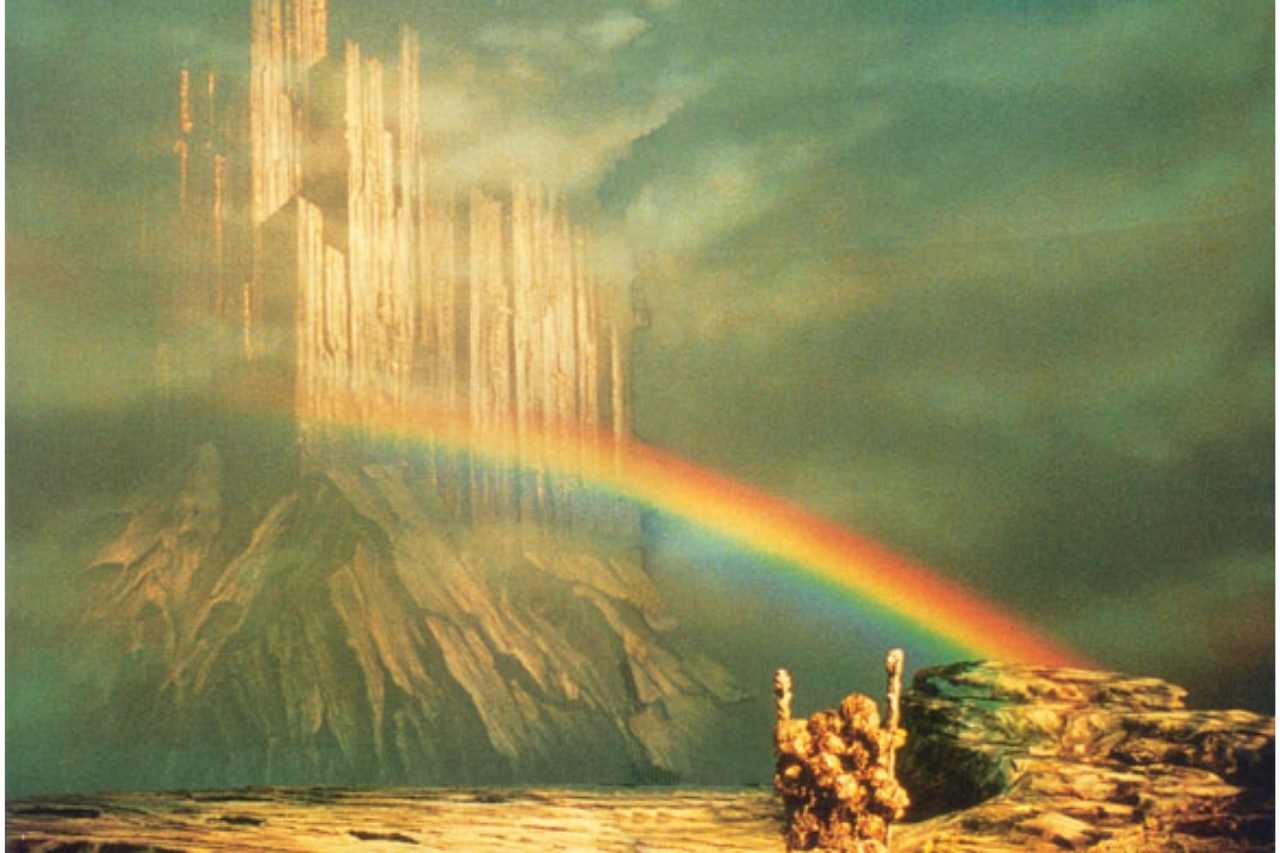
The gods and goddesses in Norse mythology live in Asgard which is the Norse equivalent of mountain Olympus. According to the legend, Asgard is further divided into 12 realms, each with a specific purpose. The most famous of these realms is Valhalla, the resting place of Odin and his warriors. The other realms include Thrudheim, the realm of Thor, and Breidablik, the place of Balder.
The realms could only be reached from Earth by a bridge called Bifrost which was always heavily guarded by Asgardian soldiers. Norse mythology has the most interesting storylines and events. Odin is the Norse equivalent of Zeus and has the ultimate power over everything. His sons Thor, the god of lightning, and Loki, the god of mischief are also very famous in mythology.
Above were the living places of gods of various mythologies. It has always been a norm that the gods and goddesses live in places that are high up in the sky. They have huge palaces, ornated with precious materials and exotic foods. On the other hand, some very down-to-Earth, figuratively and literally, gods and goddesses also exist that just live like the rest of us.
Gods and goddesses have been worshipped and prayed to from the start of time. People created innumerable deities to make their lives easier and this is where the mythologies started. The concept of God is so deeply rooted.
FAQ
Where Do Gods Go When They Die in Greek Mythology?
When the Greek gods die, they go to the Underworld which comes under the jurisdiction of Hades. Hades is the brother of Zeus and is an Olympian god. He is the ruler of the Underworld and the god of the dead.
Do Gods Live on Earth?
This depends on the mythology in focus. According to some mythologies, their gods live above the sky and others claim that their gods live on the Earth among them. For example, Indian mythology says that their gods walk among them and live on Earth.
Is Valhalla Real?
If you believe in Norse mythology and are a Viking warrior, so yes, Valhalla is real and is waiting for you. If by any chance you are not, so no, Valhalla is not real.
Conclusions
Gods and goddesses mostly live high up in the clouds where no one can see them but they can see every little detail on the Earth and what goes on with their created men. In this article, we talked about the living places of gods and goddesses from some of the world's most famous mythologies. These mythologies are the Greek, Roman, Japanese, and Norse mythologies. Following are the points that will summarize the article:
There are many different mythologies in the world and in each mythology, the gods, goddesses, their children, and creatures live in different places or realms. Some live above the sky while some believe that their gods walk among them and live on Earth.
There are a lot of similarities between the Greek and Roman mythologies. The gods, goddesses, and their children, all live on the great mountain Olympus which is situated in the middle of celestial existence. This mountain is extravagant everywhere and has the palaces of almost all Olympian gods and goddesses that won the Titanomachy.
In Japanese mythology, the gods and goddesses live in Takamagahara, the plain of high heaven. The place can only be accessed through a bridge called Ame-no-ukihashi. The place is also home to many different creatures and monsters.
In Norse mythology, all the gods and goddesses live in a realm called Agard which is divided into 12 branches. A few of the most famous branches are Valhalla where Odin lives with his soldiers and prepare for the end of times, Thrudheimis the realm of Thor, and Breidablik the living place of Balder.
All gods and goddesses have unique living places in different mythologies other than Greek and Roman mythologies because they have the same mountain for their deities. Here we come to the end of the article. We hope you found everything that you were looking for and more.