Timeless Myths Logo
Aphrodite Apollo Ares Artemis Athena Atlas Coeus Crius Cronus Demeter Dionysus Gaia Hades Hephaestus Hera Hermes Hestia Hyperion Iapetus Mnemosyne Oceanus Phobos Phoebe Poseidon Prometheus Rhea Tethys Themis Uranus Zeus
Bacchus Ceres Diana Juno Jupiter Mars Mercury Minerva Neptune Pluto Venus Vesta Vulcan
Amun Anubis Aten Atum Babi Bastet Bes Geb Hapi hathor heqet Horus Isis Khepri Khnum Khonsu Maat Nephthys Nut Osiris Ptah Ra Seshat Seth Shu Sobek Thoth
Alfheim Baldur Freya Freyr Frigg Heimdallr Helheim Idun Jotunheim Loki Nerthus Njord Odin Thor Tyr
Aengus Arawn Badb Brigid Cailleach Ceridwen Cernunnos Cu Chulainn Dagda Danu Gwydion Herne the Hunter Lugh Medb Morrigan Neit Nuada Taliesin Taranis
Chalchiuhtlicue Coatlicue Huitzilopochtli Mictlantecuhtli Mixcoatl Ometeotl Quetzalcoatl Tezcatlipoca Tlaloc Tonatiuh Xipe Totec Xochiquetzal Xolotl
Amaterasu Ame no Uzume Benzaiten Bishamonten Daikokuten Ebisu Fujin Fukurokuju Inari Izanagi Kagutsuchi Raijin Susanoo Tsukuyomi
Caishen Cangjie Dragon King Eight Immortals Erlang Shen Fuxi Guanyin Hou Yi Huxian Jade Emperor King Yama Leizi Lu-ban Mazu Nezha Nuwa Pangu Shennong Sun Wukong Xiwangmu Yue Lao Zhong Kui
Norse Classical Celtic Arthurian
Literature Stories Names
Aphrodite Apollo Ares Artemis Athena Atlas Coeus Crius Cronus Demeter Dionysus Gaia Hades Hephaestus Hera Hermes Hestia Hyperion Iapetus Mnemosyne Oceanus Phobos Phoebe Poseidon Prometheus Rhea Tethys Themis Uranus Zeus
Bacchus Ceres Diana Juno Jupiter Mars Mercury Minerva Neptune Pluto Venus Vesta Vulcan
Amun Anubis Aten Atum Babi Bastet Bes Geb Hapi hathor heqet Horus Isis Khepri Khnum Khonsu Maat Nephthys Nut Osiris Ptah Ra Seshat Seth Shu Sobek Thoth
Alfheim Baldur Freya Freyr Frigg Heimdallr Helheim Idun Jotunheim Loki Nerthus Njord Odin Thor Tyr
Aengus Arawn Badb Brigid Cailleach Ceridwen Cernunnos Cu Chulainn Dagda Danu Gwydion Herne the Hunter Lugh Medb Morrigan Neit Nuada Taliesin Taranis
Chalchiuhtlicue Coatlicue Huitzilopochtli Mictlantecuhtli Mixcoatl Ometeotl Quetzalcoatl Tezcatlipoca Tlaloc Tonatiuh Xipe Totec Xochiquetzal Xolotl
Amaterasu Ame no Uzume Benzaiten Bishamonten Daikokuten Ebisu Fujin Fukurokuju Inari Izanagi Kagutsuchi Raijin Susanoo Tsukuyomi
Caishen Cangjie Dragon King Eight Immortals Erlang Shen Fuxi Guanyin Hou Yi Huxian Jade Emperor King Yama Leizi Lu-ban Mazu Nezha Nuwa Pangu Shennong Sun Wukong Xiwangmu Yue Lao Zhong Kui
Norse Classical Celtic Arthurian
Literature Stories Names
  1. Mythology Gods
    Aztec Gods Egyptian Gods Japanese Gods Chinese Gods Roman Gods Celtic Gods Greek Gods Norse Gods

Mythology Gods

Studying mythology gods is our way, in the modern world, to look into the ancient past. Myths began as a way to explain the world and the experience of man on earth, and it is the way of every civilization.

We want to pass down stories and to give meaning to a seemingly meaningless world. The mythical gods and their mythologies are mysterious and beautiful, and they teach us more about the life of those in the past than we could know by mere artifacts.
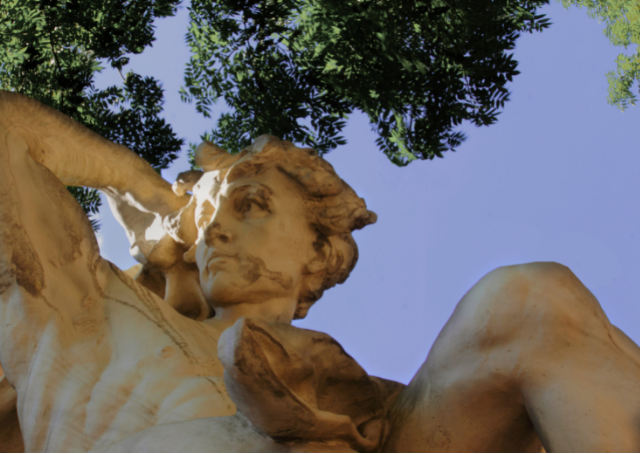
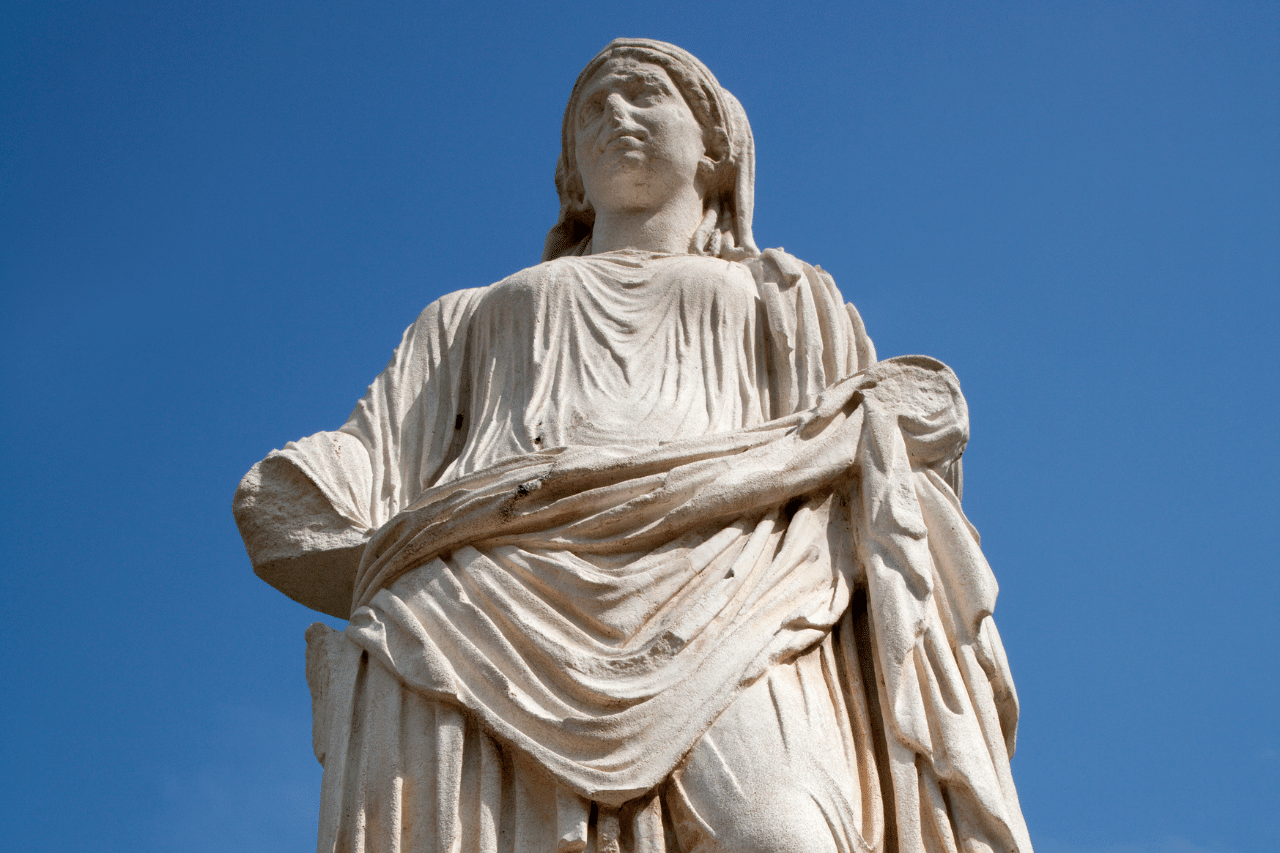
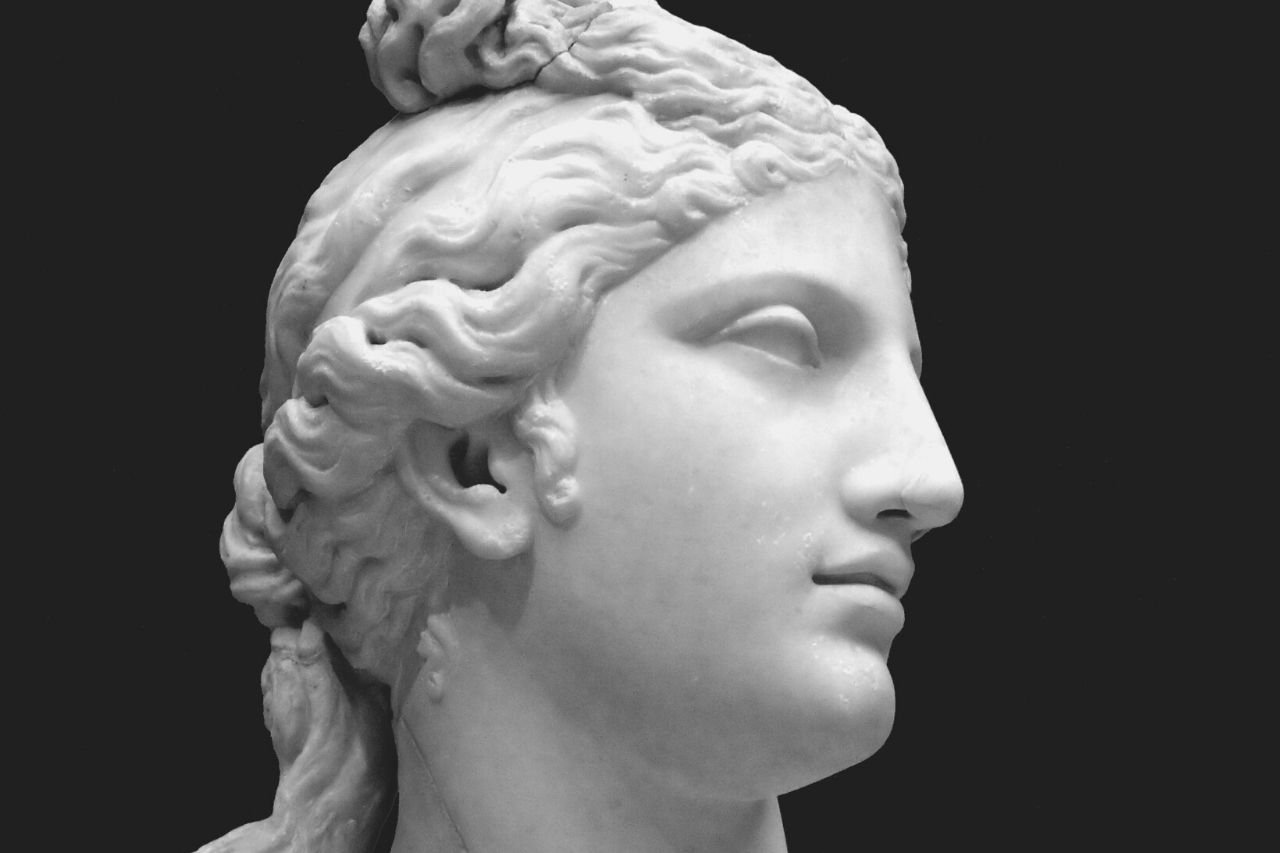
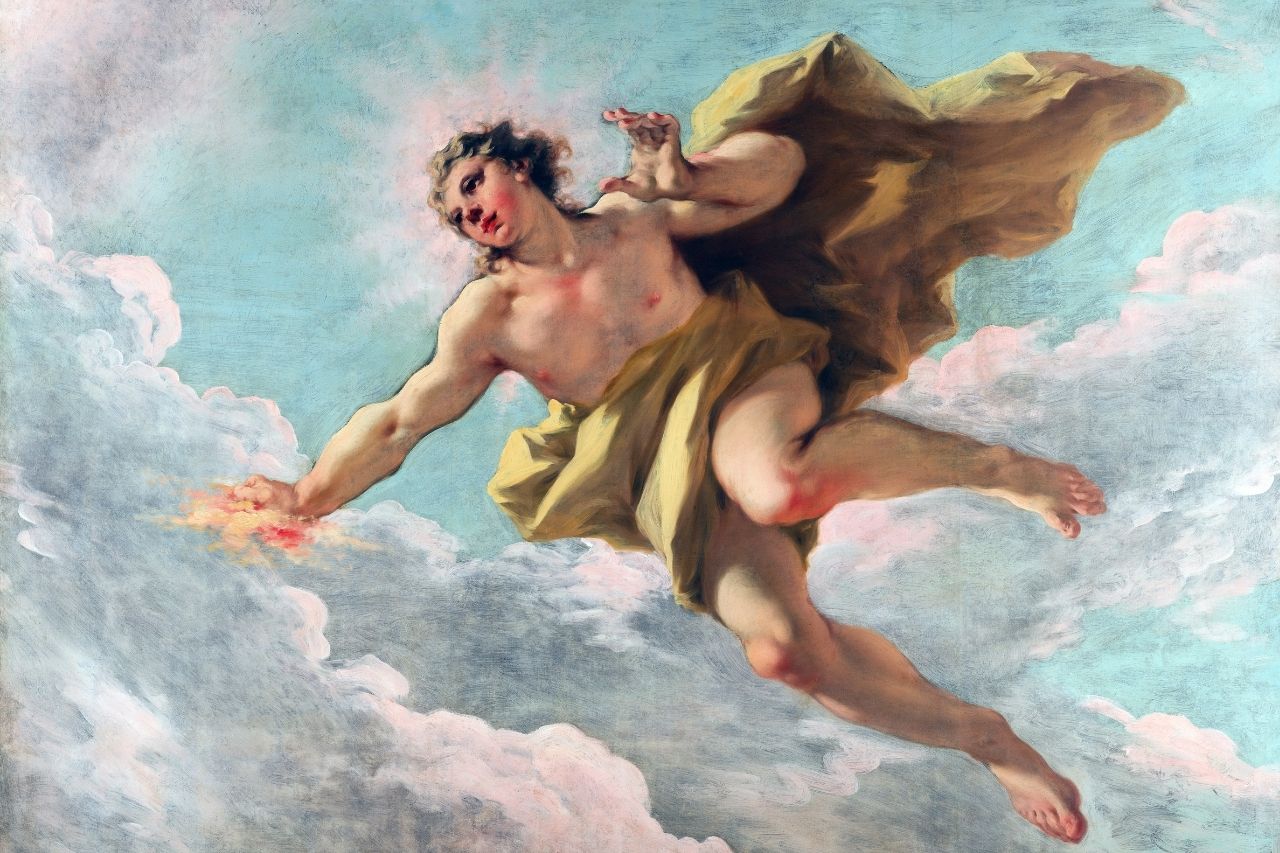
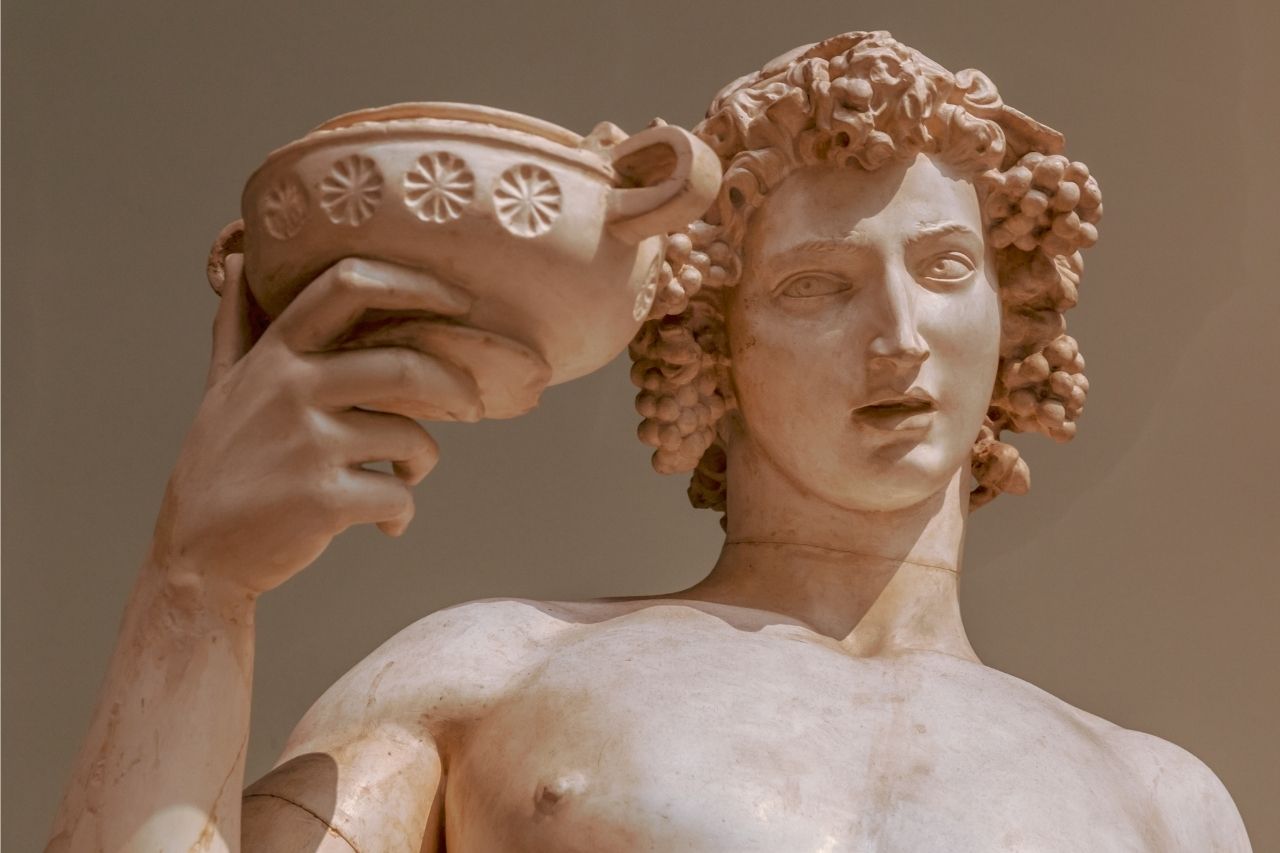
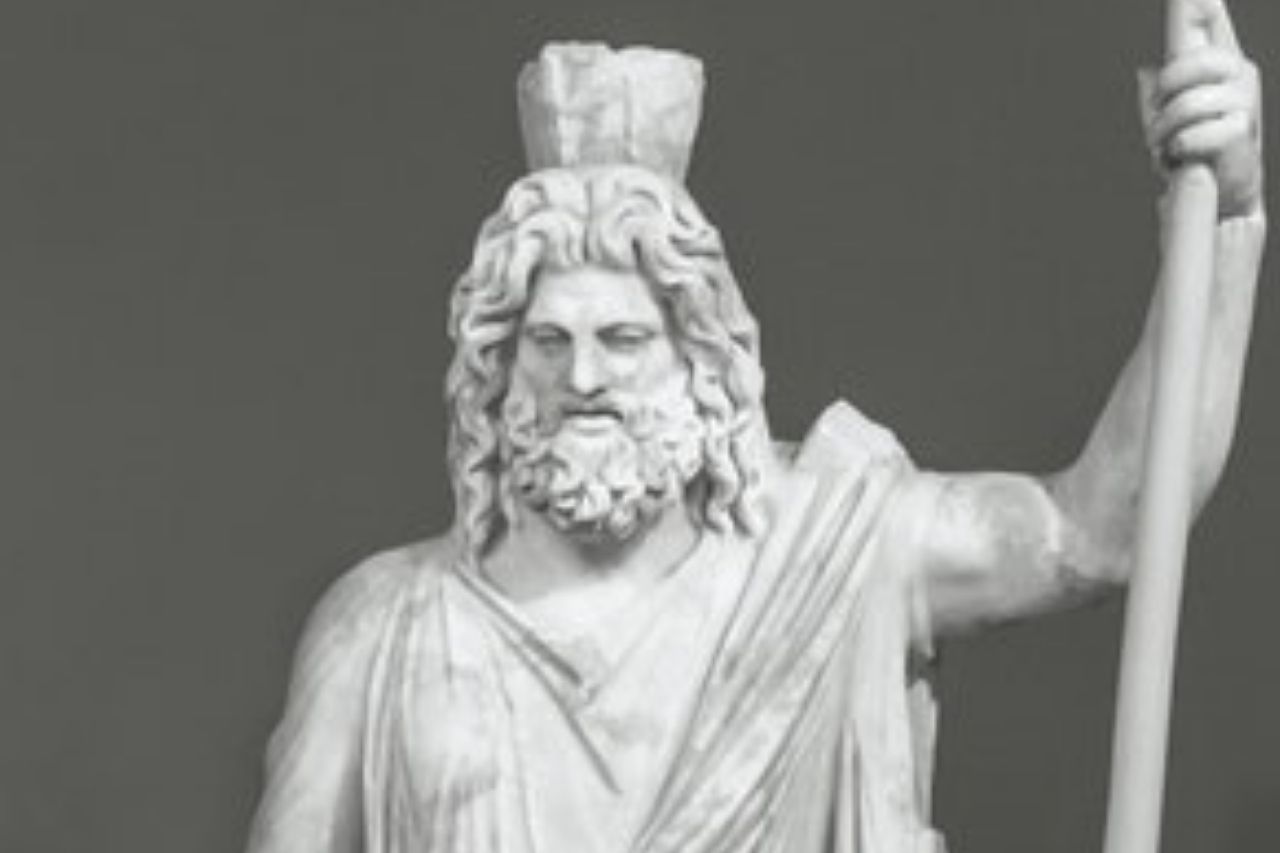
Statue of greek mythology god apollo

Statue of Apollo

It’s a bit like time travel, and we’re given a window into the time before, a time that we as humans have long left behind and forgotten. By understanding the mysteries of the past, we prepare ourselves better for the future.

We can learn from past mistakes, as well as understand the ways of other cultures. We make mythology our business, and you can find an overview of the mythological gods here.

List of Mythological Pantheons

Aztec Gods

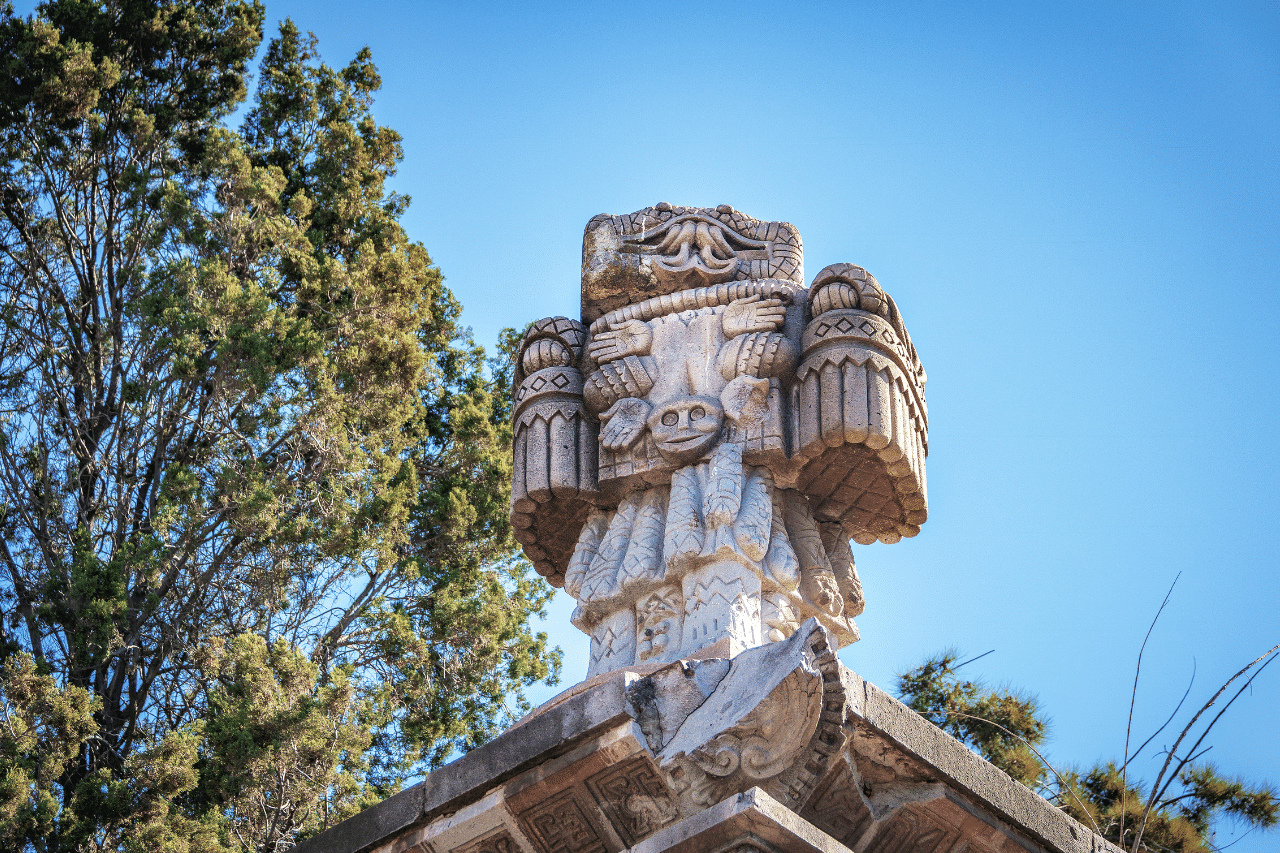
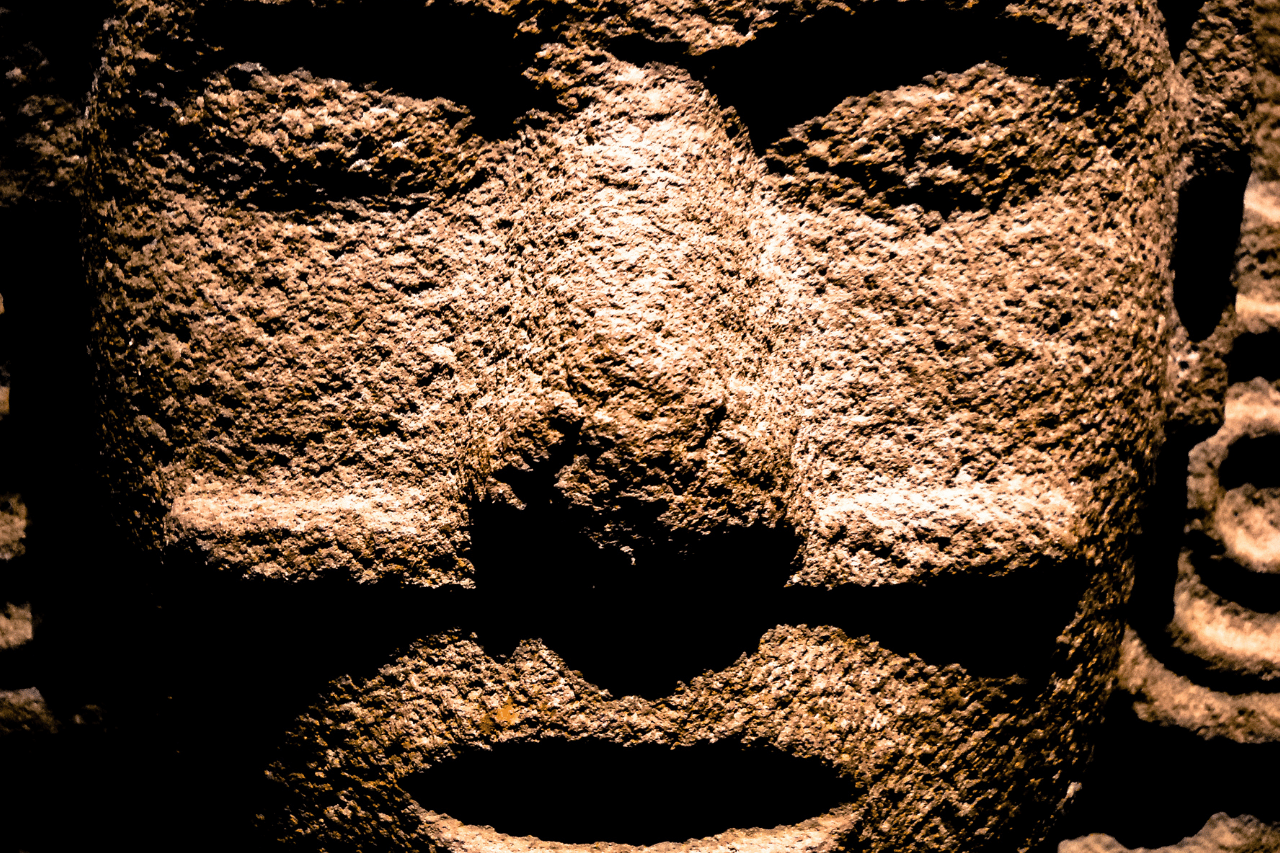
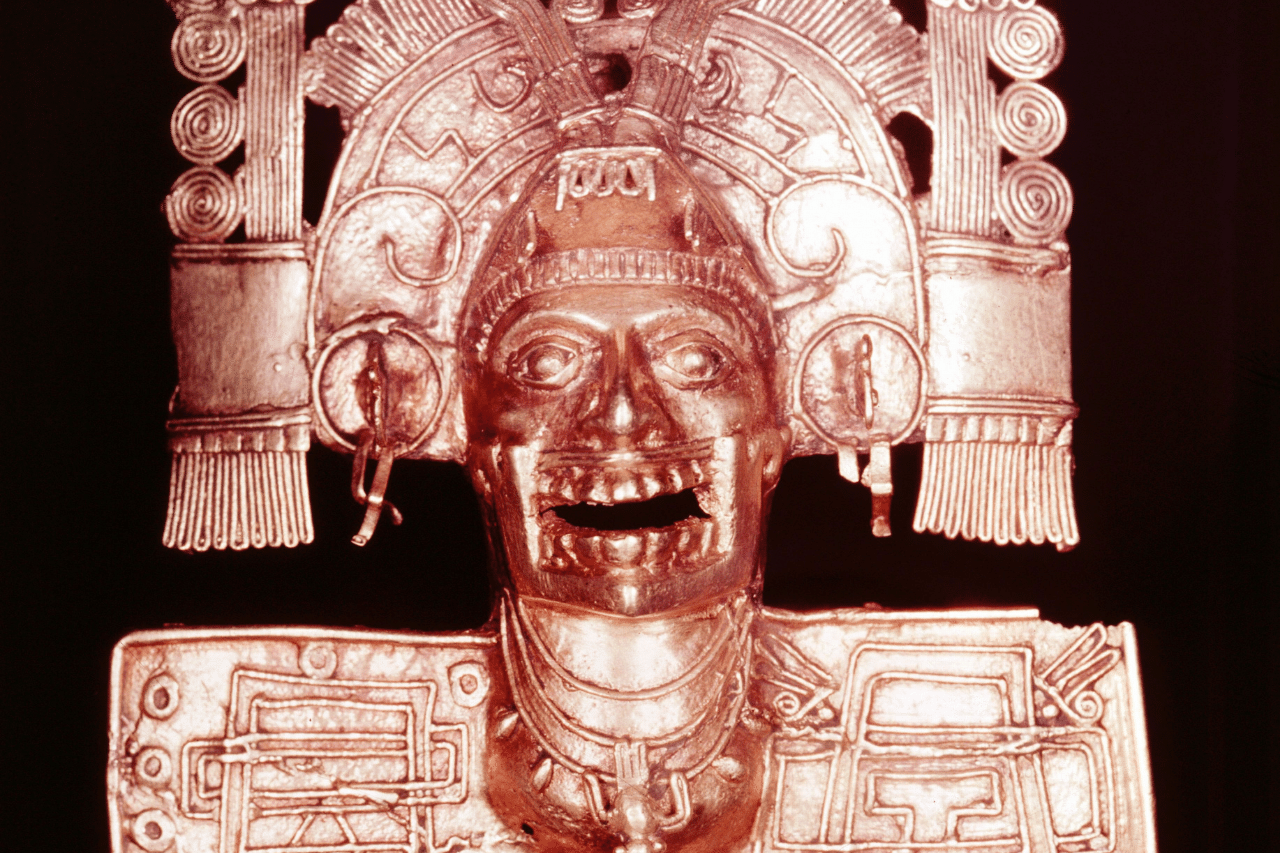
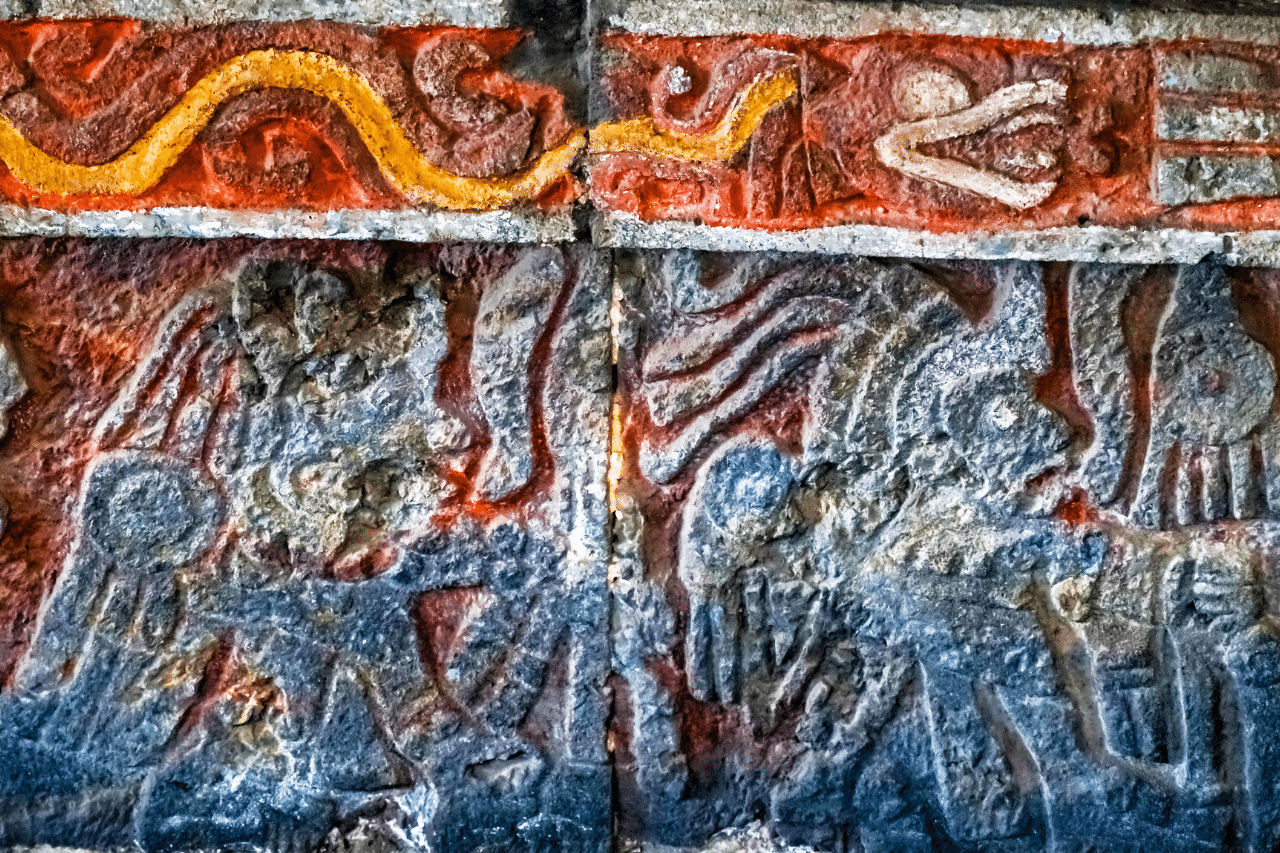
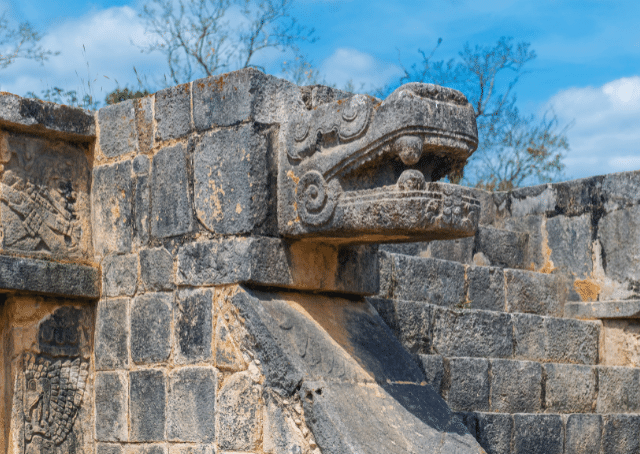
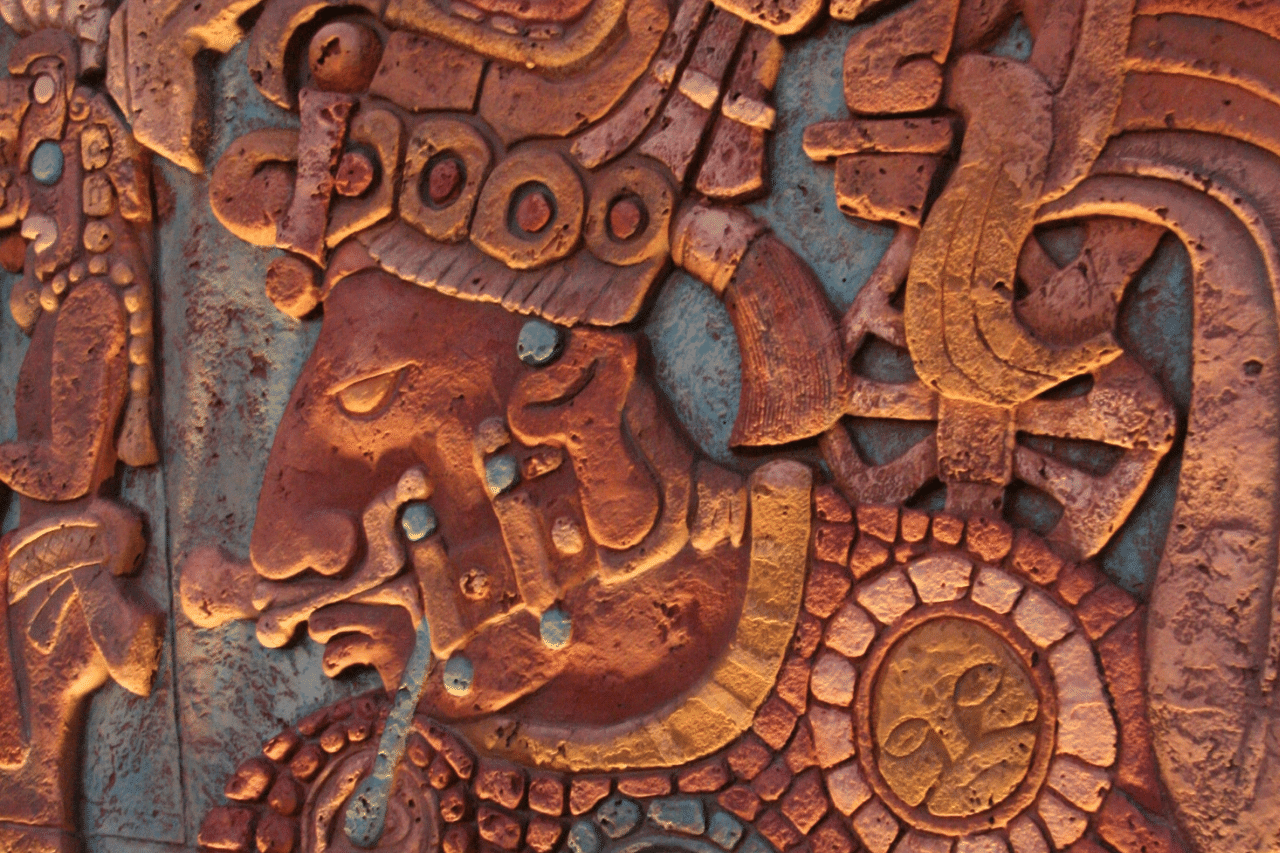
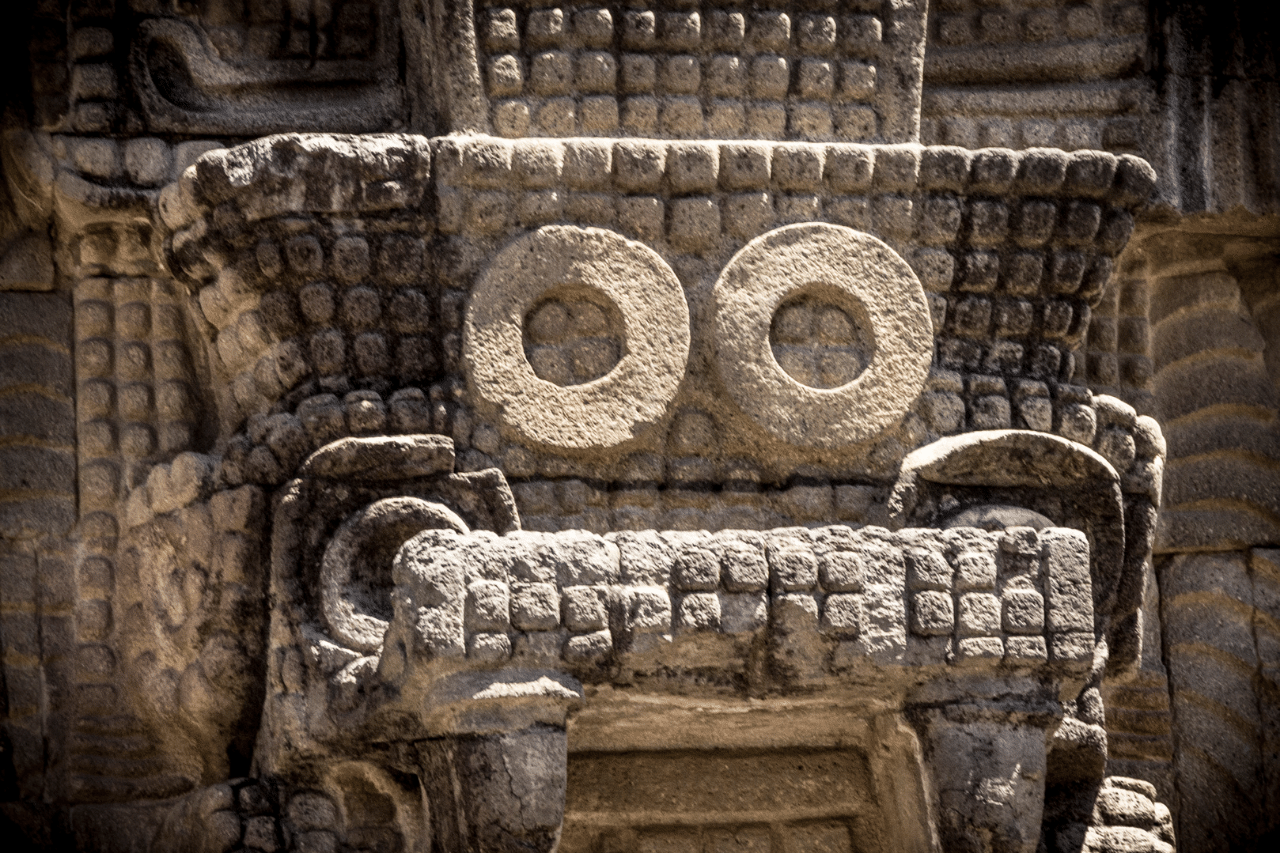
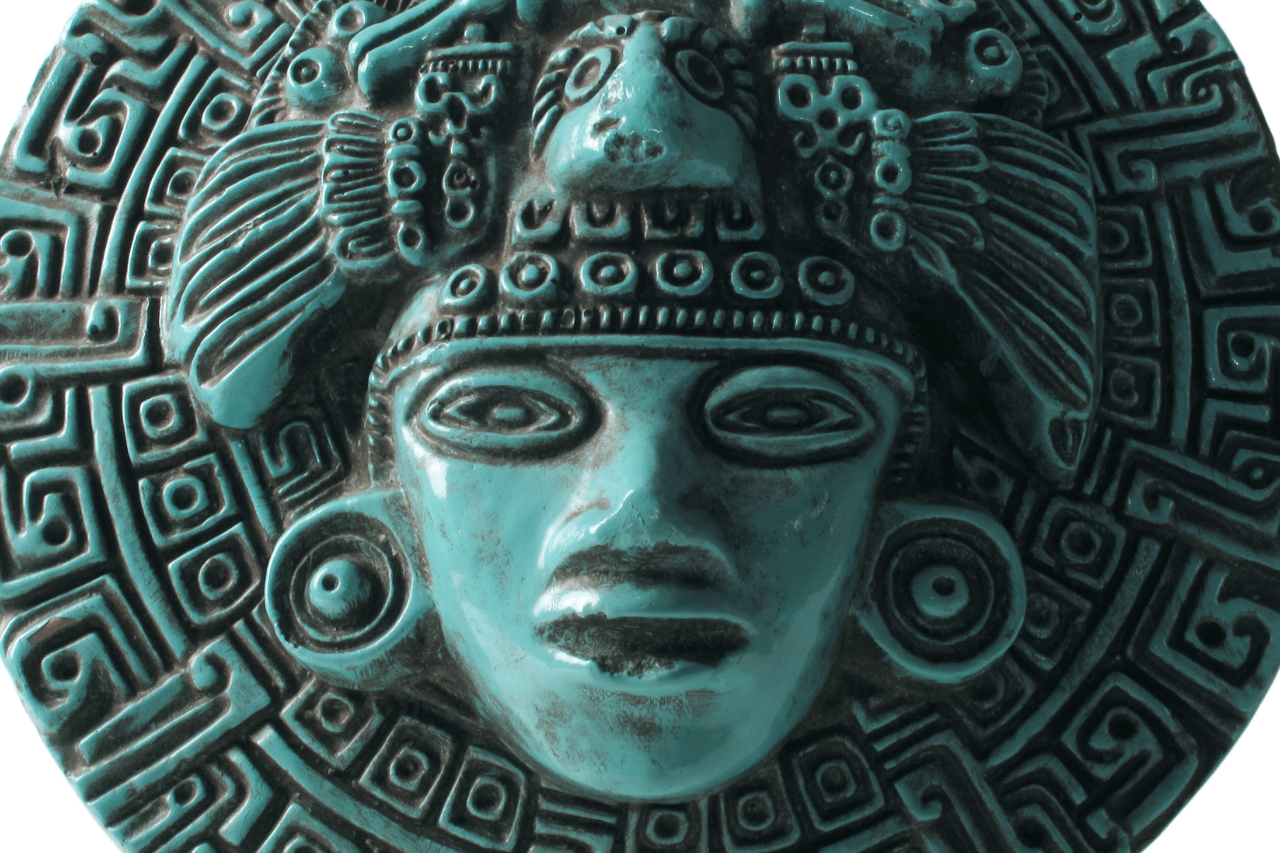
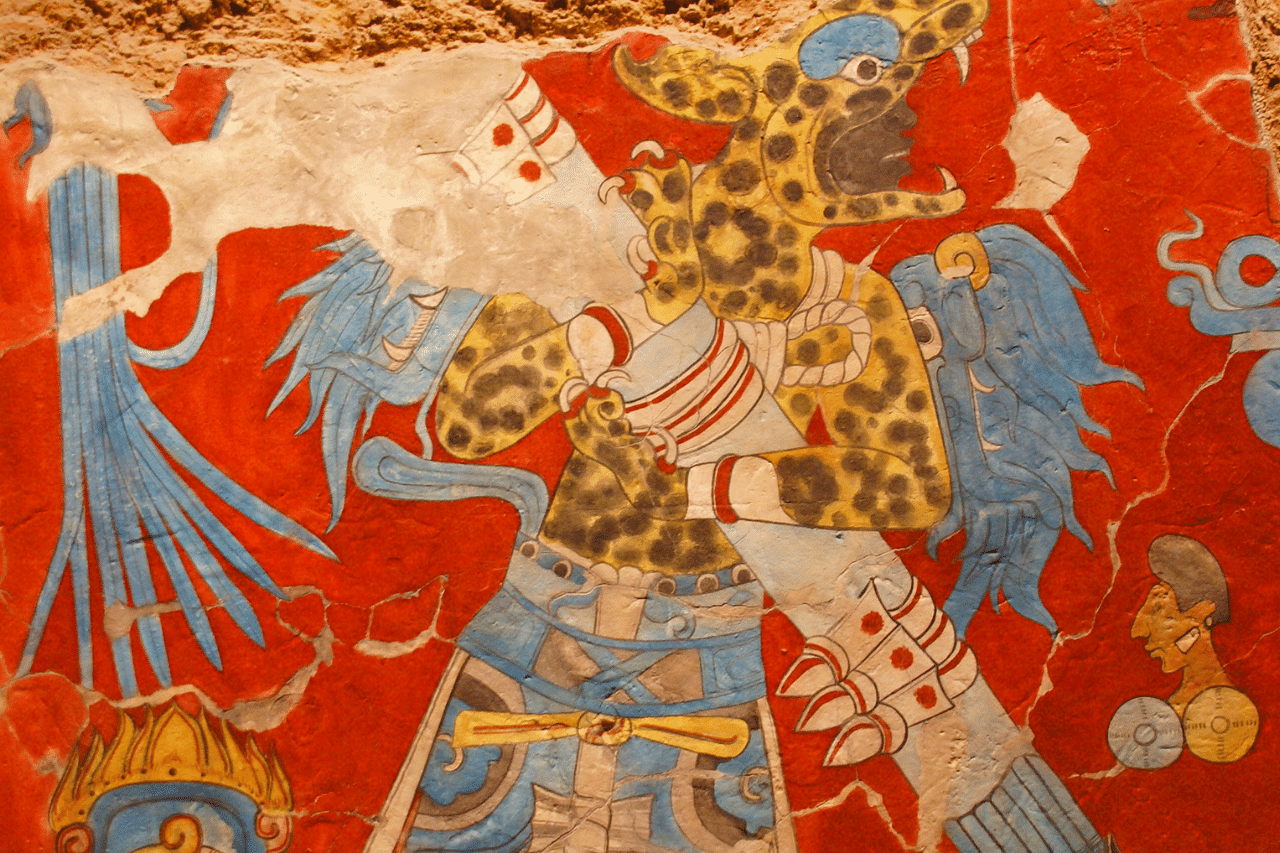
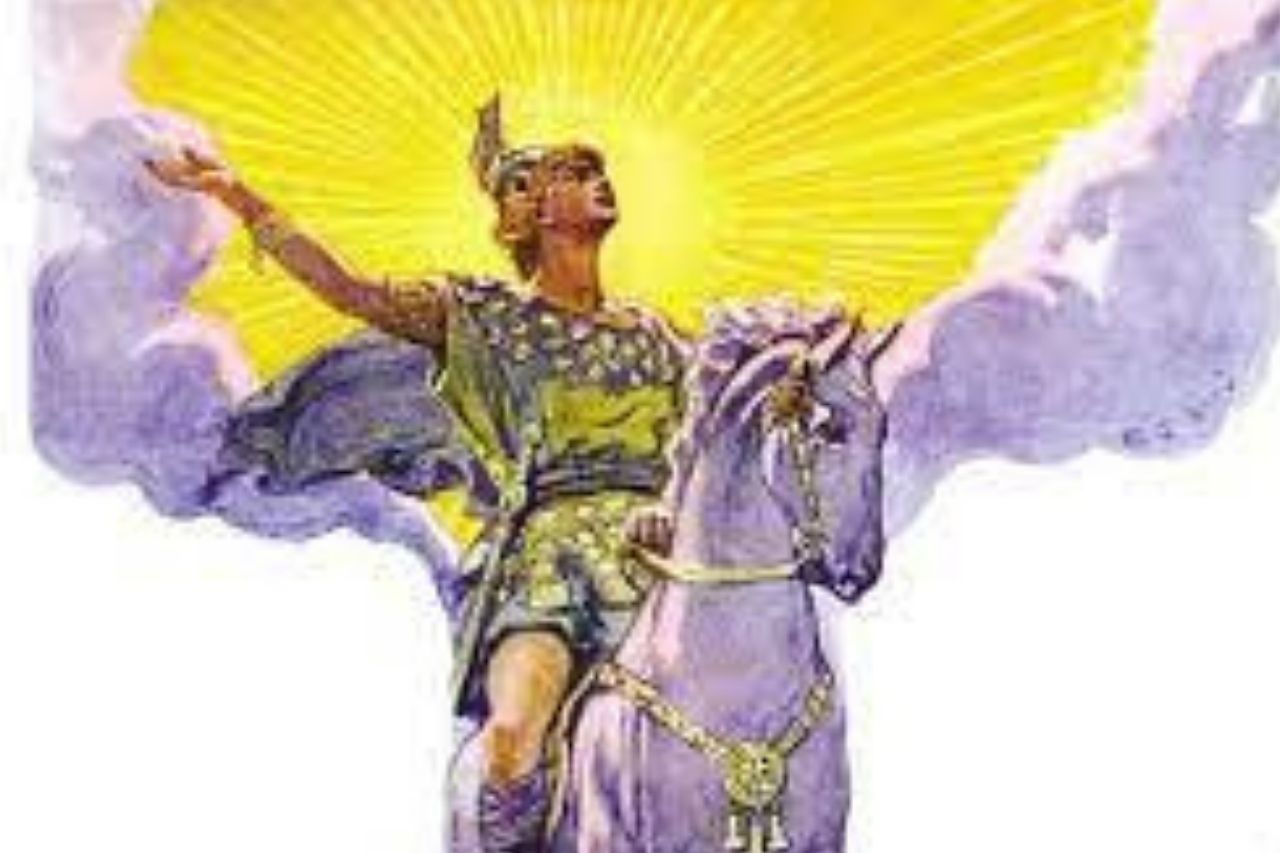
The Aztecs are one of the fascinating ancient groups to learn. Their civilization flourished in Central Mexico from around 1300 to 1521, and they have one of the most famous mythologies. They had over 200 deities in their pantheon, and the roles and stories of their gods were varied. Their gods controlled all natural things, and one of the natural foci of the Aztecs was the sun.

Their mythology stated that there were five “tries” of the world or five suns. Each sun was ruled by one of their gods, and it eventually ended in disaster. However, the fifth sun is the one we still inhabit, and it still hasn’t yet met its end. However, the Aztecs’ world is now finished, and they met their demise at the hands of the Spanish explorers.

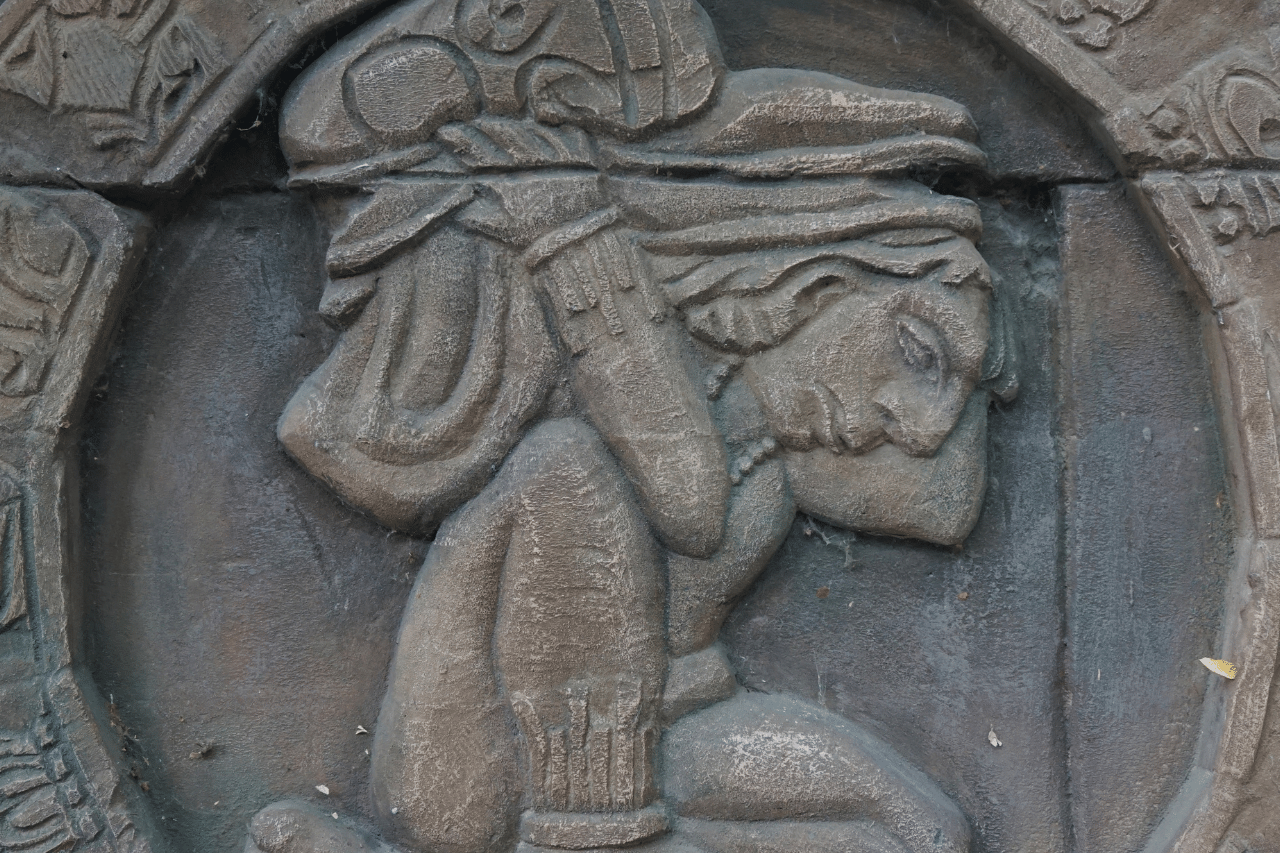
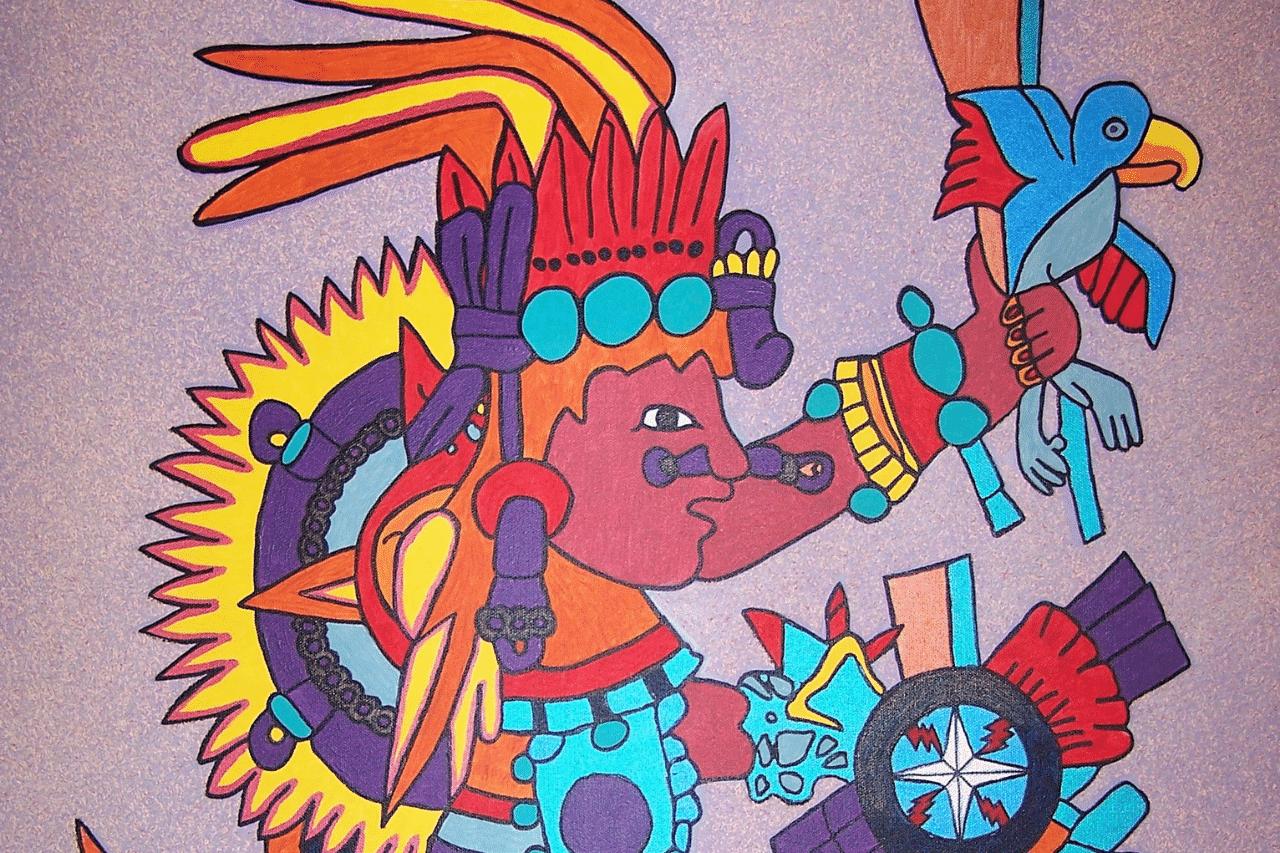
Their mythology includes sacrifices to gods like Quetzalcoatl, Huitzilopochtli, and Tezcatlipoca. The sacrifice of humans was part of the natural course of life, and it was an honor to be selected. The Aztecs believed that they had to give life to get life. Through blood, their world could keep going from the sun’s movement across the sky to the growth of their crops.
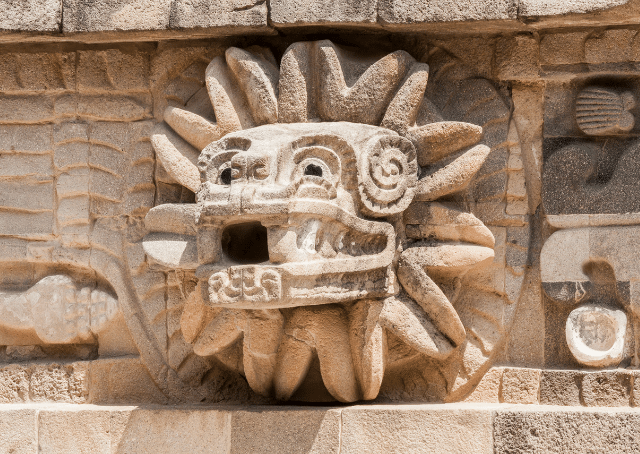
All Aztec Gods

All Aztec Gods

Chalchiuhtlicue

Chalchiuhtlicue

Coatlicue

Coatlicue

Huitzilopochtli

Huitzilopochtli

Mictlantecuhtli

Mictlantecuhtli

Mixcoatl

Mixcoatl

Ometeotl

Ometeotl

Quetzalcoatl

Quetzalcoatl

Tezcatlipoca

Tezcatlipoca

Tlaloc

Tlaloc

Tonatiuh

Tonatiuh

Xipe Totec

Xipe Totec

Xochiquetzal

Xochiquetzal

Xolotl

Xolotl

Egyptian Gods

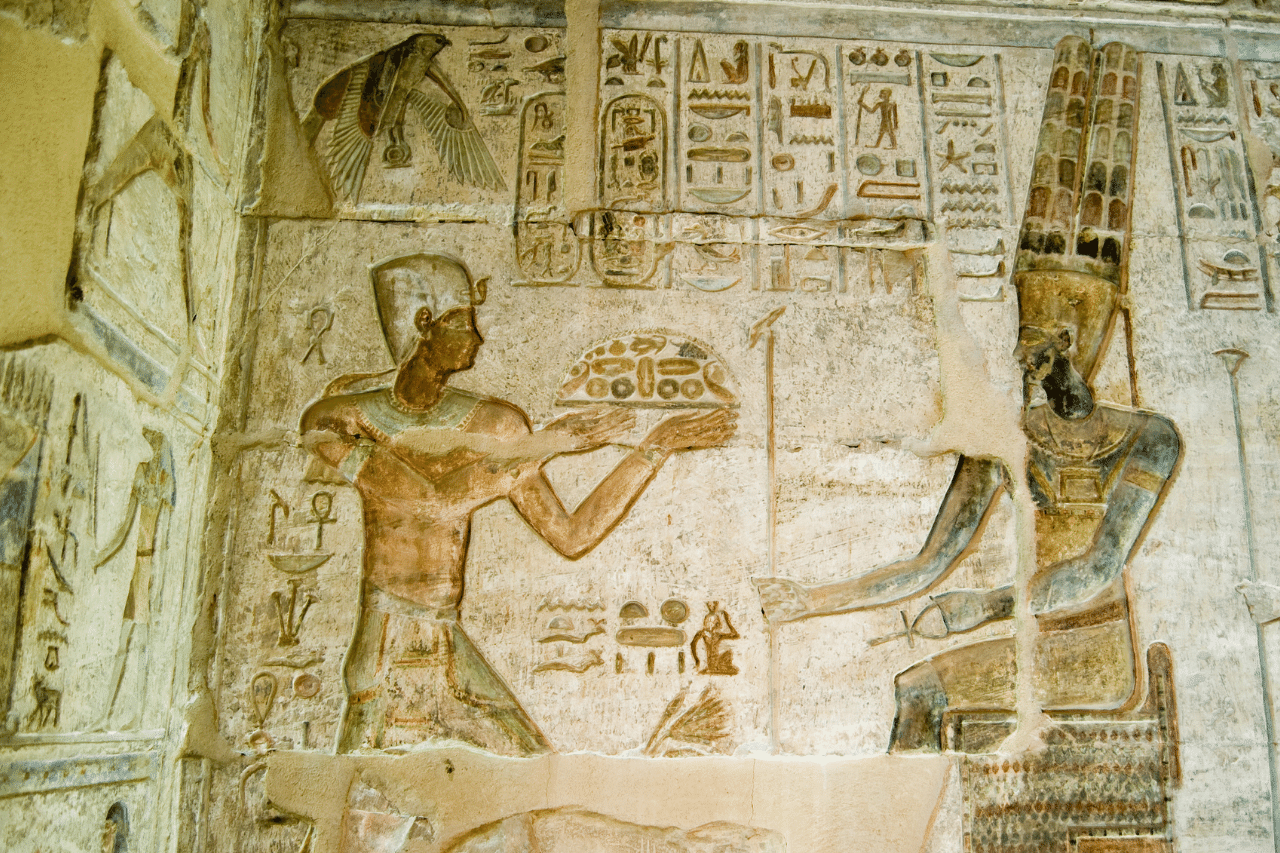
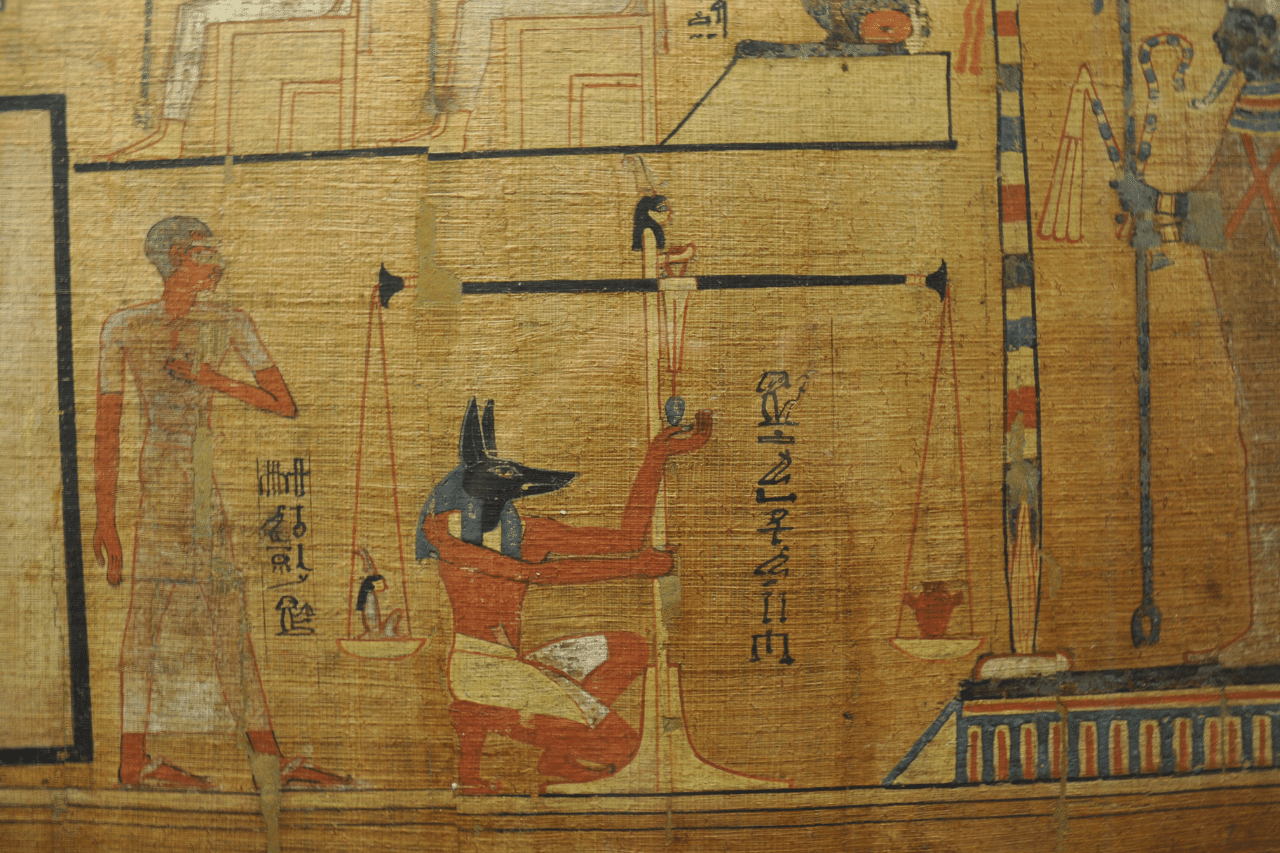
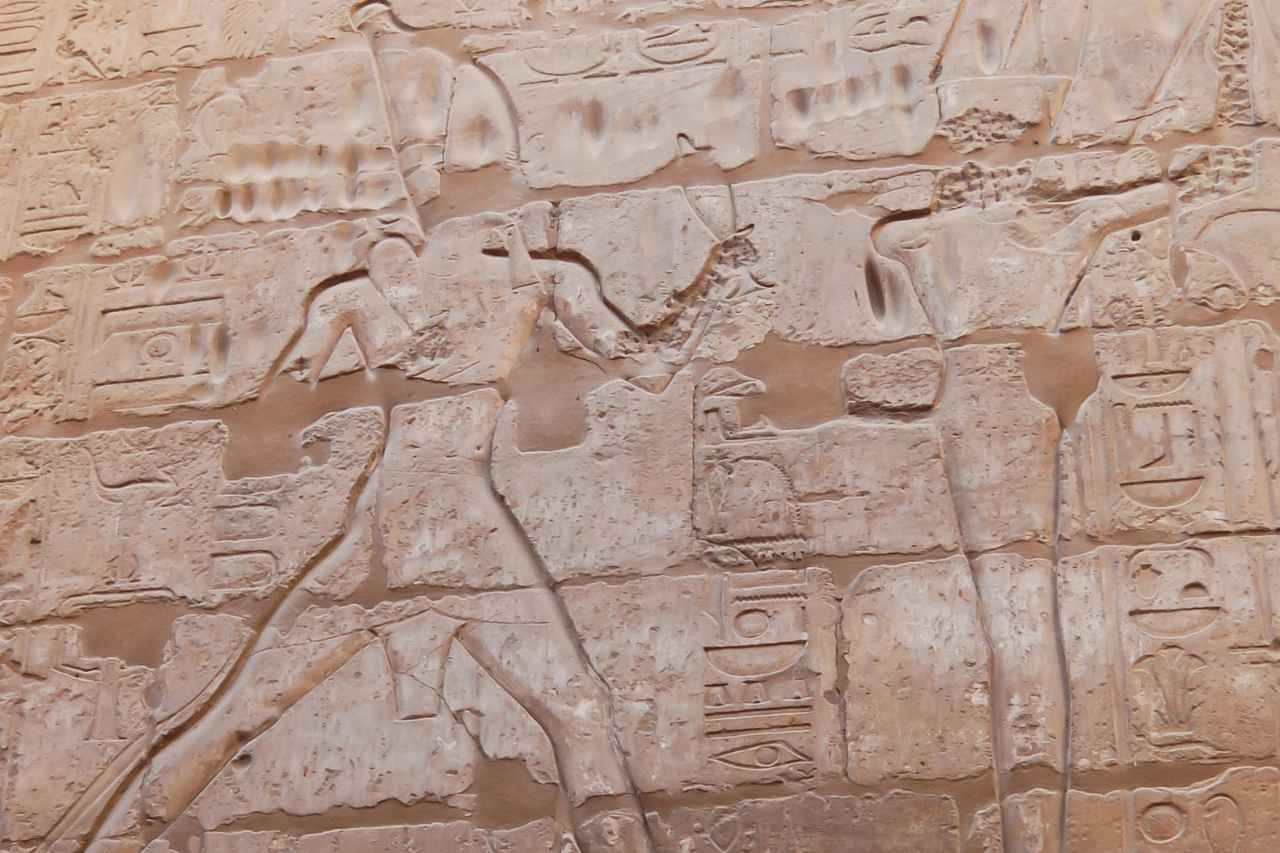
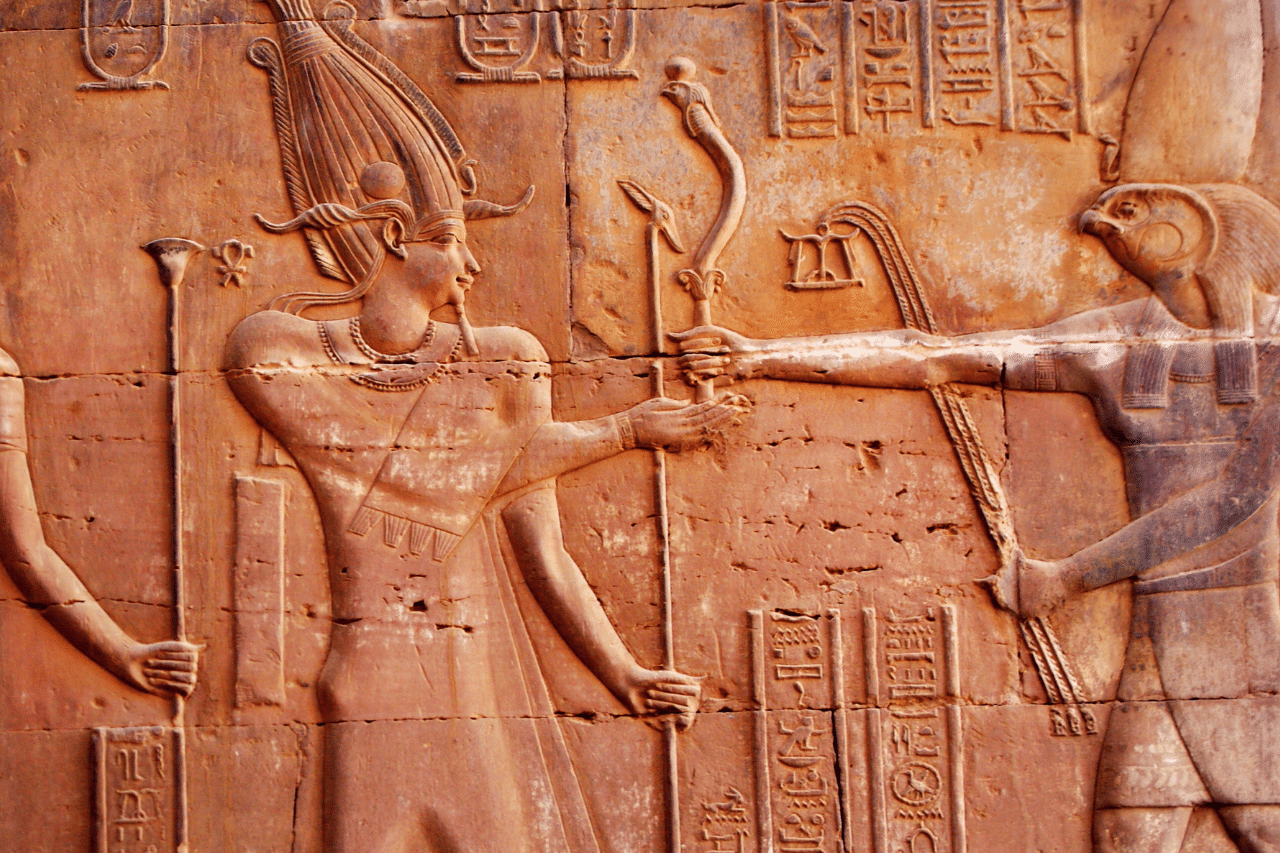
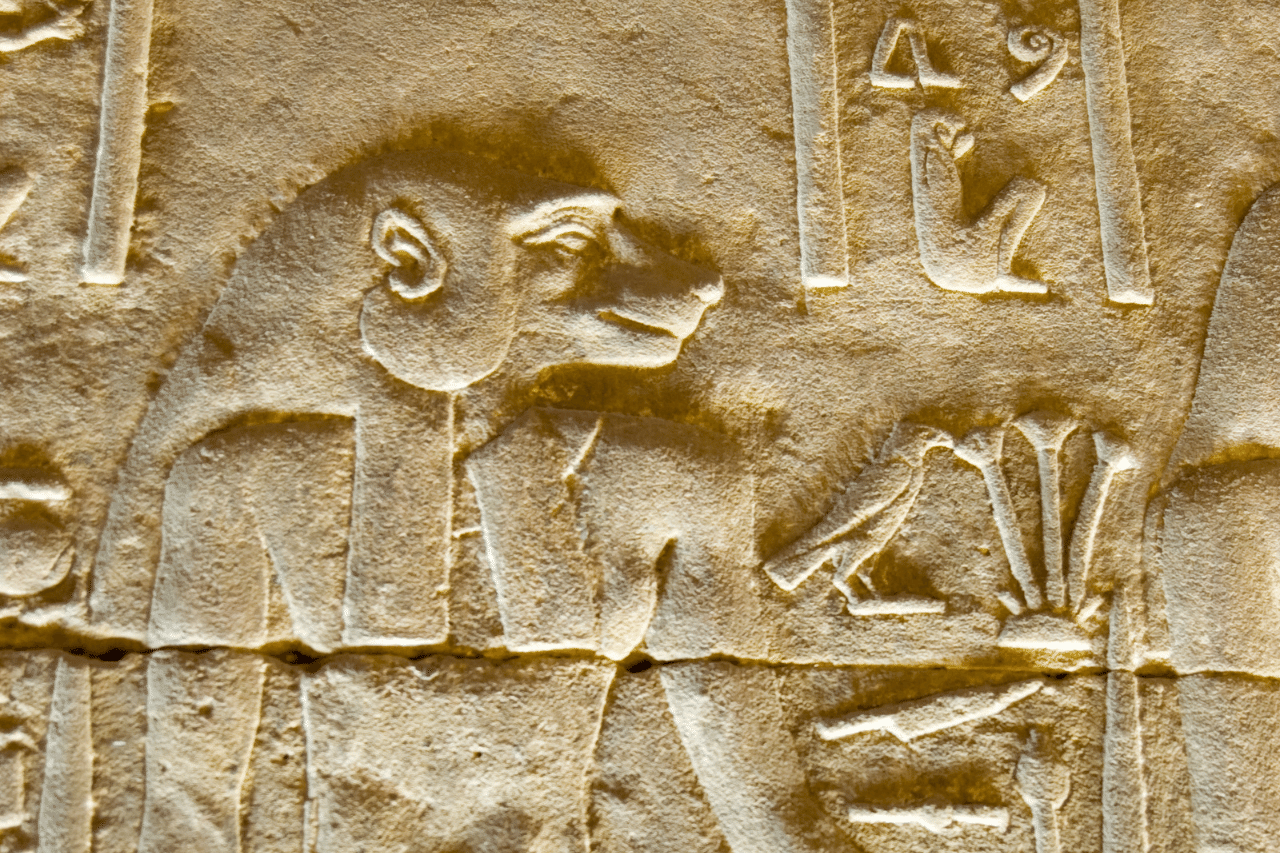
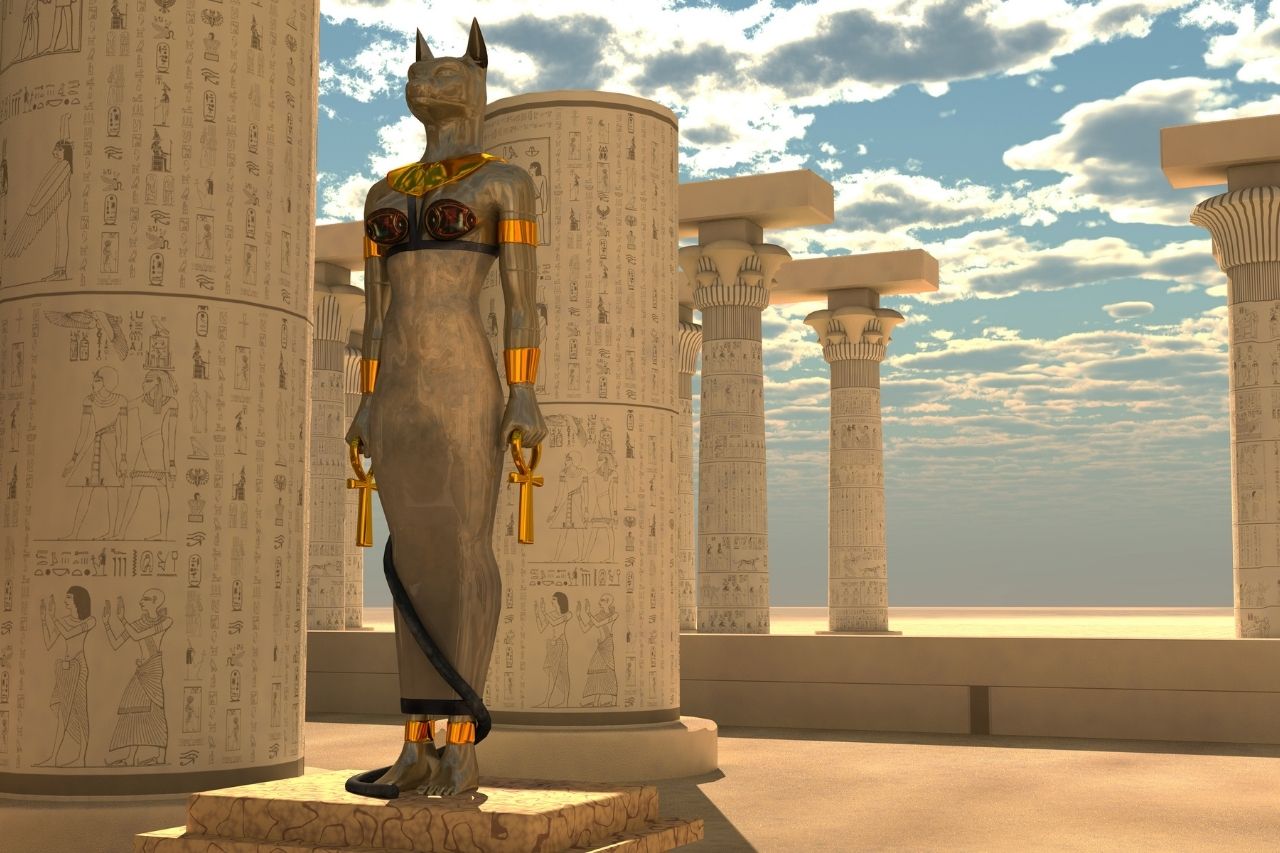
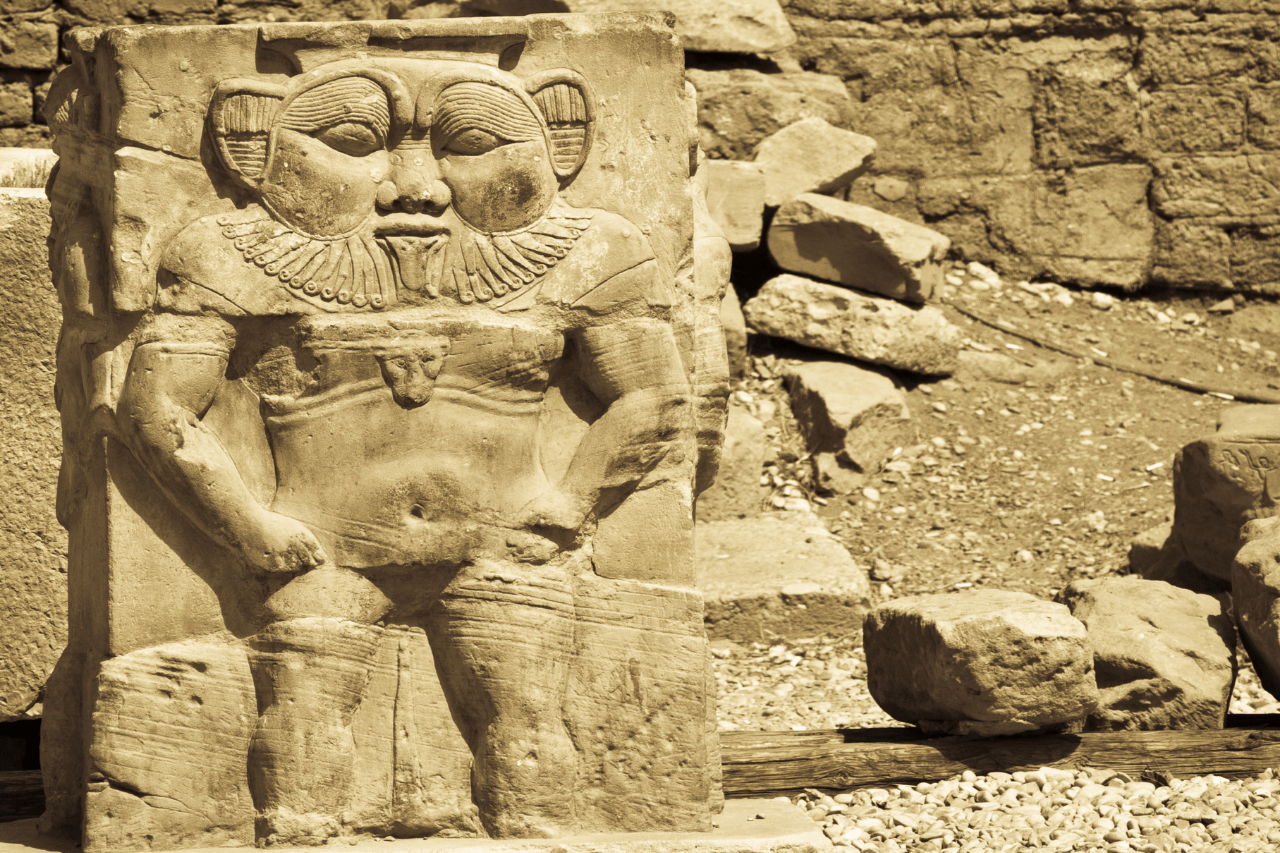
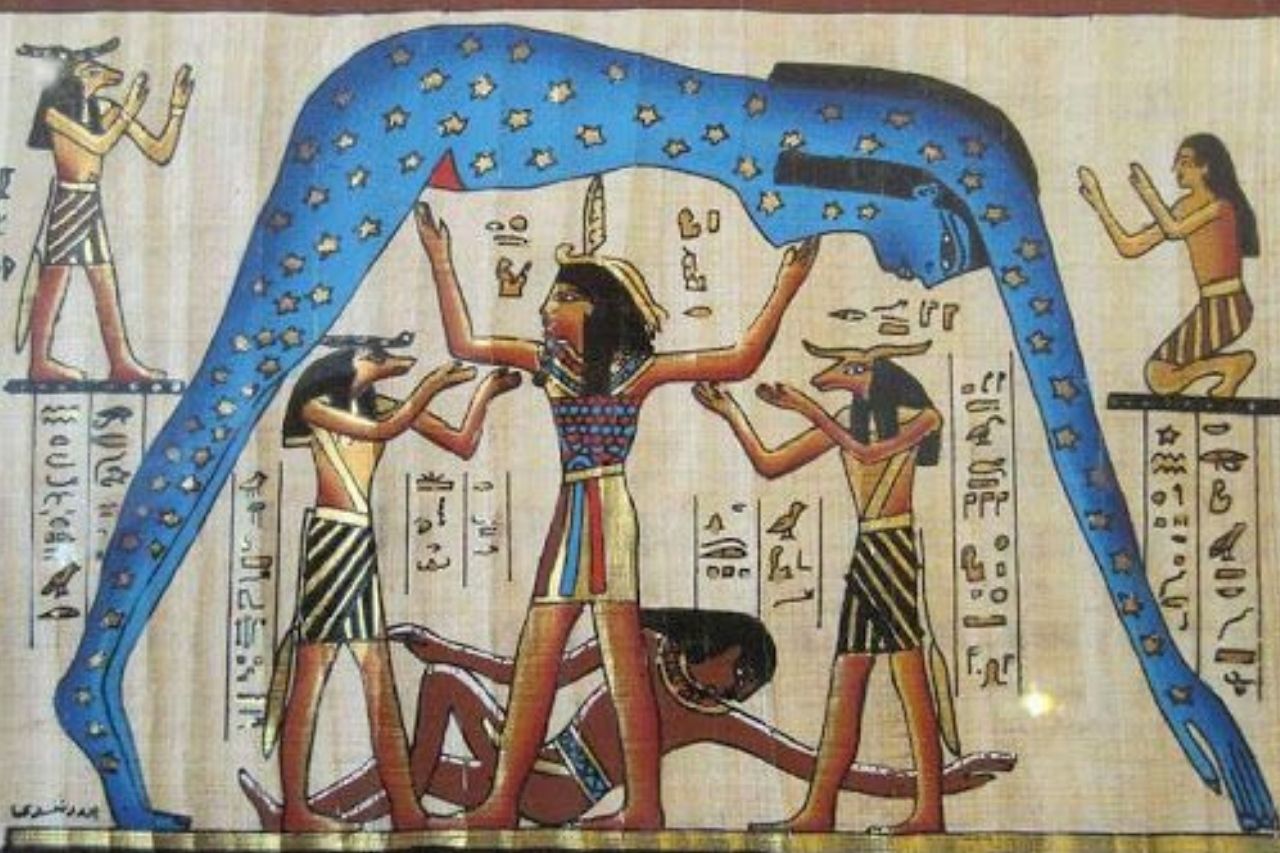
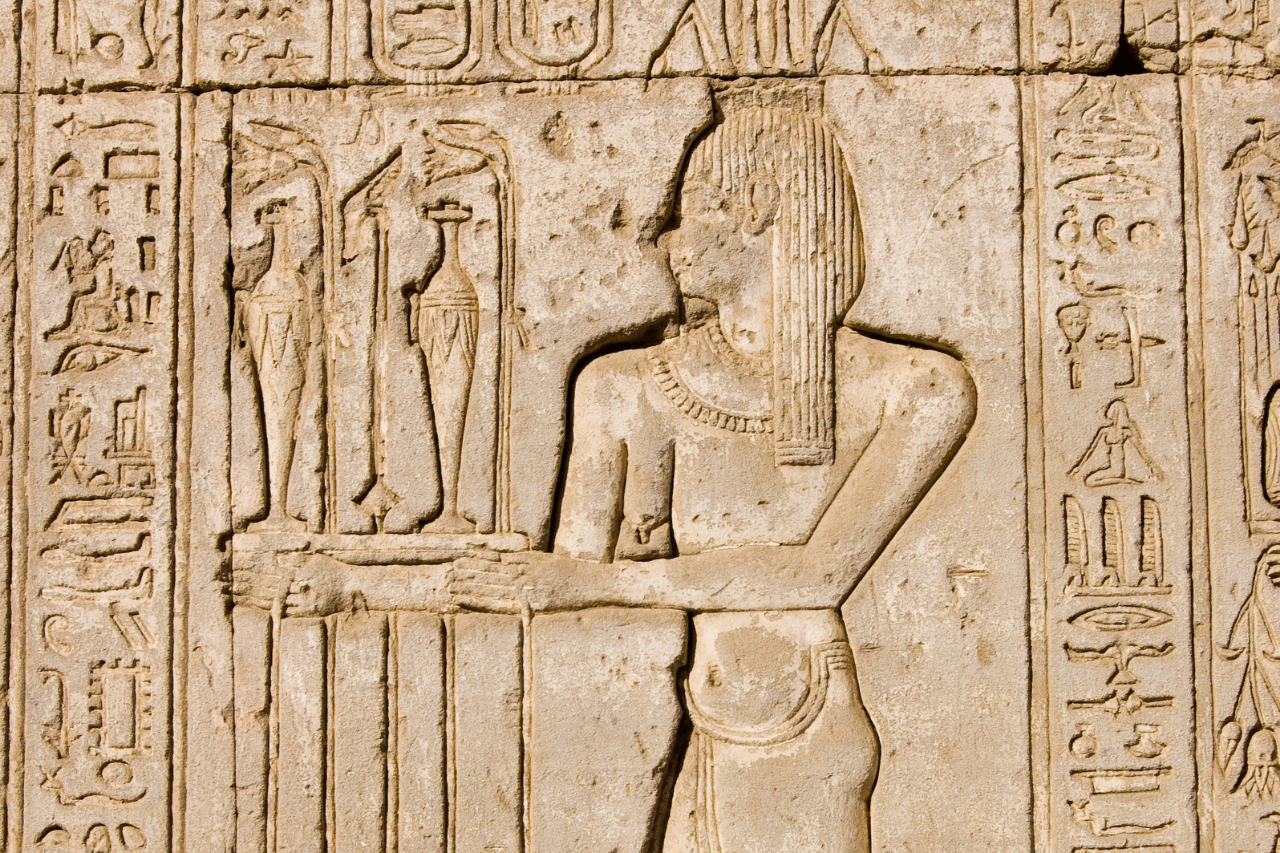
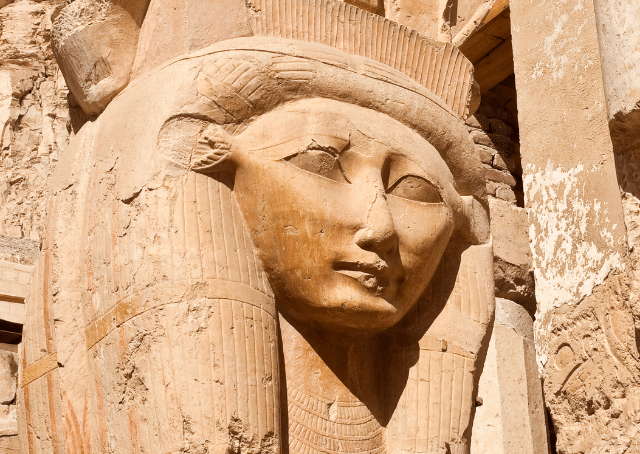
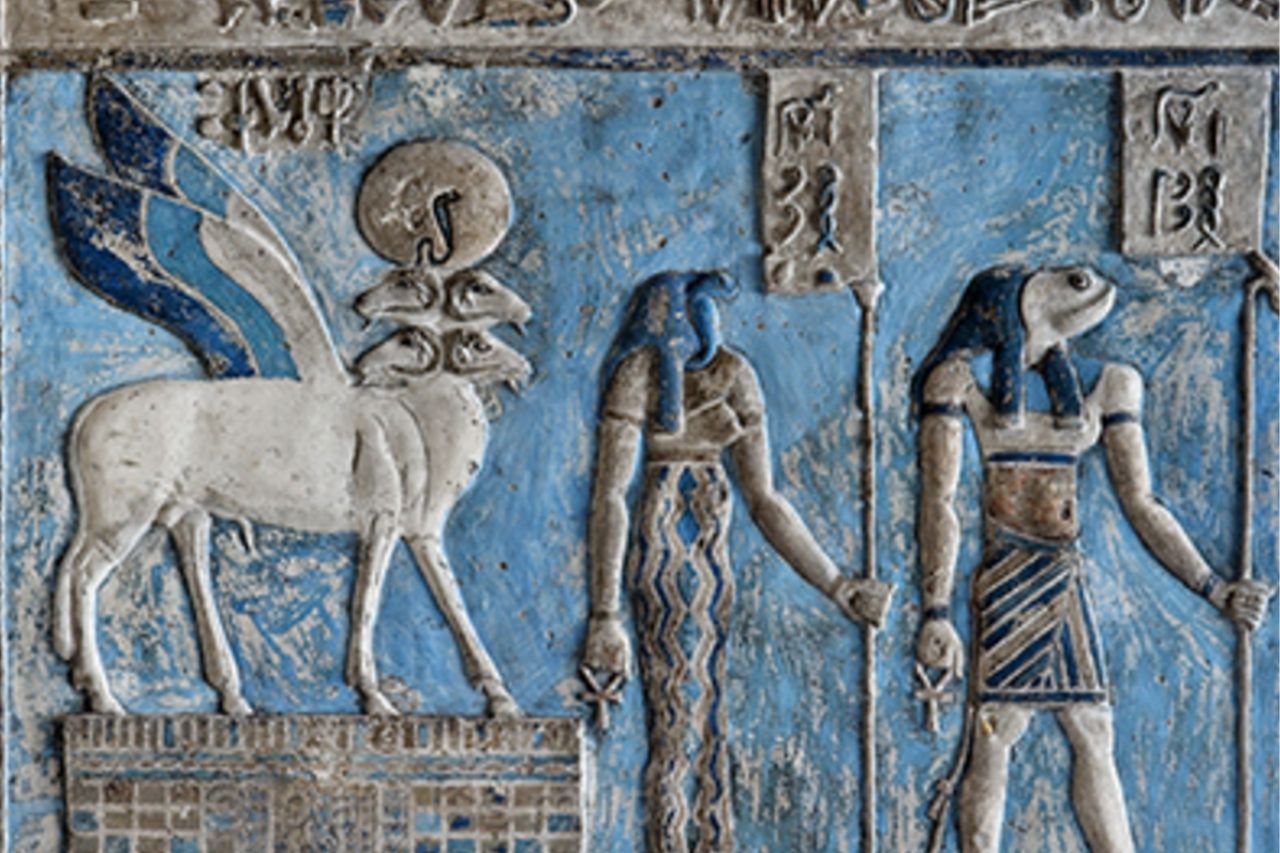
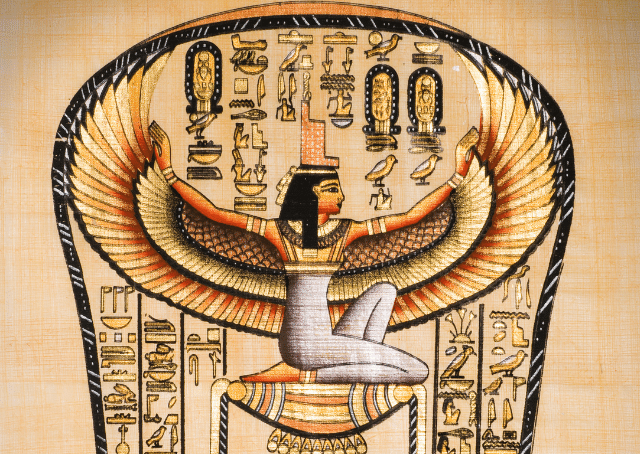
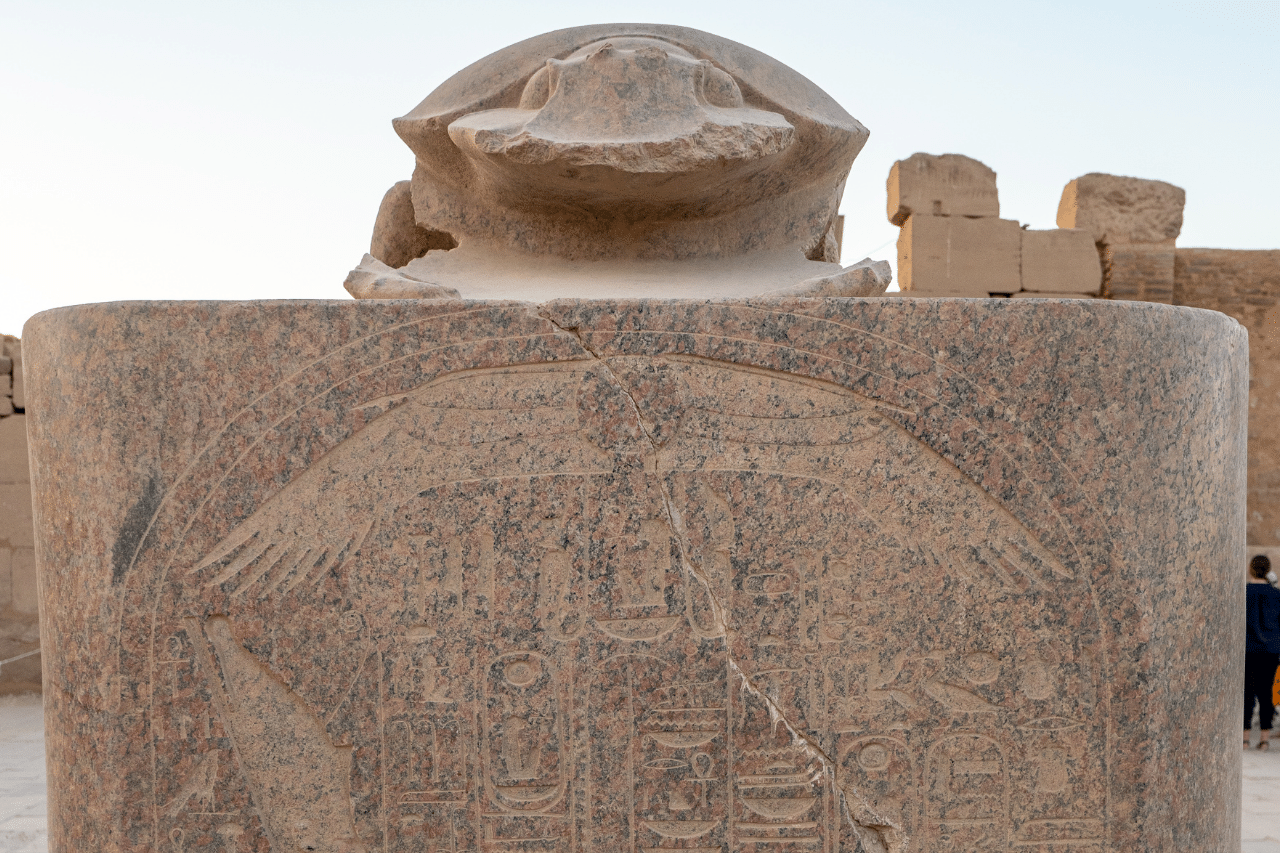
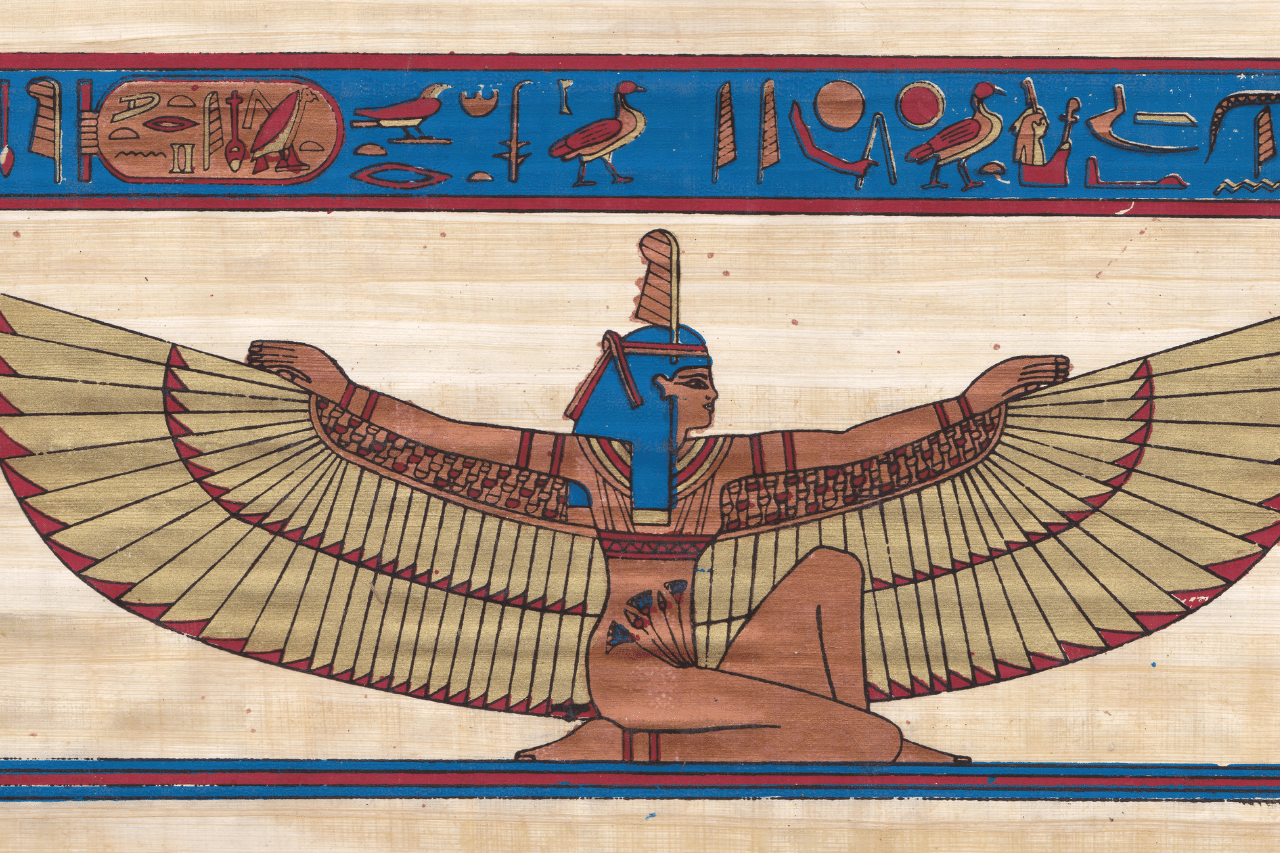
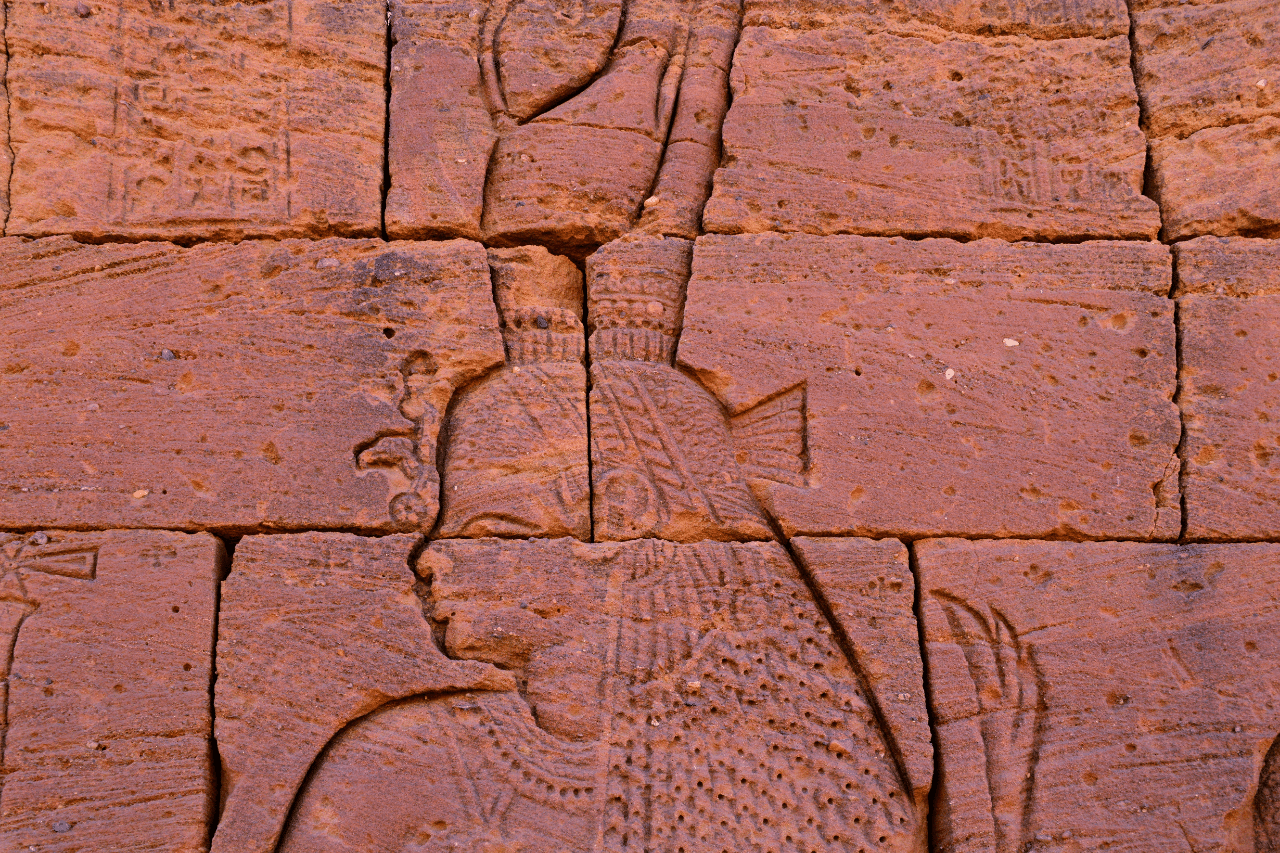
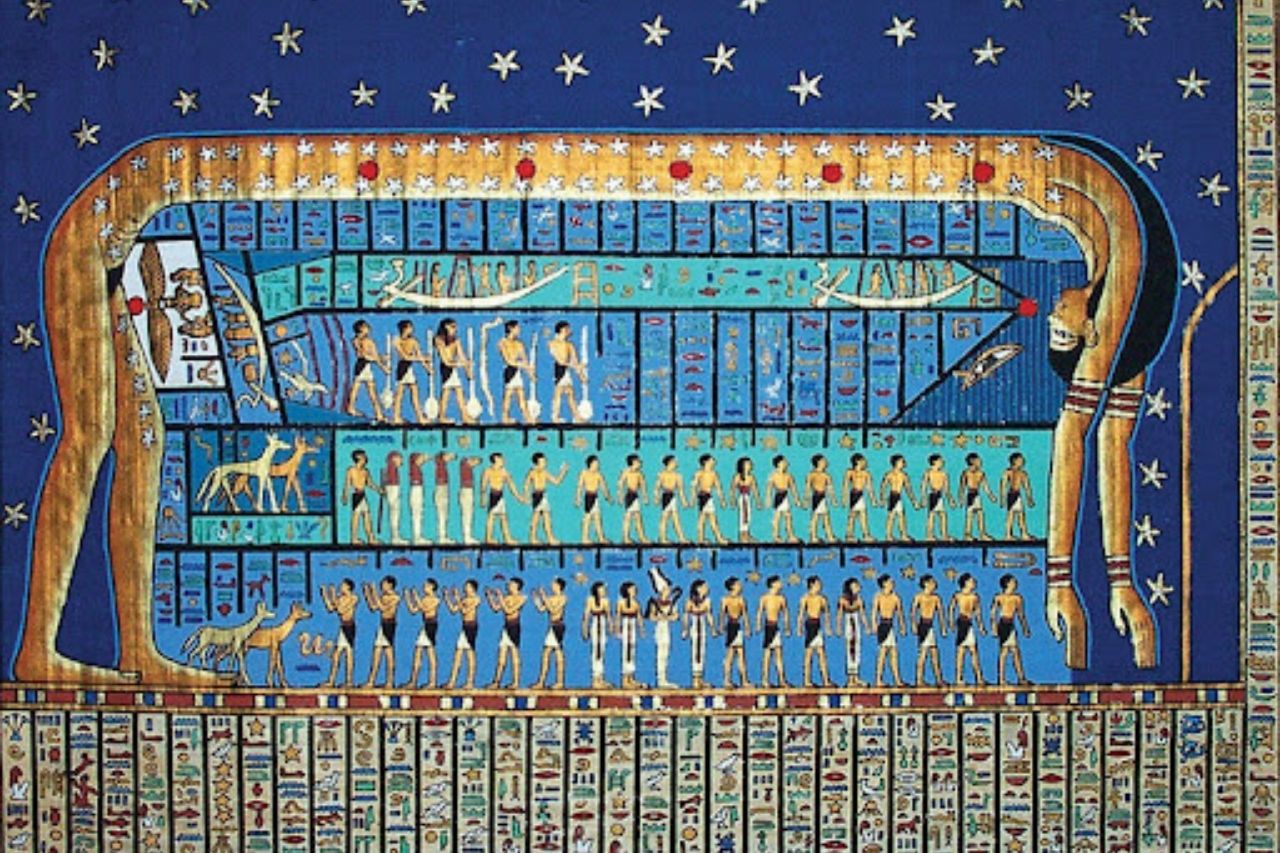
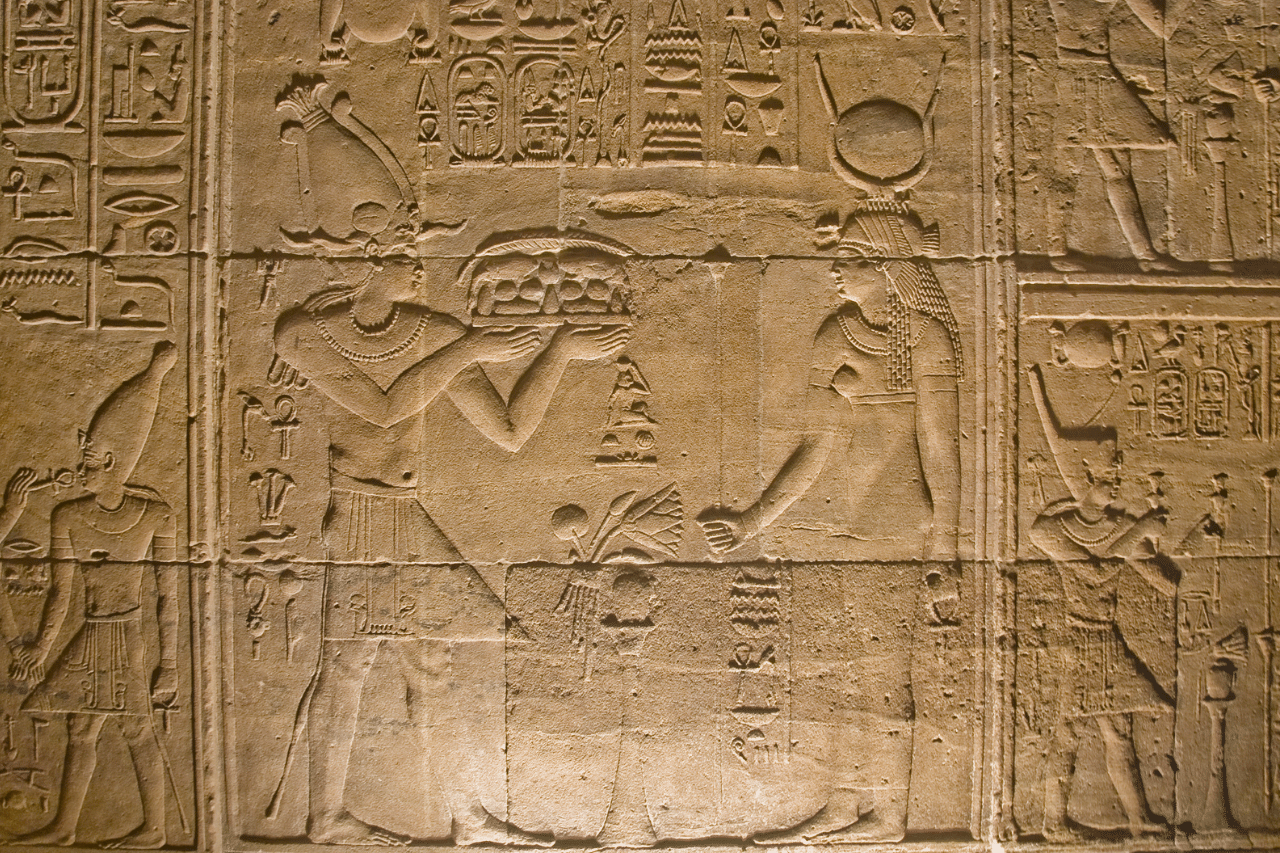
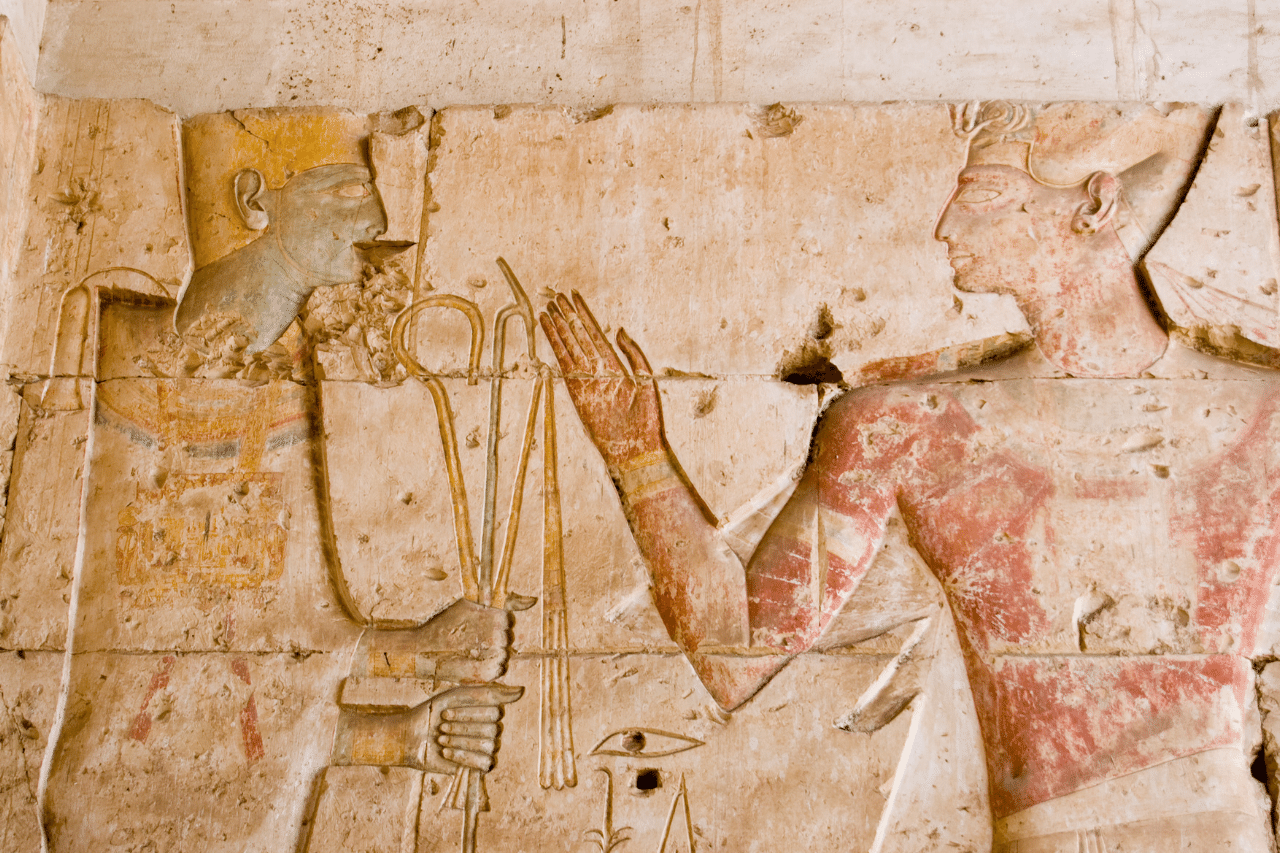
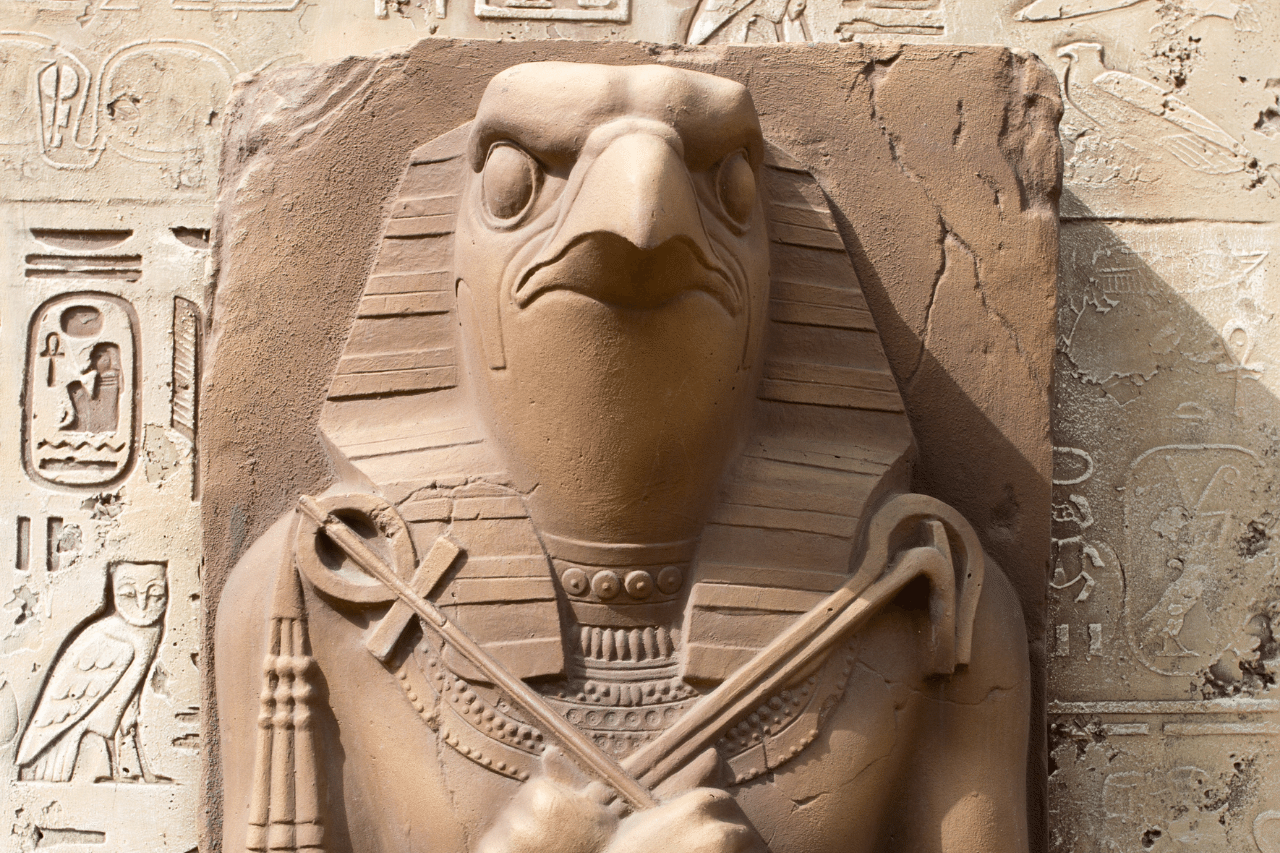
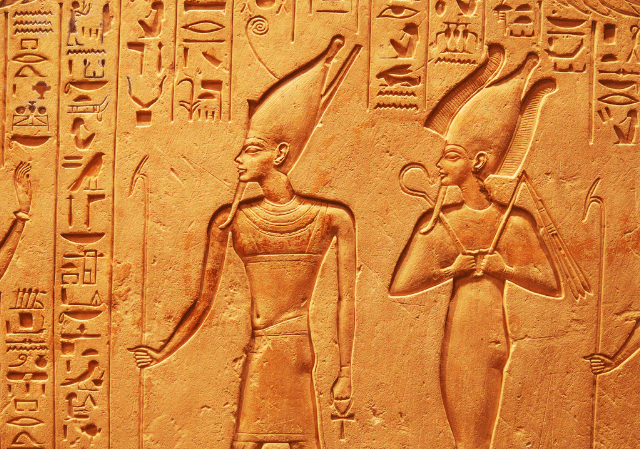
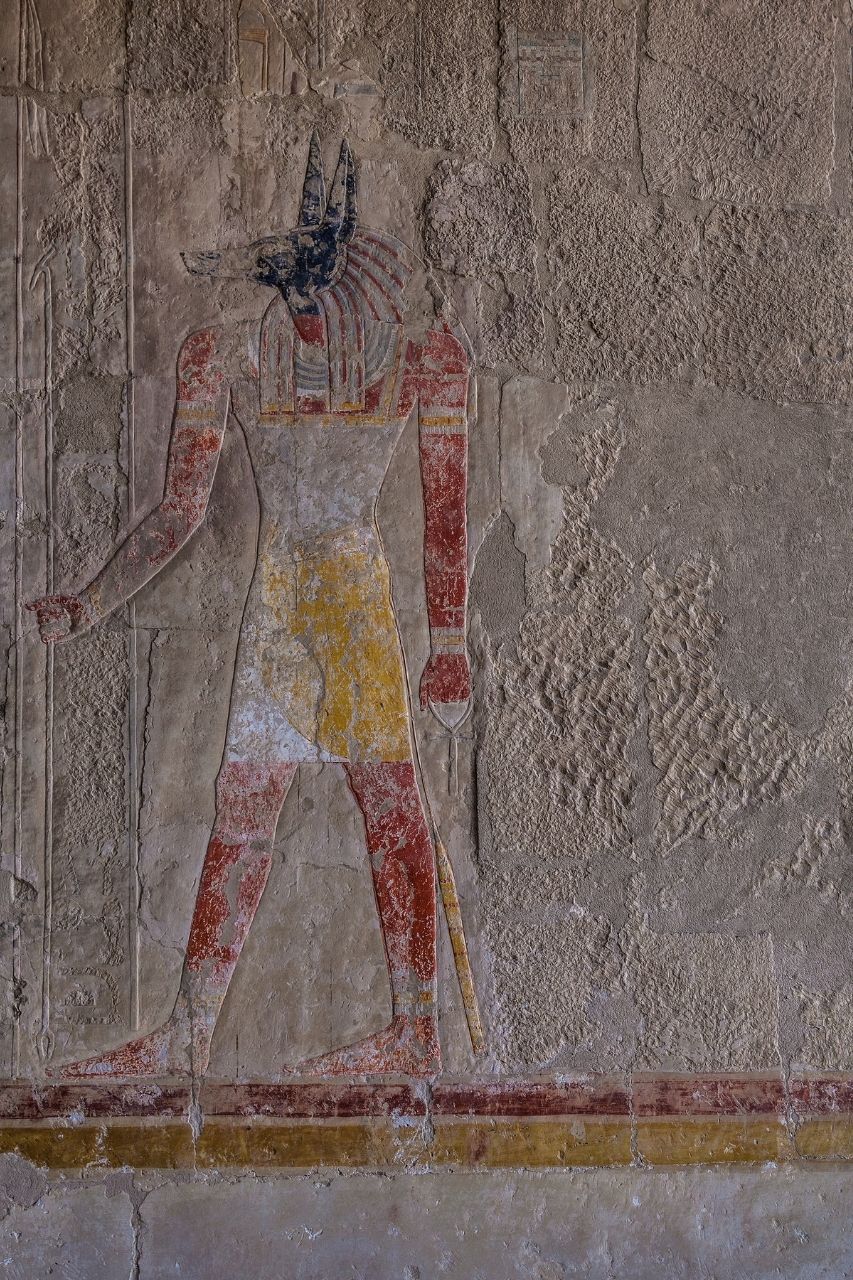
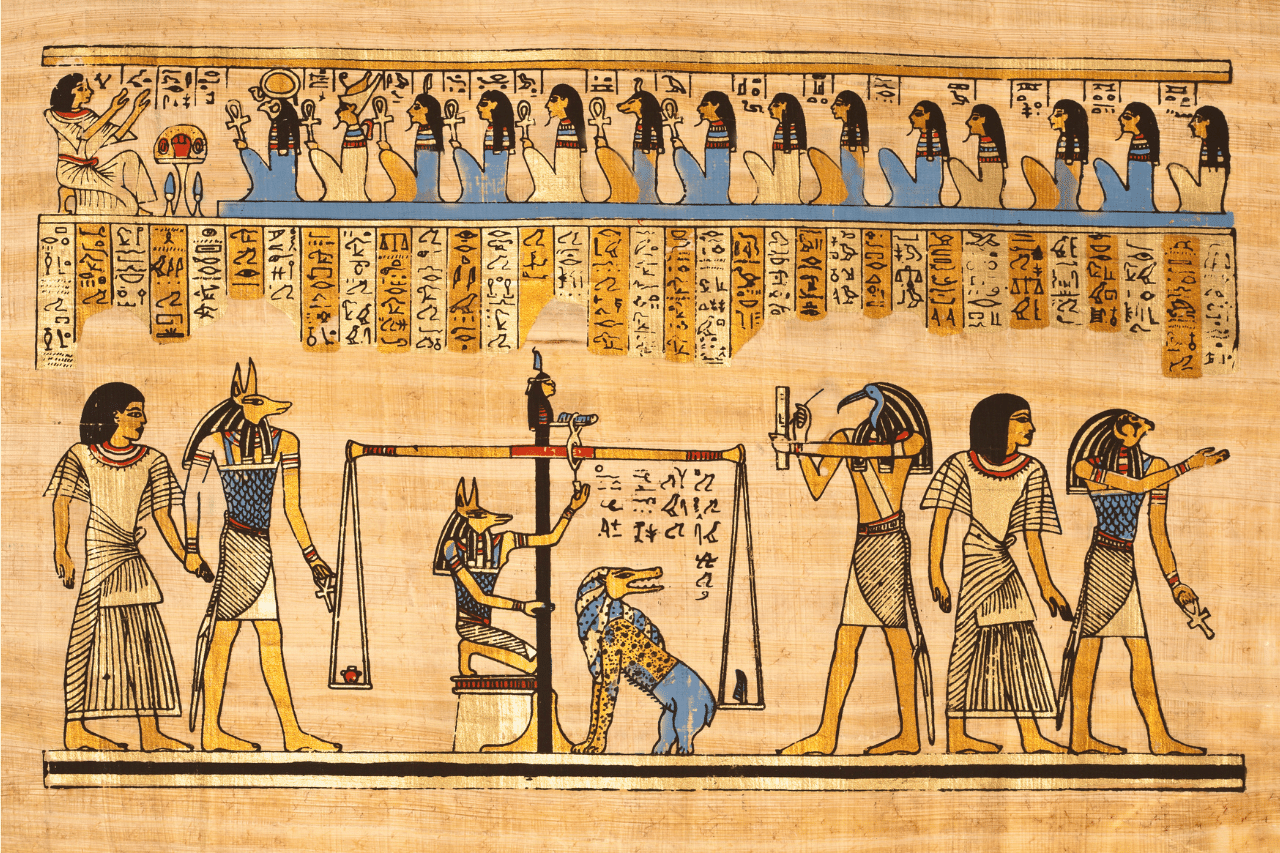
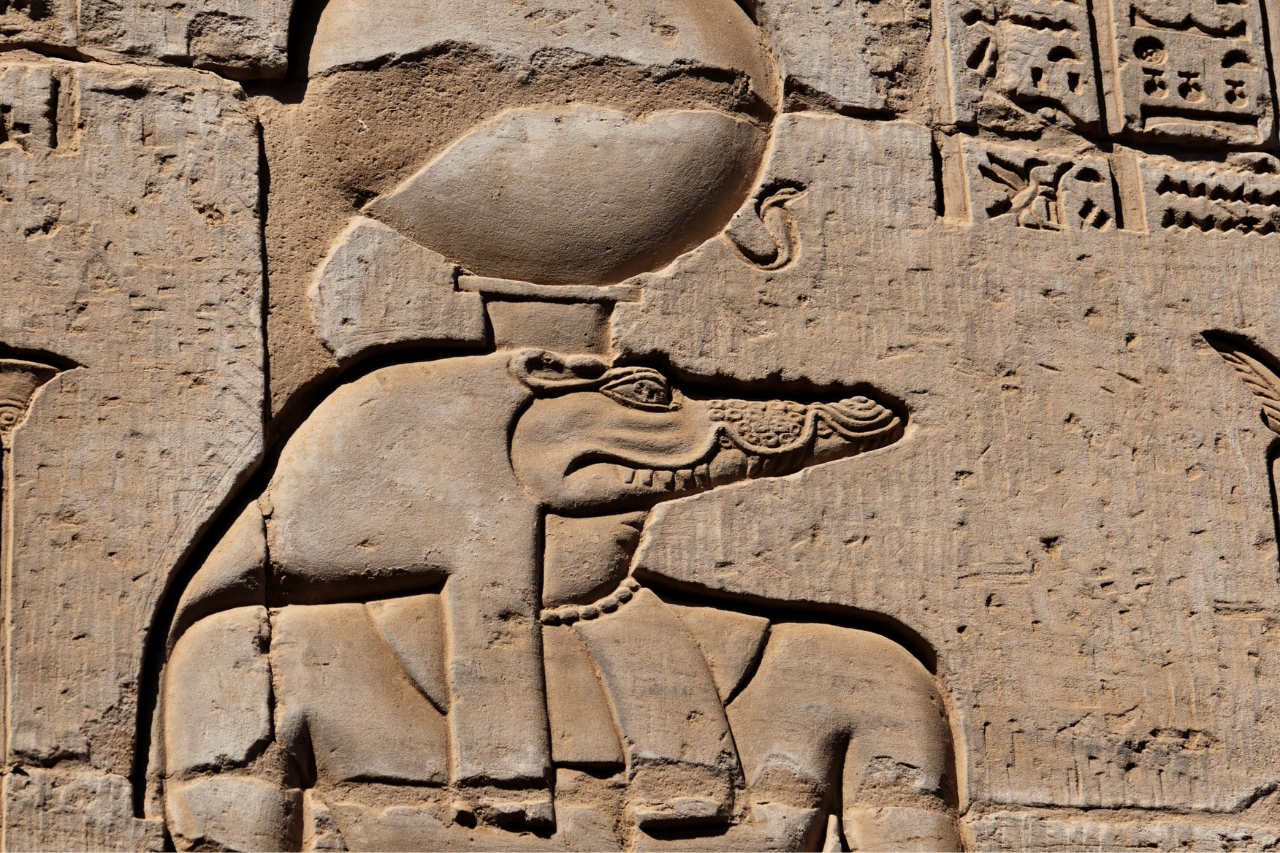
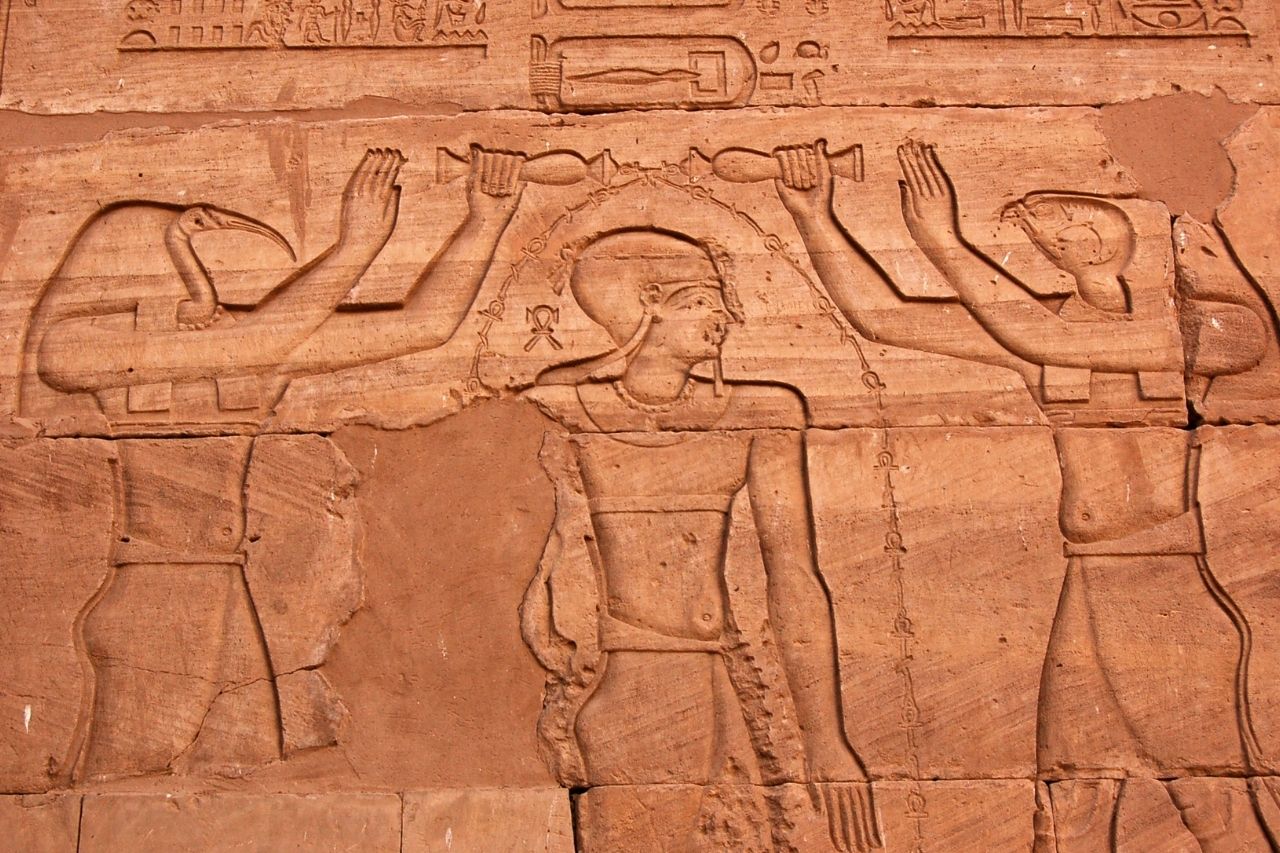
One would be hard-pressed to find someone who doesn’t know at least something about the Egyptian gods. Ancient Egypt became popular after archaeological findings between the late 1800s to the 1920s. The Ancient Egyptians used their mythology and gods to explain the natural phenomenon so that humans could understand. Their gods performed roles and were revered for the specific role they played in the world.

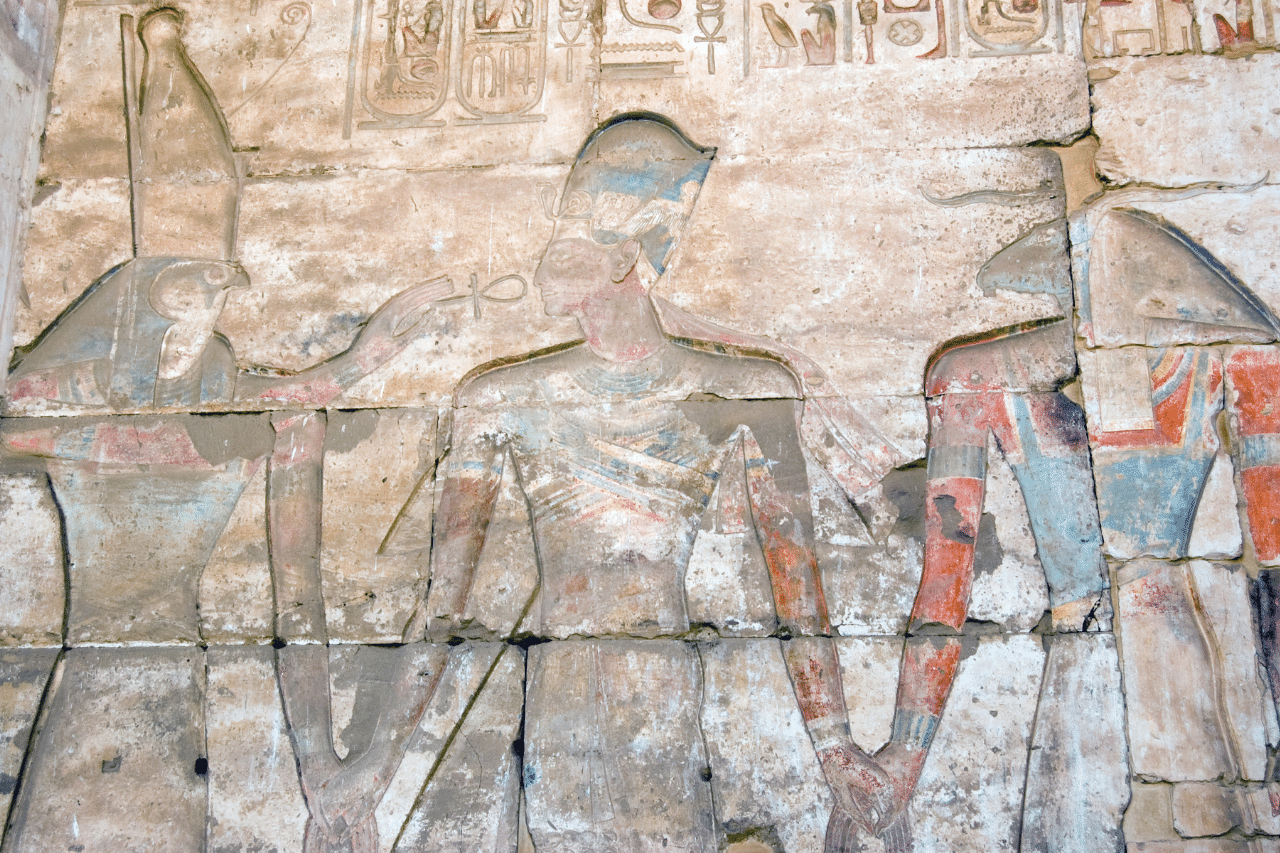
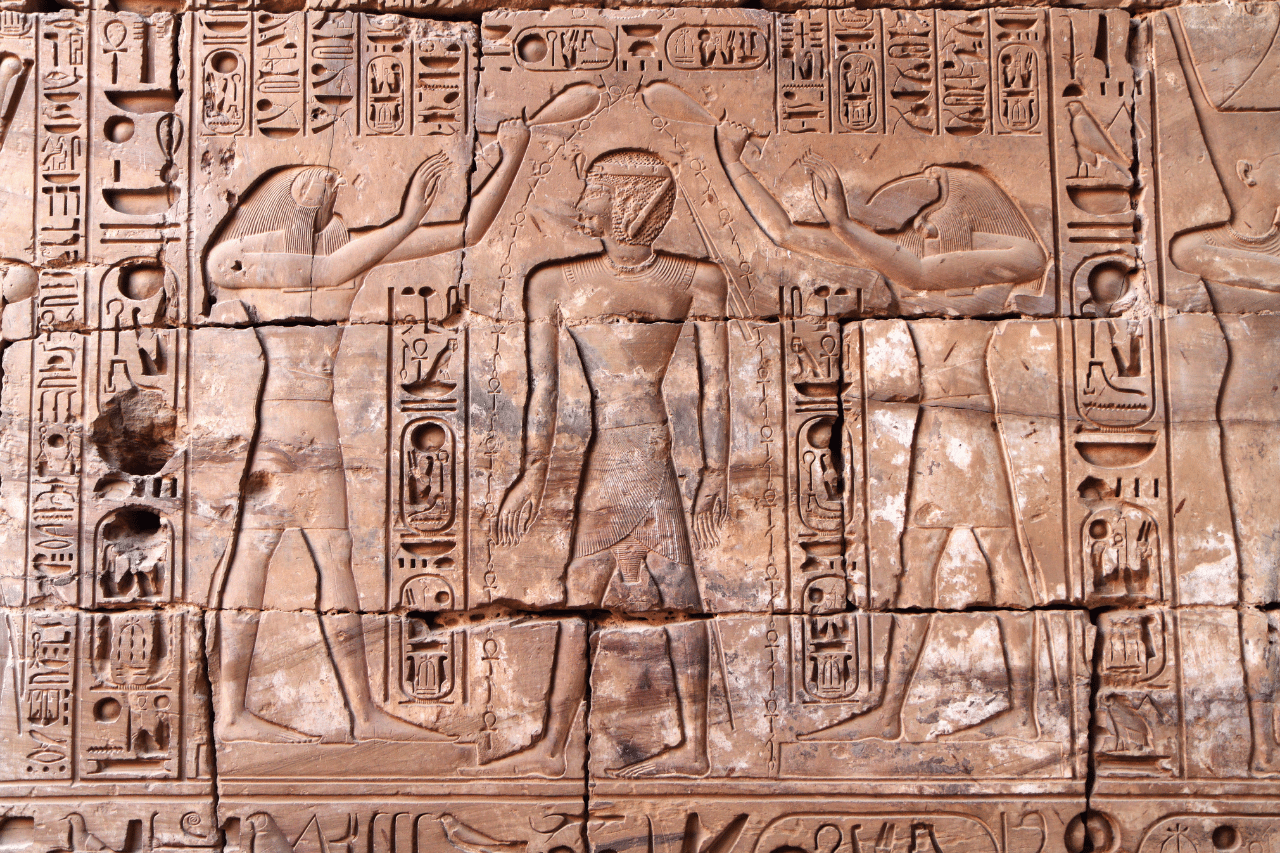
They believed their leaders or pharaohs were given the divine right to rule from the gods and so could be accepted as true leaders. Many of their rituals are associated with death and the afterlife. They believed that the invocation of the gods was the key to a peaceful afterlife. Gods in the Egyptian pantheon included names such as Ra, Osiris, Horus, and Anubis.
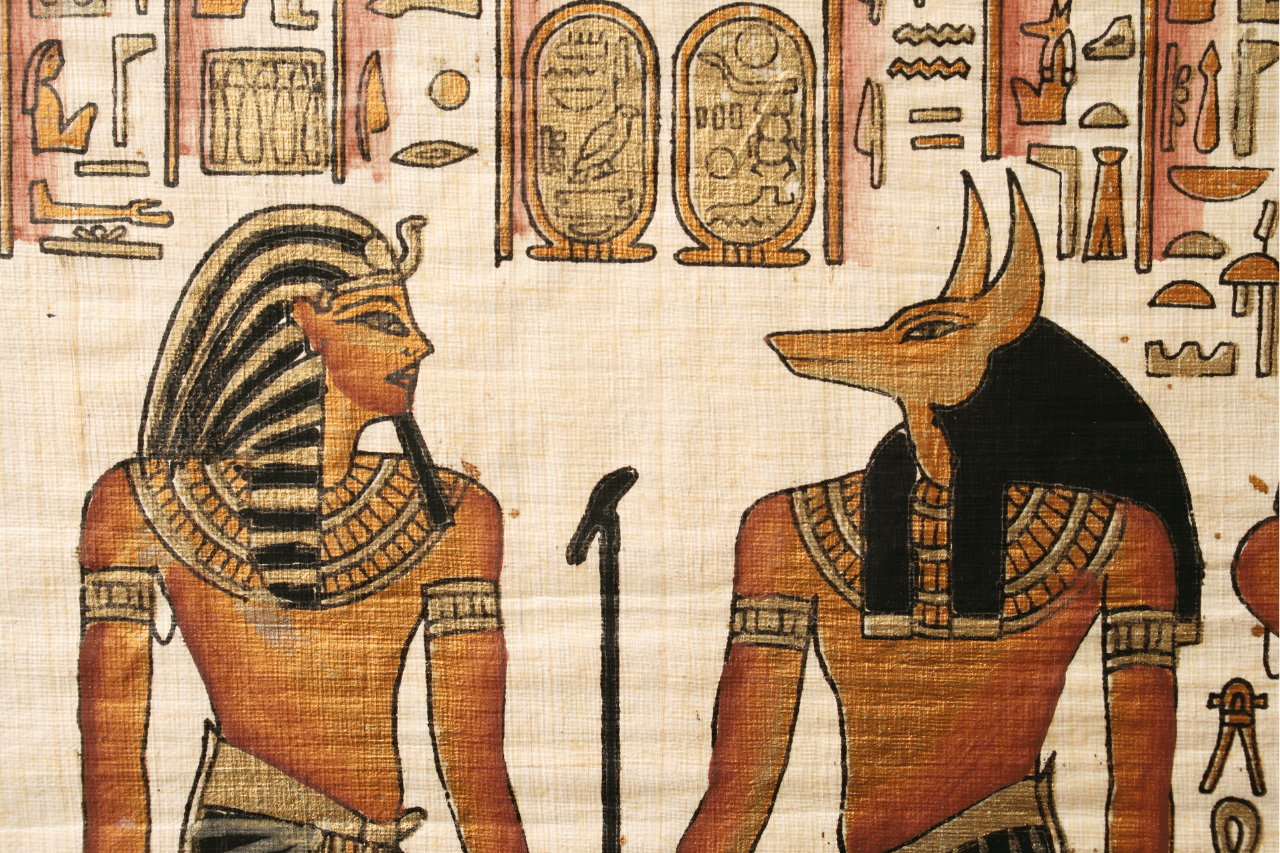
All Egyptian Gods

All Egyptian Gods

Amun

Amun

Anubis

Anubis

Aten

Aten

Atum

Atum

Babi

Babi

Bastet

Bastet

Bes

Bes

Geb

Geb

Hapi

Hapi

Hathor

Hathor

Heqet

Heqet

Horus

Horus

Isis

Isis

Khepri

Khepri

Khnum

Khnum

Khonsu

Khonsu

Maat

Maat

Nephthys

Nephthys

Nut

Nut

Osiris

Osiris

Ptah

Ptah

Ra

Ra

Seshat

Seshat

Seth

Seth

Shu

Shu

Sobek

Sobek

Thoth

Thoth

Japanese Gods

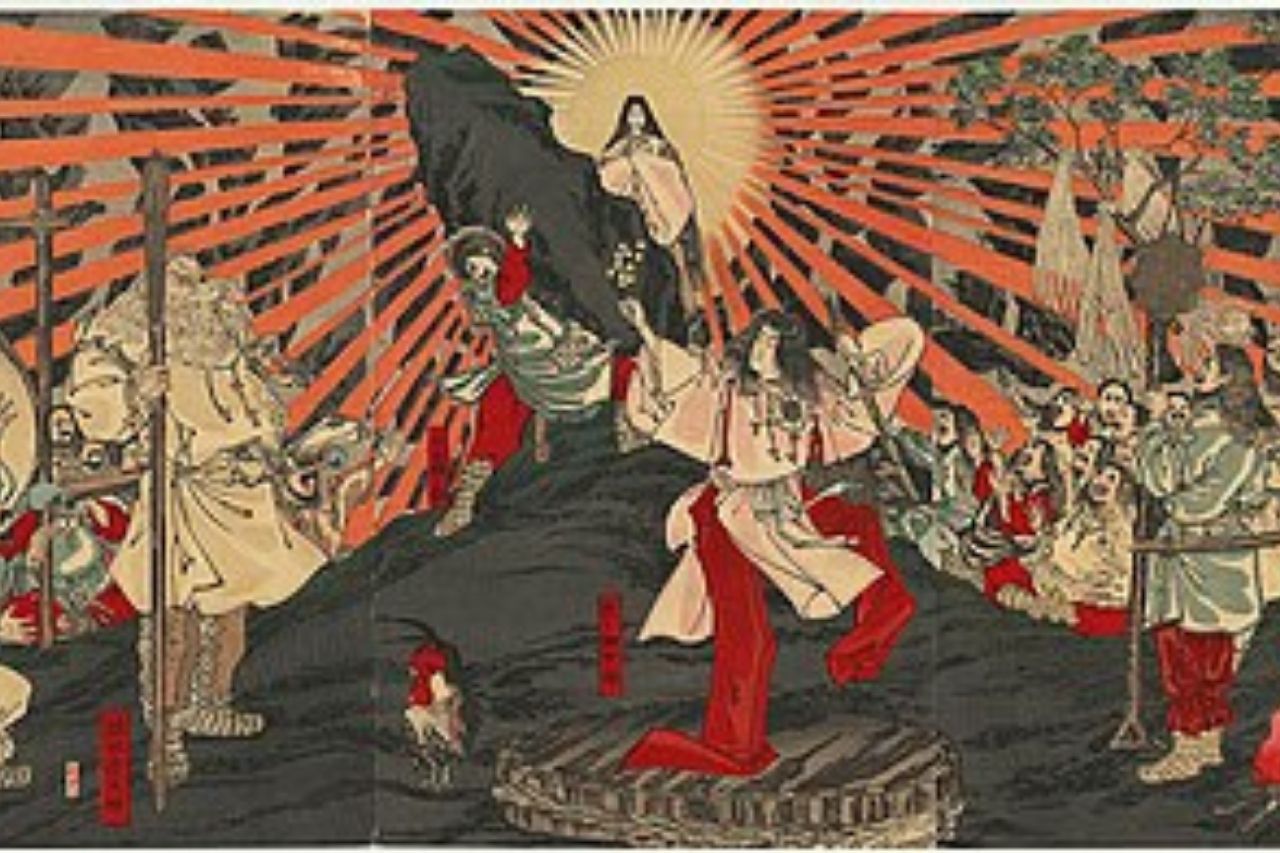
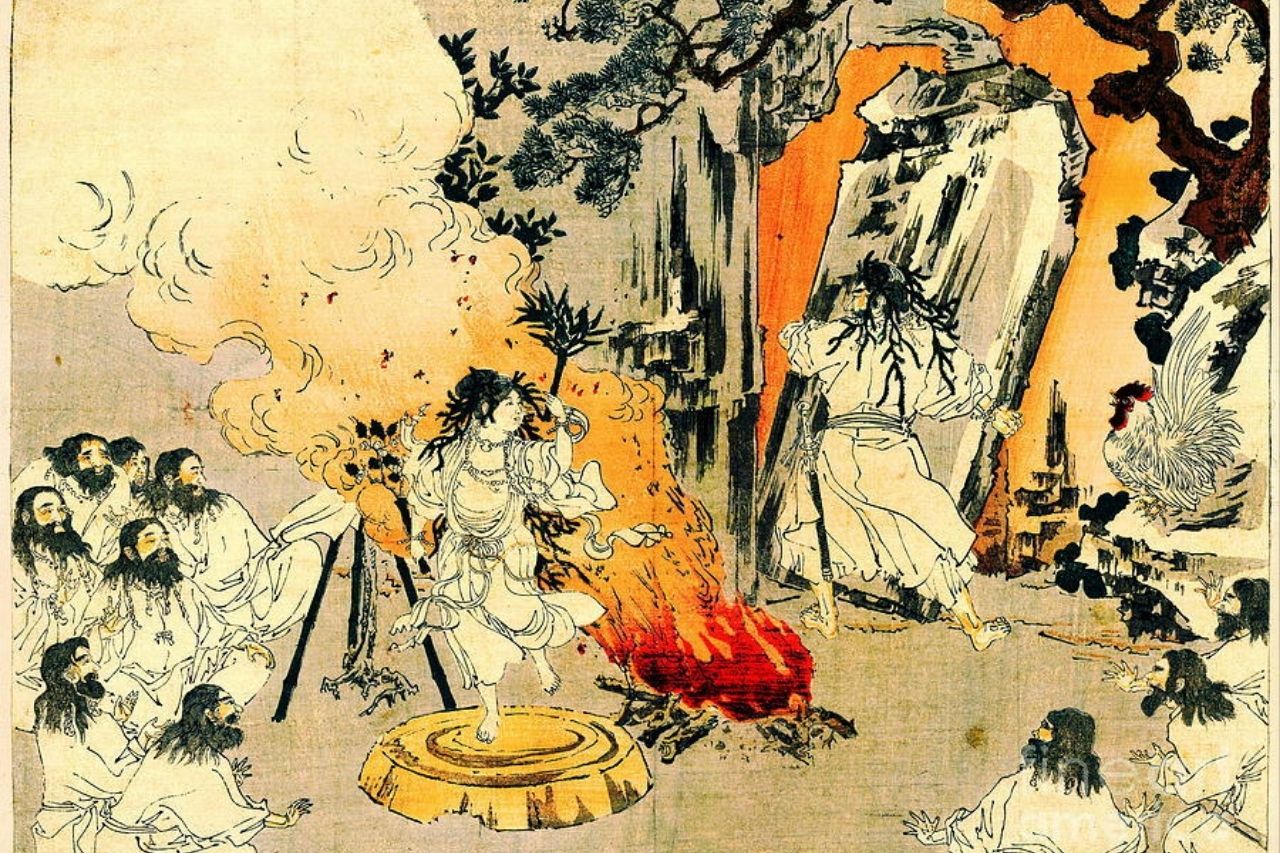
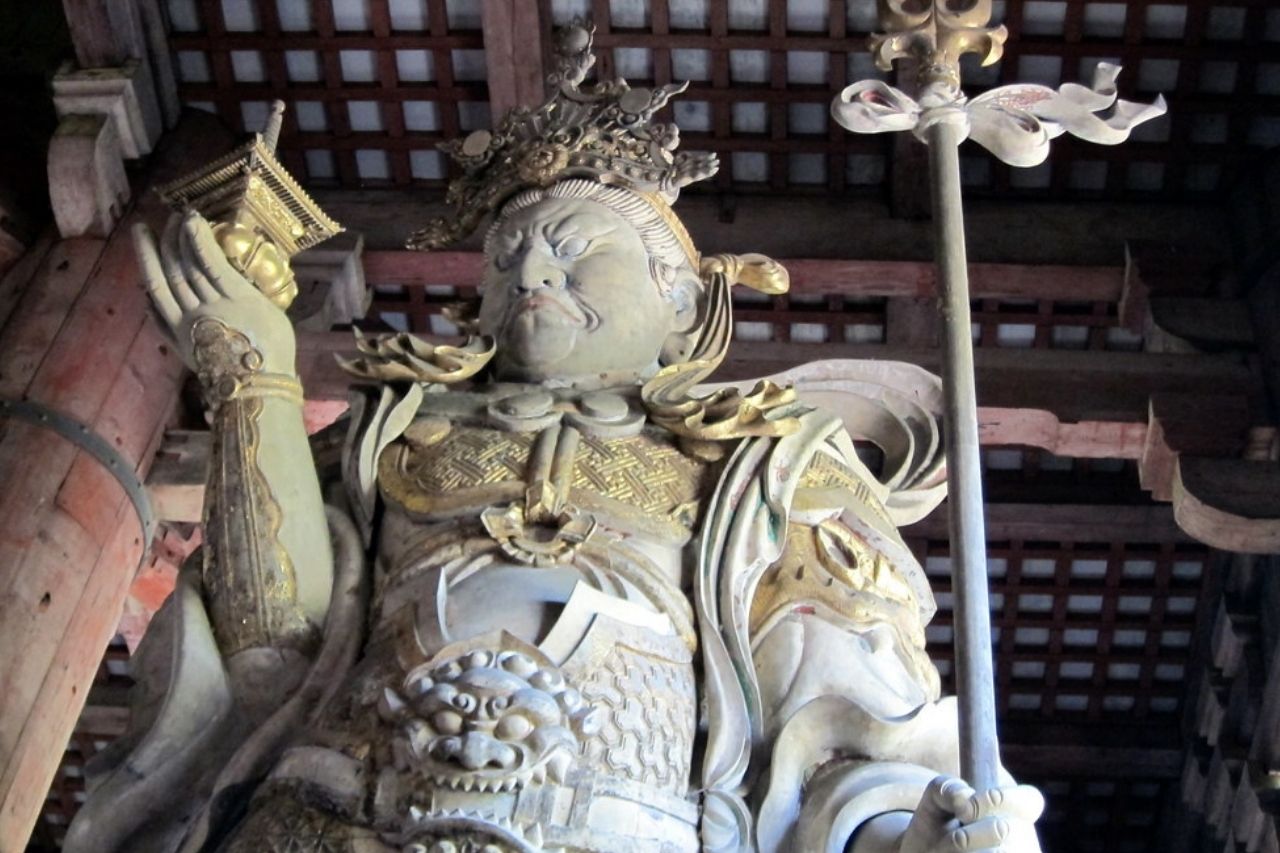
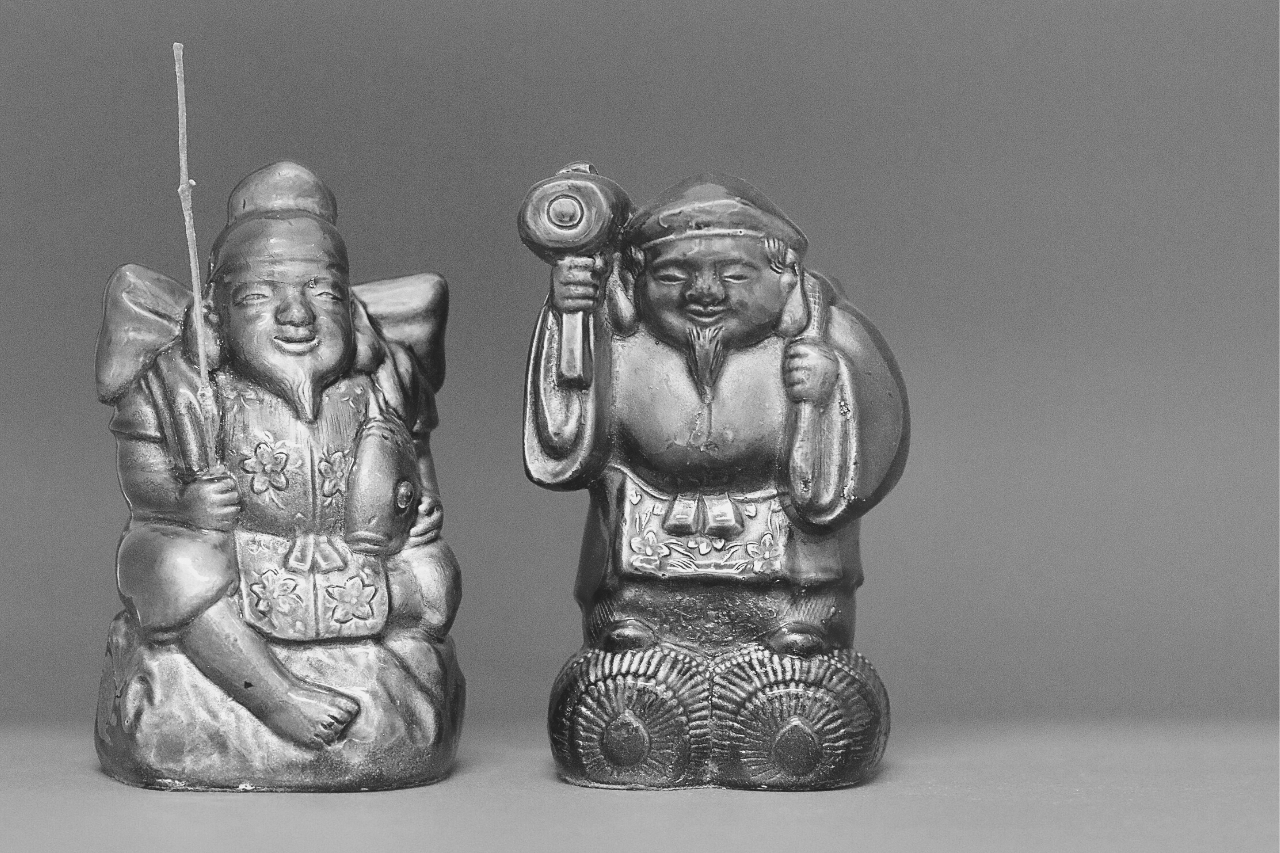
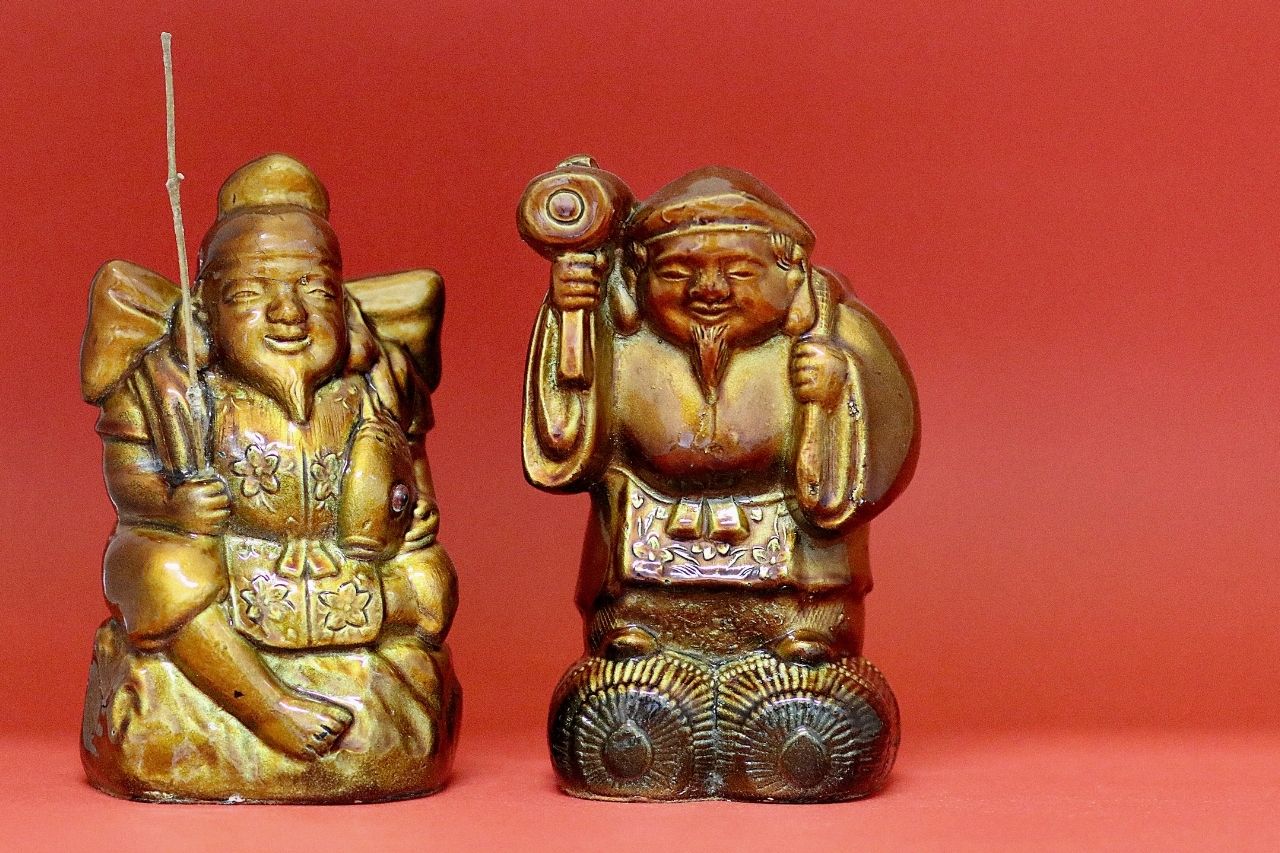
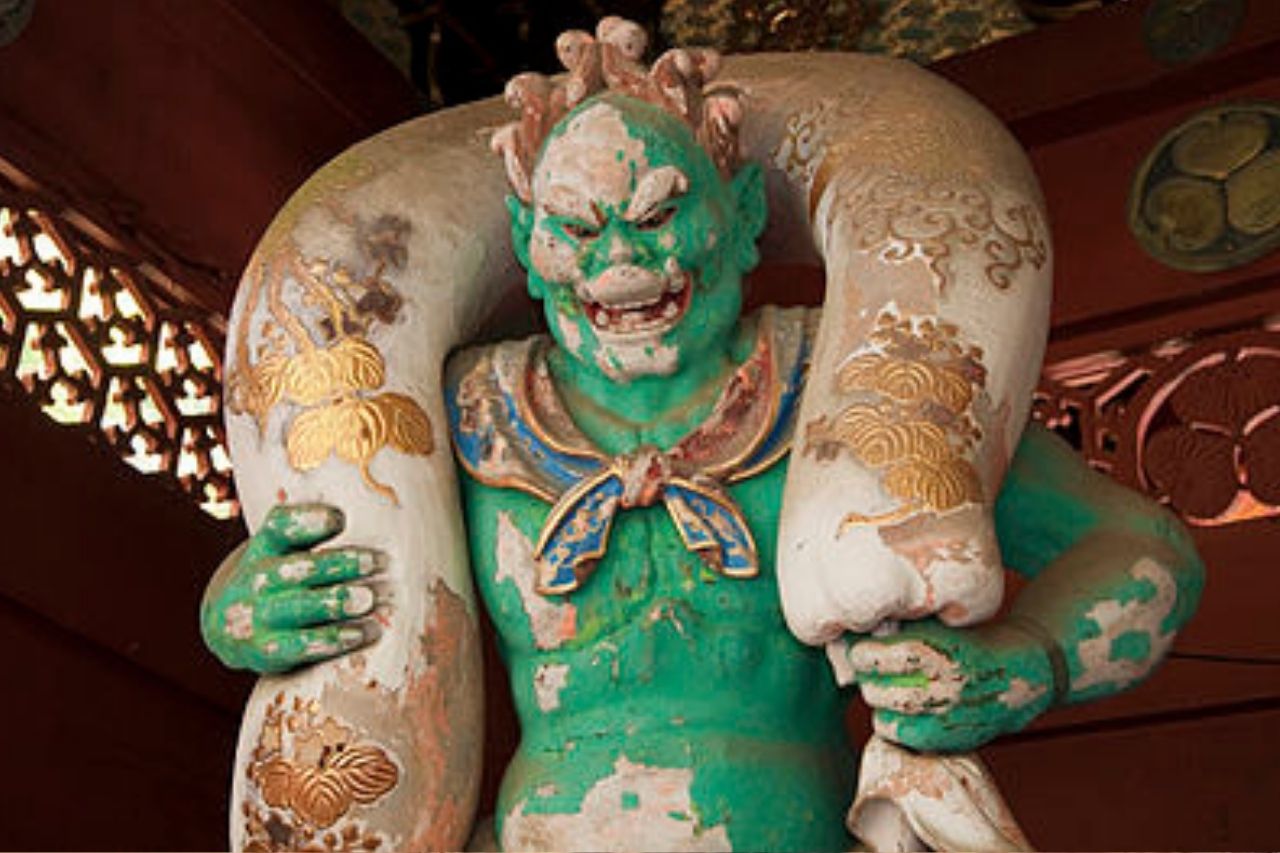
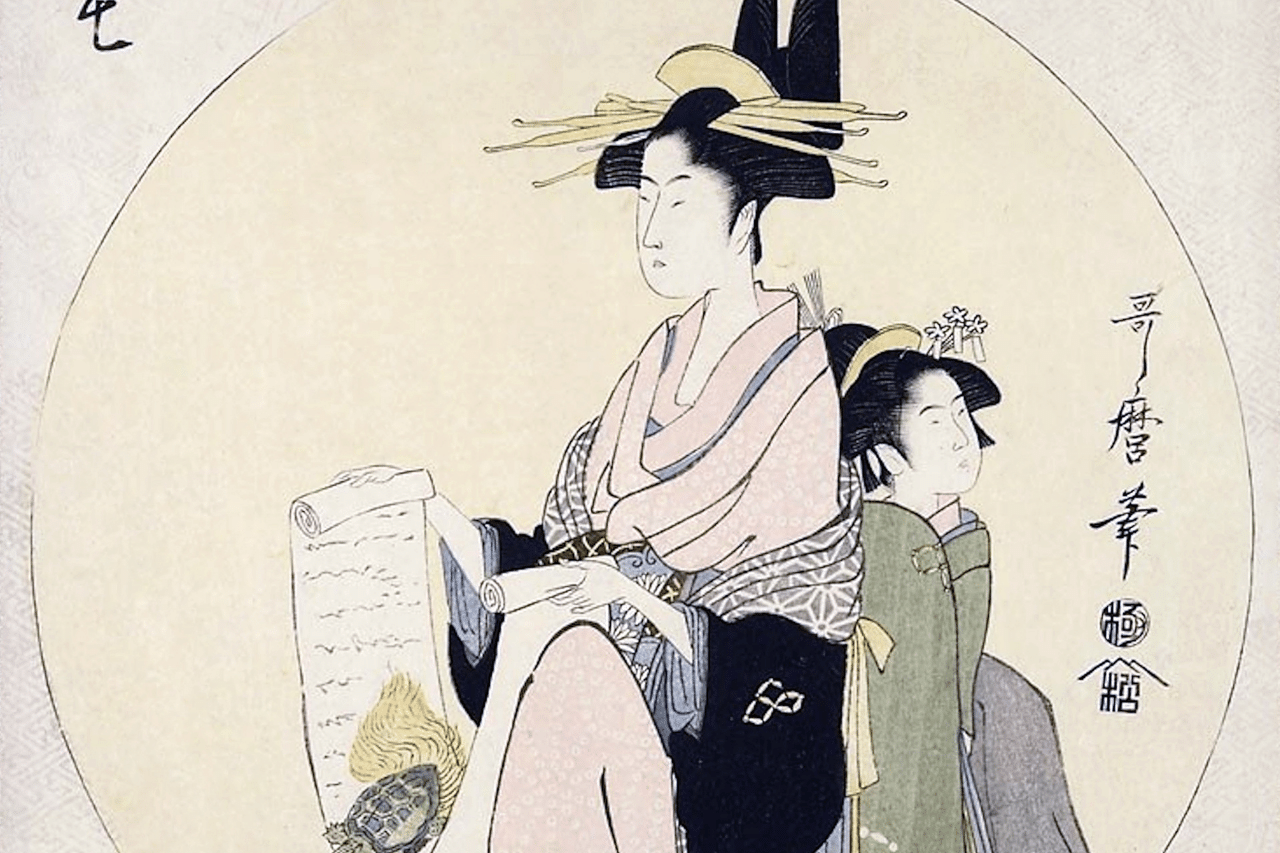
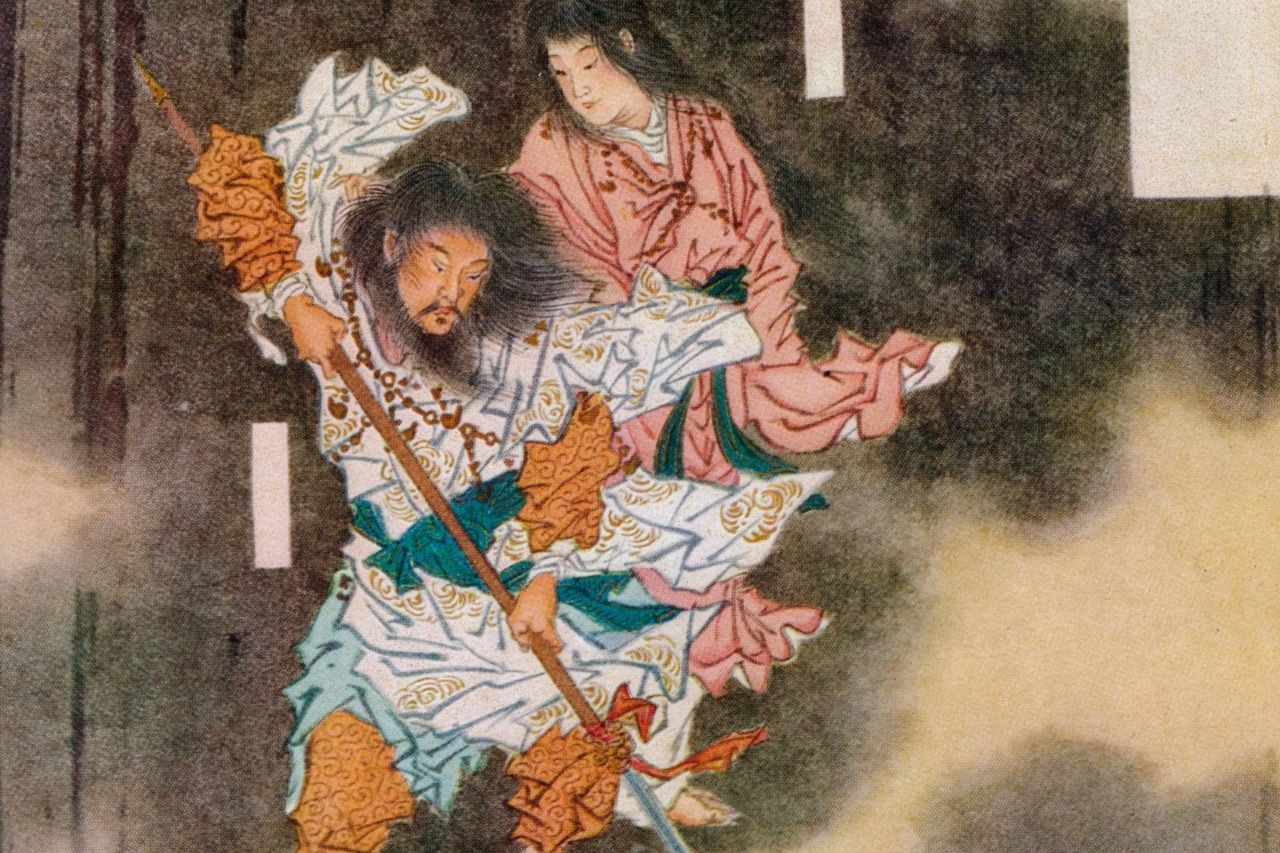
The Japanese mythology was created from stories that arose out of those from the Japanese archipelago. Shinto and Buddhist religions were the base from which these myths stemmed. The Japanese pantheon is almost innumerable, with nearly eight million named deities. There were three original gods from whom all other gods, or kami, descended.

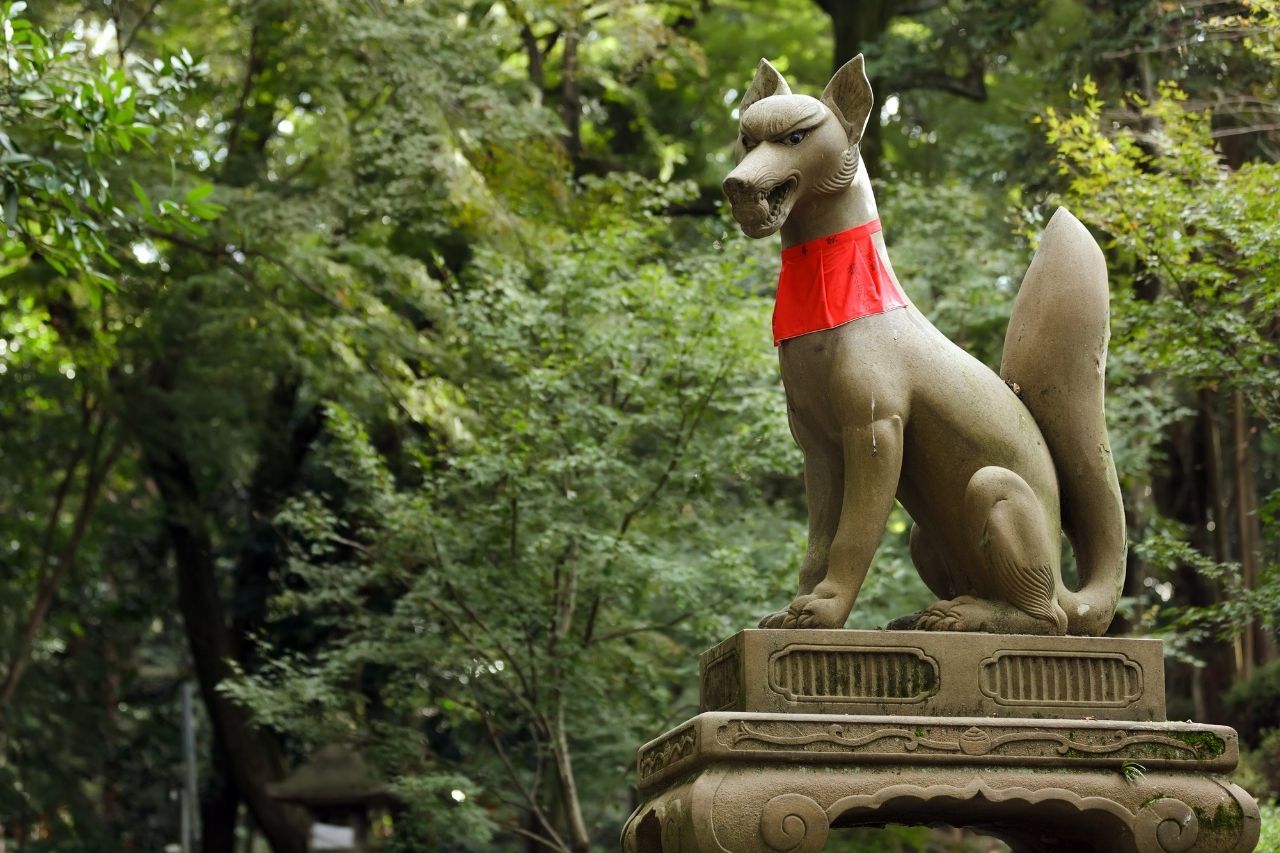
Most Japanese spirits come from Shinto beliefs, but many Buddhist deities were also adopted into the pantheon. A lot of the Japanese gods and goddesses are linked with animals. They may even appear as a mixture of animal and human or just animals such as the Fox Goddess, Inari. In Japanese mythology, even animals and inanimate objects like mountains could also have a spirit or kami.
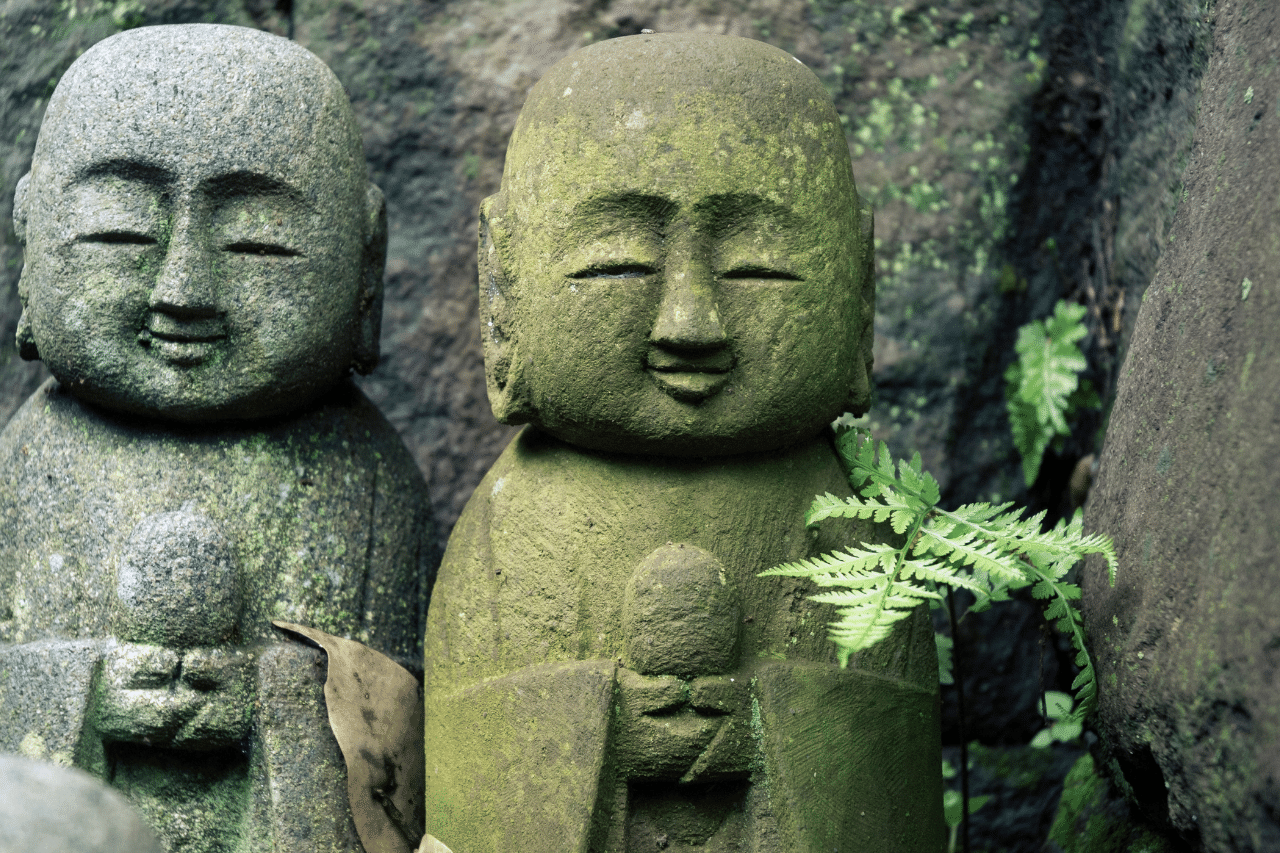
All Japanese Gods

All Japanese Gods

Amaterasu

Amaterasu

Ame No Uzume

Ame No Uzume

Benzaiten

Benzaiten

Bishamonten

Bishamonten

Daikokuten

Daikokuten

Ebisu

Ebisu

Fujin

Fujin

Fukurokuju

Fukurokuju

Inari

Inari

Izanagi

Izanagi

Kagutsuchi

Kagutsuchi

Raijin

Raijin

Susanoo

Susanoo

Tsukuyomi

Tsukuyomi

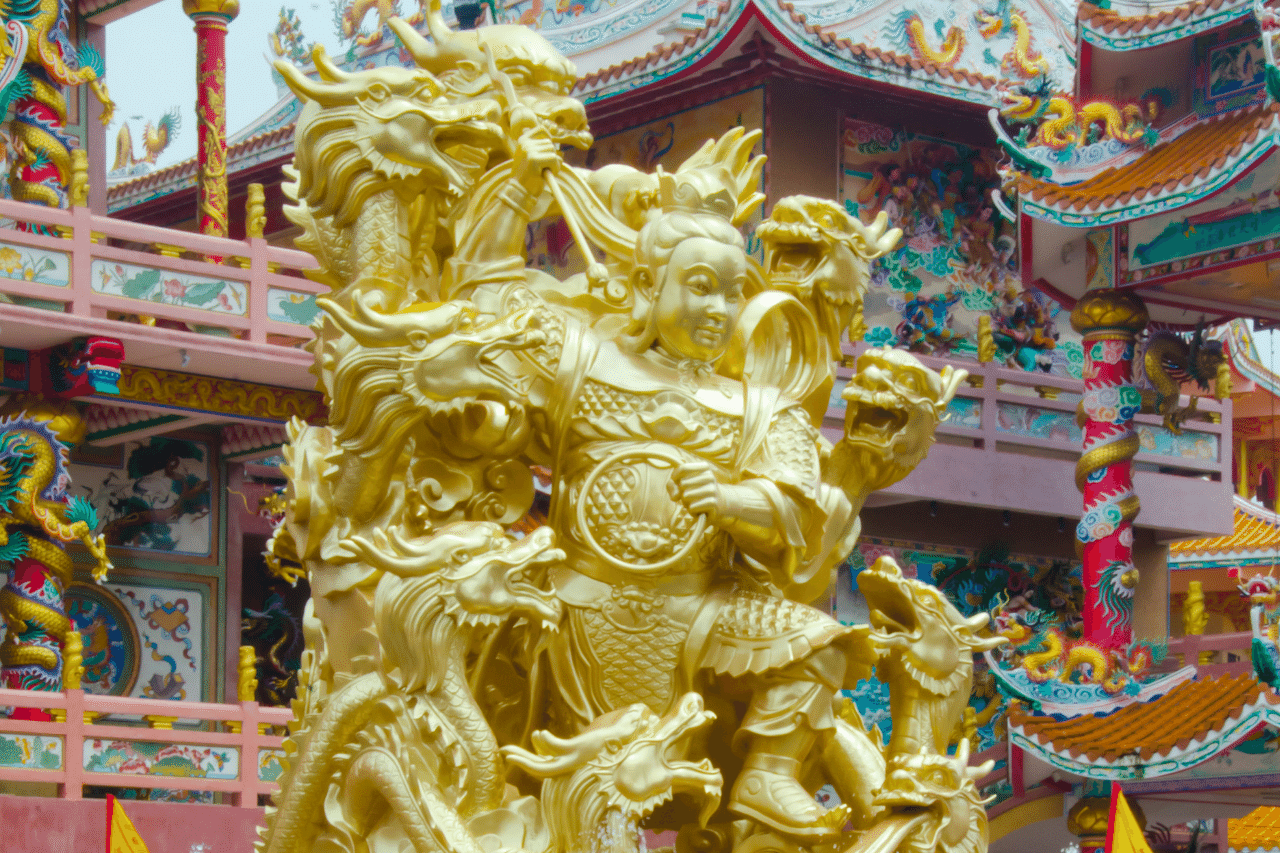
Chinese Gods

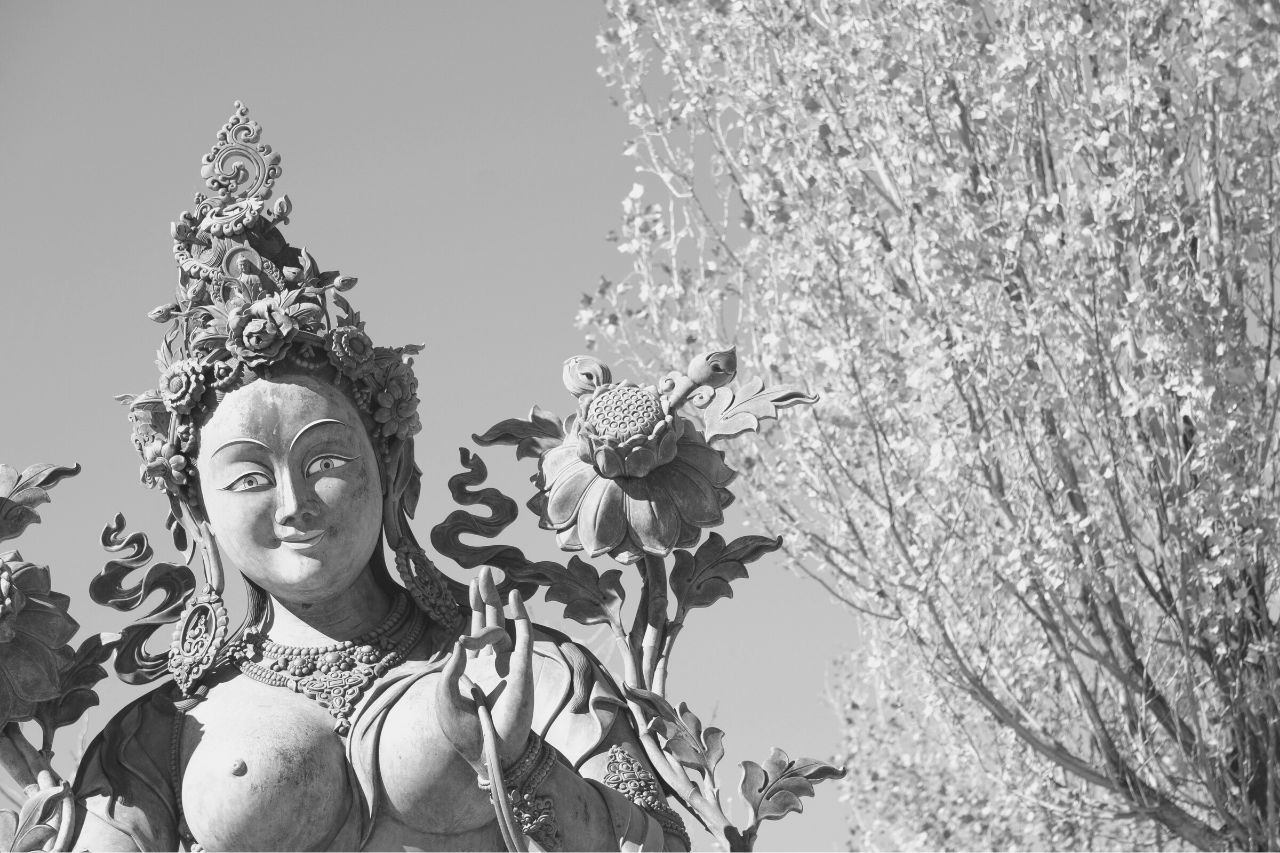
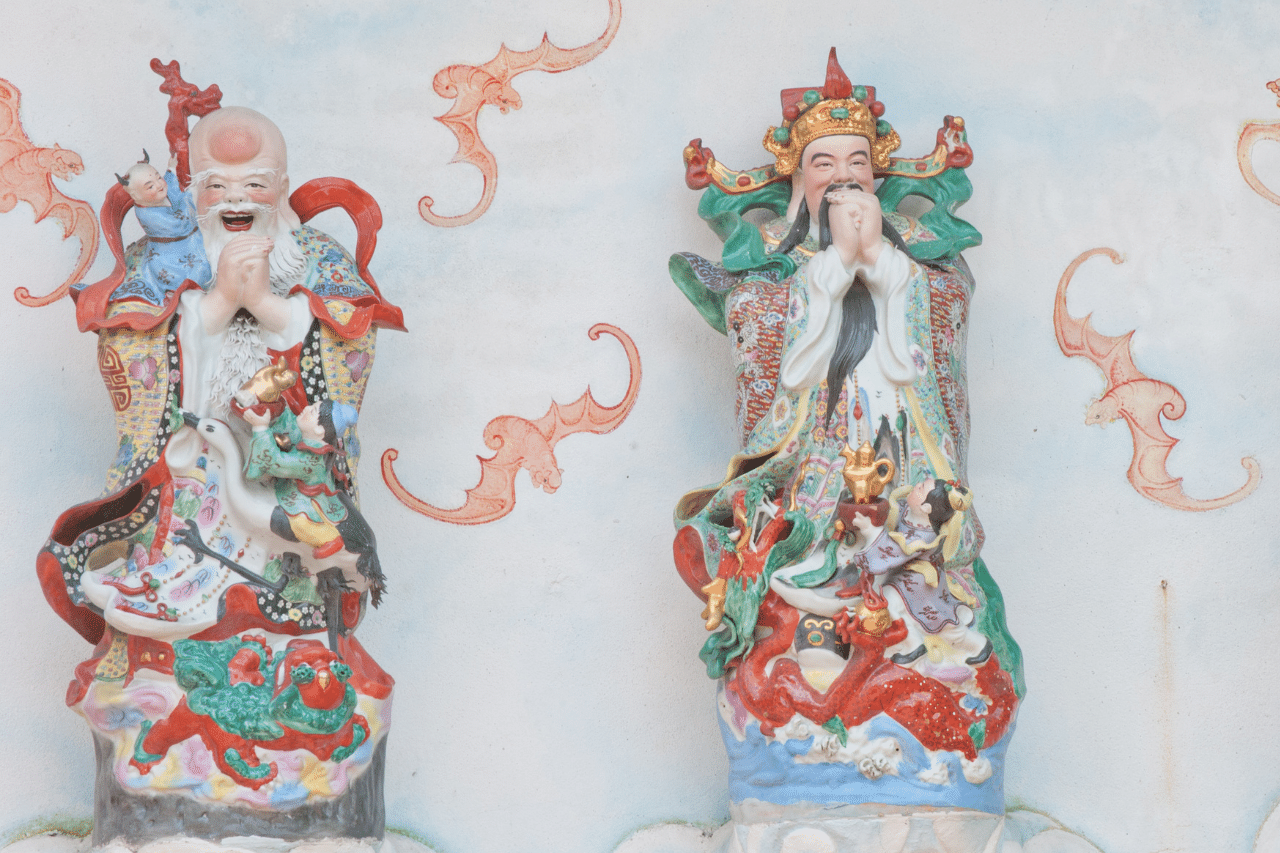
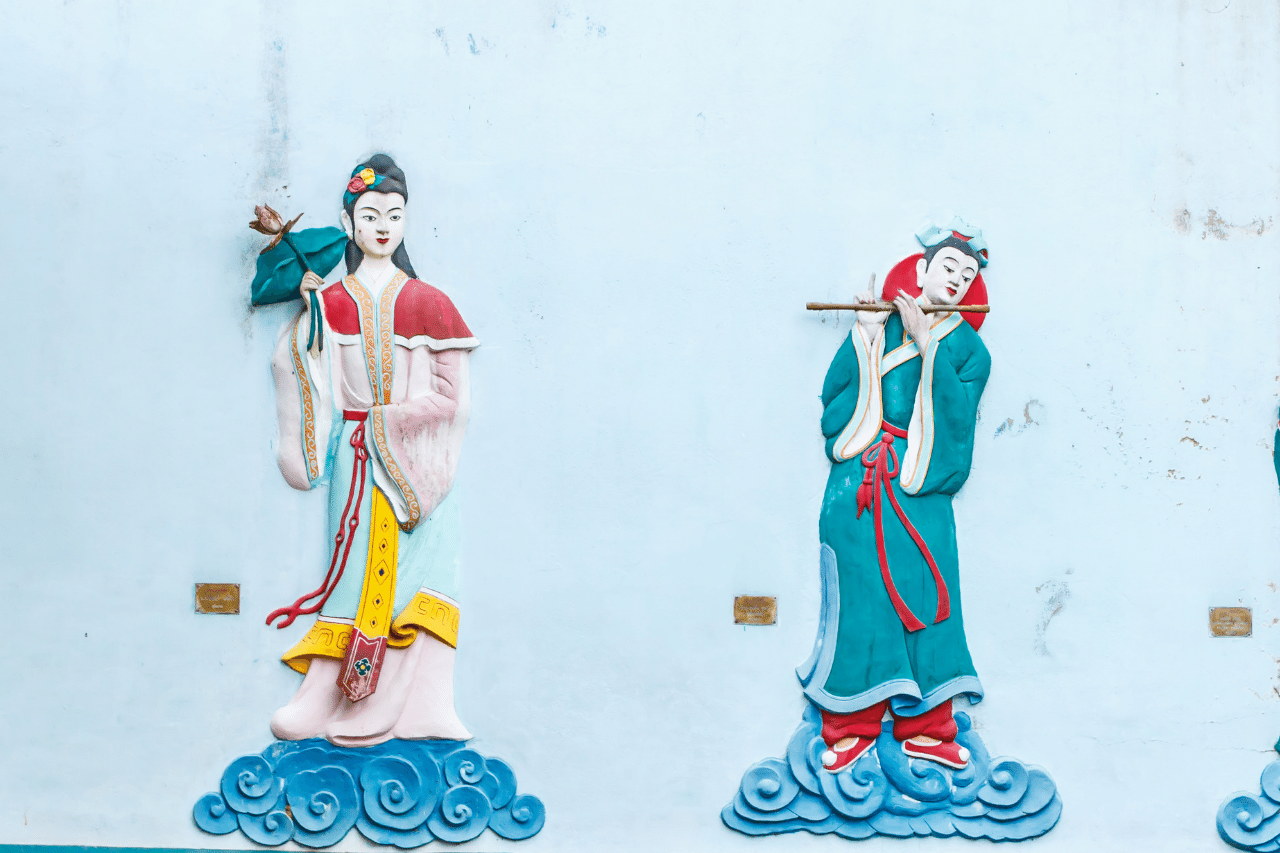
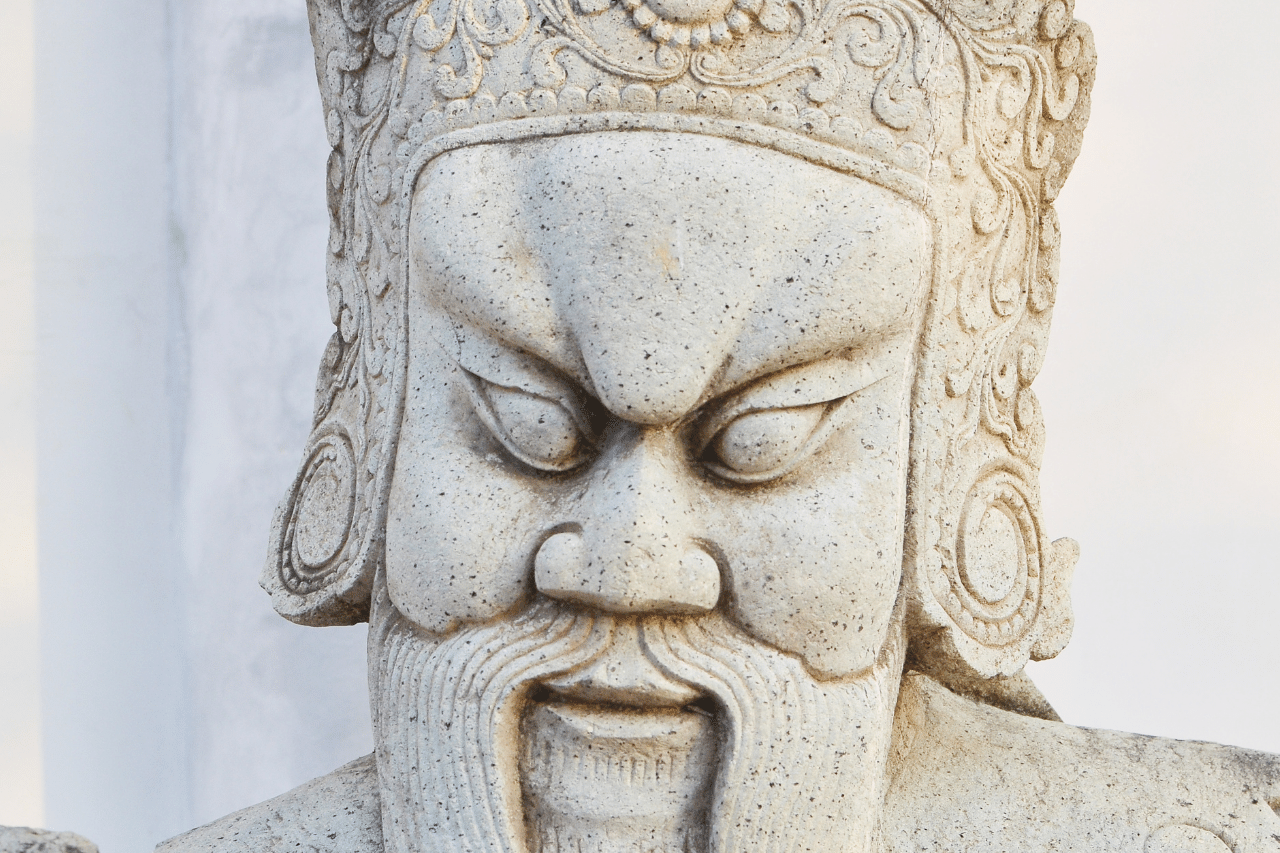
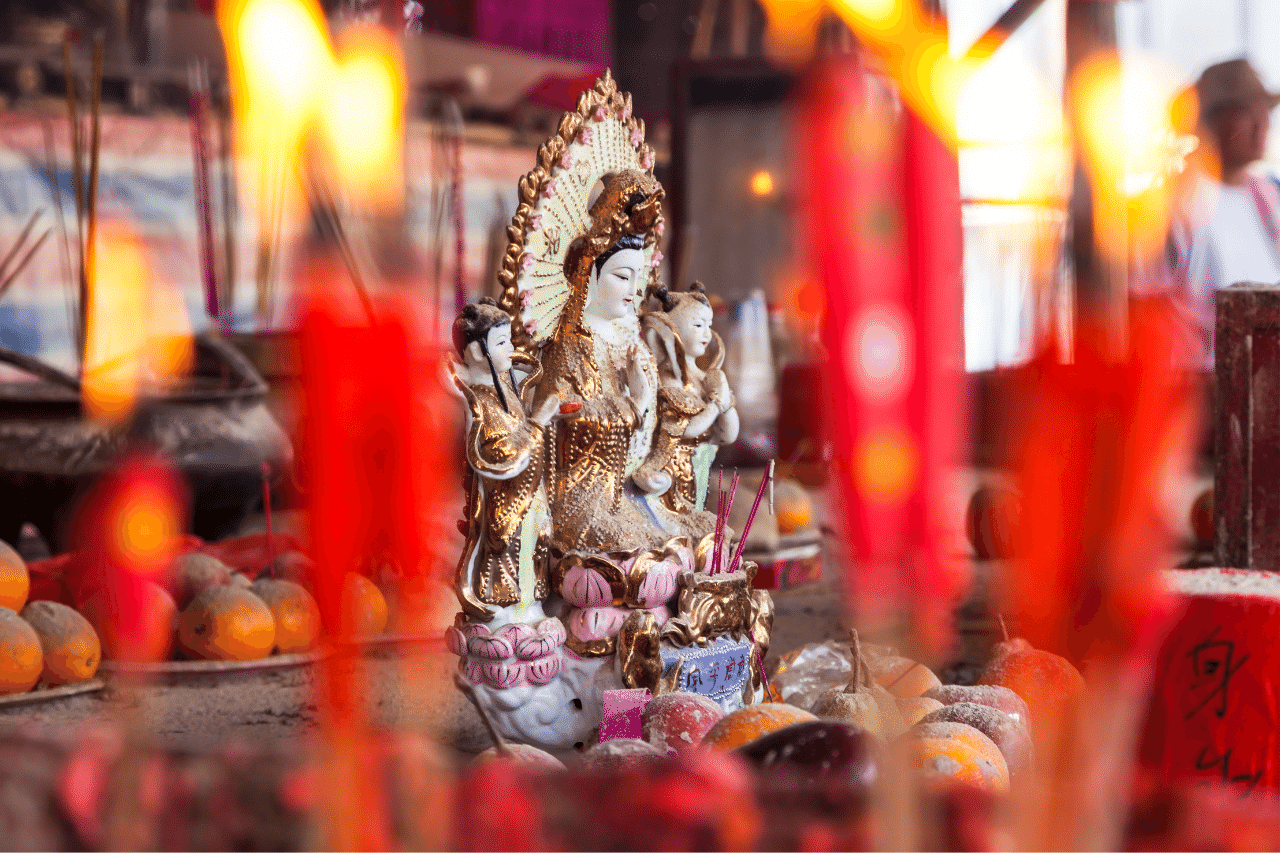
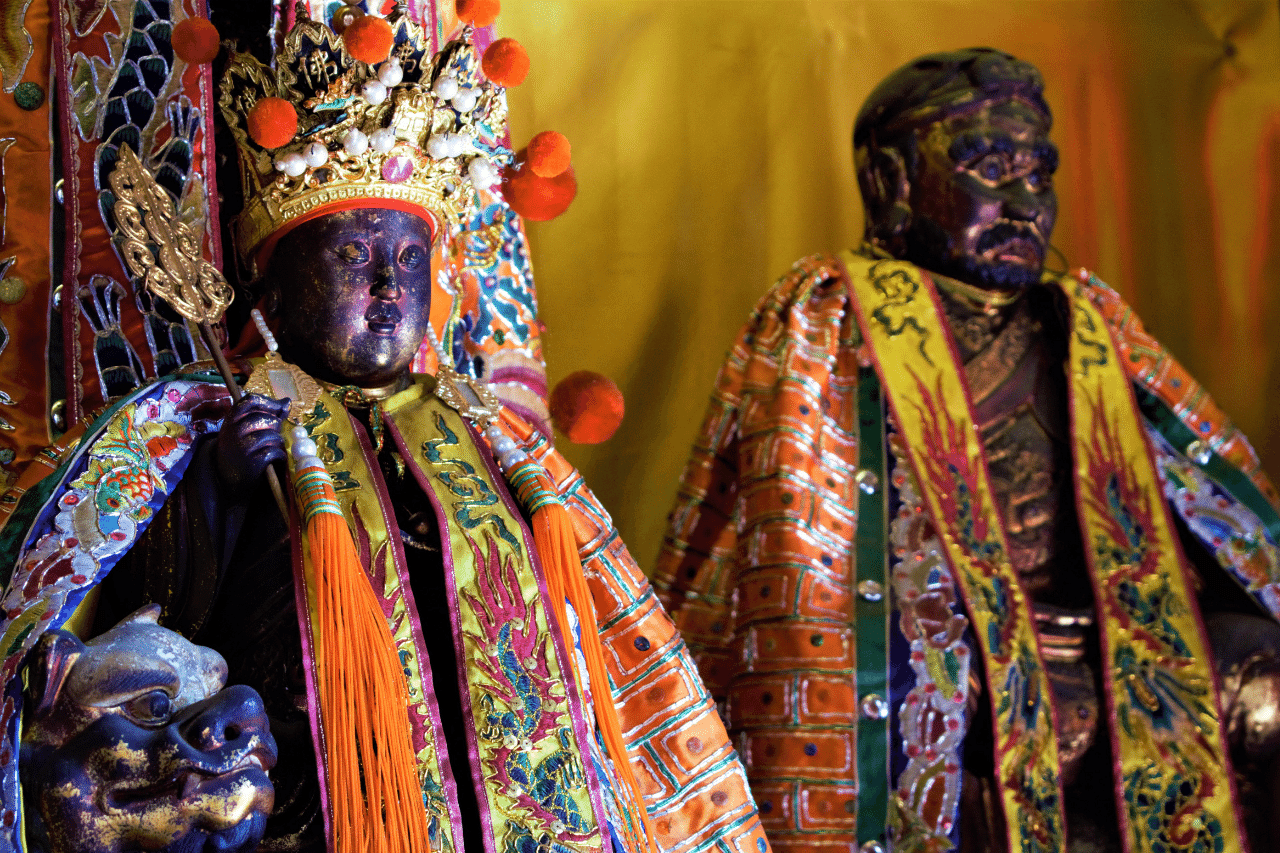
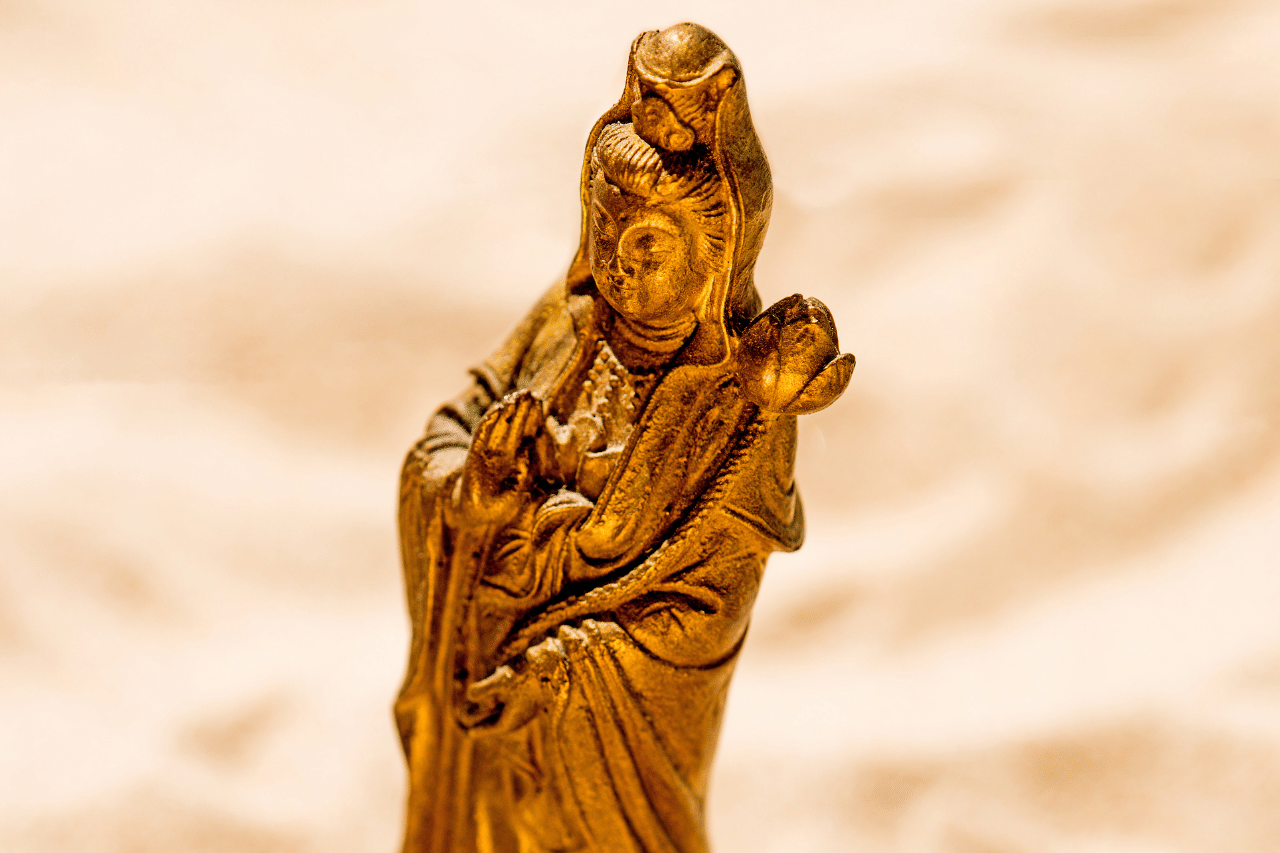
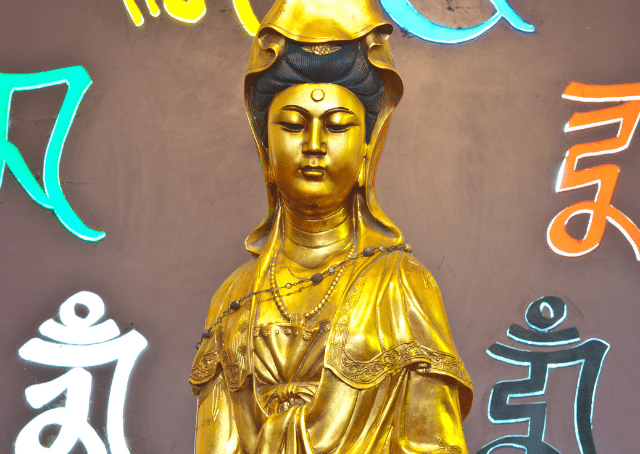
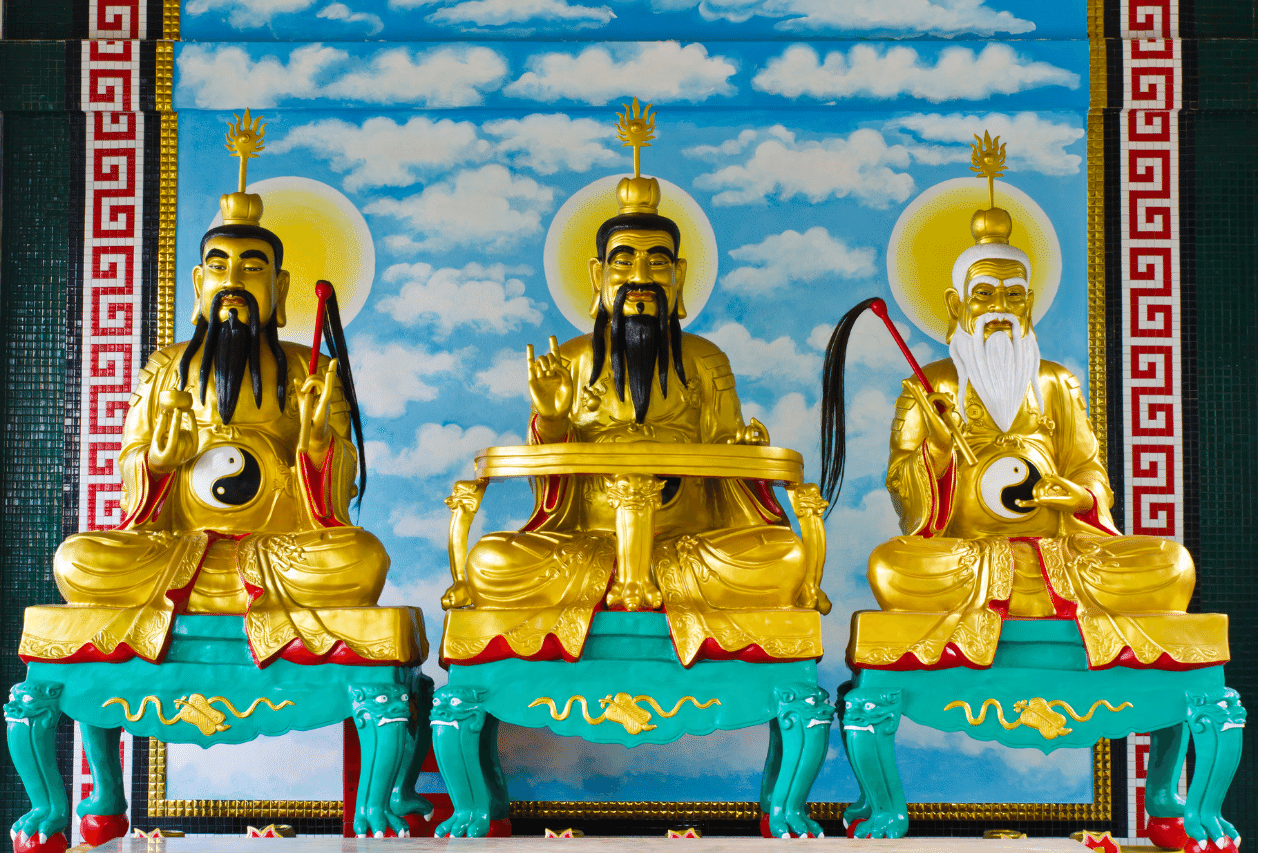
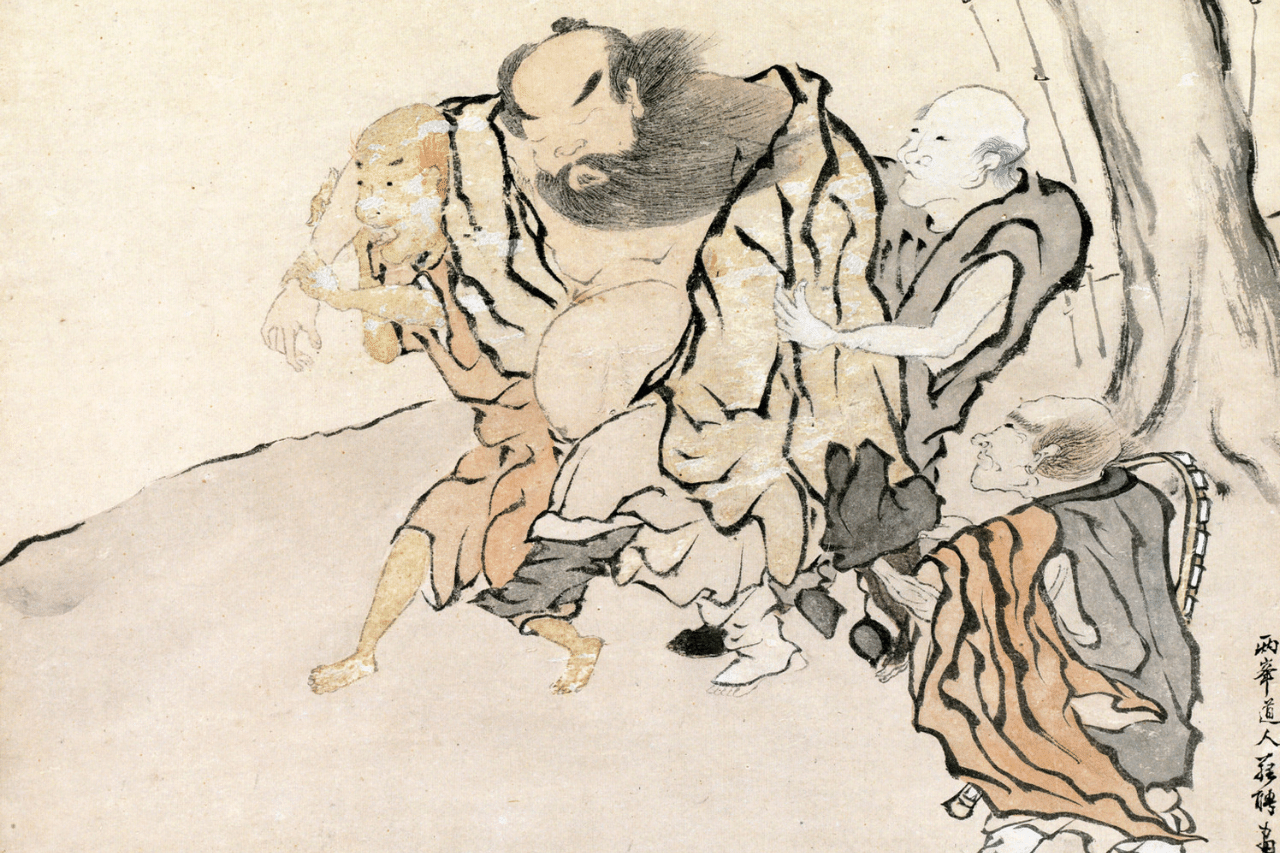
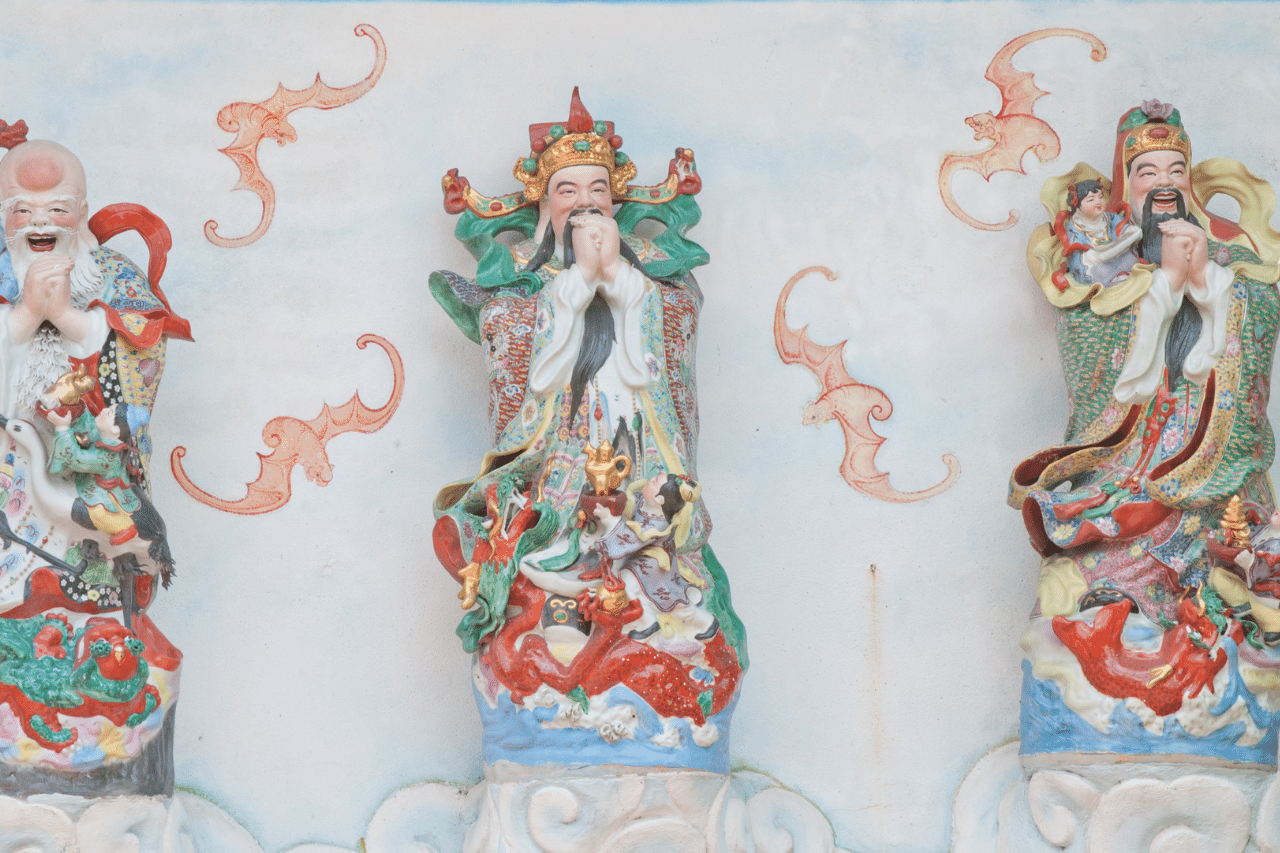
The Chinese pantheon numbered over 1,000, far below the numbers of the Japanese pantheon. Their deities were a mixture of gods and goddesses as well as folk heroes who became “holy” or spirits in the afterlife, quite similar to Japan. A lot of the gods were involved in the creation of the universe and the natural goings-on of the world. Many of the gods and goddesses had magical powers that they could wield.

Like Egyptian mythology, the gods were connected to the emperors, and the emperors claimed descendance from the gods. The mythology of Ancient China led to the Chinese folk religion that we can still see practiced today in China and Taiwan. The offering of “ghost money” to nourish the gods stems from past rituals. Gods and goddesses such as The Jade Emperor, Leizi, and Mazu make up the famous pantheon.
All Chinese Gods

All Chinese Gods

Caishen

Caishen

Cangjie

Cangjie

Chang’e

Chang’e

Dragon King

Dragon King

Eight Immortals

Eight Immortals

Erlang Shen

Erlang Shen

Fuxi

Fuxi

Guanyin

Guanyin

Hou Yi

Hou Yi

Huxian

Huxian

Jade Emperor

Jade Emperor

Jiutian Xuannu

Jiutian Xuannu

King Yama

King Yama

Leizi

Leizi

Lu-ban

Lu-ban

Mazu

Mazu

Nezha

Nezha

Nuwa

Nuwa

Pangu

Pangu

Shennong

Shennong

Sun Wukong

Sun Wukong

Wenchang Wang

Wenchang Wang

Xiwangmu

Xiwangmu

Yue Lao

Yue Lao

Zhong Kui

Zhong Kui

Roman Gods
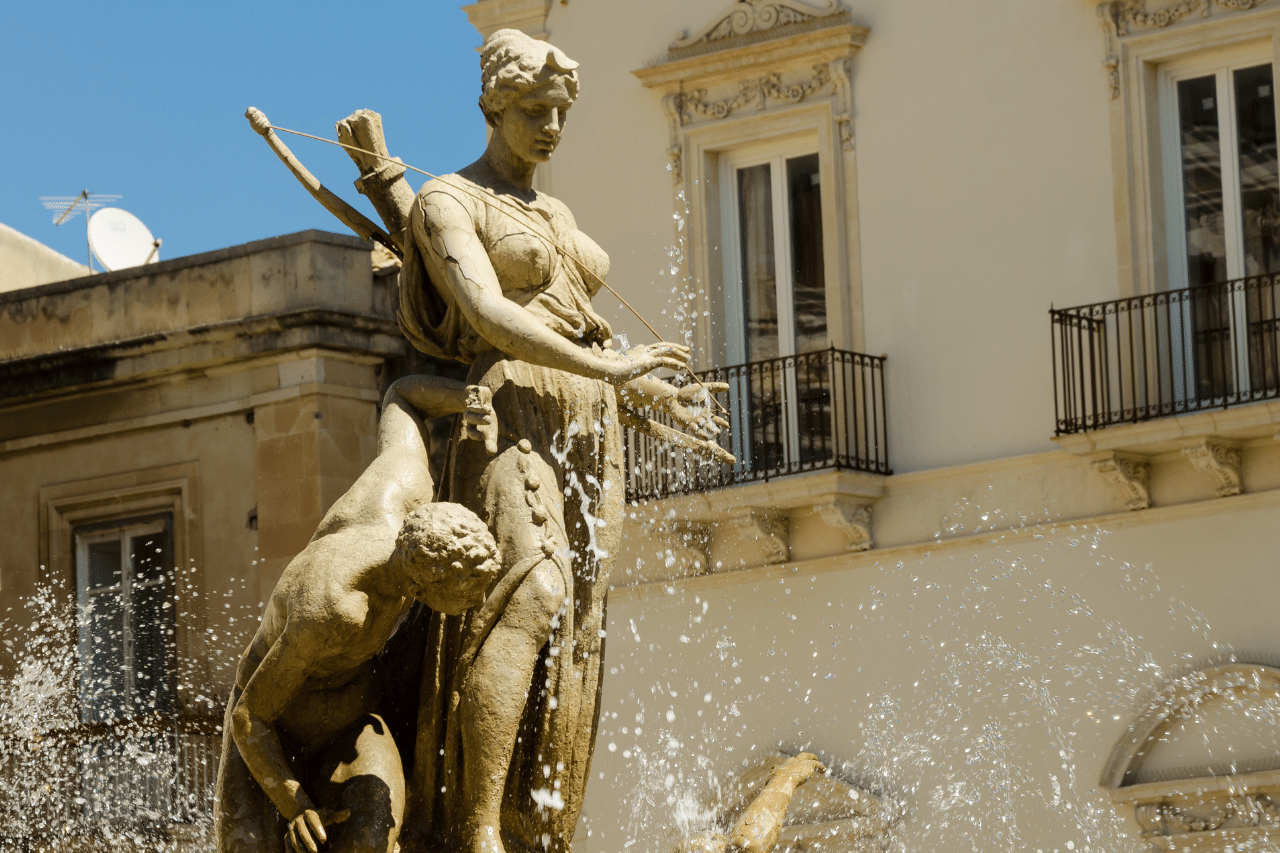
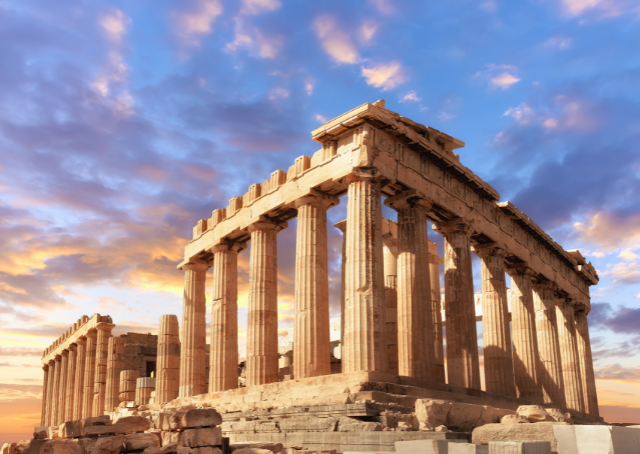
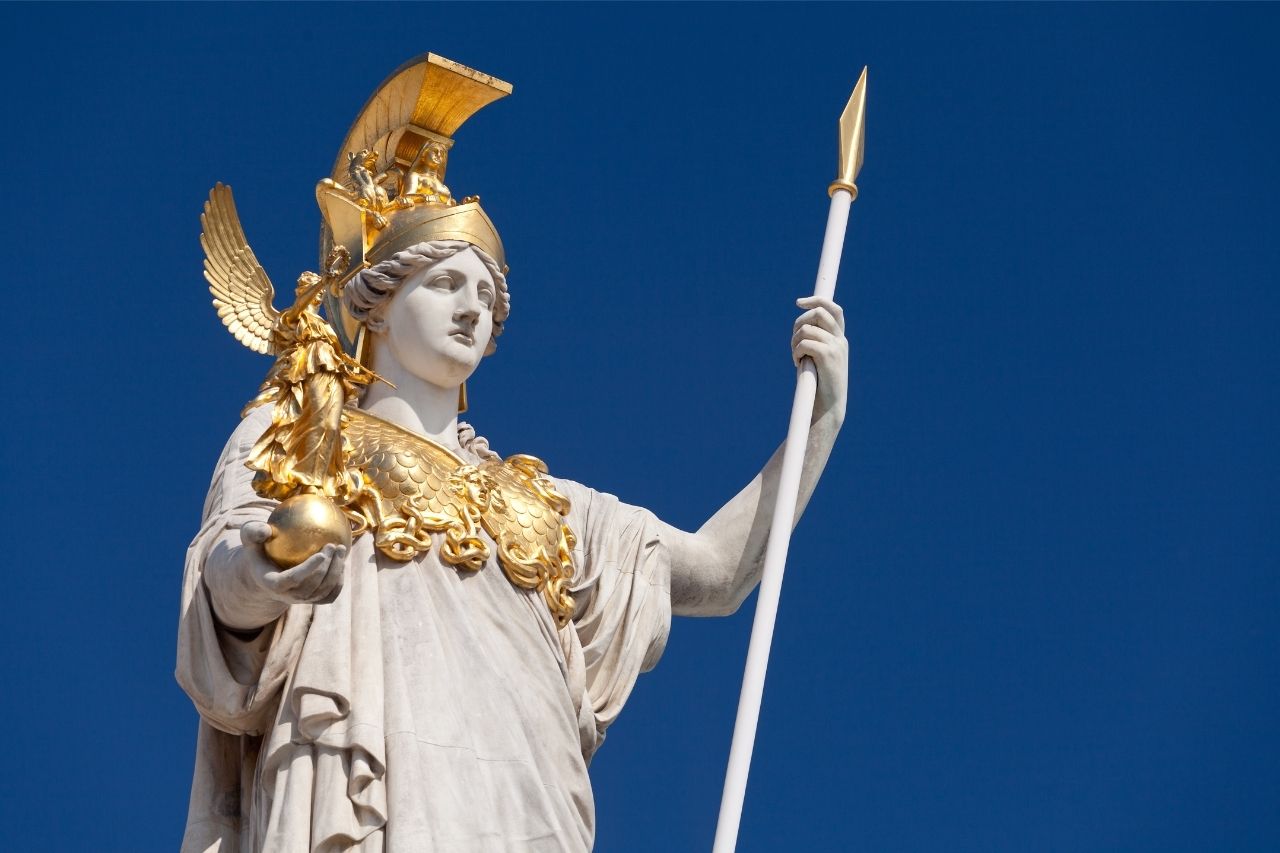
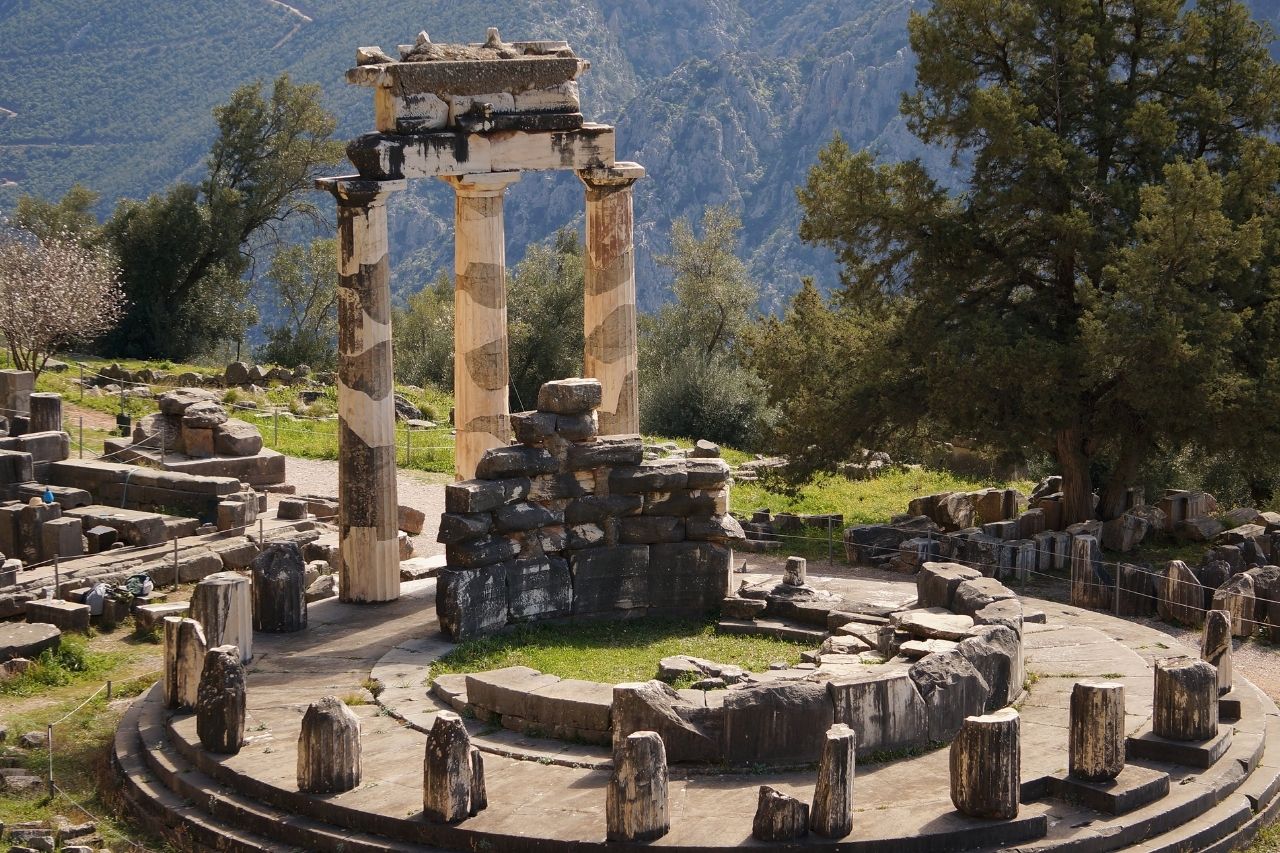
Pathrenon the place of worshiping greek mythology gods

All Roman Gods
All Roman Gods
Bacchus

Bacchus

Ceres

Ceres

Diana

Diana

Juno

Juno

Jupiter

Jupiter

Mars

Mars

Mercury

Mercury

Minerva

Minerva

Neptune

Neptune

Pluto

Pluto

Venus

Venus

Vesta

Vesta

Vulcan

Vulcan

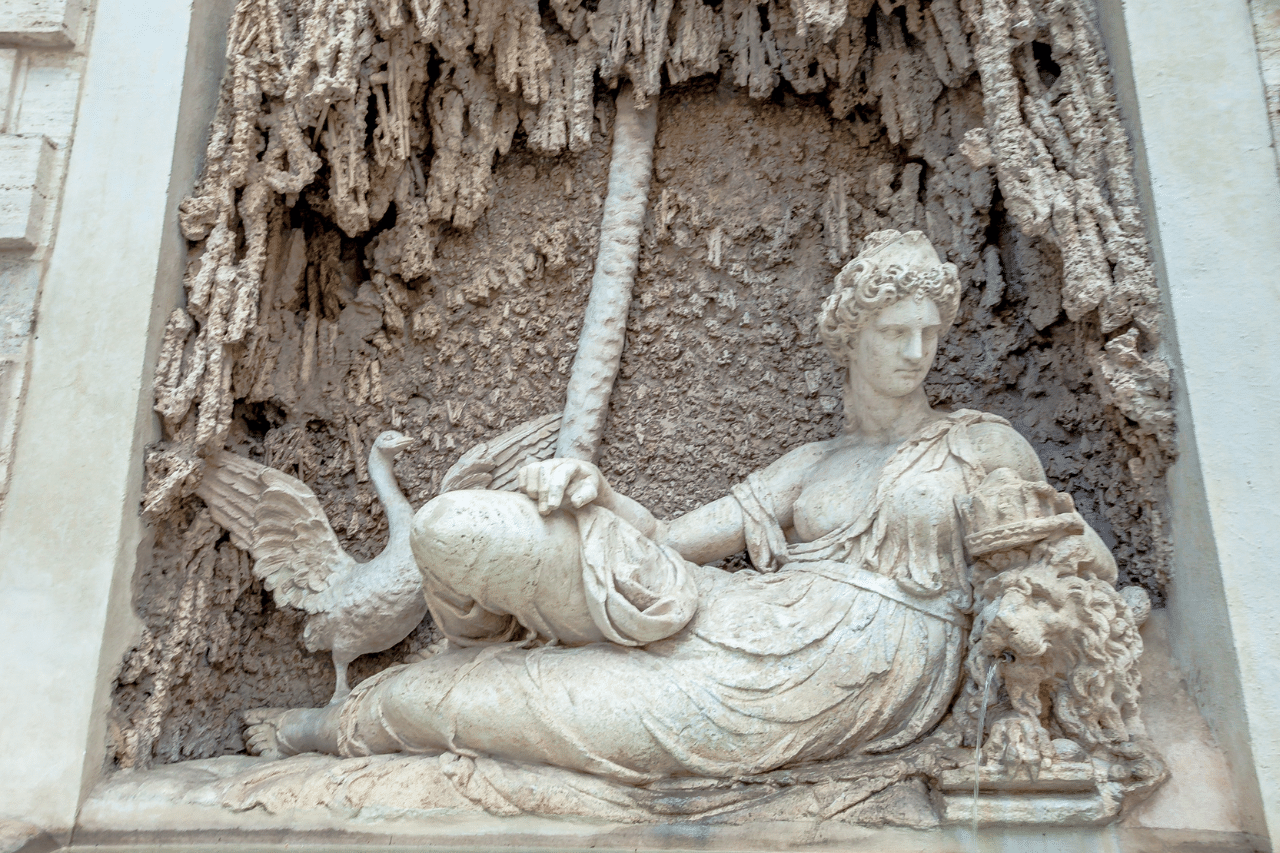
Mythologies of Ancient Greece inspired many of the Roman gods and their mythology. They were so close together as physical countries that it only made sense. Lucky for us, there are many sources about Roman mythology and the gods and goddesses that we are not really short of information about it. That is not the case for all mythology, sadly.

For those in the western world, we know this mythology, and we see it practically everywhere, including even in our own solar system. Names like Jupiter, Mercury, Neptune, and more are so common, we hardly even think about them anymore. But it’s exciting to delve deep into the stories of the Roman gods. It’s there we see the epic adventures, the passionate affairs, the evil displays of power, and all the attributes that make myths, myths.

Celtic Gods

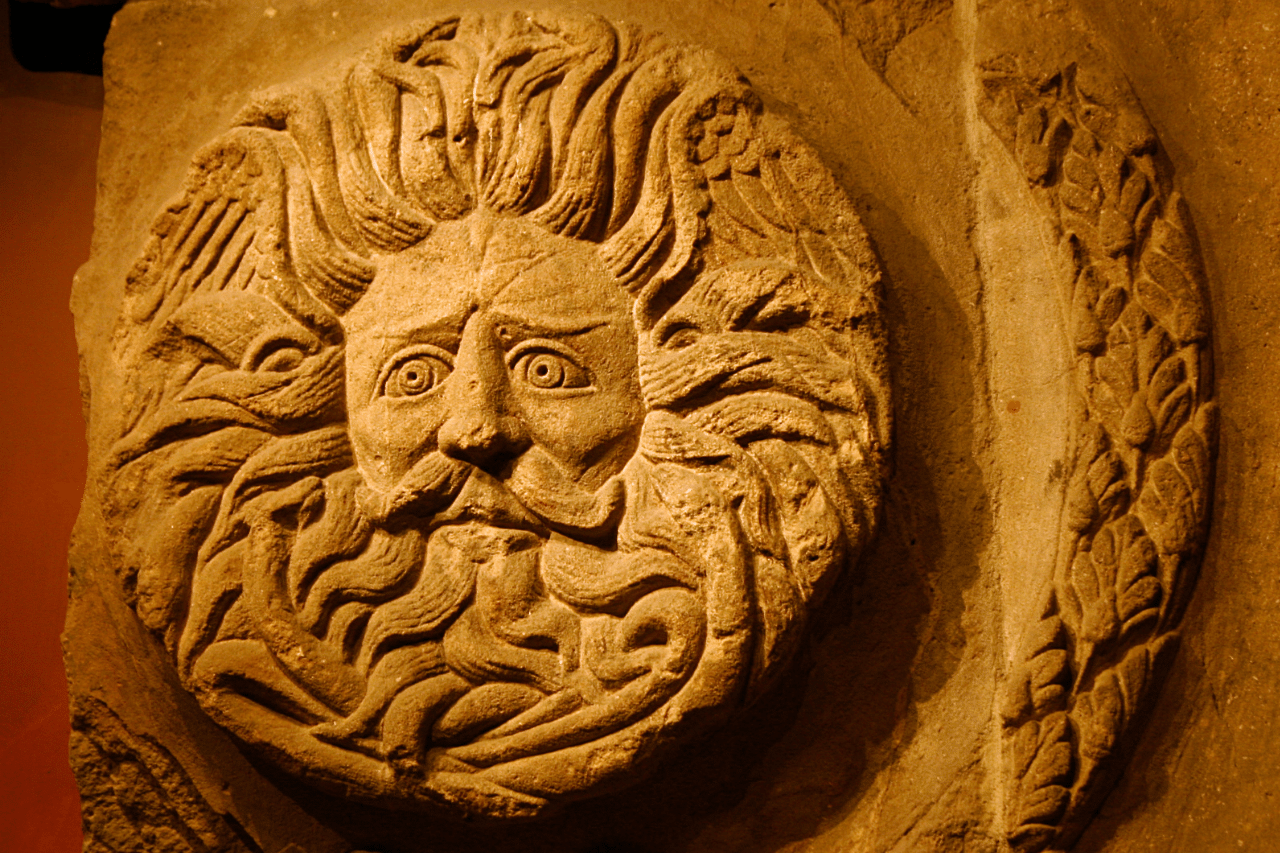
Celtic mythology stems from the Celtic areas such as Wales, England, and Ireland. The stories of their pantheon might have been lost to time, except for the preservation of some of their tales by the Roman Christians. The Celts had a polytheistic pantheon, and their list of gods and goddesses is around 400. The gods that were worshiped depended on the region, for not everyone in the Celtic world always worshiped the same gods.

These stories are beautiful and magical, with tales of a goddess being born by fire, such as Brigid, The Exalted One. Or perhaps the god controlling the beautiful Otherworld located in the sea. Their mythology comes from anthologies of stories, and it’s to our benefit that we get the chance to read them. Celtic mythology is the area of study for you if you’re interested in magic, mystery, or powers linked wholly to nature.
All Celtic Gods

All Celtic Gods

Aengus

Aengus

Arawn

Arawn

Badb

Badb

Brigid

Brigid

Cailleach

Cailleach

Ceridwen

Ceridwen

Cernunnos

Cernunnos

Cu Chulainn

Cu Chulainn

Dagda

Dagda

Danu

Danu

Gwydion

Gwydion

Herne The Hunter

Herne The Hunter

Lugh

Lugh

Medb

Medb

Morrigan

Morrigan

Neit

Neit

Nuada

Nuada

Taliesin

Taliesin

Taranis

Taranis

Greek Gods

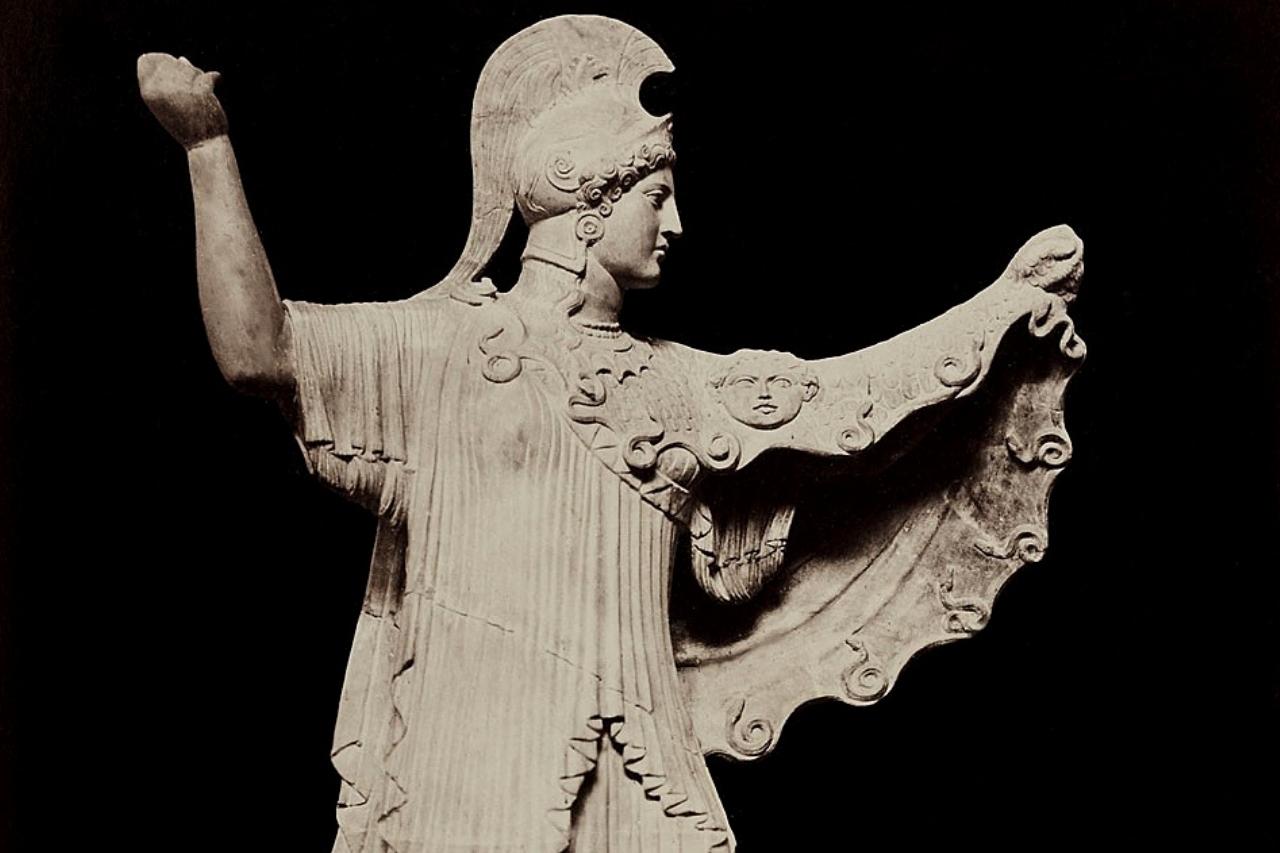
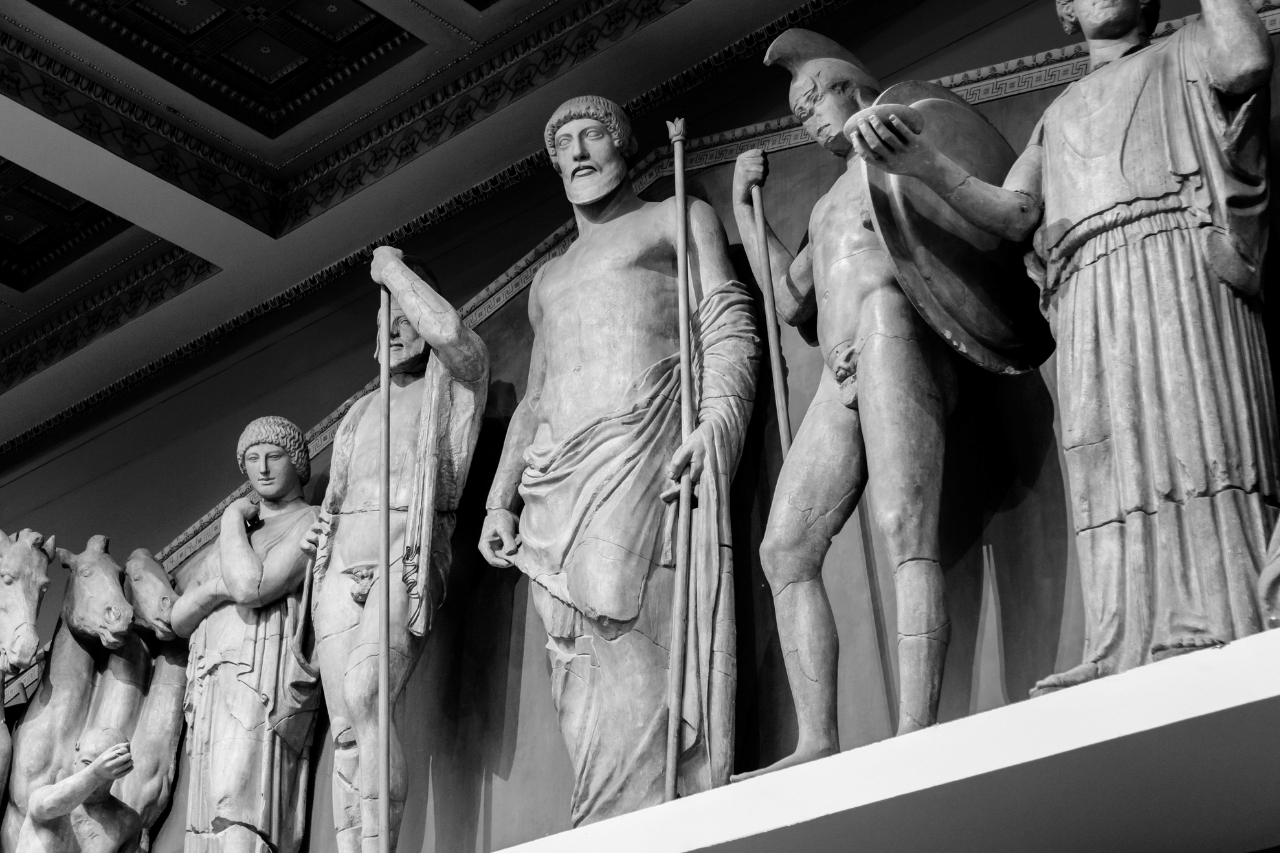
For those in the western world, Greek mythology is probably the most well-known and most heavily studied. Ancient Greece flourished between the 12th and 9th centuries BC. Their pantheon had many gods and Titans, but there were twelve main gods and goddesses. These resided on the famed Mount Olympus, and so they were called the twelve Olympians.

We know these names, or at least most of them by heart: Zeus, Hera, Demeter, Hestia/Hades, Hephaestus, Athena, Poseidon, Ares, Hermes, Aphrodite, Artemis, and Apollo. These gods also have Roman counterparts, and their stories are very closely linked to those in the Greek pantheon. We know their tales as well: Zeus with the power of lightning, Hera the jealous wife, Hades the bitter god of the underworld, and Aphrodite, the alluring goddess of love. Their stories are everywhere around us, and their legacy remains.
All Greek Gods

All Greek Gods

Aphrodite

Aphrodite

Apollo

Apollo

Ares

Ares

Artemis

Artemis

Athena

Athena

Atlas

Atlas

Coeus

Coeus

Crius

Crius

Cronus

Cronus

Demeter

Demeter

Dionysus

Dionysus

Gaia

Gaia

Hades

Hades

Hephaestus

Hephaestus

Hera

Hera

Hermes

Hermes

Hestia

Hestia

Hyperion

Hyperion

Iapetus

Iapetus

Mnemosyne

Mnemosyne

Oceanus

Oceanus

Phobos

Phobos

Phoebe

Phoebe

Poseidon

Poseidon

Prometheus

Prometheus

Rhea

Rhea

Tethys

Tethys

Themis

Themis

Uranus

Uranus

Zeus

Zeus

Norse Gods

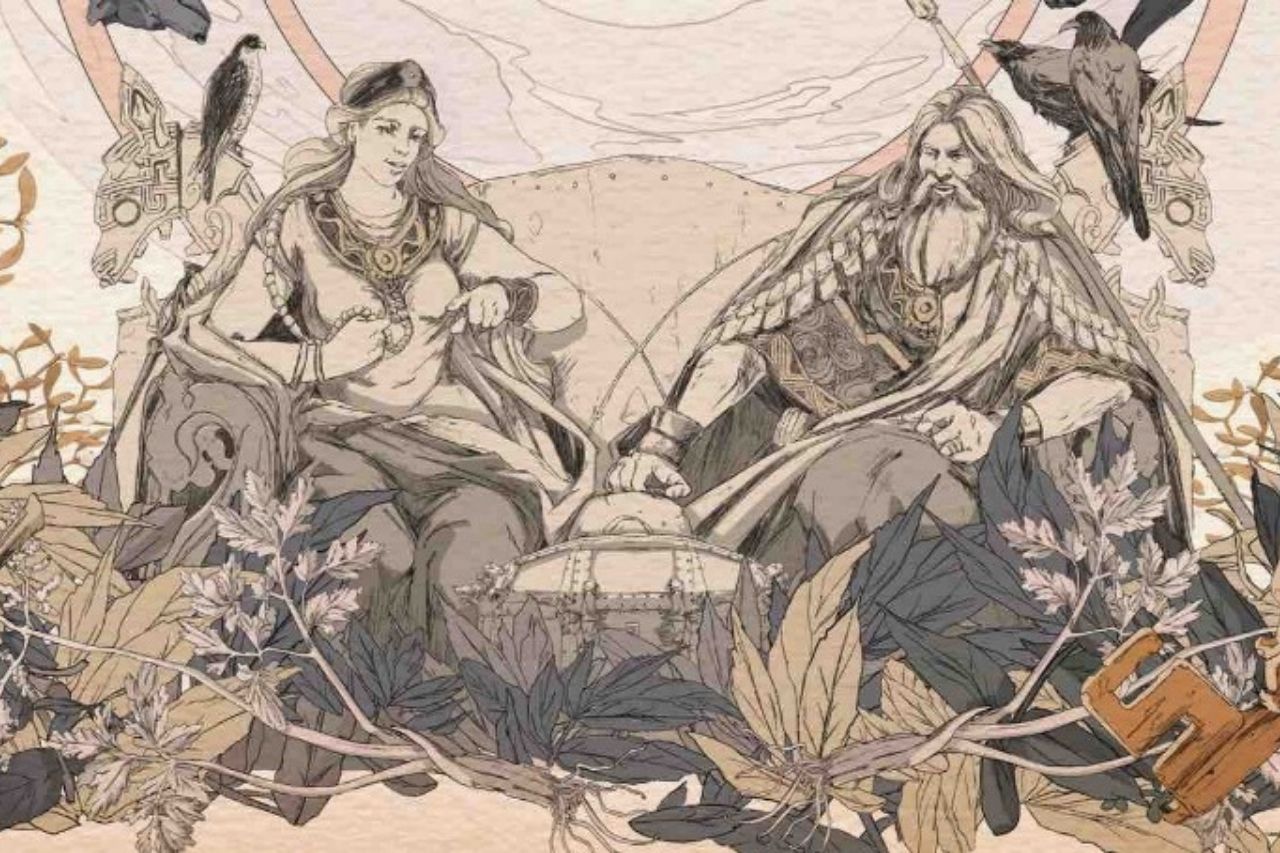
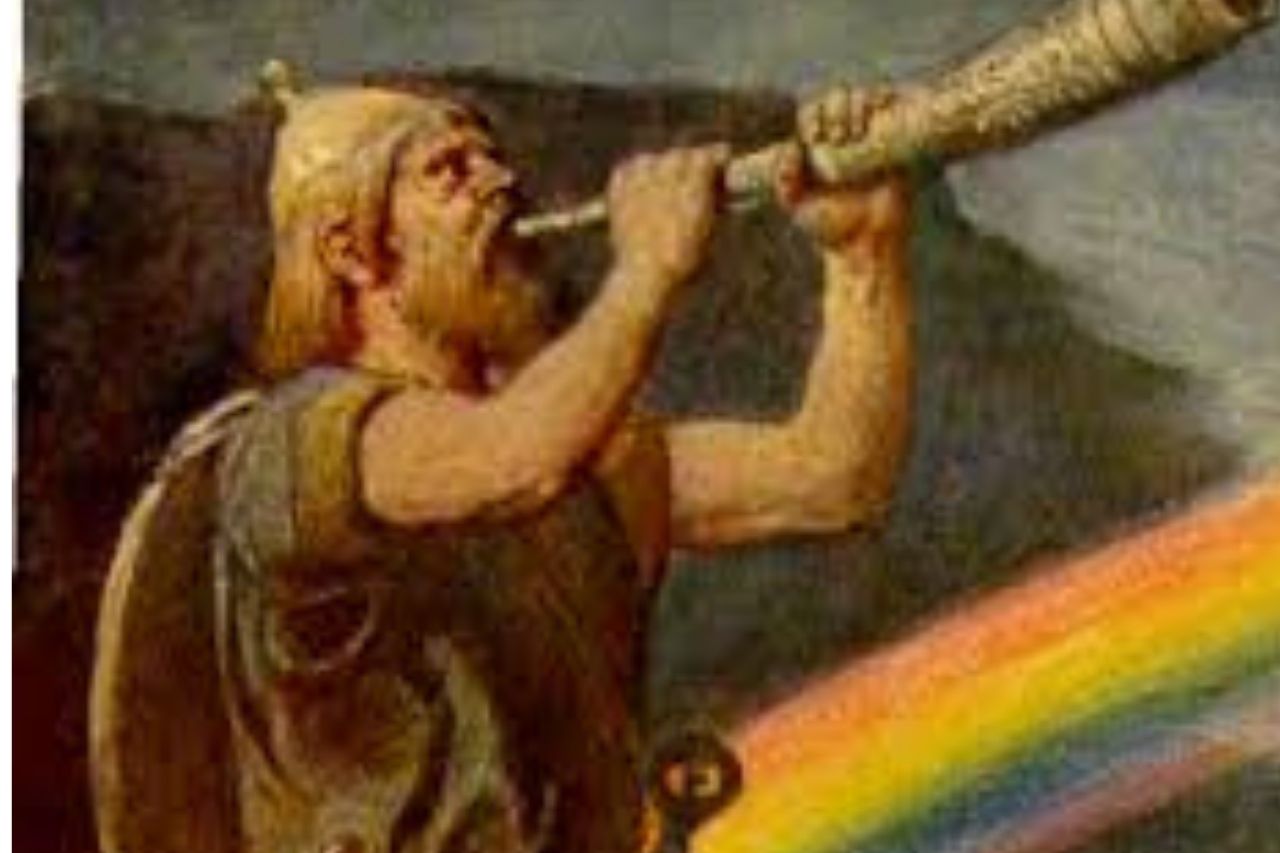
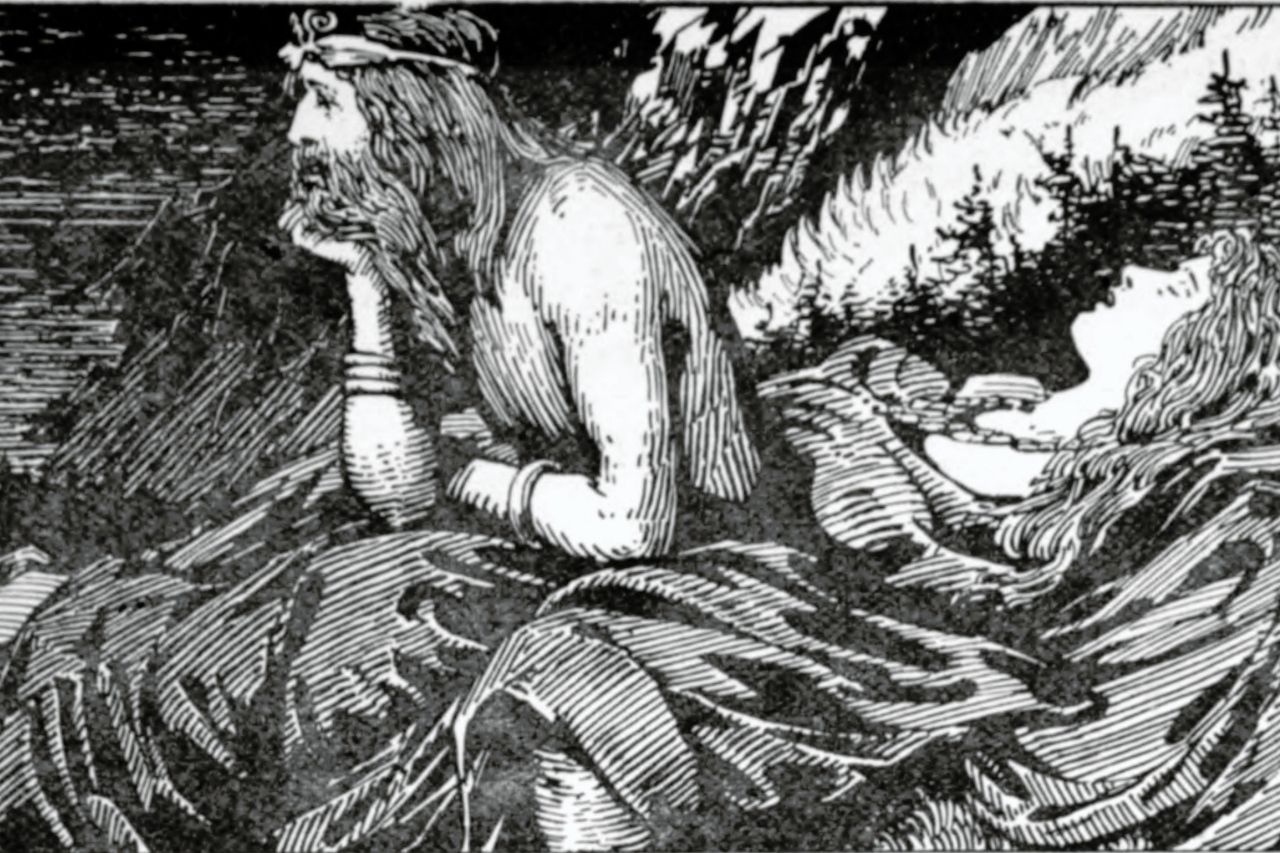
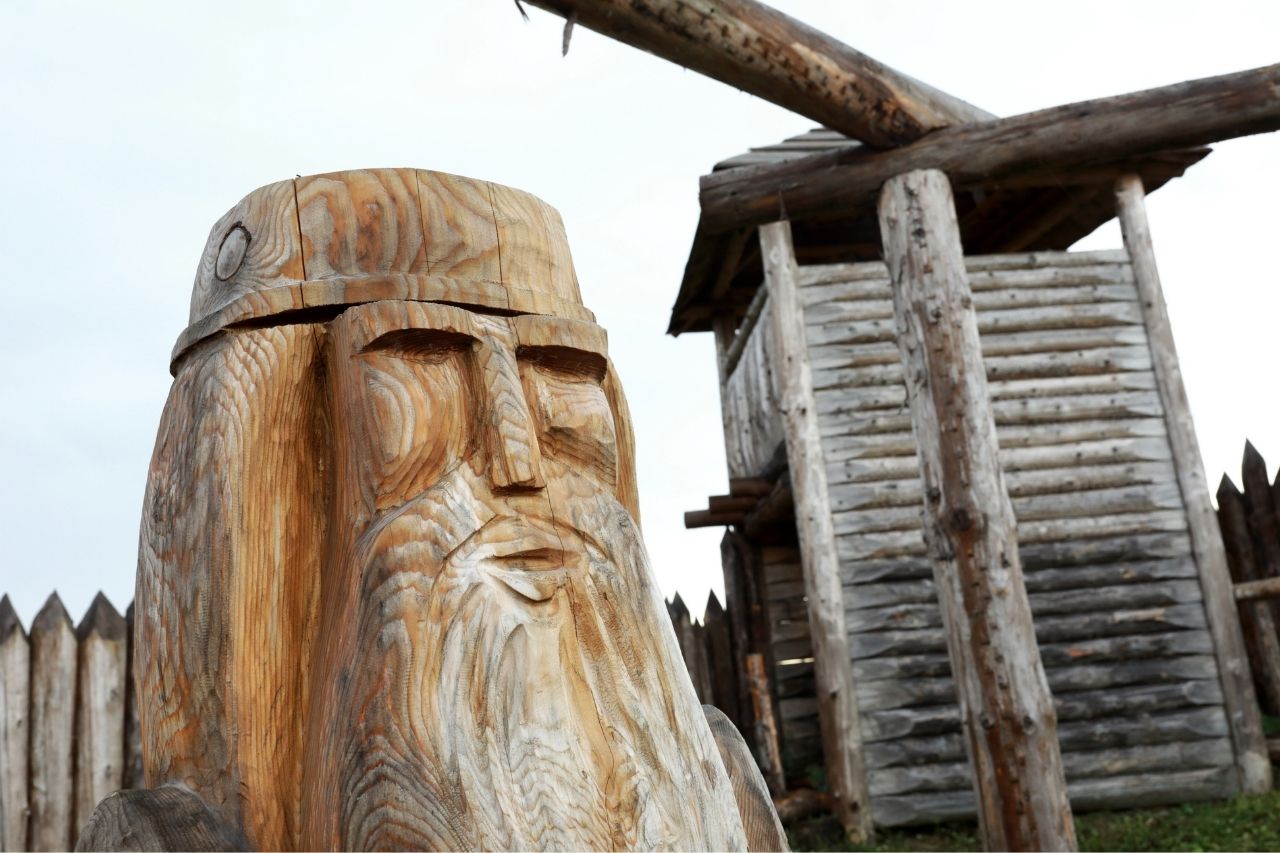
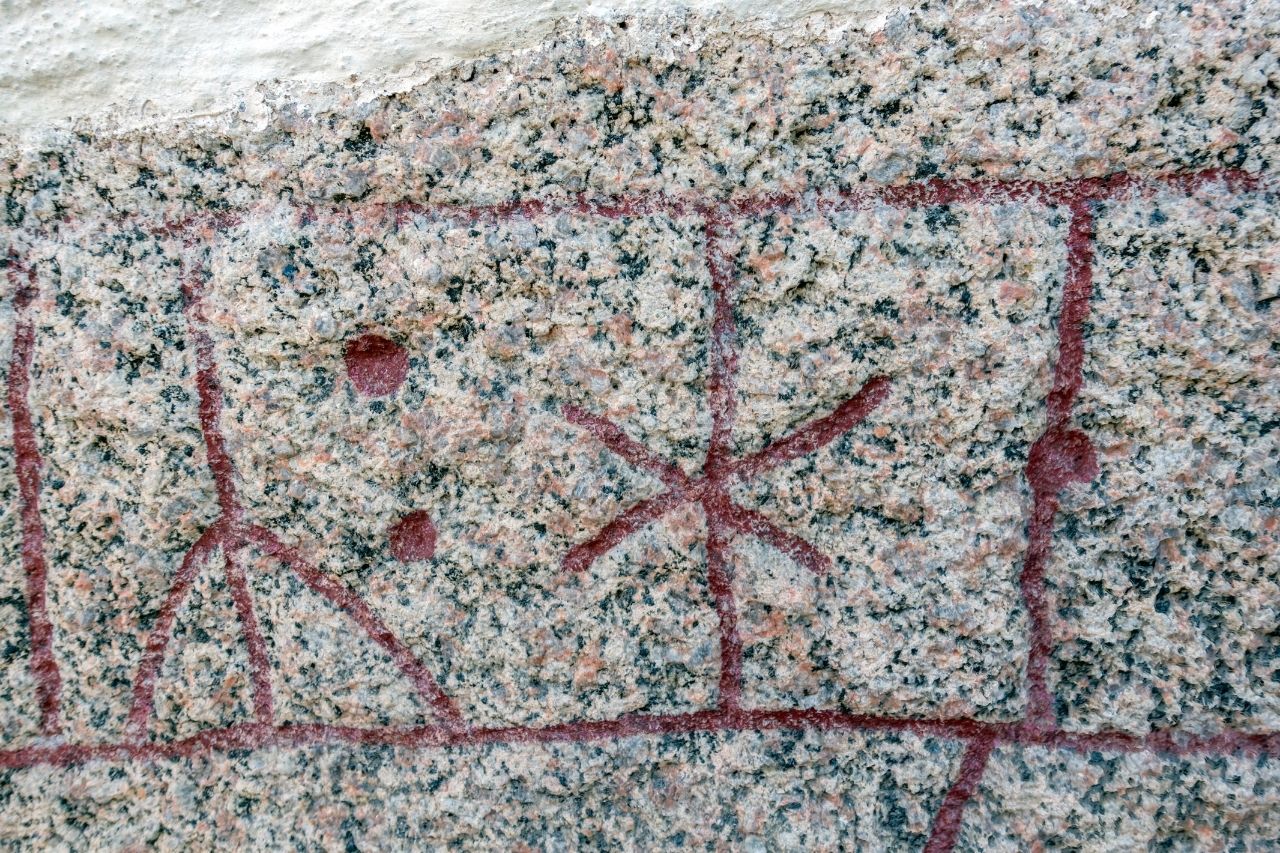
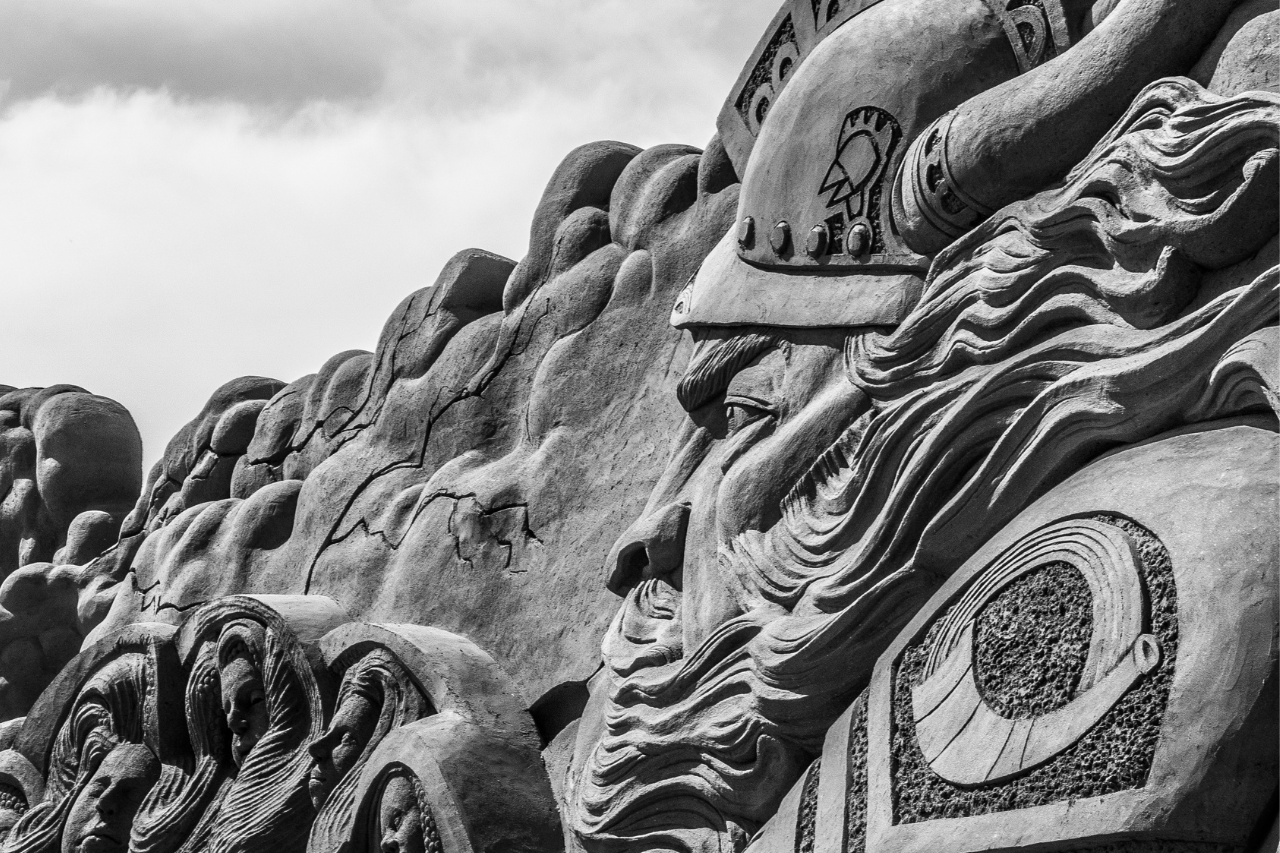
The Norse gods were separated over the nine worlds or realms. They were divided into different tribes, and these tribes had different goals. These names are not unknown to us either: Odin, Thor, Loki, and more. The Norse mythology is a group of stories of the Northern Germanic peoples, which includes Scandinavia.

We know about their stories from the various collections of old manuscripts and archaeological finds. There was not always a connection to humans until later, after the gods had “lived” for a long time. Their gods have incredible powers while also having almost human-like flaws. There’s the hammer-wielding Thor, the trickster Loki, the goddess Idun, who gives out magic, youth-giving apples, and so many more fascinating tales that you’ll want to read more.
All Norse Gods

All Norse Gods

Alfheim

Alfheim

Baldur

Baldur

Freya

Freya

Freyr

Freyr

Frigg

Frigg

Heimdallr

Heimdallr

Helheim

Helheim

Idun

Idun

Jotunheim

Jotunheim

Loki

Loki

Nerthus

Nerthus

Njord

Njord

Odin

Odin

Thor

Thor

Tyr

Tyr

Conclusion

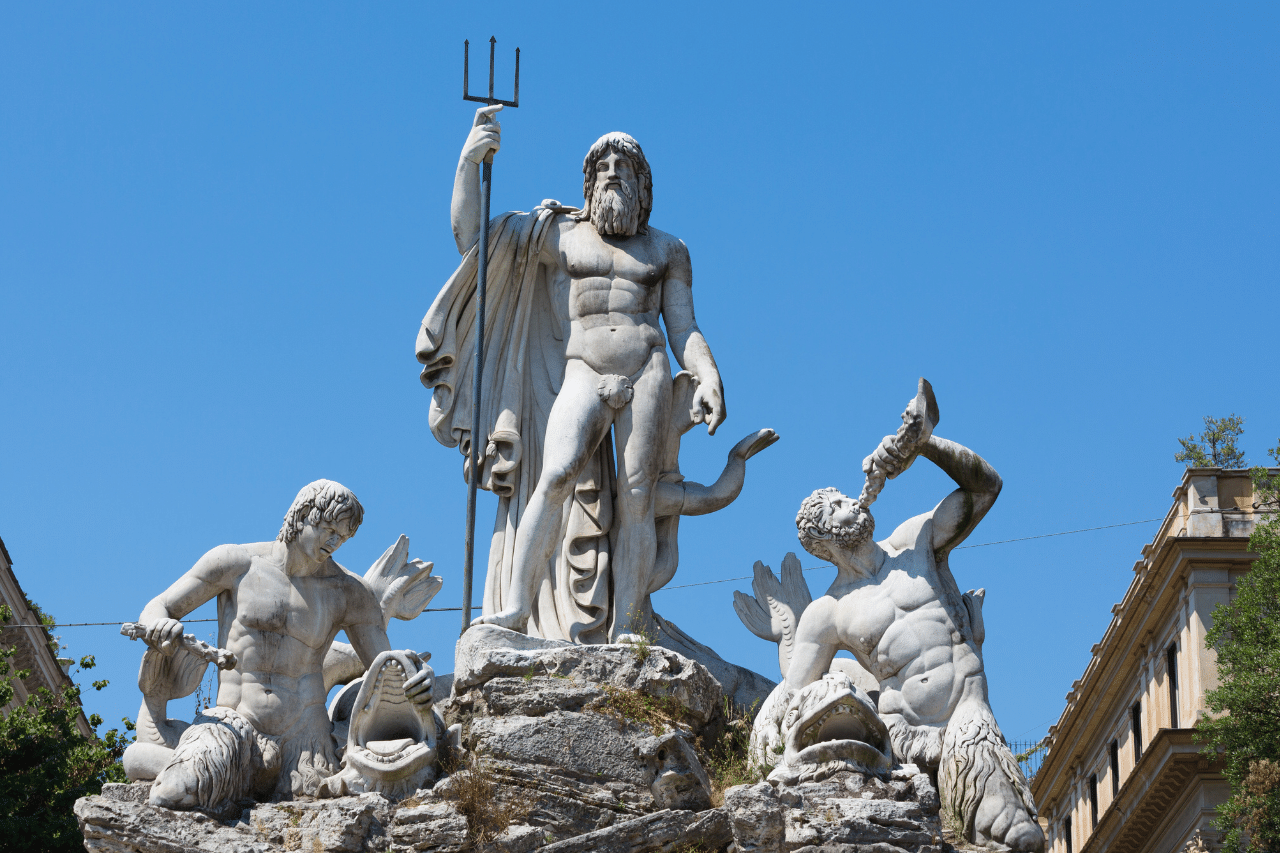
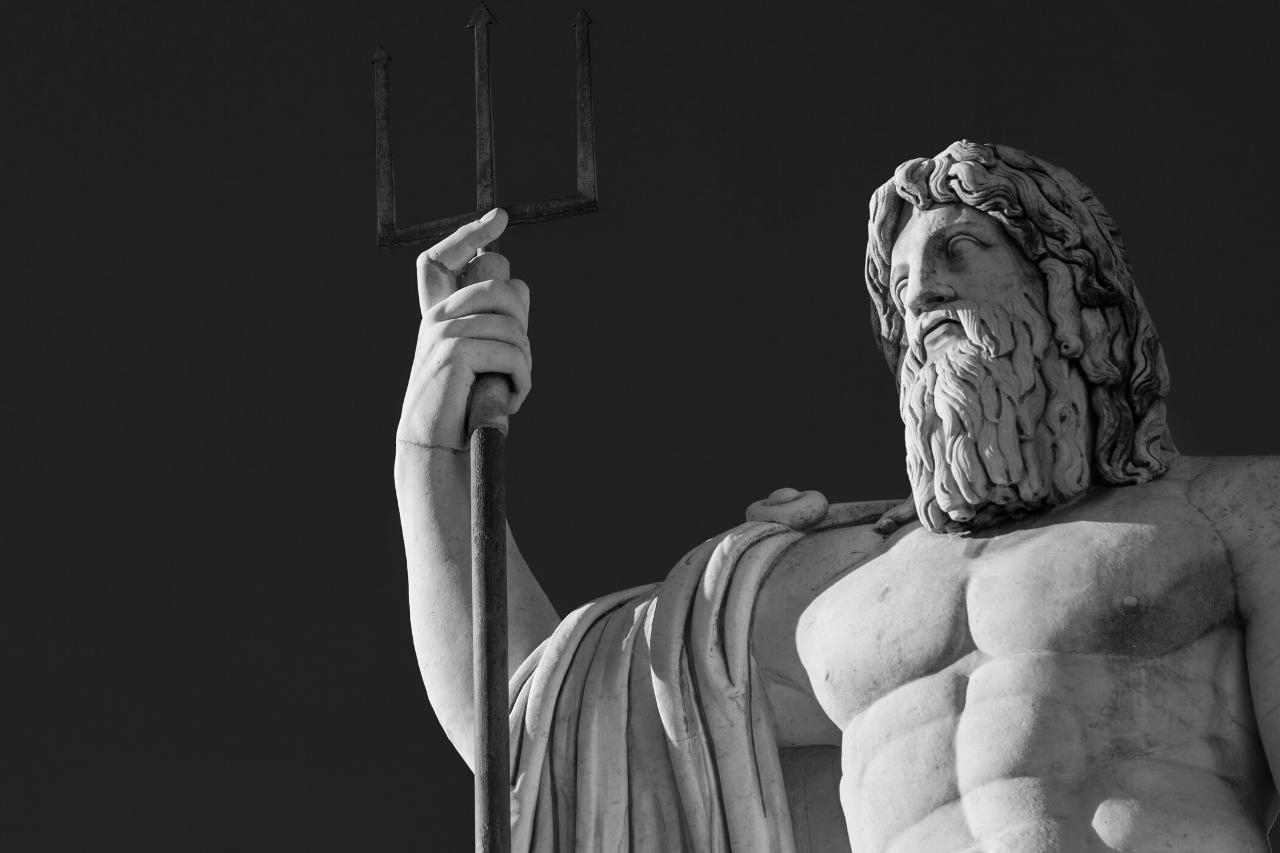
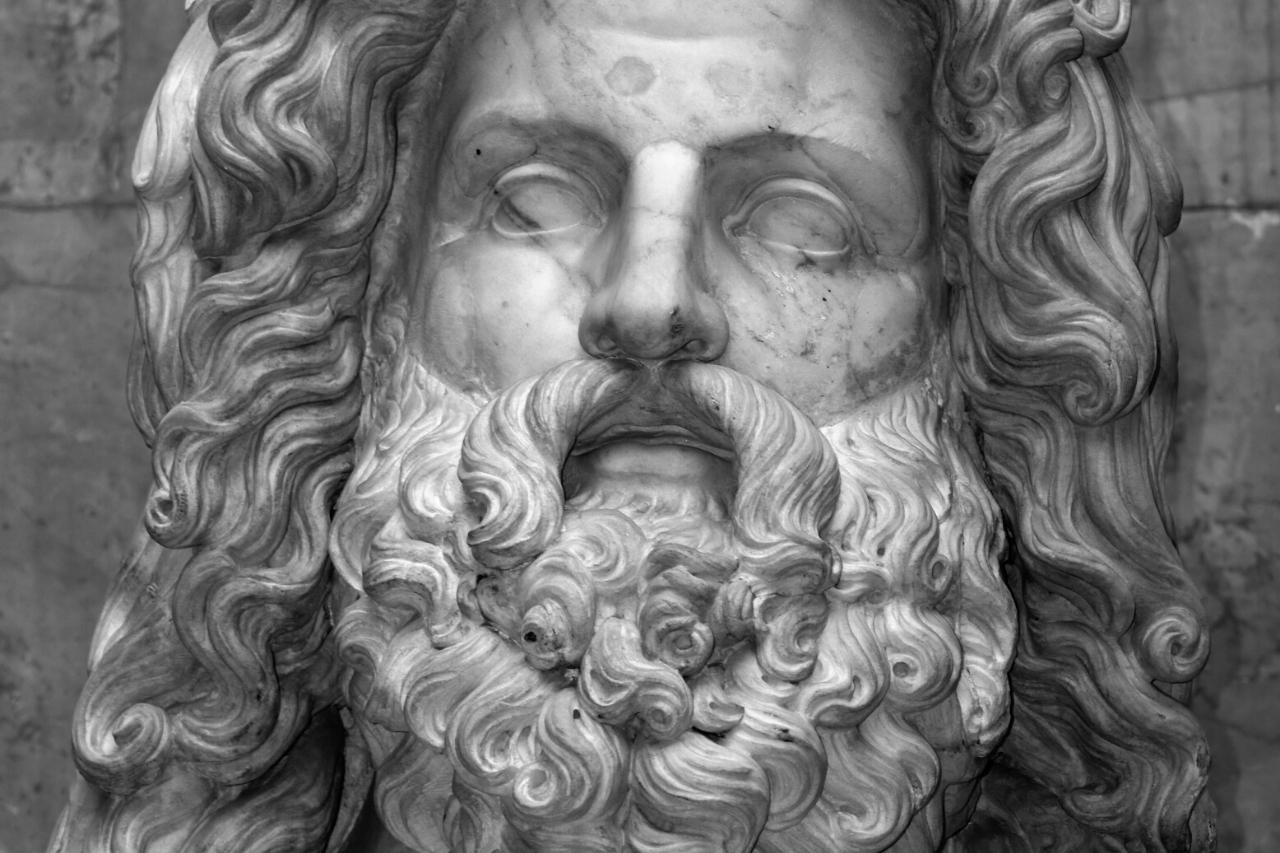
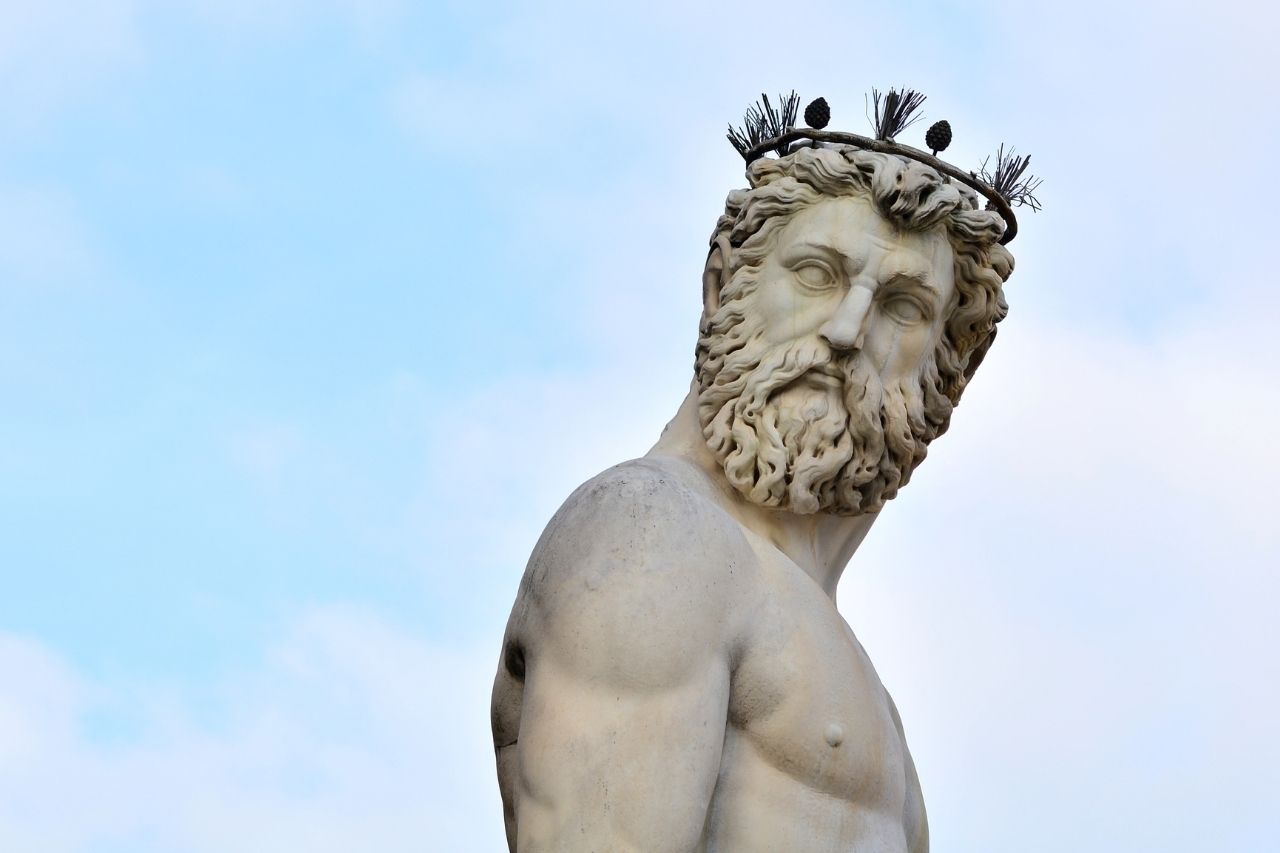
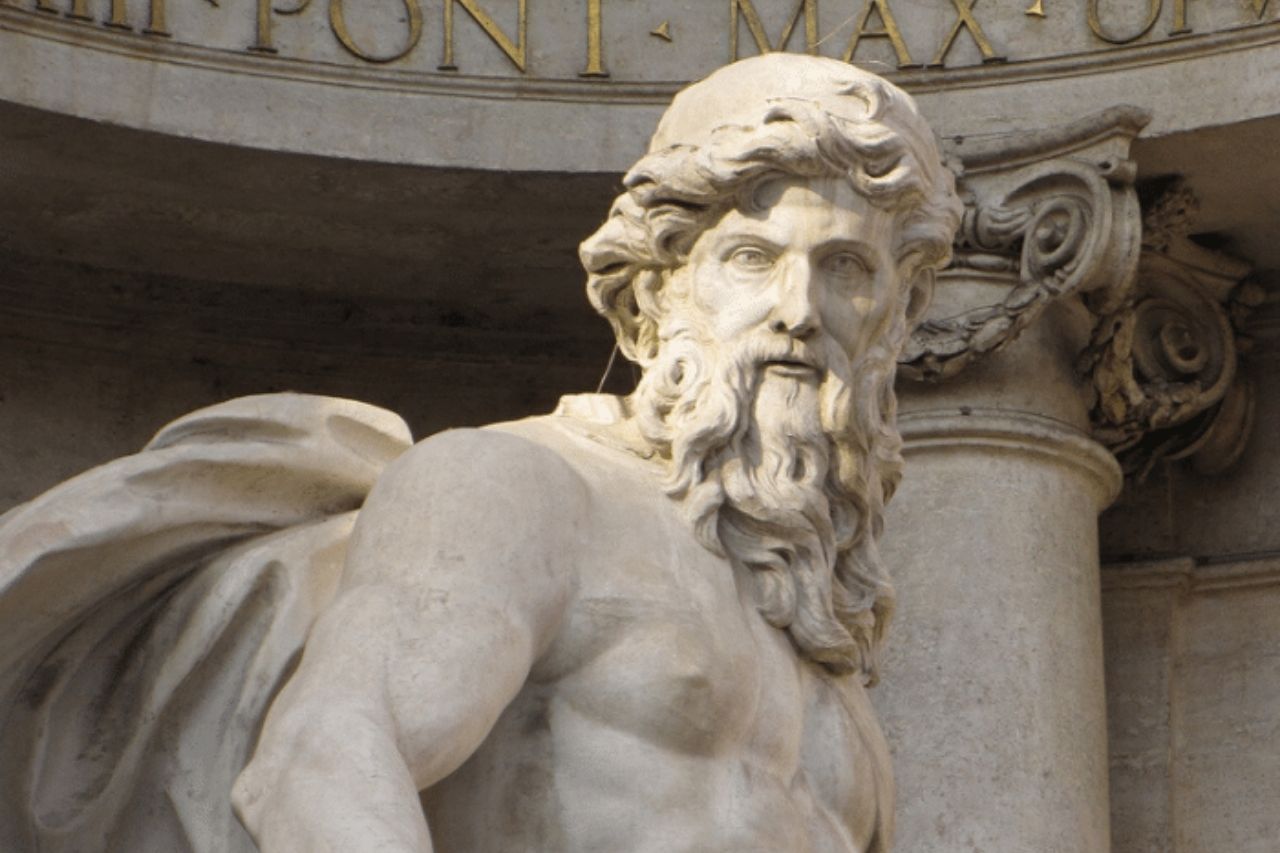
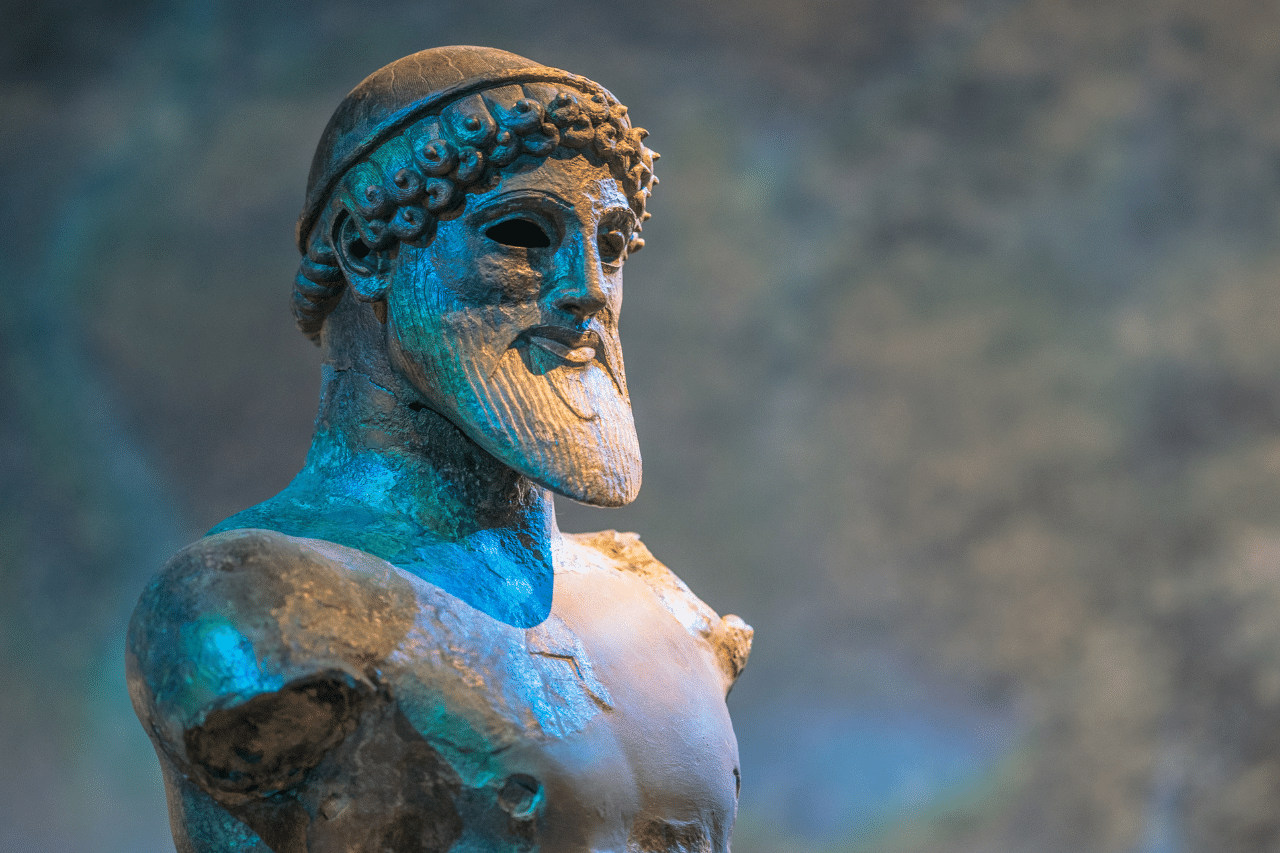
Statue of poseidon one of the greek mythology gods

Learning about mythology and the ancient gods and goddesses is one way that we get a chance to look into the past. We don’t have all the puzzle pieces, but we have sources to give us a little insight into what ancient peoples believed and experienced. What a world it must have been to believe wholeheartedly that the world was controlled by gods with both extraordinary powers and terrible flaws. It might have been both terrifying and beautiful, and we in the modern world may never understand it.

However, reading the myths of the ancients can help us begin to understand. Gods and goddesses, while unique in each civilization, still had similarities across cultures. The powers were incredible, sometimes even magical, and they were often tied inextricably to nature. Their flaws were almost human, and it helped them to understand better the spirits who ruled them.

There was love, war, deceit, and passion. The worlds of the gods, no matter the culture, almost seemed like our world in some small ways. Less magic, perhaps, but still a lot of the same truth. By studying mythology, we look into the past, but we also get the chance to look more in-depth at our present.

By Timeless Myths

:

  • • Norse Mythology
  • • Dark Mirrors Of The Heavens
  • • Mythology Gods
  • • Classical Mythology
  • • Arthurian Legends
  • • Celtic Mythology
  • • Book of Heroes
  • • Classical Literature
Greek Gods

Greek Gods

The Greek gods and goddesses are probably the most recognized pantheon of gods in the western world. Many of their names are mentioned in daily phrases, and most people in the Western world know the majority of these deities. Their stories have be...

April 2nd, 2002 • Timeless Myths
Chinese Gods

Chinese Gods

Chinese Gods: Creators of the Orient In this article, discover the stories and history of the Chinese gods and goddesses. Chinese mythology is spellbinding, mixed with a bit of magic, mystery, and stories of the beginning of the world. Learn more ...

April 2nd, 2002 • Timeless Myths
Japanese Gods

Japanese Gods

Japanese Gods: Mysterious Tales and Origins The pantheon of Japanese gods and goddesses is varied. Many are Shinto gods, but others were brought into the pantheon from the Buddhist religions. Surprisingly, the number of Japanese deities is over ei...

April 2nd, 2002 • Timeless Myths
Pantheon

Pantheon

The Pantheon is a temple to all the gods and goddesses. Here, you will find myths of the gods and goddesses from Greece and Rome. The Greek deities have been divided into groups of gods, eg. Olympians and Titans. The stories of the various Creatio...

April 19th, 1999 • Jimmy Joe
Norse Gods

Norse Gods

Norse gods have recently gained popularity with the appearance of Thor and his myth in Marvel movies. Not only that, but there are many television shows which make mention of the Norse gods and goddesses. There is an appealing aspect to Norse myth...

April 2nd, 2002 • Timeless Myths
Roman Deities

Roman Deities

Roman Deities Personifications Household Guardians Greek Equivalents The religion of the Romans underwent several evolutionary changes throughout the history of Rome. One of the greatnesses of Rome was their ability to change, adapt or absorb fore...

September 10th, 2000 • Jimmy Joe
Egyptian Gods

Egyptian Gods

The Egyptian gods numbered in the thousands, and they ruled over every aspect of life. The gods of Ancient Egypt each had their own individual power and reasons for the people to revere and worship them. The pantheon had thousands of gods, but we’...

April 2nd, 2002 • Timeless Myths
British Deities

British Deities

All of the British deities listed here come from the Romano-Celtic pantheon. The deities found here belong to the period when Britain was a province of the Roman Empire. Like the page on the Gallic Deities, these Celtic deities were sometimes adop...

May 13th, 2000 • Jimmy Joe
Greek Pantheon

Greek Pantheon

Below are several family trees showing the pantheon of the Greek gods. The first, very large genealogy shows the Greek deities based on Hesiod, Homer and many other writers, while the other trees are based on the more obscure Orphic myths. Pantheo...

July 28th, 1999 • Jimmy Joe
Gallic Deities

Gallic Deities

The following deities found here are ancient Romano-Celtic gods and goddesses found in Gaul (France, Belgium, the Alps and northern Italy) and other parts of Continental Europe (Spain, Switzerland, Austria, etc). Written sources for these deities ...

November 3rd, 1999 • Jimmy Joe
Timeless Myths

Exploring mythology and legends from around the world.

Explore Myths

All Stories Characters All Articles Search Site Map

Mythologies

Norse Mythology Classical Mythology Celtic Mythology Arthurian Legends Mythology Gods Ancient Literature

About Us

Introduction About Jimmy Bibliography FAQs Retro Version

Resources

Timeless Myths All Stories All Articles Characters
© 1999-2026 Timeless Myths • Copyright • Privacy Policy • Cookie Policy • Contact
Follow us: