Why Does Medea Kill Her Sons Before Fleeing to Athens to Marry Aegeus?
Medea kills her sons because her husband, Jason, betrayed her and broke the marriage vows they made to stay together and have a family. Medea was a sorceress who helped Jason capture the Golden Fleece from her father, King Aeetes of Colchis. In exchange, Jason married her, and they had two children. However, Jason abandoned his family and married Glauce, the daughter of King Creon of Corinth. Enraged by this betrayal, Medea killed their sons and fled to Athens to marry King Aegeus.
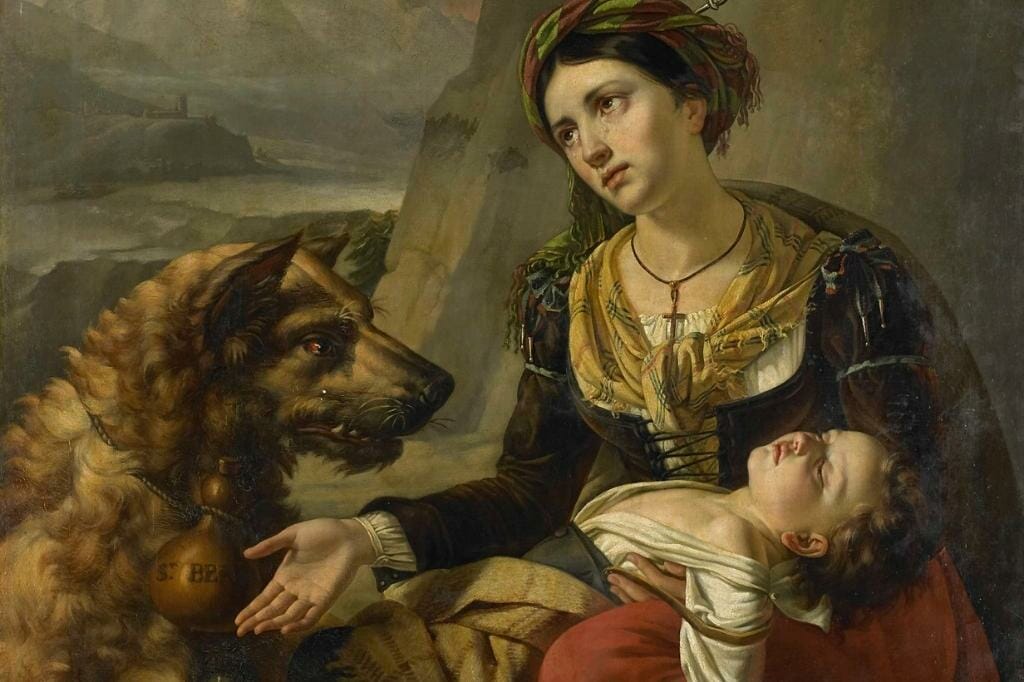
Medea contemplating her revenge against Jason
The story of Medea is one of the most powerful and disturbing tales in Greek mythology. Euripides' play "Medea" explores the depths of a woman scorned and the terrible lengths she would go to exact revenge on the man who wronged her.
Why Does Medea Kill Her Sons?
In Greek tragedy, Medea is portrayed as a complex character driven by multiple motivations. The primary reasons for her decision to kill her own children can be understood through three main perspectives.
To Punish Her Ex-husband Jason
The most prominent reason for Medea's infanticide was to punish Jason for abandoning her. Jason had promised to love and cherish Medea forever, but he broke his oath when he left her for a younger princess. For Medea, who had sacrificed everything for Jason—including betraying her own father and murdering her brother—this betrayal was unforgivable.
By killing their sons, Medea ensured that Jason would have no heirs to continue his lineage. In ancient Greek society, a man's legacy was tied to his sons who would carry on the family name and honor their father's memory. Without sons, Jason's line would die out, and his name would be forgotten. This was the ultimate punishment Medea could inflict upon him.
Medea declares in Euripides' play that she would rather die than be laughed at by her enemies. Jason's marriage to Glauce humiliated her publicly, and she felt compelled to respond in the most devastating way possible. Killing her sons also meant killing a part of Jason, ensuring that he would suffer for the rest of his days.
She Did Not Trust Step-parents and Feared Revenge
Medea also worried about what would happen to her sons after she left Corinth. She had already killed Glauce and Creon with a poisoned robe, and she knew that their deaths would spark calls for vengeance. Medea feared that others would harm her children to punish her for her crimes.
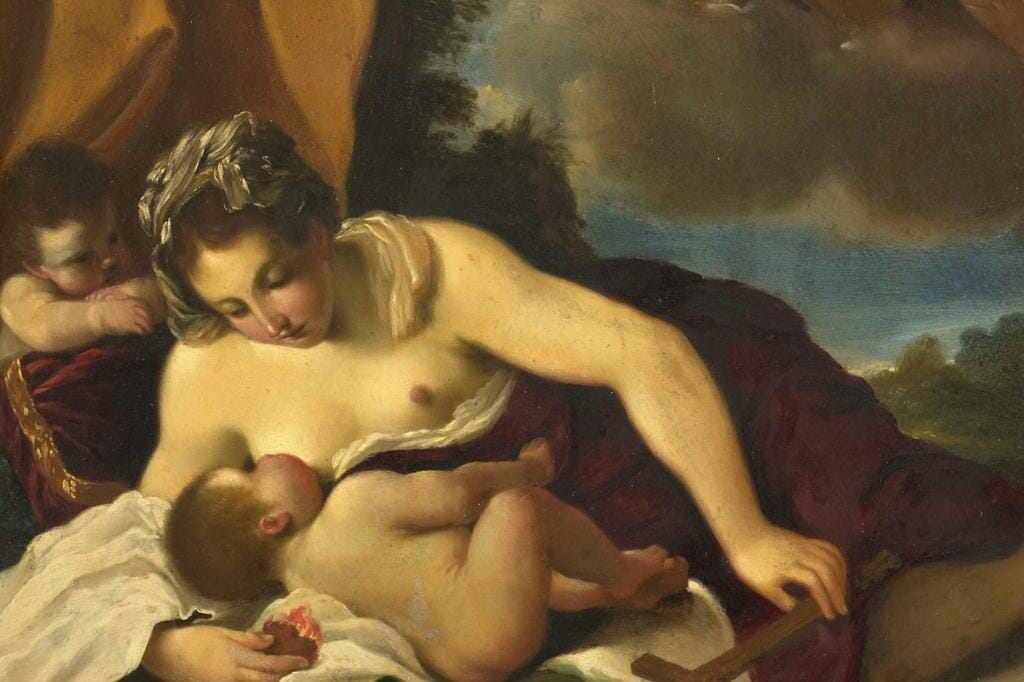
The tragic moment when Medea decides to kill her sons
Additionally, if her sons survived and were raised by Jason's new wife, they would have a stepmother who had every reason to resent them. In ancient Greek culture, stepmothers were often portrayed as cruel to their stepchildren. Medea believed that her sons would face a life of misery and abuse if left behind.
Rather than leave her children to face an uncertain and potentially cruel fate, Medea chose to end their lives herself. She rationalized that it was better for them to die by her hand than to suffer at the hands of their enemies. While horrifying from a modern perspective, this reasoning reflects the harsh realities of ancient Greek society.
To Make Her Sons Immortal
A lesser-known version of the myth presents a different motive for Medea's actions. According to this tradition, Medea was the granddaughter of Helios, the sun god, and possessed knowledge of divine magic. She attempted to make her children immortal by burning away their mortal parts in a sacred fire.
According to one myth, Medea tried to make her sons immortal
This ritual was similar to the one the goddess Demeter used when she tried to make the mortal child Demophon immortal. Unfortunately, like Demeter, Medea was interrupted during the ritual, and her children died before the process was complete. In this version of the story, Medea did not intend to murder her sons but accidentally killed them while trying to grant them eternal life.
This alternative tradition attempts to soften the image of Medea as a cold-blooded killer, portraying her instead as a grieving mother whose good intentions led to tragedy. However, Euripides' more famous version, where Medea deliberately kills her sons, has become the dominant narrative in Western culture.
Frequently Asked Questions
Did Medea regret killing her sons?
In Euripides' play, Medea shows moments of hesitation and grief before carrying out the act. She acknowledges the horror of what she is about to do and briefly wavers in her resolve. However, her desire for revenge against Jason ultimately overcomes her maternal instincts. After the deed is done, Medea does not express regret but rather triumph over Jason's suffering.
How did Jason react to the death of his sons?
Jason was devastated by the deaths of his children. In the play's final scene, he confronts Medea and curses her for her cruelty. However, Medea escapes in a chariot sent by her grandfather Helios, denying Jason even the satisfaction of punishing her. Jason is left alone, broken and childless, with nothing but grief and regret.
Why did Medea go to Athens?
Before carrying out her revenge, Medea secured a promise from King Aegeus of Athens that he would give her refuge. Aegeus, who had no children and desperately wanted an heir, agreed to shelter Medea in exchange for her magical help in producing a son. After killing her children and escaping Corinth, Medea flew to Athens in her divine chariot.
What happened to Medea after she went to Athens?
In Athens, Medea married King Aegeus and bore him a son named Medus. However, her time in Athens was troubled. When Theseus, Aegeus's long-lost son, arrived in Athens, Medea recognized him as a threat to her son's inheritance. She attempted to poison Theseus but was discovered and fled Athens before she could be punished.
Conclusion
The story of Medea killing her sons remains one of the most shocking and thought-provoking tales in Greek mythology. Her actions were driven by:
Revenge against Jason: Medea wanted to punish her unfaithful husband by destroying his lineage and ensuring he would have no heirs.
Fear for her children's future: She believed her sons would face abuse and revenge from Jason's new family and the Corinthians.
A failed attempt at immortality: In some versions, Medea accidentally killed her sons while trying to make them immortal.
Euripides' portrayal of Medea challenges audiences to consider the complexities of justice, revenge, and the treatment of women in ancient society. While her actions are horrifying, the play forces us to examine the circumstances that drove her to such extremes. Medea's story continues to resonate with audiences today, serving as a powerful exploration of betrayal, passion, and the consequences of broken promises.