Aceso Goddess: The Greek Deity of Healing Wounds and Curing Sickness
Aceso goddess was one of the deities who supervised the practice as the ancient Greeks practiced a crude form of medicine. She was thought to help relieve patients of the pains and agony that came with sicknesses and wounds to quicken the process of healing. She worked alongside her father, Asclepius, the god of medicine to ensure patients regained their health. To know more about the goddess of the healing process, keep on reading this article.
Who Is Aceso Goddess?
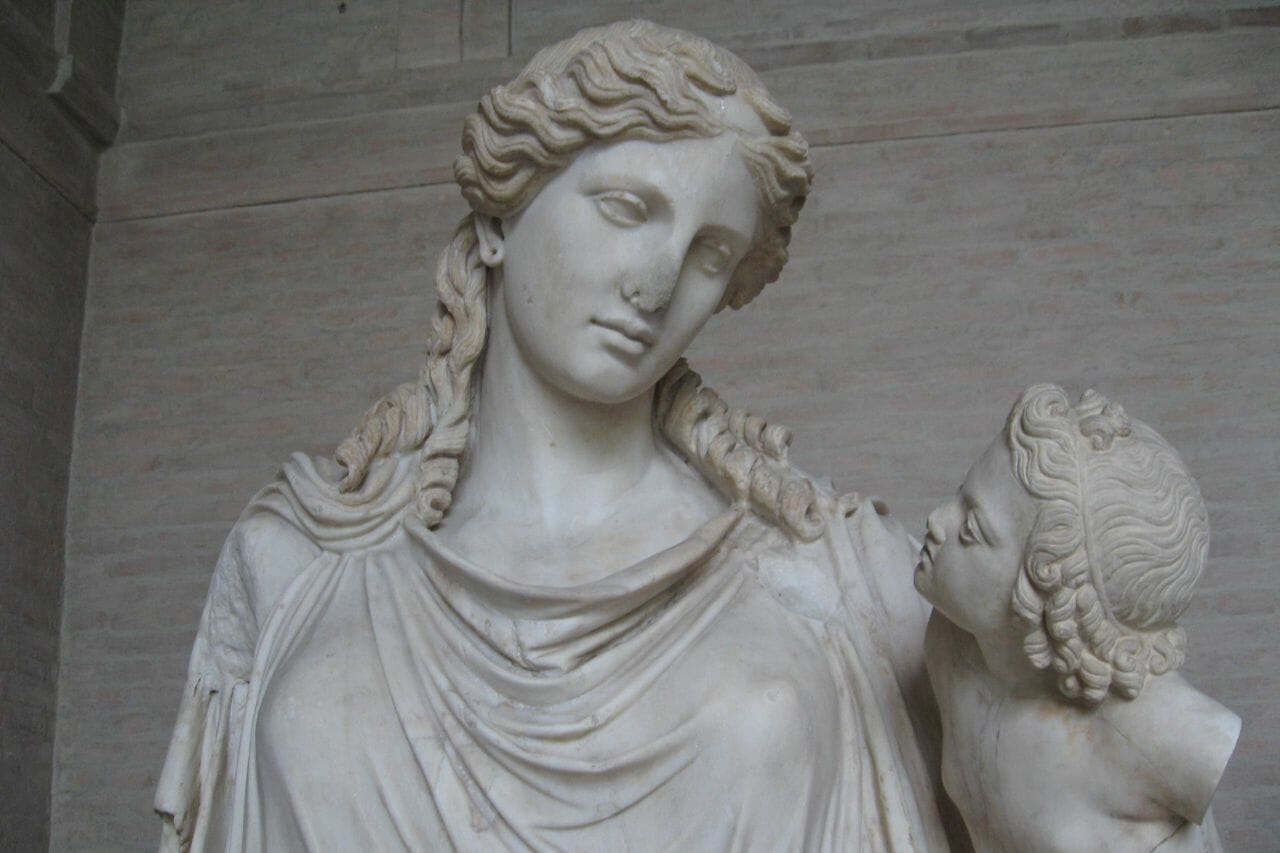
Aceso goddess was the Greek deity of the process of healing and curing all kinds of ailments and injuries. Ancient Greek healers often prayed to her to help them in their trade as they battled various sicknesses and diseases. She worked in tandem with her sisters Hygieia, Panacea, and Iaso.
The Role of The Healing Goddess
Aceso was more concerned with the process of healing than the end results. To her, how the patient got cured was as important as the cure itself. After all, the process of healing could determine whether the patient got cured or not.
Thus, Aceso played a more important role compared to her family members as we would soon discover. While her sisters Aegle and Panacea symbolized treatments, Aceso was the personification of the whole healing process – from the work of the physician to the end of the healing process.
Long Term Healing
As the embodiment of a whole process, it was Aceso's duty to influence every decision and action of the physician to ensure wholesome healing. She was responsible for long-term ailments and complicated sicknesses that could take days to cure.
Her sisters, on the other hand, focused on short-term sicknesses that may require a one-time medication. Thus, long-term patients found solace in the knowledge that eventually their healing would be complete thanks to the healing goddess.
How She Healed
She was the deity that fixed broken bones, stitched skin together covered wounds with scabs, strengthened muscles, and caused scars to fade. The ancient Greeks believed that diseases were caused by evil spirits called Nosoi, therefore it was her role to chase them away.
Among her sisters, she was the most dynamic as she superintended the complicated healing process. She was often depicted in the company of her father and sisters as a set of deities that oversaw medicine, healing, and the total well-being of the individual citizens and the whole nation, overall, she healed the ones in physical pain.
The Nemesis of Aceso
Since Aceso was the goddess of healing it was only natural that her nemesis would be the deities associated with the processes of death and one of them is Achlys.
The Achlys Goddess
Achlys was the spirit that represented the closing of the eyes preceding the onset of death. Also referred to as Akhlys, she was the daughter of Nyx, the goddess of Night, according to some Greek myths. Akhlys was also part of the female spirits associated with violent death known as Keres.
It was believed that she fought Aceso and the other deities of healing during a person's sickness. When the person got healed, victory was declared for Aceso and her relatives but when the person died, Achlys and her relatives won.
The Nemesis Goddess
Nemesis was the deity that personalized revenge against those who become filled with extreme pride also known as hubris. She exacts revenge through various means including inflicting diseases on the culprit which could lead to their death. She is the sister of the Keres by Erebus (Darkness) and Nyx (Night), making her a sibling to Achlys.
The Family of the Healing Goddess and their Roles in Medicine
She was born to Asclepius, the god of medicine, and his wife, Epione, the personification of soothing care. She had six siblings – two males and four females. The males were Machaon and Podalirius who commanded an army from the Greek city of Tricca during the Trojan War.
Aceso got married to the god of convalescence, Telesphorus, who personalized the recuperating of ill patients. Unlike his wife, Telephorus was a major god of Greek religion and was depicted on Greek coins as a young man in a wide cloak bearing a scroll. His temple was located in Pergamum, Anatolia, in the locality of Asclepius.
The Role of Epione
Epione's role was to inspire the care that patients needed to ensure their quick recovery. The Greeks realized that medicines alone without proper care and comfort would not lead to recovery. Thus, they combined potent herbal medicine with great care and soothing techniques to ensure optimum health for their patients – and the patron deity was Epione.
The Story of Her Brothers
Machaon and Podalirius were surgeons who treated the wounded and the diseased during the 10-year battle against the Trojans.
Some of the Greek warriors they healed included Telephus, the son of Heracles, Philoctetes, the prince of Thessaly, and Menelaus, the king of Sparta. During the war, Paris wounded Machaon which put him out of acting but he died at the hands of the Mysian prince, Euryplus.
However, his brother, Podalirius, survived the war and went on to settle in Caria in western Anatolia. There he lived out the remainder of his shares and possibly founded the city of Syrnus after his wife, Syrna, the daughter of the king of Caria.
The Role of Her Sisters
Aceso's sisters were Aegle, Panacea, Iaso, and Hygieia who played vital roles in helping their father accomplish his work.
Panacea was the deity of universal healing and was believed to possess the potion that was the cure to all diseases. The phrase "panacea in medicine" which is the medicine that cures all sickness was coined from her name. Some scholars believe that she was worshipped as an independent deity before later being added to the siblings of the healing goddess.
Hygieia was the goddess of cleanliness, health, and sanitation and the originator of hygiene. Her name is mentioned in the Hippocratic oath alongside her sister Panacea and her father Asclepius. Hygieia personified the prevention of diseases and was responsible for maintaining good health among the citizenry.
Iaso symbolized recuperation from sickness and worked directly with her mother Epione to fulfill her mission. One part of the altar in the temple of Amphiaraus was dedicated to her alongside the Aphrodite goddess and her sister, Panacea.
Aegle was the personification of a healthy human body. Her name meant brightness which depicted the radiance of a healthy body. Another meaning of her name is splendor which denotes the reverence given to the medical profession.
The Life and Death of Her Father
As you would have noticed by now, she was part of a long line of gods and mortals who were in charge of healing diseases and injuries. Her father Asclepius was the son of Apollo, the god of prophecy, and Coronis, a princess of Thessaly.
However, other sources list the mother of Asclepius as Arsinoe, the daughter of Prince Leucippus while some versions say Apollo bore him all by himself. Apollo taught the young Asclepius the process of divine healing and sent him to the wise centaur, Chiron, to learn medicinal healing.
However, Asclepius took his studies seriously and soon became a better healer than Chiron. According to Greek mythology, a snake once licked the ears of Asclepius and taught him all that he needed to know about medicine.
He became a renowned physician and traveled across the Greek states teaching people the art of healing. Soon, people began to study and practice medicine thanks to the efforts of Asclepius.
His fame spread far and wide and even the gods began to take notice of his prowess. According to some versions, Asclepius learned how to bring back people from the dead and this became a source of concern for the gods, especially Hades.
They thought that he had now crossed human boundaries and disrupted the natural cycle of life and death. Therefore, Zeus decided to kill Asclepius for breaking the laws of nature and infringing on the powers of the gods.
Apollo's Revenge
Apollo became offended at the death of his son and killed the Cyclopes, the son of Poseidon, in revenge. Zeus saw what Apollo had done and punished him by making him mortal and subservient to the King of Thessaly for a whole year.
After he had calmed down, Apollo begged Zeus for mercy and the two gods had a conversation about the death of Asclepius. Apollo convinced Zeus that, though Asclepius had broken the natural order, he was more useful to mankind. Thus, Zeus restored Apollo and immortalized Asclepius making him the god of medicine with a residence on Mount Olympus.
Asclepius became a patron god of medicine and healers with temples across the whole of Greece. These temples were used for diagnosing and healing all kinds of diseases and treating wounds through herbal and divine intervention. Later, Epione became Asclepius's wife and they had six children including her.
Association with Deities
There are different deities that have been associated with her, as she healed the ones in physical pain, these deities needed her in so many ways and they reached for her, as she was there to accomplish her mission and save the ill.
Brizo Goddess
Brizo was the goddess that kept sailors and seamen safe while they were out on the water and the seas. She was responsible for the well-being of her patrons and played a part in healing their diseases. She was often associated with prophecies that she delivered through dreams.
Arete Goddess
Arete was the deity of bravery, distinction, and virtue. She was a minor goddess who was responsible for the uprightness of society. She was a member of the Praxidikai, deities who ensured that justice prevailed, alongside her sister Harmonia, the goddess of concord and unity. Harmonia was the opposite of the Eris goddess, the deity of strife and disunity.
Aceso Goddess Pronunciation
The name is pronounced |Ae-khe-so|
FAQ
What Is Persephone the Goddess of?
Persephone is a goddess of life, fertility and agriculture but later becomes the Queen of the Underworld after she is snatched by Hades. In the Underworld, she is the goddess of death and destruction.
Conclusion
This article has covered the family and the role of Aceso, the goddess of the process of healing, as well as other deities associated with her. Here is a summary of all that we've read so far:
Aceso was the daughter of Asclepius, the god of healing, and Epione, the personification of care during healing.
She had six siblings: two males, who healed the wounded during the Trojan War, and four females who played various roles in healing a patient.
Her father, Asclepius, was a mortal who later assumed immortality after Zeus found his work necessary for the sustenance of mankind.
Aceso's sister Hygiaie personified cleanliness, Aegle was the goddess of a healthy human body, Iaso oversaw recuperation and Panacea had the remedy to all sicknesses.
She had enemies including Achly and Nemesis who ensured that her patients died as a result of sickness.
Aceso's work ensured that all patients received healing and lived long and fulfilling lives. Unfortunately, her role and that of her family could do little when death came knocking on the door.