Antilochus: The Greek Mythology of the Greatest Prince of Pylos

Antilochus was a Greek warrior who sought the hand of Helen in marriage and thus had to join the Greek expedition to Troy after Paris kidnapped Helen. He killed some notable Trojan warriors while defending the honor of his father, Nestor. Antilochus participated in the funeral games for the fallen hero, Patroclus, and performed well. Keep reading to know more about the strongest Pylian warrior.
Who Was Antilochus?
Antilochus was the son of King Nestor of Pylos and the commander of the Pylian troops during the Trojan War. He fought bravely and became the companion of Achilles after the death of Patroclus. He sacrificed himself to save his father as he was attacked by Memnon.
The Family
According to Greek mythology, Nestor and either Eurydice or Anaxibia gave birth to Antilochus. He had eight siblings; six brothers and two sisters and they were Pisidice, Thrasymedes of Pylos, Stratichus, Echephron, Polycaste, Aretus, Perseus, and Pisistratus.
Now, in a different version of the myth, it is said that he had a son named Paeon while he was in Messenia in the Peloponnese region. However, later on, it is mentioned that the descendants of Heracles fought and drove Paeon’s descendants from Messenia.
Featured In The Iliad
In Homer’s epic poem, the Iliad, Antilochus followed his father, the king, and his elder brother, Thrasymedes, to sack Troy and return Helen. He was the youngest of his siblings but was allowed to command the Pylian fleet under the leadership of King Agamemnon.
His father, the King of Pylos, was too old to actively command the warriors of his kingdom. Antilochus fought bravely and downed several Trojan warriors that wandered his way on the battlefield. Some of the Trojan heroes who fell at the sword of Antilochus include Atymnius, Echepolos, Melanippus, Phalces, Ablerus, and Thoon.
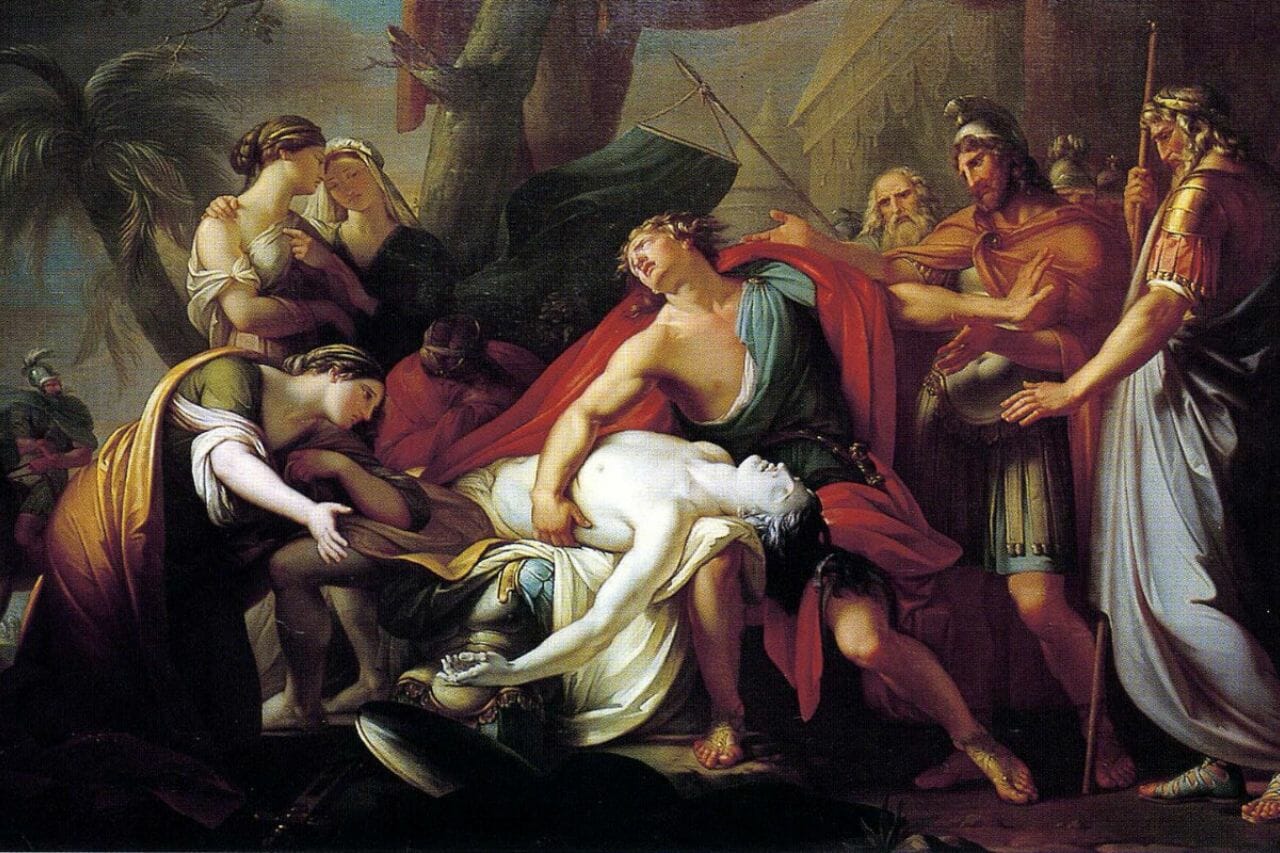
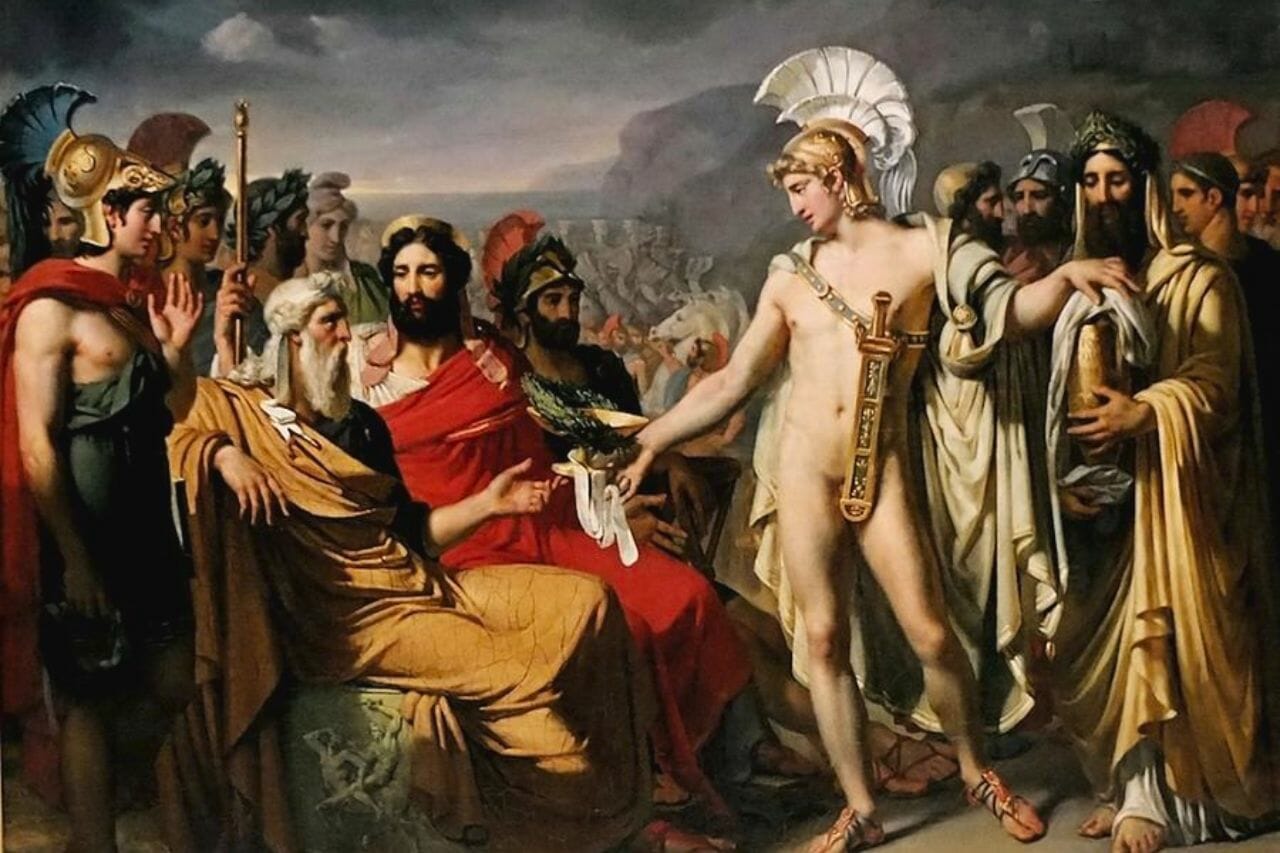
His exploits caught the eye of Achilles and the two became so close that when Patroclus died in battle, Antilochus was chosen to break the news to Achilles. However, after this news, he and Achilles became best friends and after this bond was formed, when he died in battle Achilles avenged his death with no mercy. In addition, during the funeral games of Patroclus organized by Achilles, he took part in the chariot and foot races and came second and third respectively.
The Myth in Posthomerica
In the poem Posthomerica by Quintus of Smyrna, Antilochus faced off with Memnon, the King of Aethiopia, during the Trojan War. Memnon was aggrieved that Antilochus had killed his great friend Aesop, thus he killed Antilochus in revenge.
When his father, the king, heard that his son had died in a duel with Memnon, he headed into the battle to find and killed that Memnon. However, the latter refused to fight him because of his age and the huge respect he had for the king.
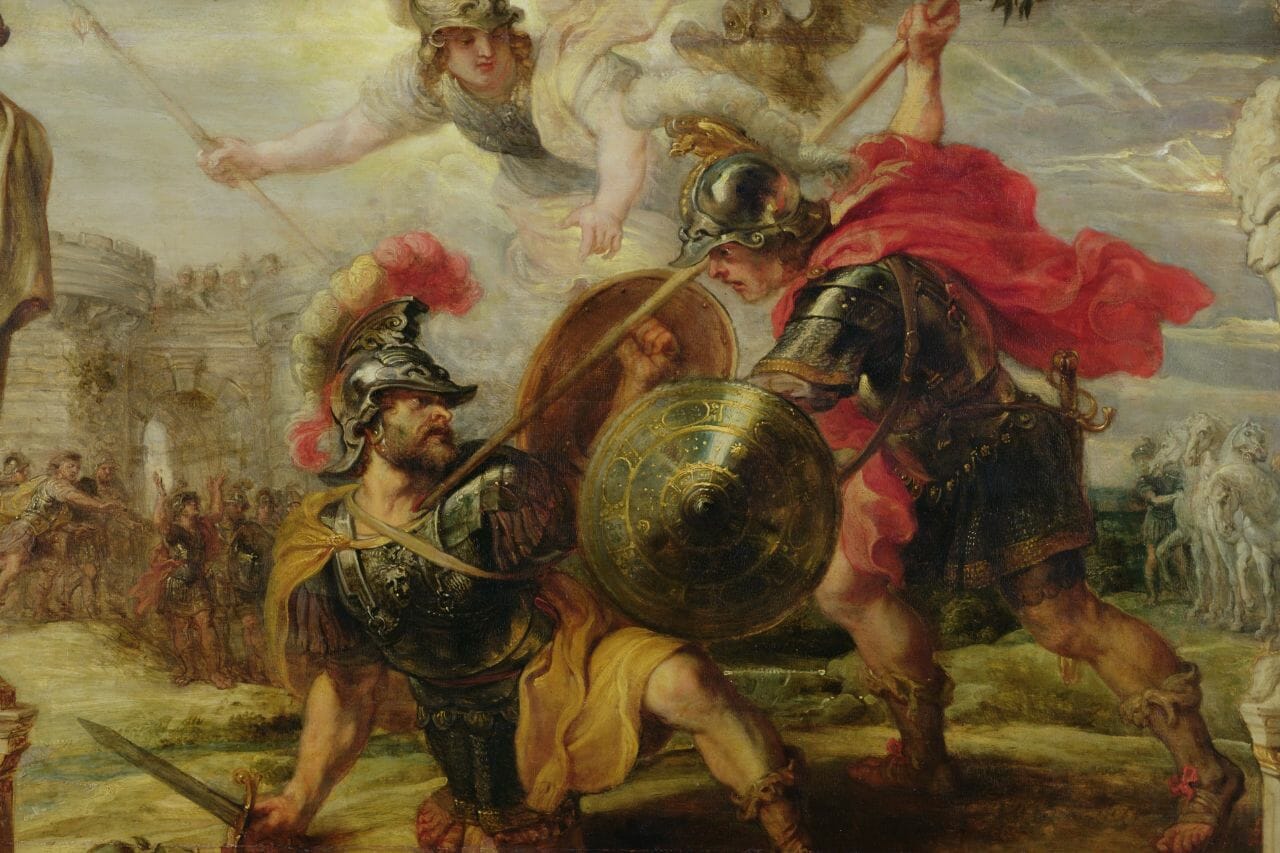
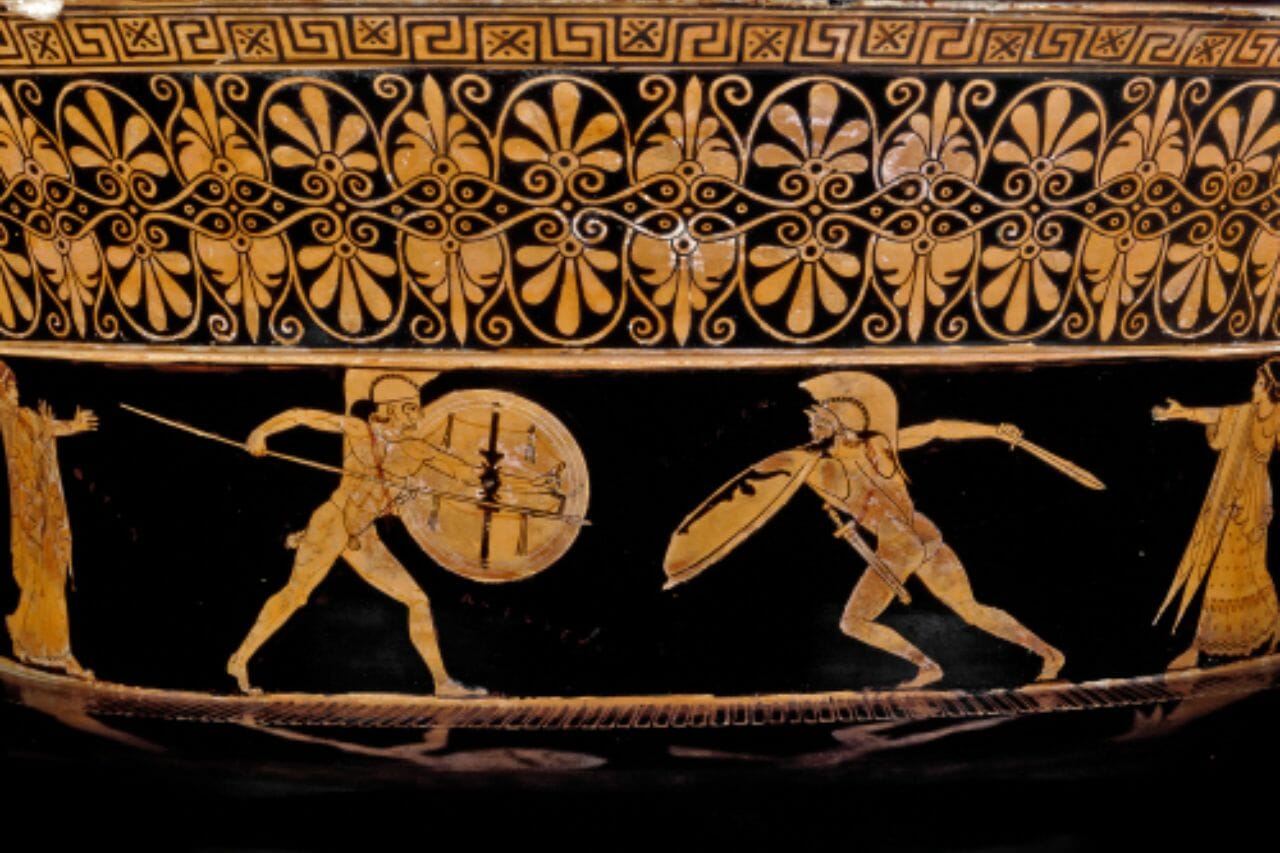
However, he asked Achilles to avenge the death of his son, which he obliged. The two warriors fought with both wearing divine armor fashioned by Hephaestus making them invulnerable. Note that, Memnon was the son of Eos, the goddess of the dawn, and Tithonus, thus he was a demigod just like Achilles and could go toe-to-toe with him. Eventually, Achilles overcame him and killed him, avenging the death of his friend and pacifying his father.
The Myth in Aethiopis
The story of Antilochus in the epic Aethiopis is quite different from that conveyed in Posthomerica. In the Aethiopis, he had been warned by an oracle to beware of the Aethiopian which was Memnon.
However, when Memnon attacked his father, and he had to come and rush to help because his father was too old and weak to fight this demigod. He was enough to know that it would be his last but he fought valiantly and saved his father to the detriment of his own life.
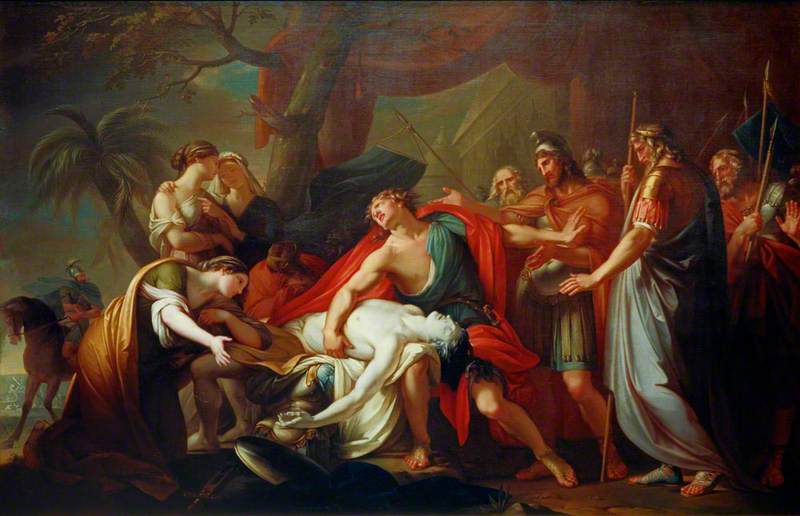
The death of Antilochus angered Achilles who killed many Trojans and drove them back to their city gates. There Paris shot an arrow that struck the heel of Achilles, his only weak spot, and killed him.
Other Variations of His Death
According to some versions of the myth, Antilochus was killed by Hector while others say that while he was in the temple of Apollo with Achilles, Paris came in and killed them both. In addition, the ashes of Achilles, Antilochus, and Patroclus were buried on the promontory of the city of Siegeion in Anatolia. That was the place where the citizens of Troy sacrificed their dead heroes.
Antilochus Pronunciation
The name is pronounced |antilukuhs|
In the Odyssey
In the Odyssey, written by the famous Greek poet Homer, Antilochus, Patroclus, and Achilles, the three best friends were reunited in the underworld. He depicted that they walked together in the Asphodel Meadows in the Underworld. The meadows were the place where ordinary souls lived after death. However, in the end, they dwelled or resided together in Leuke, a Greek island.
Conclusion
Now that we have come to the end of the article, we have read the Greek mythology of the Pylian Prince and discovered his exploits on the battlefield. Here is a recap of all that we’ve read:
- He was born in Pylos to King Nestor and his wife either Eurydice or Anaxibia, depending on the version of the myth you’re reading.
- He had six brothers and two sisters and being the youngest, strongest, fastest and most ambitious, he was the commander of the Pylian fleet in the Trojan War.
- Antilochus fought bravely and killed many Trojan heroes including Melannipus, Thoon and Ablerus and his bravery caught the attention of Achilles.
- According to some versions of the myth, he sacrificed his life for his father Nestor while other versions claim that he was killed alongside Achilles in the temple of Apollo.
- He is depicted in the Odyssey walking with his two friends, Achilles, and Patroclus in the Asphodel Meadows of the Underworld.
Antilochus had a son named Praeon while in Messinia, however, the descendants of Hercules later drove out the descendants of Praeon from Messinia.