Telkhines: The Inhabitants of the Island of Rhodes
Telkhines were one of the most interesting creatures of Greek mythology because of their origin and powers. These creatures existed from the start and played a vital role in the lives of both Titan and Olympian gods. In the end, they were killed by Zeus, Poseidon, and Apollo in the end. Read ahead as we unravel the history that led to the killing of these creatures along with their origin and abilities.
Telkhines Origin
The creatures were the inhabitants of the infamous Rhodes island in Greece, which was the capital of the island groups. These inhabitants were known to come from Crete to Cyprus and they were very famous in their time for being majestic and magical. Their contributions to Greek mythology are various and have been a part of mythology from the start.
Their key origin, however, is very unspecified and several characters in Greek mythology are credited as their parents. In some places, they are said to be the children of Gaia, the mother goddess, and Pontas, the pre-Olympian sea god; however, this is not always confirmed.
Some other places portray Tartarus, a deep abyss, and Nemesis, the god of retribution, as the parents of these creatures. These two are very interesting takes on the patronage of Telkhines also very well known.
The most famous theory about their origin would include Uranus, the primitive god, that birthed the Titan gods and goddesses with Gaia. It is iterated that they were formed from the blood that fell when Cronus castrated Uranus on the order of Gaia.
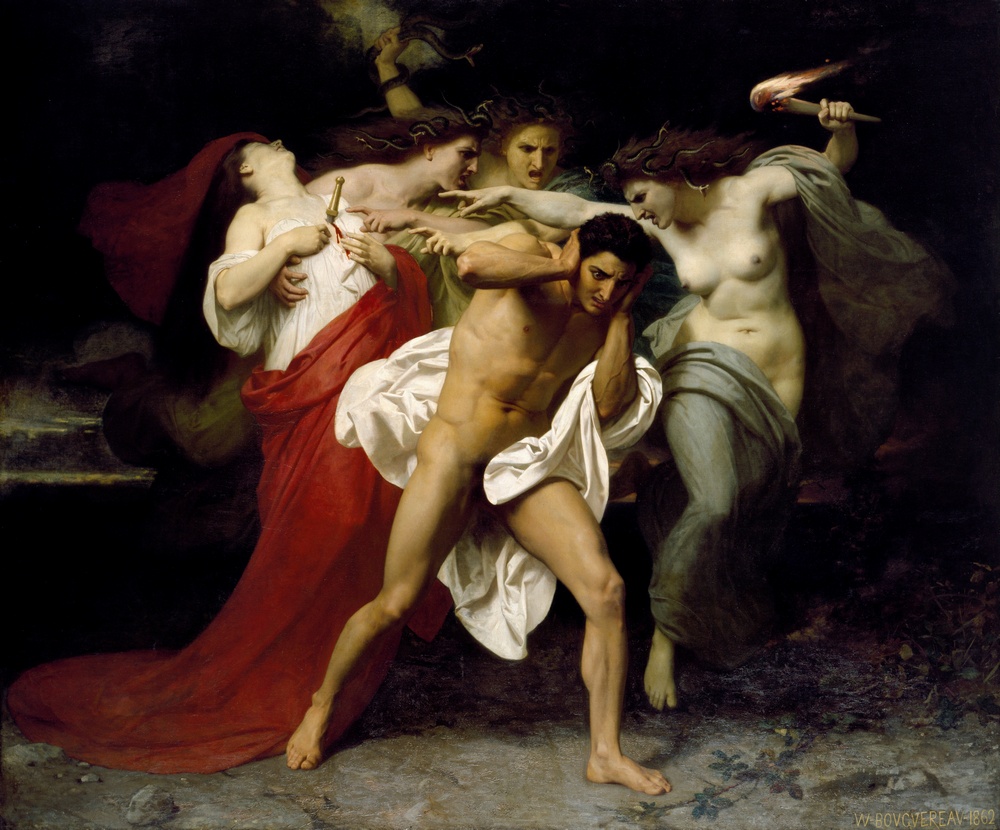
When the blood fell from Uranus, the Furies were formed who were the female embodiment of vengeance. Hence, they are known to be the siblings of the Furies in Greek mythology.
Island of Rhodes
It is the largest island in Greece and is located in the north of Greece and is a spear-shaped island. In Greek mythology, the island has much importance as it is the island of the Telkhines. This island still exists today and is the historical capital of Greece.
Appearance
The appearance of these magical creatures does not match their attributes at all. They were known to be hybrid creatures, which shows that they had a face of a dog, with pointy ears, brown eyes, black snouts, and sometimes had wings for flight. Some of them, however, would have slender bodies which would look like seals.
A fully grown Telkhine would be several feet long. No information about their attire can be found in any of the literature. Hence their appearance was unlike any other creature known in Greek mythology.
On the other hand, another interesting feature was that they could shapeshift so they could take the shape of any creature that was alive and even dead. This shows how wrong the currently given description can be because they could simply have taken this shape which was someone else's.
In addition, it was always very hard to accurately believe in the appearance of any shapeshifter creature because they are very good at deceiving and do not retain a single shape for a long period of time, this one a flaw in their ability.
Roles of Telkhines
Telkhines power played many roles in Greek mythology. The latter was because they were the masters of many traits and abilities. To elaborate further, they were sorcerers, metal workers, ministers of gods, artists, fighters, peacekeepers, and much more. They might be the most attributed entities in Greek mythology after Zeus. However, as famous as they were, they were least known and popular outside the mythology.
They appeared in some works of Hesiod and Homer but were not explained in much detail. They can be defined as the "jack of all trades" because of their abilities, skills, and prowess. They were never part of any war in Greek mythology but if they were, that side would surely be victorious. Here we explain their various roles in Greek mythology in detail:
Sorcerers
Some of these creatures were known for being sorcerers in Greek mythology, on the other hand, note that this magic or sorcery did not sit well with many gods and goddesses. They used magic heavily and would make things and events go according to their wishes. Due to these reasons, these creatures were known for their mind control and most importantly their shapeshifting abilities.
In addition, they could turn into any shape flawlessly and also loved tricking people in funny ways and even harmful ways at times. Other than that they had the power of teleportation, which would mean that they could be at multiple places at a given time. This is a very unique power given to them as no other Greek creature has this ability.
Nonetheless, it is also key to know that their sorcery was used in both ways, at times in a good way, and other times in a bad way.
Greek mythology has all sorts of storylines and plots however, magic is not very common to it. Note that these creatures used magic and were known sorcerers, this shows how unique their characters were and how well they used their powers and abilities.
Demons
Some events would also regard them as mean and demonic creatures, as they did have some evilness. It is normal because not all of the creatures would be the same, and in this case, even, they weren't all the same: there were some good ones and then some very evil ones. With their abilities in magic and sorcery, they would trick and mislead people just for fun.
This ability of the Telekhine monster is the reason that they were killed by the hands of Olympian gods. They started using their sorcery and witchiness for their own purposes which titled the balance of the universe in their favor. This was unacceptable to the gods and goddesses and the ultimate destruction of them was the only way to peace.
Ministers of Gods and Goddesses
This ability of these creatures was the most unsettling one for the gods and goddesses because they came beneath them. The creatures were given the power to reside over the gods and goddesses and their matters. They were like judges and the gods and goddesses were like court cases. Being ministers over gods was surely a very big deal and they took full pride in it that they would always leave justice prevail no matter the god or goddess under question.
No one knows who gave these creatures the power and even the authority to become ministers of the gods and goddesses. Some places iterate that Gaia made them ministers after she saw the havoc the gods and goddesses create whenever they want something for themselves. This is very interesting to know because not many people know about the alleged ministry that works above the Titan and Olympian gods and goddesses of Greek mythology.
Artists
A lot of art that is associated with Greek mythology is attributed to them because of their artistic abilities. In the earlier times of mythologies, these creatures can be seen portraying their artistic works in front of gods and goddesses for praise, this was somehow a way to feed their pride. Their art was unlike anything they had ever seen so they were always very surprised and in awe.
Most of the art made by these creatures was kept on Mount Olympus, in between the gods. This shows how valuable the art was and how impressed the gods and goddesses were with it.
Metal-workers
This might be the most interesting ability of the Telkhines. They were known metal-workers and have known to create the most important weapons in all of Greek mythology. As these creatures were very well known among the gods, they were constantly in their service.
They were keen in their work and made the blade with which Cronus castrated Uranus but if this is true then the creatures cannot be formed by the blood of Uranus and neither would they be the siblings of the furies.
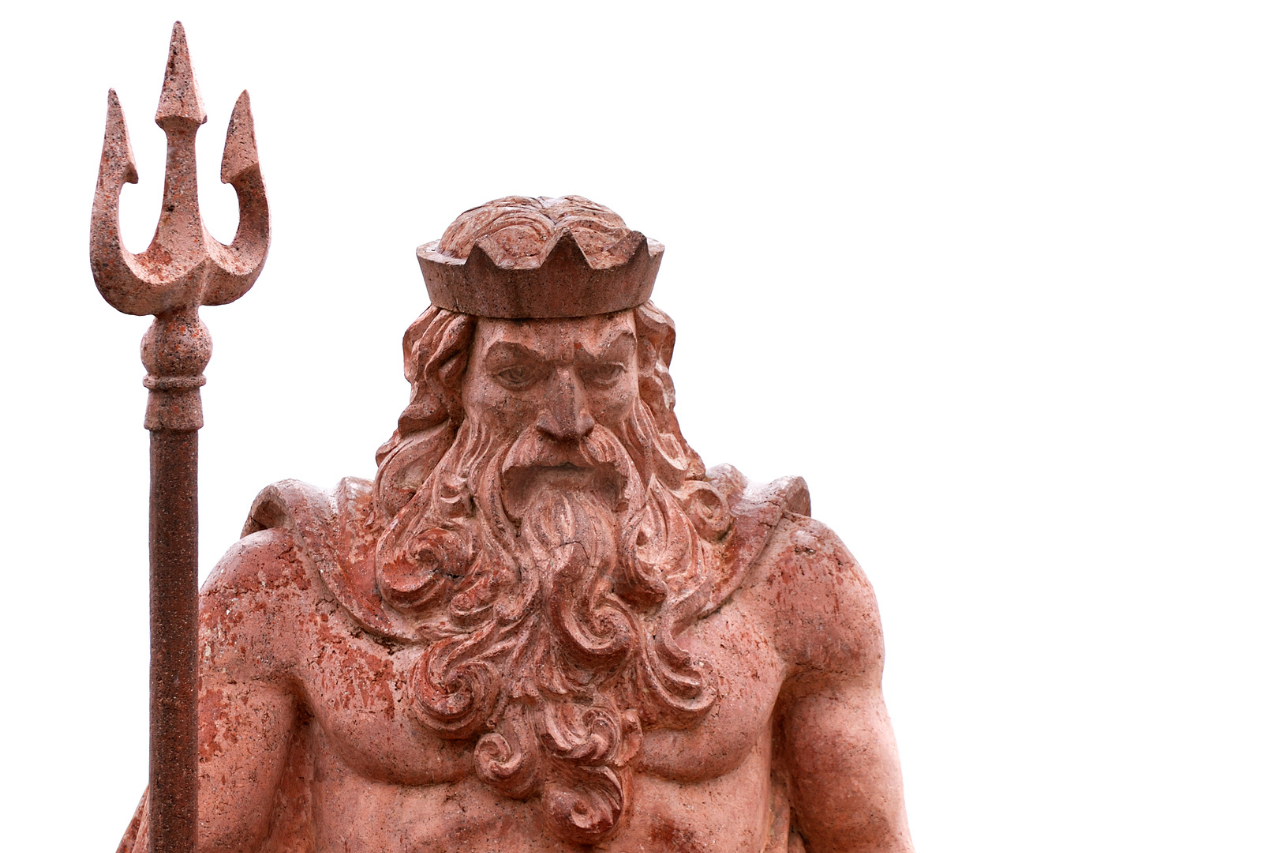
They also forged the infamous trident of Poseidon which became characteristic of him and his identity. With the help of Cyclopes and Hephaestus, the smith god, they forged the cursed necklace of Harmonia. Hence, this is how they were attributed to forging and forming the most famous weapons and metals of Greek mythology.
Some of the most famous shields and swords was granted to demigods by their true Olympian fathers were also forged by these mythical creatures. For example, the sword that Perseus received from Zeus and Poseidon to kill Medusa on his conquest to save his mother was also forged and made powerful only through these creatures. Like this, several other examples can be found in history that would give credit to them.
The Upbringers of Zeus
When Zeus was hidden by Rhea on a far-off island to save him from the wrath of Cronus, these creatures took it upon themselves to raise Zeus and keep him out of harm's way. The latter would probably be one of the most critical features of the Telkhines.
As Rhea could not stay on that island and take care of her son, she needed someone to act on her behalf as Zeus' caretaker, they were the ones who came to her help and raised Zeus with all means of kindness.
They were together until Zeus grew up and went to Cronus for revenge. Some texts also refer to them raising Poseidon on the orders of Rhea, hence this is why they played a significant role in the upbringing of the most essential Olympian gods. This could also be the reason that the Olympians were far more strong and more powerful in their reign than the Titans.
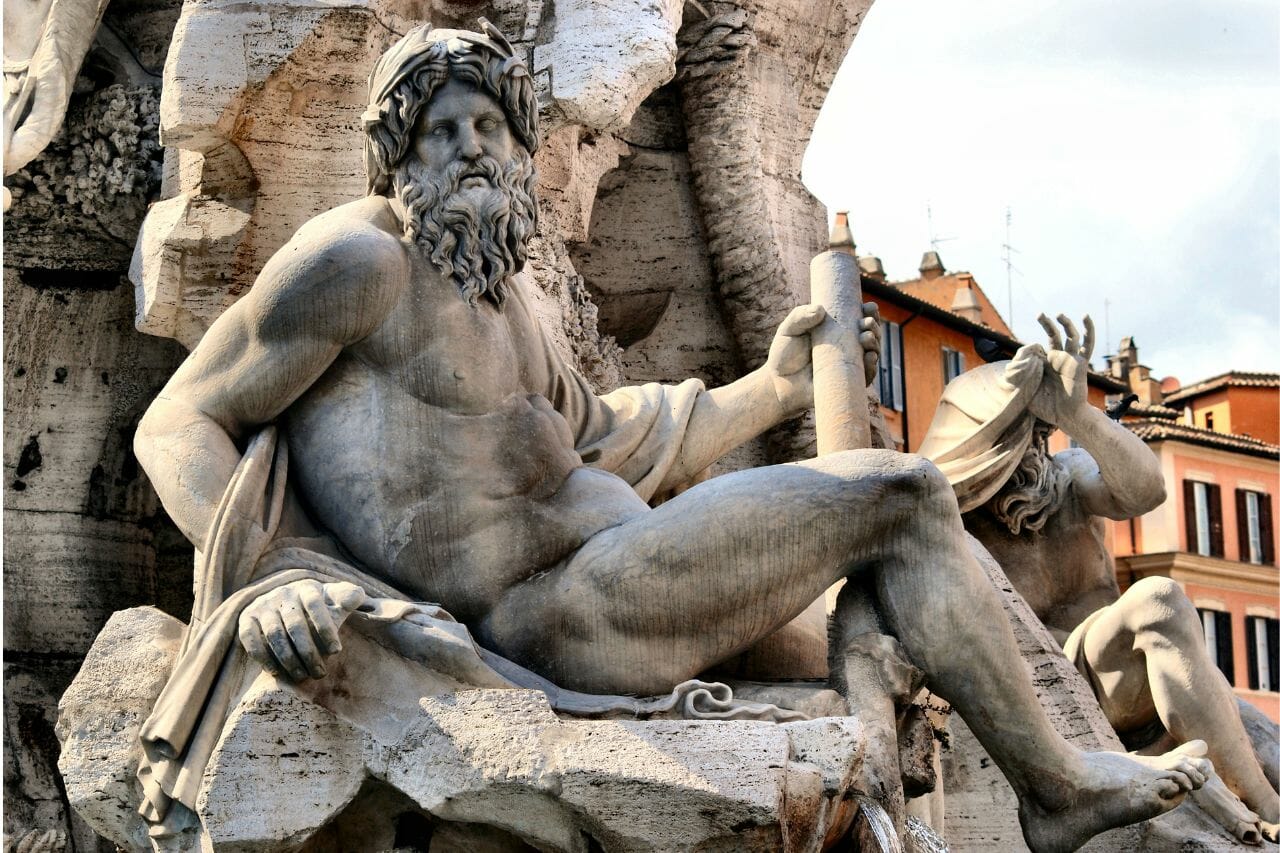
The Olympians took over the Titans, the second generation of gods, and kept everything for themselves. Some of their victories can be attributed to these magical creatures and their exceptional abilities and skill in every manner, especially in good ways.
Together With the Olympian Gods
Telkhines were an exceptional type of creature in Greek mythology. They however did not appear in any of the major events but were always somewhere in the background. Their importance is unfathomable to the storylines and the lives of the gods and goddesses. Because of their various abilities and powers, they had many interactions with a lot of Greek gods and goddesses.
The creatures and the Titan gods and goddesses were close in workings. As they were their ministers of them, any matter that needed resolution was brought to them and along with the magical beings gave their utmost just verdict without being biased. After the Titans lost their kingdom to the Olympians, these creatures, however, accepted them as their gods and goddesses and formed a fruitful relationship with them.
The Olympian gods took their services in handling matters, forging swords, or bringing up and protecting their children from harm. The latter is how Poseidon and Zeus had a very close relation to these creatures in that way because they were practically brought up by them. Like most matters, the relationship between the gods and Telkhines was of exchange, the gods wanted something, and they had to pay a price.
Important Ones of Greek Mythology
The Telkhines are a known group of creatures that had various engagements with gods and goddesses. The total number of these creatures is unknown but they are sure to exist in a great number. Because they had many abilities and powers they helped in various storylines throughout Greek mythology. Here we list some of the most important magical creatures in Greek mythology:
Daimones Proseoous: They were the sons of Poseidon. They were the ones who were born of Poseidon and an unknown female, one of his mysterious lovers. They were called the Rhodian sons of the Olympian Poseidon.
Antaeus: Heracles defeated him as a part of his labors.
Lycus: this creature fought with Dionysus on his journey and lost.
Chalcon: A famous Telkhine.
Macelo: She was the wife of Damon Telkhine and the mother of Dexithea.
Dexithea: She was the daughter of Damon and Macelo.
Halia: She became a sea goddess and was known for her beauty.
It is impossible to name exactly every one of the creatures that would use their metal-wielding abilities and make the dagger for Cronus and the trident for Poseidon because of how many of them exist in Greek mythology. Their works and abilities speak for themselves as the creation of Trident for Poseidon which he used throughout the mythology in various battles is a great attribute.
Their Worshippers
Like most Greek creatures, these ones were worshipped among the Greek people heavily. They were worshipped like gods and people heavily invested in sacrifices for them. The people however did not erect buildings and monuments for their worship but worshipped them in secrecy because of one very big reason. The explanation behind it was that they didn't wish to upset their gods and goddesses by worshipping someone who was above them in a few matters.
The worshipping process is a very big part of ancient Greek mythology and religion. People used to dedicate their lives and time to carefully worshiping the entities and making them happy, and even giving them different offerings because they claimed that the magic of these creatures had to do with their gods.
Their happiness would result in better lives for the worshippers or so they believed it. The act of worshipping was sent down through generations and this is why it was an important part of their daily lives.
Even now, however, many buildings and worshipping houses can be found all across Greece that was once meant for worshipping the gods and goddesses that live above them. It might not come as astonishment that some remote tribes of Greece still worship and sacrifice in the name of religion. Even seeing these buildings to this day, they represent the dedication of the believers the creatures had.
The Death
With time, they became very famous among the gods and goddesses. They had all the powers and attributes but there was one major difference between them. They were not gods or even treated as such by the other gods and goddesses. This did not sit well with the creatures as they thought of this as their disrespect.
For this reason, the creatures started their own journey on the side, away from the traditional lifestyle. They started using their magic and sorcery to get what they want on Mount Olympus and on the Earth. They would meddle in people's lives and grant them their wishes. When Zeus got to know about this meddling, he was furious and wanted revenge.
Overall, he thought of wiping the very existence of Telkhines from the face of the universe and so he did. He killed each and every one of them as punishment and rid the world of their magic and sorcery. This is also very chaotic because he was raised by them on the orders of Rhea and eventually he was the one that put them to the ground. Overall, this is how they and their attributes died with them.
Evidence About Them
Homer and Hesiod write very minimally about the Telkhines but a few other poets that came later have written well about them, in general. Among such poets was Greek writer Callimachus. This writer thought of these magical creatures as more than just magicians and sorcerers. He attributed many different qualities to them that we know of today.
Strabo, the famous Roman author, also talked about the Telkhines in his book about ancient geography. He mainly talked about the island of Rhodes and then explained its inhabitants and who they were. However, these creatures were given much more attention by the later writers than Homer and Hesiod in their books. This is the reason why in all of the literature formed from the works of Hesiod and Homer, you will not come across any word on them and their attributes.
FAQ
Who Were the Children of Poseidon?
Poseidon had many children who were of all sorts of creatures like sea monsters, giants, and demigods. Here are some of the most famous children of Poseidon: Theseus, Bellerophon, Charybdis, Polyphemus, Procrustes, and Pegasus. These children were from various different partners of Poseidon and played vital roles in Greek mythology.
Why Did Gaia Order Cronus to Kill Uranus?
Gaia ordered Cronus, her son, to kill Uranus because of what Uranus did to their children. Uranus and Gaia were the most primitive gods in Greek mythology. Gaia is known as the mother goddess because she gave birth to everyone that came after her. Uranus was Gaia'a consort and together they gave birth to gods and goddesses and all sorts of other creatures.
Among those creatures were some deformed creatures like giants and cyclopes. Uranus was disgusted by them and hid them from the universe so no one could see them and trace their parentage to Uranus. This angered Gaia to a great extent which is why she ordered Cronus to castrate Uranus and leave him to die.
Conclusion
Telkhines were the jacks of many trades and were an important entity in Greek and Roman mythology. No such characters with such appearance and abilities have been seen in other mythologies. Surely they were one of a kind and were the hidden gems of Greek mythology, Here are a few points to sum up the whole article as a conclusion:
Telkhines were the inhabitants of the infamous Rhodes island in Greece. Rhodes island was the capital of the island group and was the largest island as well.
They were sorcerers, metal workers, ministers of gods, artists, fighters, peacekeepers, shapeshifters, teleporters, and much more. They made the dagger for Cronus and a trident for Poseidon. They also brought up Zeus and Poseidon on the orders of Rhea.
As ministers of gods and goddesses, the Telkhines would resolve any matter of wrongdoing among them. This is a very unique ability that is only seen in Telkhines in greek mythology.
They had a face of a dog, with pointy ears, brown eyes, black snouts, and sometimes had wings for flight. They would have slender bodies which would look like seals. A fully grown Telkhine would be several feet long.
Zeus killed each and every one of the Telkhines as punishment and rid the world of their magic and sorcery.
The magical creatures born from the gods served vital roles in Greek mythology. In addition, their abilities were unique to them and deserve all the praise. Here we come to the end of the article about these magnificent creatures of the famous Greek mythology.