Timeless Myths Logo
Aphrodite Apollo Ares Artemis Athena Atlas Coeus Crius Cronus Demeter Dionysus Gaia Hades Hephaestus Hera Hermes Hestia Hyperion Iapetus Mnemosyne Oceanus Phobos Phoebe Poseidon Prometheus Rhea Tethys Themis Uranus Zeus
Bacchus Ceres Diana Juno Jupiter Mars Mercury Minerva Neptune Pluto Venus Vesta Vulcan
Amun Anubis Aten Atum Babi Bastet Bes Geb Hapi hathor heqet Horus Isis Khepri Khnum Khonsu Maat Nephthys Nut Osiris Ptah Ra Seshat Seth Shu Sobek Thoth
Alfheim Baldur Freya Freyr Frigg Heimdallr Helheim Idun Jotunheim Loki Nerthus Njord Odin Thor Tyr
Aengus Arawn Badb Brigid Cailleach Ceridwen Cernunnos Cu Chulainn Dagda Danu Gwydion Herne the Hunter Lugh Medb Morrigan Neit Nuada Taliesin Taranis
Chalchiuhtlicue Coatlicue Huitzilopochtli Mictlantecuhtli Mixcoatl Ometeotl Quetzalcoatl Tezcatlipoca Tlaloc Tonatiuh Xipe Totec Xochiquetzal Xolotl
Amaterasu Ame no Uzume Benzaiten Bishamonten Daikokuten Ebisu Fujin Fukurokuju Inari Izanagi Kagutsuchi Raijin Susanoo Tsukuyomi
Caishen Cangjie Dragon King Eight Immortals Erlang Shen Fuxi Guanyin Hou Yi Huxian Jade Emperor King Yama Leizi Lu-ban Mazu Nezha Nuwa Pangu Shennong Sun Wukong Xiwangmu Yue Lao Zhong Kui
Norse Classical Celtic Arthurian
Literature Stories Names
Aphrodite Apollo Ares Artemis Athena Atlas Coeus Crius Cronus Demeter Dionysus Gaia Hades Hephaestus Hera Hermes Hestia Hyperion Iapetus Mnemosyne Oceanus Phobos Phoebe Poseidon Prometheus Rhea Tethys Themis Uranus Zeus
Bacchus Ceres Diana Juno Jupiter Mars Mercury Minerva Neptune Pluto Venus Vesta Vulcan
Amun Anubis Aten Atum Babi Bastet Bes Geb Hapi hathor heqet Horus Isis Khepri Khnum Khonsu Maat Nephthys Nut Osiris Ptah Ra Seshat Seth Shu Sobek Thoth
Alfheim Baldur Freya Freyr Frigg Heimdallr Helheim Idun Jotunheim Loki Nerthus Njord Odin Thor Tyr
Aengus Arawn Badb Brigid Cailleach Ceridwen Cernunnos Cu Chulainn Dagda Danu Gwydion Herne the Hunter Lugh Medb Morrigan Neit Nuada Taliesin Taranis
Chalchiuhtlicue Coatlicue Huitzilopochtli Mictlantecuhtli Mixcoatl Ometeotl Quetzalcoatl Tezcatlipoca Tlaloc Tonatiuh Xipe Totec Xochiquetzal Xolotl
Amaterasu Ame no Uzume Benzaiten Bishamonten Daikokuten Ebisu Fujin Fukurokuju Inari Izanagi Kagutsuchi Raijin Susanoo Tsukuyomi
Caishen Cangjie Dragon King Eight Immortals Erlang Shen Fuxi Guanyin Hou Yi Huxian Jade Emperor King Yama Leizi Lu-ban Mazu Nezha Nuwa Pangu Shennong Sun Wukong Xiwangmu Yue Lao Zhong Kui
Norse Classical Celtic Arthurian
Literature Stories Names

Koalemos: Everything You Need to Know About This Unique God
greek-mythology

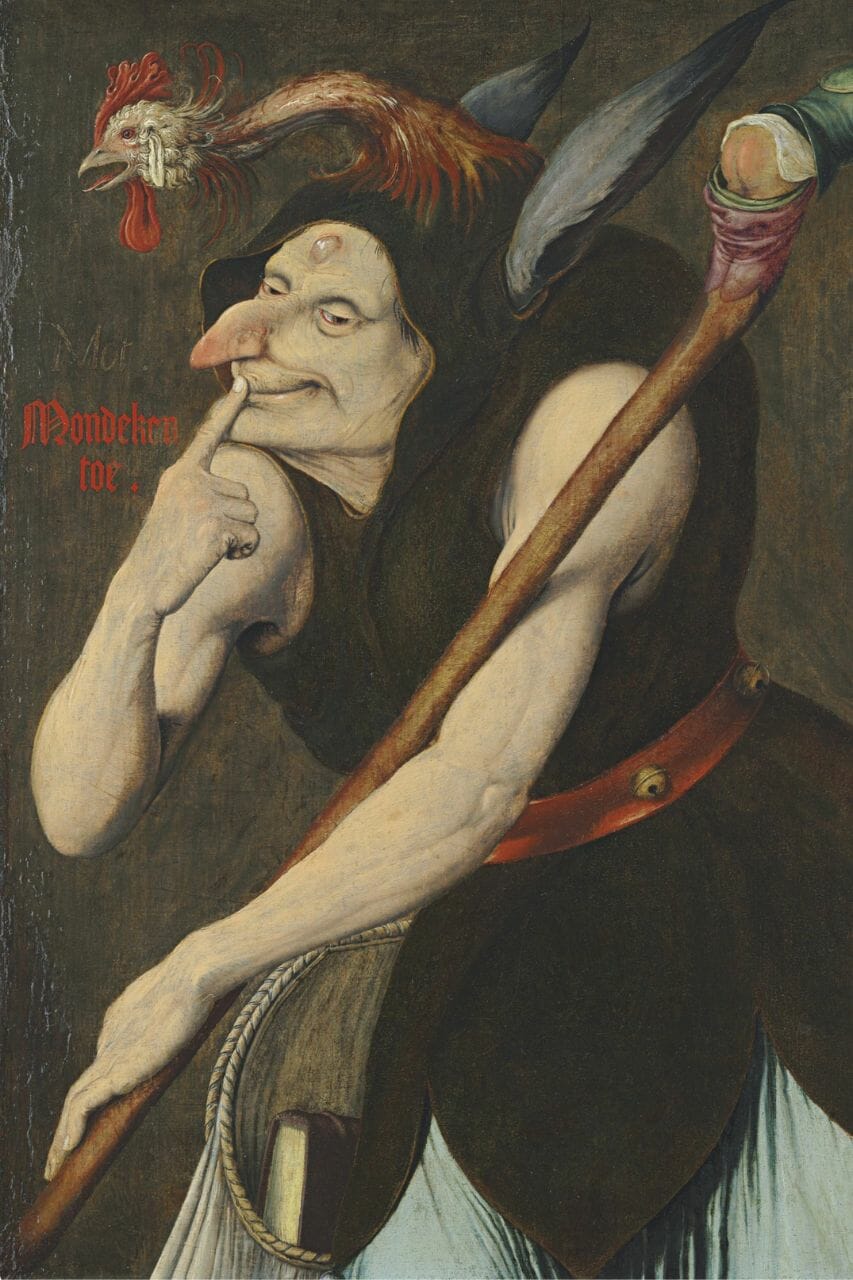
Koalemos, the Greek god of stupidity and foolishness

Koalemos is the Greek god of stupidity and foolishness. Not as infamous as the Twelve Olympian gods and goddesses that include Zeus, Poseidon, Athena, and Hera, to name a few, Koalemos serves as a personified minor spirit.

Keep on reading this article, which will help you find out more about Koalemos, his origins, and all the things that he could do!

Who Is Koalemos?

Koalemos is the god of stupidity and foolishness in Greek mythology. Nonetheless, it is key to know that he is sometimes referred to as a personified minor spirit. Furthermore, to elaborate about him his name would even mean and signify a person that is filled with stupidity and craze.

Origin of Koalemos

There is little to no information about koalemos story, but he is assumed to be a son of the goddess Nyx, the personification of the night, according to the Greeks. According to Greek mythology, Nyx is a very powerful goddess even when compared to Zeus, the king of the gods. In fact, there are written works that referenced Nyx to be one of the cosmic entities that Zeus feared.

Often portrayed as a winged goddess with a dark aureole, Nyx was a daughter of Chaos. Nyx, the enigmatic deity who gave birth to other personified gods like Hypnos for sleep and Thanatos for death, is thought to have existed at the start of creation. Like his siblings, who can also personify or possess beings, Koalemos powers revolve around having the ability to inhabit and turn them into idiots, fools, or other forms of stupidity.

Overall, this god is one of those obscure gods, that not everyone would know about and be familiar with, he isn't like Poseidon or Zeus with their might and divinity. On the contrary, this god is not very much known because he hasn't committed any acts of heroism, instead, he has joked, and spread dumbness around.

Related Writings

Only a few written works mentioned Koalemos, as opposed to the great gods like Zeus, Poseidon, and Hades. Whether Koalemos were actually revered or not is uncertain.

Nonetheless, he has been mentioned only twice as a reference, once by Aristophanes in the comedic drama Birds, were pouring a drink for the God of Stupidity is suggested in a lone line. Furthermore, the other time in Plutarch's work Parallel Lives, where Koalemos was noted in Plutarch as a portion of the name of a statesman, Cimon Koalemos.

However, he was known as a spirit at times, because he would pass and stupidity would possess a person and impact all their thoughts and functionality. This is mentioned in the comedy of the Aristophanes, the philosopher.

Dumbness

The god of stupidity and foolishness is considered a deity or sometimes seen as a daemon because he was always aiming to laugh and perform stupid things.

He was mentioned in the works of Plutarch, who wrote things related to comedy and humor. The reason why he is mentioned in the works is that when people in ancient Greece were being foolish, or were acting in a stupid way, an unpleasant way, they were often said to be possessed by Koalemos himself. The word around would have gone that this person is possessed by the idiot god, because of their weird choices, meaningless decision making, and even at times not seeing the result or the consequences of their impulsive choices.

This god wanted people to do stupid things, however, he didn't do any idiotic and brainless acts to the gods that we know of.

Meaning and Pronunciation

He is regarded as koalemos, meaning "to refer to being an idiot, utterly foolish, and having a blockhead."

It is even claimed that the etymology of the words "perceive," "distraught," and "mad" came from the Greek words "koeo" and "eleos," which imply listening to foolishness. Also, given that his name is uncommon, there is a guide on how to say Koalemos and it is k-aw-a-l-em-aw-s.

FAQ

Who Is the God of Laziness?

The god of laziness is known as called Aergia, in greek mythology. He is personified as being a sloth, lazy, and a god with no energy to function or do anything.

Conclusion

In Greek mythology, there are many gods and goddesses who represent certain aspects, such as wisdom, courage, strength, and many others. Koalemos is one of the minor gods. He represents stupidity and foolishness. To summarize, below are the key points to remember about him.

  • Koalemos is a minor god known to represent stupidity, foolishness, and being an idiot. His name is often used synonymously to describe an act of foolishness.

  • He is the son of Nyx, a powerful goddess believed to be the personification of night. She is often depicted as a winged goddess with a dark aureole. Nyx is said to be even feared by Zeus, the king of the gods.

  • There are very few written works that mention Koalemos. He was only mentioned twice – once by the comedic writer Aristophanes in his humorous play and another instance by Plutarch in his biography entitled Parallel Lives.

  • Some people used to claim that when a person takes an impulsive decision with would have stupid and foolish consequences, they are possessed by Koalemos, as his spirit has passed by.
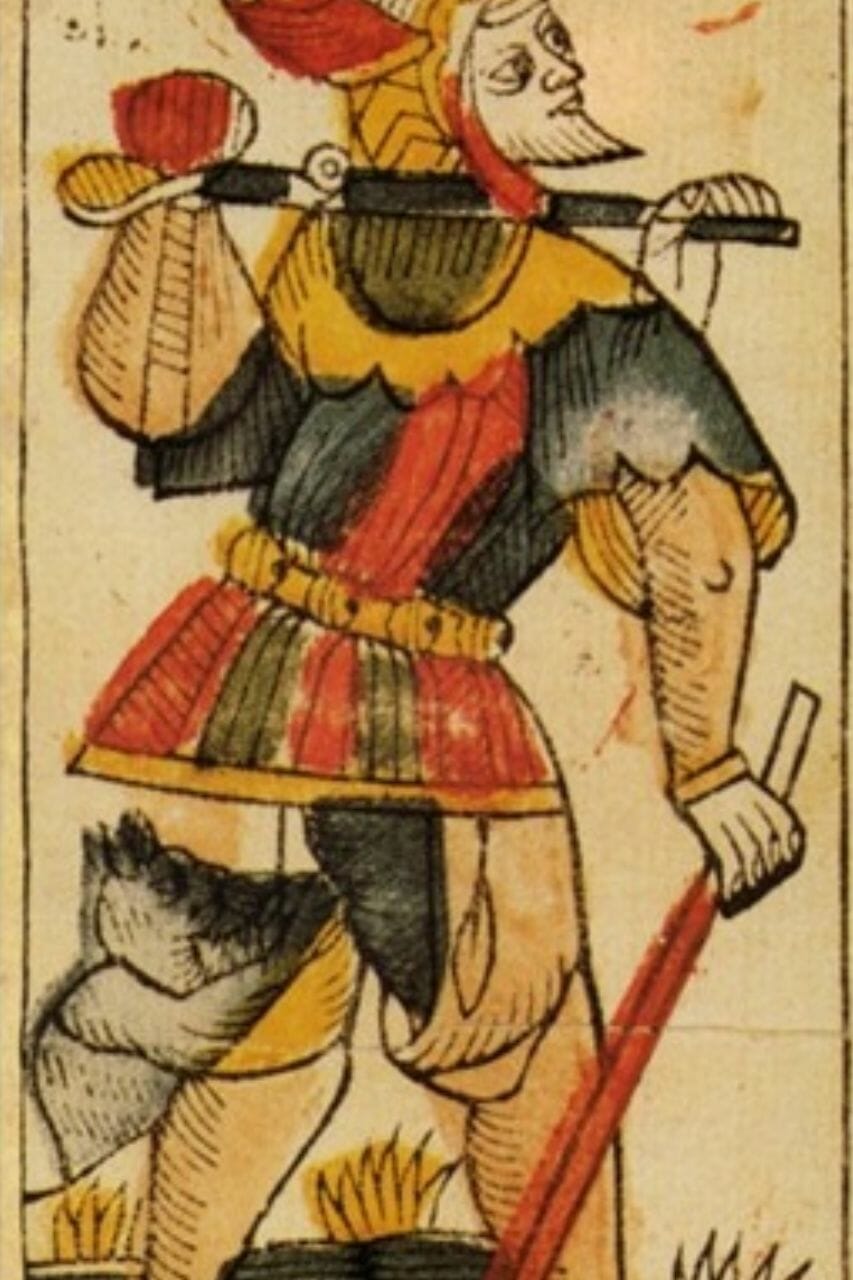
Koalemos, the god of stupidity in Greek mythology

Although not as powerful as commonly perceived, having the ability to influence the decision of someone to act in a certain way even if it meant being foolish is truly a unique and powerful capability. In the end, it is important to know that the existence of Koalemos deserves to be known just like the other minor gods and goddesses.

By Ancient Literature

Created: February 16th, 2024

Modified: February 16th, 2024

Hades' Powers: Must-know Facts About the God of the Underworld

Hades' Powers: Must-know Facts About the God of the Underworld

Hades is a unique figure in Greek mythology, as he is the only one of the key entities in Greek mythology that is not a part of the Twelve Olympians. Therefore he does not reside in Mount Olympus, unlike other well-known gods and goddesses such as...

February 16th, 2024 • Ancient Literature
God of Laughter: A Deity That Can Be a Friend or a Foe

God of Laughter: A Deity That Can Be a Friend or a Foe

The god of laughter in Greek mythology is named Gelos. He is the divine personification of laughter. He might not be a famous god compared to other gods like Zeus, Poseidon, or Hades, but Gelos has a different and unique power that can be used eit...

February 16th, 2024 • Ancient Literature
Greek vs Roman Gods: Know the Differences Between the Deities

Greek vs Roman Gods: Know the Differences Between the Deities

Greek vs Roman gods are hard to be distingusihed because they share similar functions and roles. For instance, Zeus was the king of the gods and his counterpart in the Roman pantheon was Jupiter. However, both sets of deities have differences that...

February 16th, 2024 • Ancient Literature
Greek Gods

Greek Gods

The Greek gods and goddesses are probably the most recognized pantheon of gods in the western world. Many of their names are mentioned in daily phrases, and most people in the Western world know the majority of these deities. Their stories have be...

April 2nd, 2002 • Timeless Myths
Pantheon

Pantheon

The Pantheon is a temple to all the gods and goddesses. Here, you will find myths of the gods and goddesses from Greece and Rome. The Greek deities have been divided into groups of gods, eg. Olympians and Titans. The stories of the various Creatio...

April 19th, 1999 • Jimmy Joe
Greek Gods vs Norse Gods: Know the Differences Between both Deities

Greek Gods vs Norse Gods: Know the Differences Between both Deities

Greek gods vs Norse gods comparison has always fascinated scholars and literature enthusiasts for centuries. Their similarities and differences make an exciting and compelling study as one understands the culture and beliefs of the Greeks and Scan...

February 16th, 2024 • Ancient Literature
Zeus in The Odyssey: The God of All Gods In The Legendary Epic

Zeus in The Odyssey: The God of All Gods In The Legendary Epic

Zeus in the Odyssey influenced the epic poem by acting as the supreme ruler, powerful enough to kill a fleet of men with just a throw of his thunderbolt. Because of this, Odysseus'' fate was endangered multiple times as punishment for his actions,...

February 17th, 2024 • Ancient Literature
Hades Daughter: Everything You Must Know About Her Story

Hades Daughter: Everything You Must Know About Her Story

Hades daughter would be Melinoe, the most well-known daughter, but unknown to many, Hades has three children. Two of whom he shares with his wife, while the other's mother is not mentioned in the literature. Although not usually mentioned compared...

February 16th, 2024 • Ancient Literature
Coeus

Coeus

Coeus: Titan and Pillar of the North One of the more obscure characters in Greek Mythology was Coeus, Titan god of intellect. Little is known of him, other than his wife and children, parentage, and a minor role in the Titanomachy. Like many of hi...

April 2nd, 2002 • Timeless Myths
Oeno Goddess: The Ancient Deity of Wine

Oeno Goddess: The Ancient Deity of Wine

Oeno goddess was an ancient Greek deity that had the ability to turn water into wine. She was the great-granddaughter of Dionysus who gave her and her two sisters the powers to form food and wine. They could grow wheat and olives and could produce...

February 16th, 2024 • Ancient Literature
Timeless Myths

Exploring mythology and legends from around the world.

Explore Myths

All Stories Characters All Articles Search Site Map

Mythologies

Norse Mythology Classical Mythology Celtic Mythology Arthurian Legends Mythology Gods Ancient Literature

About Us

Introduction About Jimmy Bibliography FAQs Retro Version

Resources

Timeless Myths All Stories All Articles Characters
© 1999-2026 Timeless Myths • Copyright • Privacy Policy • Cookie Policy • Contact
Follow us: