Zeus in The Odyssey: The God of All Gods In The Legendary Epic
Zeus in the Odyssey influenced the epic poem by acting as the supreme ruler, powerful enough to kill a fleet of men with just a throw of his thunderbolt. Because of this, Odysseus'' fate was endangered multiple times as punishment for his actions, as he gained the ire of numerous gods in his journey. One of the gods that punished him, Zeus, still managed to protect our hero as he faced Poseidon''s rage.
Let's see how the god of all gods took part in the Homeric poem.
Who is Zeus in The Odyssey?
Zeus role in the Odyssey was the weigher and middleman of all disputes. He was primarily the one who determined each of our characters' fates, as he held the power of life and death. He existed not only to oversee the heavens but also to weigh in on the events of man, enforcing his will and overseeing their fates smoothly.
Zeus made his appearance in book I of the Odyssey as he berated men for blaming their woes, mistakes, and misfortune on the Greek gods and goddesses. In the Odyssey, Zeus held the power to make sure Odysseus' journey was a smooth one or a hellish one. To fully grasp Zeus' role in the Odyssey, we must first go over everything he did in the poem.
What Did Zeus Do in The Odyssey?
Odysseus in Island of Titan Helios
The Greek men traveled to numerous islands and endangered themselves in each, facing danger both at sea and the islands they rest on. Finally, they settled on the island of Helios to pass the storm Poseidon had sent their way. Teiresias, the blind prophet, had told them to venture towards the said island but not to touch the young titan's beloved golden cattle, for he loved these animals more than anything else in the world. They stayed on the island for days, starving as their resources slowly ran out.
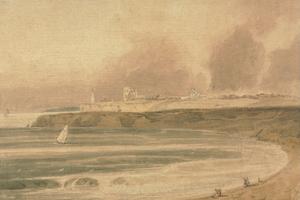
The island of Helios
Odysseus went to pray in a temple to ask the gods for mercy and help, warning his men to veer away from the temptation of touching the livestock.
As Odysseus left, one of his men convinced the rest to slaughter the golden cattle and offered the best one to the gods as compensation for their sins. They all agreed in hunger as they slowly slaughtered the rest of the animals one by one, feasting on their meat.
Helios was enraged by their disrespectful action and demanded that Zeus would punish the whole crew. Else, he drags the sun down to the underworld and sheds light on the souls there instead.
The Wrath of Zeus in The Odyssey
Odysseus returned from praying to find his men feasting on the golden cattles' remains and hurriedly gathered his men onto ships, sailing into a storm that had just started. Zeus took this opportunity to throw a thunderbolt their way, destroying their remaining ships and drowning all of Odysseus' men in the process. Odysseus was spared, only to wash ashore on the island of Ogygia, where he was imprisoned for seven years by the nymph Calypso.

Odysseus and his men sailing into a storm
Zeus was made to be the punisher, as Odysseus' men faced retribution for their sins. Despite Zeus' almighty power to command various gods, he took it upon himself to personally send out a thunderbolt to Odysseus' men, ensuring their deaths and Odysseus' safety.
This was due to the fact that if he had left the task to any other god or goddess, Odysseus would not have survived their punishment; the young titan, Helios, had requested that Zeus punish the Ithacan men, but he did not have to personally see their punishment through.
Zeus in The Odyssey: Why He Spared Odysseus
Some scholars believe that the fact that Zeus spared Odysseus, meant that the god of all gods recognized a part of himself in Odysseus. It was clear that he had an affinity towards the hero, so that is not very unlikely.
As we know, it was Zeus that ordered Hermes to free our Greek hero from the clutches of Calypso. Calypso had originally refused to do so as she had fallen in love with Odysseus.
She had planned to bestow upon him eternal life once they got married, but because of Zeus' commands, Calypso had no choice but to follow the will of the god of all gods.
Zeus had also revealed Odysseus' fate as told by Hermes in the poem: "on the twentieth day he will make his landfall, fertile, Scheria, the land of Phaeacians". He was referring to the storm that brought him to the island of the Phaeacians who eventually helped him return home safely to follow the concept of nostos.
Olympus in The Odyssey
Olympus in the Odyssey was still portrayed as the residing place of the Greek gods and goddesses. That is where they gathered and discussed the fate of the mortals as they weighed in on their future without directly interfering with mortal affairs. Zeus, the "leader" of all gods, was the king of both gods and men, as you know. He mediated the disputes of the gods on Mount Olympus and tipped the scales of fates on mortals that were interesting to him.

Olympus in The Odyssey
In Greek Mythology, gods and goddesses that resided on this mountain were prohibited from directly meddling in the affairs of man. This was to prevent biases in terms of war. Despite this, the epic poem portrayed Zeus as the man behind the ropes, allowing the gods to do as they wished to the Greek hero as punishment for his actions. Despite this, Zeus was seen helping the Ithacan king and ensuring his safety albeit the sentences he bestowed.
He also ensured Odysseus' safety by punishing the men himself, instead of ordering one of the gods to do so; if he had ordered Aeolus, the god of winds, to send winds to wreck their ships as he had done before, Odysseus would have inevitably died, as the Ithacan king had garnered his ire. He also urged and permitted Athena to do the same as the Greek goddess meddled in the Ithacan family's affairs, going against the rules of Olympus.
Zeus and Odysseus:
Zeus and Odysseus were written with similarities to each other by our Greek poet. The two were kings who governed their people and as a result, seem to have specific qualities that deem them as similar.
Both men expected loyalty from their men and complete obedience to their words – the difference between the two is that, while Zeus commanded respect and was respected by the people he governed, Odysseus was not. This was seen in the Ithacan men's journey home as Odysseus struggled to lead his men, who refused to do as they are told. The lack of respect in leadership posed a problem as the men's defiance frequently lead them to perilous waters or dangerous islands.
Both men also had extramarital affairs: Zeus with various women throughout time, and Odysseus took on lovers in his journey home to his wife. The difference between these two is how they treated their spouses.
Zeus was indifferent and found no need to please his wife, while Odysseus tried his best to regain Penelope''s hand and trust after being away for so long. He worried over their relationship as he returned to Ithaca despite briefly taking on Circe and Calypso as his lovers.
Conclusion
Now that we've talked about Zeus, his role in the Odyssey, and his similarity to our Ithacan hero, let's go over the key points that we covered in this article.
Zeus was the king of both gods and mortals as he lead the Greek gods and goddesses residing in Mount Olympus
Zeus influenced the affairs of men by tipping the scales of their fates, allowing what the gods and goddesses wanted to do to either help the mortals or punish them for their deeds
This was even clearer as Zeus allowed Poseidon to send waves and dangerous storms to Odysseus' way
Zeus then allowed Athena to help Odysseus' family and even went as far as to send Hermes to help him on Circe's island and free him from his imprisonment in Ogygia
In the Odyssey, Zeus was portrayed as the man behind the scenes. He protected and punished Odysseus in his journey home; he also allowed Athena to protect his family and ensured Odysseus' safety from Poseidon by imprisoning him on Calypso's island for seven years
Zeus and Odysseus have similarities as both were kings who fought for their respective thrones after leading a battle for their people
In conclusion, Zeus is written as the ultimate decision-maker regarding Odysseus' fate and his return home. Despite mediating the tension in Mount Olympus, Zeus was able to find a way for Odysseus' safe return home despite the Ithacan king gaining the ire of numerous gods. Zeus' moves through the Odyssey were subtle, yet they managed to dictate whether Odysseus would live or die.