Phaeacians in The Odyssey: The Unsung Heroes of Ithaca
Phaeacians in The Odyssey play a small but crucial role in Homer's Greek classic; the irony of how they meet our hero and become the Ithacan's lifesaver is worth noting. As Odysseus is freed from the island of Calypso, he travels the seas and is caught up in Poseidon's storm, his ship is wrecked, and he is washed away.
The king of Ithaca is washed ashore on an island close to his shipwreck. There he sees a few maidens washing their clothes and attracts one of the women, Nausicaa. He recounts his tale to the fair maiden, and in sympathy, she advises him to head to the palace and entrance the king and queen of the land. But how does he get to this point? And how does he safely return home? Who are the Phaeacians in The Odyssey? To understand these, we must recount the tale of The Odyssey.
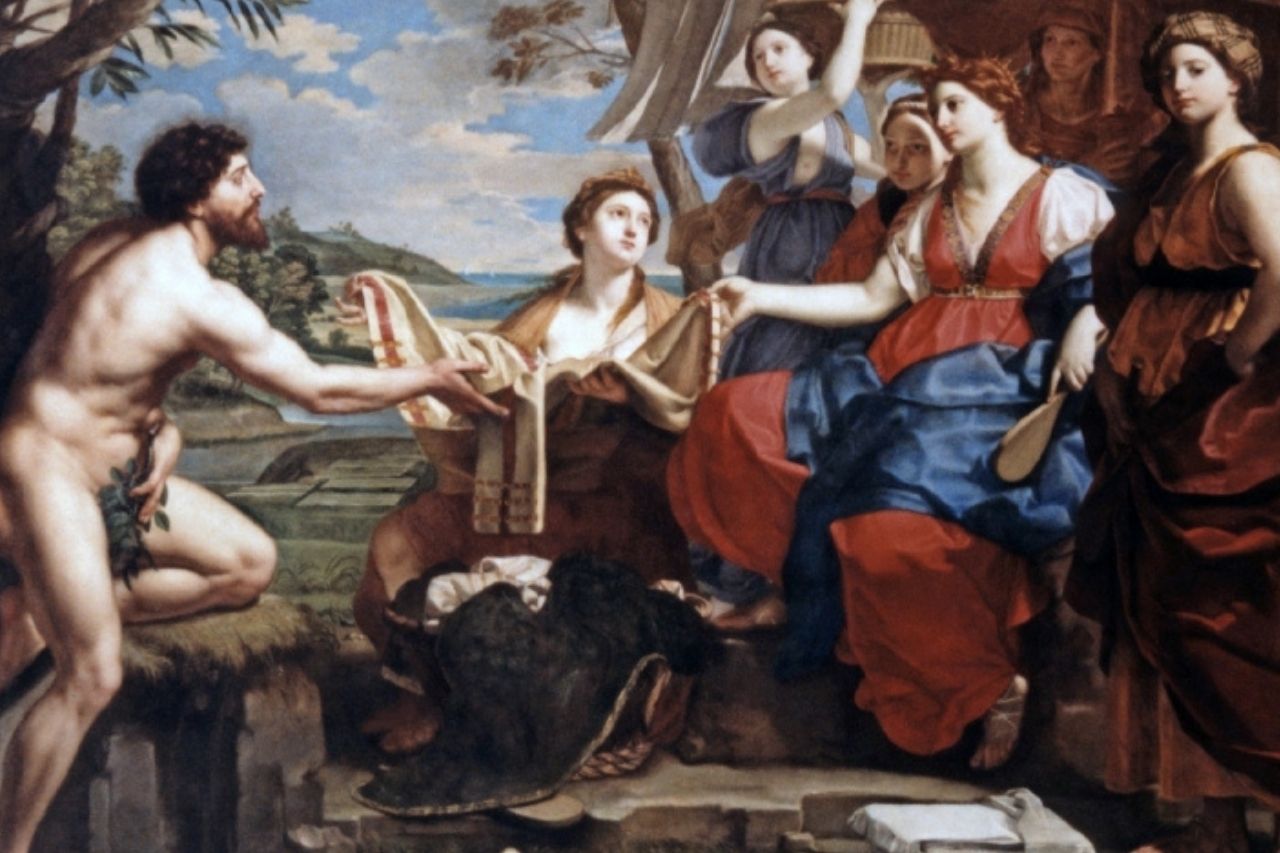
The Phaeacians were a seafaring people who played a crucial role in Odysseus' journey home
The Odyssey
The Odyssey starts as Odysseus and his men journey to the seas to head home to Ithaca. They land on the island of the Cicones, where they raid the towns and refuse to heed Odysseus' commands. The Cicones return with reinforcement, and the Ithacans are forced to flee the island, dwindling in number.
Setting sail once again, the men of Ithaca encounter a storm, forcing them to dock on the island of Djerba. There the lotus-eaters reside, welcoming the men with open arms and a feast to reward their journey. Unbeknownst to them, the lotus fruit holds an addictive property, stripping one of all consciousness and desire. The men ingest the plant and are left wanting more. Odysseus has to drag his men back to the ship and tie them to the posts to prevent them from escaping, after which they set sail once more.
Tired of traveling for days, the men of Odysseus decide to stop at the island of Cyclops.' There they are trapped in Polyphemus' cave and devise a plan to escape. Odysseus blinds the Cyclops, allowing him and his men to escape his grasp. As they head towards the seas in the ships, Odysseus shouts his name, stating, "if anyone asks, Odysseus of Ithaca blinded you." This angers the demigod, and he runs to his father, begging him to punish the man that has injured him. Poseidon, Polyphemus' father, is enraged by the disrespect Odysseus has shown him and his son. He sends waves and storms and sea monsters their way as a sort of punishment, persistent in hampering Odysseus' journey home.
Odysseus then travels to different islands, encountering other struggles; on the island of the Laistrygonians, they are hunted like wild animals, preyed upon by the giant predators looking for game. They then arrive on the island of Circe, where the men are turned into swine, and Odysseus, with the help of Hermes, saves his men from their hog-like states. Odysseus becomes Circe's lover and lives on the island in luxury. After a year in bliss, Odysseus heads into the Underworld to ask for safety in his travels. He seeks out Tiresias, encountering different souls in the process, and hears the blind man's advice.
Setting sail once more, Odysseus and his men are left on the radar of Poseidon, who yet again sends a storm their way. They land on an island Tiresias had told them to avoid; Thrinicia. There the Greek god's cattle and daughters reside. Starving and exhausted, Odysseus decides to look for a temple, warning his men not to touch the god's sacred livestock.
Once Odysseus is away, the men slaughter the cattle and offer the healthiest one up to the gods. This action angers Helios, the sun god, and he demands they be punished lest he shines the rays of the sun in the Underworld. Zeus punishes them by destroying Odysseus' ship in the middle of a storm, drowning all the men in the process. Odysseus survives and washes ashore Ogygia, where the nymph Calypso resides.
Odysseus is stuck on Calypso's island for seven years, finally set free after Athena convinces Zeus, the sky god. Hermes, the trade god, delivers the news, and Odysseus sets sail once more. Poseidon senses Odysseus' presence in his seas and once again sends a deadly storm his way. He has washed ashore the island of Scheria, where he wakes up to beautiful women washing their clothes. He asks for assistance with the people of Scheria, and he is finally escorted home to Ithaca.
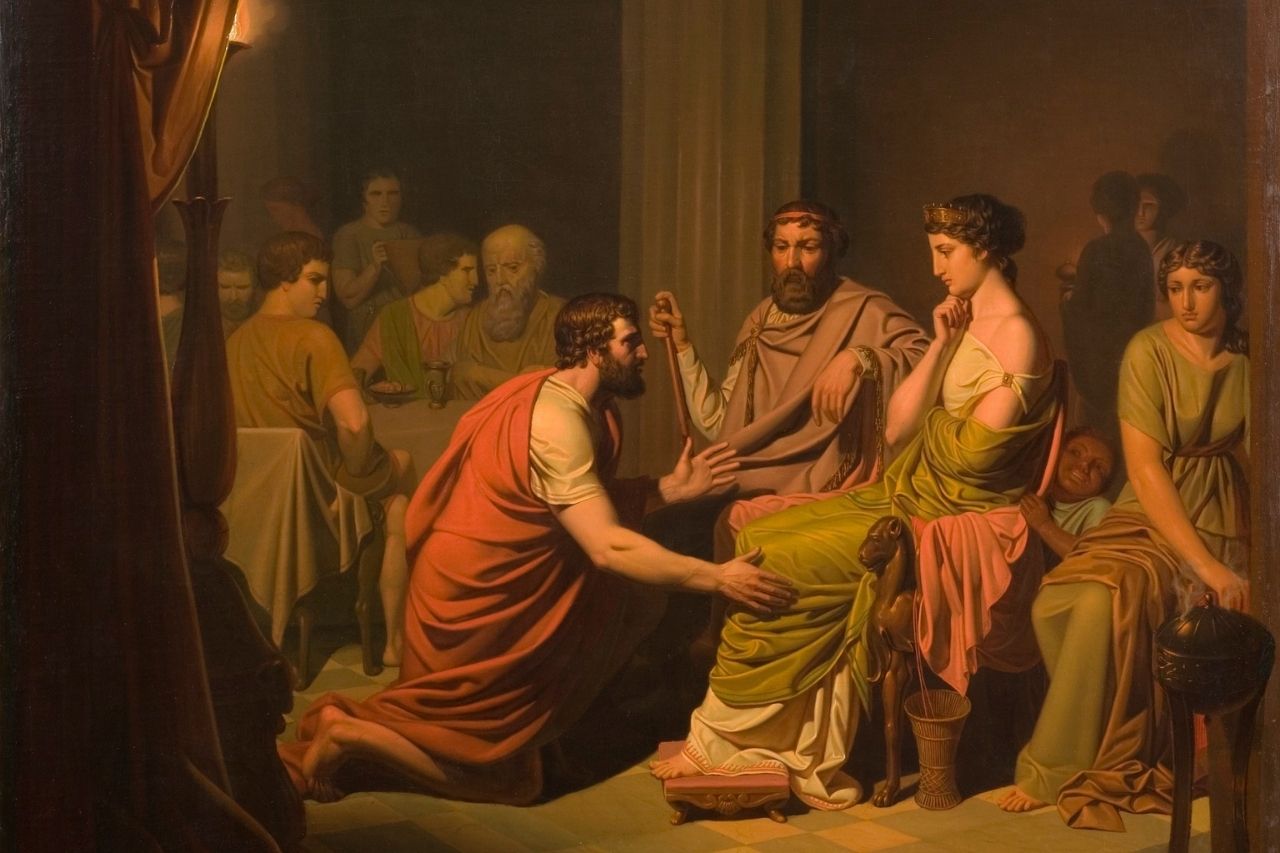
Odysseus recounts his journey to the Phaeacians
Who Are the Phaeacians in The Odyssey?
The Phaeacians in The Odyssey are described as sea-loving people. They are skilled mariners who excel in activities related to the oceans; This is why Poseidon, Odysseus' divine antagonist and the father of the Cyclops he had blinded, chose to be their patron. Poseidon brings to the Phaeacians as they are well versed in everything that is the sea. Poseidon vows to protect all of them as they have garnered his favor and do him justice in their achievements.
How Does Odysseus Introduce Himself to the Phaeacians?
Odysseus washes ashore on the island of Scheria, land of the Phaeacians, where he encounters ladies washing their clothes on the nearby water. Nausicaa, one of the women, approaches the Ithacan king to help him. They talk, and she gives him advice for the future. She tells him to enchant the members of the castle and brings him to her mother and father.
The queen and king of the Phaeacians are endeared to Odysseus as he recounts the tale of his journey; their endearment runs deep as they offer him a safe passage home, sending ships and men with him as he journeys back to his beloved Ithaca. As Odysseus and the Phaeacians set sail, no storm passes, and his journey goes smoothly as he arrives safely in the land he calls home.
The Irony of Odysseus' Return Home
Poseidon and Odysseus are written to be enemies as Poseidon intensely hates the king of Ithaca. He finds the Greek warrior disrespectful towards him as he dares to injure his beloved son, Polyphemus. He constantly sends out storms, rough seas, and sea monsters once the Greek hero is at sea and stops at nothing to harm the Greek man. His last attempt to drown Odysseus is when he leaves the Island of Calypso in nothing but a made-up ship. Poseidon sends a mighty wave to Odysseus' way in the hopes of drowning him but is left disappointed to find him washed ashore on yet another island.
The Phaeacians, on the other hand, are natural mariners. Their Utopian-like society stems from their patron god, Poseidon. They are a peaceful place filled with sea-loving individuals skilled in aquatic activities such as fishing and navigating. Because of this, they have garnered the love and protection of the god of the sea, Poseidon.
Ironically, Poseidon's last attempt to drown Odysseus leads his sworn enemy right to his beloved people's doorstep. His anger and attempt to punish Odysseus turns out to be a blessing as the Ithacan king is brought to the land of the people the god of the sea had sworn to protect. Because of this, Odysseus and the Phaeacians have a safe journey towards Ithaca. Odysseus' return home is all thanks to the Phaeacians who hold the protection of Poseidon, making them the unsung heroes of Ithaca for safely bringing their king back.
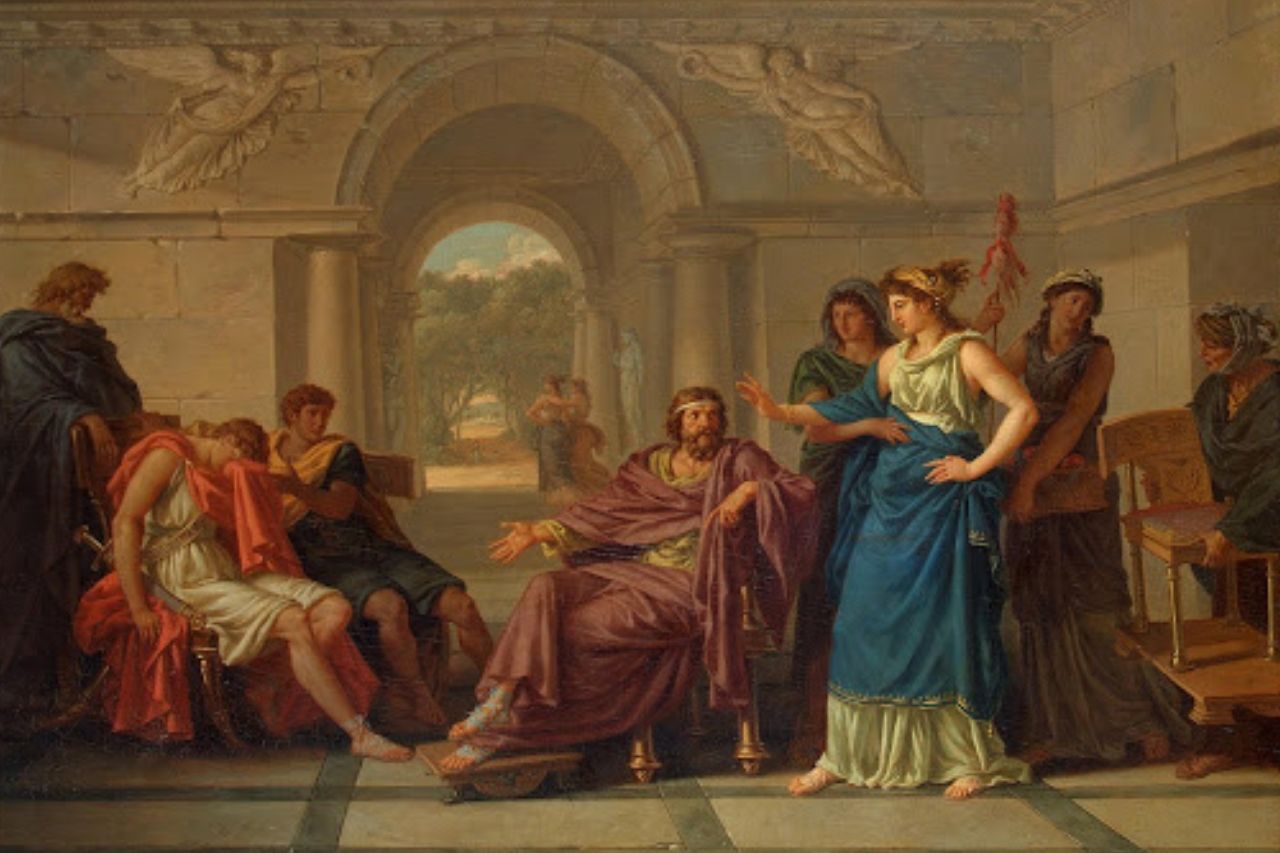
The Phaeacians safely brought Odysseus back to Ithaca
Conclusion
Now that we've talked about The Odyssey, the Phaeacians, who they are, and their role in the play, let's go over the critical points of this article.
The Phaeacians in The Odyssey play a small but crucial role in Homer's Greek classic; the irony of how they meet our hero and become the Ithacan's lifesaver is worth taking note of
Odysseus first encounters the Phaeacians as he is washed ashore from a storm after escaping Calypso's island.
He meets Nausicaa, who helps him and guides him to acquire a safe passage home, telling him to enchant her mother and father, the queen and king of the Phaeacians.
The Phaeacians are known to be natural seafarers, specializing in sea-related activities such as fishing and navigation, which is how they garnered the love of Poseidon, heralding them as the sea god's patrons directly under his protection.
Poseidon, known to be a bad-tempered and moody Olympian, absolutely detests Odysseus for disrespecting him in the form of blinding his son, Polyphemus.
Poseidon attempts to drown and punish Odysseus numerous times in the play; he sends out dangerous storms, strong waves, and sea monsters to delay his journey home.
On Poseidon's last attempt at drowning Odysseus, he unknowingly leads the Greek warrior into the island of Scheria, the land of his beloved Phaeacians.
Odysseus enchants the king and queen of the land, securing himself a ticket to safely returning home.
Odysseus' safe return home and Ithaca's glory in welcoming their king back can all be attributed to the Phaeacians. Without the sea-faring people, he would not have made it in time for the competition of suitors. Thus, Ithaca would have ended up being ruled by one of Penelope's suitors.
In conclusion, the Phaeacians, seen in the last leg of the play, have a small but crucial role in Homer's canonical piece of literature. They pave the way for our hero's safe return to Ithaca and pave the way for the classic's climax. They also play a small role in the irony of the Greek classic, having led their patron god's enemy to his hometown, completing the quest their patron oh so desperately tried to deter for years.