Melinoe Goddess: The Second Goddess of the Underworld
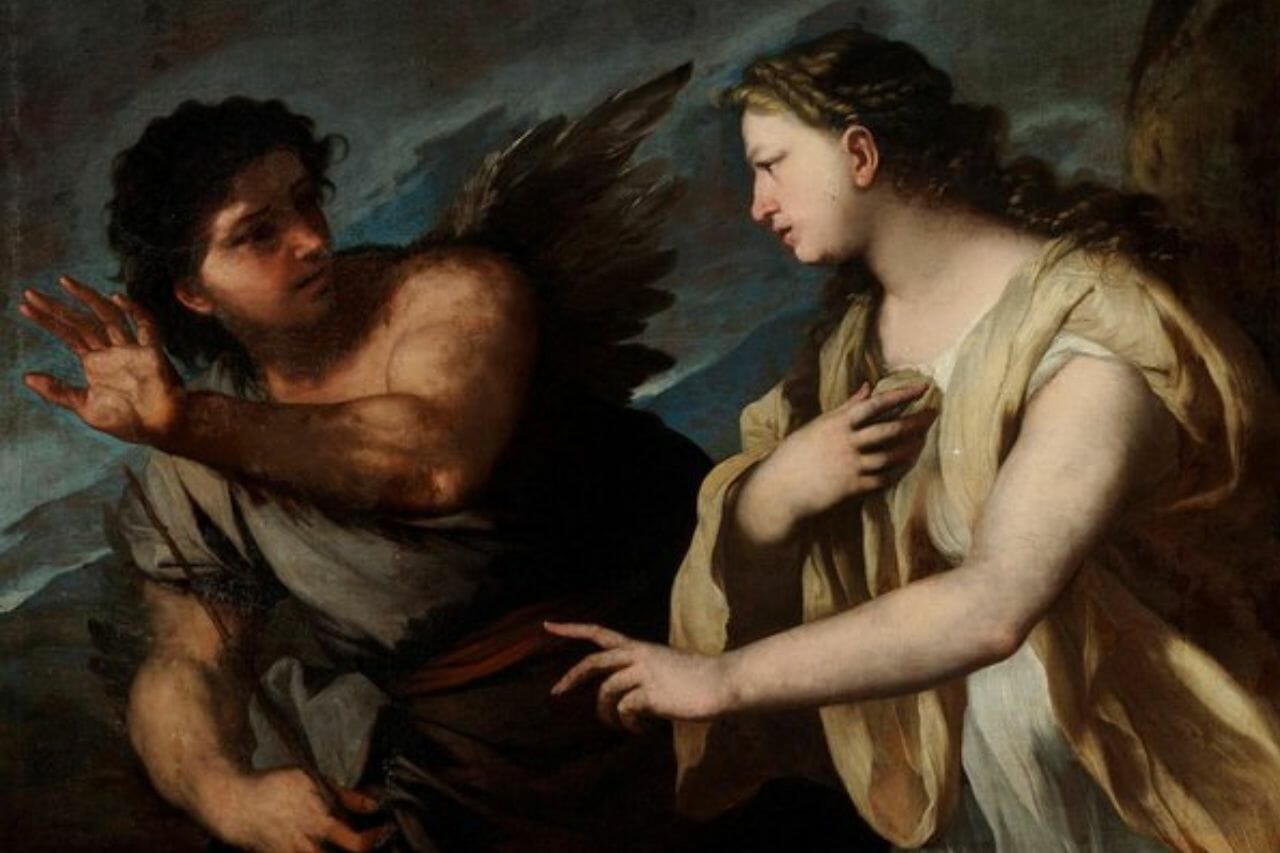
Melinoe goddess was the bringer of madness, nightmares, and darkness in Greek mythology. She is most famously referred to in the Orphic Hymns.
The goddess led a life full of events as she was associated with a few well-known characters in Greek mythology. Here we have gathered all the information on the goddess from the most authentic sources of mythology.
Who Was Melinoe Goddess?
Melinoe was a shapeshifter. Her power was to come into people's dreams and scare them. In doing this, she often took shapes of the things that scared the people most. In Greek mythology, most gods and goddesses can shapeshift, and Melinoe was no different.
Goddess of the Dead
Melinoe was attributed as the goddess of darkness and the dead. In Greek mythology, many gods and goddesses are associated with the dead and the death, but Melinoe was different from the rest. She was the goddess of the dead who were sent to the Underworld for their wrong-doings. She was worshipped by the people for many reasons including her ability to unite the dead with their loved ones for a brief moment in time.
Origin of Melinoe Goddess
In literature, Melinoe is known to be the daughter of Persephone and Zeus which seems quite simple but really is not. At the time, Zeus was reincarcerated in the Underworld and had multiple facets. Persephone was impregnated by Zeus in one of Hades' avatars, a Plouton. This means that Zeus and Hades were two gods in one.
Persephone, therefore, was impregnated by Zeus, in the form of a Plouton, at the bank of the river Cocytus. In Greek mythology, the Underworld had five rivers flowing in and out of it. Among them is Cocytus which is known as a fierce river where Hermes was stationed to escort the newly deceased souls into the underworld. The impregnated Persephone lay there and birthed Melinoe, another one of the illegitimate children of Zeus.
The lust of Zeus had left Persephone stripped of her virginity and she felt angry at what had Zeus done to her. Melinoe who was the goddess of the Underworld, the wife of Hades, and the daughter of Zeus and Demeter was now bearing the child of his father, Zeus. Melinoe was thus born at the mouth of the river and because of her close relation to the underworld, her abilities and goddess powers were also highly influenced by it.
Physical Features
All Greek gods, princesses, nymphs, and female creatures hold incredible beauty to them and Melinoe, a nymph, was no different. She was the blood of Zeus, Demeter, Hades, and Persephone, which made her bewitchingly beautiful. Her physical features were exceptional. She had a good height with sharp facial features and jawline.
She walked with utmost grace and silent steps. Her presence was only known when she wanted it to be. Hades was forever in awe of her sophistication and powers which made her more confident in her looks. Her skin was white as milk, and she always wore dark-colored clothing which enhanced her milky skin.
Even after Zeus impregnated her, she still got up and dusted herself like the true queen of the Underworld. She was a fearless goddess who set many examples of beauty and power. There is no knowledge about the Melinoe goddess husband or the Melinoe goddess symbol.
Characteristics
Melinoe was born in the Underworld which is the most unique thing about her. Nowhere in Greek mythology has a baby been born in the most treacherous place other than Melinoe. This uniqueness gave her powers that no one else could bear to carry. The name Melinoe means the one with a dark mind and there could not have been a more appropriate name for her given the conditions and the place of her birth.
She was famously known as the bringer of nightmares, night terror, and darkness. Where people feared her for her abilities, many people worshipped her for the same reason. Furthermore, she was also the goddess who would welcome the wrongdoers in the Underworld. She would assign punishments to them and escort them to their eternal misery.
On the other hand, some references about Melinoe suggest that she might have had a humane and loving side to her. She would help people meet their dead ones. If any young person who might be a son or a husband died, she would let him meet his family one last time before she takes up for eternity. So Melinoe was a combination of the good and the bad parts.
Melinoe Goddess and the Orphic Hymns
The Orphic Hymns are the hymns written by Orpheus who was the legendary bard and prophet in ancient Greek mythology. His hymns are the source of much mythology and have been around for a long time. Many ancient poets and authors of mythology credit and reference Orpheus' work and rightfully so. He was traveling through ancient Greece in search of a Golden Fleece with Jason and the Argonauts.
All that we know about Melinoe is through the Orphic Hymns. In all of the Orphic Hymns, only the goddesses Melinoe and Hecate are mentioned which shows the importance of Melinoe in the mythology. One of the sections of the poem says Melinoe and her story while referencing Zeus, Persephone, and Hades. Melinoe is mentioned as clad in saffron which is an epithet for the moon goddess.
The purpose of Orpheus singing about Melinoe in his hymn is very interesting. As Melinoe is the bearer of bad news, dark times, and nightmares, Orpheus acknowledges her and seeks refuge from her. He sings her glory and at the same time asks her not to come in his sleep and to spare him of all of the misery and darkness. That is why this particular hymn is very famous as other people also sing it to save themselves from the terror of Melinoe.
Her Worshippers
As mentioned above, Melinoe is known for her abilities and qualities which are more bad than good. Nevertheless, people worshipped the Greek goddess Melinoe. She was worshipped in shrines, funerary processions, and temples.
People sacrificed their most valuable possessions for Melinoe. This all was done in hopes that Melinoe would leave their nights and sleep alone and will not give them any misery.
Where people were afraid of her and her powers, many people worshipped her for the same. They wanted Melinoe to destroy the sleep of their enemies so they prayed to her. They performed sacrificial rituals that would please Melinoe.
FAQ
What Is a Nymph in Greek Mythology?
Any minute deity of nature in Greek mythology is called a Nymph. They can be related to rivers, seas, Earth, animals, forests, mountains, or any sort of nature. They are always portrayed as the most beautiful among all the creatures and have an alluring nature. The most famous nymph in Greek mythology would be Aegerius, the queen of the nymphs.
Conclusions
Greek mythology houses some of the most fascinating characters in the world and surely Melinoe is one of them. With such dramatic origins and later a very eventful life, she indeed was a goddess of the Underworld after her mother of course. Here are the most critical points from the article:
Melinoe was the daughter of Persephone and Zeus who impregnated her while being in the shape of Hades. At the time Zeus was in the Underworld and the brothers, Zeus and Hades, were considered two souls in one body. This is why Melinoe has three parents, Hades, Zeus, and Persephone.
Melinoe was born in the Underworld near the river Cocytus. Cocytus is one of the five rivers in the Underworld.
Melinoe became the second Goddess of the Underworld. Before her, Persephone was the goddess of the Underworld and the wife of Hades.
Melinoe was also the goddess of nightmares, night terrors, and darkness. Her name means the one with a dark mind. She was known to come into people's dreams dressed as their worst fears and scared them. She also welcomed the wrongdoers in the Underworld and escorted them to their eternal homes.
Melinoe is only mentioned in the Orphic Hymns because Orpheus wanted refuge from her. He mentioned her glories and powers all the while asking her to spare him and his sleep.
Melinoe was worshipped greatly in Greek culture, mostly out of fear and dread. She was fierce and brought even the most obnoxious man to his knees. Here we come to the end of the story of the Greek goddess Melinoe. We hope you found everything you were looking for.