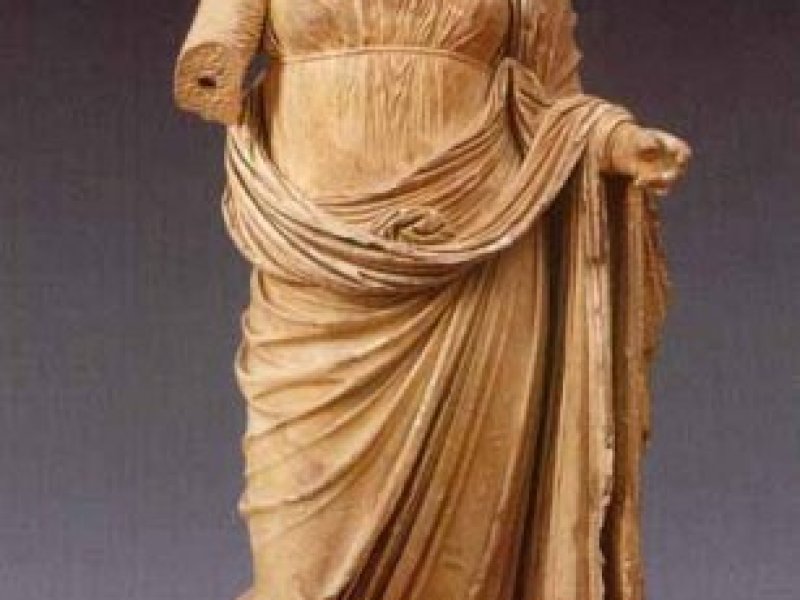
Styx Goddess: The Goddess of Oaths in the River Styx
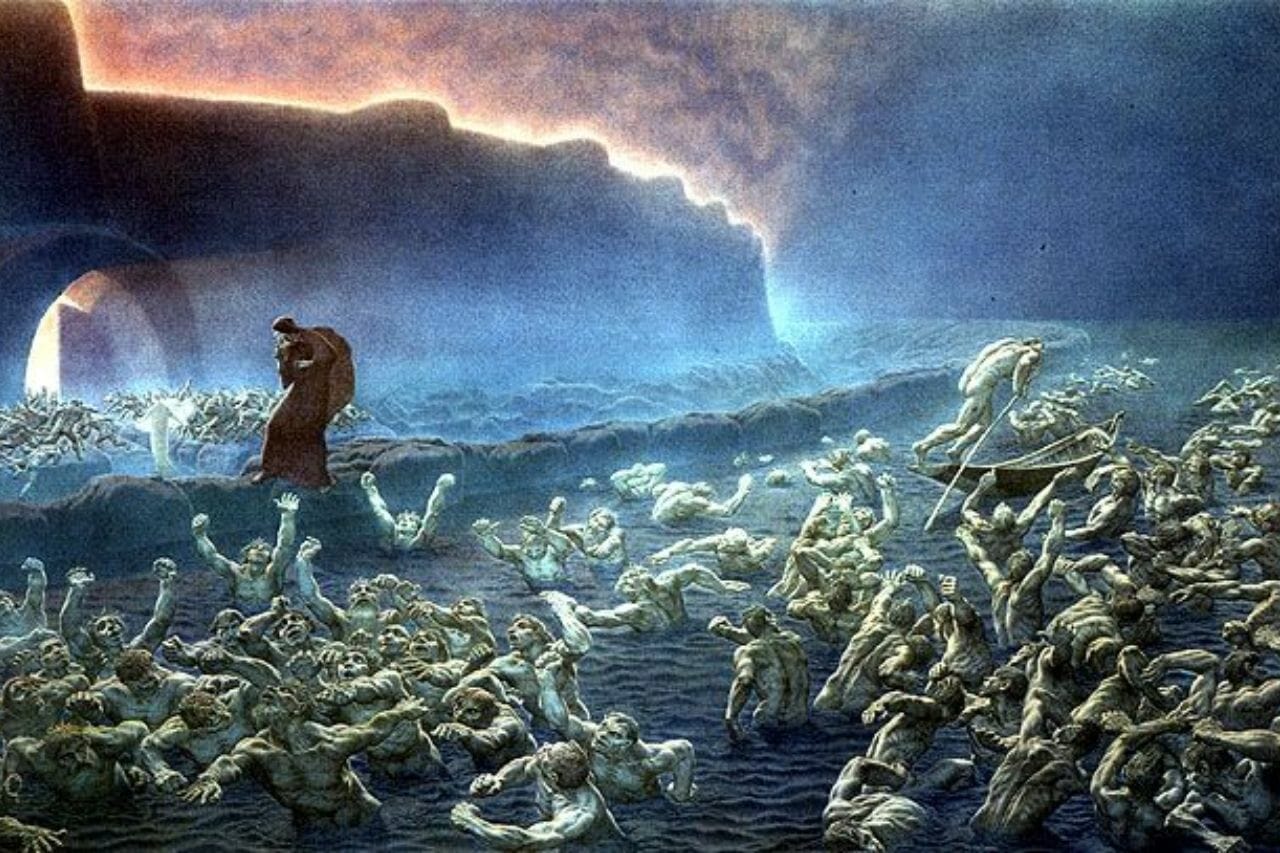
Styx goddess of the underworld
Styx goddess of the underworld is known for binding the oaths that ancient Greek gods and goddesses will take in the River Styx under her name. Zeus granted this power to goddess Styx as an act of gratefulness for being his ally in the Titan War. Continue reading to discover more about the truth behind this given power to Styx, the goddess of the River Styx.
Who Is Styx Goddess in Greek Mythology?
Styx goddess of River Styx in Greek mythology was the eldest daughter of Tethys and Titans Oceanus and is one of the most prominent Oceanid sisters. She was the wife of the Titan Pallas and had four children with him: Nike, Zelus, Bia, and Kratos.
The Symbol of Styx Goddess
The Styx goddess symbol is hatred. The Styx meaning in Greek mythology is defined as the primary river of Hades – the underworld. The Styx goddess pronunciation in English is: /stiks/. Her name has a connection with the word "hatred" or "hateful," which means the "shuddering or the hatred of death."
Styx's Goddess Powers
It was believed that Styx goddess powers were to make someone invulnerable. The way to acquire this invulnerability is by journeying and touching the River Styx. It is said that to grant invulnerability to her son, the mother of Achilles dipped him into the River Styx while holding onto one of his heels. Thus, he obtained invincibility, except for his heel where his mother held him.
The Role of Styx in Titanomachy
Styx was one of the Titan goddesses in ancient Greek mythology. Styx goddess parents were Oceanus (god of freshwater) and Tethys. Her parents were the children of Gaea and Uranus, who were part of the 12 original Titans.
Styx, alongside her children, fought together with Zeus in the Titanomachy, also known as the "Titan Battle." Styx's father, Oceanus, ordered his daughter to join Zeus in the war against the Titans, along with all the gods. Styx became the first one to come to Zeus' side for aid. With the help of the goddess and her four children, Zeus emerged victorious in the war against the Titans.
During the beginning of the war, according to ancient Greek mythology, many gods and goddesses became uncertain about which side they should be aligning with. Nevertheless, Styx became the first goddess who was brave enough to choose a side. She was then rewarded for this bravery.
Her four children had their representations during the Titan War; Nike represented the victory, Zelus represented the rivalry, Bia represented the force, and Kratos represented the strength.
According to the Roman poet Ovid, Styx detained a monster, half serpent and half bull, with the belief that anyone who fed the bull will defeat the gods.
In return for being an ally in the war, Zeus gave Styx a great favor; Zeus granted this brave goddess her name (Styx) to bind the oaths that gods and goddesses will make. Whenever an oath was taken, they would need to do it in Styx's name.
After the war, the goddess Styx's name was not mentioned that often. She was only mentioned for holding responsibility for the oaths that were taken by the other gods.
The Goddess Styx and the River Styx
Styx dwells in the entrance of the palace supported by silver columns and rocks on the roof. It was believed that among the 3000 Oceanids, Styx was the eldest. Some Latin poets use the word Stygia (Styx) as a synonym for the term Haides.
During Styx's younger age, she used to play with Persephone, the goddess queen of the underworld and the wife of Hades. They were collecting flowers in the meadow before Persephone was abducted by Hades and trapped in the underworld.
Styx was a goddess who was extremely powerful. Some believed that those who are touched by the waters of the Styx river will be granted invincibility.
The Underworld
The Styx River was a great black river that separated the world of the dead from the world of the living. In Greek mythology, it was said that Charon, a boatman, would lead you to the underworld by giving you a ride. The ride is not free. If you had been buried by your family without a coin as payment, you would be stuck. Some souls were sent to the underworld for punishment.
Souls who were not buried with a coin tried to swim across the river Styx. Some souls were successful, but most were not. Souls who were given a ride by Charon and those who successfully swam across the river would wait on the other side until they are reborn in a new body. These souls would be reborn and start over as infants, and they would not remember their past lives.
Aside from the River Styx being the major river of the underworld, four other known rivers in Greek mythology surrounded the underworld: Lethe, Phlegethon, Cocytus, and Acheron.
The Oaths in the River Styx
There were three oaths mentioned in history that were taken in the River Styx. These stories were about the god of the sky Zeus and Princess Semele, the story of Helios, the god of the sun and his son Phaeton, and the story of Achilles bathing in the river.
God Zeus and Princess Semele
One of the oaths that were made in the River Styx was the lovely story of Zeus and Semele. A princess named Semele caught the heart of the god of the sky, Zeus. She asked Zeus to grant her request to reveal himself to her in his full form. Zeus acknowledged the princess' wish and took an oath in the Styx River.
There was a belief that any human who stares at any god that is in their proper form would burst into fire. Zeus honored his oath; he had no choice but to grant the princess' wish. When he finally revealed himself, Semele and everyone around her saw Zeus' full form, and they all burst into flame and instantly died.
God Helios and His Son Phaethon
Helios, the god of the sun, also took an oath in Styx's name. His son Phaethon wished for Helios to allow him to drive the chariot of the Sun. Phaethon kept on begging for his father's permission, so he eventually convinced Helios to take an oath in Styx's name. Helios allowed Phaethon to drive the chariot of the sun for one day.
Due to the inexperience of Phaethon, he ran into problems and crashed the chariot of the sun. Zeus heard of this destruction, and he decided to kill Phaethon with a single strike of a lightning bolt.
Achilles at the River Styx
The Greek god Achilles was bathed in the river of Styx by his mother when he was a child. Due to this, he became strong and almost invincible.
When Achilles was dipped into the water of the Styx River, he was held by his heel, making it his only vulnerability, which became the reason for his death.
During the Trojan War, Achilles was shot with an arrow that landed on his heel. This caused him to die. "Achilles' heel" has thus become a term used to describe someone's weakness.
FAQ
What Is the Punishment for Violating an Oath on the River Styx?
If these gods were to break an oath, they will suffer punishments. One of the punishments is forbidding the god who broke an oath from attending assemblies with other gods for nine years.
Styx River served as a separation between the world of the dead and the world of the living. Many Olympian Greek gods took their oaths in the River Styx's waters.
In Greek mythology, Styx as a goddess did not hold a lot of recognition, but the goddess' role during the Titanomachy became a way for her to earn more recognition and significance.
Conclusion
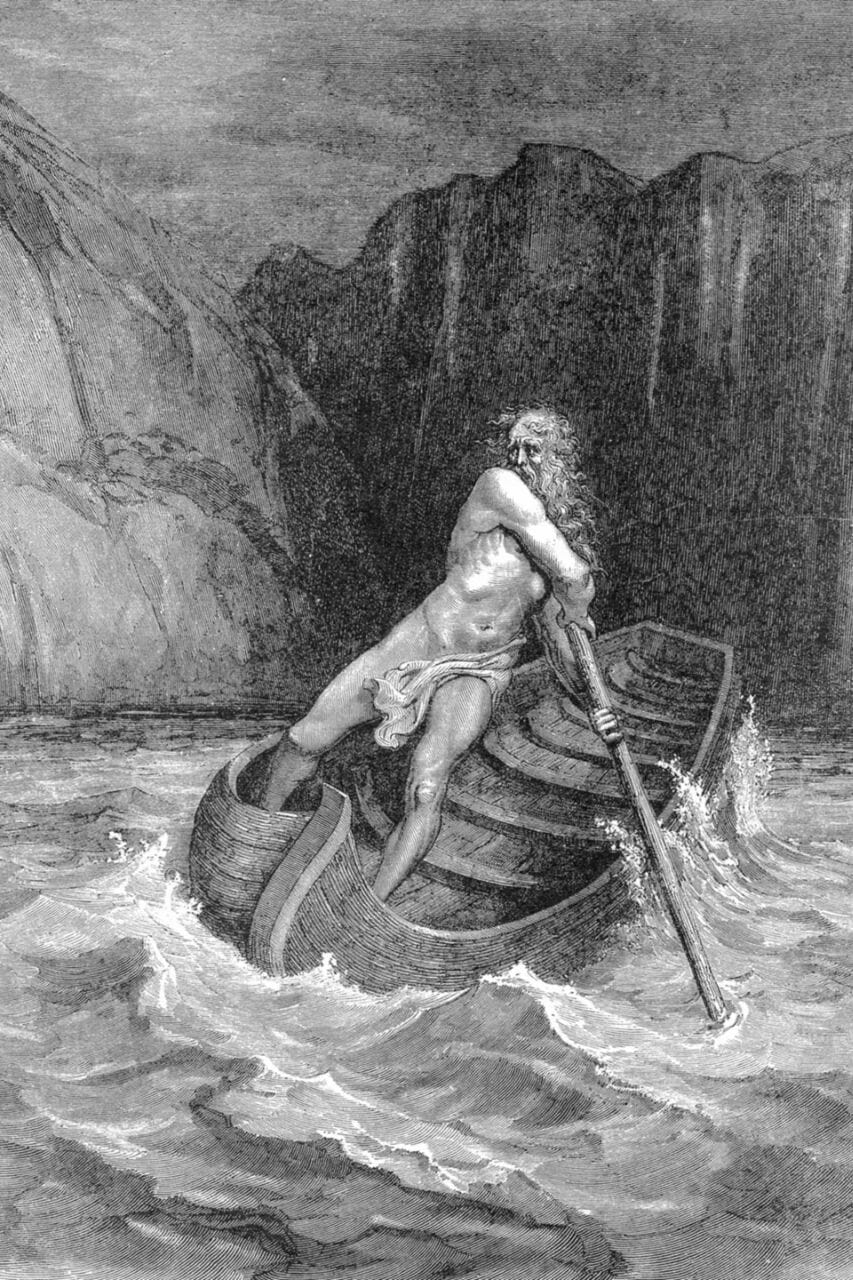
Styx goddess in Greek mythology
We have learned a lot of interesting facts and stories about Styx being rewarded with her power and becoming the goddess of the River Styx. Let's recap everything we covered about the goddess of the Styx river and her key highlights.
Styx and her four children made an alliance with Zeus in the Titanomachy. In return, Zeus named the underworld river "Styx" and associated her name with oaths that gods will take.
Styx is a Titan because her parents were among the 12 original Titans.
Styx is the goddess of the underworld, deified for her symbols and powers.
There were three known oaths taken in the river of Styx.
Any god who breaks an oath taken in the river will be punished.
Despite being a Titan, Styx portrayed the role of a goddess whose life was changed and recognized. Styx is a nymph and a Titan who eventually became the goddess of the river that was named after her. The story of Styx, the brave goddess of the underworld river of Styx, is indeed fascinating.