Who is Mentes in The Odyssey: A Leader and Adviser in Disguise
Mentes in The Odyssey along with other mentors, were just a few of the characters whom Athena used to disguise herself to be able to help Odysseus. Know more who Mentes and Mentor are in the Odyssey through this article. Keep reading as you will find out more.
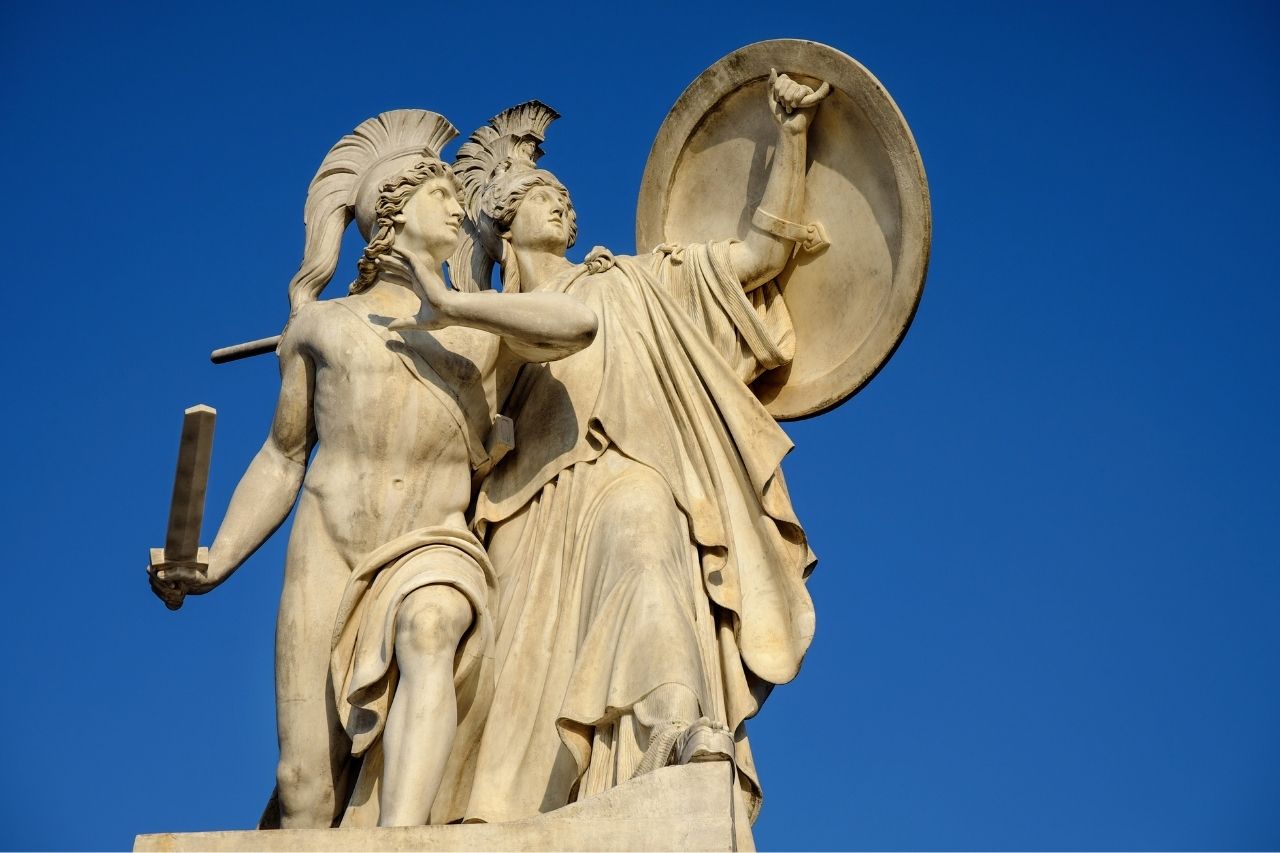
Athena in The Odyssey
Mentes in the Odyssey
Mentes, also known as King Mentes of the Taphians, was the basis of Athena disguise in Book I of the long mythical narrative, The Odyssey.
King Mentes of the Taphians from the north of Ithaca is the son of Anchialus, a notable warrior and ally tied to the family of Odysseus by hospitality.
Odysseus' son Telemachus needed some guidance in order to resolve the growing problem in their home. Knowing this, the goddess Athena approached him one day under the guise of King Mentes. Subtly, he, or even she, in this case, had announced that he was just on his way to exchange some irons for copper and happened to pass by Ithaca. He also said that he was there to offer some bits of advice as Odysseus friend.
As Mentes Athena hinted to Telemachus that his father Odysseus was still alive and was journeying on his way toward their home in Ithaca.
Knowing that Penelope's suitors were listening, Athena (as Mentes) announced how the great Odysseus would have never allowed anybody to besmirch his beloved home, which also includes his wife and his family. Thus, Mentes encouraged Odysseus' son Telemachus to stand up against the abuses made by their visitors and to travel toward Pylos and Sparta to learn more about the whereabouts of his father.
Mentes meaning may have changed over time. Still, these two words go hand in hand. Just like the original name, Mentor means someone wiser, a teacher giving guidance to someone younger and inexperienced whom we call the mente(e).
Reasons Athena Disguise Herself
Athena disguise herself as Mentes to help Telemachus. In Greek Mythology, it is common knowledge that gods and goddesses should not be seen by mere mortals in their truest form; otherwise, that mortal will face a dire consequences. Either he or she will become blind forever or die.
Athena herself became unhappy with the turn of events in the palace of Ithaca, as a goddess she wanted to make an act of change. When Odysseus was not around, she decided to give Telemachus a visit and share a piece of her insight.
For twenty years, Odysseus had been away from home and had some difficulty returning. His disappearance brought forth a lot of suitors for his wife Penelope. These suitors started to become a nuisance in the palace.
Abusing their hosts' hospitality, the suitors began to impose on Penelope and Telemachus, eating their food, drinking their wine, and starting to threaten Odysseus' family.
Seeing that Telemachus has become despondent and forlorn, Athena comforted the boy with the idea that his long-lost father was thriving in his travel toward home and that he must act like a man and defend his home.
Telemachus
At the onset of their encounter, Telemachus didn't know that he was entertaining the goddess Athena. As a conscientious host, Telemachus noticed when Mentes arrived and had shown him the appropriate hospitability expected from him as the man of his father's house in Ithaca.
However, as their conversation deepened, it is inferred to the readers that Telemachus may have noticed that he was talking to a divine being, but it was not clearly stated to be Athena. The outsiders may have known all along that Telemachus was talking to Athena instead of Mentes, but it was not immediately obvious to Telemachus.
Yet, after their conversation, Telemachus felt considerably inspired to take the necessary steps in order to find his father, whom he longed for the most.
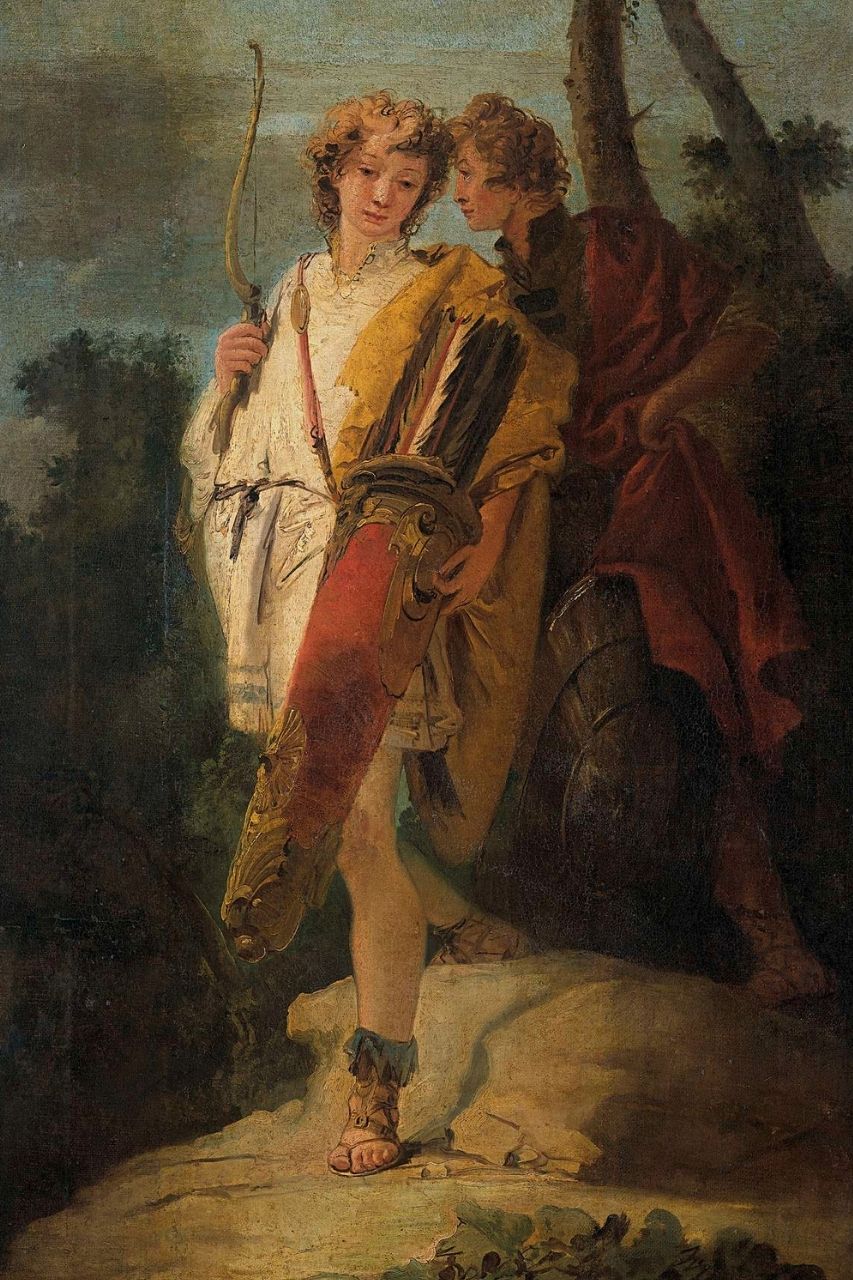
Telemachus in The Odyssey
Mentor in the Odyssey
On the other hand, Mentor in the Odyssey was the overseer of King Odysseus' palace in Ithaca. In his care, King Odysseus left his then-infant son Telemachus and his lovely wife Penelope. As Odysseus left to fight in the Trojan War, he saw to it that his family would be well taken care of and that his son would have someone to guide him and someone to look up to.
This role was easily given to Mentor, as he was Odysseus' longtime friend, comrade, and counselor. This was unlike Eurycleia in the Odyssey, who had served as a personal attendant or nanny to both Odysseus and Telemachus. She was in charge of all the needs of these two, especially when they were babies up until the time they came of age. In contrast, Mentor provided guidance on a cognitive and spiritual level.
Incidentally, the goddess Athena has also taken the guise of Mentor several times, as her being the Mentes. This happened to make her plan of helping Odysseus' son a success.
As Mentor, Athena orchestrated the travel of Telemachus in his quest to find his father. She gathered 20 fine young men to be included in the travel. Athena found it necessary for Telemachus to evade the deadly cunnings of his mother's suitors.
Naturally, Athena as a mentor became one of Telemachus' companions during his travels toward the kingdom of Pylos and Sparta in search of his father. During their long journey, she was able to teach Telemachus different lessons, and protect him by all means. Telemachus was taught about bravery, how to carry himself as a king, his father's heroic deeds, and the mighty lineage of his ancestors.
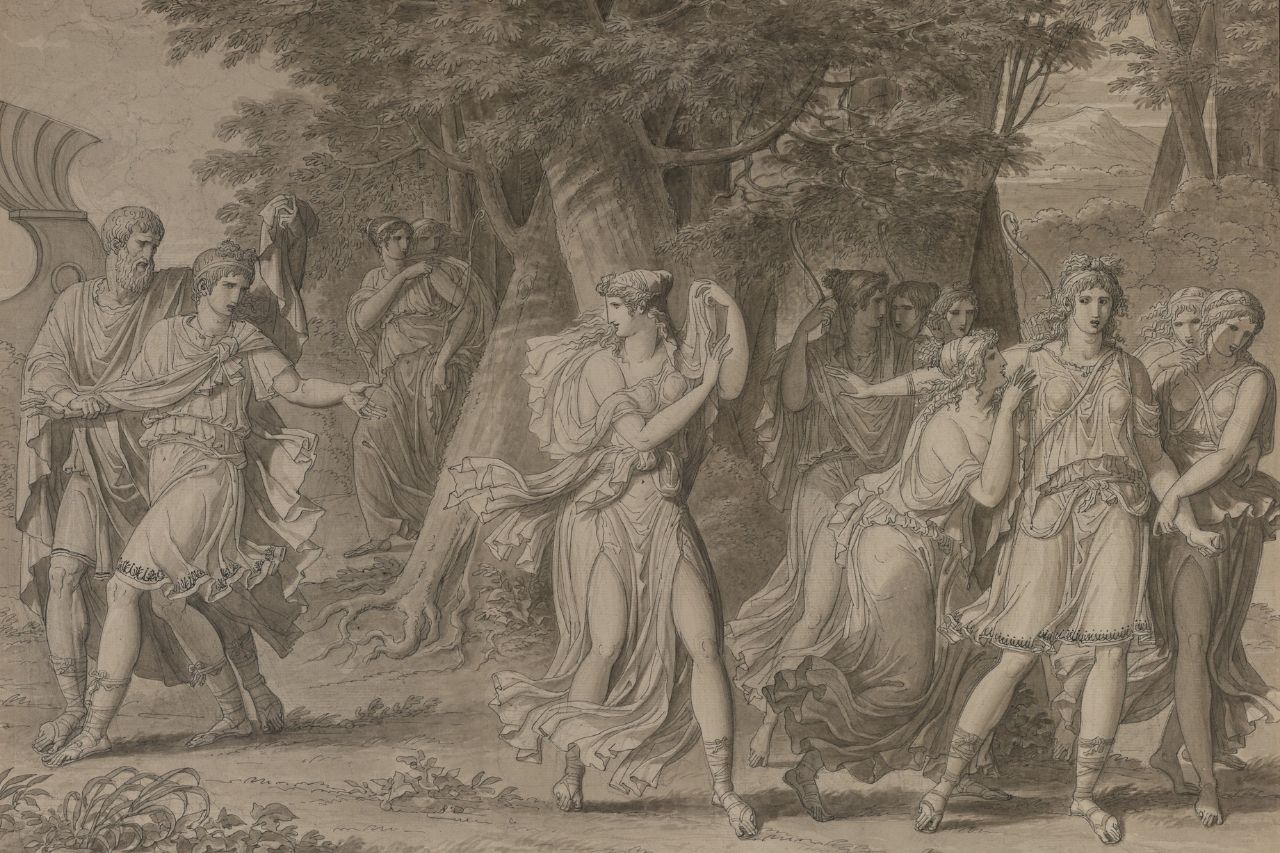
Telemachus urged by Mentor
FAQ
Are Mentor and Mentes the Same Person in the Odyssey?
No, Mentes and Mentor were two different characters. While Mentor was a constant in Telemachus' life, from the time that he was still an infant up to when he became a young man, Mentes happened to have come upon Odysseus' son only once.
Mentes visited Ithaca once on his way to a nearby kingdom, announcing himself as someone associated with King Odysseus by hospitality. Meanwhile, it is safe to say that Telemachus and Penelope lived together with Mentor, the elderly friend of Odysseus.
On the other hand, these two characters were both impersonated by the goddess Athena. Through her devices, both characters have offered sensible advice to Telemachus, which he also heeded to. One could say that as the goddess of wisdom, Athena has been successful in using these two characters as her instruments to pursue her goals of helping Telemachus, the son of her loyal devotee Odysseus.
It must be noted that Mentes was mentioned in the Odyssey only once, whereas Mentor was mentioned almost 20 times.
Conclusion
Throughout the book of Homer, The Odyssey, it was apparent that the goddess Athena had been helping Odysseus overcome whichever circumstances he found himself in. Let's quickly cover the key points:
Mentes, a chieftain of a nearby kingdom, came to Ithaca to challenge Telemachus to travel, not only to find his father but to find himself as well.
There was always a person who was used by the goddess Athena as an instrument to help Odysseus and his family.
Mentor, a teacher and guardian, had protected Odysseus' son Telemachus and wife Penelope so many times against the looming danger brought by conflicting suitors.
Through her influence, Athena was able to succeed in her plans of helping Odysseus as he traveled back home, with both Mentor and Mentes as her implements.
Like Mentor and Mentes, allowing other people in one's life could have a positive and great impact. Once in a while, their advice and devices could bring positive outcomes. Who knows; maybe even now, the gods are manipulating us to live better lives.