What Led to The Decline of Sumerian City States: Analyzing The Reasons

The decline of the Sumerian city states is one that happened due to a plentitude of reasons. Sumerian city-states were located within Mesopotamia, a part of present-day Iran, Iraq, Kuwait, and parts of Turkey. They resided upon the flood plains of the Tigris and Euphrates River around 4000 B.C. If you are interested in discovering what factors led to the downfall of the Sumerian city-states, look no further, since we have expert-based information for you right here.
How Were Sumerian States Formed?
Sumer grew very rapidly. There were hundreds and thousands of people, with populations of thirty thousand or more. Cities were the center of trade, learning, and religion. Notably by 2500 B.C.E, the total population of ancient Sumer was more than half a million.
To protect themselves, small towns were linked to big cities, thus creating city-states. Communities included cities and agricultural land around them to sustain the people living in the city.
These city-states had narrow streets, and each city was surrounded by a protective wall made of bricks. Farmers built their homes out of reeds gathered from rivers. Inside the city, houses were made of mud bricks.
The Sumerians people had created a very independent city-state, due to the fact that they were organized by canals and boundary stones. Each state was dedicated to a god or goddess. Sumerians came into power during the prehistoric Ubaid and Uruk periods.
Ziggurats
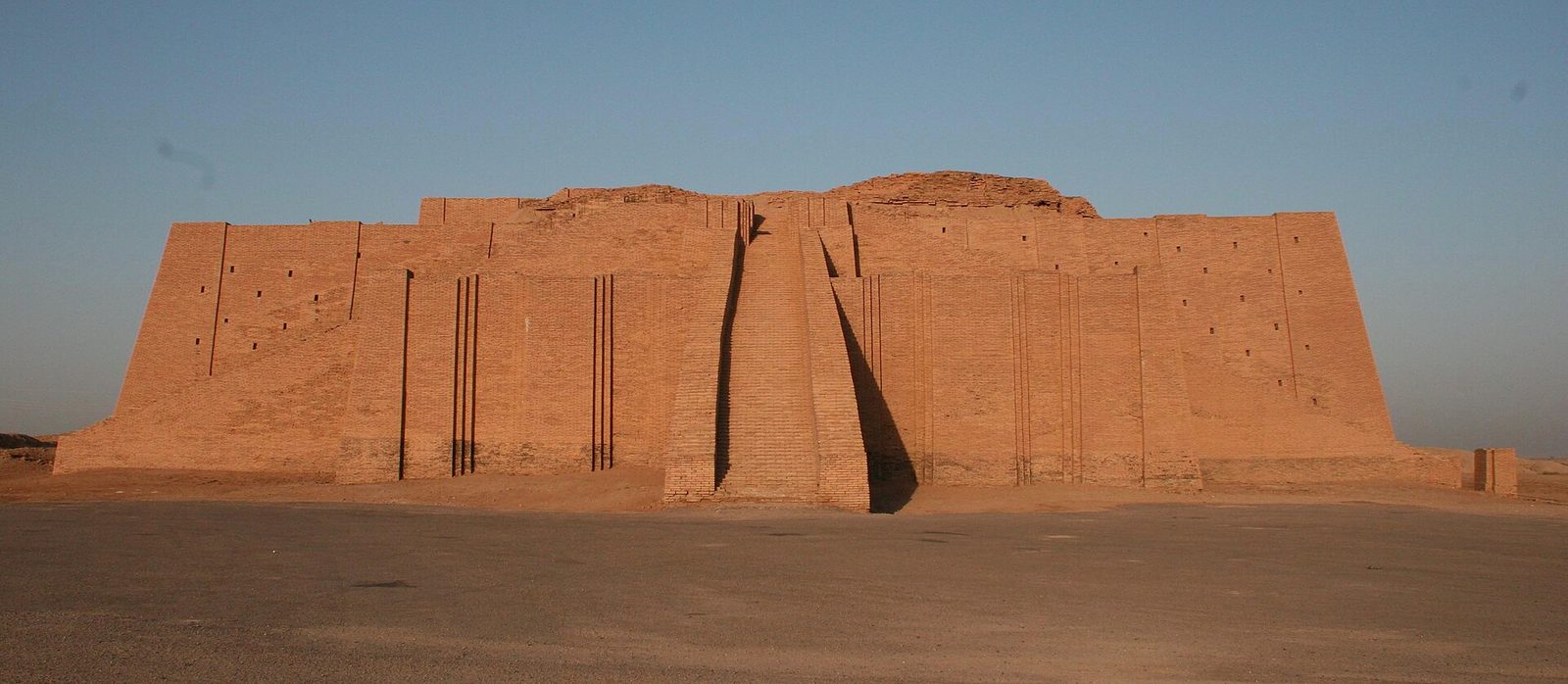
The Sumerians divided themselves into city-states that surrounded a temple. The city was under the influence of the priests of that temple. In each city, one building would stand out from the rest and was considered the most important structure. This was a temple called a ziggurat.
The first ziggurat was built around 2200 B.C.E., and the hold of the temple was very strong. Notably, most of the Sumerians were considered slaves of the god of the temple.
Whenever a calamity occurred, it was thought that the god of the temple was angry. This made the people want to obey and act according to the wishes of their local god. Then came a time when, due to the wars, the rule of priesthood declined. Warriors had more dominance and this led to the rule of kings.
Early Ruling-Body of Sumer
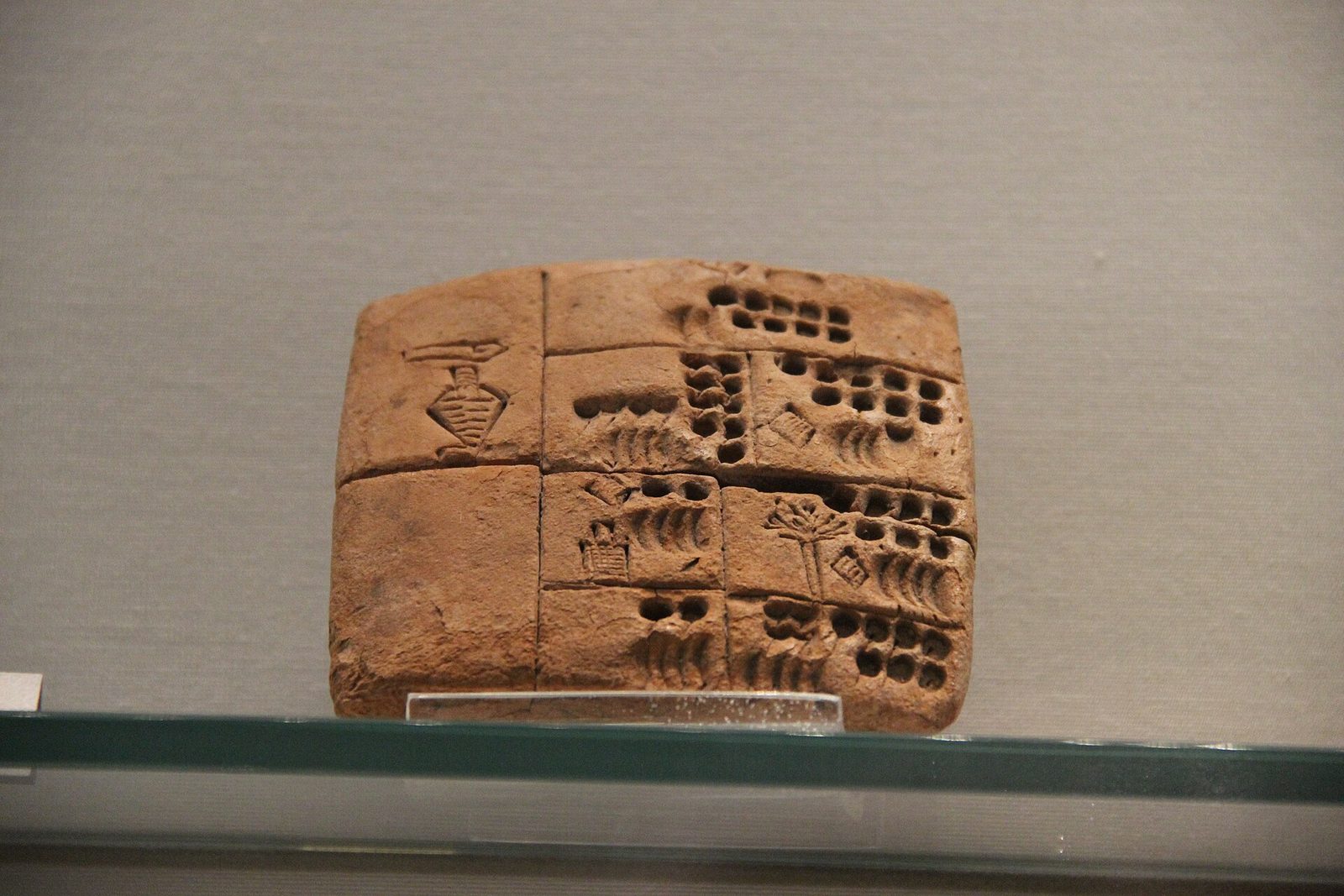
It is said that the very first ruling body of Sumer was the First Dynasty of Kish. This rule bought stability to all lands around that region. The famous ruler of early Sumer was Gilgamesh, King of Uruk, who ruled around 2700 B.C.E. Around 2600 B.C, a struggle for power started between the rulers of Kish, Erech, and Ur, which lasted around 400 years.
As we mentioned before, Sumerians had enclosed their city-states with a wall. The villages were settled outside of the wall. Each village was linked to the deity they would follow.
Early Rulers of Sumer
The last Kish dynasty ruled for a century. Before that, Uruk king, Lugalzage-si, ruled for 25 years. Let’s go ahead and find out more about the early rulers of Sumer below.
Sargon
Commonly known as Sargon the Great, he was the first ruler of the Akkadian Empire. He was the first conqueror of the Sumerian city-states. He ruled for 50 years, and after his death, his son Rimush faced a high level of revolt. The same happened with his brother.
Sargon’s grandson, Naram-Sin, took the throne and started considering himself divine. The Gutians invaded the reign of the last king. Due to their neglect, the city of Agade faced a high level of destruction and was wiped out.
Ur- Nammu
The final leadership emerged when the Utuhegal king of Ur defeated the Gutians. He was taken over by Ur-Nammu, who started a dynasty that ruled for a century. There was a lot of construction in his rule, which was very positive for the evolution of the Sumerian civilization. He also created an organized system of schools for state administrators.
What Factors Led to The Decline of Sumerian City States?
In 2004 B.C., the Elamites took over Ur and came into power. At the same time, Amorites also started taking over the population of the Sumerians. The Elamites slowly absorbed the Amorite culture and became the Babylonians, marking the end of the Sumerian rule.
Sumerian City-States and Their Fall
The reason for the fall of Sumerian civilization has been blamed on many factors. These include a large population, provincial revolt, and incompetent administration**.**
Drought Destroyed Settlements
The biggest factor that led to the fall of Sumerian city states was an extreme drought. The drought took place around 2200 B.C.E and lasted for two and three hundred years. This drought dried up the entire land. Around 74 percent of the population abandoned the drought-struck lands and settled elsewhere.
The drought came very quickly and with severe consequences. Clay tablets of the time tell us that a lot of people migrated towards the south, which overburdened southern cities. This led to overpopulation and impacted the Sumerians food supply, causing a shortage of food. It also led to violence and the fall of the Sargon dynasty.
Mismanaged Communities
Since it was one of the earliest civilizations, the Sumerians did not have a role model to follow when they started facing problems. Their communities were expanding in number and the overpopulation led them to start fighting with each other. Order could only be found in worshiping temples, but even priests were more concerned with collecting tributes for the gods and goddesses than trying to mitigate ongoing warfare.
Also, the priests did not have an army that could help in creating order and discipline. The internal and external strife between communities did not let the communities prosper.
At War With Each Other
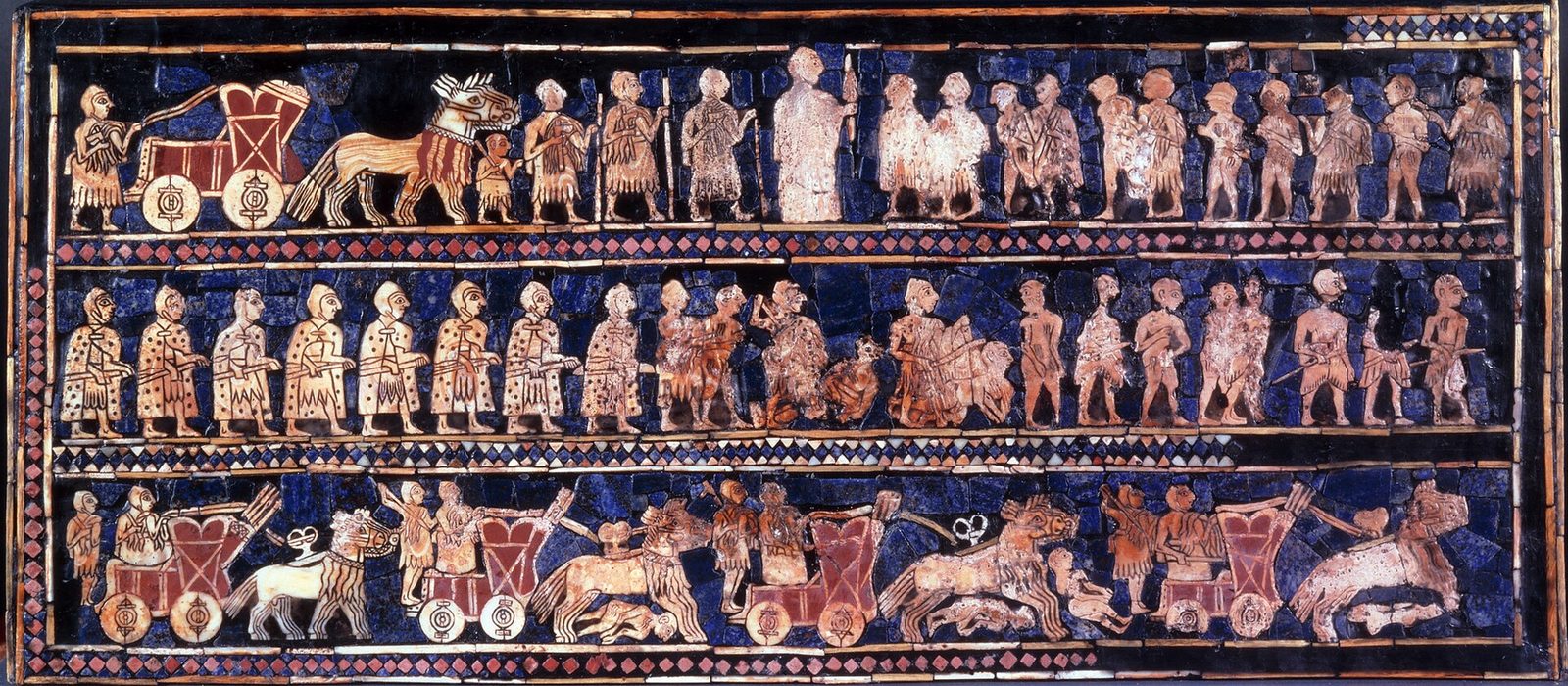
Even though the Sumerians had a common language and a common culture, the city-states were constantly at war with each other. This cause the Sumerian city states to lose power. The first of these conflicts concerned King Eannatum of Lagash, who took over the city-state of Umma in 2450 B.C.
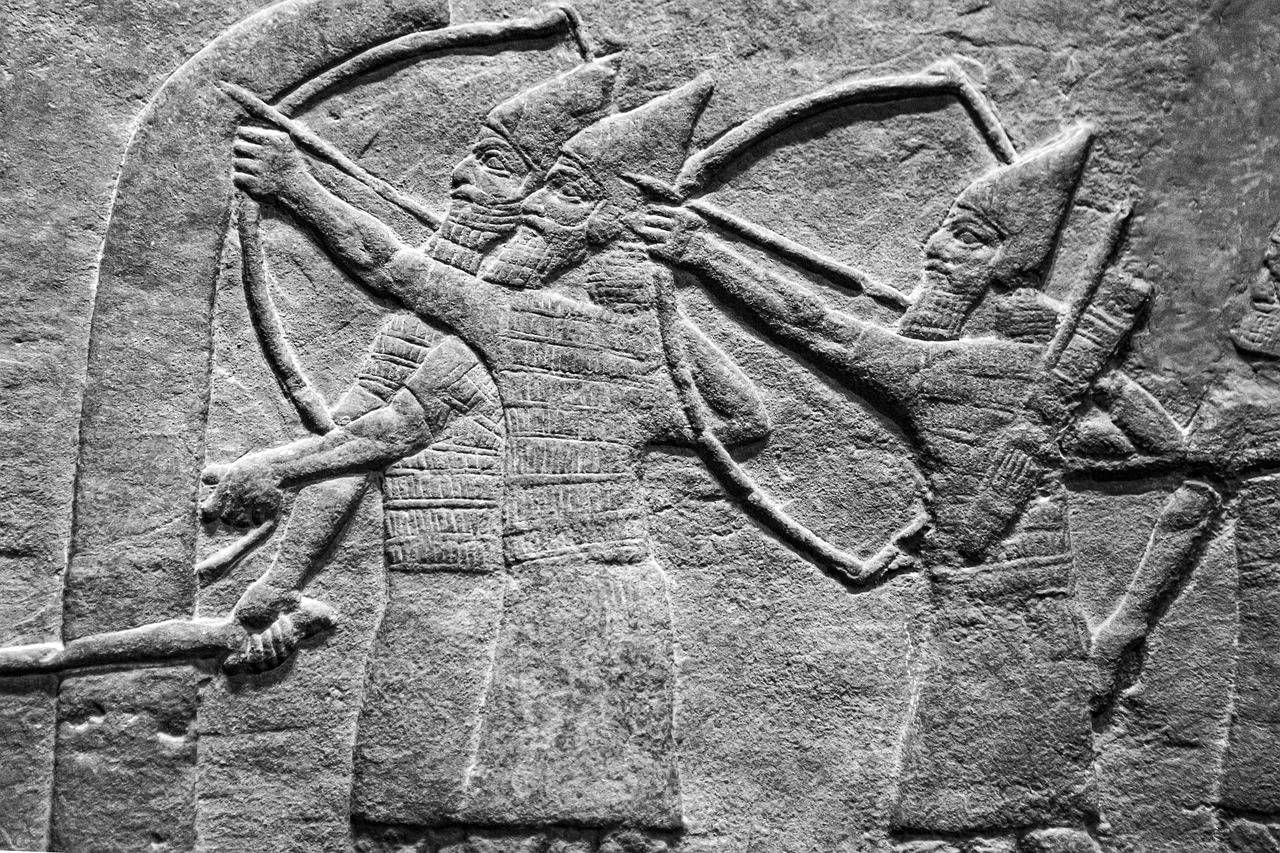
As a memorandum of the victory, he also made a limestone monument called “Stele of the Vultures.” This monument depicted birds feasting the flesh of the enemy. In the later stages of their history, the Sumerians were conquered by the Elamites, Akkadians, and the Gutians.
Invasion of the Elamites
Sumerian city-states came to a complete collapse in 1750 BCE when the Elamites invaded the region. Shulgi from the city of Urhad built a wall to protect his people from such invasions. But the wall was not anchored on either side, and the invaders attacked from around the wall.
Before this final collapse, Sumerian city-states struggled to retain autonomy since the Amorites had gained power in Babylon.
Conquest by the Akkadian
The neighboring Akkadian empire led an army that destroyed the Mesopotamian capital city, Ur, around 2000 B.C.E. Refugees that had migrated due to the drought also mixed with the local population of the capital, which is also what led to the city’s downfall.
The refugees residing in Ur did not know much about agriculture and were inclined to violence. This was another reason the agricultural economy of the Sumerians declined. Even though a 110-mile-long wall was made around the capital to defer the refugees, which, sadly didn’t work.
Cultural Shift
When the Amorites gained power in Babylon, there was a cultural shift, especially in the male-female ratio. This culture reversed the Sumerian theological model. Previously, women had shared equal status with men. But the order elevated the supreme male god, Marduk, over every other deity.
Unfortunately, this resulted in the destruction of the female goddesses’ temples. At the same time, female rights, which traditionally were on par with men, also started declining. This led to even more conflict ensue in the land.
Change in the Irrigation System
The Sumerians thrived for centuries due to their superior irrigation system. However, it became another factor that led to its downfall.
Water from the river changed its course and started carrying harmful salts and other minerals. This made the land more acidic and destroyed crops. The Sumerian food supply that was produced around the river, was destroyed due to this**.** Moreover, this destruction also led to economic downfall and also a loss of political and military strength.
The Takeaway
These problems in Mesopotamia led to the decline of ancient Sumerian city-states. Let’s have a look at the summary of the events that unfolded and led to the fall of the Sumerian city states:
- A severe drought occurred that continued for 300 years and dried up the land
- Sumer’s economy was based on agriculture. The drought forced people to migrate to the Southern cities instead
- Because of the economic downfall, political instability followed. City-states had their own small armies, but the primary Sumerian authorities, the priests, did not have an army. This led to many internal conflicts and destabilized the region
- The irrigation system changed its course and harmed the fertility of the land. This led to a drop in economic resources
- Due to internal conflicts, external powers started invading Sumerian city-states, thus resulting in the change in rulers
- Change in rulers also led to change in culture. This slowly caused the city-states to start declining
Sumerian city states the center points of learning, commerce, and religious activity, and a lot about them is still being discovered.