What Countries Were Part of the Ottoman Empire?

Countries in the Ottoman Empire are today present in Europe, Asia, and Africa. Ottoman rule spanned more than 600 years and knowing about these countries is what fascinates every history observer. Moreover, learning that these countries were part of the Ottoman territory helps in understanding these countries’ future and culture. In this article, we will discuss all the countries that were under the Ottoman umbrella, and how they still have imprints of Ottoman rule.
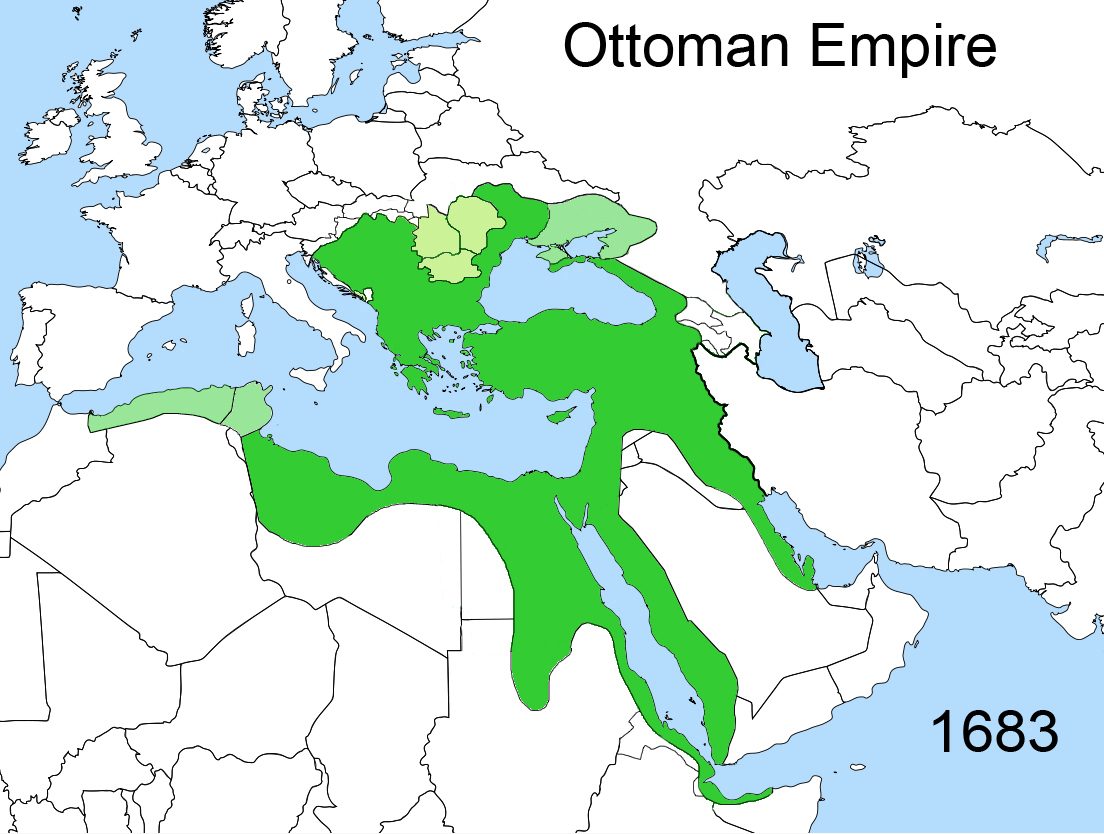
What Countries Were Parts of the Ottoman Empire?
Countries under Ottoman empire include modern-day Hungary, the Balkan region, Greece, and sections of Ukraine; portions of the Middle East currently inhabited by Iraq, Syria, Israel, and Egypt; North Africa as far west as Algeria; and significant swaths of the Arabian Peninsula.
Along with these, the Ottoman Empire had an impact on other regions of the world as well. This means that, although the empire didn’t control these lands directly, it was involved in shaping their lifestyles.
Where Was the Ottoman Empire Located?
Ottoman Empire location has been the subject of many history lessons and normally, Turkey comes to mind when we look for the exact location of the Ottoman Empire. However, most people do not know that the Ottoman Empire expanded from a Turkish stronghold in Anatolia to a huge realm that stretched to all the countries mentioned above.
In Which Continent Was the Ottoman Empire Situated?
The Ottoman Empire spanned three continents, expanding from southern Europe’s Balkans through Anatolia, Central Asia, Arabia, and North Africa. This is in great part due to the Ottoman military’s employment of gunpowder.
What Territory Did the Ottoman Empire Control?
Ottoman territory expanded from 270,000 sq. miles in 1451 to 1,134,509 sq. miles in 1844. The expansion was so rapid that, starting from Anatolia, it took various surrounding areas under its rule. After the fall of Constantinople and under the leadership of Mehmed II in 1453, it solidified its rule in the Asian hemisphere and became one of the most feared empires.
When and How Did the Ottoman Empire Start Taking Control of These Countries?
Ottomans started taking hold of these present day Ottoman Empire countries after the death of Mehmed II in 1481. Bayezid II, his eldest son, succeeded him as Sultan. By 1517, Selim I, Bayezid’s son, had conquered Syria, Arabia, Palestine, and Egypt for the Ottomans. Moreover, during the reign of Suleiman the Magnificent, the Ottoman Empire reached its pinnacle between 1520 and 1566.
How Did Suleiman the Magnificent Propagate Ottoman Rule?
During this time, there was a lot of authority, stability, and money, so Suleiman established a consistent legal system and embraced various forms of art and literature. What’s more, Suleiman was seen as a religious leader and a political ruler by many Muslims. Throughout Sultan Suleiman’s reign, the empire grew and expanded, encompassing parts of Eastern Europe.
How Many Countries Were in the Ottoman Empire and How Did They Take Them?
As mentioned above, around 12 to 13 Ottoman Empire countries are currently present. The Ottoman Empire comprised 32 provinces in total along with various vassal states during the start of the 17th century. Moreover, the Ottomans took total control of some while the others were given a considerable amount of freedom over time. However, their loyalty was to remain with the Ottomans.
Below you’ll find an analysis of how the grand Ottoman Empire came to occupy the countries that it did.
Initiation in Turkey
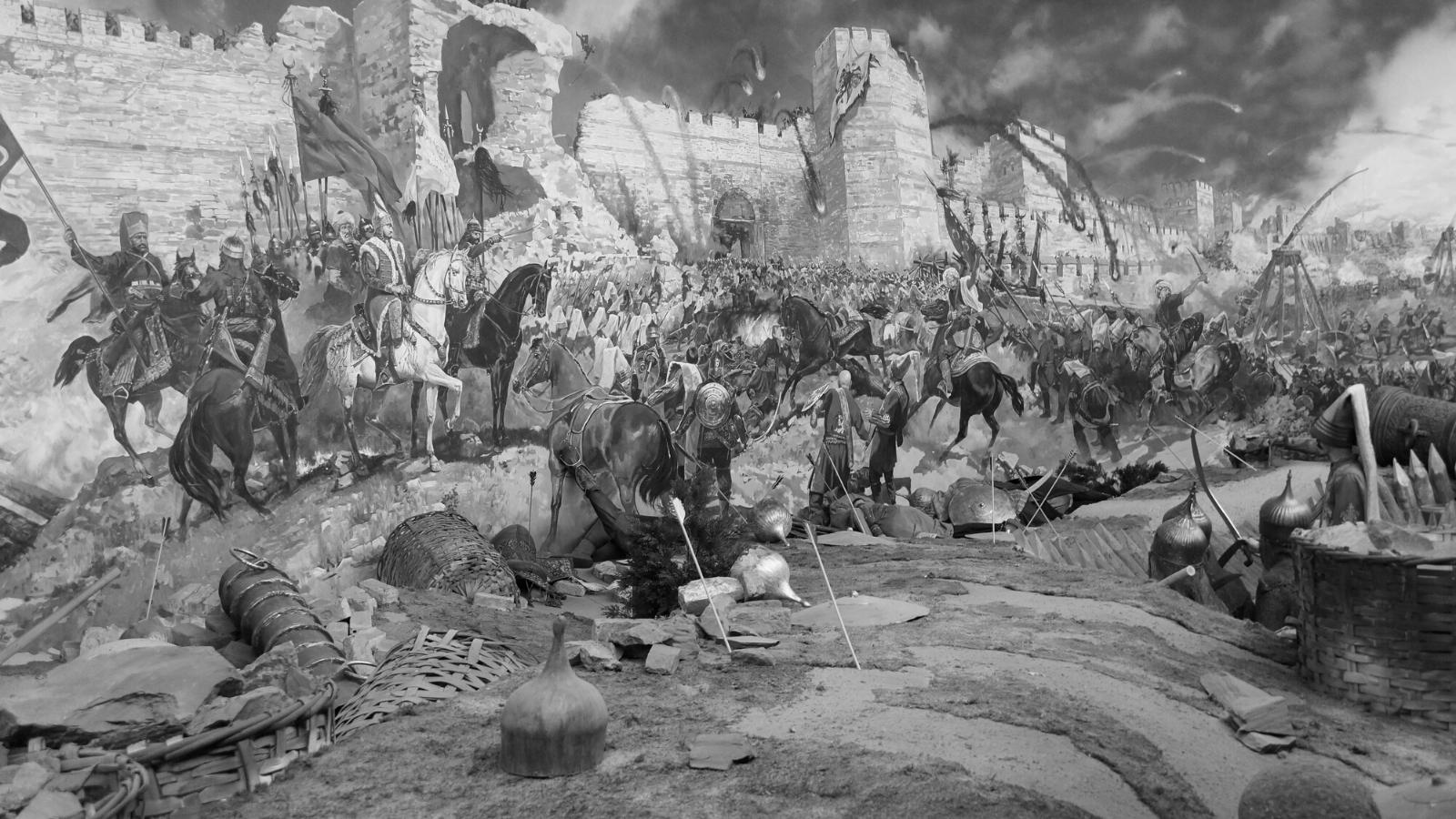
It all began as a collection of tiny Seljuk Turkish Principalities, with the Ottomans serving as civilians. When it came to confronting the Byzantine Empire, it possessed a good strategic position. Furthermore, the Ottomans conquered the northeastern section of Turkey first, and then moved into European territory by crossing the Bosporus and encircling it. However, they were unable to conquer Constantinople until 1453.
Moving as Far as Vienna
From there, they expanded into what is now southern Bulgaria, then into what is now Macedonia, and finally into Serbia, Albania, and Bosnia and Herzegovina. Then, they conquered Constantinople and completed their conquest of the Balkans by capturing Romania, Hungary, Croatia, and Slovenia, as well as banging on the gates of Vienna.
Reaching Crimea and Armenia
After reaching Vienna, they switched their attention to Asia after conquering the Balkans. They proceeded into Lesser Armenia, which is now southern Turkey, and rounded up the several Seljuk Turkish states. The alliance added Crimea to the Empire, as well as vast portions of Hungary and Romania, which were administered as vassal states rather than direct conquests.
Control of Egypt
The Ottomans confronted the Mongols in Central Asia but lost to them. However, the Mongols lost to the Mamluks of Egypt in what is now North-East Syria. The Mamluks had been ruling a considerable part of Egypt and after their recovery from Mongolian defeat, Ottomans challenged them and established control over their whole empire.
Conquering What Was Left of the Middle East
In the early nineteenth century, Napoleon and a new Turkish governor, Muhammad Ali, ultimately put an end to Mamluks. Syria (which included modern-day Syria, Lebanon, Palestine/Israel, and Jordan) was governed from Damascus. The Ottomans and Persians fought, gaining Iraq and a portion of Armenia that is now Turkey and Northern Iraq in the process.
North African States
The North African nations of Tripoli, Tunis, and Algeria were merely vassal states that allied with the largest and most powerful Muslim empire in the world, providing them with safety and clout. Then, Ottoman Turkey moved south into Sudan as a province in the nineteenth century.
How the Ottoman Empire Lost Control of These Countries
In the beginning of 1600s, Europe was progressing militarily and economically, challenging Ottoman supremacy. Coupled with the Industrial Revolution and Renaissance, Europeans soon attained undisputed power.
The trade weakness in comparison to other nations and absence of firm leadership was adding more to Ottoman misery. Hence, in 1983, Ottomans faced defeat, which is something that added more to their plight over time.
In the next hundred years, the Ottomans lost a vast territory to their European counterparts. Greece, for instance, gained its freedom from the Ottomans after a revolution in 1830. Then, the Congress of Berlin declared Romania, Serbia, and Bulgaria independent in 1878. Moreover, during the Balkan Wars of 1912 and 1913, the Ottoman Empire lost practically all of its European holdings.
How Did the Ottoman Empire End Lead These Countries To Become Independent?
The Ottoman Empire was already in collapse by the outbreak of World War I. What’s more, the Ottoman army joined the Central Powers (which included Germany and Austria-Hungary) in 1914 and was defeated in October 1918. Most Ottoman areas were partitioned between Britain, France, Greece, and Russia after the Mudros Armistice.
Birth of Turkey
Ottoman breathed its last when the Sultanate lost its title in 1922. Then, the Republic of Turkey was born on October 29, 1923, adding the last nail to the Ottoman coffin. Between 1923 till Mustafa’s death in 1938, he served as Turkey’s first president, making reforms that quickly secularized and westernized the country.
Impact of the Ottoman Empire on These Countries
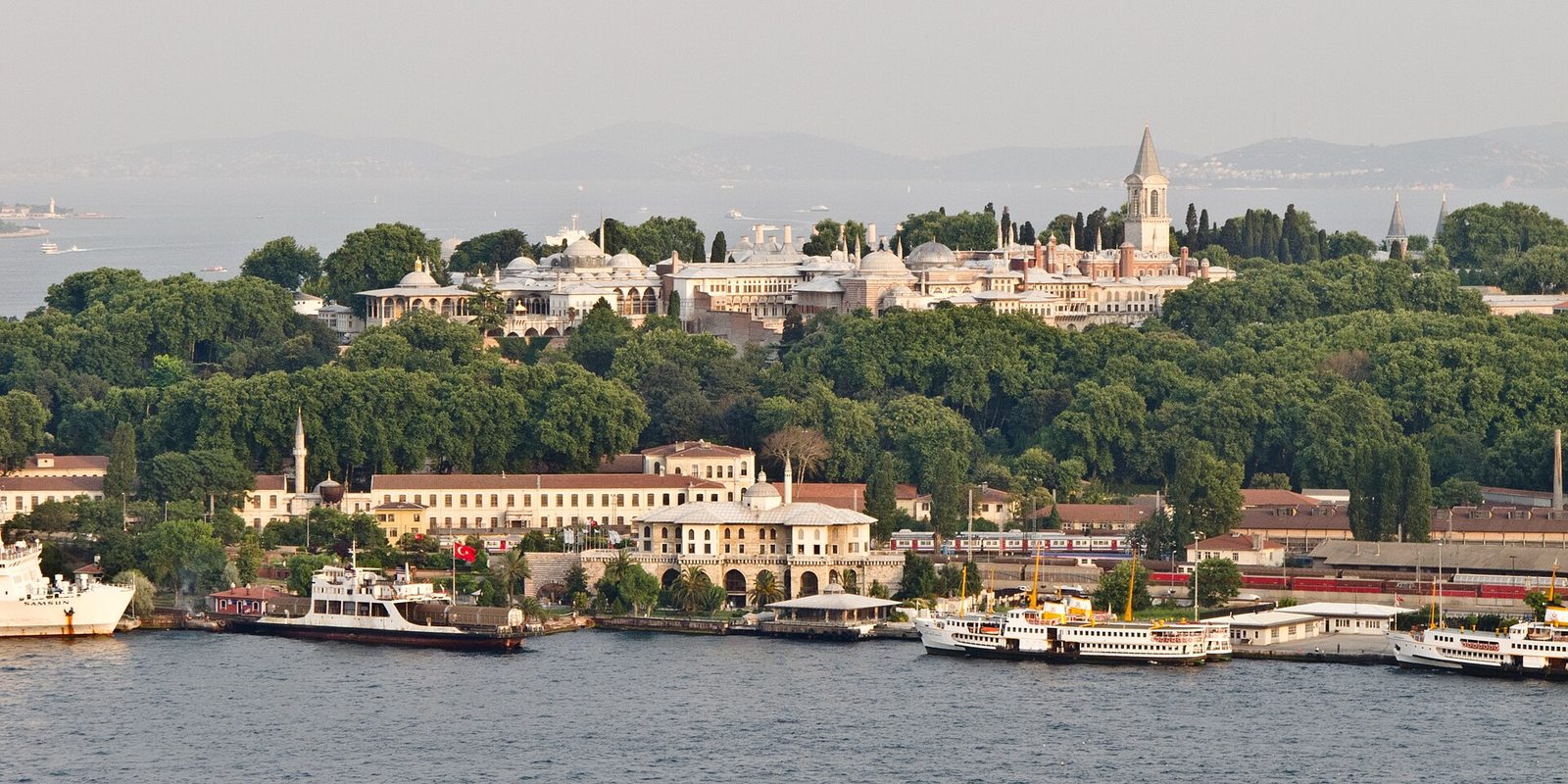
Without a question, the most vivid legacy of Ottoman history may be observed in the artistic sphere, particularly in architecture. Moreover, the magnificent Ottoman buildings in Istanbul and the Ottoman Empire’s capital still serve as a source of inspiration and identity for the country. In addition, they made contributions to science and technology.
Science and Technology in and After the Ottoman Empire
Science and technology thrived throughout the empire’s history, but especially in the first centuries. Ottomans saw improvements in medical, mining, and military technology, and contributed to the establishment of hospitals and healthcare. Present day Ottoman Empire countries have all these characteristics which execute the glimpses of the Ottoman Empire legacy.
Conclusion
We’ve covered a lot of details on countries under Ottoman Empire. Let’s sum up to make sure you are aware of all the facts:
- Most of Southeastern Europe was under the Ottoman Empire’s rule
- About 12 to 13 modern nation-states were under the control of the Ottoman Empire
- Ottomans gradually spread from Anatolia to parts of Europe, Africa and the Middle East
- Ottoman Empire countries came in fold after the fall of Constantinople and got liberated after World War I
- The legacy of the Arts and Sciences of the Ottoman Empire can still be witnessed today
It is clear that the Ottoman Empire as a whole was one of the strongest empires to ever control such a large part of the world that was composed of ethnically diverse groups. Finally, the Ottoman Turks are still remembered in the ex Ottoman Empire countries for their powerful military, ethnic diversity, artistic enterprises, religious tolerance, and architectural marvels.