Was Tartessos in Spain the Real Atlantis?

One popular theory about Atlantis connects it with Tartessos, which is a semi-legendary location in Greek mythology in its own right. However, Tartessos was definitely a real location, and various details about its legendary reputation and the geography of its real-world site have led a number of researchers to identify it as Atlantis. What is the evidence for this theory, and does it really make sense?
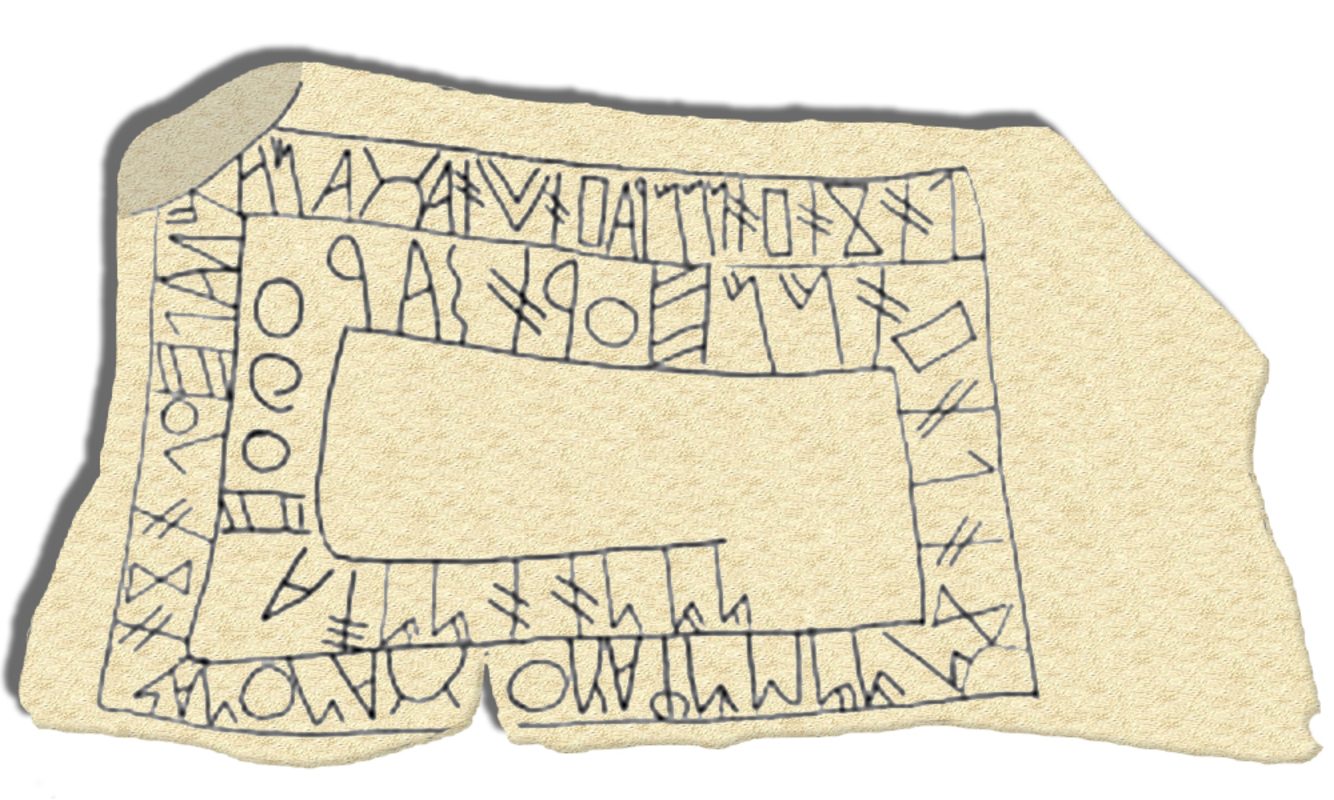
What Was Tartessos?
Tartessos is a location which was mentioned in various Greek texts over the centuries. It appears that it was first mentioned by Stesichorus, a Greek writer of the sixth century BCE. The term ‘Tartessos’ was actually used variously to refer to a river, a city, or a region. But in any case, they all referred to the same general location.
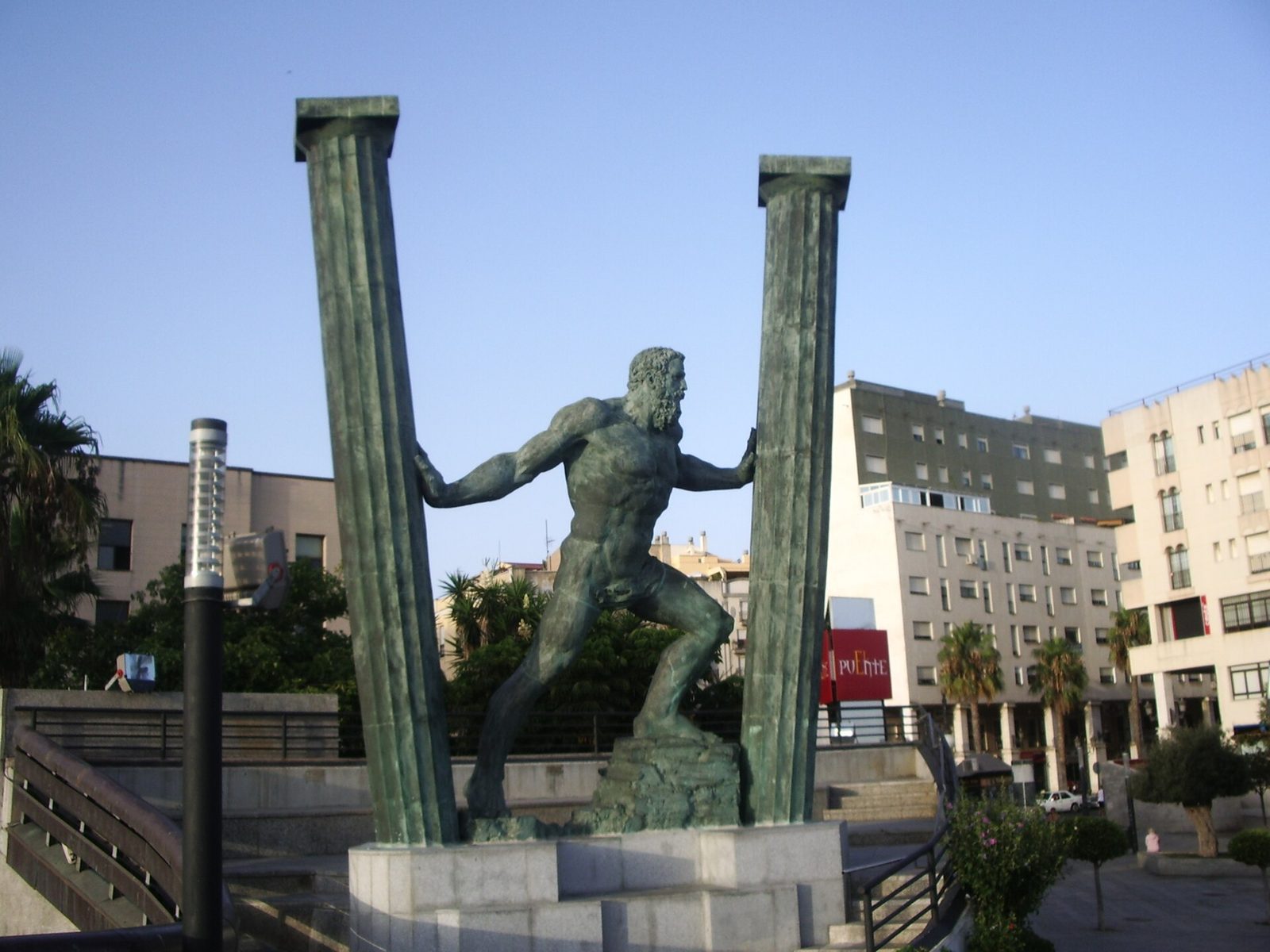
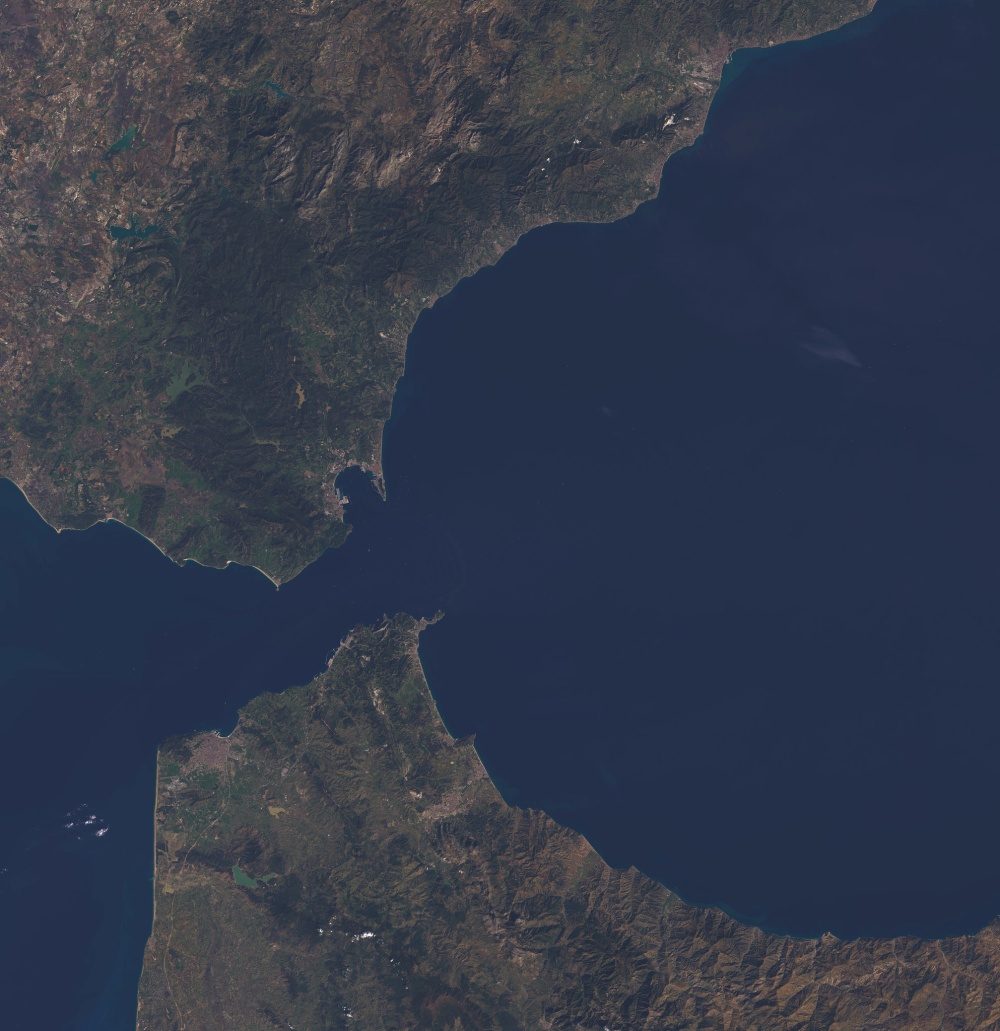
Based on Stesichorus’ reference to it, it appears that Tartessos was a location in what is now Spain. Herodotus, another notable early writer who mentions it, places it ‘beyond the Pillars of Heracles’. In Herodotus’ writings, these pillars were definitely placed at the Strait of Gibraltar (we see this, for example, in his account of the Phoenicians circumnavigating Africa).
Later Greek records unanimously agree that Tartessos was in Spain, just beyond the Strait of Gibraltar. It was most famous for being a rich trading city. It was a source of precious metals. As such, nations from all over the Mediterranean sent merchants to obtain these metals from it.
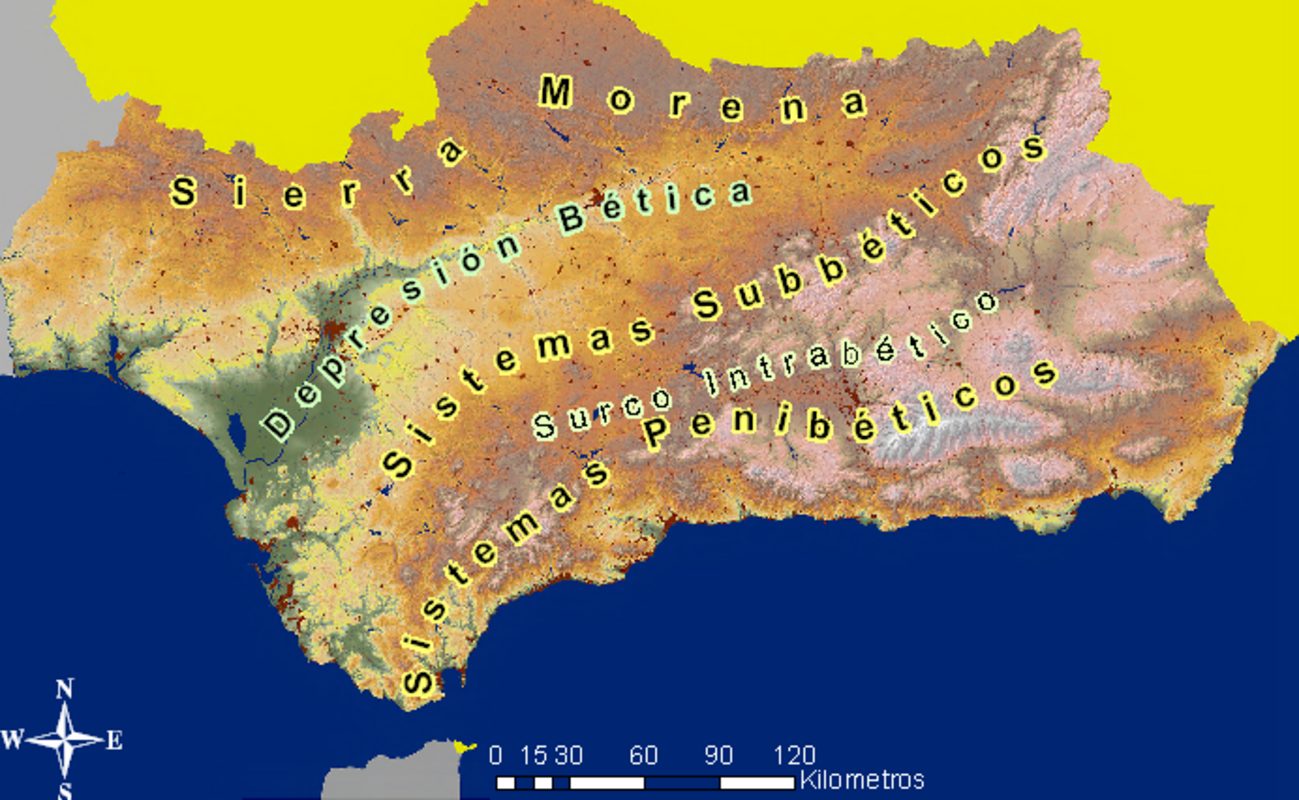
Scholars agree that Tartessos was located in the region of Andalusia, and that it was at the mouth of the Guadalquivir River. This is in the south of what is now Spain.
Tarshish in the Bible
The location called Tartessos in Greek records is also understood by most scholars as being identical to a place called Tarshish in the Bible. In fact, Tarshish is also mentioned in some non-Biblical records from the Middle East, such as in certain Assyrian texts.
The name Tarshish first appears in the Bible as the name of an individual in Genesis. He is one of the sons of Javan, a son of Japheth, son of Noah. The names in this portion of Genesis are the forefathers of nations. The sons of Javan are primarily the forefathers of the Greeks and other peoples in the Mediterranean. Tarshish being a location in Spain would be consistent with this.
Other Biblical texts show that getting to Tarshish required sailing across the open sea to the west. Tarshish is prominently mentioned in connection with King Solomon (c. 1000 BCE) as a location from which he acquired considerable quantities of silver.
The Bible continues to mention Tarshish as a prominent source of silver until the time of the partial fall of Tyre to Nebuchadnezzar in the early sixth century BCE.
The Biblical references to Tarshish match the Greek descriptions of Tartessos as a prominent trading city in the west. The time span in which Tarshish is mentioned, from c. 1000 BCE to the sixth century BCE, also corresponds closely with the Greek descriptions of Tartessos. Therefore, Tarshish and Tartessos were almost certainly the same location. This expands the potential corpus of evidence that theorists can use to argue the case that Tartessos was the real Atlantis.
Arguments That Tartessos Was Atlantis
What exactly is the evidence for the theory that Tartessos can be identified as Atlantis? This theory is a fairly well developed one, employing a large variety of evidence and attempting to match not only the general profile of Atlantis, but also the specific details of Plato’s description.
Geographical Arguments
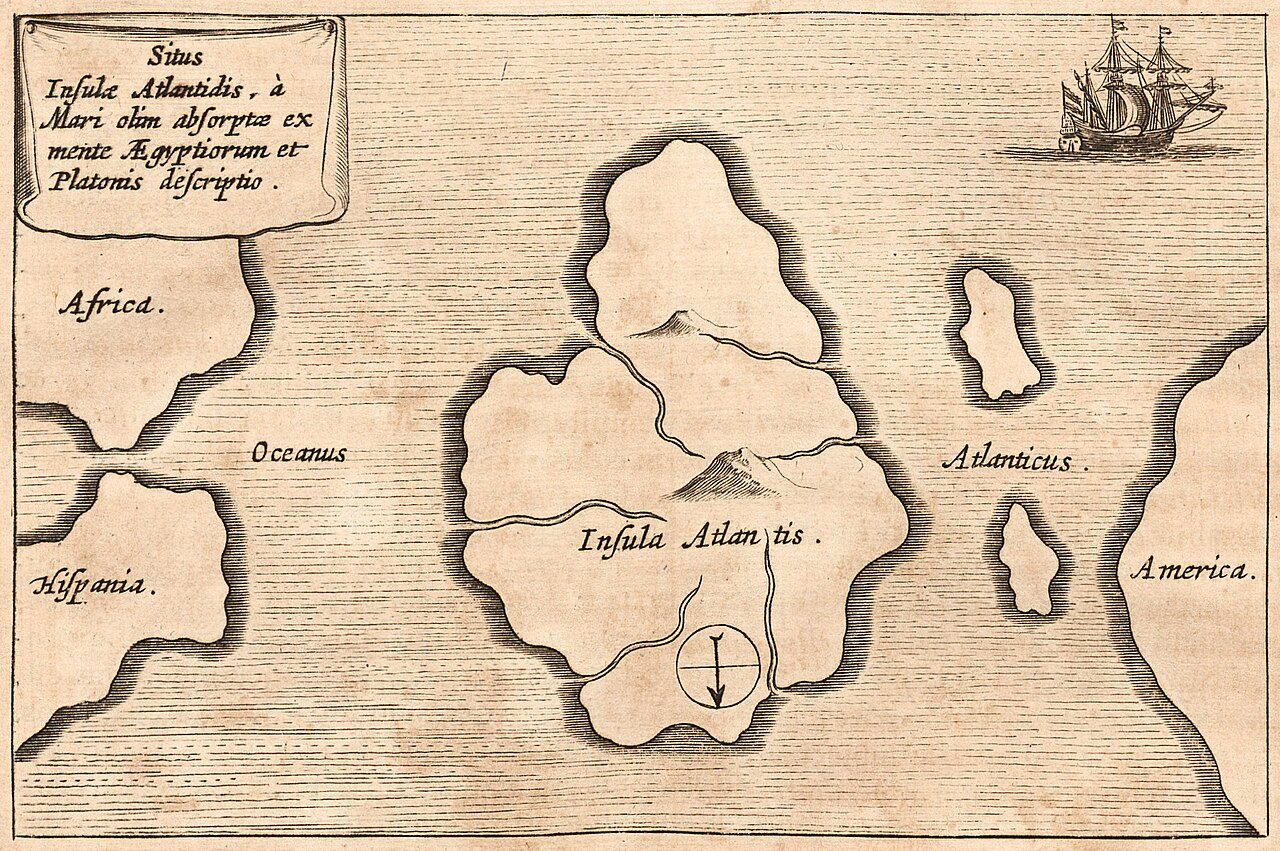
To start with, proponents of this theory argue that Tartessos is in precisely the right location to be Atlantis. Plato famously places Atlantis ‘in front of the Pillars of Heracles’. This is almost universally interpreted to mean that it was beyond those pillars.
The most common location designated by the term ‘Pillars of Heracles’ was the Strait of Gibraltar. Generally, the Greeks understood that there was one pillar either side of this strait. If Atlantis was beyond these pillars, this means that it was outside the Mediterranean.
In truth, the term ‘Pillars of Heracles’ was sometimes used to refer to other locations. However, the conclusion that Plato was using it here to refer to the Strait of Gibraltar is seemingly confirmed by the fact that Plato presents the Egyptian priest telling the story of Atlantis as saying:
“The men of Atlantis had subjected the parts of Libya within the Pillars of Heracles as far as Egypt, and of Europe as far as Tyrrhenia.”
This appears to confirm that the Pillars of Heracles were to the west of Egypt and that the coasts of both Libya and Europe were ‘inside’ them. Based on this argument, proponents of this theory argue that Plato could only have been referring to the Strait of Gibraltar, the entrance to the Mediterranean.
The Atlantic Sea
In further support of this is the fact that Plato’s account also says that Atlantis was located in the Atlantic Sea. Traditionally, this expression has been interpreted to mean the Atlantic Ocean, and it has usually been translated as such.
This dovetails nicely with the interpretation of Atlantis being beyond the Pillars of Heracles at the Strait of Gibraltar. Since the Atlantic Ocean appears to be the only body of water known to have been definitely called ‘Atlantic’ by the ancient Greeks, this appears to form a very strong case that Atlantis really was outside the Mediterranean, somewhere in the Atlantic Sea.
In Front of the Pillars of Heracles
Of course, Tartessos was in Spain, not out in the Atlantic Ocean. How, then, is this consistent with the theory? Notice that Plato’s account places Atlantis ‘in front of the Pillars of Heracles’, using the Greek word ‘pro’. This suggests relatively close proximity. Atlantis was not far beyond the Pillars of Heracles, as some have imagined, but it was right in front of it.
Based on this detail, it is argued that Tartessos is a perfect fit. It is indeed just outside the Strait of Gibraltar. Herodotus even described it using that very expression. Although not out in the middle of the Atlantic Ocean, it is right by the waters of that ocean. Any naval power travelling into the Mediterranean from Tartessos would indeed be described as ‘coming from the Atlantic Sea’, as Plato described.
Not an Island?
What about the fact that Tartessos was not actually an island? After all, Plato repeatedly calls Atlantis an island. To address this apparent issue, proponents of this theory highlight the fact that the word Plato used, ‘nesos’, was sometimes used with a broader meaning than just ‘island’.
Crucially, it is known that this word was also used in the sense of ‘peninsula’, at least before the time of Herodotus. For example, the name of the Peloponnese means ‘Island of Pelops’. The Peloponnese, of course, has never been an actual island. It is a peninsula. This shows that the term ‘nesos’ could sometimes be applied to a peninsula rather than an actual island.
The most well developed form of this Tartessos theory argues that Plato’s account was a description of the Iberian Peninsula as a whole. This entire peninsula, then, was Plato’s ‘nesos’ of Atlantis.
Larger Than Libya and Asia Together
Another notable geographical description from Plato’s description is the following statement:
“The island was larger than Libya and Asia put together.”
Remembering that the word translated ‘island’ can mean ‘peninsula’, proponents of this theory sometimes argue that Plato’s description comes from the fact that the Iberian Peninsula really is very large. According to this argument, the reference to Asia in this line is really just a reference to Asia Minor. This is, indeed, what scholars generally understand.
The reference to Libya, meanwhile, is understood to refer to a much smaller part of North Africa than commonly imagined. In the earliest Egyptian references to Libya, it is used for the people immediately to the west of Egypt. There is no indication that it was used for an exceptionally large area. Even the later Greeks sometimes used ‘Libya’ in reference to the region between Egypt and Cyrenaica rather than North Africa as a whole.
With this in mind, this still does not fit the Iberian Peninsula, which is actually smaller than Asia Minor alone. Yet it is close enough that, to some researchers, this could be put down to a reasonable exaggeration on the part of the Egyptians.
Greater, Not Larger
Another argument that has been used by proponents of this theory is that Plato’s account was actually referring to the greatness of Atlantis in some other sense, not its geographical size. After all, Plato did use the word ‘meizon’, which can simply mean ‘greater’ in any sense.
Since the Libyans and the Asiatics were the two traditional enemies of the Egyptians, it would make a lot of sense for the Egyptians to describe Atlantis’ greatness by saying that it was greater than Libya and Asia combined.
Following this understanding, the physical size of the Iberian Peninsula is irrelevant.
The True Sea
The following part of Plato’s description also demands explanation:
“[Atlantis] was the way to other islands, and from these you might pass to the whole of the opposite continent which surrounded the true sea; for this sea which is within the Straits of Heracles is only a harbour, having a narrow entrance, but that other is a real sea.”
According to this theory, the sea which is within the Straits of Heracles (that is, the Pillars of Heracles) is the Mediterranean Sea. It is like a mere harbour in comparison to the Atlantic Ocean, which is the ‘true sea’ mentioned here.
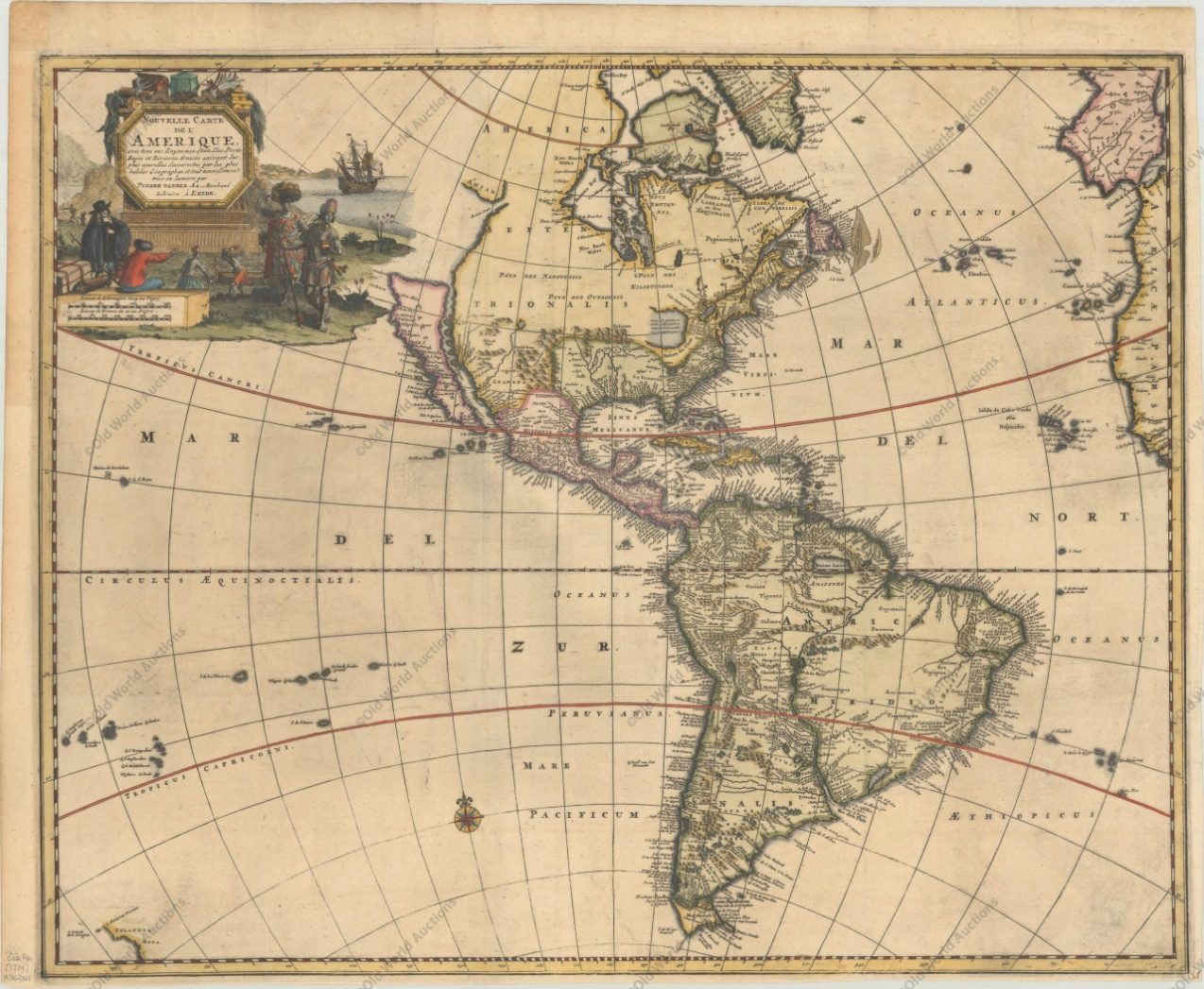
What, then, is the ‘opposite continent’? This might be the Americas, which do form a boundary around at least some of the Atlantic Ocean. However, there is no evidence that the Greeks ever knew about the Americas. This ‘opposite continent’ may well have been a mythological construct.
What about the fact that Atlantis was ‘the way to other islands’? Well, from Tartessos or the Iberian Peninsula in general, one could sail to the Canary Islands, which are known to have been visited by the Phoenicians and Greeks. One could also travel to Britain and Ireland, which were also visited by Mediterranean nations at least as early as the Bronze Age.
The Timing of the War with Atlantis
Regarding the Bronze Age, let us now consider how this theory accounts for the timeframe provided by Plato. Famously, he describes the Egyptian priest speaking to Solon as placing Atlantis 9000 years in the past. This would be 11,600 BCE.
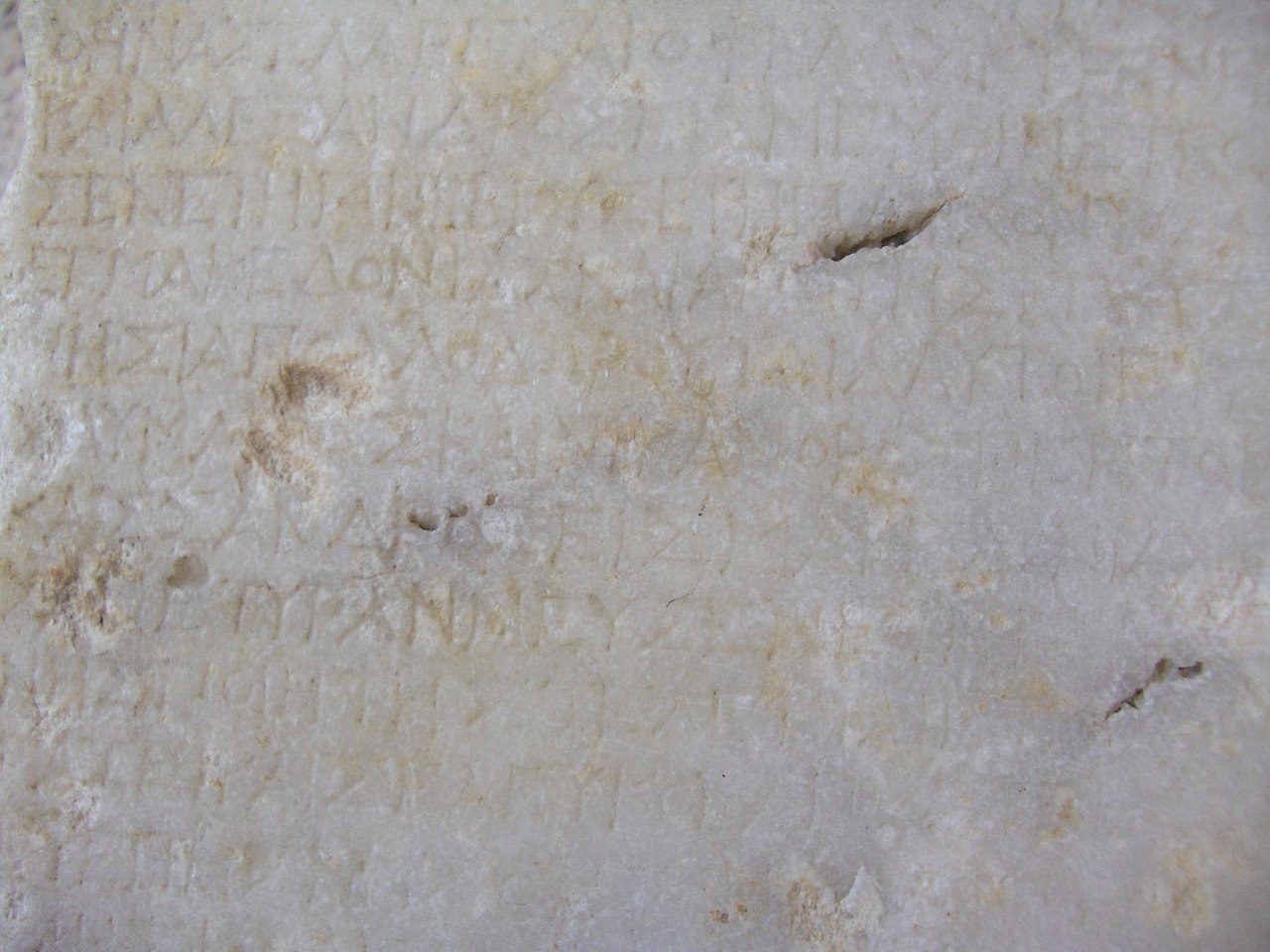
Proponents of this theory argue that this timeframe has been dramatically exaggerated. This is usually done by interpreting it in the light of some ancient Greek statements that the Egyptians referred to months as ‘years’. This would mean that the ‘9000 years’ of Plato’s account was actually a period of 750 years. Counting back from Solon’s visit to Egypt in about 590 BCE would take us to 1340 BCE.
The Kings of Athens
Another argument is used to support a Late Bronze Age date for Atlantis. This argument involves the kings of Athens. Plato explains the following regarding the Egyptian priests:
“The priests in their narrative of that war mentioned most of the names which are recorded prior to the time of Theseus, such as Cecrops, and Erechtheus, and Erichthonius, and Erysichthon.”
Theseus was a legendary king of Athens who ruled in the generation preceding the Trojan War. In view of the traditional date of the Trojan War, that would place Theseus in about 1200 BCE. According to the Parian Chronicle, Cecrops lived in the 16th century BCE. The other three names between Cecrops and Theseus were rulers of Athens in the generations immediately following Cecrops.
On this basis, the argument is made that the war between the Greeks and Atlantis occurred towards the end of the Late Bronze Age, in the 13th century BCE in particular.
The Sea Peoples
On this basis, proponents of the Tartessos theory have linked the legendary war between Atlantis and Greece with the Egyptian records of the Sea Peoples. After all, the war against Atlantis did not just involve the Greeks. Plato clearly tells us that it was a war which involved the Egyptians as well. In fact, it was a war against the entire region inside the Mediterranean.
The Sea Peoples, meanwhile, appear in Egyptian records from the early 13th to the early 12th centuries BCE. They are shown to have attacked parts of Syria and Canaan and even Egypt itself. They harassed Egypt on and off for about a century, before finally being decisively defeated by the Egyptians at the Battle of the Delta in about 1180 BCE by Ramesses III.
How This Fits Atlantis
It must be admitted that there is nothing in the Egyptian records of the Sea Peoples which indicate that they came from the region of Tartessos. However, one of the more prominent of the Sea Peoples were termed the ‘Sherden’. One common interpretation, with some scholarly support, is that these Sherden were the inhabitants of Sardinia.
Sardinia is one of the largest islands of the Mediterranean, and it is just west of Italy. Recall that in Plato’s description of Atlantis’ war against the nations of the Mediterranean, he explains that the men of Atlantis had successfully “subjected the parts of Libya within the Pillars of Heracles as far as Egypt, and of Europe as far as Tyrrhenia.”
From the Strait of Gibraltar up to Tyrrhenia in northwest Italy would, logically, encompass Sardinia. Therefore, the argument goes that the Sherden mentioned in texts about the Sea People were troops from Sardinia, which had already been subjugated by Tartessos.
The Naval Civilisation of Tartessos
Another major requirement for any Atlantis candidate to be taken seriously is that it must have been the centre of a major civilisation. Plato described the impressive temples, houses, statues, aqueducts, and other construction works on Atlantis. It is described as being a ‘great empire’ and as being very rich.
Not only this, but it was also a centre of international trade. Notice how Plato describes it:
“The entire area was densely crowded with habitations; and the canal and the largest of the harbours were full of vessels and merchants coming from all parts.”
He further wrote:
“Because of the greatness of their empire many things were brought to them from foreign countries.”
Undoubtedly, this does match what Greek authors wrote about Tartessos, and it also matches what the Biblical authors wrote about Tarshish. As we saw before, it was a major source of precious metals, to which merchants from faraway places travelled regularly.
Archaeological Evidence
The fact that Tartessos really was the source of much of the precious metal used by Mediterranean nations is supported by archaeological evidence from Israel. An impressive number of silver hoards have been found from Israel dating to Solomon’s time, c. 1000 BCE.
Chemical analyses of these silver hoards have shown that most, if not all, of the silver originated from either Sardinia or Spain. This strongly corroborates the literary evidence for Tarshish being Spain and for Solomon’s silver coming from that region.
Therefore, we can see that there truly is good reason to believe that Tartessos in Spain really was an important source of precious metals from nations even as far away as the other end of the Mediterranean.
The Great Plain
One important feature of Atlantis that receives a lot of attention in Plato’s account is the great plain. This is said to have been in the middle of the island. It looked towards the south and was shielded from the north by large mountains.
In fact, a detail which is often overlooked is that the plain is said to have been ‘surrounded’ by mountains, although the mountains to the north receive particular attention because they shielded the plain from notable northern winds.
This great plain features prominently in the account because it was massive, extremely fertile and thus important for the island, and it was the subject of extensive agricultural work. Plato also specifies that it was an oblong shape, giving its exact measurements.
According to proponents of the Tartessos theory, this great plain fits the Baetic Depression, which is the principal valley plain extending through Andalusia. This is indeed surrounded by mountains on three sides, with the open end at the coast.
The Circular Metropolis
By far the most famous part of Atlantis is the circular metropolis. Plato describes how, on the island of Atlantis, there was a small hill about 50 stadia from the sea. Poseidon carved several concentric circles in the land and caused them to fill with seawater. In this region of the island, the metropolis, a thriving city was built.
Proponents of the Tartessos theory argue that similar descriptions are found in Greco-Roman literature regarding Iberia, thus supporting the conclusion that Atlantis was in that region.
Pindar’s Royal Circle of Seats
The main piece of evidence for this comes from Pindar, who wrote in the early fifth century BCE. Notice the following passage:
“Peleus… married one of the Nereids enthroned on high, and saw the fine circle of seats in which the lords of sky and sea were sitting, as they gave him gifts and revealed the future strength of his race. Beyond Gadeira towards the western darkness there is no passage.”
Notice the reference to the lords of the sky and the sea sitting in a ‘fine circle of seats’. In the following sentence, Gadeira is mentioned. This is modern-day Cadiz. This supposedly points to a legendary circular royal residence in the region of Cadiz, which more or less fits the location of Tartessos.
The Destruction of Atlantis at Tartessos
Another crucial part of the Atlantis story is the fact that it was suddenly destroyed in a single day and night, disappearing into the sea in a dramatic event involving earthquakes and floods. Proponents of the Tartessos theory highlight the fact that this description ties in well with the idea of an offshore earthquake causing a tsunami (which generally come in multiple waves, thus accommodating Plato’s references to floods, plural).
In the year 1755, the Portuguese town of Lisbon was struck by a devastating earthquake and resultant tsunami. However, this famous event did not just affect Lisbon. The tsunami also struck much of the Spanish coast, including the region of Andalusia in particular. Cadiz was among the towns that were damaged by it.
Proponents of this theory argue that something similar may have occurred in the Late Bronze Age, leading to the legend of Atlantis disappearing into the sea.
Objections to This Theory
Despite how thoroughly developed this theory is and how popular it has become, there are an abundance of logical fallacies and weaknesses with all the pieces of evidence used in support of it.
Geographical Issues
Firstly, let us confront the obvious geographical issues with this theory. Recall the argument that the word ‘nesos’ did not originally mean ‘island’, but could also be used with the meaning of ‘peninsula’. While the evidence for this is solid, this argument relies on the conclusion that the Iberian Peninsula as a whole was the ‘nesos’ of Atlantis.
The key problem with this is that this would mean that Atlantis was not beyond the Pillars of Heracles. In fact, this would mean that the Pillars of Heracles were partway along the nesos, or peninsula, of Atlantis itself. In other words, the Pillars of Heracles would have been part of Atlantis, yet Plato never describes this.
Plato clearly says that the island of Atlantis was in front of the Pillars of Heracles. Interpreting the word ‘nesos’ to be a reference to the Iberian Peninsula does not accommodate this description, since Iberia can in no way be described as being ‘in front of’ the Strait of Gibraltar.
Another important issue is that this theory interprets the ‘true sea’ to be the Atlantic Ocean, and the opposite continent which surrounds this sea is interpreted as being the Americas. Yet Atlantis was said to have ruled over parts of this continent.
Crucially, there is no evidence that the civilisation centred at Tartessos (nor any other Bronze Age civilisation in Iberia) ever ruled any part of the Americas.
The Tartessian Civilisation
An even more fundamental problem with this theory is the fact that the civilisation that was centred on Tartessos simply cannot be the origin of Atlantis for chronological reasons. As we saw earlier, both the Bible and Greek records agree that Tartessos was a notable civilisation from about the 11th century BCE until the sixth century BCE.
While this does predate Plato, it does not accommodate the other arguments used within this theory. This theory depends on interpreting Plato’s reference to 9000 years as a mistake for 750 years, which would put the events thoroughly in the middle of the Late Bronze Age.
The Tartessian civilisation had not even come into existence until after the end of the Late Bronze Age. It emerged after the Mycenaean civilisation in Greece had already fallen. It emerged after the Sea Peoples had already been defeated by the Egyptians.
Of course, the issue of when it first emerged is not even the most important issue. This civilisation continued existing until about the time of Solon himself. This clearly could not be the origin of a legend about a long-lost civilisation that was already old in Solon’s time.
The Issue with the Sea Peoples
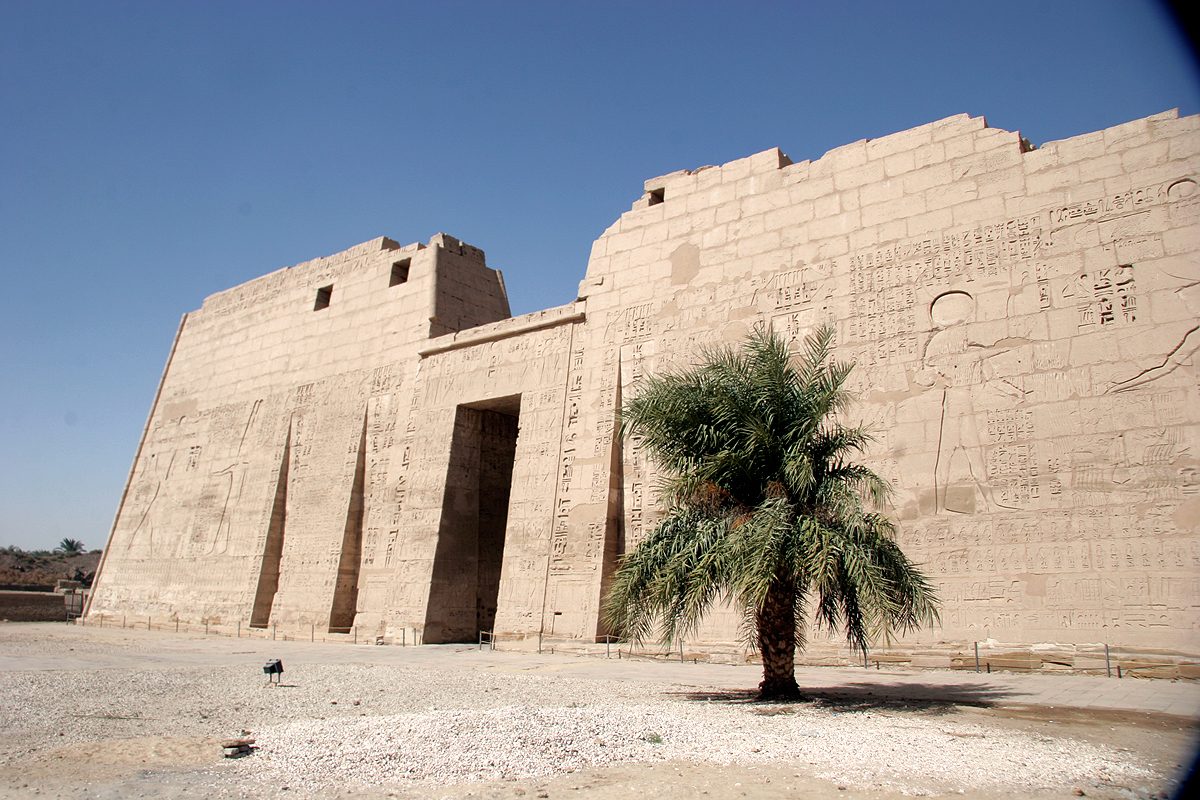
Speaking of the Sea Peoples, the argument regarding their connection to this theory also does not work, even in isolation from the Tartessian civilisation. Consider, for a moment, the issue of chronology.
This theory postulates that Plato’s figure of 9000 years should really be 750 years. Since Solon visited Egypt in c. 590 BCE, this would place the war against Atlantis in c. 1340 BCE. In contrast, the Sea Peoples first appear in Egyptian records in c. 1280 BCE, more than half a century later, and they were not defeated until c. 1175 BCE.
As well as the chronology not matching up, the victors of the two wars also do not match. Atlantis was said to have been defeated by the Greeks. The Sea Peoples, in contrast, were defeated by the Egyptians. Plato’s story specifically notes that the Egyptians, as well as everyone else involved in the war aside from the Athenians, had already fallen to the Atlanteans. Therefore, the war against the Sea People definitely does not match the war with Atlantis.
An additional point of dissimilarity is the fact that one of the Sea Peoples was a nation known as the Denyen. Many scholars have identified them as the Greeks (note the similarity to the Greek ethnonym ‘Danaans’). This means that the Greeks were fighting against Egypt together with the other Sea Peoples. Certainly, this is the exact opposite of the key point of the Atlantis legend.
The Issue with the Great Plain
While it is true that there is a great plain in Andalusia, it does not fit what Plato described. Plato gives the measurements of the plain as being 3000 stadia by 2000 stadia. The Baetic Depression does not match those measurements. Even if we assume that ‘stadia’ is a mistake for some other unit of measurement, the proportions of the plain still does not match the Atlantean one.
The plain of Atlantis is described as being oblong with a ratio of 3:2. On the other hand, the Baetic Depression is much longer than it is wide. Furthermore, there were said to have been a number of rivers flowing through the great plain of Atlantis, whereas there is only one river, the Guadalquivir, running through the Baetic Depression.
The Non-Existent Metropolis
Another major issue with this theory is that there is simply no evidence whatsoever for any kind of circular metropolis at Tartessos. There is no archaeological evidence of such a city or settlement, nor is there any tradition of such a place at Tartessos or Tarshish in Greek or Biblical records.
The best piece of evidence this theory can provide is the reference from Pindar to the ‘lords of the sky and the sea’ sitting at a circle of seats, which supposedly is placed near Cadiz.
In reality, the context of the passage is entirely focused on Greece. The man who is said to have married a nymph and seen this circle of seats is Peleus, the father of Achilles. His wife, as we know from plenty of other records, was the nymph Thetis. In fact, this marriage is not an obscure event in Greek mythology. It is the prelude to the Judgement of Paris, which led directly to the Trojan War.
The marriage feast of Peleus and Thetis was attended by the gods of Olympus. These are obviously the ‘lords of the sky and the sea’ mentioned by Pindar. These lords are said by Pindar to have given gifts to Peleus at his marriage to the nymph, and this is exactly what other records present the Olympian gods as doing to Peleus at his marriage to Thetis.
So, where did the Olympian gods live? Famously, they were viewed as living on Mount Olympus in Greece, not near Gadeira. Or, if Pindar’s reference to a circle of seats refers to the location at which the marriage feast was held, other Greek records clearly place that at Mount Pelion in Thessaly.
So, why did Pindar mention Gadeira just after his reference to Peleus’ marriage? The answer is unclear, but given that Pindar immediately follows this reference to turning back at Gadeira with the statement “for it is impossible for me to tell the full story of the sons of Aeacus [one of whom was Peleus],” this seems to be some expression or rhetorical device whose full meaning is now lost.
No Evidence for a Destruction Event
One more fundamental issue with this theory is the fact that there is no evidence at all for a tsunami hitting this area in the Late Bronze Age (or any time between then and Plato’s era, for that matter). The evidence provided by the Lisbon tsunami of 1755 is used simply to show that such an event is possible.
Thus, it is hypothetically possible that such an event could have happened in the Late Bronze Age. Yet, that is all it is. It is a hypothetical possibility. There is no active evidence for it at all.
Conclusion
In conclusion, despite how strongly argued this theory has been in the past two decades, it is simply not supported by any strong evidence. The only evidence that does exist is mutually exclusive. For example, the theory postulates that the civilisation of Atlantis can be connected to the civilisation of Tartessos. It also connects the war against Atlantis with the war against the Sea Peoples. Yet, the Tartessian civilisation did not emerge until after the Sea People had already been defeated by Egypt. Furthermore, we have seen that the geographical arguments used by this theory are not consistent with Plato’s description, nor is there any evidence at all for some of the key parts of Atlantis.
Sources
Stillwell, Richard, The Princeton Encyclopedia of Classical Sites, 1976
Kühne, Rainer W., Tartessos-Tarshish was the model for Plato’s Atlantis
https://www.britannica.com/place/Guadalquivir-River
https://www.bbc.com/travel/article/20220727-the-iberian-civilisation-that-vanished
https://www.britannica.com/place/Tartessus
https://www.arcus-atlantis.org.uk/atlantis/where-is-atlantis.html
https://atlantipedia.ie/samples/libya/
https://www.worldhistory.org/tartessos/
https://wol.jw.org/en/wol/d/r1/lp-e/1200004325