Was Sardinia the Real Atlantis?

Of all the theories about Atlantis, the ones which place it somewhere in or very near the Mediterranean and set the story in the Bronze Age are invariably more favourable to serious scholars. One such theory is the suggestion that Atlantis can be identified with Sardinia, and that this was the centre of an impressive kingdom that ruled over much of the Central Mediterranean. In this article, we will examine the evidence used in support of this theory and see whether it really stands up to scrutiny.
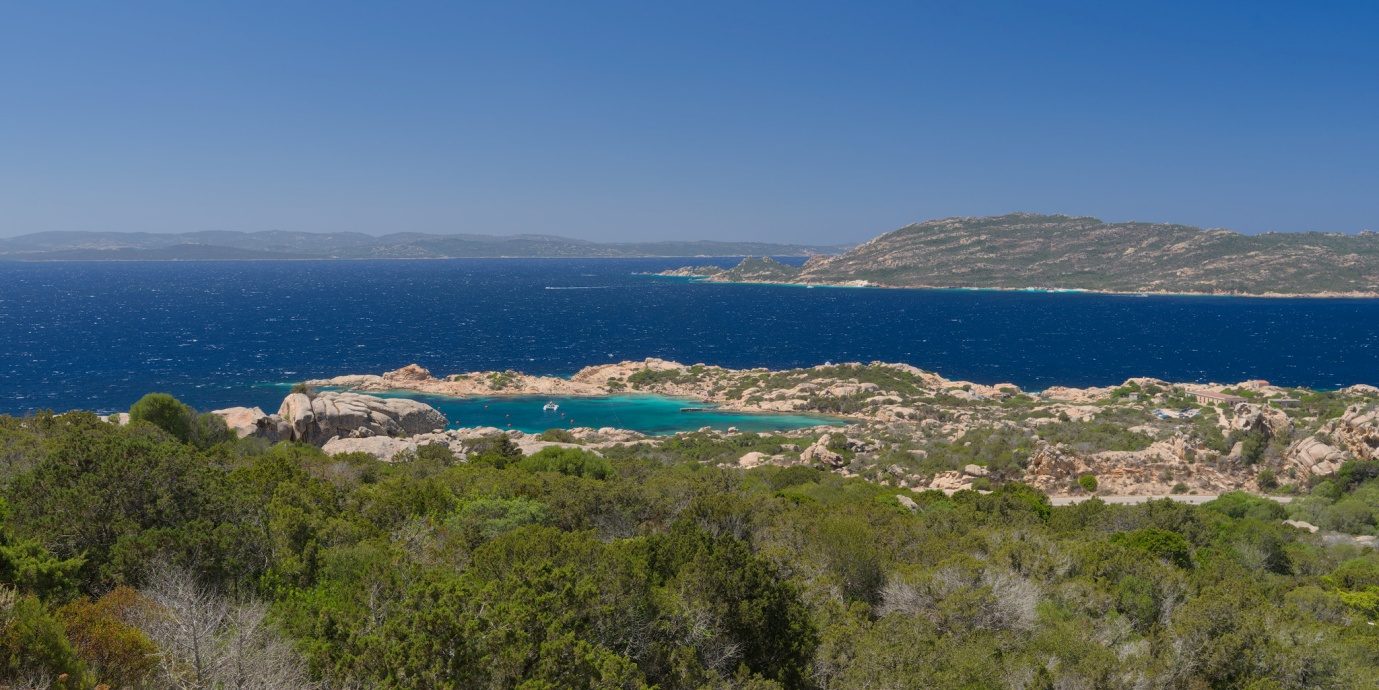
A Overview of Sardinia
Sardinia is an island in the Central Mediterranean. It is the second largest island in the whole Mediterranean, with the nearby island of Sicily being the largest. It forms part of the western border of the Tyrrhenian Sea, which is the region of the Mediterranean Sea on the western side of Italy.
Thus, Sardinia faces southern Italy to the east and Tunisia on the North African coast to the south. Directly above Sardinia, to the north, is the island of Corsica. There are various other islands nearby, most of them quite small.
During the Bronze Age and a large part of the Iron Age, Sardinia was home to the Nuragic people, a civilisation that engaged in large scale trade with nations all around the Mediterranean. Eventually, after the conquest of the island by Rome, the Nuragic society gradually disappeared.
Arguments that Sardinia Was Really Atlantis
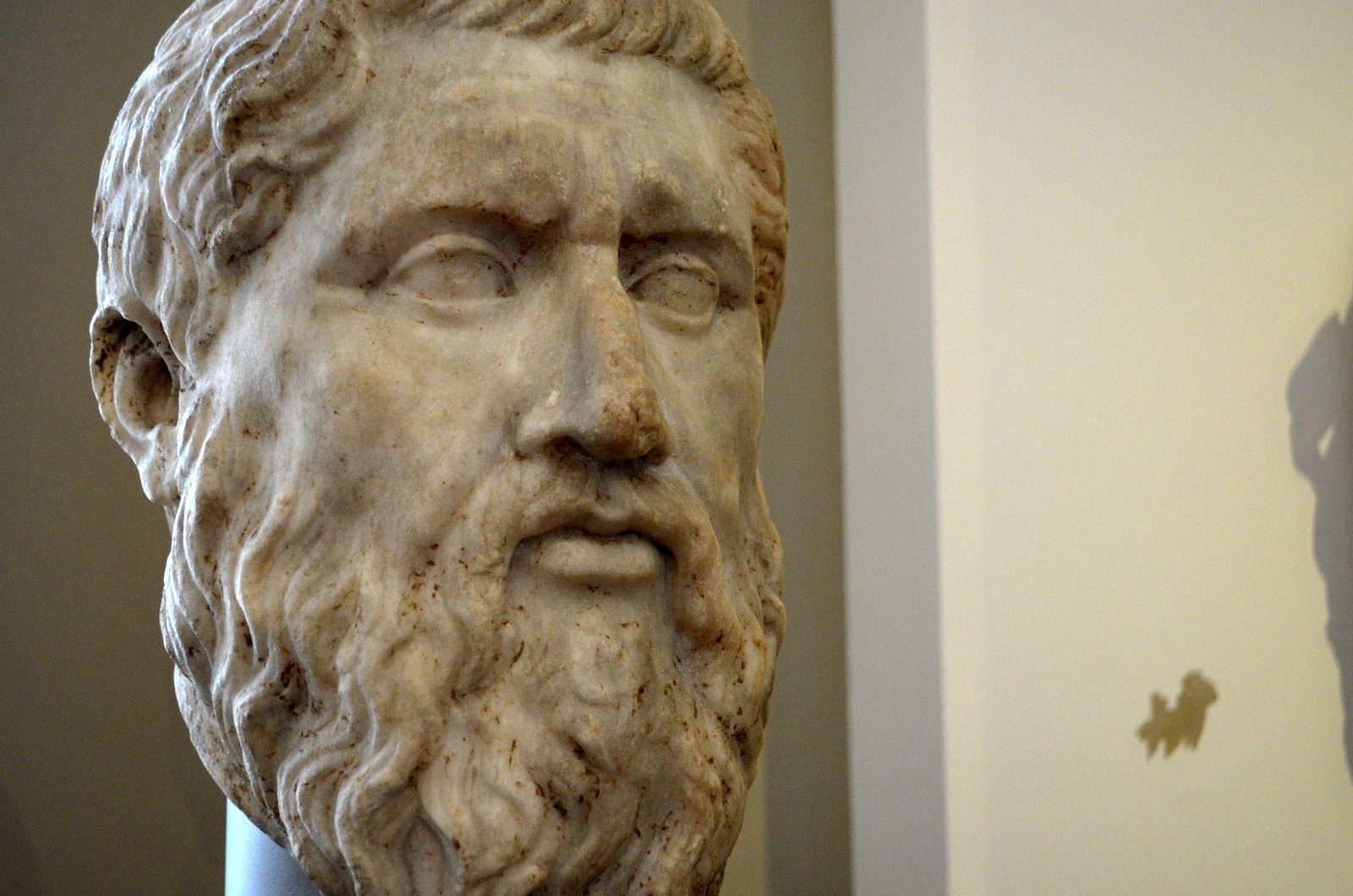
The theory that Sardinia was the real Atlantis described by Plato is primarily based on geographical arguments, although it does also incorporate societal arguments too. It is argued that understanding Atlantis to be Sardinia would make the most sense out of Plato’s references to Atlantis in relation to other territories and landmarks.
However, before considering the arguments for the geography supposedly matching, let us first consider one detail that proponents of this theory need to confront right at the start of this theory.
In the Atlantic Sea
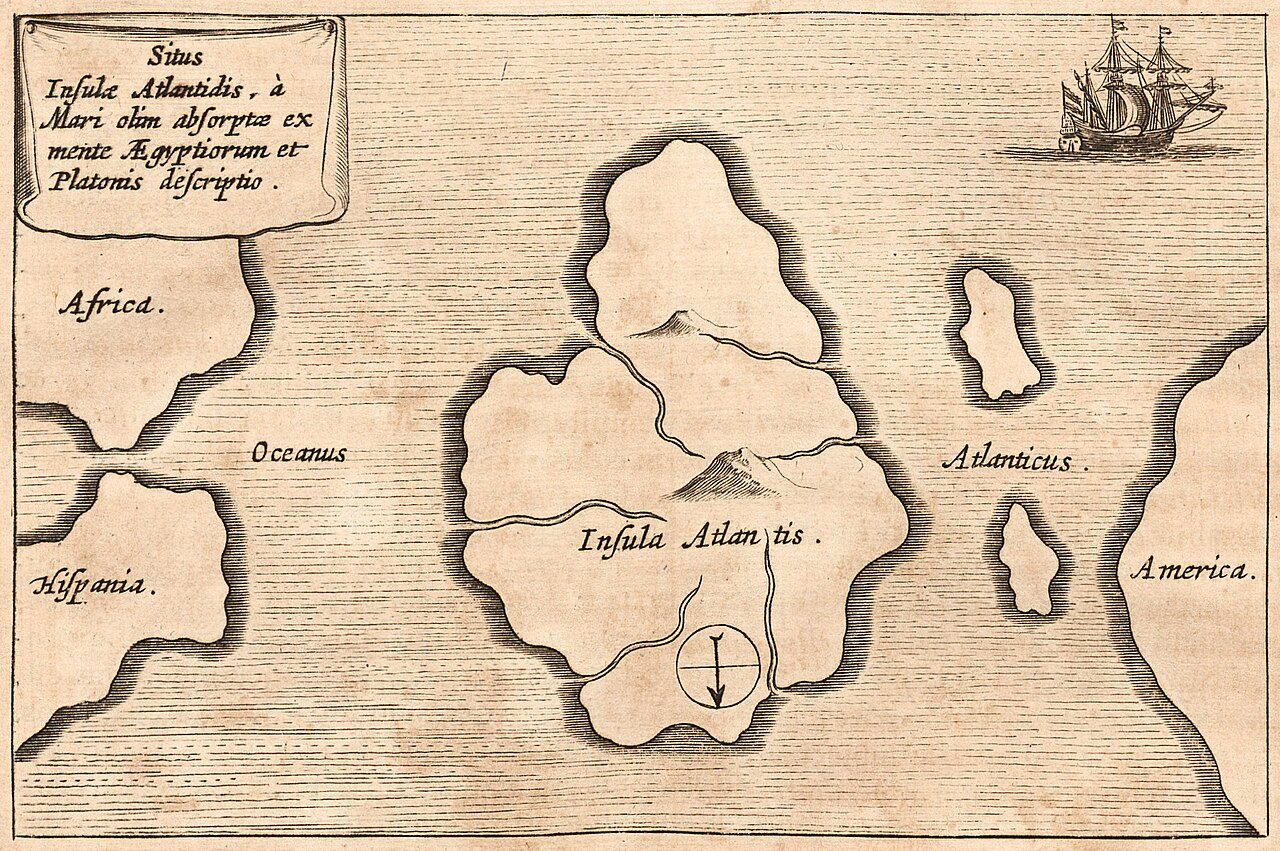
Right as he introduces Atlantis for the first time in Timaeus, Plato explicitly says that ‘this power came out of the Atlantic Sea’. This term is often mistranslated as ‘Atlantic Ocean’, but Plato actually uses the Greek word for ‘sea’. In any case, this certainly sounds like it is a reference to the body of water we call the Atlantic Ocean, which the ancient Greeks did sometimes refer to as a ‘sea’.
If Atlantis was located in the Atlantic Ocean, then that would obviously preclude it from being Sardinia. This is something for which proponents of the Sardinian theory have offered some interesting explanations.
The argument commonly given is that Plato’s description of the Atlantic Sea simply does not match the Atlantic Ocean. In Plato’s account of Atlantis, he has the Egyptian priest say that the Atlantic was formerly navigable, implying that now it was not, and he refers to it being unnavigable due to a shoal of mud in the way.
Aristotle, a student of Plato, gave a similar description. He wrote:
“Outside the pillars of Heracles the sea is shallow owing to the mud, but calm, for it lies in a hollow.”
Needless to say, nothing in Plato’s or Aristotle’s descriptions matches the Atlantic Ocean. It is perfectly navigable and is not blocked off by a shoal of mud. Based on these facts, it is argued that the Atlantic Sea simply must be something other than the Atlantic Ocean.
The Western Mediterranean
Based on Aristotle’s description in particular, it is argued that Plato’s ‘Atlantic Sea’ must be a relatively small body of water. For this reason, it is identified with one specific part of the Mediterranean.
This argument is linked to the placement of the Atlas Mountains. After all, the Atlantic Ocean got its name, which goes back to before Plato, from the Titan named Atlas. He was imagined to have been situated in the distant west. Most commonly, he was placed in Northwest Africa. The large mountain range in that corner of Africa was named after him, as was the body of water immediately to the west – the Atlantic Ocean.
However, an argument could easily be made that the body of water immediately north of the Atlas Mountains should also have been called the Atlantic Sea – that is, the Sea of Atlas. Since the Atlas Mountains stretch right across all of Northwest Africa as far as Tunisia, it is logical to argue that the entire Mediterranean Sea adjacent to that territory should have been called the Atlantic Sea.
Based on these facts, the argument goes that the entire Western Mediterranean is the ‘Atlantic Sea’ of Plato’s account. Thus, Sardinia and the other nearby islands were indeed in the ‘Atlantic Sea’.
Beyond the Pillars of Heracles
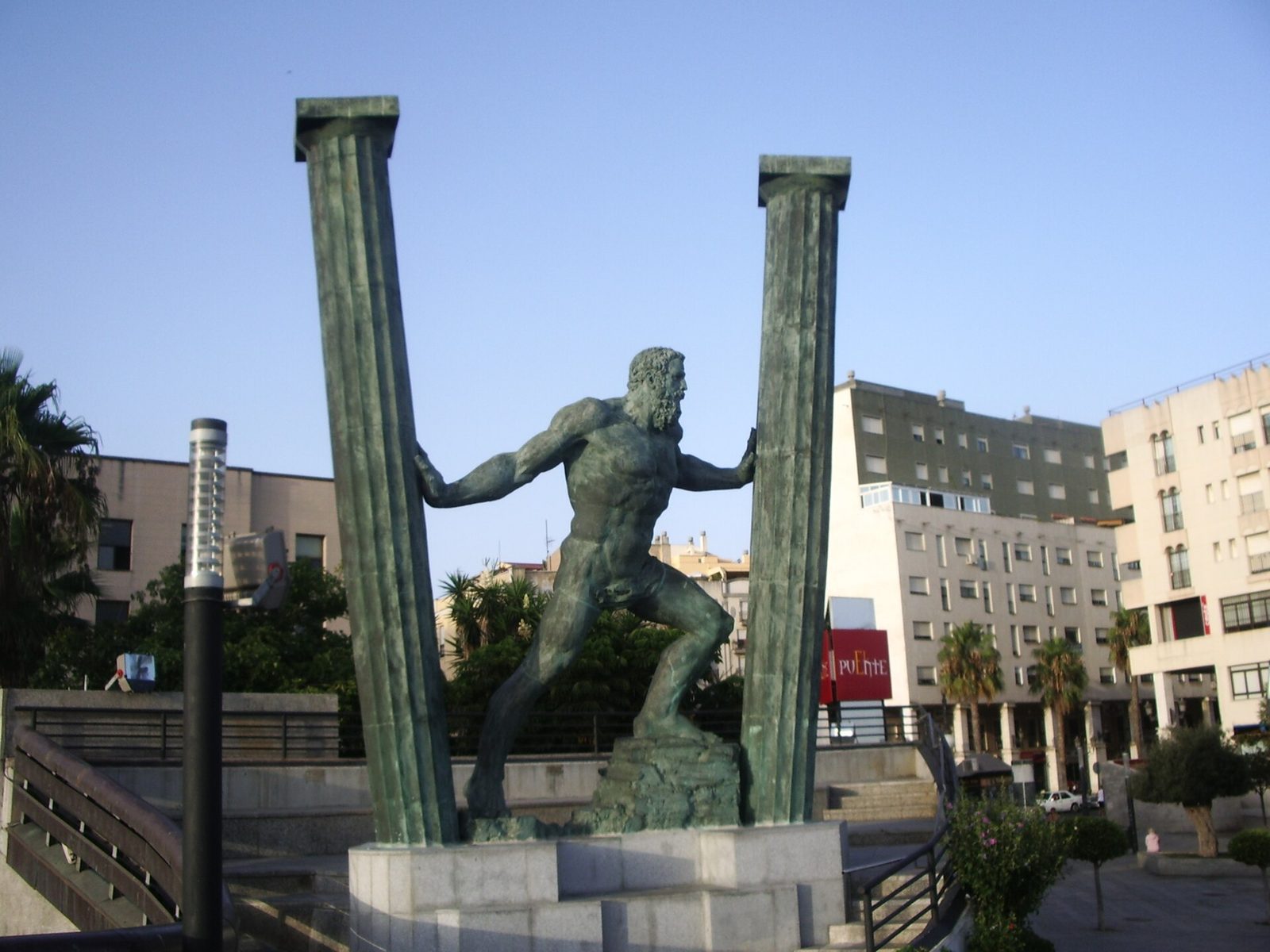
Another key fact about the location of Atlantis is that Plato places it ‘in front of the Pillars of Heracles’. The Pillars of Heracles have traditionally been placed at the Strait of Gibraltar, but there are many researchers who argue that this was a term which was applied to many different locations around the Mediterranean.
In fact, the evidence shows that the ‘Pillars of Heracles’ were used to denote limits of territory or activity. The Strait of Gibraltar was the limit of normal Greek territory, hence why it was used for that location. Isocrates applied the term to the entrance of the Black Sea, in the context of the somewhat different sense of Greek territory in the time of Heracles.
Based on these facts, proponents of the Sardinian theory argue that the Pillars of Heracles applied, at least during one part of Greek history, to a location in the Central Mediterranean. Some argue for the Strait of Messina, while others argue for the Strait of Sicily.
Although there is very little direct evidence that the Pillars of Heracles were placed in this area, it is obvious that the Greeks expanded their activity within the Mediterranean gradually. While some Greek colonies were established in Italy beyond the Strait of Messina as early as the mid-eighth century BCE, it took a long time for them to gain a strong foothold beyond that strait.
For a long time, the Carthaginians (whose city was founded in c. 760 BCE) dominated the Western Mediterranean and prevented the Greeks from freely sailing and trading beyond Sicily. Therefore, it is the most logical thing in the world to conclude that the term ‘Pillars of Heracles’ was, at some early point, applied to this region.
The Strait of Messina
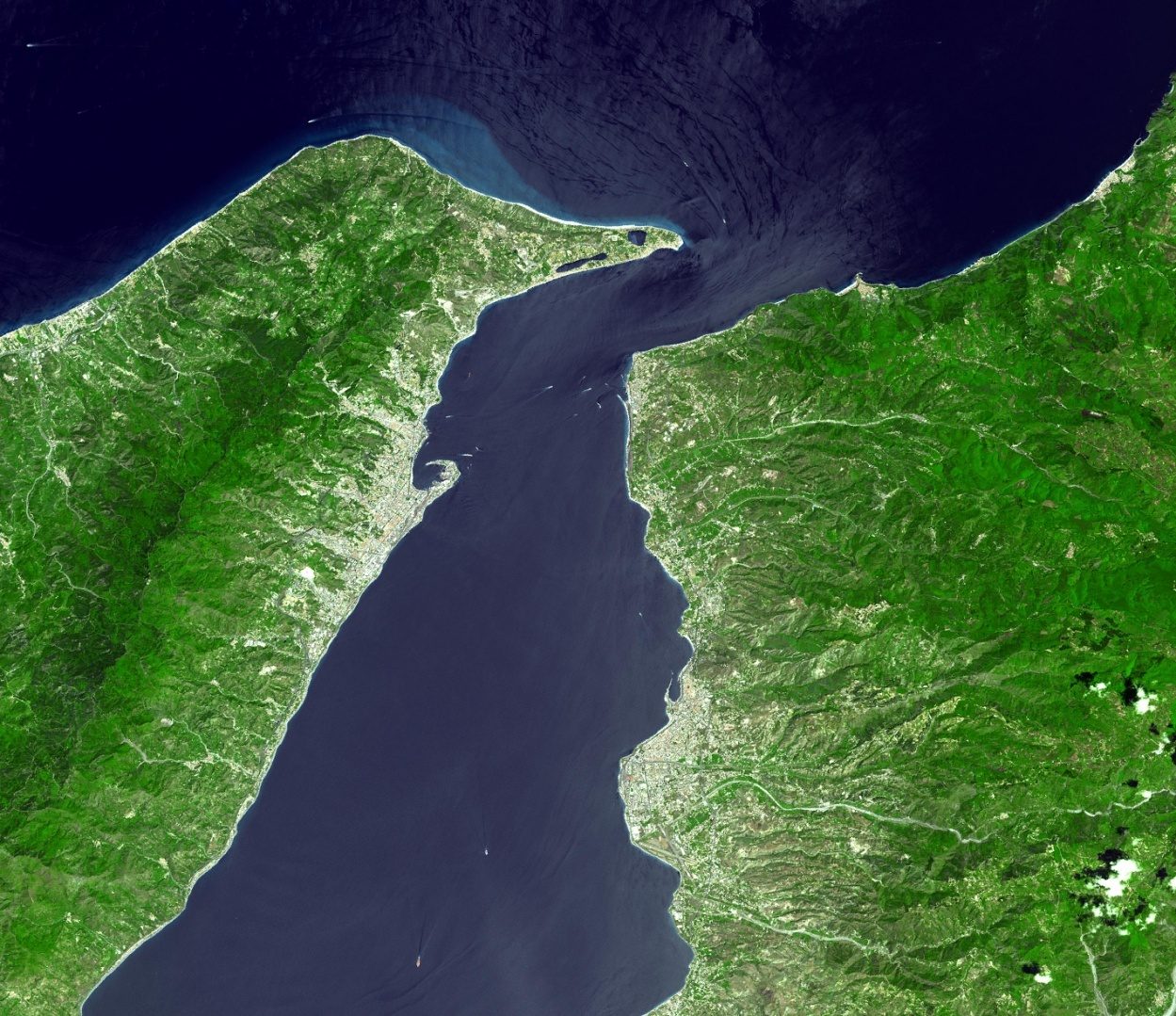
The Strait of Messina, in particular, is associated with Heracles. The monsters Scylla and Charybdis have long been associated (albeit incorrectly) with the Strait of Messina. At least as early as the third century BCE, in the writings of Lycophron, we find the tradition that Heracles temporarily killed Scylla.
There is also a tradition, found in Servius’ Commentary on Virgil’s Aeneid, that Heracles had an interaction with Charybdis after she tried to steal some of the oxen that Heracles had just taken from Geryon.
Interestingly, Greek myth also tends to associate the setting up of the Pillars of Heracles with this expedition to the west to obtain Geryon’s cattle. Therefore, although this might just have been a location somewhere on the journey back from Geryon’s land, this lends some credence to the idea that the Pillars of Heracles were placed at the Strait of Messina.
In Strabo’s discussion of the Pillars of Heracles, he refers to what he believes to be the historical practice of setting up pillars to mark the limits of territory. As his first example, he mentions the fact that there is a tower either side of the Strait of Messina.
While not specifically calling these towers the Pillars of Heracles, this does demonstrate that they were understood by some to represent the limits of some kind of territory, which is exactly what the Pillars of Heracles were supposed to represent.
Therefore, it is a perfectly reasonable suggestion that the Pillars of Heracles were, occasionally, applied to the Strait of Messina.
The Domain of Atlantis
According to Plato, the Atlanteans had rule over one main island, several others, and parts of the continent. In a nearby line, Plato refers to this continent as ‘surrounding the true sea’, which is usually taken to mean the sea in which Atlantis itself was situated.
Immediately after saying that the Atlanteans ruled over ‘parts of the continent’, he went on to say:
“Furthermore, the men of Atlantis had subjected the parts of Libya within the Pillars of Heracles as far as Egypt, and of Europe as far as Tyrrhenia.”
To most commentators, this suggests that Libya and Europe (the coastal regions, at least) were separate from the continent that Atlantis ruled parts of. In other words, the parts of Europe and Libya that Atlantis ruled were additional territory, not identical to the ‘parts of the continent’ that it is described as already ruling.
An Alternative Explanation
However, there is an alternative reading. The word ‘furthermore’ at the start of this passage is the Greek word ‘pro’. Together with the Greek word for ‘these’, this is understood in the sense of ‘beyond these’ – that is, beyond the territory just defined.
Yet, one of the many meanings of the preposition ‘pro’ is ‘regarding’, or ‘with respect to’. Therefore, the start of this line could instead mean ‘regarding these’ or ‘with respect to these’. In other words, this line explaining that Atlantis controlled parts of Libya and Europe serves as an explanation for what the aforementioned ‘parts of the continent’ really were. Rather than describing additional territory, Plato was clarifying the territory he had just mentioned.
This being the case, the passage in question is interpreted to mean that Atlantis was a kingdom composed of one main island, several others, and parts of Libya and Europe. Since the continent, or mainland, in question was supposed to have surrounded the sea, this would mean that Atlantis itself was in the sea between Libya and Europe.
Hence, a civilisation centred on Sardinia would make perfect sense. It could have had control over this main island, several others in the Tyrrhenian Sea, along with parts of Italy and the North African coast just to the south.
Objections
As elegant as this seems, one key objection is the fact that Plato describes Atlantis as subjecting “the parts of Libya within the Pillars of Heracles as far as Egypt, and of Europe as far as Tyrrhenia.” If the Libyan and Europe coasts were ‘within the Pillars of Heracles’, then we cannot place the Pillars of Heracles at the Strait of Messina.
If we were to place the Pillars of Heracles at that location, then ‘within the Pillars’, whether from the perspective of the Egyptian priest telling the story or of the Greeks hearing it, would mean to the east of the Strait of Messina.
This would contradict the interpretation that ‘Libya as far as Egypt and Europe as far as Tyrrhenia’ refers to the ‘parts of the continent’ which Atlantis controlled, since that continent ‘surrounded’ the sea in which Atlantis was located.
One possible explanation which might just about work is that Plato’s account was only referring to ‘Libya as far as Egypt’ as being within the Pillars of Heracles, whereas ‘Europe as far as Tyrrhenia’ was simply another region that they controlled, separate to the territory ‘within the Pillars’. This interpretation utilises the more traditional translation of ‘pro’ as ‘furthermore’.
More Reasonable Figures
This theory also interprets Plato’s numbers as being greatly exaggerated. For example, the priest of Plato’s account says that the war with Atlantis happened 9000 years ago. Proponents of this theory usually point to the fact that some ancient Greek historians claimed that the Egyptians sometimes called ‘years’ what were actually months.
With this in mind, the 9000 ‘years’ would be reduced to just 750 years. From Solon’s time, that would take us to the Late Bronze Age. The rest of Plato’s account is thoroughly consistent with that time period.
The numbers given for the size of Atlantis are usually explained away either as generic exaggerations, or the result of a ten-fold error in which all the figures in the hundreds were changed to be in the thousands.
Relatedly, the statement that Atlantis was ‘greater than Libya and Asia put together’ is interpreted in the sense of power, not geographical size.
The Nuragic Culture
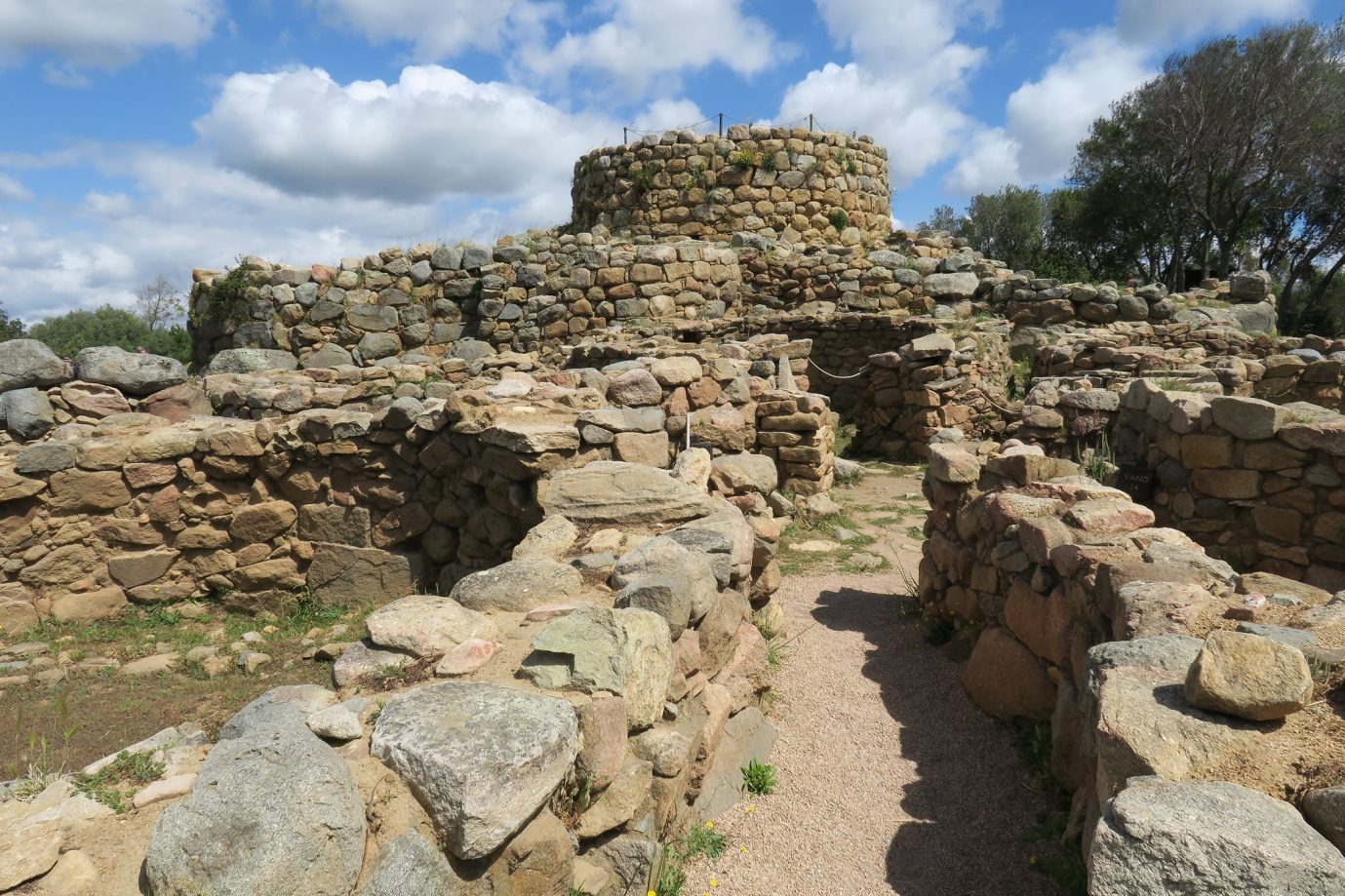
Now that we have considered how the geography of Plato’s description appears to match the placement and surroundings of Sardinia, let us consider the civilisation that occupied this region.
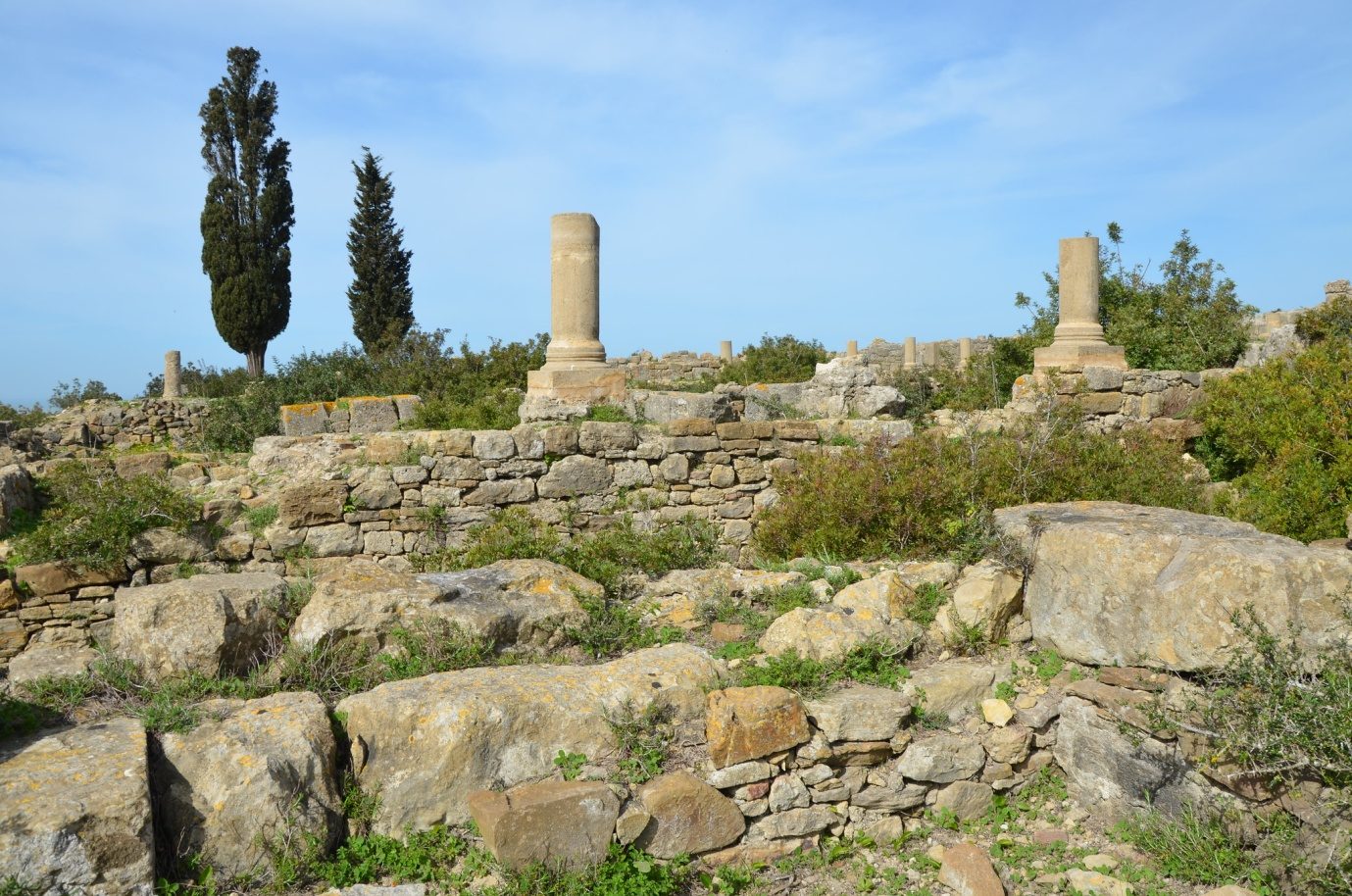
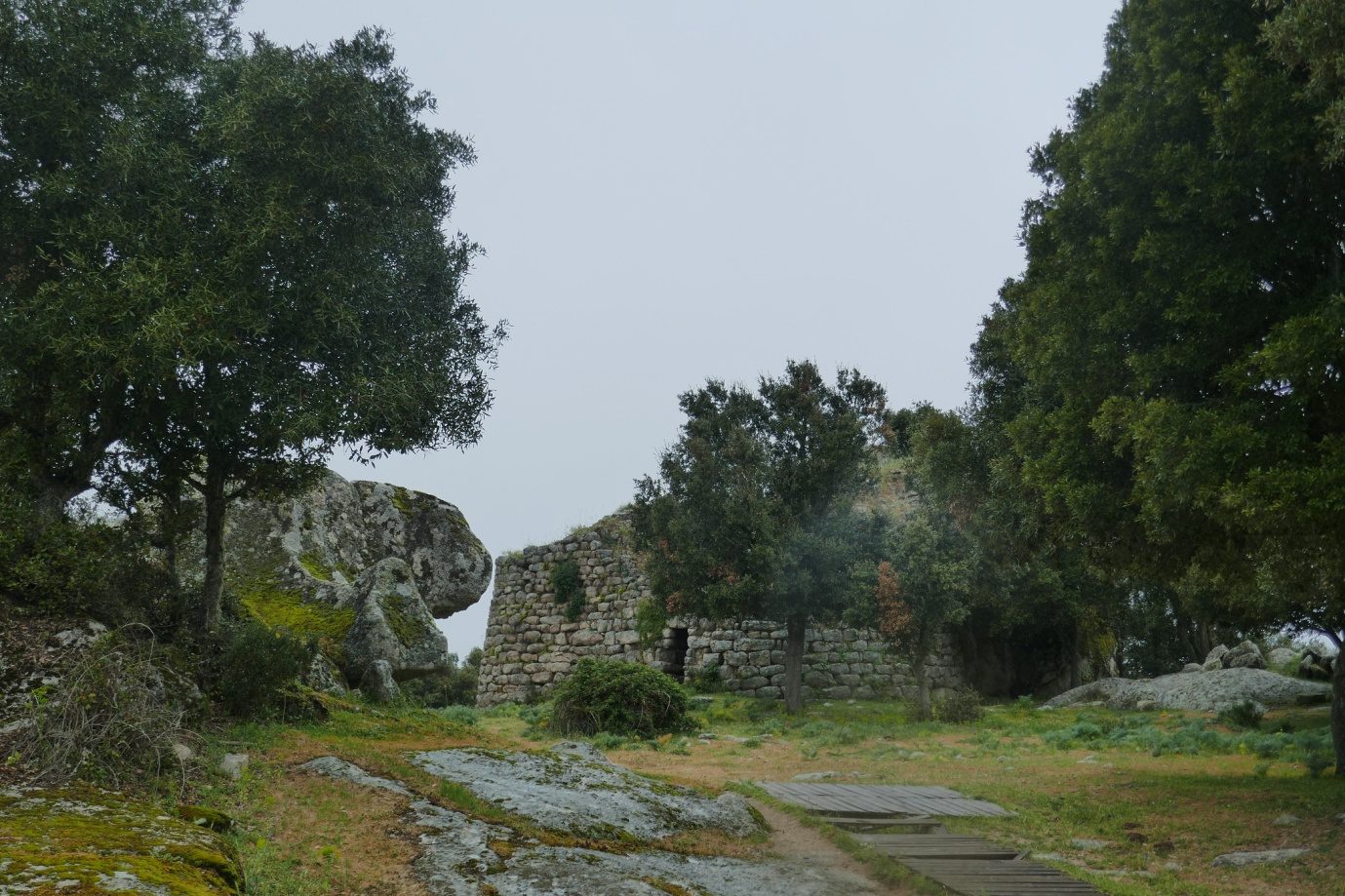
Sardinia, in the Bronze Age, was occupied by the Nuragic civilisation. This civilisation first appeared around 1800 BCE. Their name comes from their practice of building circular stone towers called nuraghe. Literally thousands of them are dotted all over Sardinia.
A Naval Civilisation of Trade
Although mysterious due to the lack of written records, the Nuragic people had an impressive and rich society. They were one of the main producers of metals in the Mediterranean during the Bronze Age. They traded in metals with cultures from all over, including Mycenaean Greece, Crete, Cyprus, and the Iberian Peninsula.
Plato describes Atlantis as being a centre of international trade. He describes people coming to them from all over the known world. The docks and harbours of Atlantis were full of ships and merchants.
This description is arguably a match for Bronze Age Sardinia. It was certainly a well known, well visited, and important island in the Bronze Age.
A Sardinian Empire
There is some limited evidence that the Nuragic people exerted influence of some kind over neighbouring territories. For instance, the torri on Corsica are very similar to the Sardinian nuraghe, leading some researchers to speculate that Corsica was part of a Bronze Age Sardinian kingdom.
The talaiots on Menorca and Majorca to the west of Sardinia also show strong similarities to the nuraghe, leading some to suggest that these islands were likewise under the control of the Nuragic people of Sardinia.
Cultural influence is also seen on mainland Italy. For example, one type of item produced by the Nuragic people was bronze statuettes. These have been found in southern and central Italy.
Since Plato describes Atlantis as ruling over several islands, the evidence of cultural diffusion from Sardinia to Corsica and Menorca and Majorca can be interpreted as consistent with that.
The evidence for cultural diffusion as far as southern and central Italy is interpreted as consistent with Plato’s description of Atlantis holding parts of the continent. The ‘continent’, according to at least one version of this theory, is simply mainland Italy.
Religion
Not much is known about the religion of the Nuragic people. However, it is clear from the traces that they left behind that they worshipped the bull. Various statuettes of bulls or half-man, half-bull creatures have been found.
It appears that they worshipped the sun as a bull. Some of their megalithic tombs were created specifically to have the outline of a bull’s head. Thus, it is clear that the bull was very important to their religion, although we do not know any of the details about it.
Famously, Plato describes the people of Atlantis as engaging in bull worship. In the Temple of Poseidon, they are said to have let bulls run free. The bulls would be hunted and captured without weapons.
After this, the bulls were taken to a special room within the temple in which there was a sacred pillar. The bulls would be slaughtered over the pillar, presumably as a sacrifice to Poseidon.
Although none of these specific details can be made to match Sardinia, the basic fact of bull worship being present on that island is a notable match.
The Connection to North Africa
Something which is often raised as an objection to Atlantis theories is the fact that Plato says that Atlantis had elephants on it. In fact, he says that there were a ‘great number of them’ on the island. If this statement is accepted, then this severely limits the possible locations which could be identified as Atlantis.
Of course, there were no elephants in Bronze Age Sardinia. Yet, the Sardinian theory gets around this by understanding Plato’s descriptions of Atlantis to be references to various different locations within the greater Atlantean kingdom.
In line with Plato’s claim that Atlantis controlled parts of North Africa, the theory postulates that the elephants of Atlantis were simply the elephants of that region, such as those of Tunisia in particular. According to this understanding, there were never any elephants on Sardinian itself.
Similarly, Plato’s reference to Atlantis having two harvests is understood as a reference to the region of Tunisia. Strabo reported that the people of part of North Africa collected two harvests a year.
The Atlantean War
What about the war against the Greeks? After all, this is the entire point of the Atlantis story in the Timaeus and Critias. Is there any evidence of a war between the Nuragic people of Sardinia and the Mycenaean Greeks?
The short answer is that no, there is not. However, the proponents of this theory tend to focus on the fact that the Atlanteans were said to have waged war against more than just Greece. In fact, Plato’s account contains the following statements:
“This vast power, gathered into one, endeavoured to subdue at a blow our country [Egypt] and yours [Greece] and the whole of the region within the straits; and then, Solon, your country shone forth… And when the rest fell off from her [Athens], being compelled to stand alone, after having undergone the very extremity of danger, she defeated and triumphed over the invaders, and preserved from slavery those who were not yet subjugated, and generously liberated all the rest of us who dwell within the pillars.”
Therefore, the Atlantean war was not just a conflict with Greece. Rather, Atlantis tried to subdue the entire region within the Pillars of Heracles, Egypt included. According to this theory, this would mean the entire Eastern Mediterranean.
The Sea Peoples
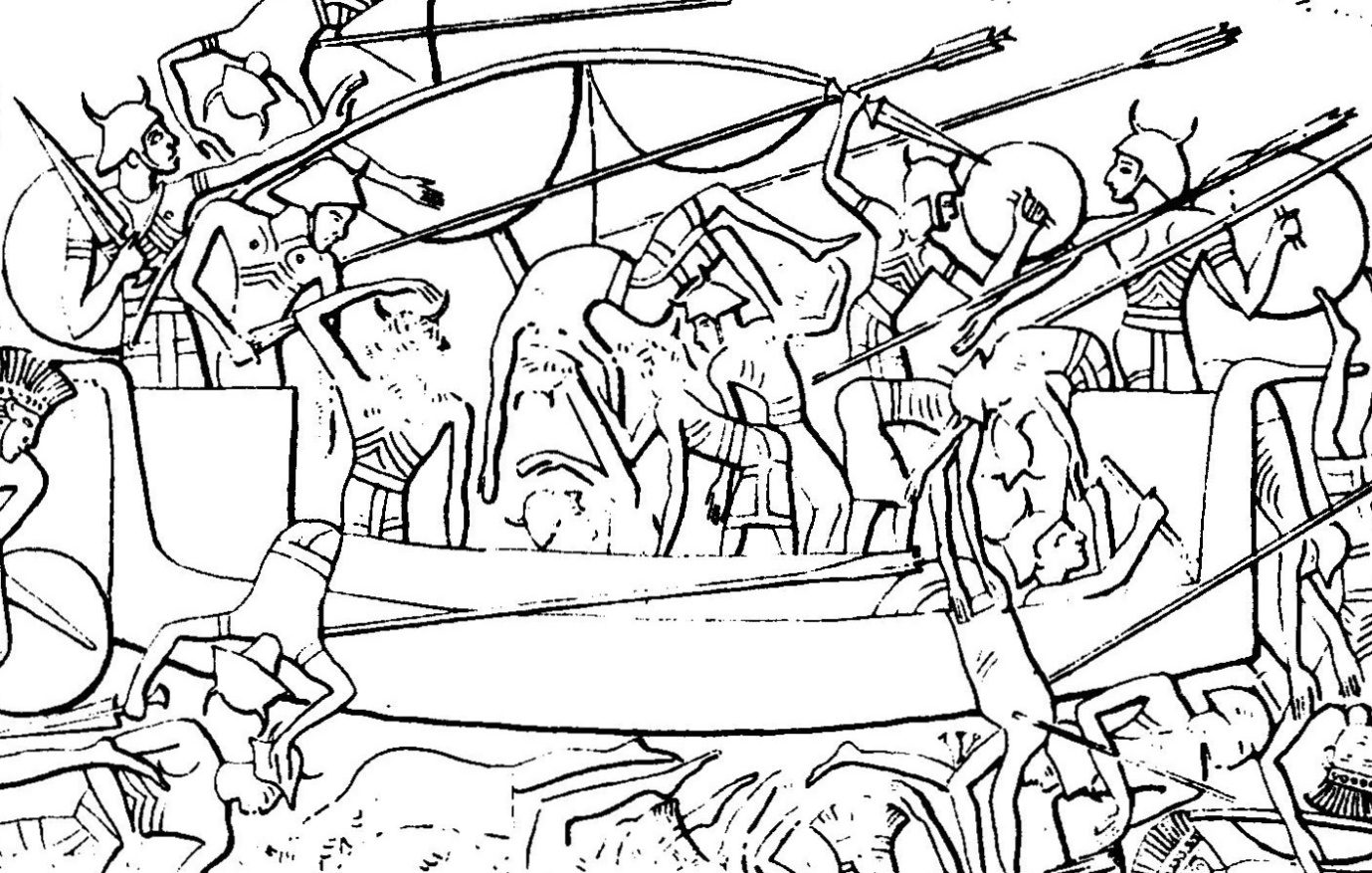
Since this theory uses the understanding that the 9000 ‘years’ were actually months, this would place the war with Atlantis in the Late Bronze Age. The idea of a war between Egypt and a nation from the west in the Late Bronze Age seems to find corroboration in the records of the Sea Peoples.
From the time of Ramesses II in the early thirteenth century BCE through to Ramesses III in the twelfth century BCE, Egypt experienced a troubled period in which it was regularly attacked by raiders from the sea. These nations are collectively known as the Sea Peoples. One of the most prominent of these nations was the Sherden (also rendered ‘Shardana’).
Based on their name, it is has long been held by many historians that these raiders were from Sardinia. This is still a popular view, although it is far from universally accepted. Nonetheless, some archaeologists claim that Egyptian depictions of the helmets used by the Sherden match helmets that have been found from the Nuragic culture on Sardinia.
Traditionally, it has been understood that the Sea Peoples also raided many of the coasts of the Eastern Mediterranean during this period, including Greece itself, perhaps contributing to the downfall of the Mycenaean civilisation.
Egyptian Records of the War with the Sherden
An inscription from the time of Ramesses II provides a description of the Sherden which is very tempting to link to the Atlanteans. It says:
“The unruly Sherden whom no one had ever known how to combat, they came boldly sailing in their warships from the midst of the sea, none being able to withstand them.”
The description of the Sherden coming from ‘the midst of the sea’ is indicative of Atlantis. The fact that no one was ‘able to withstand them’ is consistent with the might of the empire of Atlantis as portrayed by Plato’s account.
Of course, the Sherden did not succeed in defeating Egypt. Although they caused trouble to the Egyptians for the next century, Ramesses III defeated them at the famous Battle of the Delta, which took place in about 1175 BCE. He then allowed them to settle in southern Canaan. So, just like in the story of Atlantis, the people of Sardinia were eventually defeated.
Destruction of Atlantis
As for the destruction of Atlantis, this relies on more controversial evidence. This is based on the theory that a tsunami hit the southern coast of Sardinia, inundating Campidano, which is a low-lying plain. It is about 30 kilometres wide and 110 kilometres long. It is covered in large quantities of sediment which was deposited there apparently by means of water.
One particular nuragh, or tower, receives particular attention in this regard. Allegedly, the archaeologists who excavated it had to dig down through 14 meters of dried mud to uncover it.
Some theorists go so far as to argue that this hypothetical tsunami was caused by a comet that crashed into the Mediterranean. For some reason which is difficult to ascertain, this hypothetical tsunami is dated to the twelfth century BCE. The only obvious basis for this date is that many nuraghe were abandoned in c. 1150 BCE, which is arguably consistent with the civilisation experiencing a major setback at that time.
Objections to This Theory
Undoubtedly, this theory is much better than many other theories about Atlantis. Yet, despite the seemingly strong evidence in its favour, there are some serious issues with it.
The Absence of the Shoal of Mud
One issue is that this theory cannot offer any reasonable explanation for the issue with the ‘Atlantic Sea’ no longer being navigable. Needless to say, the sea around Sardinia is perfectly navigable.
If one were to interpret the Atlantic Sea as simply being the sea north of the Atlas Mountains, then this is inconsistent with Plato’s account saying that the Atlantic Sea was no longer navigable due to a shoal of mud in the way, caused by the subsidence of the island.
The Issue of Geography
This theory claims that Plato’s description of Atlantis’ domain matches Sardinia and the surrounding region perfectly when the Pillars of Heracles are placed at the Strait of Messina. In reality, this is not the case.
As we saw earlier, the basic description of Atlantis’ domain is that Atlantis:
“had rule over the whole island and several others, and over parts of the continent, and, furthermore, the men of Atlantis had subjected the parts of Libya within the Pillars of Heracles as far as Egypt, and of Europe as far as Tyrrhenia.”
The problem is that ‘Europe as far as Tyrrhenia’ would be outside the Pillars of Heracles according to this theory. The suggestion mentioned earlier that it is only ‘Libya as far as Egypt’ which is supposed to be inside the Pillars of Heracles does not work, because both the reference to Libya and the reference to Europe are preceded by ‘furthermore’.
This means that those parts of Libya and Europe were both distinct from the ‘parts of the continent’ which Atlantis held. Yet, according to the geography of this theory, ‘Europe as far as Tyrrhenia’ would have to be included in this reference to ‘parts of the continent’.
On the other hand, if we translate ‘furthermore’ as ‘regarding these’, then we would have to interpret both the reference to Libya and the reference to Europe as being the ‘parts of the continent’ which surrounded the sea that Atlantis was in. Yet Libya as far as Egypt obviously goes far beyond the Strait of Messina, and thus far outside the sea in which Atlantis was located according to this theory.
Plato’s account also contrasts the sea inside the Pillars of Heracles with the ‘true sea’ surrounded by the continent, calling the former a mere ‘harbour’ in comparison. According to this theory, that would be the Eastern Mediterranean contrasted with the Western Mediterranean. Yet, the Eastern Mediterranean is not a mere harbour in comparison to its western counterpart by any reasonable interpretation.
Therefore, this theory is simply not consistent with the description provided by Plato concerning the geography of Atlantis and its domain.
The Absent Temple of Poseidon
In Plato’s account, the Temple of Poseidon receives considerable attention. It is said to have been a temple dedicated to the chief god of the Atlanteans, and it had impressive, larger-than-life statues in the area. Yet, there is no trace of any of this within the Nuragic civilisation on Sardinia.
While it is true that the Nuragic people worshipped the bull, this by itself is not a strong connection, since the worship of bulls was widespread all over the Mediterranean.
A Totally Different War
What about the argument that the war with Atlantis can be associated with the war against the Sea Peoples? While this might seem attractive at first, there are serious problems with it.
Chronological Issues
For one thing, the chronology does not quite line up. This theory relies on interpreting the ‘9000 years’ as months, which would equal 750 years. From the time of Solon in 590 BCE, this would take us back to about 1340 BCE. Based on the arguments provided by this theory, this is when the war with Atlantis should have occurred.
Yet, there are no records of the Sherden, or any of the other Sea Peoples, harassing Egypt that early. It is possible that the Sherden are mentioned in three of the Amarna Letters, but they are not mentioned as attackers.
They appear as aggressors no earlier than c. 1280 BCE, and they continue as such until their defeat by Ramesses III almost exactly a century later. While not far off, the estimated time of the war based on this theory’s interpretation of Plato’s account does not closely match these historical facts.
Alliances with the Greeks
A bigger issue with identifying the Atlantean war with the attack of the Sea Peoples is that the Greeks also appear to have been one of the Sea Peoples. For example, during the Battle of the Delta, the Denyen appear together with the Sherden. The Denyen are commonly understood to be the Danaans, one of the names for the Greeks.
It is also possible that the people named as the Ekwesh were another group of Greeks, mentioned together with the Sherden in some of the earlier references to the Sea Peoples.
In any case, the evidence seems clear that the Sherden attacked Egypt with the Greeks. Yet, in Plato’s narrative of Atlantis, the Greeks and Egyptians were on the same side, fighting against Atlantis. This in a fundamental difference between the two scenarios. Contrary to the popular suggestion, there is no basis for the idea that the Sea Peoples contributed to the downfall of the Mycenaean civilisation.
A Different Victor
Another fundamental difference between the two scenarios is the issue of who the victor was. According to Plato’s account of Atlantis, the victor was Greece. In fact, the Egyptian priest in Plato’s account tells Solon that Athens managed to defeat Atlantis ‘after the rest fell off from her’ – that is, after the other nations inside the Pillars of Heracles had already desisted in the war.
In complete contrast to Athens singlehandedly defeating Atlantis, the Sea People (including the Sherden), were defeated by the Egyptians at the Battle of the Delta.
In reality then, the legendary war with Atlantis and the historical war against the Sea Peoples do not share any notable similarities at all. With this supposed connection dismissed, there is no evidence left in support for the Atlantean war in the context of the Sardinian theory.
The Non-Existent Tsunami
Finally, what about the idea that Sardinia was struck from the south by a massive tsunami, leading to the legend of Atlantis disappearing into the depths of the sea?
The supposed evidence for this has been widely rejected by the scientific community. To be clear, there is evidence of sedimentary deposits in Campidano that were evidently deposited there by water action. However, this does not mean that a tsunami took place there.
One scientific paper from 2002 referred to the 600 meters of ‘fluvio-deltaic’ sediments that were deposited there. This expression, ‘fluvio-deltaic’, is in reference to the delta of a river. Since Campidano is a plain close to the sea, it is not surprising that it experienced sedimentary deposits brought there by rivers flowing into the sea. The date of the deposition of this large quantity of sediment is cited as being about 2 million years ago, long before any possible connection with Atlantis.
Regarding the nuragh which was allegedly found under an immense layer of dried mud, the archaeological evidence completely disproves the notion that this was caused by an earthquake. In reality, the archaeological data shows a sequence of various layers of human activity all through the depth of this ‘mud’, including activity dated to the Middle Ages, the Roman Imperial Period, the Roman Republic, the Phoenician Period, and the Late Nuragic period.
There can be no question about it; this ‘mud’ was laid down over a period of well over 1000 years and was related to the normal processes that result in structures becoming covered in earth.
Conclusions
All in all, it is clear that this theory concerning Sardinia is much better than many other theories about Atlantis. It involves an island which really was the centre of a rich and far-reaching naval civilisation in the Bronze Age. Yet, when the evidence is examined closely, much of it simply does not work. In particular, there is no evidence for a war between the Sardinians and the Greeks, nor is there any evidence for Sardinia experiencing any kind of notable inundation, despite the claims of the proponents of this theory. In fact, while this theory matches the profile of Atlantis in a very basic sense, it does not have any specific matches that would justify connecting the two.
Sources
Emanual, Jeffrey, Sherden from the Sea: The Arrival, Integration, and Acculturation of a Sea People, 2013
https://pierluigimontalbano.blogspot.com/2014/04/uno-tsunami-cancello-la-civilta-nuragica.html
https://www.theoi.com/Pontios/Skylla.html
https://www.theoi.com/Pontios/Kharybdis.html
https://sourcebooks.fordham.edu/ancient/anc-nafrica.asp
https://bmcr.brynmawr.edu/2020/2020.04.15/
https://atlantipedia.ie/samples/strait-of-messina/
https://atlantipedia.ie/samples/sardinia-amended/
https://sardiniarevealed.com/is-sardinia-atlantis/
https://www.theguardian.com/science/2015/aug/15/bronze-age-sardinia-archaeology-atlantis