Was the Real Atlantis in the Atlantic Ocean?

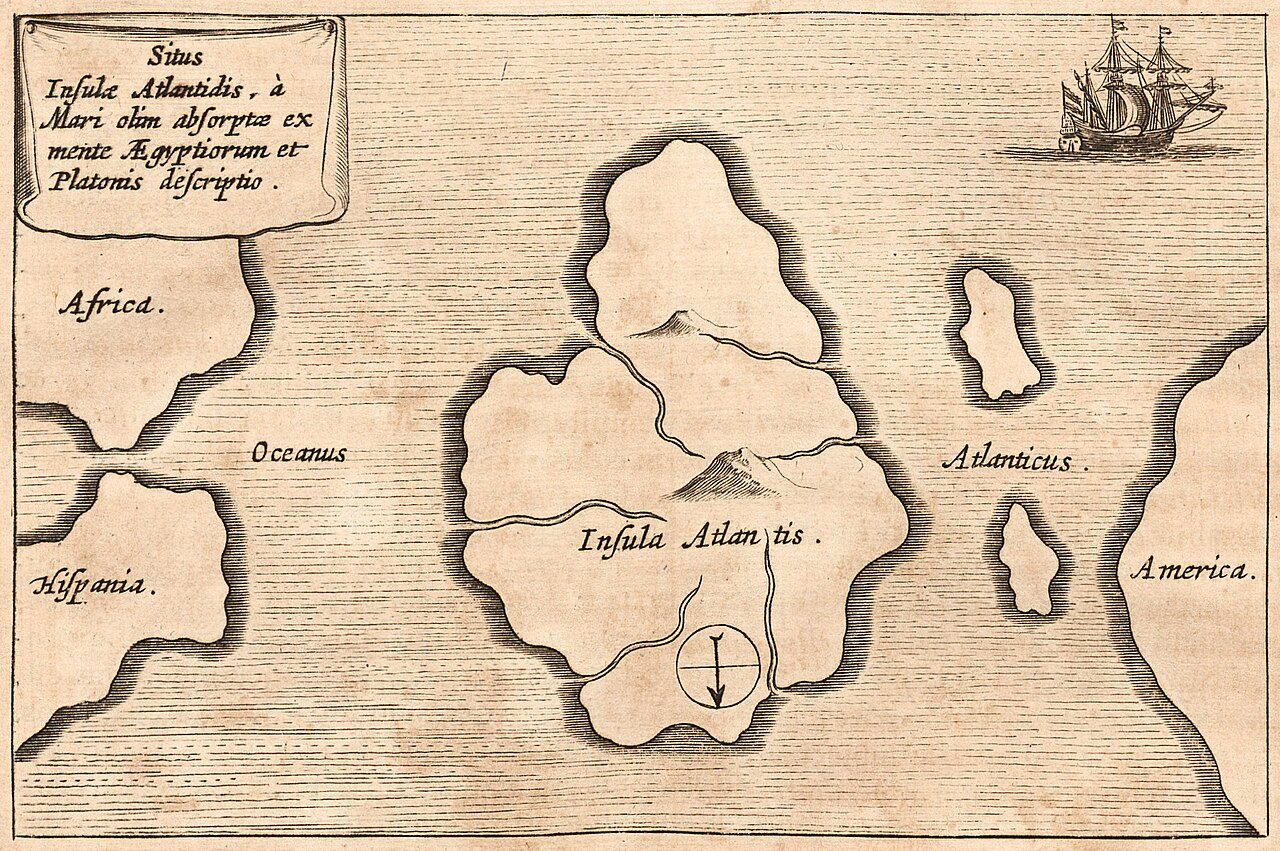
Perhaps the most traditional and inherently logical theory in view of the traditional interpretation of Plato’s account of Atlantis is that it was a large landmass out in the Atlantic Ocean which has now sunk into the sea. Although this might sound like a mere fantasy, some modern researchers argue that this is indeed the truth about Atlantis. However, is there really any evidence that the real Atlantis was in the Atlantic Ocean? What is the supposed evidence for this, and does it really stand up to scrutiny?
Why Would Atlantis Be in the Atlantic Ocean?
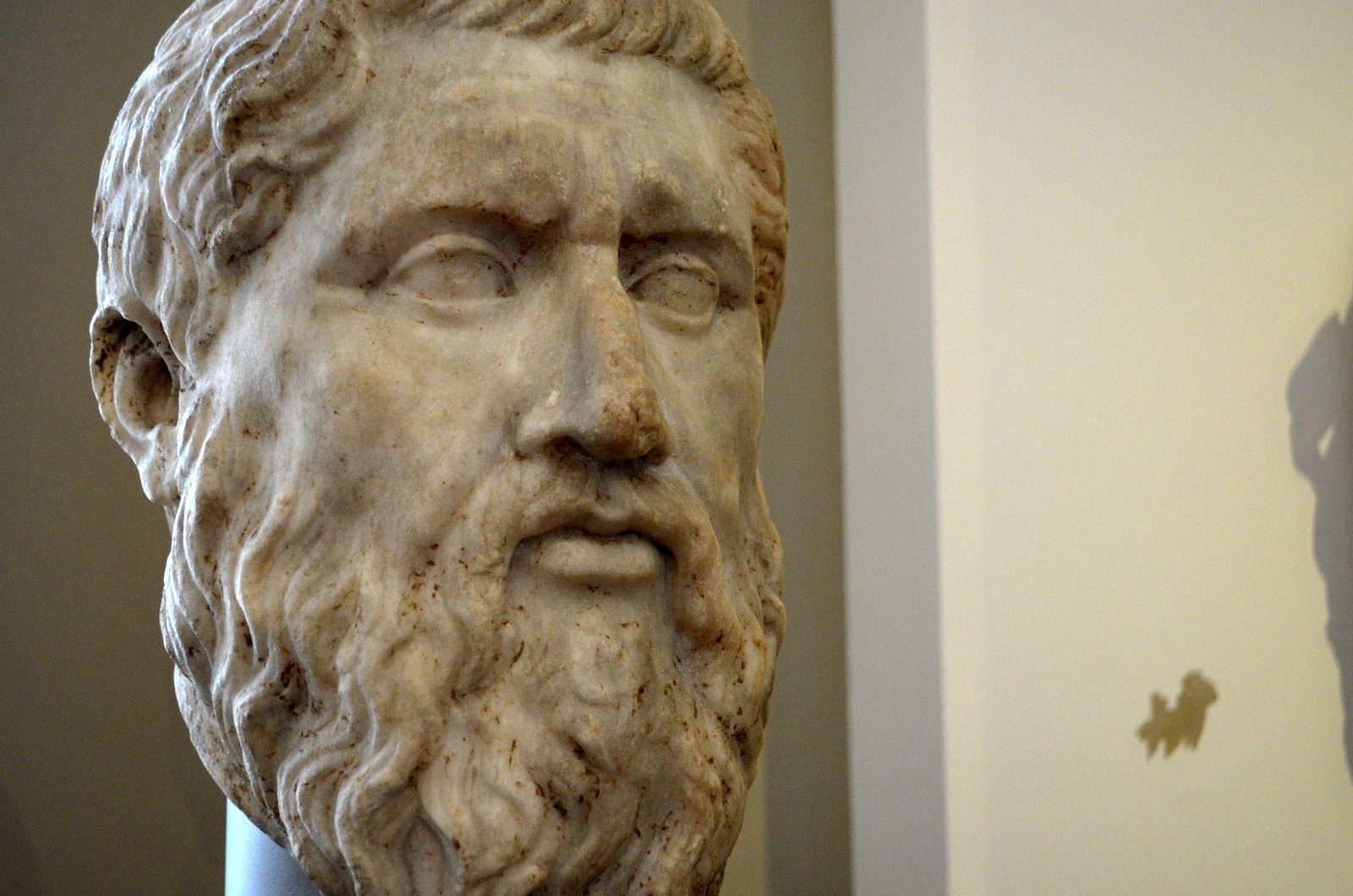
What is the main basis for this theory? Fundamentally, it is based on a straight-forward reading of Plato’s text. He described Atlantis in two dialogues, the Timaeus and Critias, both written in the fourth century BCE. The former presents the basic overview of Atlantis which forms the basis for this theory:
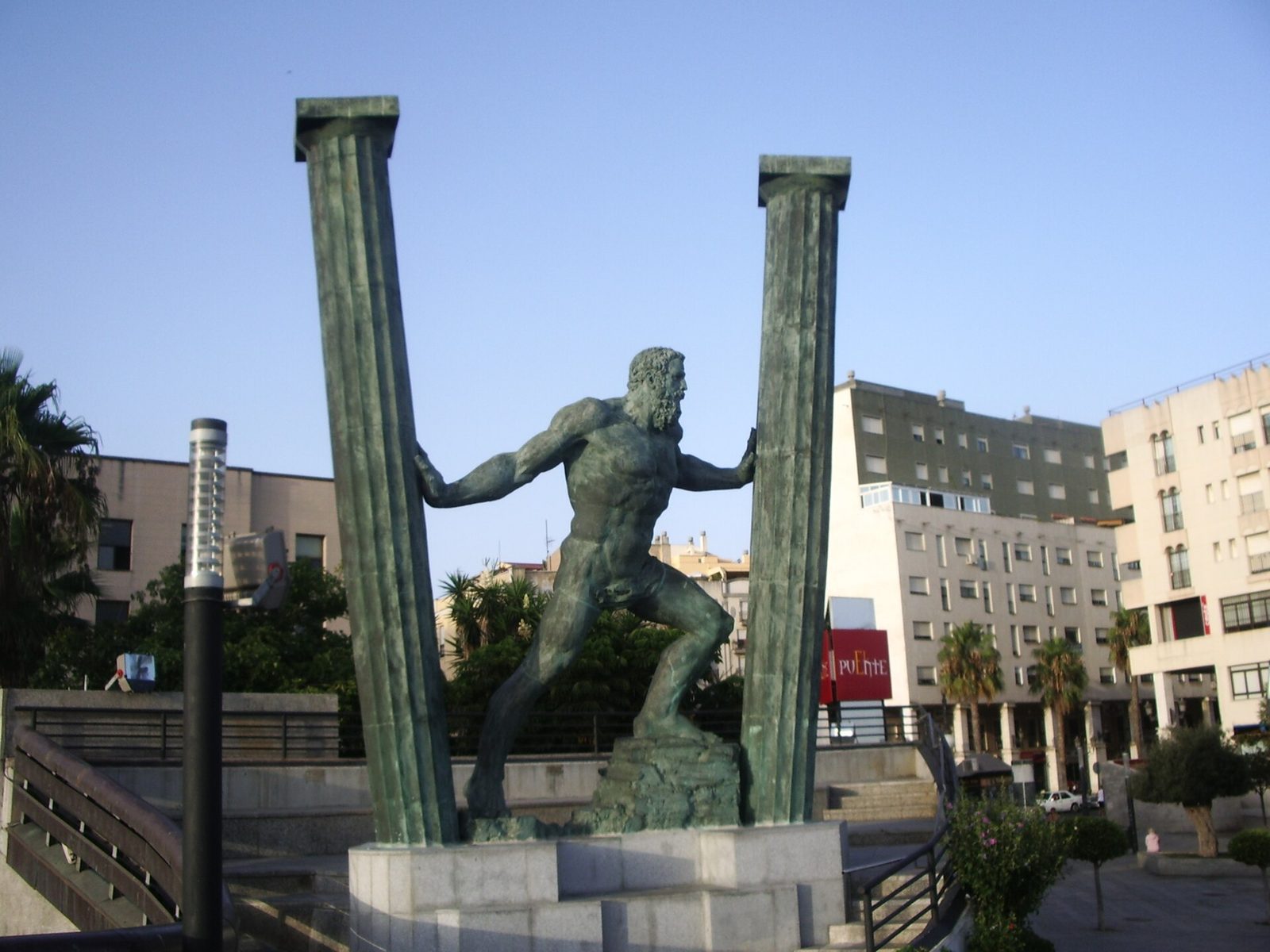
“There was an island situated in front of the straits which are by you called the Pillars of Heracles; the island was larger than Libya and Asia put together, and was the way to other islands, and from these you might pass to the whole of the opposite continent which surrounded the true ocean; for this sea which is within the Straits of Heracles is only a harbour, having a narrow entrance, but that other is a real sea, and the surrounding land may be most truly called a boundless continent.”
The Pillars of Heracles were most commonly placed at the Strait of Gibraltar to mark the western limits of Greek activity. Plato here says that Atlantis was situated ‘in front of’ this strait. Thus, the traditional interpretation of this passage places Atlantis just outside the entrance of the Mediterranean Sea.
In the Atlantic Ocean
In line with this, just prior to the aforementioned passage, Plato explicitly places Atlantis in the Atlantic Sea. This is usually interpreted as a reference to the Atlantic Ocean, since ancient Greek records did sometimes refer to that as a ‘sea’.
Perhaps more significantly, this appears to be the only body of water which the Greeks ever referred to as ‘Atlantic’. Therefore, this dovetails nicely with the idea that Atlantis was in front of the Strait of Gibraltar.
Bigger Than Libya and Asia Combined
Another consideration which means that Atlantis must have been in the Atlantic Ocean rather than the Mediterranean Sea is the fact that Plato’s account describes it as being ‘greater than Libya and Asia put together’.
The word translated ‘greater’ is ‘meizon’, which is usually understood to mean ‘bigger’ in this context. The reference to Asia, meanwhile, is usually understood as meaning just Asia Minor specifically. Libya, for its part, normally referred to all of North Africa, or North Africa minus Egypt.
Therefore, an island the size of North Africa (even excluding Egypt) and Asia Minor would be immense. It would certainly be too big to fit inside the Mediterranean Sea. Thus, it must have been outside. This appears to confirm the understanding of ‘in front of the Pillars of Heracles’ as meaning just beyond the Strait of Gibraltar.
The Way to the Opposite Continent
From the quoted passage provided earlier, notice the fact that Atlantis was said to have been “the way to other islands, and from these you might pass to the whole of the opposite continent which surrounded the true ocean.”
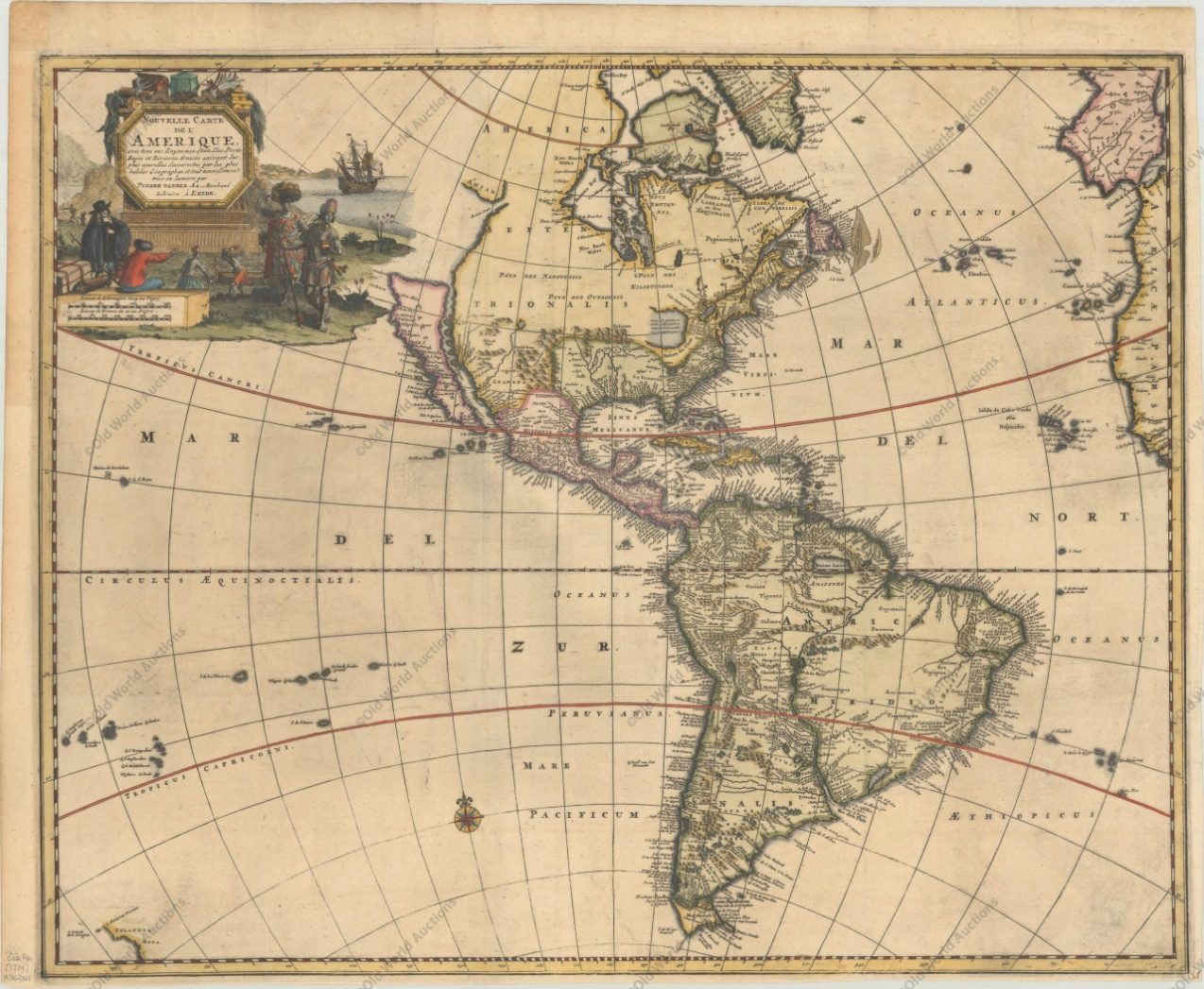
From a hypothetical island (a continent, really) in the Atlantic Ocean not far from the Strait of Gibraltar, this would provide much easier passage to the islands on the western side of the Atlantic Ocean, such as the many islands of the Caribbean Sea. These would logically be the ‘other islands’ mentioned in Plato’s description.
Then, going from these other islands, one could easily come to either North or South America. Together, these would make up ‘the opposite continent which surrounded the true ocean’.
Although the Americas do not literally surround the Atlantic Ocean, they do form a boundary for a significant portion of it. In fact, the tip of South America almost meets the tip of Antarctica. Apart from the gap at the Drake Passage, these continents would have given the appearance of surrounding the ocean to any explorers in that era.
Evidence for This Missing Continent
The idea that there was a continent that used to exist in the Atlantic Ocean until just a few thousand years ago is certainly a dramatic one. This is why the overwhelming majority of scholars have rejected Plato’s description as completely fictional. Is there any evidence that it really did exist as Plato described?
Hyperdiffusionism
One argument made by supporters of this theory is that Atlantis’ former existence can be perceived through evidence of a process called hyperdiffusionism. This is where technology or customs spread from one original location to numerous other places around the world.
Supposedly, evidence of the diffusion of identical ideas and technology on both sides of the Atlantic Ocean attest to the existence of a continent in the middle of the ocean from which these things spread.
The main researcher who developed this theory was Ignatius L Donnelly, a writer of the 18th century who wrote a famous work entitled Atlantis: The Antediluvian World.
Flood Legends
One argument stems from the prevalence of flood legends all around the world. That is, in cultures all around the world, we find stories of an earlier world being destroyed by a great flood. The most famous example of this is obviously the story of the Flood in the Bible.
However, outside of the Bible, similar stories are found across the Mediterranean, northern Europe, Africa, Asia, and even the Americas. For example, in Greece, there is the legend of the Flood of Deucalion. In ancient Sumer, there was the legend of Gilgamesh, which contains a version that is remarkably similar to the Bible’s account.
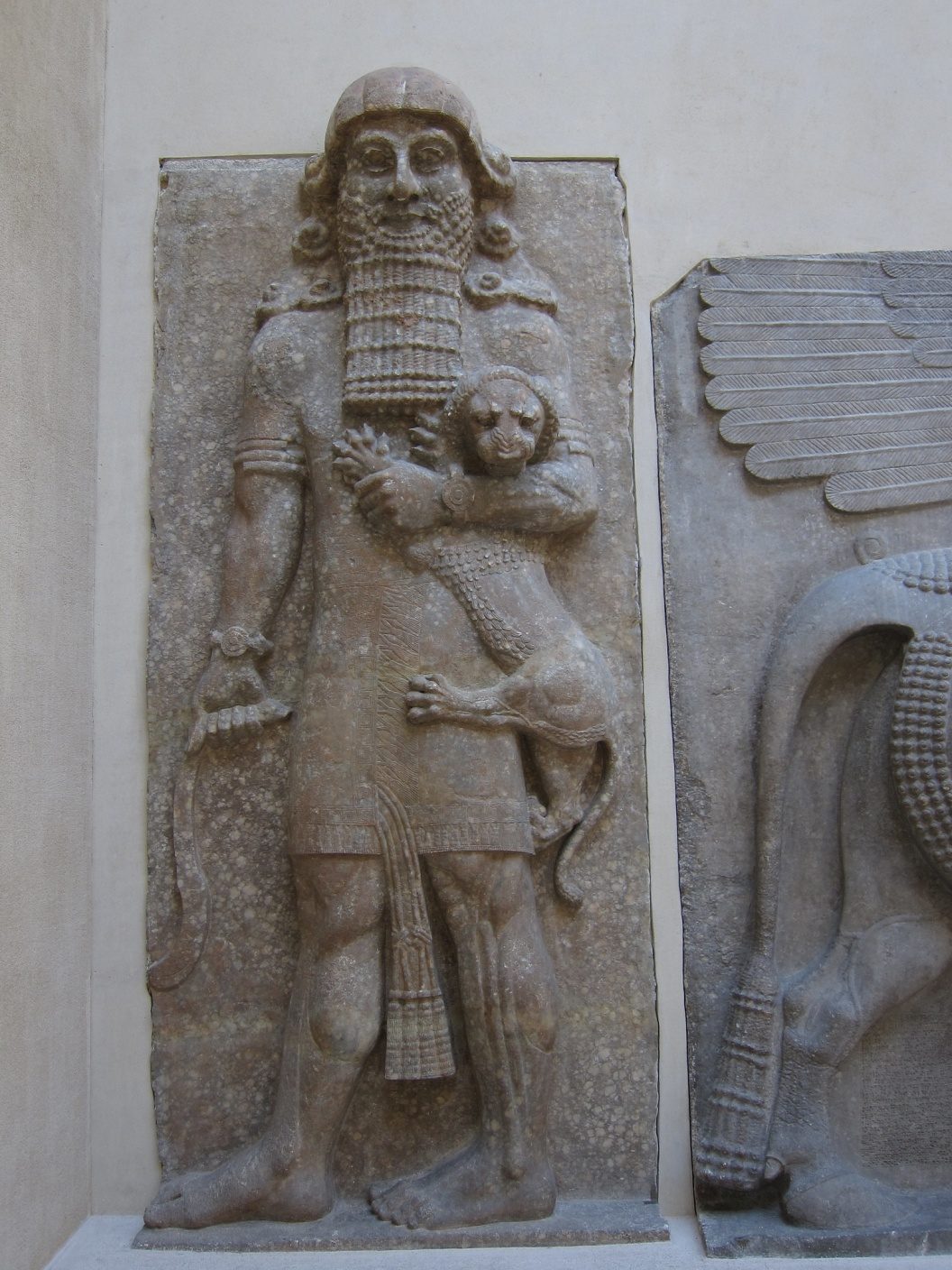
Based on the idea that all of these tales share an origin, but rejecting the notion that there ever was a worldwide flood, Donnelly argued that all of these stories stemmed from the fact that Atlantis had sunk into the ocean. He claimed that survivors of the destruction migrated all over the world, bringing stories of this event with them.
Sun Worship
Another supposed piece of evidence is the prevalence of sun worship on both sides of the Atlantic Ocean. Donnelly highlighted the sun worship which was present in ancient Egypt and pointed out how there was also sun worship in Peru in South America.
The Incas lived in Peru, and they worshipped a sun god called Inti. He was the chief god of the Incas, just like how Amun-Ra, a solar deity, was the chief god of the Egyptians for a significant part of their history.
These facts were interpreted as evidence for a common origin in between Africa and South America, pointing towards the existence of Atlantis.
Aztlan
In traditional histories from the Aztecs, these people and various neighbouring peoples in Central America are described as originating from a location called Aztlan. In some senses, this location has a mythical quality, similar to Atlantis.
Needless to say, the name ‘Aztlan’ is tantalisingly similar to the name ‘Atlantis’. On this basis, Donnelley argued that the Aztecs of Central America originated from Atlantis. This Aztec legend supposedly preserves striking independent evidence for the existence of Plato’s island.
Azores
The Azores are a group of islands owned by Portugal in the Atlantic Ocean. They are very far away from the mainland, even further than the island of Madeira is. There are nine main islands and an islet cluster.
Donnelly and others speculated that the Azores are the remains of the island of Atlantis. They have been interpreted as the peaks of the mountains of a continent that has since disappeared almost entirely into the ocean.
Objections to This Theory
Despite how popular and seemingly intuitive this theory is as an explanation for the legend of Atlantis, it is refuted on virtually every point when the evidence is examined more closely.
Not in the Atlantic Ocean
Firstly, did Plato really place Atlantis in the Atlantic Ocean? A careful reading of his account suggests that he did not.
The fact that it is described as being ‘greater than Libya and Asia put together’ is easily understood in the context of greatness as a political entity, not physical size. Regarding the Pillars of Heracles, these were placed in a variety of places in antiquity, not just at the entrance to the Mediterranean Sea.
Crucially, Plato describes Critias as saying (possibly quoting the words of the Egyptian priest who originally told the story) that, after Atlantis sank, it “became an impassable barrier of mud to voyagers sailing from here to any part of the sea.”
Whether the ‘here’ in this statement means Egypt or Greece, it is obvious that Atlantis could not possibly have affected travel ‘to any part of the sea’ if it was out in the Atlantic Ocean. It must have been in the Mediterranean, close to enough to Egypt or Greece (or both) to impede sea travel after it sank.
In reality then, the evidence indicates that Atlantis was not in the Atlantic Ocean. This fact alone deals a deathblow to this theory. However, we can go further.
The Size of Atlantis
Plato uses the Greek word for ‘continent’ various times in his writings, including in Timaeus and Critias. Yet, in his passages about Atlantis, he never refers to it as a continent. Rather, he always refers to it as an island.
With this in mind, and in view of the fact that Plato evidently placed it in the Mediterranean close enough to Egypt or Greece to cause problems with their sea travel, it simply cannot have been a continent. It must have been a mere island, exactly as Plato said it was.
This fact strongly undermines much of the rest of the evidence used to support this theory. Even if Atlantis had been an island out in the Atlantic Ocean, it would surely have been too small to have easily facilitated travel between the east and the west. This weakens the argument from supposed hyperdiffusionism.
Completely Different Flood Legends
The issue of using flood legends to try to support the story of Atlantis is that the vast majority of them bear very little similarity to the story of Atlantis. While many flood legends do seem to be related to each other, they do not seem to be related to Plato’s account.
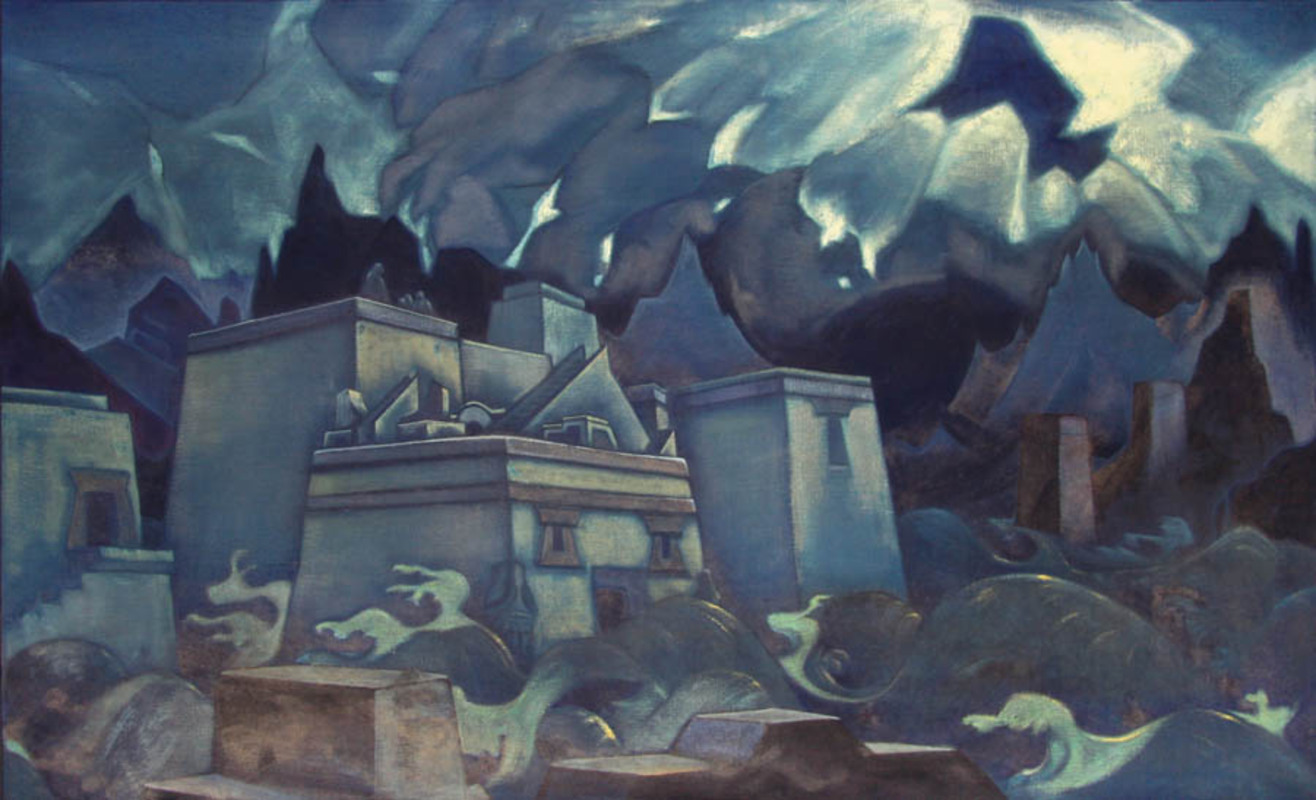
For instance, the Biblical account of the Flood and the account found in Sumerian records are strikingly similar. They both involve the construction of a wooden chest-like vessel, a single family being saved, and representatives of all the animals also being taken aboard. The Flood of Deucalion from Greek mythology is likewise very similar. In fact, various flood legends from around the world preserve similar details.
Yet, the story of Atlantis is decidedly different. There is no indication of divine favour towards one family. There is no hint of an ark being built or the animals being saved. Even the nature of the flood itself is different, since the island was said to have disappeared into the sea rather than it being flooded with rain.
How could the subsidence of Atlantis have been the origin of worldwide flood legends when they are consistently so different from what supposedly happened to Atlantis?
Sun Worship Problems
What about the fact that both the Egyptians and the Incas worshipped the sun? Well, like with many arguments based on hyperdiffusionism, this ignores the possibility for humans in multiple parts of the world to devise the same ideas independently.
Worshipping the sun is not a unique idea that demands an explanation when found in different locations. It is a very basic concept, since the sun is the massive, bright light in the sky which gives warmth and light to everything. It makes all the sense in the world for ancient cultures to look up to it with reverence.
In addition, the worship of the sun among the Incas only appears long after Plato wrote his account of Atlantis. Why would they have waited thousands of years before employing this supposed remnant of the religion of Atlantis?
Aztlan Cannot Have Been Atlantis
There are some very good reasons why Aztlan, the legendary homeland of the Aztecs, simply cannot have been Atlantis. One major problem is the fact that Aztlan is never described as an island in the sea. It is presented as being a place from which the people migrated by going on a long march. Therefore, it was evidently accessible by land. It cannot have been an island out in the Atlantic Ocean.
It is true that some early illustrations of Aztlan depicted it as an island and show people sailing across to the mainland. However, these illustrations clearly show that it was in a body of water which was completely surrounded by the mainland. In other words, at most, it was on a little island in a lake.
Another major blow to this piece of evidence is the fact that the migration from Aztlan is actually dated in the Aztec histories. It occurred in the year 1064 or 1065 CE, only about one thousand years ago. Needless to say, this cannot possibly have anything to do with the legend of Atlantis as recorded by Plato in c. 360 BCE.
The Problem with the Azores
What about the idea that the Azores are the remains of a much larger continent? While this supposition may have been attractive in the 19th century, modern science has definitively disproved it.
One important observation is that the Azores are volcanic islands. They are literally made of volcanic material. These islands are not composed of rock which is found on the continents.
But could Atlantis have simply been a very unusual continent? Again, modern science refutes this idea. Analysis of the seafloor around the Azores show that it drops down to a plateau about 1000 meters below sea level.
To argue that this plateau was originally above sea level, thus forming a continent or at least a sizeable island, would require a geological process capable of sinking it by more than 1000 meters within just a few thousand years. There is no natural process that could do this.
Even more significantly, there are raised beaches on some of the Azores islands which date back to the Pleistocene era. These show that, thousands of years ago, the islands were actually lower than they are now. Beeches that were formerly at sea level are now much higher up – as high as 250 meters above sea level in some cases.
This proves that the Azores are not the remains of a larger island that used to be in the Atlantic Ocean a few thousand years ago.
Conclusion
In summary, the theory that Atlantis was a large island or continent out in the Atlantic Ocean is superficially the most obvious interpretation of Plato’s account. Yet, when we look at the details closer, we see that it is actually contradicted by the information provided by Plato. His statements place it inside the Mediterranean Sea, not outside.
Furthermore, the supposed evidence in support of this theory is based on flimsy evidence, such as the sun worship common to both Peru and Egypt, or evidence which collapses under further scrutiny, such as the connection with the legend of Aztlan. Meanwhile, the idea that the Azores are the remains of a sunken landmass is disproved by modern oceanographic research.
Sources
Donnelly, Ignatius L., Atlantis: The Antediluvian World, 1882
Schuchert, Charles, Atlantis and the Permanency of the North Atlantic Ocean Bottom, 1917
Azevedo, J M M and Ferreira, M R Portugal, Volcanic gaps and subaerial records of palaeo-sea-levels on Flores Island (Azores): tectonic and morphological implications, 1999