Why Did Egypt Stop Building Pyramids: Solving the Ancient Mystery

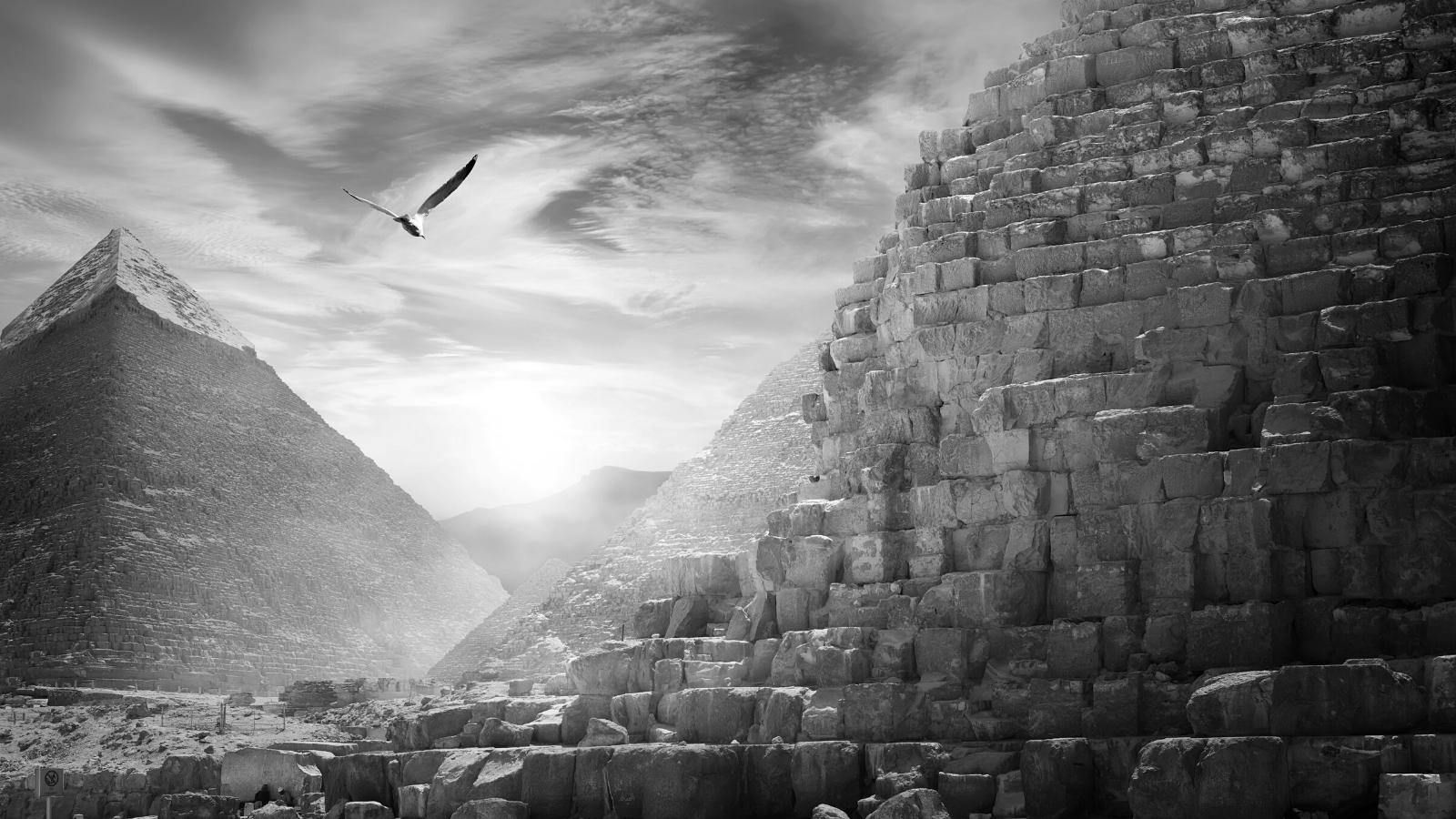
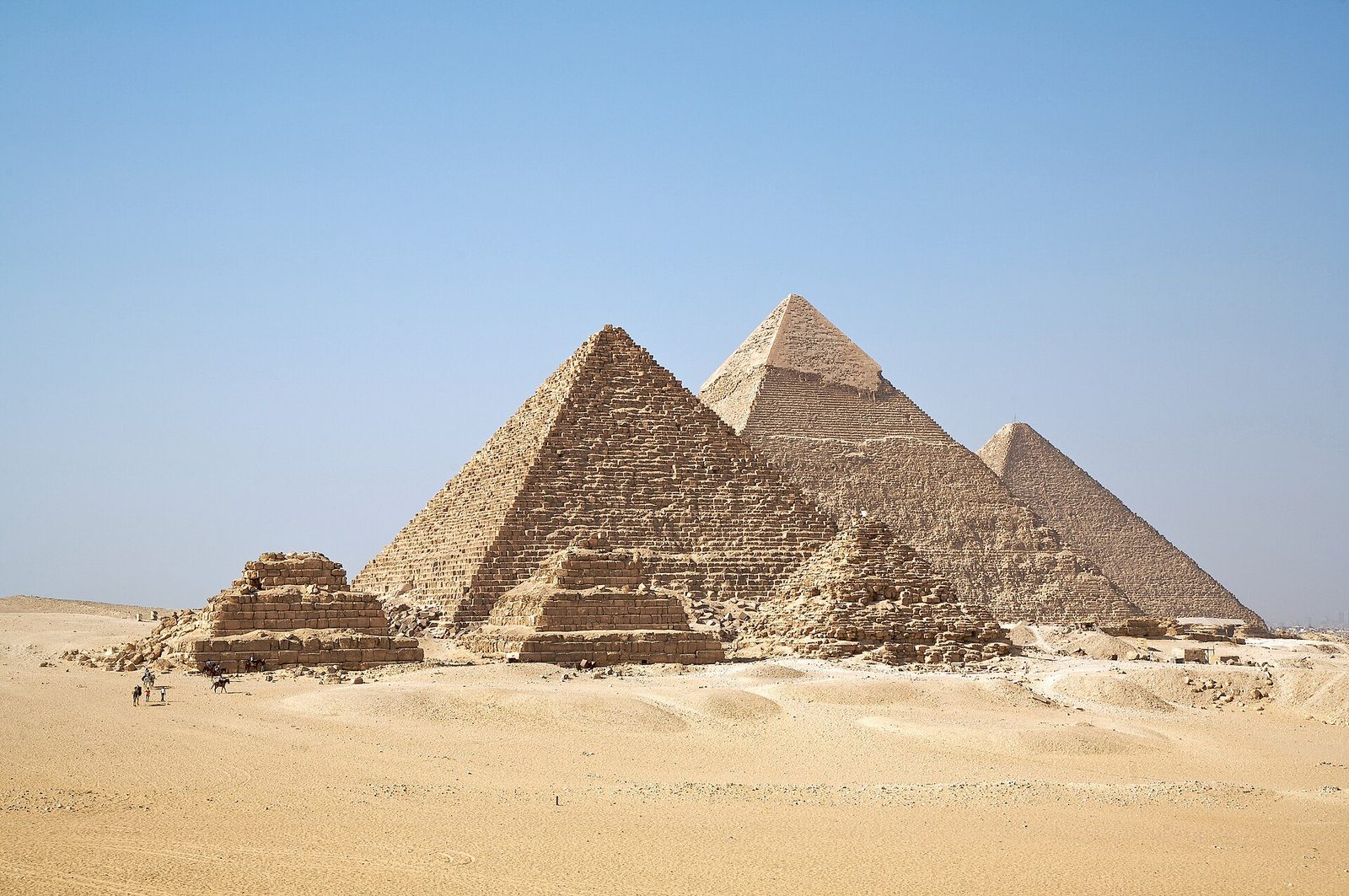
“Why did Egypt stop building pyramids” is one of the greatest mysteries of ancient times. Built during a time when Egypt was one of the most powerful countries in the world, the pyramids — particularly the three Great Pyramids at Giza — are some of the most impressive manmade structures in history. These structures continue to inspire awe for their sheer size, construction, and majesty to this day but for some reason, the ancient Egyptians discontinued the sacred practice of pyramid construction after several centuries. Hence, the question we posed at the beginning remains, and this is precisely what we are going to explore in this article.
Why Did the Egyptians Build Pyramids?
The ancient Egyptians created pyramids to be the tombs for their pharaohs, who were both the king and the religious leaders of their people, and who had the singular power of communicating with the gods.
Pharaoh Death and Building Pyramids in Ancient Egypt
Ancient Egyptians believed that when a pharaoh died, his spirit remained alive in the afterlife. Part of that spirit or the “ka” required an earthly home, which necessitated preserving the pharaoh’s body inside a pyramid. This would ensure the survival of ka, which would grant the pharaoh a happy eternal life after death and would continue to replenish the land of Egypt and protect it from disasters.
In addition to the mummified remains of the pharaoh, the pyramids would also house the food, furniture, and other objects that a pharaoh would need in the afterlife.
The pharaoh was considered to reach the heavens via sunbeams so the pyramids were constructed with shafts that led outward from the burial chambers to assist a king’s spirit to reach its heavenly abode. Many experts believe that the shape of the pyramids itself was designed to evoke the sun, radiating between the earth and heaven.
The pyramids were also constructed large enough that they could also be viewed from outer space — which provided another connection to the heavens.
Why Did the Egyptians Stop Building Pyramids?
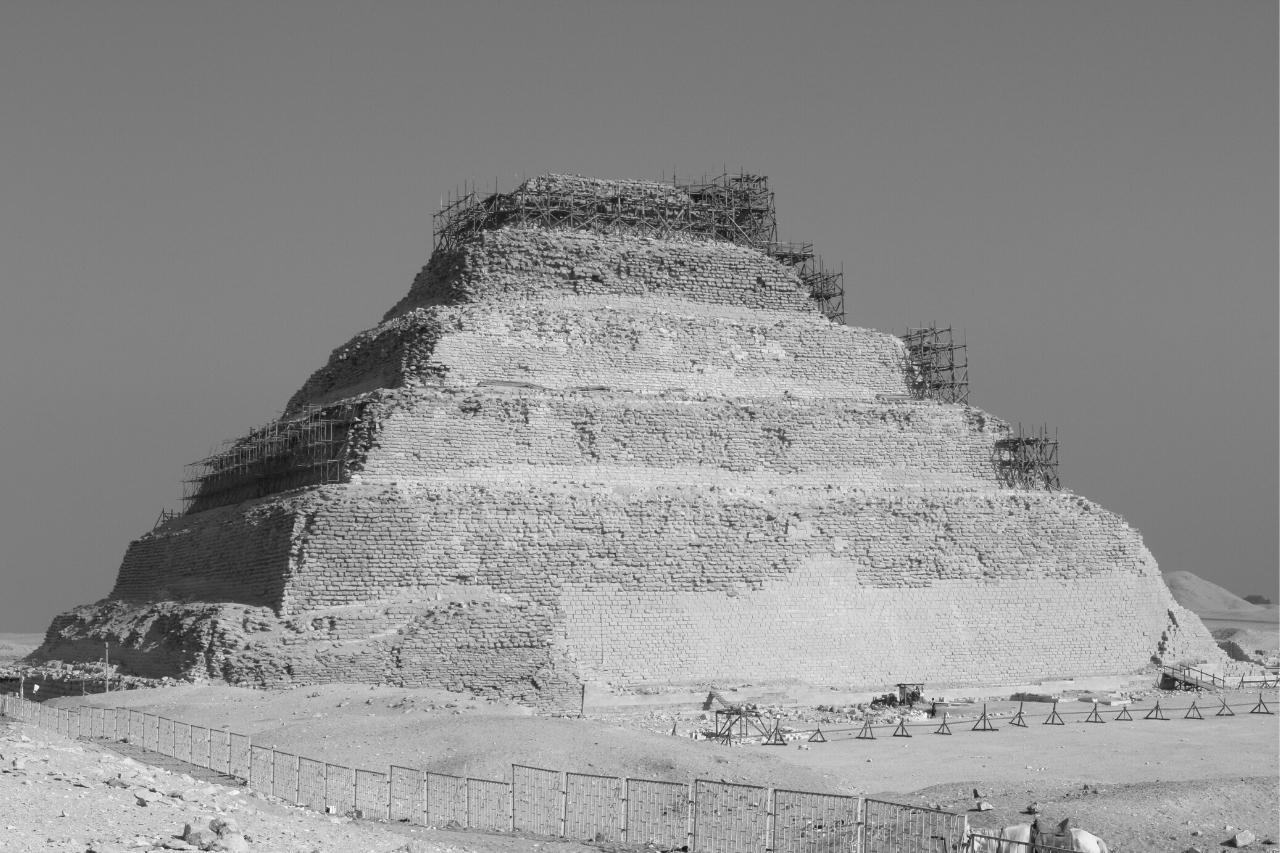
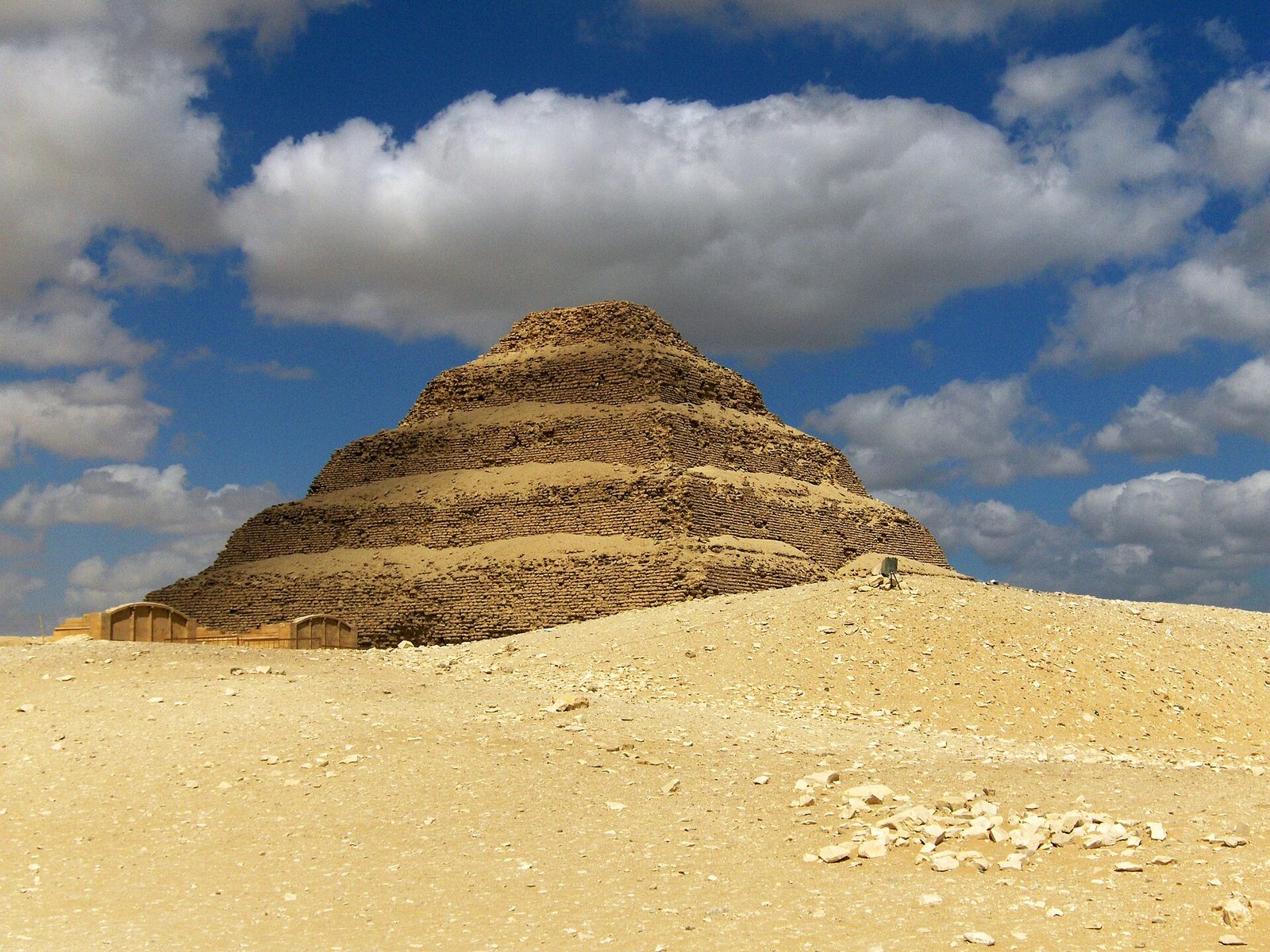
The era of building pyramids in ancient Egypt started from the beginning of the Old Kingdom (around 2630 BC), when the third dynasty’s pharaoh, King Djoser, asked his priest Imhotep to build him a funerary monument. This was the Step-Pyramid at Saqqara and its peak lasted until the sixth dynasty around 2325 BC.
Pyramids continued to be built after that time, however, it was seen that they were no longer as impressive as the pyramids made by the old kings. Over time, this ancient practice dwindled until it was stopped altogether.
Although there is no exact known cause of why the Egyptians stopped making pyramids, scientists and history experts have many theories. Let us explore some of the most prominent ones:
Why Did Egypt Stop Building Pyramids: The Wrath of the Sun and Sand
Peter James, a Welsh structural engineer and Managing Director of the engineering firm Cintec International, has provided a possible answer to the mystery. The engineer was requested to inspect the cladding — the smooth exterior layer of the pyramids — to find out why it was crumbling after surviving millennia, while its foundation still remained stable.
Some people theorized that the missing cladding was torn away by opportunistic thieves and spirited away. However, the damage extended not just to the lower levels but the higher levels of the pyramid as well, which cannot be as easily accessed. To reach the higher levels, the thieves would need to use scaffolding and cut off symmetrical blocks of cladding so that they could be easily removed. However, the pieces seemed to be torn away in a random manner and showed no sign of indentations that would come from using equipment for climbing.
In fact, the destruction seemed to be caused by a supernatural force as if “by a giant whose hand has swept across the face of the pyramid with enormous energy, sucking out the facing and leaving the ragged empty sockets,” reported James.
Why Did Egypt Stop Building Pyramids: The Real Cause of the ‘Wrath’
The phenomenon actually has a natural cause, known as thermal movement. Thermal movement causes the expansion and contraction of the limestone with the changes in temperature.
Since Egypt is mostly a desert, the temperatures between the day and night can change drastically. In the daytime, the temperature can rise to 104 F, causing the limestone to expand, and at night time, the temperature can drop to 37 F and cause the stone to contract. This temperature fluctuation can cause blocks of stones to move to the edge or crumble to the ground.
As the stones move from their original position, dust and sand would fill the space between them. Then, at night, when they contract, they would have less space to go back to their original position, over time getting permanently pushed out of place.
If you multiply this endless movement by centuries, you can see why the cladding has been stripped in places and why the stone has buckled or vanished from random spots. Many of these stones may have fallen to the ground and then been stolen by local opportunists.
James theorized that it was because of this phenomenon that the building of pyramids was discontinued in Egypt.
Why Did Egypt Stop Building Pyramids: The High Cost of the House of Eternity
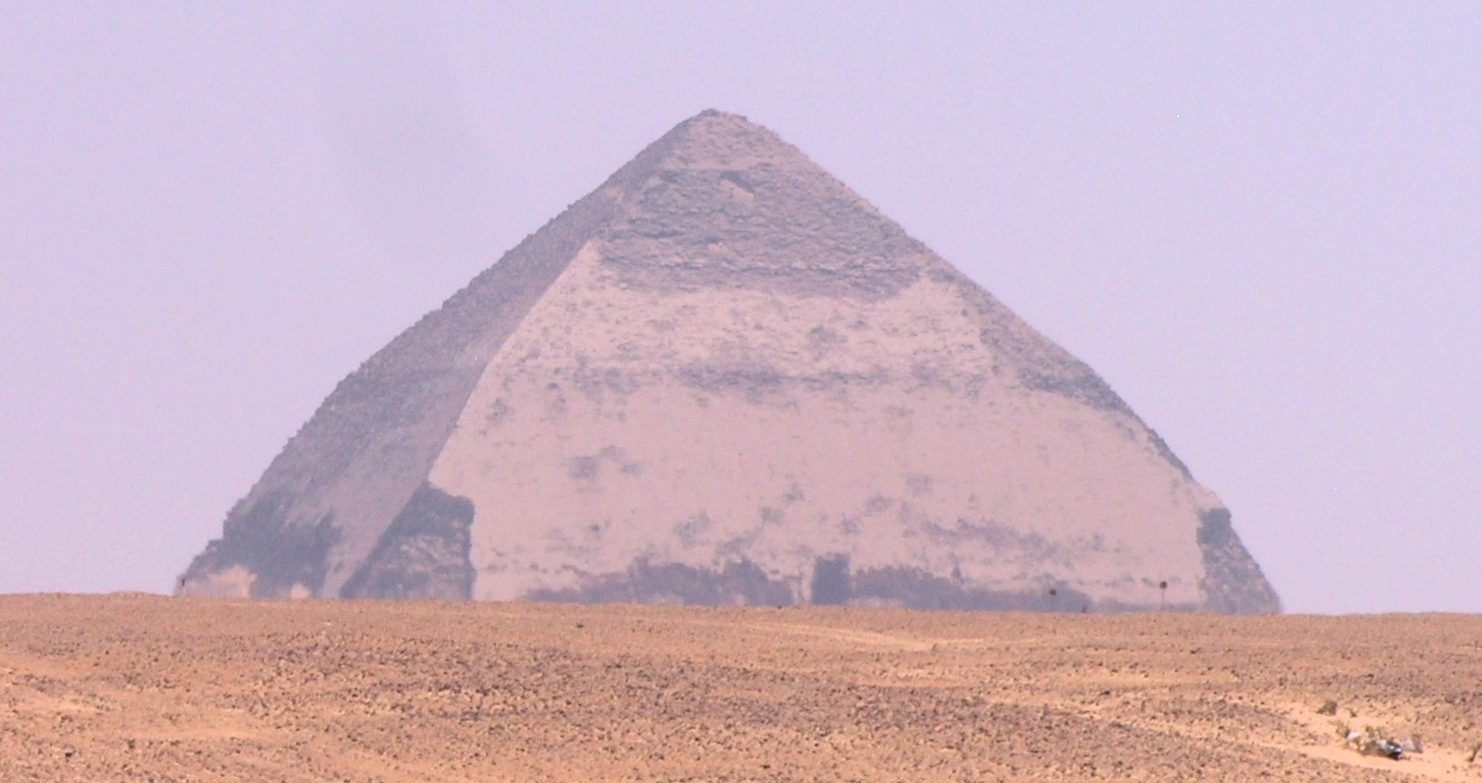
After reaching their peak in the fourth dynasty, pyramids declined in quality and size during the fifth and sixth dynasties (2450 BC to 2175 BC) of the Old Kingdom. During times of economic crisis and wars and decentralization of power, the political power of pharaohs waned, and so did their ability to construct extravagant edifices as their final resting place. Before the end of the Old Kingdom, pyramids continued to get smaller and smaller because of the economic cost of undertaking such a large-scale project and the dilution of the central authority.
Building a pyramid took over 100,000 men and about 20 years — and in some cases, even longer. As you can imagine, the drain on resources was considerable. In fact, not only did these monumental structures need to be built, but they also needed to be replenished with food and other offerings in perpetuity. Moreover, the bounty of the pharaohs also extended to their favored subjects, who were given tombs and an eternal supply of food in their associated chapel so that their souls could live in satisfaction. Inevitably, it led to the depletion of the royal coffers.
What Reduced The Importance of Pyramids in Egypt
Another thing that reduced the importance of pyramids in Egypt was the rising significance of the sun god, Ra, to whom the impoverished pharaohs were becoming increasingly subservient. As such, the pyramids in the fifth and sixth centuries experienced a lowering of standards and were constructed with inferior quality materials, with bricks or rubble, instead of stone. On the other hand, the royal resources were now redirected towards the solar temples of the fifth dynasty.
The fourth dynasty pyramids of Khufu and Khafraare monoliths compare them to the pyramids that came after them. The third pyramid, Menkaure, is less than half the size of these two pyramids but its quality matched that of the bigger ones.
A number of Middle Kingdom pharaohs did continue to build pyramids, but they were hardly of the same scale as those created in the fourth dynasty. By 1700 BCE, at the start of the New Kingdom, pyramids fell out of favor completely as pharaohs started to opt for building tombs into cliff sides.
Why Did Egypt Stop Building Pyramids: The Tenacity of Tomb Robbers
Historians have argued that the abandonment of pyramid making was because of the need to better conceal the pharaohs’ tombs from grave robbers. One of the purposes of the pyramids was to safeguard the bodies and treasures of the deceased for eternity, and while many mummies have been found in pyramids after thousands of years, their possessions seemed to have mysteriously disappeared.
In fact, tomb-robbing was recognized as a grave problem in Egypt as early as the Early Dynastic Period (3150 BCE to 2613 BCE). Even though the burial chambers are placed deep into the heart of the pyramid and had hallways and chambers filled with debris to deter thieves, the bodies and possessions of Djoser, Khufu, Khafre, and Menkaure all disappeared.
This was, in spite of the execration texts or curses placed on the doors and lintels of the tomb, as well as the belief that the dead could interact with the living that should have incited more fear and respect into the hearts of adventurous thieves but was evidently not a strong incentive to miss out on easy treasures.
The problem got so severe that Amenhotep (1541 BCE to 1529 BCE) ordered a new royal necropolis to be made near Thebes, which had tombs built near the cliffs and which would offer more security. This place is known today as the Valley of the Kings and is present in the village of Deir el-Medina, which was isolated from civilization. However, even that was not enough to protect the tombs.
Summary
As we found out in this article, historians have various theories as to why Egypt stopped building pyramids. Here are some of the reasons behind that question that we covered in our article:
- Although imposing and majestic, the pyramids of Egypt were unsustainable and could not weather the constant fluctuations of extreme temperature that resulted in their crumbling.
- The dilution of the power of pharaohs of the later Old Kingdom dynasties, as well as three generations of manpower, material, and administrative investments, proved too much for the royal coffers.
- Finally, when it became obvious that the pyramids were a magnet for adventurous thieves, later pharaohs were buried under the earth into tombs cut into rock cliffs.
Although many of these magnificent pyramids are damaged almost beyond recognition, the pyramids that have survived the ravages of time continue to leave millions of the people who visit them each year awestruck and keep the stories of the kings who have made them alive till this day.
We hope that this article provided you with some good insight into the lost practice of pyramid making, so if you want to know more about Egyptian or world history, explore more of our articles.