Timeless Myths Logo
Aphrodite Apollo Ares Artemis Athena Atlas Coeus Crius Cronus Demeter Dionysus Gaia Hades Hephaestus Hera Hermes Hestia Hyperion Iapetus Mnemosyne Oceanus Phobos Phoebe Poseidon Prometheus Rhea Tethys Themis Uranus Zeus
Bacchus Ceres Diana Juno Jupiter Mars Mercury Minerva Neptune Pluto Venus Vesta Vulcan
Amun Anubis Aten Atum Babi Bastet Bes Geb Hapi hathor heqet Horus Isis Khepri Khnum Khonsu Maat Nephthys Nut Osiris Ptah Ra Seshat Seth Shu Sobek Thoth
Alfheim Baldur Freya Freyr Frigg Heimdallr Helheim Idun Jotunheim Loki Nerthus Njord Odin Thor Tyr
Aengus Arawn Badb Brigid Cailleach Ceridwen Cernunnos Cu Chulainn Dagda Danu Gwydion Herne the Hunter Lugh Medb Morrigan Neit Nuada Taliesin Taranis
Chalchiuhtlicue Coatlicue Huitzilopochtli Mictlantecuhtli Mixcoatl Ometeotl Quetzalcoatl Tezcatlipoca Tlaloc Tonatiuh Xipe Totec Xochiquetzal Xolotl
Amaterasu Ame no Uzume Benzaiten Bishamonten Daikokuten Ebisu Fujin Fukurokuju Inari Izanagi Kagutsuchi Raijin Susanoo Tsukuyomi
Caishen Cangjie Dragon King Eight Immortals Erlang Shen Fuxi Guanyin Hou Yi Huxian Jade Emperor King Yama Leizi Lu-ban Mazu Nezha Nuwa Pangu Shennong Sun Wukong Xiwangmu Yue Lao Zhong Kui
Norse Classical Celtic Arthurian
Literature Stories Names
Aphrodite Apollo Ares Artemis Athena Atlas Coeus Crius Cronus Demeter Dionysus Gaia Hades Hephaestus Hera Hermes Hestia Hyperion Iapetus Mnemosyne Oceanus Phobos Phoebe Poseidon Prometheus Rhea Tethys Themis Uranus Zeus
Bacchus Ceres Diana Juno Jupiter Mars Mercury Minerva Neptune Pluto Venus Vesta Vulcan
Amun Anubis Aten Atum Babi Bastet Bes Geb Hapi hathor heqet Horus Isis Khepri Khnum Khonsu Maat Nephthys Nut Osiris Ptah Ra Seshat Seth Shu Sobek Thoth
Alfheim Baldur Freya Freyr Frigg Heimdallr Helheim Idun Jotunheim Loki Nerthus Njord Odin Thor Tyr
Aengus Arawn Badb Brigid Cailleach Ceridwen Cernunnos Cu Chulainn Dagda Danu Gwydion Herne the Hunter Lugh Medb Morrigan Neit Nuada Taliesin Taranis
Chalchiuhtlicue Coatlicue Huitzilopochtli Mictlantecuhtli Mixcoatl Ometeotl Quetzalcoatl Tezcatlipoca Tlaloc Tonatiuh Xipe Totec Xochiquetzal Xolotl
Amaterasu Ame no Uzume Benzaiten Bishamonten Daikokuten Ebisu Fujin Fukurokuju Inari Izanagi Kagutsuchi Raijin Susanoo Tsukuyomi
Caishen Cangjie Dragon King Eight Immortals Erlang Shen Fuxi Guanyin Hou Yi Huxian Jade Emperor King Yama Leizi Lu-ban Mazu Nezha Nuwa Pangu Shennong Sun Wukong Xiwangmu Yue Lao Zhong Kui
Norse Classical Celtic Arthurian
Literature Stories Names
  1. Classical Literature
    Greece Rome Other Ancient Civilizations Timeline of Classical Literature Alphabetical List of Authors Index of Individual Works Index of Important Characters Sources About Us
  2. Greece
    Homer Hesiod Aesop Sappho Pindar Aeschylus Sophocles Euripides Aristophanes Menander Apollonius of Rhodes
  3. Aesop
    Fables
  4. Fables
    Fables

Fables

(Fables, Greek, c. 550 BCE)

Introduction

"Aesop's Fables" (Lat: "Aesopica") refers to a collection of well-known fables credited to Aesop, a slave and story-teller who lived in ancient Greece in the 6th Century BCE. It is also sometimes used as a blanket term for any collections of short fables (i.e. any brief story used to illustrate a moral lesson), especially beast fables involving anthropomorphic animals. They have been popular throughout history, and remain a popular choice for moral education of children even today.
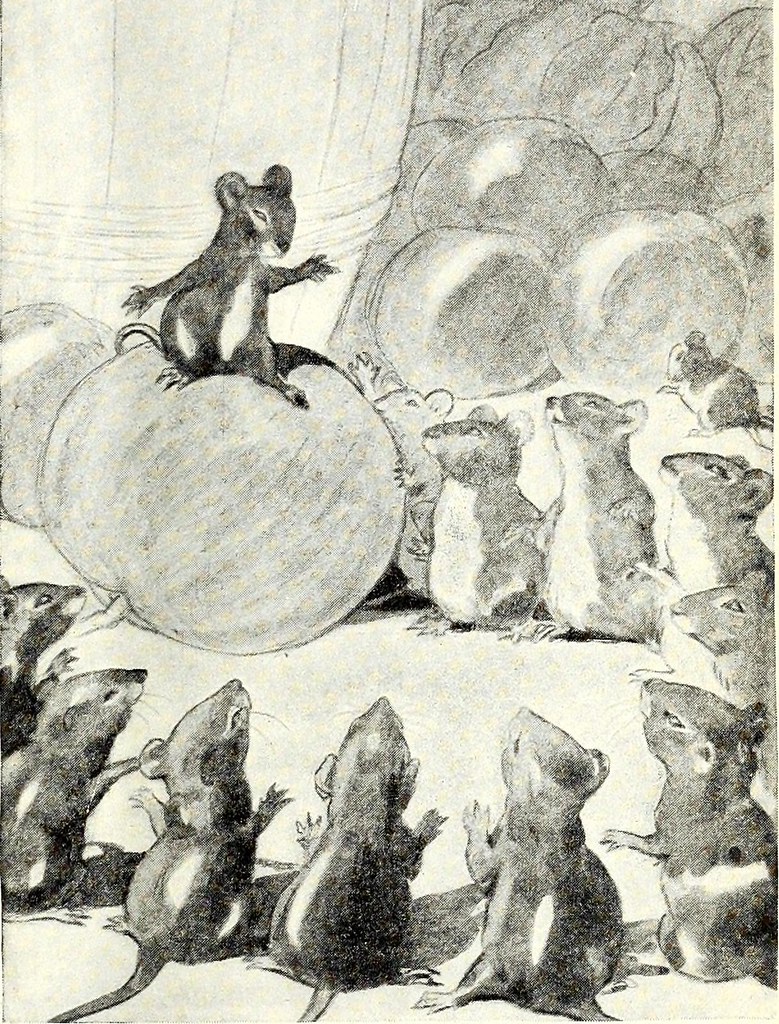
The Mice in Council

The Mice in Council

Synopsis

There are many different collections of fables described as "Aesop's Fables", some numbering up to 600, but among the best known are:

Aesop's Fables List

  • Androcles and the Lion 
    (Moral: Gratitude is the sign of noble souls)

  • The Ant and the Grasshopper
    (Moral: It is best to prepare for the days of necessity)

  • The Bear and the Two Travellers
    (Moral: Misfortune tests the sincerity of friends)

  • The Boy Who Cried Wolf
    (Moral: A liar will not be believed, even when he speaks the truth)

  • The Cat and the Mice
    (Moral: He who is once deceived is doubly cautious)

  • The Cock and the Pearl
    (Moral: Precious things are for those that can prize them)

  • The Crow and the Pitcher
    (Moral: Little by little does the trick, or Necessity is the mother of invention)

  • The Dog and the Bone
    (Moral: By being greedy, one risks what one already has)

  • The Dog and the Wolf
    (Moral: It is better to starve free than to be a well-fed slave)

  • The Dog in the Manger
    (Moral: People often begrudge others what they cannot enjoy themselves)

  • The Farmer and the Snake
    (Moral: The greatest kindness will not bind the ungrateful)

  • The Farmer and the Stork (Moral: You are judged by the company you keep)

  • The Fisher
    (Moral: When you are in a man's power you must do as he bids you)

  • The Fox and the Crow
    (Moral: Do not trust flatterers)

  • The Fox and the Goat
    (Moral: Never trust the advice of someone in difficulties)

  • The Fox and the Grapes
    (Moral: It is easy to despise what you cannot get)

  • The Frog and the Ox
    (Moral: Not all creatures can become as great as they think)

  • The Frogs and the Well
    (Moral: Look before you leap)

  • The Frogs Who Wanted a King
    (Moral: Better no rule at all than a cruel rule)

  • The Goose that Laid the Golden Eggs
    (Moral: Those who want too much lose everything)

  • The Hare and the Tortoise
    (Moral: Slow and steady wins the race)

  • The Lion and the Mouse
    (Moral: No act of kindness, no matter how small, is ever wasted)

  • The Lion's Share
    (Moral: You may share the labours of the great, but you will not share the spoil)

  • The Mice in Council
    (Moral: It is easy to propose impossible remedies)

  • The Mischievous Dog
    (Moral: Notoriety is often mistaken for fame)

  • The North Wind and the Sun
    (Moral: Persuasion is better than force)

  • The Town Mouse and the Country Mouse
    (Moral: Better beans and bacon in peace than cakes and ale in fear)

  • The Wolf in Sheep's Clothing
    (Moral: Appearances can be deceptive)
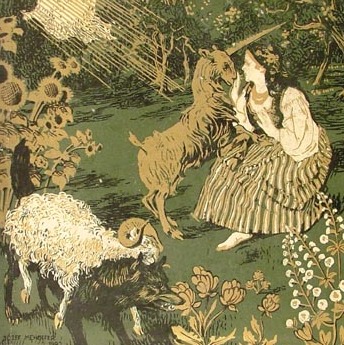
The Wolf in Sheep's Clothing

The Wolf in Sheep's Clothing

Analysis

It is largely due to the claims of the 5th Century BCE Greek historian Herodotus that the "Fables" were attributed to Aesop, but Aesop's existence and his authorship of the fables was widely accepted thereafter. In fact, the "Fables" were probably merely compiled by Aesop from existing fables (for example, many of the fables attributed to him have since been found on Egyptian papyri known to date between 800 and 1,000 years before Aesop's time).

The 4th Century BCE Peripatetic philosopher Demetrius of Phaleron compiled "Aesop's Fables" into a set of ten books (since lost) for the use of orators, and even Socrates is reported to have whiled away his jail time turning some of them into verses. The first extensive translation of Aesop into Latin was done by Phaedrus, a freedman of Augustus, in the 1st Century CE.

The collection which has come down to us under the name of "Aesop's Fables" evolved from the late Greek version of Babrius (who turned them into choliambic verses at some uncertain time between the 3rd Century BCE and the 3rd Century CE), via subsequent translations in the 9th Century CE by Ignatius Diaconus (who also added some stories from the Sanskrit "Panchatantra"), and then the definitive complation by the 14th Century monk, Maximus Planudes.

Many phrases and idioms in everyday use (such as "sour grapes", "crying wolf", "the lion's share", "dog in a manger", "a wolf in sheep's clothing", "killing the golden goose", "cakes and ale", etc) have their origins in "Aesop's Fables".

Resources

  • Collection of fables compilated from different sources as well as some background information: 
    https://fablesofaesop.com/

  • Modern 2002 English translation by Laura Gibbs of over 600 fables (Aesopica)

  • Babrius' Greek original, as well as links to many other translations in Greek, Latin and English (Aesopica)

By Ancient Literature

Aesop:

  • • Fables
Aesop

Aesop

(Fabulist, Greek, c. 620 – c. 560 BCE)Introduction Aesop was by tradition a Greek slave, and he is known today exclusively for the genre of fables ascribed to him. "Aesop's Fables" (most of which have anthropomorphic animals as the main characters...

January 1st, 2025 • Ancient Literature
Facts & Figures

Facts & Figures

Facts & Figures provides additional information regarding particular myths or tales, sort of like an appendix at the back of the book. This information includes lists or tables of names associated with the myths, places, objects, etc. Facts & Figu...

September 27th, 2000 • Jimmy Joe
Facts and Figures

Facts and Figures

Facts & Figures provides additional information regarding particular myths or tales, sort of like an appendix at the back of a book. This information includes lists or tables of names associated with the myths, places, objects, etc. Facts & Figure...

September 27th, 2000 • Jimmy Joe
Facts & Figures

Facts & Figures

Facts & Figures provides additional information regarding particular myths or tales, sort of like an appendix at the back of a book. This information includes lists or tables of names associated with the myths, places, objects, etc. Facts & Figure...

September 27th, 2000 • Jimmy Joe
Facts & Figures

Facts & Figures

Facts & Figures provide additional information of particular myth or tale, sort of like an appendix at the back of the book. These information included lists or tables of names associate with the myths, places, objects, etc. Facts & Figures also p...

September 27th, 2000 • Jimmy Joe
Tales of Lovers

Tales of Lovers

Tales of Lovers are concerned with myths about love and tragedy. Most of the stories found here come from a work called Metamorphoses by the Roman writer named Ovid, except for the tale of Cupid and Psyche which was only known through Lucius Apule...

June 22nd, 2000 • Jimmy Joe
Ovid

Ovid

(Epic, Elegiac and Didactic Poet, Roman, 43 BCE – c. 17 CE)Introduction Ovid was a prolific Roman poet, straddling the Golden and Silver Ages of Latin literature, who wrote about love, seduction and mythological transformation. He is considered a ...

October 24th, 2024 • Timeless Myths
Fabulous Voyages

Fabulous Voyages

The following myths contain the adventures involving heroes and their companions in their fabulous voyages. Often, their journeys would take them to numerous otherworldly islands, and some were friendly and hospitable, while other islands were hos...

June 13th, 2001 • Jimmy Joe
Works and Days

Works and Days

(Didactic Poem, Greek, c. 700 BCE, 828 lines)Introduction "Works and Days" (Gr:"Erga kaí Hemérai"; Lat: “Opera et Dies”) is a didactic poem written by the very early ancient Greek poet Hesiod. It was probably written around 700 BCE or earlier and ...

January 1st, 2025 • Ancient Literature
Bucolics (Eclogues)

Bucolics (Eclogues)

(Pastoral Poem, Latin/Roman, 37 BCE, 829 lines)Introduction "The Bucolics" (Lat: "Bucolica"), also known as "The Eclogues" (Lat: "Eclogae"), is a collection of ten pastoral poems by the Roman poet Vergil. It was Vergil's first major work, publishe...

October 25th, 2024 • Timeless Myths
Timeless Myths

Exploring mythology and legends from around the world.

Explore Myths

All Stories Characters All Articles Search Site Map

Mythologies

Norse Mythology Classical Mythology Celtic Mythology Arthurian Legends Mythology Gods Ancient Literature

About Us

Introduction About Jimmy Bibliography FAQs Retro Version

Resources

Timeless Myths All Stories All Articles Characters
© 1999-2026 Timeless Myths • Copyright • Privacy Policy • Cookie Policy • Contact
Follow us: