Troy vs Sparta: The Two Manginificant Cities of Ancient Greece
Troy vs Sparta is a comparison of two very important Greek cities in which one was a real city and the other was a city in Greek mythology. Both of the cities are very famous among the Greeks and their culture as a lot of their famous events have been around these cities.
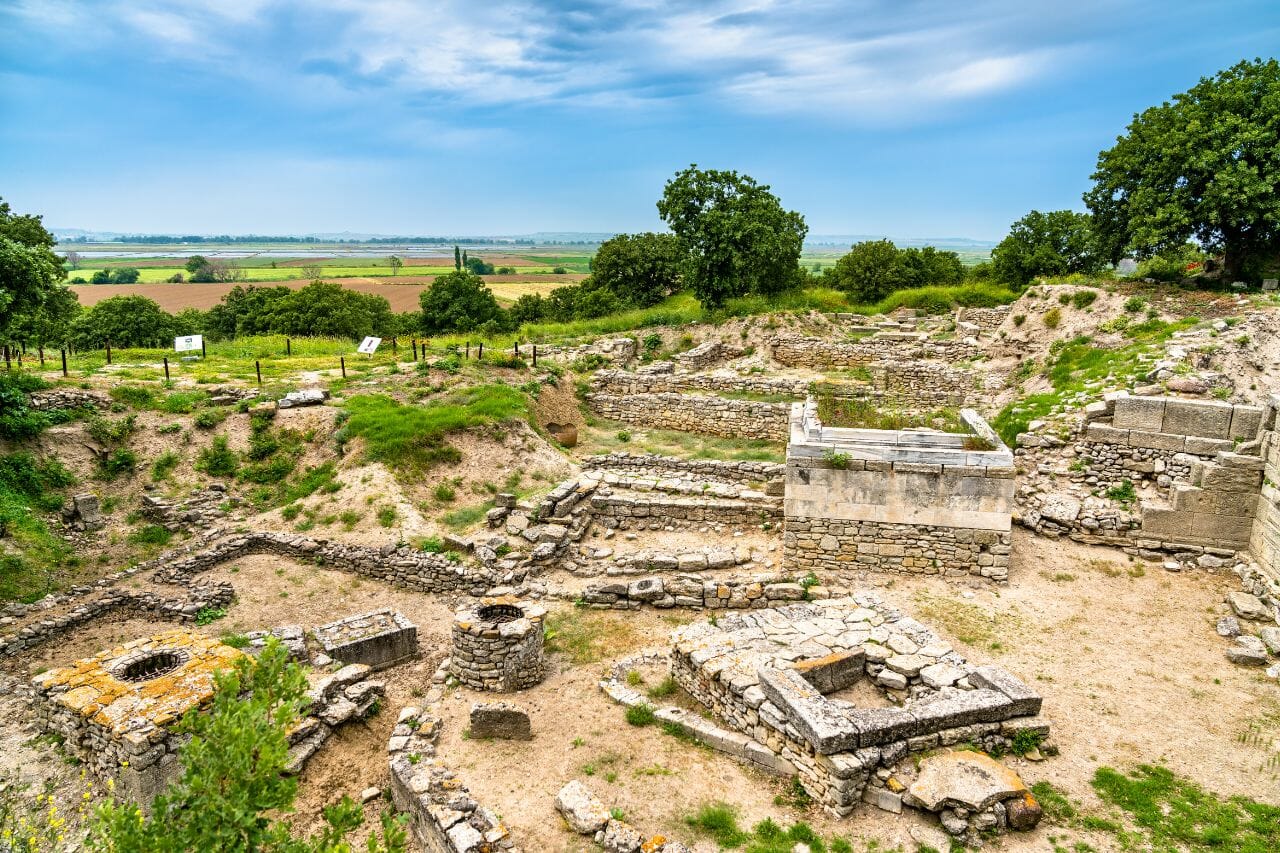
For an accurate comparison of the two cities, we must first know about them in detail. In the following article we bring you all the information on the cities of Troy and Sparta with a detailed analysis for your understanding and for an accurate comparison.
Troy vs Sparta Comparison Table
Features | Troy | Sparta |
|---|---|---|
Origin | Greek Mythology | Ancient Greece |
Abode | Earth | Earth |
Present Day Location | Turkey | Southern Greece |
Religion | Greek Mythology | Greek Polytheism |
Wars | Peloponnisian War | |
Meaning | Foot Soldier | Simple, Frugal |
Popularity | Mother City of Rome | Enemy of Athens |
Famous for | Setting of the Trojan War | Leading Greek Military |
What Are the Differences Between Troy vs Sparta?
The main difference between Troy and Sparta is that Troy was a city in Greek mythology whereas Sparta was a real city in ancient Greece. Both of these cities have prime importance to the Greeks because of their cultural heritage and also the important events that took place in them.
What Is Troy Best Known For?
Troy is best known for being the setting of the Trojan war in Greek mythology.
The Importance of Troy
Many important deaths and development occurred at this place and that is why it is the most important city in ancient Greek mythology. Among many other things, Troy was also a very important city in the eyes of the gods as many of their sons and daughters who were demigods lived in Troy or in adjacent areas. Troy was therefore an important city in Greek mythology and also in modern culture.
Until the 19th century, many people believed that Troy was just a made-up city in Greek mythology. Scholars, histologists, and archaeologists argued oppositely and in the 19th century, while excavating a site near the coordinates of Troy, they found remains of earlier settlements. These settlements depicted signs of a major war which can be assumed as the Trojan war. This discovery left the community in much surprise as this could accept or negate the reality of Greek mythology forever.
Location
Troy was actually a city in Greek mythology. If we look at the coordinates and match them with the current global geography, Troy comes near the present-day country, Turkey. This would have been the place where the great Trojan war must have occurred. Thinking about all the ancient infrastructure and geography really helps us to put things into perspective.
Troy is actually not a real city but a city in Greek mythology. Hesiod and Homer, the great Greek poets, talk about Troy many times in their books, the Iliad and the Odyssey. It was a city like no other at the time. It had the latest technology and the latest style of infrastructure.
Whoever ruled Troy was seen as the leader of the highest order because of such a great city under his reign. Adding more fame to the already famous city was the Trojan war. The Trojan war went on for 10 long years and in those years it was set in Troy.
The Iliad and Troy
The Iliad by Homer names and glorifies Troy as the most amongst all of the ancient Greek mythology works. In the literature, Homer defines Troy as the one true capital of the civilization of Greek that in time of need the allies would leave their cities and come to defend Troy from any and all harm.
In Turkey, Western Anatolia is the exact location of the ancient city of Troy, where Alexander the Great went to pay respects to Greek mythology and Achilles and Patroclus because he was a dear fan of theirs.
What Role Did Troy Play in the Trojan War?
Troy played the most important role in the Trojan war of Greek mythology. This was set in Troy and went on for the longest 10 years that the world has ever seen. Troy was sacked and the once known magnificent city lay in dirt and rubble. This was all credited to the infamous Trojan war.
The Trojan war started when the famous Trojan prince Paris abducted Helen, the wife of Menelaus of Sparta. The Trojans refused to give back Helen of Troy when asked my Menelaus. With no way left, Menelaus asked his allies to give him support in the war that he waged on the Trojans and so his allies did. The Greeks raged on for a full-fledged war with the Trojans where each side had everything to lose.
What Is Sparta Best Known For?
Sparta is best known for its foundation in the Greece empire and also for being the dominant military land power of the region.
The Importance of Sparta
Among many other great features of this ancient city, it was seen at the forefront of the Greco-Persian Wars. These wars were fought between Greece and its rival neighbor Athens. Greece proved itself as a prominent military power in these wars against Athens because of its strong city of Sparta.
Sparta thus took part in many decisive wars against Athens, some were in its favor while some were not. In 146 BC, Romans came to lay siege to Greece. They succeeded in taking a large part of Greece including Sparta. The city however recovered most of its land and autonomy later on. After the Romans, many other civilizations came to sack the city.
Sparta was famous for the way it ran its political infrastructure and economy, It was a self-sufficient and self-standing city which is why it was in the eyes of many predators. Most leaders of the other countries wanted the great city of Sparta to fail and fall to the ground.
Location of Sparta
Sparta was situated at the banks of the Eurotas River in Laconia, in south-eastern Peloponnese in ancient Greece. It was a great city in the region with an amazing military and political system. The inhabitants of Sparta were very proud of their city and followed a very civilized lifestyle. The city was one of its kind in ancient times because of its literate leaders and people.
Even though Sparta came in contact with many enemies in wars and battles, it always found its way out. The city was built keeping in mind all the necessary tactics for its defense in the moment of need because of this the city kept its beauty and structure intact even after the continuous wars with Athens, its neighboring country.
Sparta can also be named one of the most gender-neutral cities of the ancient world. Ancient literature states that women were given equal opportunities in jobs and many other things as men. There was no inequality in wages and the civilization was thriving under this inequality.
What Life Was Like in Sparta
Life was very civilized in Sparta. As Sparta was a militarist state, the children were given military education from the start which kept them fit and strong. Both women and men were given equal places in the army. Other than the military personnel, the normal citizens were also living their best lives.
The people were into agriculture and it was also the main trade of the city because of its extraordinary civil planning, water was heavily available everywhere for the crops. The people of Sparta were very celebratory. They celebrated many festivals throughout the year with full rigor and joy.
As Sparta was a very famous city, it produced many famous people as well that history still remembers. Here is a list of some of those personalities:
Agis I – King
Chilon – A Famous Philosopher
Clearchus of Sparta – A Mercenary in the army of the Ten Thousand
Cleomenes III – King and A Reformer
Gorgo – Queen and A Politician
Leonidas I (c. 520–480 BC) – King and the commander at the Battle of Thermopylae
Lysander (5th–4th century BC) – General
FAQ
What Is the Importance of Troy in UNESCO?
The importance of Troy to UNESCO can be understood from the fact that in the 19th century, UNESCO found remains of an ancient settlement exactly at the place where the great ancient city of Troy might have been. After the discovery, UNESCO named the place a cultural heritage site. This brought a lot of attraction to the forgotten tale of Troy and Greek mythology. Since then the place has had many visitors, festivities, and celebrations of Greek mythology.
Most interestingly, the cultural site has over nine layers of ages stacked perfectly on one another. In 1998, it was added to the list of UNESCO World Heritage sites.
Conclusion
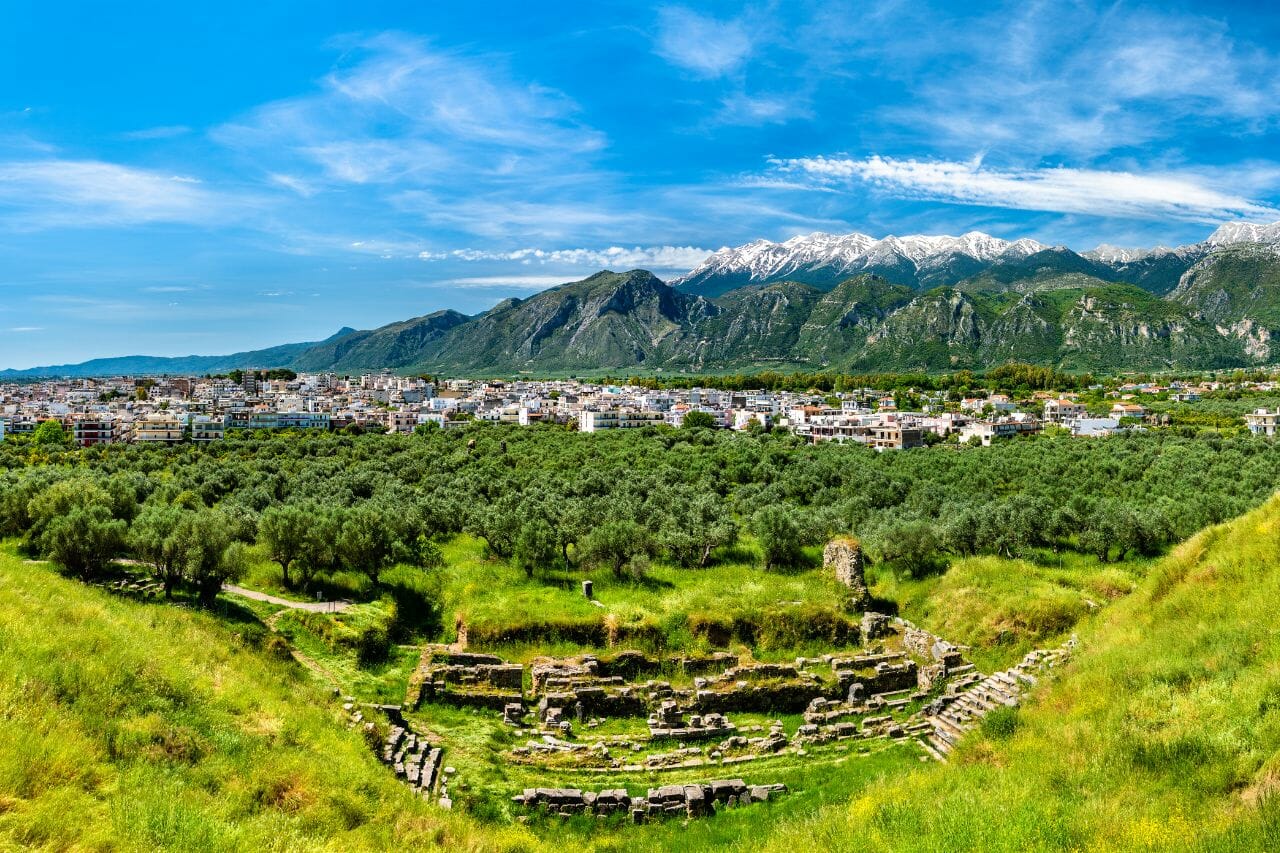
Troy and Sparta were two famous cities in ancient Greek but the difference is that Troy was a famous city in mythology while Sparta was a famous city in Greece. Troy was the setting of the great Greek mythology war, the Trojan war, fought between the Greeks and the Trojans. Sparta on the other hand was a famous military power in ancient Greece. Both these cities have immense importance in the Greek culture and heritage.
According to geography, Troy would have been present at the place of present-day Anatolia, Turkey and Sparta would have been present in south-eastern Peloponnese. UNESCO named the remains of Troy found in Anatolia, Turkey as a UNESCO World Heritage site. Here we come to the end of the article of comparison between Troy and Sparta.