Why Is Oedipus a Tragic Hero? An Analysis of Oedipus’s Character
Oedipus’ tragic flaw, his great leadership qualities, and the punishment he suffers are some of the most discussed themes in literature. In this article, you’ll find out who Oedipus is, what his tragic flaw is, and how it leads to his downfall.
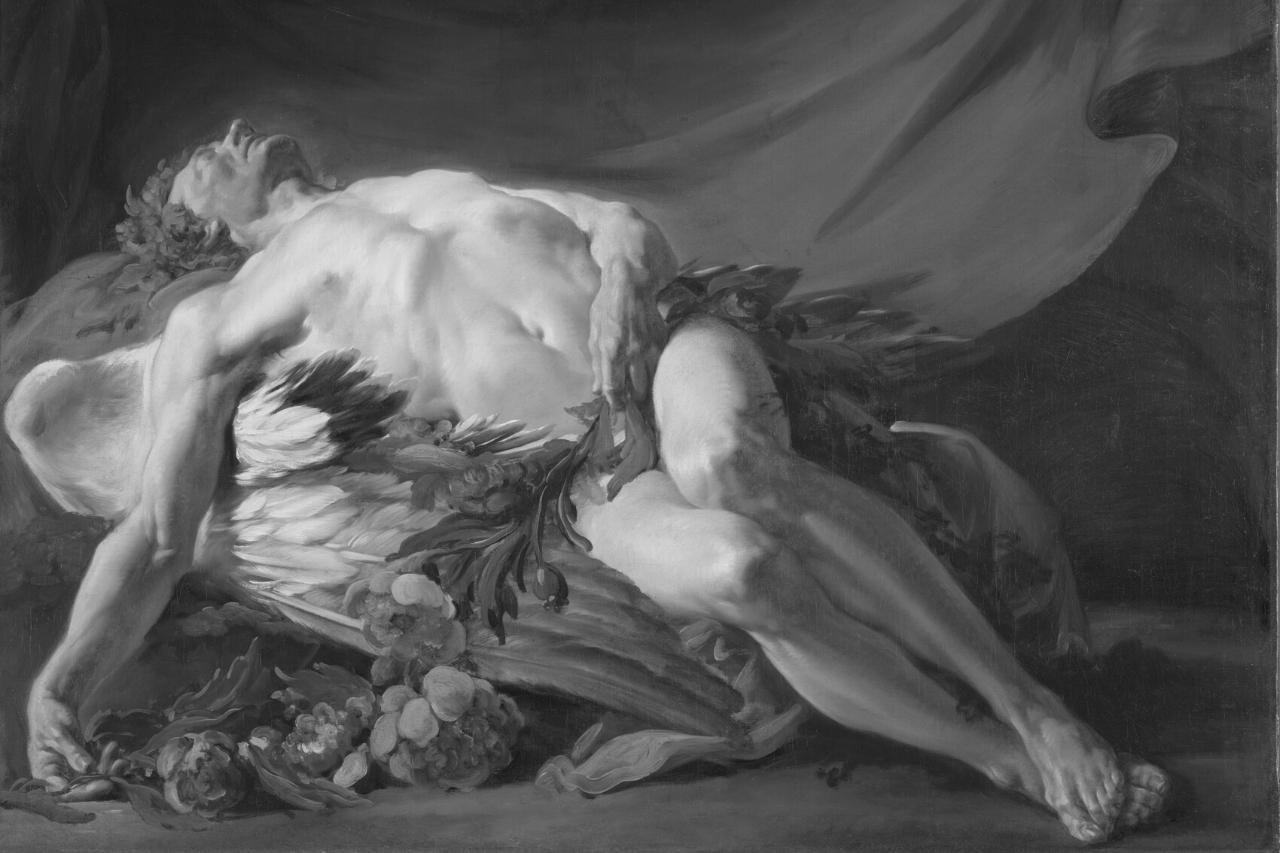
Born to Laius, the King of Thebes, Oedipus saved the land from a devastating plague by solving a difficult riddle, leading many to ask – why is Oedipus a tragic hero?
Get your reading glasses as we’re about to embark on an interesting journey.
Why Is Oedipus a Tragic Hero?
In the play, Oedipus Rex by Sophocles, the main character Oedipus is considered an ideal tragic hero because he ticks all the boxes. According to the Greek philosopher and dramatist Aristotle, a hero must have some good qualities that endear him to the audience.
In addition, the tragic hero must be of high social standing, preferably a king or a nobleman. The hero must also possess tragic flaws that will ultimately lead to their downfall and elicit emotions of pity in the audience.
Considering all the characteristics above, we can safely conclude that Oedipus was a tragic hero. He was a nobleman of noble birth, his love for his people led him to save them and he had a tragic flaw that culminated in his death.
What Are the Characteristics That Make Oedipus a Tragic Hero?
Now that we’ve established why the main character in the play Oedipus Rex is a tragic hero, let’s consider some of his specific characteristics.
Oedipus Came From a Background of Nobility
As Aristotle described, the hero of a tragic play had to come from a noble background. Thus, in the play, Oedipus Rex, the author places the main character as the prince of the city of Thebes. Several events land Oedipus in the palace of the King and Queen of Corinth. Oedipus, therefore, grows up as the Prince of Corinth, once again cementing his status as a royal.
Once Oedipus discovers he is cursed, hence he leaves Corinth and ends up at Thebes where the citizens are being terrorized by a Sphinx. The Sphinx had placed a great plague on the city and dared the citizens to solve its riddle to curb the disaster.
Many men attempted to unravel the mystery behind the riddle to no avail until our tragic hero, Oedipus, showed up. He succeeds in solving the puzzle and is made king of Thebes – once again making him a nobleman.
Oedipus Was a Man of Strong Morals
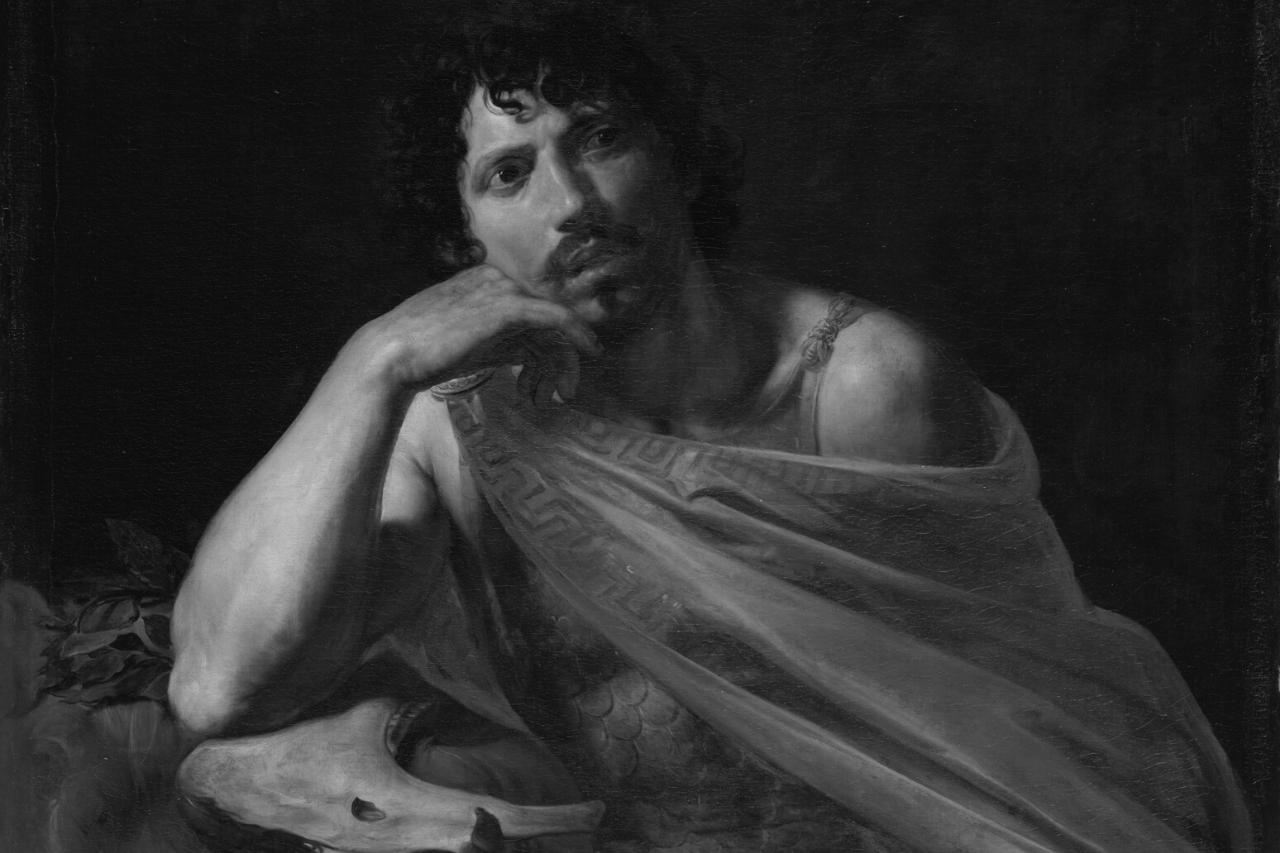
According to Aristotle, the hero must possess and display the highest form of morality to court the affection of the audience while making a tragic mistake while eliciting the audience’s pity.
In Oedipus Rex, Oedipus displays a high sense of morality when he flees the palace of Corinth after learning that he’ll kill his father and marry his mother.
Moreover, he shows a sense of selflessness when he chooses to face the Sphinx and answer its riddle knowing very well it could lead to his death. He could have simply walked on to the next city and avoided both the Sphinx and the plague of Thebes. His selfless sacrifice endears him to the audience who see him as a virtuous man whose character is worthy of emulation.
Oedipus Has an Innate Flaw That Led to His Downfall
Oedipus did have character flaws that caused him to suffer — his hubris (pride) and anger. According to Aristotle, a tragic hero also had to possess an innate flaw that would cause his tragic downfall, and in Oedipus’ case, which was his anger. In the story Oedipus Rex, Oedipus first encounters his biological father, King Laius, when he fled from Corinth. Though he was initially courteous towards the king, the king refused to return the courtesy.
This angers Oedipus who deals a heavy blow to King Laius, resulting in his death. Oedipus’ hot temper comes to the fore once again when he meets with Tiresias – the old blind seer of Thebes.
After Tiresias explains the prophecy to Oedipus, the latter becomes angry and accuses Tiresias of conspiring to kill Laius, the former king of Thebes. He insults the seer for his blindness and the seer retorts by hinting that Oedipus will suffer the same blindness.
Though he was moral enough to flee the palace after the gods prophesied his patricide and incest, it was prideful of him to disobey the gods. To prevent him from fulfilling the prophecy, the gods advised that he stayed with his mother and father.
What Oedipus did not know was that both Polybus and Merope adopted him as a baby and were not his biological parents. Nonetheless, if had he been humble enough to accept the solution from the oracle he would have avoided the shame that befell him.
Oedipus’s Innate Flaw Evokes Emotions of Pity
Just as in the book Julius Caesar, Oedipus’s pride and anger lead to his downfall which evokes pity in the audience. When Oedipus finally learns that he has fulfilled the prophecy of killing his father and marrying his mother, he inflicts blindness on himself. The audience feels that there is nothing Oedipus could do to save himself and this is why.
First, he grew up believing that he was the son of Polybus and Merope and wanted to do anything to protect them including running away from Corinth. However, this selfless move by Oedipus rather drew him closer to fulfilling the prophecy. If he had known that Polybus and Merope were his foster parents, probably he may have stayed in Corinth.
Secondly, King Laius (Oedipus’s biological father) addressed him rudely when they first met through Oedipus was respectful towards him. Oedipus could have controlled his anger and spared Laius’s life had he known that Laius was his father.
Instead, Laius’ disrespect towards Oedipus resulted in his own death, after all, Oedipus wouldn’t have killed Laius if he had not disrespected him. Therefore, instead of the audience feeling a sense of anger at Oedipus’ mistakes, they rather sympathize with him.
FAQ
Why Is Oedipus a Tragic Hero?
Oedipus is a tragic hero because he was a man of nobility who had admirable moral values and a fatal flaw that resulted in his ultimate downfall. This fulfills all the characteristics that describe a tragic character.
What Are the Features of Oedipus as a Tragic Hero?
The features that contribute to the ruin of Oedipus are his excessive pride and anger. If only he had humbly obeyed the gods and stayed put at Corinth the damnable prophecy wouldn’t come to pass. Had he been a tad more patient and exercised calm, his father wouldn’t have died by his hands.
Why Is Oedipus Not a Tragic Hero?
All scholars agree that Oedipus is a tragic hero based on the answers above.
Why Is Oedipus Rex Considered a Tragedy?
For a literary work to be added to the genre of tragedy, it must fulfill certain characteristics. These include a tragic hero who has a fatal flaw, a tragic plot that leads to the downfall of the main character, and a tragic setting that spices up the plot.
The story of Oedipus matches all these features because it has a tragic setting with a major character whose fatal mistakes lead to his own downfall.
Conclusion
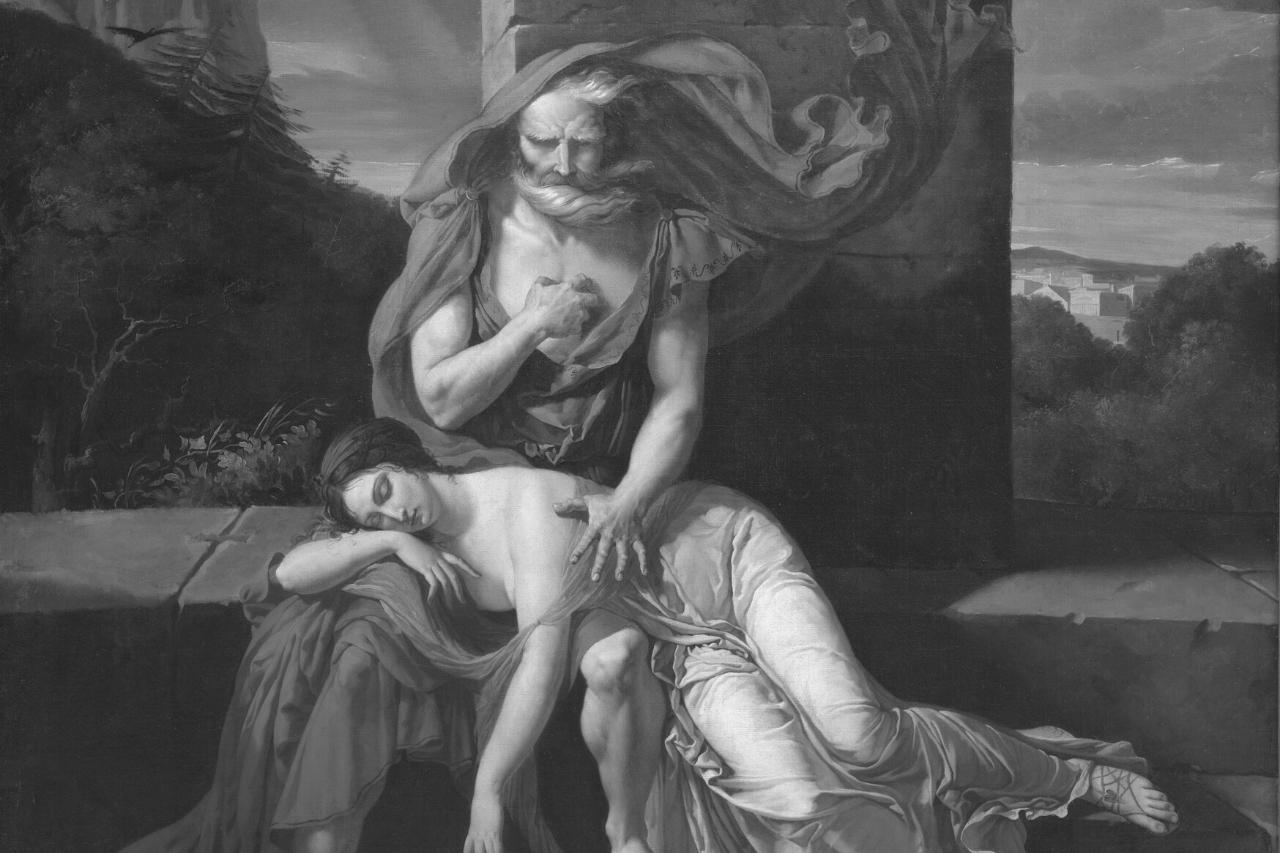
So far, we’ve covered why Oedipus is a tragic hero. Here’s a recap of what we’ve read:
Oedipus is a tragic hero because he was of noble birth and had major flaws in his character that led to his ruin which elicited an emotion of pity from the audience.
His flaws are his hot temperament and pride which ultimately leads him to fulfill the damnable prophecy.
The play is also considered a tragedy because it has a tragic plot, mood and setting and its main character possessed major character flaws that produce a tragic ending.
Oedipus could do little to prevent what the gods had already predicted. Every event was just aligned to make him fulfill the prophecy at his birth.