Timeless Myths Logo
Aphrodite Apollo Ares Artemis Athena Atlas Coeus Crius Cronus Demeter Dionysus Gaia Hades Hephaestus Hera Hermes Hestia Hyperion Iapetus Mnemosyne Oceanus Phobos Phoebe Poseidon Prometheus Rhea Tethys Themis Uranus Zeus
Bacchus Ceres Diana Juno Jupiter Mars Mercury Minerva Neptune Pluto Venus Vesta Vulcan
Amun Anubis Aten Atum Babi Bastet Bes Geb Hapi hathor heqet Horus Isis Khepri Khnum Khonsu Maat Nephthys Nut Osiris Ptah Ra Seshat Seth Shu Sobek Thoth
Alfheim Baldur Freya Freyr Frigg Heimdallr Helheim Idun Jotunheim Loki Nerthus Njord Odin Thor Tyr
Aengus Arawn Badb Brigid Cailleach Ceridwen Cernunnos Cu Chulainn Dagda Danu Gwydion Herne the Hunter Lugh Medb Morrigan Neit Nuada Taliesin Taranis
Chalchiuhtlicue Coatlicue Huitzilopochtli Mictlantecuhtli Mixcoatl Ometeotl Quetzalcoatl Tezcatlipoca Tlaloc Tonatiuh Xipe Totec Xochiquetzal Xolotl
Amaterasu Ame no Uzume Benzaiten Bishamonten Daikokuten Ebisu Fujin Fukurokuju Inari Izanagi Kagutsuchi Raijin Susanoo Tsukuyomi
Caishen Cangjie Dragon King Eight Immortals Erlang Shen Fuxi Guanyin Hou Yi Huxian Jade Emperor King Yama Leizi Lu-ban Mazu Nezha Nuwa Pangu Shennong Sun Wukong Xiwangmu Yue Lao Zhong Kui
Norse Classical Celtic Arthurian
Literature Stories Names
Aphrodite Apollo Ares Artemis Athena Atlas Coeus Crius Cronus Demeter Dionysus Gaia Hades Hephaestus Hera Hermes Hestia Hyperion Iapetus Mnemosyne Oceanus Phobos Phoebe Poseidon Prometheus Rhea Tethys Themis Uranus Zeus
Bacchus Ceres Diana Juno Jupiter Mars Mercury Minerva Neptune Pluto Venus Vesta Vulcan
Amun Anubis Aten Atum Babi Bastet Bes Geb Hapi hathor heqet Horus Isis Khepri Khnum Khonsu Maat Nephthys Nut Osiris Ptah Ra Seshat Seth Shu Sobek Thoth
Alfheim Baldur Freya Freyr Frigg Heimdallr Helheim Idun Jotunheim Loki Nerthus Njord Odin Thor Tyr
Aengus Arawn Badb Brigid Cailleach Ceridwen Cernunnos Cu Chulainn Dagda Danu Gwydion Herne the Hunter Lugh Medb Morrigan Neit Nuada Taliesin Taranis
Chalchiuhtlicue Coatlicue Huitzilopochtli Mictlantecuhtli Mixcoatl Ometeotl Quetzalcoatl Tezcatlipoca Tlaloc Tonatiuh Xipe Totec Xochiquetzal Xolotl
Amaterasu Ame no Uzume Benzaiten Bishamonten Daikokuten Ebisu Fujin Fukurokuju Inari Izanagi Kagutsuchi Raijin Susanoo Tsukuyomi
Caishen Cangjie Dragon King Eight Immortals Erlang Shen Fuxi Guanyin Hou Yi Huxian Jade Emperor King Yama Leizi Lu-ban Mazu Nezha Nuwa Pangu Shennong Sun Wukong Xiwangmu Yue Lao Zhong Kui
Norse Classical Celtic Arthurian
Literature Stories Names

Catharsis in Oedipus Rex: How Fear and Pity Are Evoked in the Audience

greek-mythology

Catharsis in Oedipus Rex is the events in the tragic story that release emotions of fear and pity – fear of what may befall the tragic hero and pity for the punishment they will suffer.

In the story, there are several instances of catharsis that are worth noting and this article will take a look at them.

These events are critical in driving the plot of the tragedy and contribute greatly to its unique resolution. Keep reading as we discover some of the instances of catharsis in Oedipus the King by Sophocles.

Instances of Catharsis in Oedipus Rex

There were different instances that lead to a cathartic moment of the audience in Oedipus Rex, and below are the instances explained:

The Plague in the Land of Thebes

The first event that elicits emotions of fear and pity is found in the prologue where the people of Thebes suffer from a plague. There is death in the land as the story begins. The Priest of the land describes the death of young children, even those in the womb, as well as adults.

This elicits pity for the suffering people of Thebes and at the same time, the audience fears for the future of the city if the plague is not curbed. Oedipus himself expresses sympathy for the agonizing pain of the Thebans when he confesses that his heart bleeds for the suffering Thebans.

The Chorus also joins in the fray when they sing one of the most popular catharsis in Oedipus Rex quotes "with fear my heart is riven, fear of what shall be told. Fear upon us." However, when Oedipus resolves to bring an end to the curse and suffering by finding its cause, it produces some sense of relief. This is short-lived as Oedipus pronounces curses on the culprit and fearfully describes the fate of the murderer.
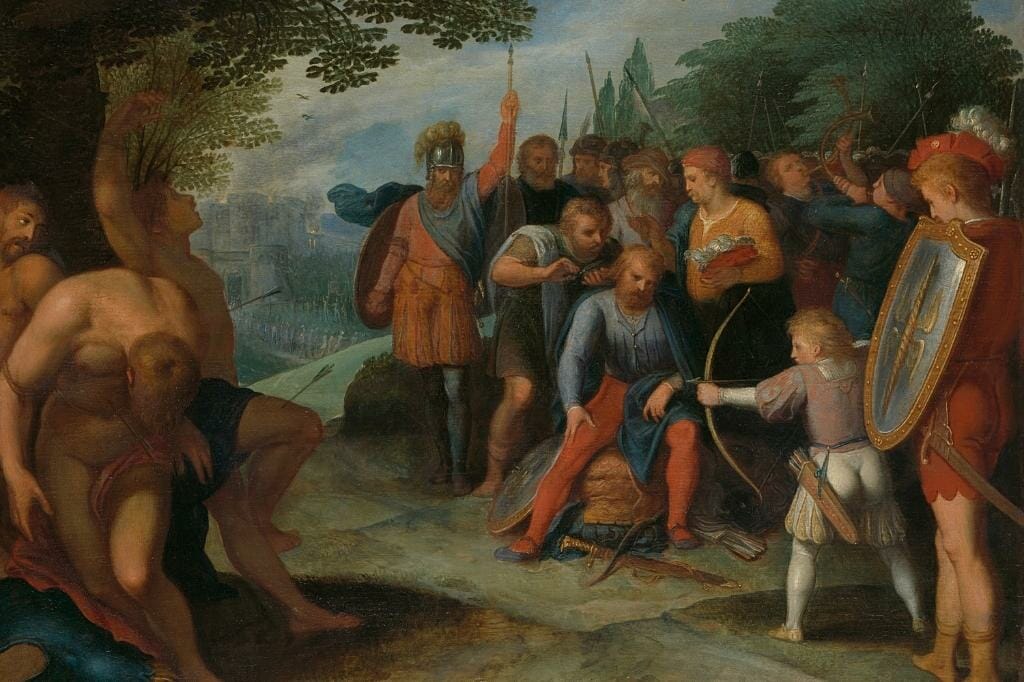
Catharsis in Oedipus Rex – the tragic events that evoke fear and pity

Oedipus's Confrontation With Tiresias

The next event is the scene that portrays the fierce confrontation between Oedipus and Tiresias, the blind seer. Everyone fears for Tiresias as he is shouted at and shoved by the hot-tempered Oedipus.

This forces Tiresias to blurt out, "Husband of the woman who bore him, father-killer and father-supplanter" publicly exposing Oedipus as the murderer. The audience begins to fear for Oedipus and feel pity for what may happen if what the seer is saying is true.

Oedipus's confrontation with Tiresias – a pivotal cathartic moment

Oedipus's Confrontation With Creon

Initially, there is fear when Oedipus pronounces death on Creon and given the kind of temperament that he has the audience fears for Creon's life. However, that quickly dissipates as Oedipus withdraws his death threats.

The fear is elicited again when Jocasta informs Oedipus that Laius was killed at the place where the three paths meet. Oedipus remembers that he too killed someone in the same vicinity and suddenly fear strikes him.

He remembers the curse about him and recounts it to Jocasta who brushes it off and tells him that not all prophecies come to pass. In an attempt to calm him down, Jocasta narrates how the gods prophesied that King Laius would be killed by his own child — a prophecy that failed to materialize.

The Song of the Chorus

Oedipus becomes calm but the Chorus rebukes the proud tyrant which once again evokes fear and pity in the audience. This contribution gives subtle hints that Oedipus may be guilty of what he's accusing others.

The Chorus contributes significantly to the play by giving information that the other characters can't relate to the audience. Therefore, their rebuke of Oedipus indicates that he may have fulfilled the prophecy through his actions and decisions.

Oedipus and Jocasta Realize the Curse Has Been Fulfilled

After the Chorus rebukes Oedipus, the tension in the plot subsides until the messenger arrives from Corinth. Initially, the messenger's revelation of the death of King Polybus and Queen Merope of Corinth excites Oedipus.

The fear, however, thickens when the messenger reveals that Oedipus was not the biological son of the King and Queen of Corinth, a moment of peripeteia in Oedipus Rex.

At the moment Jocasta discovers that the prophecy has come to pass and warns Oedipus not to pursue the issue any longer which is a moment of anagnorisis in Oedipus Rex.

However, Oedipus' pride and stubbornness (also known as hamartia in Oedipus Rex) will not allow him to see reason and he keeps probing further. The catharsis comes to its climax when Oedipus realizes that he has killed his father and married his mother just as the oracle predicted.

The audience then fears what he might do to himself now that he has seen the truth. At the same time, they feel pity that though he tried severally to avoid the damnable curse, his actions were not enough to stop the catastrophe in Oedipus Rex from occurring.
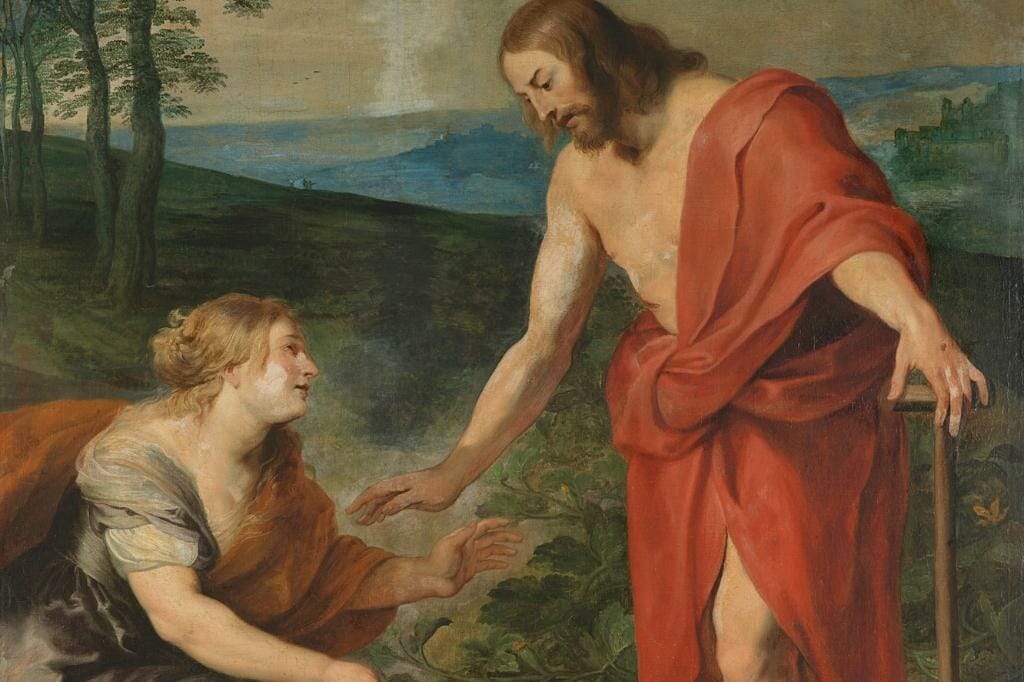
Oedipus and Jocasta realize the curse has been fulfilled

Frequently Asked Questions

How Does Oedipus Create a Feeling of Catharsis in Oedipus Rex?

Oedipus achieves catharsis by blinding himself when he discovers that he has fulfilled the fate that he was avoiding. This moves the audience to feel pity and fear for him.

What Is An Example of Catharsis in a Story?

Catharsis occurs in the story Romeo and Juliet when the two sworn lovers commit suicide because their families will not allow their union. This moves the audience to tears as they feel pity for the couple. When the two families finally make peace, the audience feels a sense of relief and resolution.

Why Is Catharsis an Important Element in a Greek Tragedy?

Catharsis is needed to bring the audience to heightened emotional tension and then release the tension by bringing them to a resolution.

Conclusion

We've been looking at how the writer of Oedipus the King achieved catharsis through the use of a complex plot.

Here is a summary of what we've studied so far:

  • One instance of catharsis is at the beginning of the play when death befalls the people of Thebes and Oedipus comes to their rescue.

  • Another example is Oedipus' confrontation with Tiresias who finally called Oedipus the murderer and hints that the prophecy has come to pass.

  • Oedipus' confrontation with Creon is also a brief moment that evokes fear in the audience — the fear of what Oedipus will do to Creon.

  • Since the Chorus' role is to reveal information and give hints, the audience is moved to fear and pity when the Chorus rebukes Oedipus for his tyranny.

  • Finally, Jocasta's death and Oedipus' blindness move the audience to feel pity for the son who killed his father and married his mother.

The story of Oedipus the King is an example of a classical Greek tragedy that entertains the audience by heightening their emotions and bringing them to a calm resolution at the end.

By Ancient Literature

Created: February 15th, 2024

Modified: January 12th, 2025

Oedipus Rex

Oedipus Rex

(Tragedy, Greek, c. 429 BCE, 1,530 lines)Introduction – Oedipus Story “Oedipus the King” (Gr: “Oidipous Tyrannos”; Lat: “Oedipus Rex”) is a tragedy by the ancient Greek playwright Sophocles, first performed in about 429 BCE. It was the second of S...

January 1st, 2025 • Ancient Literature
Why Is Oedipus a Tragic Hero? An Analysis of Oedipus’s Character

Why Is Oedipus a Tragic Hero? An Analysis of Oedipus’s Character

Oedipus’ tragic flaw, his great leadership qualities, and the punishment he suffers are some of the most discussed themes in literature. In this article, you’ll find out who Oedipus is, what his tragic flaw is, and how it leads to his downfall. Bo...

April 3rd, 2022 • Timeless Myths
Catharsis in Antigone: How Emotions Moulded Literature

Catharsis in Antigone: How Emotions Moulded Literature

Catharsis in Antigone seems to be absent to the untrained eye, but as Aristotle says, "Catharsis is the aesthetic form of a tragedy," and nothing is more tragic than Antigone's journey. The various deaths we've witnessed in its prequel and the twi...

February 15th, 2024 • Ancient Literature
Why Is Oedipus a Tragic Hero? Hubris, Hamartia, and Happenstance

Why Is Oedipus a Tragic Hero? Hubris, Hamartia, and Happenstance

Before Oedipus, "tragic hero" meant very little as a literary device. Ever since Aristotle outlined the qualities of tragic drama, scholars continue to debate whether or not there was a true tragic hero in Oedipus Rex. Read this article to learn m...

February 17th, 2024 • Ancient Literature
Oedipus

Oedipus

Laïus (Laius or Laios; Λάιος) became the king of Thebes after the death of Amphion and Zethus. He married Jocasta (Ἰοκάστη; some authors call her Epicasta), daughter of Menoeceus and sister of Creon. Laius had at one time visited Pelops, king of P...

May 6th, 1999 • Jimmy Joe
Oedipus at Colonus

Oedipus at Colonus

Oedipus at Colonus (Gr: Oidipous epi Kolono or Oedipus epi Kotonoi; Lat: Oedipus Coloneus) is a tragedy by the ancient Greek playwright Sophocles. It is Sophocles' last surviving play, written shortly before his death in 406 BCE, and the last writ...

October 24th, 2024 • Timeless Myths
When did Oedipus Kill his Father – Find it out

When did Oedipus Kill his Father – Find it out

The literal answer is that the event took place in the second play of the trilogy, Oedipus Rex. There are debates, however, over the exact timeline. The murder is never recounted in real-time in the play. It is only referred to by various characte...

January 11th, 2022 • Ancient Literature
Why Does Oedipus Leave Corinth? The Reasons Oedipus Abandons His Home

Why Does Oedipus Leave Corinth? The Reasons Oedipus Abandons His Home

Why does Oedipus leave Corinth in Oedipus Rex? He left to escape a prophecy, but the answer doesn’t become clear to the audience until the story is well underway. Oedipus eventually leaves Corinth after he was called a bastard by one of the guests...

January 11th, 2022 • Timeless Myths
Sophocles

Sophocles

(Tragic Playwright, Greek, c. 496 – c. 406 BCE)Introduction Sophocles (Sophokles) was the second of the three great ancient Greek tragedians (after Aeschylus and before Euripides) whose work has survived. Only seven of his 123 plays have survived ...

January 1st, 2025 • Ancient Literature
Oedipus Rex Themes: Timeless Concepts for Audiences Then and Now

Oedipus Rex Themes: Timeless Concepts for Audiences Then and Now

The story of Oedipus was well-known to Greek audiences: the king who unwittingly fulfilled a prophecy while trying to escape it. The earliest recorded account of his story appears in Homer's The Odyssey in the Eighth Century BCE. In Book 11 of the...

February 16th, 2024 • Ancient Literature
Timeless Myths

Exploring mythology and legends from around the world.

Explore Myths

All Stories Characters All Articles Search Site Map

Mythologies

Norse Mythology Classical Mythology Celtic Mythology Arthurian Legends Mythology Gods Ancient Literature

About Us

Introduction About Jimmy Bibliography FAQs Retro Version

Resources

Timeless Myths All Stories All Articles Characters
© 1999-2026 Timeless Myths • Copyright • Privacy Policy • Cookie Policy • Contact
Follow us: