Catharsis in Antigone: How Emotions Moulded Literature
Catharsis in Antigone seems to be absent to the untrained eye, but as Aristotle says, "Catharsis is the aesthetic form of a tragedy," and nothing is more tragic than Antigone's journey. The various deaths we've witnessed in its prequel and the twists and turns have left us all curious about the third installment of the Sophoclean classic.
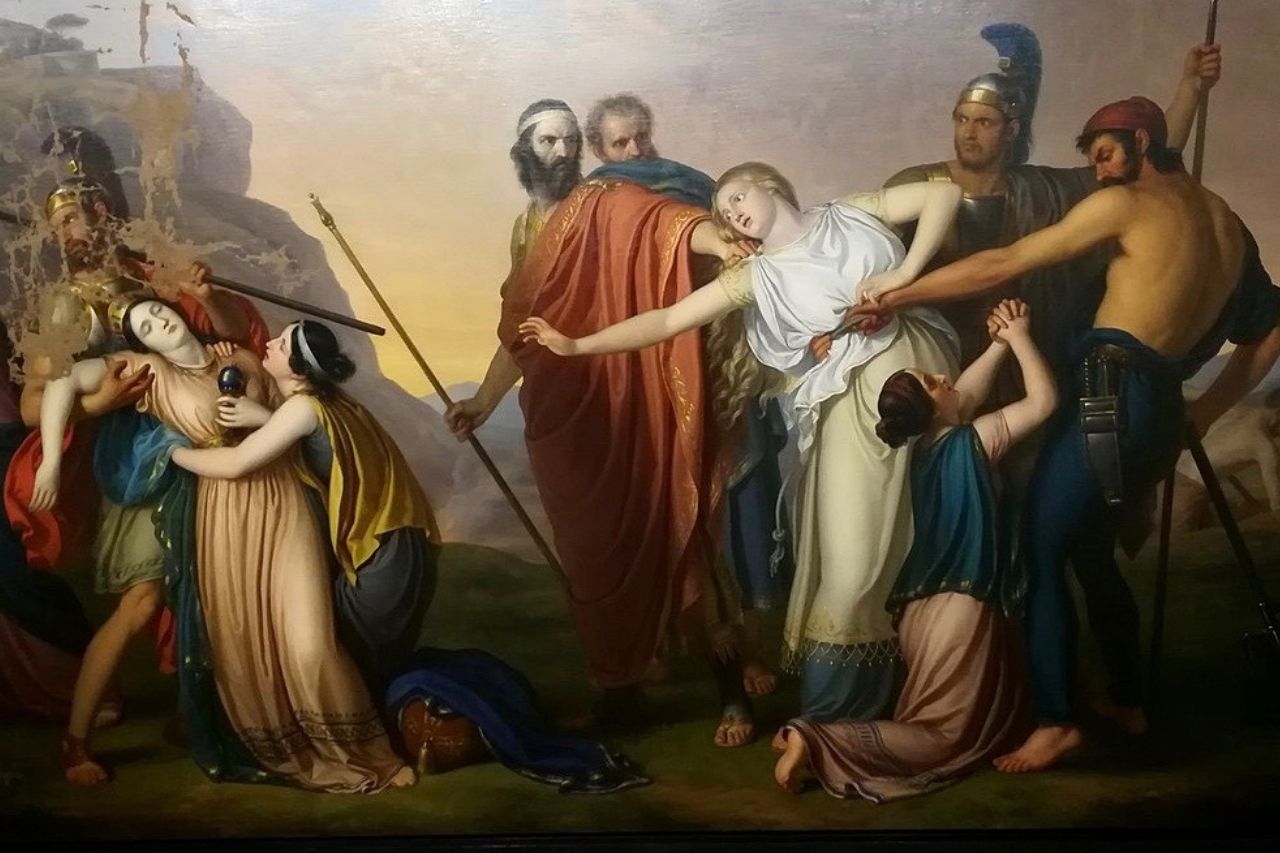
Catharsis in Antigone - exploring emotions in Greek tragedy
Catharsis in Greek Tragedy
Catharsis, also known as the purification or purgation of emotion, is an adjective used by Aristotle to describe how tragedies invoke intense emotion within the viewers. Founded by the Greeks, tragedies are made to stir one's feelings, arousing terror or pity, leaving the audience with nothing but relief once the intensity of the playwright's work is finished.
Its purpose? To cleanse one's soul in order to make room for self-realization. But how does this affect Sophocles' tale? In his classic, Antigone, our heroine's story is riddled with tragedy, but we must go over the play to further grasp and understand this.
Other ancient Greek dramas with catharsis include Oedipus Rex, the prequel to Antigone, and Shakespeare's classic Romeo and Juliet.
Antigone
From the very start of the play, Sophocles' tale is riddled with death. The story begins with the death of Antigone's younger brothers, who'd fought over the throne and caused a war that inevitably ended in the young men's demise. King Creon, who took over the throne, refused the burial of one of Antigone's brothers, Polyneices.
He was dubbed a traitor for waging war in the home he was so bitterly sent away from. Antigone, a devout believer in Divine law, disagrees with this. She brings out her frustration to her sister, Ismene, who refuses to help Antigone's liaison for fear of dying. Antigone decides to bury their brother without Ismene's help and is caught by the palace guards who take her to Creon.
Once captured, Creon sentences Antigone to entombment to await her death. Upon hearing this, Ismene begs Creon to allow the sisters to share the same fate. Antigone refutes this and begs Ismene to live.
Haemon, Antigone's lover, marches up to his father, Creon, to demand Antigone's freedom but is refused before he could even defend her honor. He decides to rush to the cave and free her himself but was too late when he found Antigone's body hanging from the ceiling. Distraught and in grief, he decides to follow her to the afterlife. Swearing fealty to no one but her, he takes his life to join Antigone. His death triggers his already grieving mother, driving her further into insanity, and kills herself as well—their death seemingly a form of punishment for Creon and his hubris.
Examples of Catharsis in Antigone
Antigone's central conflict revolves around Divine vs. Mortal law, in which she and Creon cannot agree. She wants to bury her brother, not because of familial duties but because of divine devotion. On the other hand, Creon prevents Polyneices' burial for the sole reason that he is king, and the events that follow are consequences of both Creon's and Antigone's actions. Their actions, decisions, and characteristics lead them to their downfalls and tragedies; one in death and one in loneliness.
Antigone's Catharsis
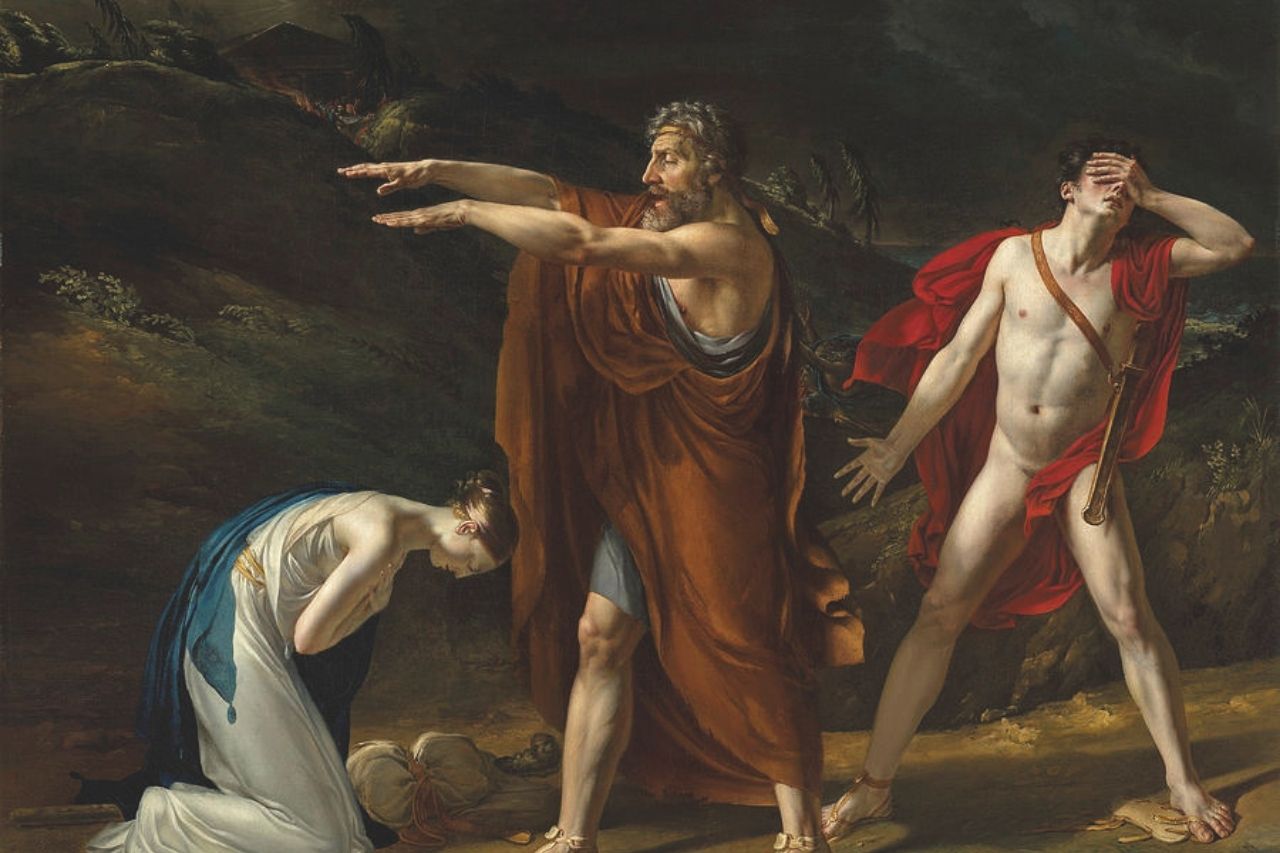
Catharsis in Greek tragedy - the purification of emotions
The first catharsis we witness is the burial of Polyneices' body. The audience is on the edge of our seats, waiting and anticipating the events to follow. The thought of Antigone getting caught raises our anxieties as we've been made aware of the punishment of Antigone's actions. We empathize with Antigone's emotions; her anxieties, determination, and fears bring us close to our edge.
When she is sentenced to entombment while we witness her downfall, the creeping realization of her actions comes to light, and we finally understand her determination to bury her brother. She wanted to bury Polyneices to join him and the rest of her family in the afterlife. She believed they'd all be together in death, awaiting their remaining sister, Ismene.
Antigone's headstrong persona doesn't leave much room for thought. She is resolute in her beliefs, and her only regret is leaving her sister, Ismene, behind. Despite her anger towards her sister for refusing to help, she softens up when she sees Ismene's tear-jerked face, begging to die with her. She could not allow her beloved sister to die for her actions. Her catharsis is different from that of the other characters. Her catharsis brought regret, and her self-realization is regret. She does not regret her actions to fight for justice but regrets leaving Ismene behind.
Ismene's Catharsis
We bear witness to Ismene's struggles, from her indecisive nature to her fear of death, all of these are entirely natural for a woman in her time. She is written as a submissive coward who tries to talk Antigone out of her heroic acts, but what we fail to notice is Ismene's gentle soul. From the prequel of Antigone, we know that Ismene is a sort of messenger, bringing news of their family to her father and sister. Ismene had lived a relatively stable life, only uprooting herself when pertinent information came to light.
Ismene's devotion to her family isn't as great as Antigone's, but she still affected her family immensely, especially for Antigone. She was adamant about helping Antigone due to the fear of death, but her fear wasn't of her death but her sister's. This is seen when Antigone had been caught. Right after Creon decrees Antigone's punishment, Ismene quickly rushes to share the blame but is refused by her sister. Ismene had lost her mother to suicide, father to lightning, brothers to war, and now she was losing her only living family member. Her catharsis stemmed from her lack of bravery, and now she had been left behind, fading into the background.
Creon's Catharsis
Oedipus' children were not the only characters who'd experienced tragedy, and we witness Creon's catharsis in Antigone as well. After the death of his son and wife, Eurydice, Creon is seen preaching his realizations. He recognizes his mistakes and falls under melancholy as he mutters, "Whatever I touch goes wrong…" Despite his best efforts to fix what he's broken, he still fell under God's punishments.
Creon mistakenly believed in persecution to form order, forcing the subjugation of his citizens. He refused to bury a body, going against the gods, hoping it would deter future treasons. We suddenly feel the emptiness he's fallen under and witness his fall from grace into the arms of the angel of death. We see the change in Creon, from a power-hungry tyrant forcing obedience to a solemn father and husband who lost his family. The catharsis of his tragedy allows his soul to be cleansed and made realizations hence instigating his change.
Conclusion
Now that we've talked about Catharsis in Greek tragedy, what it is, and its role in Antigone, let us go over the main points of this article:
Catharsis, also known as the purification or purgation of emotion, is an adjective used by Aristotle to describe how tragedies invoke intense emotion within the character and the playwright's audience; it gives way to self-realization and soul cleansing.
Sophocles' Antigone in its entirety is a tragedy filled with catharsis; from the very start, allusions have been made to the prequels, and their cathartic nature is evident.
The death of Antigone's brother to her father's fate, these events allude to their tragedies in the current setting of Antigone.
Various characters in Antigone undergo cathartic events that lead them to multiple realizations.
Antigone's catharsis and realization is regret, her regret for abandoning her beloved sister and eagerly running towards the rest of her family in the underworld.
Ismene's realization is that her cowardice, gentle soul, and lack of bravery have left her alone in the world, dealing with the deaths of her family, and in so, she is forgotten, by the audience and by her family, fading into the background.
Creon's catharsis is the loss of his remaining son and wife. He finally realizes his mistake after the punishment of the gods has been bestowed upon him. His hubris has deafened his ears to call off his people and the warnings of Tiresias, and so tragedy had befallen him.
Creon's change allowed the audience to empathize with his character, humanizing him and his mistakes and understanding that anyone can make mistakes.
Haemon's catharsis is losing his lover. His cathartic event leads him to follow her blindly into the underworld, swearing loyalty to her and only her.
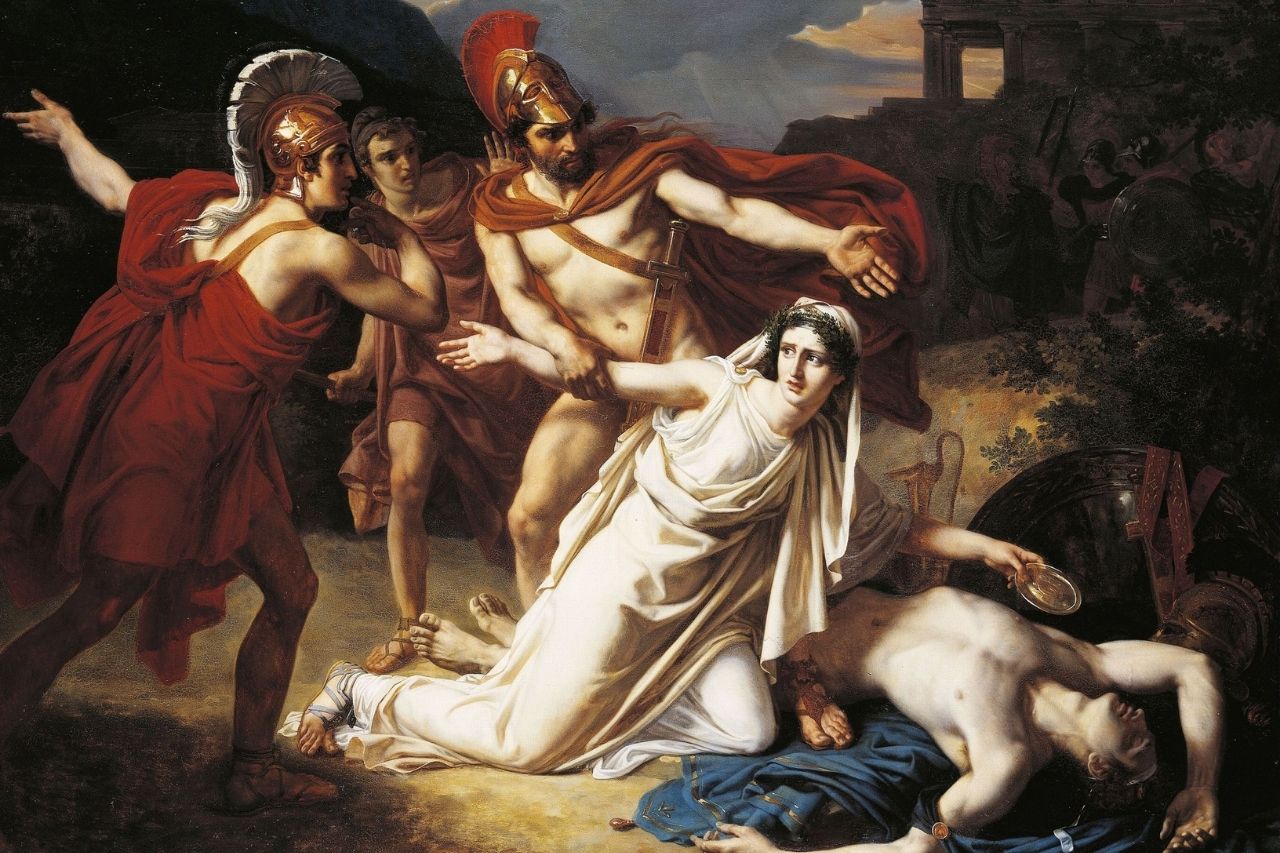
Examples of catharsis in Antigone - the emotional journey of the characters
In conclusion, catharsis is needed to create a deep impression in Greek tragedies. They invoke emotions within the audience that sometimes are too overwhelming to bear, making it the ancient Greek literature's signature. The feelings invoked from these tragedies allow long-lasting impressions which contribute to the empathetic nature of these classics.
They traverse through time, preserving emotions and poking at issues because they bring out the most profound feelings buried within us, giving the audience an unbreakable string tethered to our hearts. And there you have it! Catharsis in Antigone and the Emotions Invoked from tragedy.