Timeless Myths Logo
Aphrodite Apollo Ares Artemis Athena Atlas Coeus Crius Cronus Demeter Dionysus Gaia Hades Hephaestus Hera Hermes Hestia Hyperion Iapetus Mnemosyne Oceanus Phobos Phoebe Poseidon Prometheus Rhea Tethys Themis Uranus Zeus
Bacchus Ceres Diana Juno Jupiter Mars Mercury Minerva Neptune Pluto Venus Vesta Vulcan
Amun Anubis Aten Atum Babi Bastet Bes Geb Hapi hathor heqet Horus Isis Khepri Khnum Khonsu Maat Nephthys Nut Osiris Ptah Ra Seshat Seth Shu Sobek Thoth
Alfheim Baldur Freya Freyr Frigg Heimdallr Helheim Idun Jotunheim Loki Nerthus Njord Odin Thor Tyr
Aengus Arawn Badb Brigid Cailleach Ceridwen Cernunnos Cu Chulainn Dagda Danu Gwydion Herne the Hunter Lugh Medb Morrigan Neit Nuada Taliesin Taranis
Chalchiuhtlicue Coatlicue Huitzilopochtli Mictlantecuhtli Mixcoatl Ometeotl Quetzalcoatl Tezcatlipoca Tlaloc Tonatiuh Xipe Totec Xochiquetzal Xolotl
Amaterasu Ame no Uzume Benzaiten Bishamonten Daikokuten Ebisu Fujin Fukurokuju Inari Izanagi Kagutsuchi Raijin Susanoo Tsukuyomi
Caishen Cangjie Dragon King Eight Immortals Erlang Shen Fuxi Guanyin Hou Yi Huxian Jade Emperor King Yama Leizi Lu-ban Mazu Nezha Nuwa Pangu Shennong Sun Wukong Xiwangmu Yue Lao Zhong Kui
Norse Classical Celtic Arthurian
Literature Stories Names
Aphrodite Apollo Ares Artemis Athena Atlas Coeus Crius Cronus Demeter Dionysus Gaia Hades Hephaestus Hera Hermes Hestia Hyperion Iapetus Mnemosyne Oceanus Phobos Phoebe Poseidon Prometheus Rhea Tethys Themis Uranus Zeus
Bacchus Ceres Diana Juno Jupiter Mars Mercury Minerva Neptune Pluto Venus Vesta Vulcan
Amun Anubis Aten Atum Babi Bastet Bes Geb Hapi hathor heqet Horus Isis Khepri Khnum Khonsu Maat Nephthys Nut Osiris Ptah Ra Seshat Seth Shu Sobek Thoth
Alfheim Baldur Freya Freyr Frigg Heimdallr Helheim Idun Jotunheim Loki Nerthus Njord Odin Thor Tyr
Aengus Arawn Badb Brigid Cailleach Ceridwen Cernunnos Cu Chulainn Dagda Danu Gwydion Herne the Hunter Lugh Medb Morrigan Neit Nuada Taliesin Taranis
Chalchiuhtlicue Coatlicue Huitzilopochtli Mictlantecuhtli Mixcoatl Ometeotl Quetzalcoatl Tezcatlipoca Tlaloc Tonatiuh Xipe Totec Xochiquetzal Xolotl
Amaterasu Ame no Uzume Benzaiten Bishamonten Daikokuten Ebisu Fujin Fukurokuju Inari Izanagi Kagutsuchi Raijin Susanoo Tsukuyomi
Caishen Cangjie Dragon King Eight Immortals Erlang Shen Fuxi Guanyin Hou Yi Huxian Jade Emperor King Yama Leizi Lu-ban Mazu Nezha Nuwa Pangu Shennong Sun Wukong Xiwangmu Yue Lao Zhong Kui
Norse Classical Celtic Arthurian
Literature Stories Names

Hamartia in Antigone: The Tragic Flaw of Major Characters in the Play

Other

Hamartia in Antigone refers to the tragic flaw exhibited by Antigone and other characters that led to their ultimate demise at the end of the classical tragedy. In the play by Sophocles, Antigone's tragic flaw was her loyalty to her family, her pride and her unwillingness to allow the law to take its course which caused Antigone downfall.

She was a tragic figure who defied the King's orders and went ahead to bury her brother. This article will explore other instances of hamartia in the play and answer some popular questions based on Sophocles' Antigone.
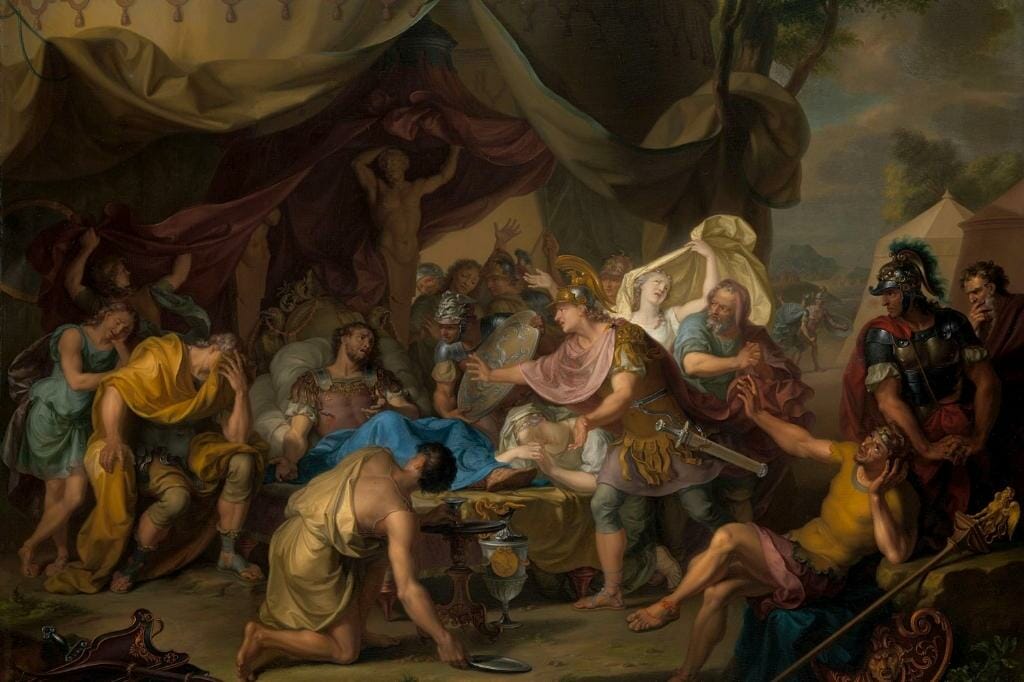
What is Hamartia in Antigone

Hamartia is a term coined by Aristotle that refers to a tragic flaw in a tragic hero that causes their downfall. It is a major component of a Greek tragedy and is characterized by hubris, also known as excessive pride.

In the story Antigone, the tragic heroes were both Antigone and Creon who allowed excessive pride and loyalty to cloud their sense of judgment. In Creon's case, he was so determined to restore order to Thebes after the conflicts so much that he exhibited hubris by refusing to temper justice with mercy. Therefore, King Creon was a tragic hero who ended up losing his son Haemon, who was deeply in love with Antigone.

According to Aristotle, a tragic hero must be of a noble background or high social status, must have high moral values and tragic flaws that result from their high morals and Creon perfectly fits all these criteria. His high moral values were on display when he ordered his own niece to be killed for breaking the law. Creon's tragic flaw, however, leads to his downfall by causing the death of his son Haemon and wife, Eurydice, an event that leads to anagnorisis in Antigone.
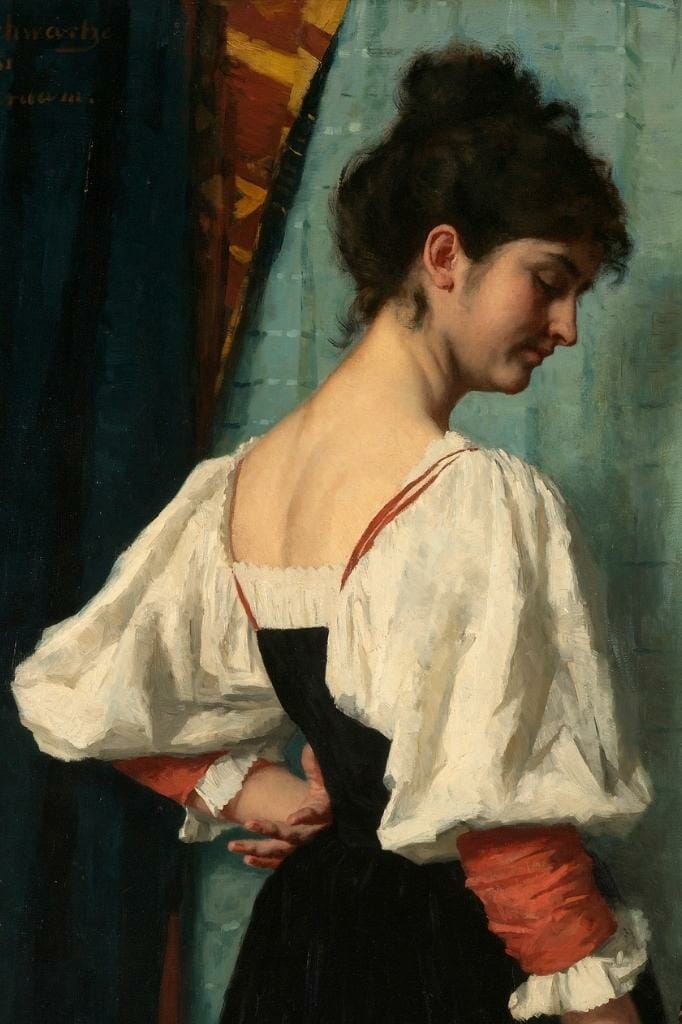
What Was Antigone's Hamartia That Leads to Her Death?

The hubris in Antigone and her loyalty to her family were what led to her tragic death. Antigone felt that her brother, Polyneices, deserved a decent burial regardless of the crime he had committed. Creon had decreed death on whoever attempted to bury Polyneices and had set guards to keep watch over the decaying body, this was not enough to dissuade Antigone. Antigone may have thought about and lived in the constant fear of death but her loyalty to giving her brother a decent burial outweighed her fears.

Antigone was loyal to the gods because the ancient Greek society required that the dead should be given a proper burial to enable their souls to pass on to the afterlife. Refusal to give a proper burial only meant that the soul would wander forever without rest. Deciding against burying a corpse was an offense against both the gods and the corpse and Antigone did not want to be guilty of any. Therefore, she did what custom demanded even in the face of imminent death.

Antigone's loyalty towards the gods and her brother was stronger than her love for both Ismene, her sister and Haemon, her lover.

Haemon was deeply in love with her and did everything in his power to defend her honor and to keep her alive but Antigone did little to reciprocate such love and loyalty.

Ismene, on the other hand, wanted to die with her sister though Antigone advised Antigone against it. Antigone did not return that loyalty when she failed to reason with her sister instead chose to honor her brother and the gods which led to her demise.
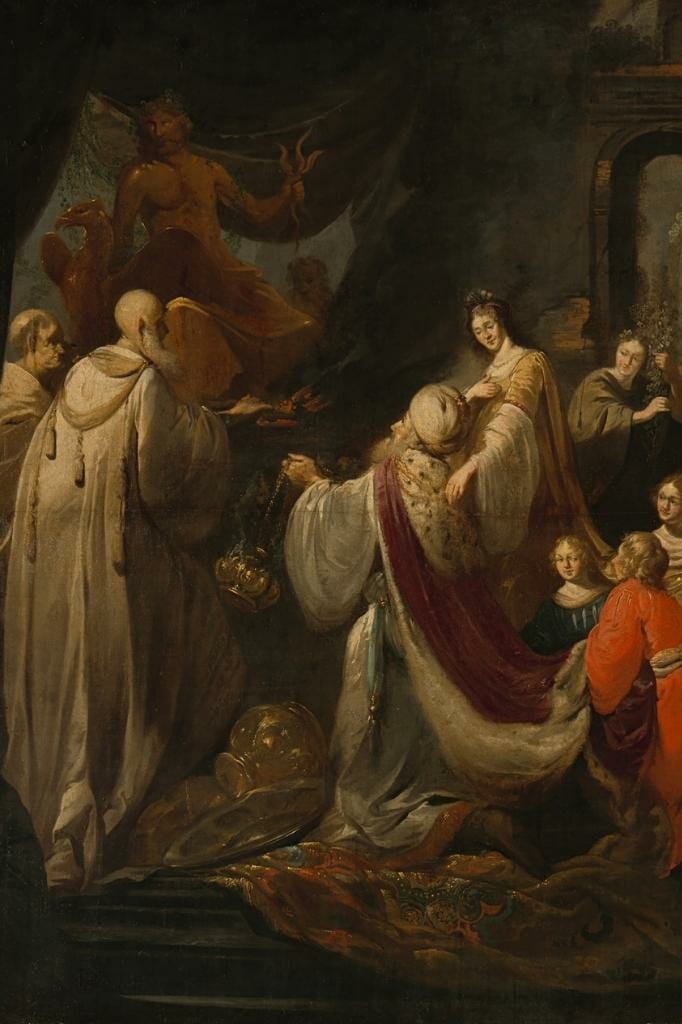
The Hamartia of Haemon and His Tragic Demise

In the character analysis of Haemon, we can conclude that he also fits the label of a tragic hero in Antigone whose hamartia caused his destruction. First, he was from a noble background and had a character flaw that was admirable but ultimately cost him his life. As already mentioned, Haemon's character flaw was his extreme loyalty to Antigone without considering the feelings of his father. In the story Oedipus Rex, Antigone's father, Oedipus, was cursed and the curse followed his children.

However, Haemon, who was under no curse decided to suffer the same fate as Antigone and die with her. When Antigone was placed in the tomb to be buried alive, Haemon sneaked into the tomb without notice. Antigone had hanged herself in the tomb and Haemon, on seeing her lifeless body, killed himself. Haemon would have lived had he not developed a blind loyalty to a character who was determined to die. His death brought tragedy to his father Creon.

FAQ

What is Hamartia in the Play Antigone?

It is a fatal flaw that is not bad in itself but causes the downfall of characters such as Antigone, Creon and Haemon. Antigone's hamartia is her loyalty toward her brother and the gods, Creon's fatal mistake was his loyalty towards restoring order to Thebes and Haemon's hamartia was his loyalty to Antigone.

Who Is the Tragic Hero of Antigone, Creon or Antigone?

Many scholars consider both characters as heroes but Creon is the main one since it was he who introduced laws that caused his and Antigone's downfall. Though hamartia in Antigone Creon led to their downfall, Antigone's demise was a result of Creon's stubbornness.

If Creon hadn't made those decrees or at least soften them, both characters wouldn't have suffered in the end. One of the most memorable Antigone Hamartia quotes was made by Creon when he said, "Mistakes by a foolish mind, cruel mistakes that bring on death." This was a moment of epiphany in Antigone when Creon mourns the deaths of his wife and son.

What is an Example of Catharsis in Antigone?

In an Antigone essay, you can cite an Antigone catharsis by referring to when Creon loses his wife, Eurydice and his son, Haemon. After their deaths, he realizes the error of his ways which moves the crowd to feel fear and pity for him.

Conclusion

So far, we've studied how Antigone and Creon's fatal mistakes led to their downfall.

Here is a recap of what we discussed:

  • Antigone's tragic flaw was her stubbornness and loyalty to both the gods and her brother which resulted in her death.

  • Creon's fatal flaw was his insistence on returning law and order to Thebes which led to the death of his wife and son.

  • Haemon's loyalty to his love was his hamartia which led to his destruction.

The story of Antigone teaches us to be wary of our decisions for what might be a noble cause might end up hurting us and those around us.

By Ancient Literature

Created: February 16th, 2024

Modified: December 28th, 2024

Antigone's Tragic Flaw and the Curse of Her Family

Antigone's Tragic Flaw and the Curse of Her Family

Oedipus Rex The tragic life of Oedipus and his family are summarized in the following: Queen Jocasta of Thebes gives birth to a son An oracle warns them of a vision where the son will eventually kill his father, King Laius In fear, the king sends ...

February 15th, 2024 • Ancient Literature
Hubris in Antigone: Sin of Pride

Hubris in Antigone: Sin of Pride

Hubris in Antigone is vigorously portrayed by both the protagonist and the antagonist in the Sophoclean play. From a healthy dose of pride to irrational hubris, our main characters illustrate obstinate behaviors as we venture off deeper into the G...

February 16th, 2024 • Ancient Literature
Irony in Antigone: Death by Irony

Irony in Antigone: Death by Irony

Irony in Antigone is written to build up anticipation and give interest to the characters of the plot. It creates a certain depth and richness to the play and gives the audiences a form of entertainment without deviating from the themes of the Gre...

February 16th, 2024 • Ancient Literature
Symbolism in Antigone: The Use of Imagery and Motifs in the Play

Symbolism in Antigone: The Use of Imagery and Motifs in the Play

Sophocles used symbolism in Antigone to carry out deeper messages that were not obvious to the audience. These symbols gave weight to the play and added more dramatic elements to the story by expressing complex ideas in simple images, metaphors an...

February 16th, 2024 • Ancient Literature
What Is The Tragic Flaw Of Oedipus

What Is The Tragic Flaw Of Oedipus

An oracle informs Laius of Delphi that he can only save the city of Thebes from certain destruction if he never fathers a child. The prophecy further predicts that if he fathers a son, the boy will murder him and take his wife for his own. Laius t...

February 16th, 2024 • Ancient Literature
Catharsis in Antigone: How Emotions Moulded Literature

Catharsis in Antigone: How Emotions Moulded Literature

Catharsis in Antigone seems to be absent to the untrained eye, but as Aristotle says, "Catharsis is the aesthetic form of a tragedy," and nothing is more tragic than Antigone's journey. The various deaths we've witnessed in its prequel and the twi...

February 15th, 2024 • Ancient Literature
Who Is The Tragic Hero In Antigone? The King, Creon & Antigone

Who Is The Tragic Hero In Antigone? The King, Creon & Antigone

Creon is often mentioned as the tragic hero in Antigone, the third of the Theban plays. Is it possible, though, that an Antigone tragic hero essay could take another tack? Is it possible there is more than one tragic hero of Antigone? A tragic her...

February 16th, 2024 • Ancient Literature
Defying Creon: Antigone's Journey of Tragic Heroism

Defying Creon: Antigone's Journey of Tragic Heroism

By defying Creon, Antigone sealed her own fate, quite literally. But how did it come to that? How did the daughter of Oedipus end up sealed alive in a tomb, sentenced to death by her own uncle for the crime of burying her dead brother? It seems as...

February 16th, 2024 • Ancient Literature
Fate in Antigone: The Red String That Ties It

Fate in Antigone: The Red String That Ties It

Fate in Antigone has been running after our Heroine since the events of Oedipus Rex. Her family's curse goes back to her father and his transgressions. To further understand the irony of Antigone's Fate, let us go back to Oedipus Rex, where it all...

February 16th, 2024 • Ancient Literature
Hubris in the Iliad: The Characters That Displayed Immoderated Pride

Hubris in the Iliad: The Characters That Displayed Immoderated Pride

Hubris in the Iliad is an exposition of some characters in the poem who was excessively arrogant and the price they paid for their insolence. This extreme pride, also known as hamartia, is akin to challenging the authority and decrees of the deiti...

February 16th, 2024 • Ancient Literature
Timeless Myths

Exploring mythology and legends from around the world.

Explore Myths

All Stories Characters All Articles Search Site Map

Mythologies

Norse Mythology Classical Mythology Celtic Mythology Arthurian Legends Mythology Gods Ancient Literature

About Us

Introduction About Jimmy Bibliography FAQs Retro Version

Resources

Timeless Myths All Stories All Articles Characters
© 1999-2026 Timeless Myths • Copyright • Privacy Policy • Cookie Policy • Contact
Follow us: