Hubris in the Iliad: The Characters That Displayed Immoderated Pride
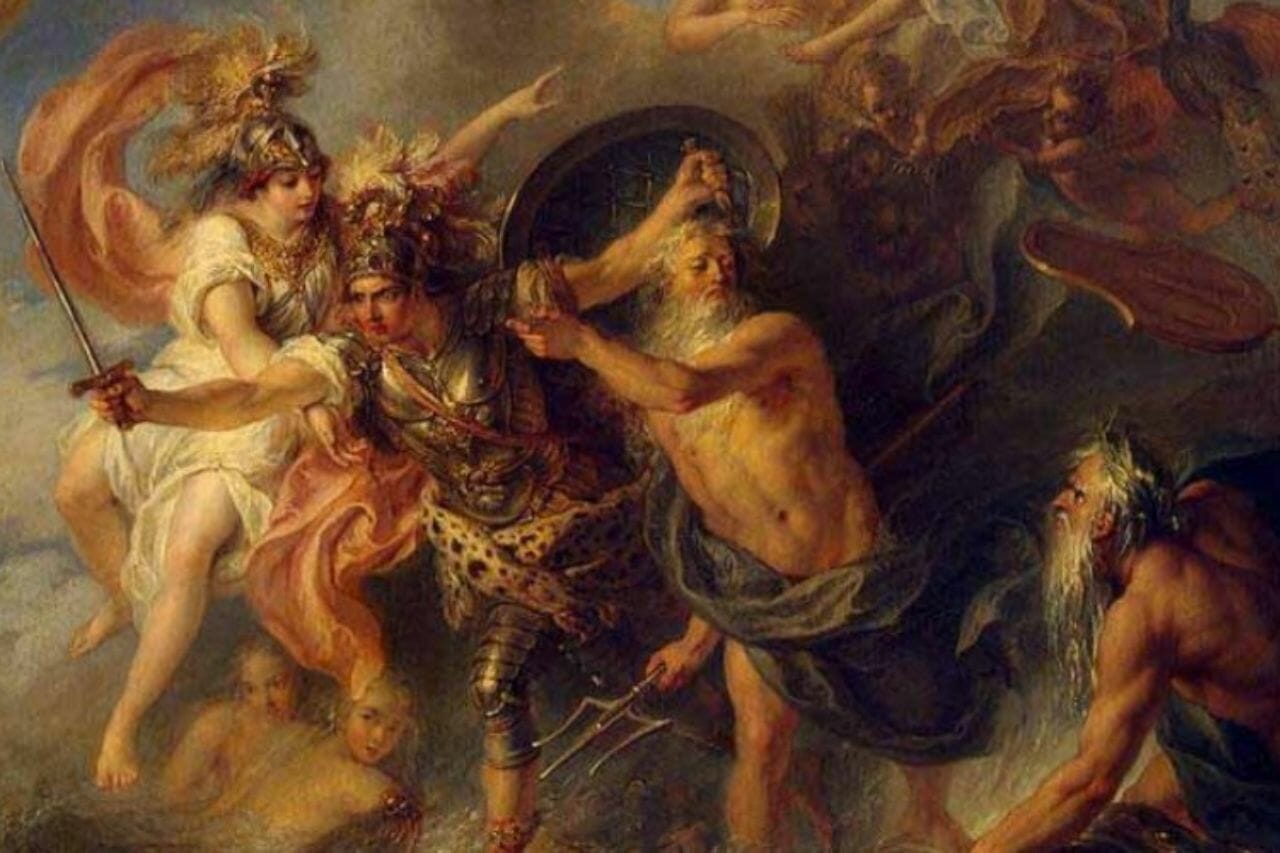
Hubris in the Iliad is an exposition of some characters in the poem who was excessively arrogant and the price they paid for their insolence.
This extreme pride, also known as hamartia, is akin to challenging the authority and decrees of the deities. Homer uses his poem to teach humility and the dangers of becoming too proud of one's achievement or abilities. Keep reading this article where we will explore various instances of excessive pride in the Iliad.
What Is Hubris in the Iliad?
Hubris in the Iliad denotes the excessive pride that a character displays in Homer's epic poem which leads to their ultimate demise. This act of pride is prohibited by the gods as they deem it as an act of defiance to their divinity and they punish the culprits heavily.
Instances of Hubris in the Poem
There are several examples of hubris that characters like Achilles, Agamemnon, and Hector display. Some died as a result of their arrogance while those who survived paid heavy prices. Here are some cases of hubris in the poem:
Achilles Hubris in the Iliad
The most famous example of hubris in the poem is showcased by the Greek tragic hero Achilles. He was known as the mightiest and the most skilled warrior whose presence alone gave confidence to the Greeks. However, he refused to fight the war because his pride was shattered when Agamemnon took Briseis, the slave girl of Achilles. Achilles' refusal to join the Greek army weakened the morale and broke the spirits of the Greek warriors.
A delegation of Greeks including Odysseus was sent to negotiate the return of Achilles but his pride got in the way of reason and he refused. The Greeks continued to suffer heavy losses at the hands of the Trojans until Patroclus, the best friend of Achilles, couldn't stand it any longer.
Therefore, he decided to whip up morale in the Achaean camp by donning the armor of Achilles, of course with his permission. After much persuasion Achilles agreed that Patroclus could wear his armor under one condition, he wouldn't pursue the Trojans to their gates.
Patroclus agreed and Achilles gave him the armor but during the war, Patroclus got carried away and pursued the enemy to the Trojan gates. There he was killed by the Greek champion Hector by stabbing him in the stomach.
When Achilles heard of his friend's death, he decided to rejoin the war to avenge his death and though he was successful, he also died by an arrow shot from the bow of Paris. The gods made sure they punished Achilles for his hubris by guiding the arrow to his heel, the weakest part of his invincible frame.
Agamemnon Hubris
Another major character who was full of pride was King Agamemnon of Mycenae. After he sacked a city, Agamemnon took a slave girl, Chyrseis, as his war prize while Achilleus took another slave girl, Briseis. However, Chryseis' father, known as Chryses, demanded that Agamemnon returned his daughter. Agamemnon, full of pride, refused the demand and the god Apollo sent a plague that killed several of Agamemnon's men.
With his pride wounded, Agamemnon allowed Chryseis to go but the worse was to come. Agamemnon decided to restore his pride by forcibly taking Achilles' slave girl, Briseis, much to his annoyance. Since Agamemnon was his leader, Achilles reluctantly gave out his slave girl but withdrew from the war. His reclusion broke morale in the camp and gave the upper hand to the Trojans.
The Trojans were winning until the death of Patroclus forced Achilles to rejoin his colleagues on the battlefield. Agamemnon also realized his mistake and sent Briseis back to Achilles. This turned the tide in favor of the Greeks who trounced the Trojans right to their gates. Later, Agamemnon realized that his pride nearly cost him the war but for the intervention of Achilles.
The Hubris of Diomedes
Unlike Achilles and Agamemnon, Diomedes' hubris moved him to fight the god, Apollo. During the war, Pandarus, the Trojan warrior, wounded Diomedes and he asked Athena for help. Athena granted him superhuman strength and the ability to recognize the deities who disguised themselves as humans. However, the goddess cautioned Diomedes to not fight any of the gods except Aphrodite.
Diomedes then fought and killed Pandarus while routing many Trojan warriors until he encountered Aeneas. With his superhuman strength, Diomedes defeated Aeneas and severely wounded him, forcing Aphrodite, the mother of Aeneas, to come to his aid. However, Diomedes fought Aphrodite and inflicted an injury on her wrist forcing her to flee to Mount Olympus. On Mount Olympus, Aphrodite was healed by her mother, Dione, and cautioned by Zeus to stay away from the war.
Meanwhile, Diomedes, encouraged by his success against Aphrodite, challenged Apollo, who had come to Aeneas's aid. His hubris blinded him to the advice Athena gave him and he attacked Apollo. However, Apollo gave him a stern warning and said a few words which struck fear into Diomedes and proved the god's superiority. Diomedes then realized his pride could cost him his life, thus he regretted his actions and refrained from further attacking any deity.
FAQ
What Are Examples of Hubris in Greek Mythology?
Yes, Since hubris is a Greek word, the concept of excessive pride pre-existed in Greek societies and was prevalent during Greek civilization.
In the story of Prometheus, his hubris causes him to steal fire from Mount Olympus and give it to man after Zeus had forbidden any deity from doing so. Prometheus' hubris was an act of defiance against the King of the gods and he paid heavily for it.
Zeus ordered that Prometheus be chained to a large rock and had a bird eat his liver which left him in extreme pain. The liver grew back overnight only for the bird to come and eat it causing him endless excruciating pain.
Hubris in the Odyssey is when Odysseus decides to wait for the Cyclops when his men are advised against it. Though he succeeded in blinding the Cyclops, his boastful taunts gave away the position of his ships. The Cyclops correctly guessed the position of the ships and threw a large stone toward them which nearly sunk the ships.
Conclusion
This article has looked at some examples of hubris in Homer's epic poems and other literature. Here is a summary of all that we have discovered so far:
Hubris is a Greek word that refers to excessive arrogance displayed by characters that seek to challenge the gods and it usually ends in tragedy.
In the Iliad summary, Achilles showcases hubris when he decided against going to war because Agamemnon had taken his prized possession, Briseis, the slave girl.
Achilles eventually returns to the war after he lost his best friend and his slave girl was returned to him, however, the gods did not forgive Achilles and he died for it.
Agamemnon also displayed foolish pride when he went in for Achilles's slave girl after his slave was taken away from him and this nearly cost him the war.
Diomedes almost lost his life due to his hubris after challenging Apollo to a fight when Athena had warned against doing which almost cost him his life.
Other literature like the Epic of Gilgamesh and the Odyssey explore the theme of hubris. Probably, the aim is to advise their listeners not to have too much pride that can cause their downfall.