Hubris in Antigone: Sin of Pride
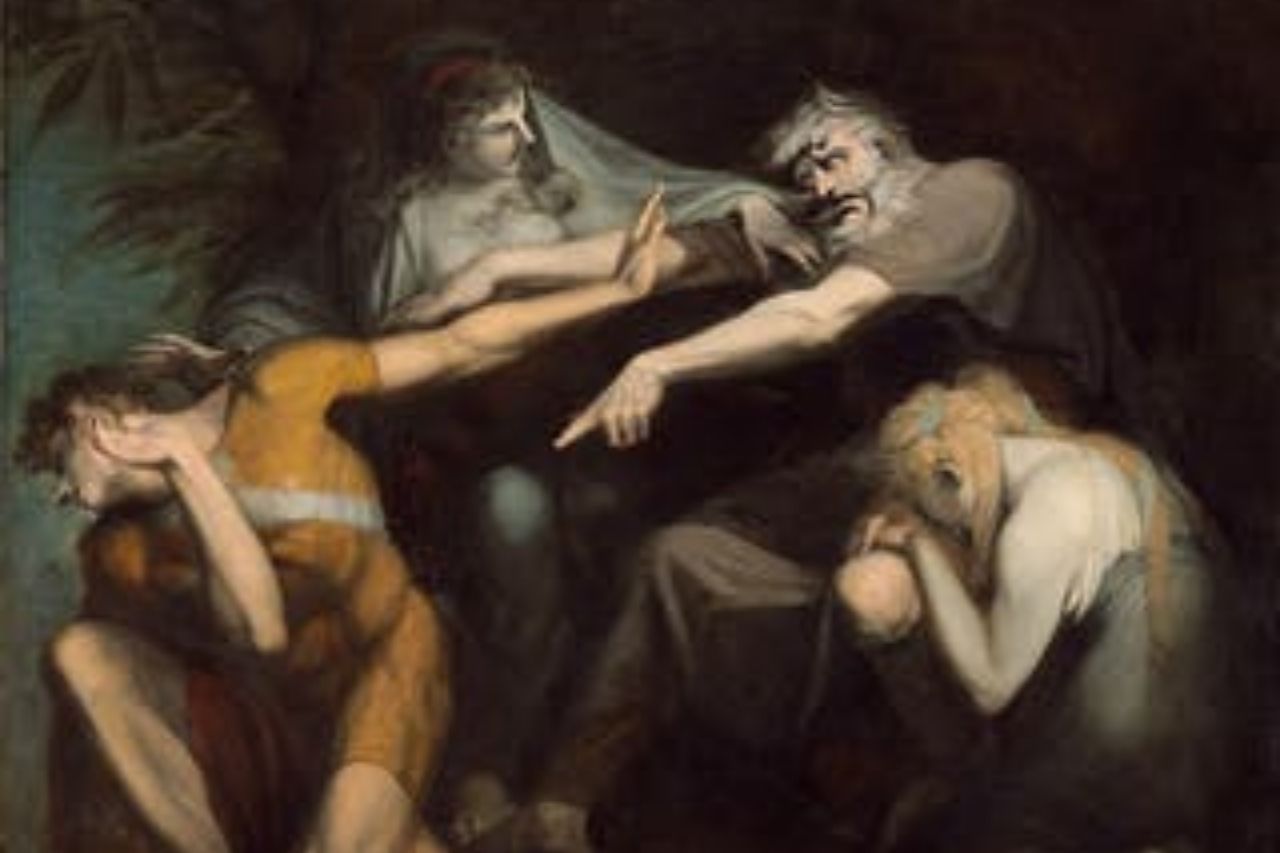
Creon displaying hubris in Antigone
Hubris in Antigone is vigorously portrayed by both the protagonist and the antagonist in the Sophoclean play. From a healthy dose of pride to irrational hubris, our main characters illustrate obstinate behaviors as we venture off deeper into the Greek classic.
But how did this come about? How did arrogance and pride play a role in Antigone? To answer these, we must go back to the beginning, to how each event affects our characters' viewpoint to the point of changing their fates.
Beginning to the End
At the start of the play, we see Antigone and Ismene discussing the unjust declaration of the new king, Creon. He'd proclaimed a law that prohibits the burial of their beloved brother, Polyneices, and dubbed him as a traitor. Antigone, unwavering in her strong beliefs, then decides to bury her brother despite the consequence and asks Ismene, Antigone's sister, for her help.
Upon seeing the unsure look on her sister's face, Antigone decides to bury her brother on her own. She ventures off into the grounds to bury her brother and, upon doing so, is caught by palace guards. She is entombed alive as a punishment, awaiting execution.
The sinful acts of Creon towards Antigone are in direct opposition to the gods. From the refusal of the right to bury the dead to the entombment of the living, Creon defies the very beings Antigone wholeheartedly believes. Because our heroine refuses to place her fate in the hands of an unjust ruler, she takes matters into her own hands and Antigone takes her own life.
From the very start of the play, we catch a glimpse of our heroine's stubborn accord. We see her character painted as a strong-willed woman determined to have her way, but her determination and steadfast attitude quickly turn sour and blossom into hubris as Creon tests her.
Despite having the Greek classic centered around Antigone, she is not the only one who portrays hubris. Numerous characters in the Sophoclean play exhibit the trait, whether it be alluded to or directly shown. Pride and arrogance seemed to be a staple for characters.
Examples of Hubris in Antigone
Each character differs significantly, but one thing that tethers them together is pride and arrogance. Although in different forms and levels, the Sophoclean play's characters exhibit traits that deter their fates and leave them to tragedy.
Some alluded, and some indicated that these characters' hubris brings them only closer to their downfall. As such is used by our author to jumpstart the cascade of events that brings the play together. Sophocles reiterates this by illustrating the consequences of excessive pride, especially to those in power; he plays with our characters' fates and emphasizes the dangers of such a trait.
Antigone's Hubris
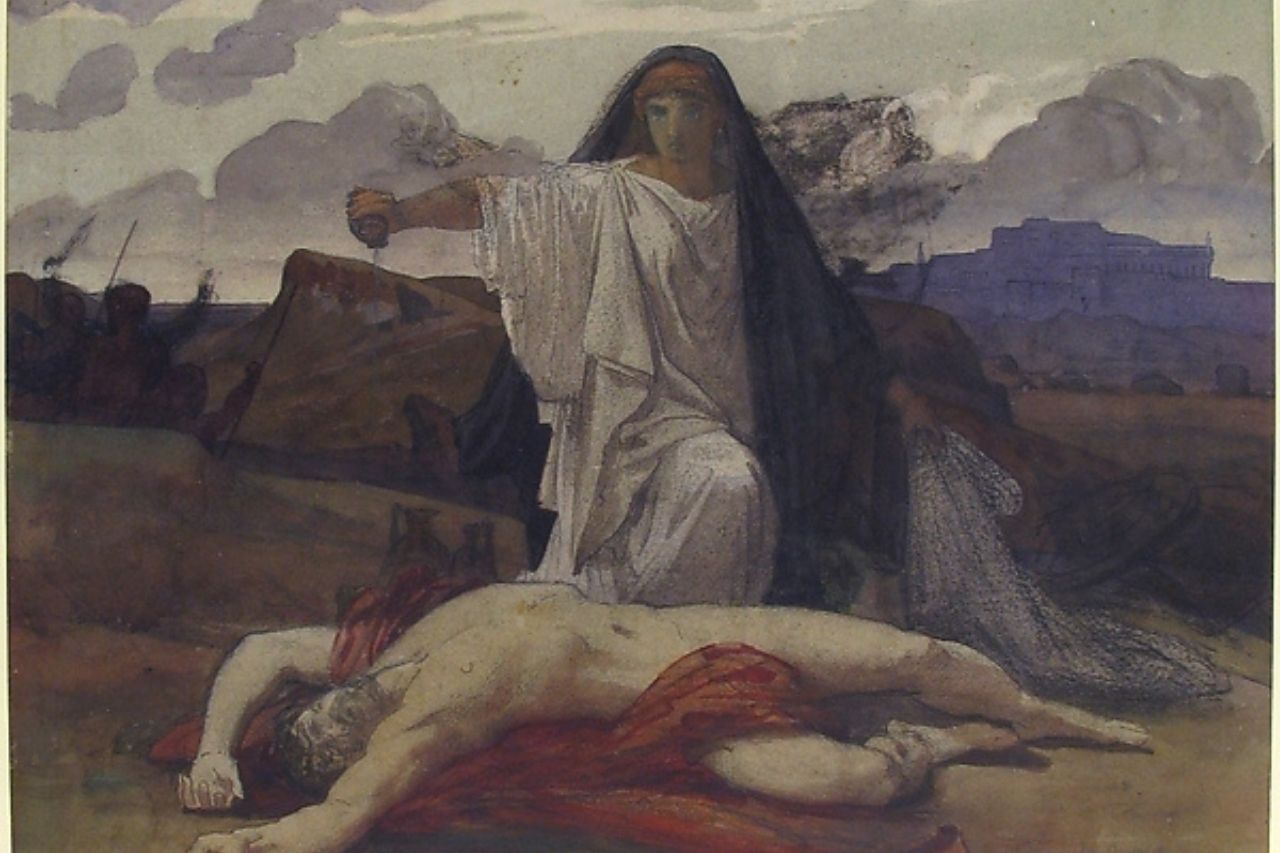
Antigone going against Creon
Antigone, one of the play's main characters, is known for the heroic act of burying her brother, Polyneices. But what if her actions weren't so heroic? What started as deviance solely for her brother's sake slowly turned into hubris. How? Let me explain.
In the beginning, Antigone's sole purpose of betrayal was to bury her brother, Polyneices, as the gods have proclaimed. In Greek literature, their belief in divine beings is on par with that of religion. And as per the gods' commands, each living being in death, and only in the end, must be buried. Antigone thought Creon's command was sacrilegious and saw no wrong in going against his wishes, despite the threat of imminent death.
So "how did hubris come into play?" you might ask; well, in the beginning, her intentions were clear and just, but as she was entombed and punished, her determination slowly morphed into pride and stubborn arrogance.
While entombed, Antigone stubbornly refuses to yield to Creon. She looked forward to her death and was proud of her feat. She didn't care about anything other than fulfilling her heroic duty. She thought nothing of how her actions would affect those around her. Her steps are full of pride that turns to stubborn anger, unrelenting and unwilling to hear the dangers she so carelessly sought and how these could potentially affect the lives around her.
Her refusal of such led her to take her own life, unwilling to yield to Creon's will, and in doing so, unknowingly kills her lover, Haemon. Creon, on the other hand, holds a different form of pride to Antigone's hubris.
Creon's Hubris
Creon, the antagonist to Antigone, is known to be an incredibly prideful tyrant, demanding complete obedience from his people. From the beginning of the play, he portrays his arrogance through his words and actions. He dubs the people of Thebes his own and demands their absolute obedience through fear. He threatens all in opposition with death, and despite their familial relations, Antigone garners his anger.
His idea of reign is purely fascist, thinking of himself as the absolute power that governs the land. He refuses to listen to the wise words of those around him; he refused his son's request to spare Antigone's life leading to his tragic fate. He declined the blind prophet, Tiresias' forewarning, and still held on to his hubris.
In the end, Creon's excessive pride leads him to place himself on par with the gods, going against their commands and expecting the people of Thebes to follow suit. The gods have warned him of his arrogance through the blind prophet Tiresias, yet he disregards such a warning, sealing his fate. His blind devotion to his cause leads to the death of his only remaining son and, in so, leads to his wife's death as well. His fate sealed the moment he allowed pride and arrogance to rule his country.
The Points of Pride That Headed the War
The events of Antigone would not have happened if it weren't for Polyneices' and Eteocles' war of hubris. The brothers, who agreed to share the throne of Thebes, soon allowed their arrogance to reign and, in doing so, caused a war that not only killed them but killed their friends and families as well.
Eteocles, the first to take over the throne, promised his brother, Polyneices, that he would surrender his reign and allow Polyneices to take over after a year. A year has passed, and once Eteocles was due to abdicate, he refused and banished his brother to other lands. Polyneices, angry over the betrayal, head to Argos, betrothed to one of the land's princesses. Now a prince, Polyneices, asks the king his permission to take over Thebes, both to exact revenge on his brother and take his throne; thus, the events of "Seven Against Thebes" occur.
In summary, if Eteocles had stayed true to his word and given his brother the throne after his reign, the tragedy that had befallen his family would have never occurred. His hubris prevented him from seeing the consequences of his actions, and so he only thought of keeping the throne instead of keeping the peace. Polyneices, on the other hand, allowed hubris to take control of him; his pride could not take the shame of being betrayed by his brother and so sought vengeance despite gaining a new home and title in Argos.
Conclusion
Now that we've gone over Antigone's hubris, how it shaped her fate, and the hubris of different characters, let's go over the critical points of this article:
Excessive pride, or hubris, is portrayed by the key characters of the play: Antigone, Creon, Eteocles, and Polyneices.
The hubris of these characters shape their fates as well as the destiny of those around them.
Antigone's hubris is portrayed while she is entombed alive; refusing to yield to Creon's wishes, she willingly and eagerly takes her own life with little to no regard for those around her.
In Antigone's death, her lover Haemon is in profound misery, and because of this, he takes his own life as well.
Tiresias warns Creon of his arrogance, alerting him of the consequences the divine creators would bestow upon him for leading a nation in hubris.
Creon, drunk from arrogance and power, disregards the warning and foregoes what he believes is right, entombing Antigone and refusing Polyneices' burial.
The tragedy in Thebes could have been prevented by humility; if it weren't for Eteocles and Polyneices' hubris, the war would not have happened, and Antigone would have lived.

Antigone's death scene
In conclusion, hubris brings nothing but calamity to those who wield it in power, as per Tiresias' warning. Antigone's hubris prevents her from seeing the bigger picture and imprison her in her ideals, giving little to no thought to the people around her. Her selfish wish to take her own life instead of waiting for her fate brings her lover to his end as he could not live without her.
If Antigone had just reasoned and held back on her pride, she would have been saved as Creon rushes off to free her in his fear of losing his son. This, of course, was all for naught, for Creon's hubris also played a role in their deaths. If Creon had only listened to Tiresias' first warning and buried the body of Polyneices, his tragedy could have been avoided, and they could have all lived in harmony.