Was Illtud the Real Uther Pendragon?

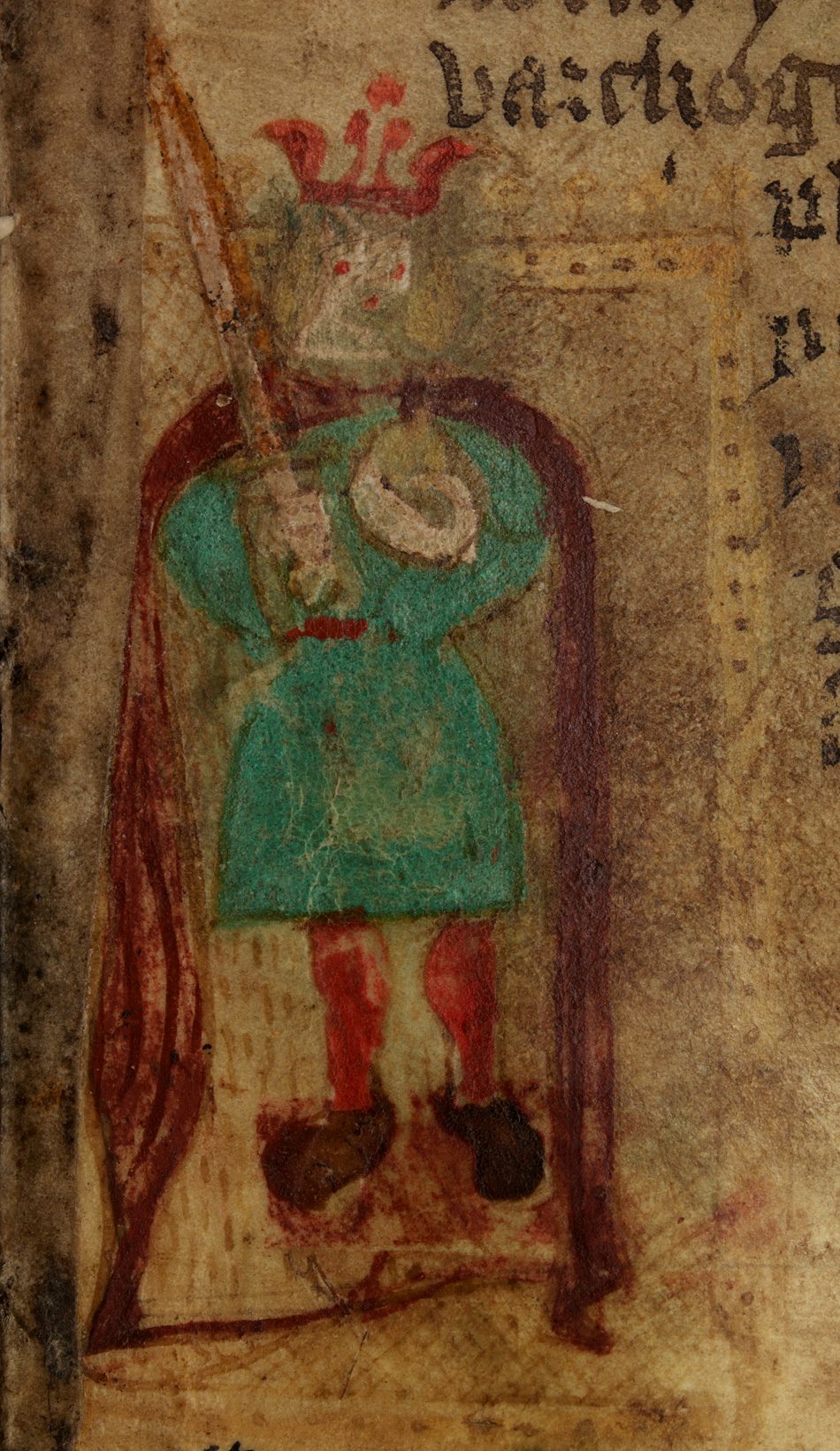
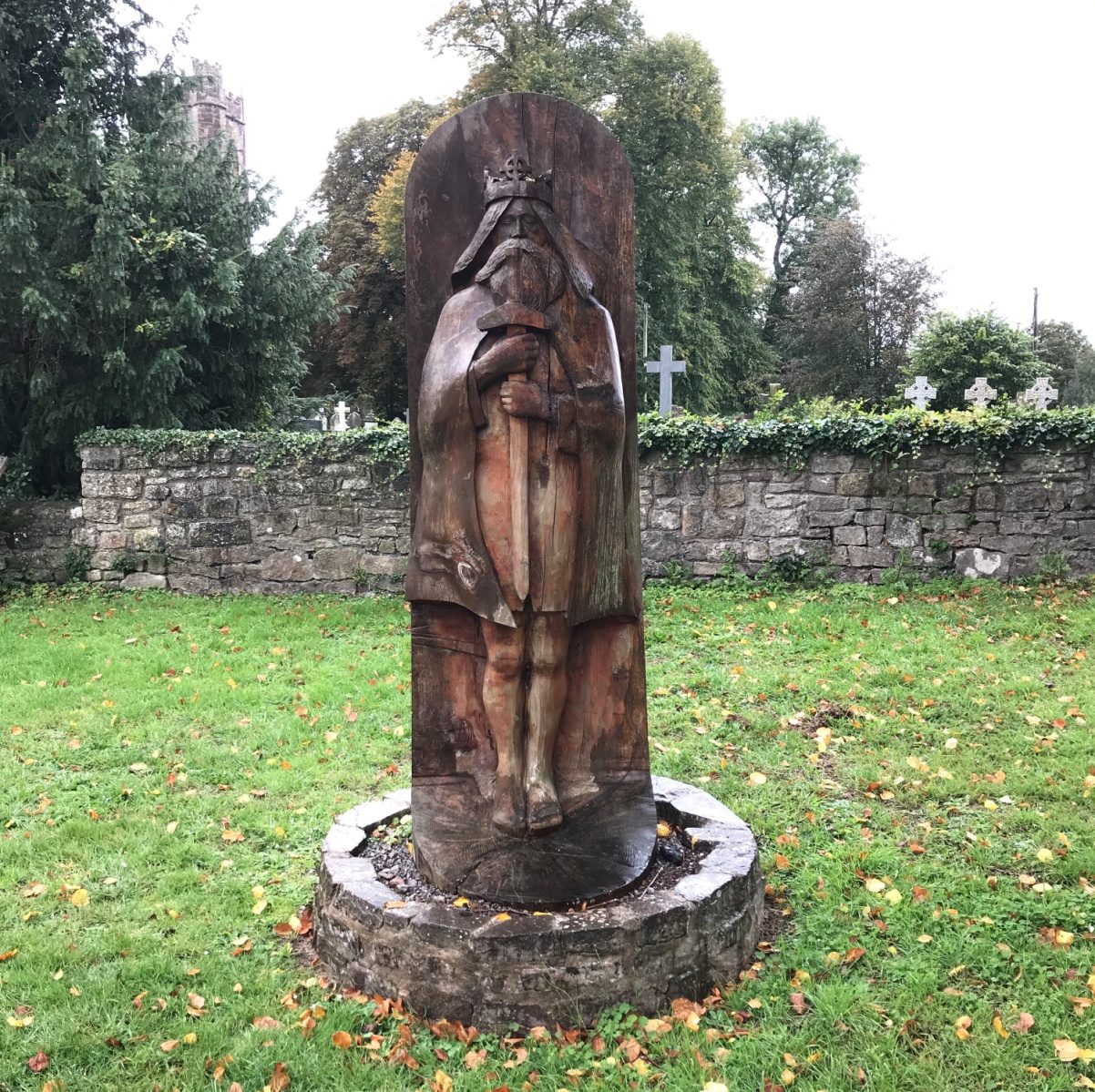
An unlikely theory connects Uther Pendragon, the legendary father of King Arthur in the Arthurian legends, with a historical figure known as Saint Illtud. This religious figure was a prominent teacher in sixth century Britain. What is the evidence that supposedly connects him to Uther Pendragon? Does it really stand up to scrutiny?
Who Was Illtud?
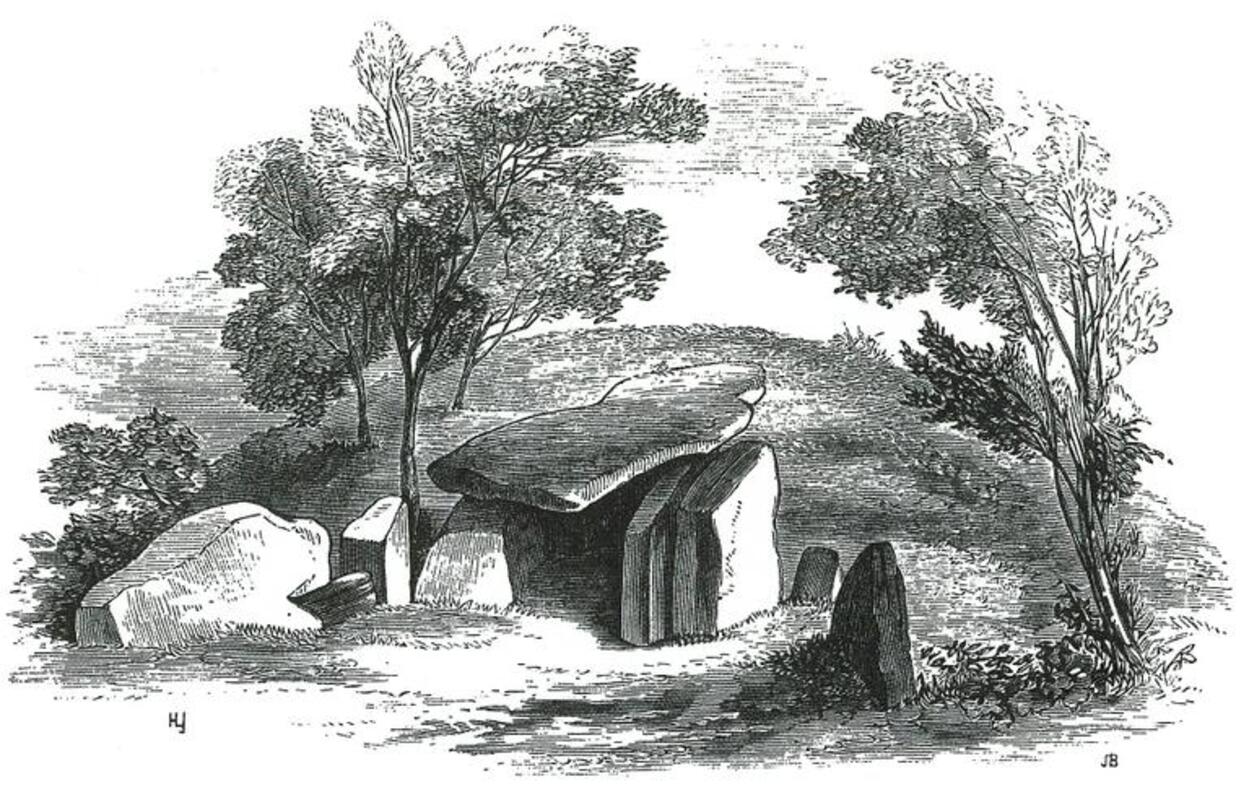
Illtud was a historical figure who lived in sixth century Britain. He is mentioned in the earliest medieval British hagiography, the Life of St Samson. In that Life, he is presented as the religious leader who instructed Samson of Dol, another prominent religious figure who was active largely in Brittany.
According to this early record, Illtud was one of the most intellectually remarkable individuals of his era. He was said to have had incredible knowledge and an amazing memory. He is likely the one referred to by Gildas in De Excidio when he made mention of the ‘most eloquent master of almost all Britain’.
Illtud had a school in Glamorgan, southeast Wales, where he instructed many people from all over Britain. This included princes as well as individuals who would go on to be important in their own right such as the aforementioned Samson, as well as Gildas and many others.
Evidence That Illtud Was the Real Uther Pendragon
On the surface, there are no obvious connections between Illtud and Uther Pendragon. What, then, is the basis for the idea that the two of them may have been the same person? This peculiar theory appears to be unique to a researcher named Daniel Hunt, also known as August Hunt. What is the evidence that he presents for this theory?
Illtud as a ‘Marvellous Soldier’
The first observation that needs to be made is the fact that Illtud’s name is obviously not very similar to ‘Uther’. However, this is not a problem for this identification, since Hunt interprets ‘Uther’ as part of the man’s title, together with ‘Pendragon’. In this point, Hunt is surely correct. There is a lot of evidence that ‘Uther Pendragon’, in its entirety, is a title, not just ‘Pendragon’.
This brings us to the first piece of evidence that seems to indicate that Illtud could have been identical to Uther Pendragon. The meaning of ‘Uther’, as in the Welsh word ‘uthr’, is ‘terrible’, ‘marvellous’, ‘lofty’, or ‘fearsome’.
The Welsh words ‘pen’ and ‘dragon’, meanwhile, respectively mean ‘head’ and ‘warrior’. Therefore, ‘Uther Pendragon’ means ‘Fearsome Chief Warrior’. How does this match Illtud?
Although Illtud is most famous for his religious career, he started out as a warrior. In fact, he is sometimes known as Illtud the Soldier. In one part of the Life of St Illtud, he is called ‘miles magnificus’ in the original Latin.
We could translate this as ‘marvellous soldier’. This matches very well with the meaning of ‘Uther Pendragon’, aside from the absence of the ‘head’ or ‘chief’ element. However, there is at least one document which refers to Uther simply as ‘vthyr dragon’, without the ‘pen’.
Illtud from Brittany
Another connection between Illtud and Uther is that they were both said to have come from Brittany. In Uther’s case, he was said to have been brought up there after fleeing wicked King Vortigern. Later, he returned to help the Britons fight against the Anglo-Saxons.
In the case of Illtud, the Life of St Illtud tells the story of his early life. After receiving an education in Gaul and becoming a man, we are told the following:
“He left what we call Further Britannia, Brittany, and arrived by sailing, and here he saw a very great company of soldiers, being also honourably received in that place, and being rewarded as regards his military desire.”
According to this, Illtud left Brittany and arrived in Britain, specifically with the aim to serve as a soldier. This bears some broad similarities to the story of Uther growing up in Brittany and then leaving for Britain to fight as a warrior.
Geographical Evidence
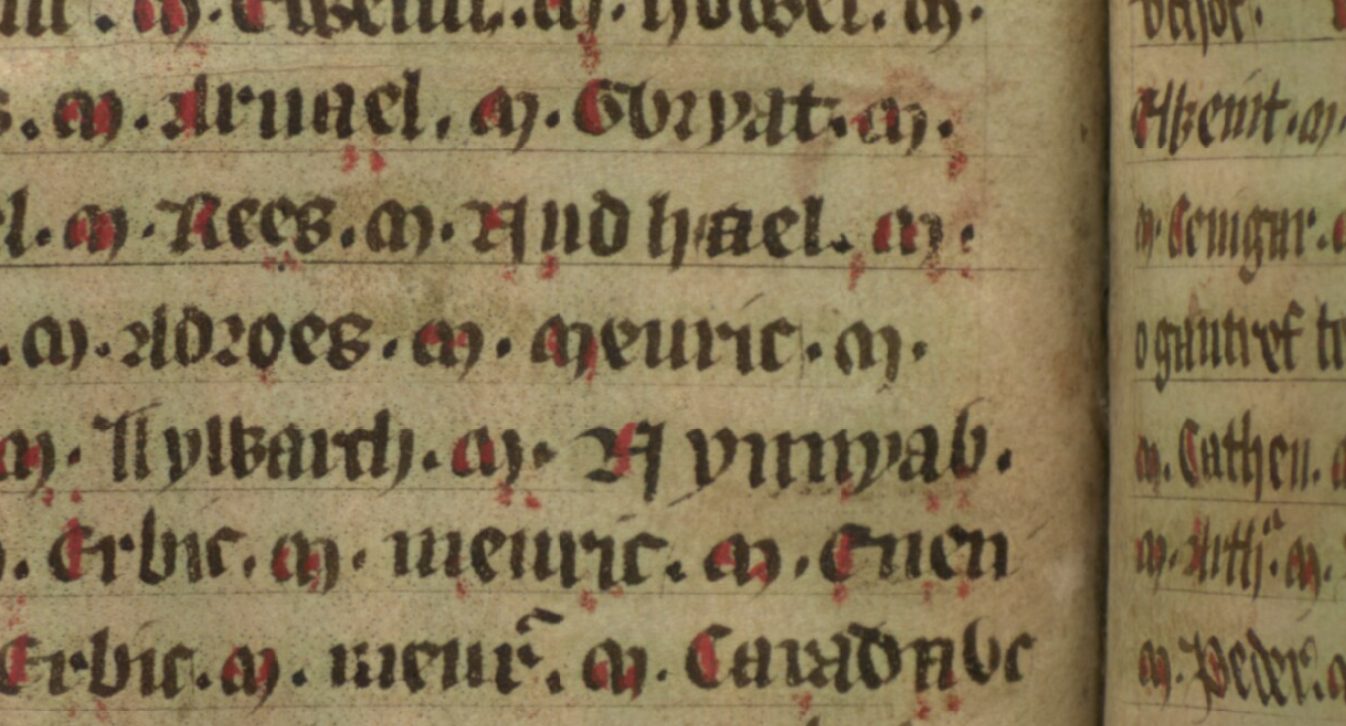
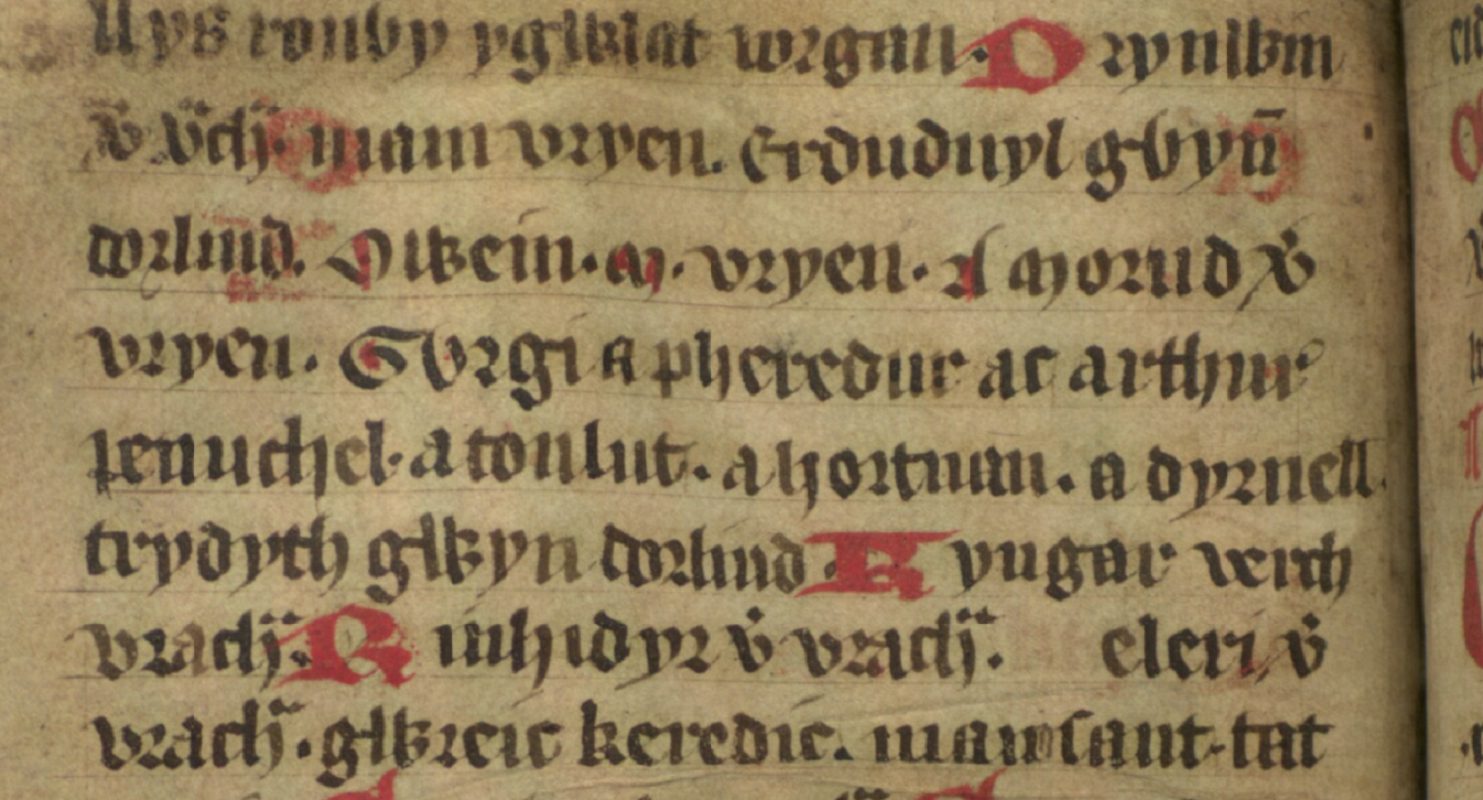
Another piece of evidence comes from the early Welsh poem Pa Gur. This source, from approximately the year 900, mentions Uther Pendragon. It refers to one of Arthur’s servants, Mabon ap Modron, as the servant of Uther Pendragon.
In this same source, Mabon and his two companions appear to be connected with the River Ely in southeast Wales. This is based on the argument that the line ‘Vythneint elei’ should be read ‘Vultures of Elei’, the ‘vultures’ being a poetic reference to the three warriors mentioned just below that line.
This argument further relies on identifying the ‘Elei’ in question with the region of the River Ely, which is in Glamorgan, southeast Wales.
Since Mabon is explicitly described as being the servant of Uther Pendragon, this would imply that Uther himself was also active in that same area in Glamorgan. Perhaps that is where he was based.
The reason that this is so interesting is because it matches where Illtud was said to have been based in the Life of St Illtud. After first travelling to Britain, he arrives at the court of King Poulentus, or Paul. This king is simply described as the king of the Glamorgan folk.
However, Illtud’s service in the court of King Paul is also mentioned in the Life of St Cadoc. There, the king is explicitly identified as Pawl Penychen, son of Glywys. Hence, this would suggest that the territory that Poulentus ruled over was Penychen. This was a region of Glamorgan which encompassed much of the River Ely.
Therefore, on this basis, Hunt argued that Illtud served in the same region in which Uther Pendragon was placed by the poem Pa Gur.
Evidence from Sawyl
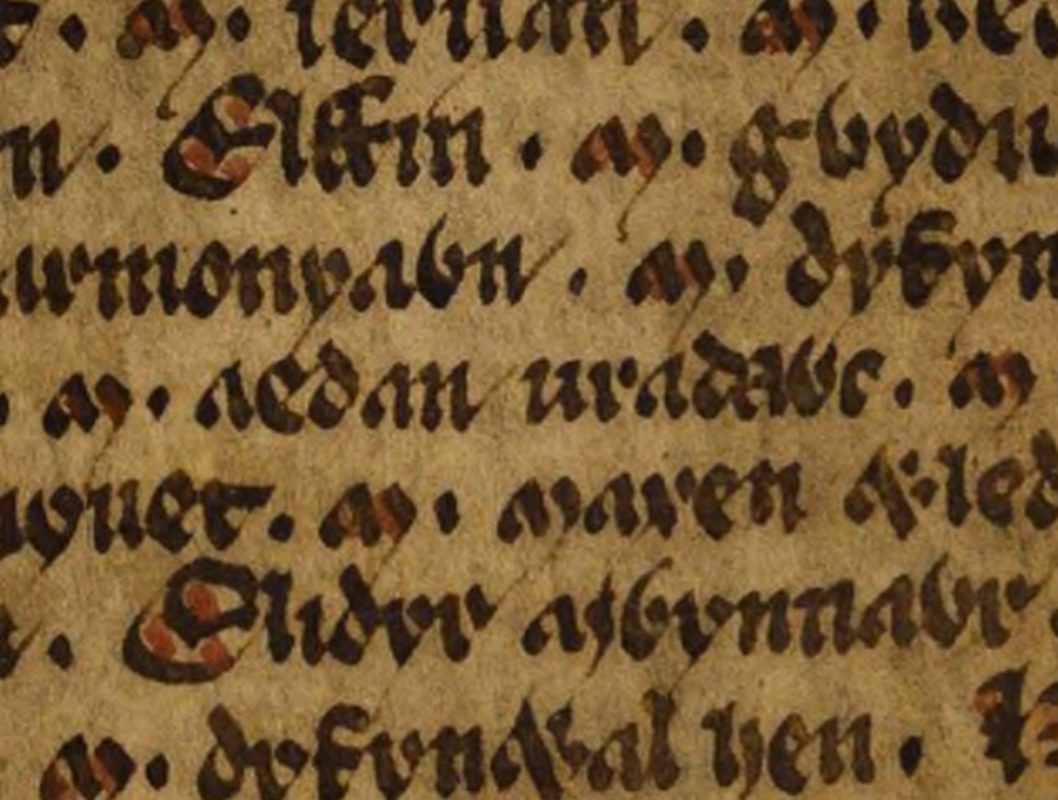
Another argument used by Hunt involves a figure named Sawyl. This is the Welsh version of the name ‘Samuel’. Hunt argues that Sawyl is mentioned in the Marwnat Uthyr Pen, or the Elegy of Uthyr Pendragon.
The line in which Hunt argues that he is mentioned reads:
“Neu vi eil kawyl yn ardu.”
This has been translated as:
“Am I not, like Cawyl, ploughing?”
Notice that Uther, whom the speaker of this poem is supposed to represent, refers to himself as being ‘like Cawyl’. According to Hunt, the name ‘Cawyl’, or ‘kawyl’ in the original Welsh, is most likely a corruption of the name ‘Sawyl’. This is not an idea that is original to Hunt. Rather, it has already been suggested by some authorities on medieval Welsh poetry.
This would mean that Uther was actually comparing himself to Sawyl. But who was Sawyl? Hunt argues that the most logical answer would be the Biblical Samuel.
How This Connects Uther to Illtud
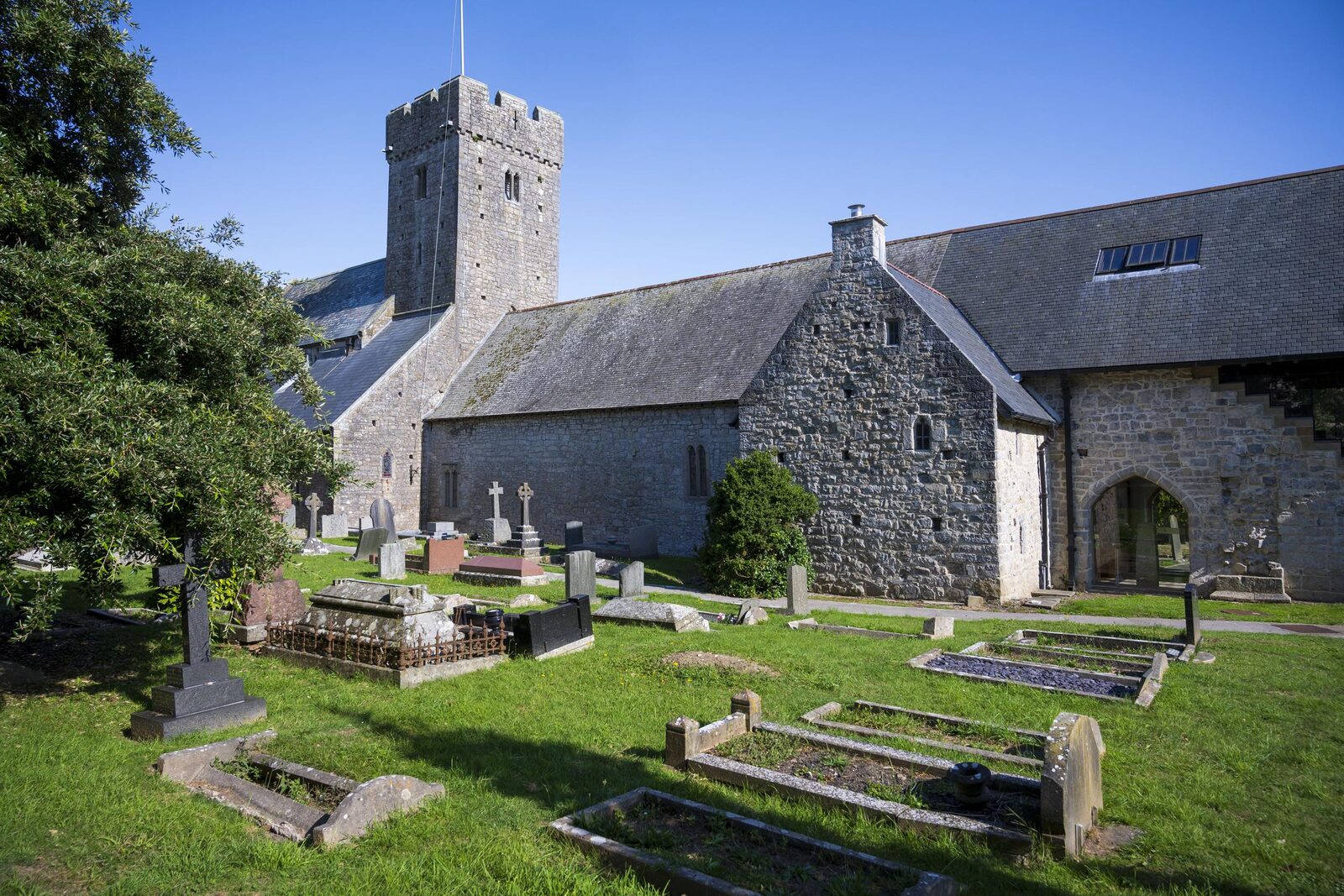
The reason that this comparison between Uther and Sawyl, or Samuel is so significant is the fact that Illtud is (according to Hunt) recorded as doing the same thing in Geoffrey of Monmouth’s Historia Regum Britanniae, written in c. 1137.
In Geoffrey’s account, we find a figure named Eldad, bishop of Gloucester. Hunt argues that this is Illtud. Some records spell Illtud’s name as ‘Eltutus’, which is slightly closer to ‘Eldad’. Truly, the names are not very different, so on the basis of this evidence alone, they could be the same.
Furthermore, notice that Eldad is referred to as the bishop of Gloucester. Hunt argues that this can be connected to Illtud on the basis that he was a major religious teacher in the territory of Glywysing. This territory was named after Glywys, whose name denotes a man from Gloucester. Hence, he suggests that Gloucester has been confused with Glywysing, leading to Illtud being described by Geoffrey as the bishop of Gloucester.
Why The Connection to Eldad is Significant
Why is the identification of Illtud with Eldad so significant? The reason is because of something that Geoffrey describes Eldad as doing in the Historia Regum Britanniae. At a certain point, the Saxon leader Hengist is captured by the Britons and brought to the court of King Ambrosius.
While some of the Britons argue for him to be set free or at least not killed, Eldad argues that he should be beheaded. In making his argument, he states that “Samuel is my warrant”, or authority. He is referring to the Biblical Samuel, since he had ordered for the beheading of King Agag. Eldad explicitly calls Hengist a ‘second Agag’, calling for his execution.
On the basis of this account, Hunt argues that Uther apparently comparing himself to Samuel is the same as Eldad comparing himself to Samuel. If Eldad was Illtud, then that would support the identification of Illtud with Uther Pendragon.
Objections to This Theory
The reason that this theory is evidently not very popular is due to the fact that there is very little to recommend it. As we have seen from this consideration of the evidence, there are only a few pieces of evidence presented in support of this identification.
Furthermore, the pieces of evidence themselves are mostly not very strong or specific. In addition, there is considerable evidence that actively argues against this identification. Let us examine these points in more detail.
Uther’s Status
Firstly, let us consider the point about Uther and Illtud being connected on the basis of Illtud being called a ‘marvellous soldier’. It is definitely true that ‘marvellous soldier’ fits very well with the meaning of ‘uthr dragon’.
The problem, though, is that this is not very specific. It is a very generic description which could apply to numerous people. For example, we see essentially the same expression in the Life of St Carannog and the Life of St Gildas.
While it is true that Uther is simply called ‘vthyr dragon’ in one manuscript, this is exceptional. The overwhelming majority of references to him call him ‘Pendragon’, not simply ‘Dragon’. This is a very important point, because the entire purpose of the ‘Pen’ is to denote the fact that he is the chief warrior of his army, not merely another soldier serving a king.
While the expression ‘dragon’ is not uncommon in Welsh poetry in the context of warriors, ‘Pendragon’ is very rare. It is occasionally applied to rulers other than Uther Pendragon, but it is not common at all.
Therefore, the fact that Illtud is described as a marvellous soldier is not in any way a significant link to Uther Pendragon.
It might be argued that Illtud does fit the description of being a ‘Pendragon’ on the basis of the fact that he was the captain of the soldiers of King Poulentus. Bearing in mind the fact that ‘Pendragon’ could be understood not only as ‘Chief Warrior’ but also as ‘Chief of Warriors’, this might be argued to match the captain of the king’s army.
The problem is that there does not appear to be any attested example of ‘Pendragon’ being used in such a sense. Rather, it seems to always mean a ruler of exceptional power.
Illtud’s True Origin
The connection between Illtud’s upbringing in Brittany and Uther’s upbringing in that same territory is a very generic connection. There was a lot of movement from southeast Wales and Cornwall to Brittany and vice versa in this era. Hence, there is nothing special about this detail common to both of their life stories.
Furthermore, there is good evidence that Illtud was not actually from Brittany. In the account of his upbringing, the location in question is mostly called ‘Llydaw’. This is indeed one of the names of Brittany. However, there is good evidence that this was also a place name in Brycheiniog, just above Glamorgan.
Interestingly, Hunt even acknowledges this point, although he does not allow this fact to influence his argument for some reason.
Evidence for this being Illtud’s true place of origin is the fact that the prince of Llydaw who fathered Illtud is called ‘Bicanus’. At this time, the king of Brycheiniog was Brychan. The similarity between ‘Bicanus’ and ‘Brychan’ is obvious. It would therefore appear that Illtud’s origin was indeed in Brycheiniog. This is also the conclusion of scholars such as Peter Bartrum.
This being so, the supposed connection between Uther and Illtud’s respective origins falls apart.
The Problem with the Geographical Evidence
Hunt’s geographical argument for Uther being Illtud is based on the evidence from Pa Gur, as well as the evidence for the identification of King Poulentus with Pawl Penychen.
However, both of these pieces of evidence are problematic.
The True Identity of the Uther Pendragon of Pa Gur
Firstly, consider the argument that Pa Gur places Uther in the region of the River Ely in Glamorgan. In reality, the evidence suggests that the Uther Pendragon mentioned in Pa Gur is Arthur himself.
In the poem Marwnat Uthyr Pen, the poet (representing Uther) appears to refer to himself as Arthur, based on the parallelism seen in lines 13 and 14. The fact that ‘Uther Pendragon’ is entirely a title, as Hunt himself argues, allows for this conclusion. This is not to say that Arthur himself is Uther in all of Uther’s appearances – it would seem that it was a title passed from father to son.
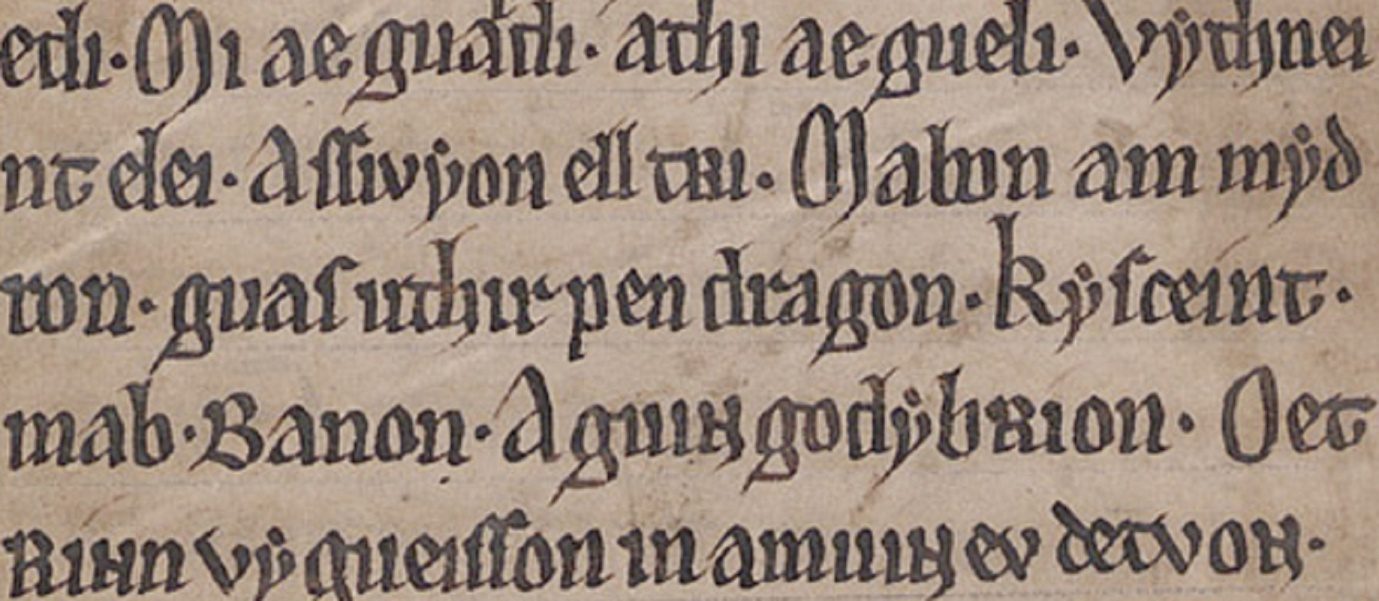
That Arthur is evidently meant by the reference to Uther Pendragon in Pa Gur is evident from the fact that the line which refers to Mabon – the first of the three companions mentioned – as the servant of Uther Pendragon comes just before the statement that all three of them were Arthur’s servants.
This strongly implies that Arthur himself is the Uther Pendragon being referred to, hence explaining how Mabon can be described as both the servant of Uther and of Arthur.
This would mean that it is Arthur, not Uther, who is particularly associated with the region of the Ely River.
The Identity of Poulentus, King of Glamorgan
The second issue is that there is a good case to be made that the King Poulentus whom Illtud served was not actually Pawl Penychen ap Glywys.
The reason for saying this is that the weight of evidence suggests that Pawl ap Glywys should be identified as Paul Aurelian. Just as Pawl ap Glywys is connected specifically with the region of Penychen, this is the same region stated to have been Paul Aurelian’s home.
Furthermore, just as Pawl ap Glywys had a brother named Metil, Paul Aurelian is recorded as having a brother named Notolius. The name of Paul Aurelian’s father, Perphirius, is a word meaning ‘clad in purple’. This is evidently a title, and it aptly describes Glywys, recorded as a descendant of Emperor Magnus Maximus.
Additionally, Paul Aurelian is described as having eight brothers, while Pawl ap Glywys is presented as having nine brothers, although one of them is said to have left his inheritance of land to pursue a religious life.
On the basis of these and other pieces of evidence, it is evident that Paul Aurelian and Pawl ap Glywys were the same person. This is important to note, because Paul Aurelian is described as being sent to study under Illtud when he was younger than sixteen years old.
This would obviously mean that Pawl ap Glywys cannot have been King Poulentus, the king under whom Illtud served before he established his religious school.
A better identification, although still uncertain, is that King Poulentus should be identified as Saint Paulinus of Wales. There are various examples of early medieval kings who were also remembered as saints, such as Constantine and Geraint.
In any case, the point is that the fact that King Poulentus was evidently not Pawl Penychen ap Glywys means that there is nothing specifically connecting Illtud, during his career as a soldier, with the region of Penychen.
Weaknesses in the Connection to Sawyl
What about the final argument, which connects Uther to Illtud through Eldad of Gloucester? There are various problems with this argument.
A part of this argument which might be correct is the identification of the ‘Sawyl’ of the Marwnat Uthyr Pen poem with the Biblical Samuel, although even this is uncertain. There was a notable king named Sawyl who was active in the region of Arthur’s kingdom in southeast Wales in Arthur’s own time. It is possible that the poem was actually referring to him.
How We Know That Illtud Was Not Eldad
However, a part of the argument which simply cannot be right is the identification of Illtud with Eldad. Why can we say that? Although the strong similarities between the names allows for this identification, the chronology rules it out.
Eldad, as discussed previously, called for the execution of Hengist. He is called the bishop of Gloucester at this time, but even if this were an anachronistic description in this account, it is obvious that Eldad must have been an adult. This leads to the question of when Hengist died.
Since Hengist was the leader of the Saxons upon their arrival in Britain in the fourth year of Vortigern’s reign (as per the Historia Brittonum), Hengist must have been an adult in 428. Therefore, we can probably place his death no later than the turn of the sixth century.
This ties in with the fact that Bede, prior to the Historia Brittonum, places the campaigns of Ambrosius Aurelianus in the reign of Emperor Zeno, which would place them some time between the 470s and the 490s. Since Hengist was allegedly killed after being captured by Ambrosius, this harmonises well with the aforementioned evidence from the Historia Brittonum.
Furthermore, it also dovetails with the evidence from the Anglo-Saxon Chronicle, which does not mention Hengist after the year 473.
On the basis of this evidence, we can say that Eldad must have already been an adult by the last quarter of the fifth century. Therefore, he may have been born in about the middle of that century, if not earlier.
When Was Illtud Born?
Does this information fit the chronology of Illtud? Some researchers might argue that it does. In fact, quite a number of modern sources make Illtud a thoroughly fifth century figure, with his death right at the beginning of the sixth century. This would fit Eldad well. However, the basis for this conclusion is severely flawed.
This early chronology for Illtud is based on the fact that the Life of St Samson makes Illtud a disciple of Germanus. The Germanus in question is assumed to be Germanus of Auxerre, who visited Britain twice in the first half of the fifth century, once in the 420s and once in the 440s. He died in c. 448.
If Illtud was his disciple, then Illtud obviously must have been born in the first half of the fifth century. That would accommodate very well the identification of him as Eldad.
However, there is no legitimate basis for the conclusion that the Germanus who educated Illtud was the bishop of Auxerre. In reality, the earliest record which actually specifies is the Life of St Brioc. According to this hagiography, Illtud travelled to Paris to be educated by Germanus. This logically identifies the Germanus in question with Germain of Paris, as he is commonly known.
The Real Chronology of Illtud
Germain, or Germanus, of Paris was a thoroughly sixth century figure. He became a priest in 530 and became the bishop of Paris in 555. It was likely shortly after being appointed priest that he became the tutor of Illtud.
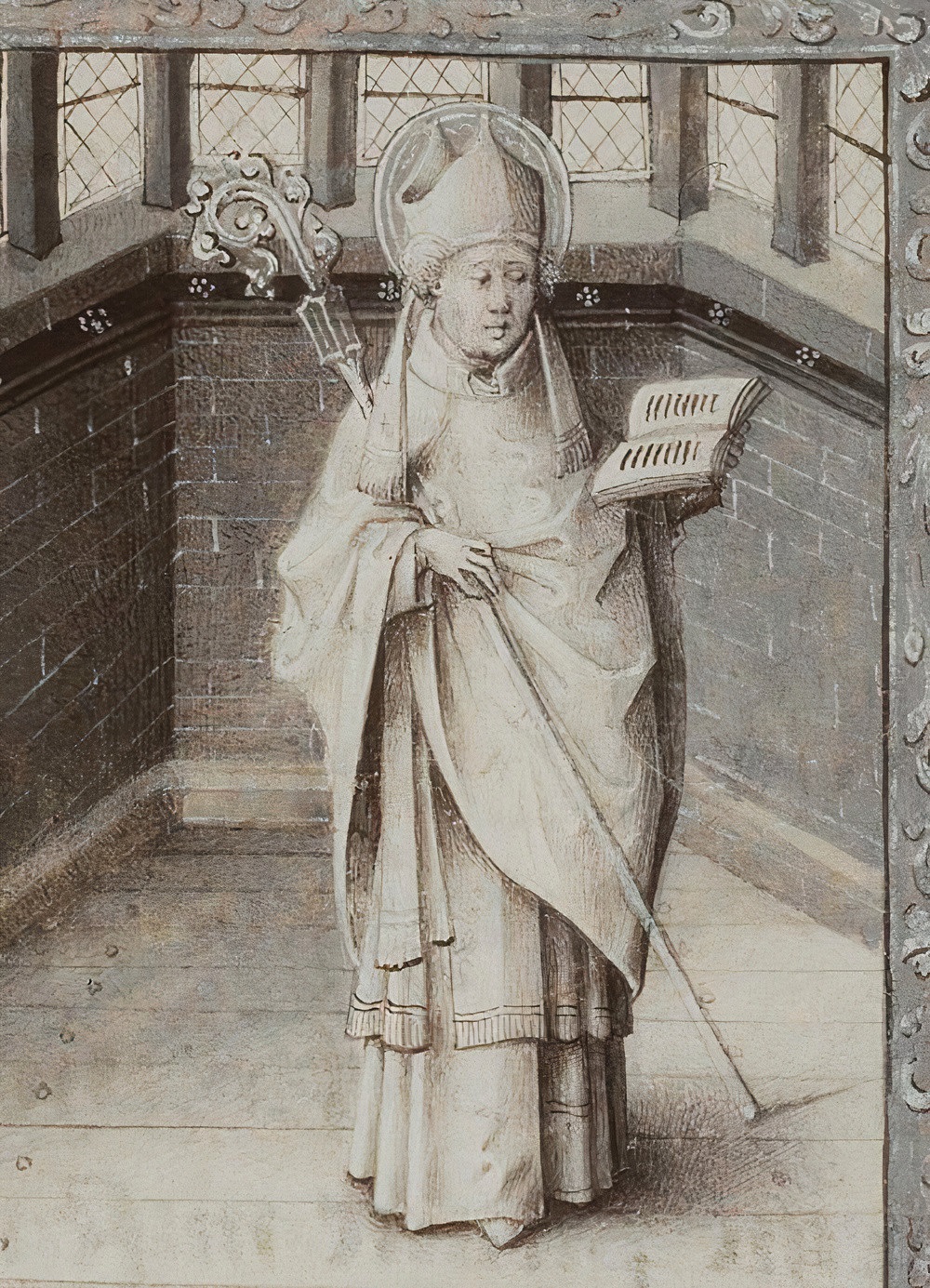
This fits in well with the fact that the Life of St Samson, the earliest source which definitely mentions Illtud, makes him an older contemporary of Samson of Dol. Samson, for his part, outlived the death of Conomor in 560. This does not fit the early chronology of Illtud based on Germanus of Auxerre, but it fits perfectly when identifying Illtud’s tutor as Germain of Paris.
Based on these and other pieces of evidence, it is evident that Illtud was probably born in c. 500. This completely rules out the identification of him as the same person as Eldad, who was already an adult when Hengist died in the last quarter of the fifth century.
The Weak Connection Between Sawyl and Samuel
In addition to the impossibility of connecting Illtud with Eldad, there are also weaknesses in the argument that there is a connection between the Sawyl of the Marwnat Uthyr Pen poem and the Biblical Samuel.
For one thing, it is not certain that ‘Sawyl’ is the correct reading, although it does seem likely. The bigger problem, however, is that Samuel in the Bible is not connected with ploughing, yet that is what the line mentioning ‘Kawyl’ (or ‘Sawyl’) associates him with.
As mentioned earlier, there was a Sawyl who was a fairly prominent king and was active in Arthur’s sphere of activity in the sixth century. It is entirely possible that the Sawyl with whom Uther (actually Arthur) was comparing himself was this sixth century king, not the Biblical Samuel.
An additional objection is the fact that Geoffrey simply presents Eldad as appealing to Samuel’s example as authority for beheading Hengist. He does not necessarily try to present himself as a kind of second Samuel.
Furthermore, there is nothing in this passage related to ploughing, either literally or figuratively.
Dissimilarities Between Uther and Illtud
Now that we have seen the problems with the supposed pieces of evidence used to argue for Illtud being the real Uther, let us consider some additional points which actively argue against this identification.
Different Careers
The first issue is the obvious fact that Uther Pendragon was supposedly the high king of Britain, whereas Illtud never achieved that status. In fact, he was not even known for being a secular ruler, but rather, a religious teacher.
While Illtud apparently was an excellent soldier, he is never described as a king or presented as engaging in battles. This is a major problem for identifying Illtud as Uther Pendragon.
Thinking in the opposite direction, another significant objection is the fact that Uther is not remembered in any traditions as a prominent religious teacher. The closest indication of this that exists in the records is that Marwnat Uthyr Pen has Uther call himself a bard and a poet.
However, this is not the same as being a prominent religious teacher with a school. Furthermore, as we have already seen, the evidence indicates that this poem is actually describing Arthur, not Uther.
Since Illtud was most famous for being a teacher in his renowned college, we would absolutely expect there to be some reference to this in the context of Uther.
Chronological Issues
Another significant objection to this identification is the fact that Illtud did not live when Uther must have lived. As we have already established, Illtud being educated by Germain of Paris logically makes him a predominantly (if not entirely) sixth century figure.
On the other hand, when did Uther Pendragon live? As established earlier, Ambrosius’ victory against Hengist must have occurred in the last quarter of the fifth century. Uther is said to have succeeded Ambrosius, which evidently happened in c. 500.
This is evident from the fact that the Historia Brittonum presents Ambrosius as engaging in battle in 437, which must have been when he was quite young. He therefore cannot have continued living much past the year 500.
This, in turn, conforms to the fact that a prominent comet was seen in the sky right at the end of the fifth century according to at least two medieval documents, just as a comet was seen in the sky upon Uther’s accession.
Uther’s death occurred during the reign of Octa of Kent, according to Geoffrey of Monmouth. Since Octa succeeded his father Oisc, his reign would appear to have extended from c. 512 to 534.
As we can see, Uther was predominantly a fifth century figure, although his reign covered the early part of the sixth century.
This is completely inconsistent with the chronology of Illtud, whose life extended from the beginning of the sixth century until some way into the second half of that century.
Lack of Children
A point which Daniel Hunt himself mentions, though which he simply ignores the significance of, is the fact that Illtud is not recorded as having any children. This is in contrast to the fact that Uther was, needless to say, presented as the father of King Arthur.
A possible solution to this problem is the suggestion that Arthur was not actually the son of Uther, but merely his successor. There are admittedly some examples of individuals recorded as the ‘son’ of a person despite just being their successor. This is seen, for instance, in the genealogies of the Harleian MS 3859.
However, the problem with this ‘solution’ is that it creates another problem. As we saw earlier, Illtud’s career does not match the fact that Uther was allegedly the high king of Britain. Illtud never had a status even approaching that. This being the case, it is not possible for Arthur to have been the successor of Illtud in any meaningful way, given Arthur’s high status.
Given that it does not make sense for Illtud to have been the predecessor of Arthur, what other option is there? Illtud is never recorded as having children, nor does his chronology allow him to have been the father of King Arthur.
Conclusion
In conclusion, this peculiar theory that identifies Uther Pendragon with the historical Illtud is based on a few fairly generic similarities. It is primarily rooted in the fact that Illtud is called a ‘marvellous soldier’, which could be translated into Welsh as ‘uthr dragon’. However, this ignores the point of Uther being the ‘Pendragon’, which denotes the fact that he was a powerful ruler. Illtud does not fit this description.
For chronological reasons, Illtud cannot have been the father of Arthur. His life story does not match that of Uther’s, nor does the story of Uther’s life bear any trace of Illtud’s status as a renowned teacher.
Sources
Bartrum, Peter, A Welsh Classical Dictionary, 1993
Bromwich, Rachel, Trioedd Ynys Prydein: The Triads of the Island of Britain, 2014
Howells, Caleb, King Arthur: The Man Who Conquered Europe, 2019
https://mistshadows.blogspot.com/2018/11/repost-of-true-identity-of-uther.html
http://www.facesofarthur.org.uk/articles/guestdan2f.htm
https://www.maryjones.us/ctexts/bbc31.html
https://www.maryjones.us/ctexts/illtud.html