Saint Samson of Dol, Nephew of King Arthur

Samson of Dol, known as ‘Saint Samson’, was a historical figure from the Arthurian period who was important for several reasons. He was a highly influential religious figure and founder of religious communities. He was also involved in the overthrow of a tyrant in Brittany. Not only that, but he also features in the Arthurian legends. In fact, it is possible that he can be identified as the nephew of King Arthur himself.
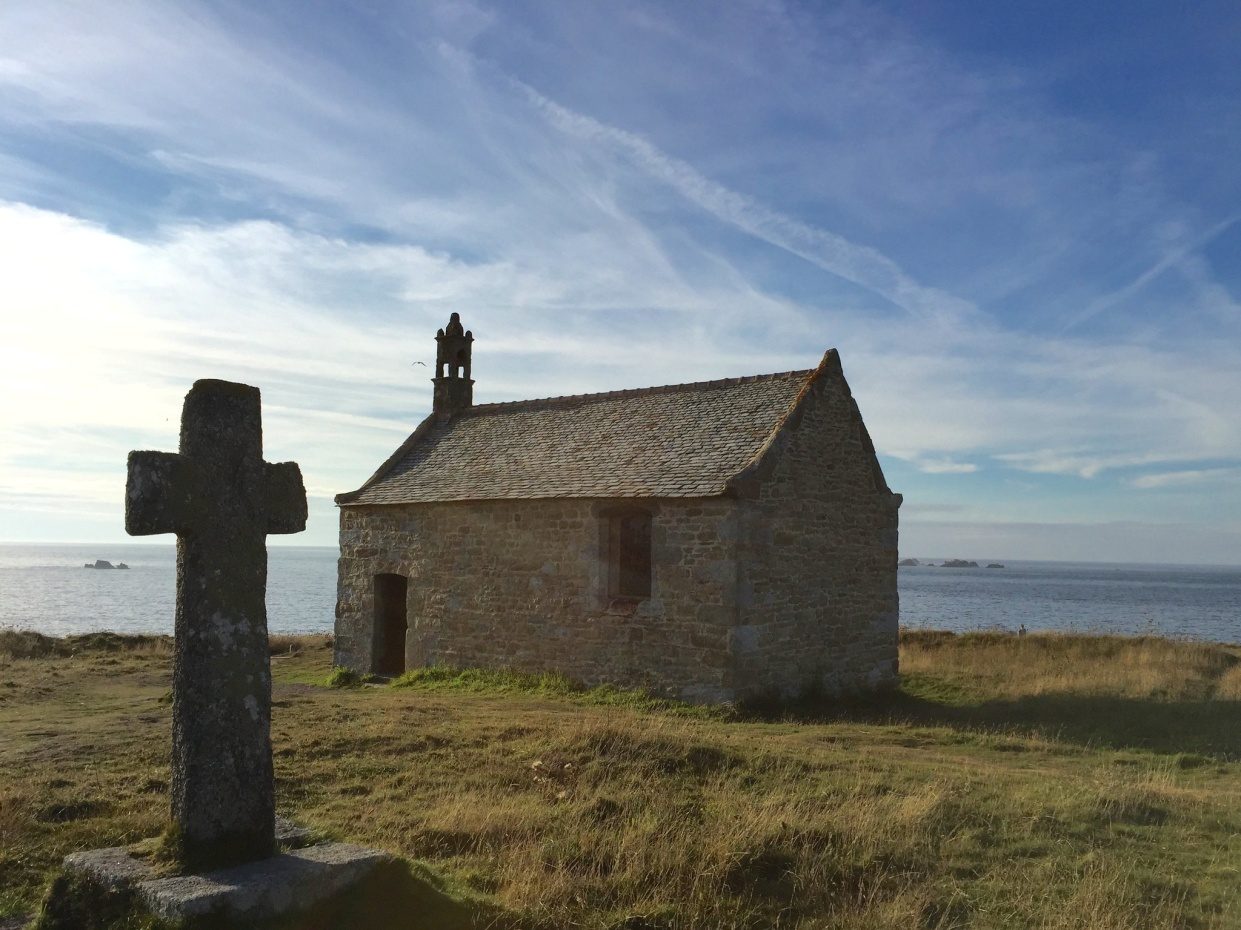
Who Was Saint Samson?
Saint Samson was a prominent religious figure active in the sixth century. He was educated by Illtud, allegedly the cousin of King Arthur and reportedly one of the most intelligent and talented educators in Britain in that era.
Samson is most firmly associated with Dol, a site in Brittany. He was supposedly the founder and first bishop of Dol. However, he also founded many other monasteries throughout the surrounding region.
One of the most famous events in the life of Samson is how he assisted in the overthrow of Conomor, a famous tyrant of Brittany who had murdered the previous king, Ionas. Samson and various others helped Iudual, the son of Ionas, to defeat Conomor and reclaim his family’s territory in Brittany.
Samson does not have a prominent role in the Arthurian legends, but he does have some rare appearances. Given how important he was to the sixth century, it is logical for him to have had connections with various Arthurian characters.
As it happens, there is a good case to be made that Samson was actually the nephew of King Arthur.
Family
What do we know about the family of Samson of Dol? The primary source of information about this is a hagiography all about Samson written perhaps as early as the seventh century. In this source, we find some basic biographical information about Samson’s parents. The information provided about them is as follows:
“Saint Samson was from the province of Dyfed, and as regards worldly rank was born of distinguished and noble parents… Amon was the name of St Samson’s father and his people were from Dyfed. His mother was named Anna and her people were from Gwent, a province neighbouring Dyfed. In the providence of Almighty God they were honourably married by mutual agreement and with the common consent of their fathers, who were of the same social status. Moreover, we certainly know that the parents of this married couple were court officials of the kings of their respective provinces.”
Based on this and other relevant pieces of information from other sources, let us consider what we really know about Samson’s parents.
Father
Samson’s father was named Amon. As the quotation above shows, Amon was from Dyfed, which was the name of the kingdom of southwest Wales. His father was of the same social status as the father of his wife, this status being ‘court officials of the kings of their respective provinces’.
The Life of St Samson does not provide any more information about the identity of Amon than this. However, the Life of St Paul Aurelian does provide a very significant claim. It states that Samson was the cousin of Iudual.
Iudual was a prince and later king of a kingdom in Brittany. If he was the first cousin of Samson, then that would mean that Samson’s father or mother must have been the sibling of one of Iudual’s parents. While we know very little about the family of Iudual’s father, Ionas, we do know that Iudual’s mother was a daughter of King Budic II of Cornouaille.
The Likely Identity of Samson’s Father Amon
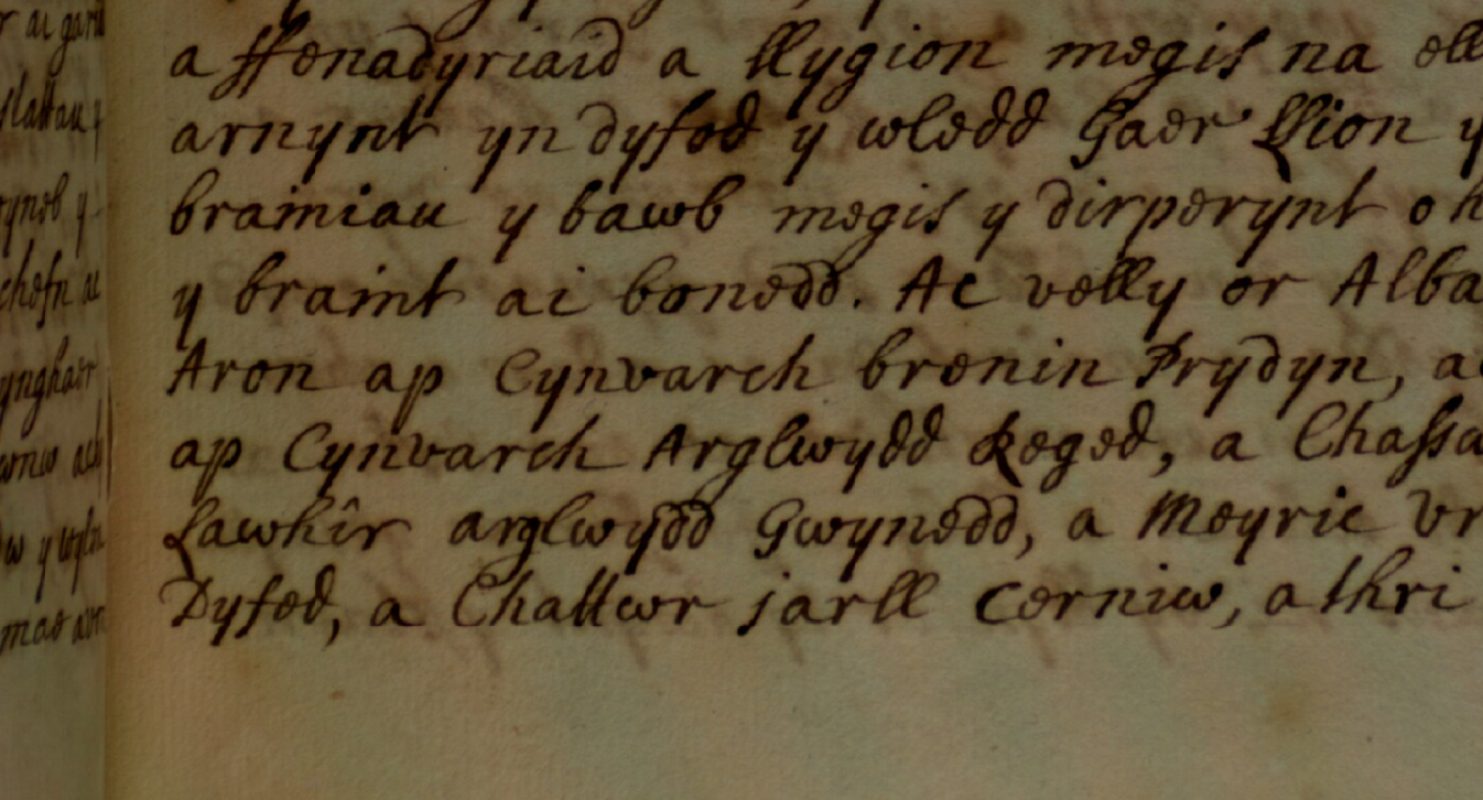
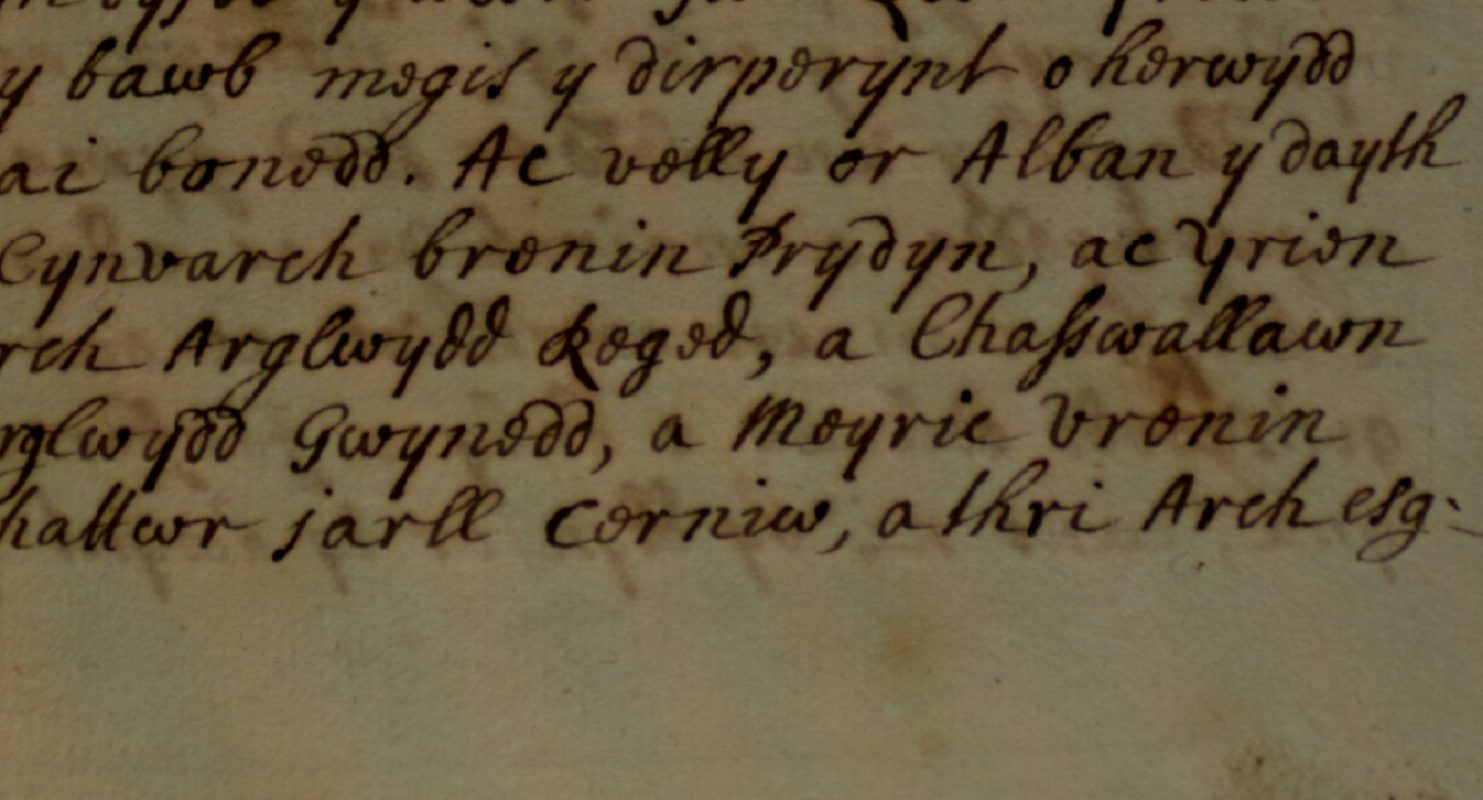
Interestingly, this same King Budic is recorded in a Welsh record called Bonedd y Saint as having a son named Annun (Budic appears under the title ‘Emyr Llydaw’, or ‘Emperor of Brittany’). Welsh scholars from the eighth century onwards have tended to identify Annun as Samson’s father Amon.
Given the claim in the Life of St Paul Aurelian that Samson and Iudual were cousins, this identification does seem very likely. Furthermore, it ties in perfectly with the fact that the Life of St Oudoceus presents a portion of the dynasty of Cornouaille as residing in exile in Dyfed for some time.
Hence, it seems very likely that when the Life of St Samson refers to Amon’s father as a court official of the king of Dyfed, it is referring to Budic II during his exile in Dyfed.
Mother
The mother of Samson was named Anna. Some modern sources call her ‘Anna of Gwent’, since as we have seen, the account in the Life of St Samson says that she was from Gwent. Anna’s father, just like Amon’s father, is said to have been a court official of the king of his province – Gwent, in this case.
However, also notice the statement that Amon’s father and Anna’s father were of the same social status. As we have seen, Amon’s father was most likely King Budic II of Brittany. He was a powerful king, as shown by his very title, ‘Emyr Llydaw’.
Hence, if Amon’s father was serving in the court of the king of Dyfed but yet was in his own right a powerful figure, then it would be logical to assume that Anna’s father, likewise, was not merely a court official of the king of Gwent but was also a powerful figure.
The Identity of Samson’s Mother Anna
From at least as early as the eighteenth century, we find the tradition that Samson’s mother Anna was the daughter of Meurig. He was the king of southeast Wales in the early medieval era. Although many scholars argue that he lived in the late-sixth to the seventh century, many others argue that he lived a century earlier than that.
With this early chronology, Meurig would fit perfectly as the father of Anna and father-in-law of Amon, or Annun, son of King Budic II. His status would also fit, since he was a powerful king just like King Budic.
What about the detail that Anna’s father was a court official of the king of Gwent? Just like how Budic, a powerful figure, was in the service of the king of Dyfed while he was in exile, something similar was evidently true in the case of Meurig.
In the Welsh tale Geraint and Enid, we find the description of Amhar, a son of King Arthur, as one of Arthur’s chamberlains. In other words, Arthur’s son served as one of his court officials. Therefore, it is easy to imagine that Meurig would likewise have served as a court official while his father was still alive and reigning as king.
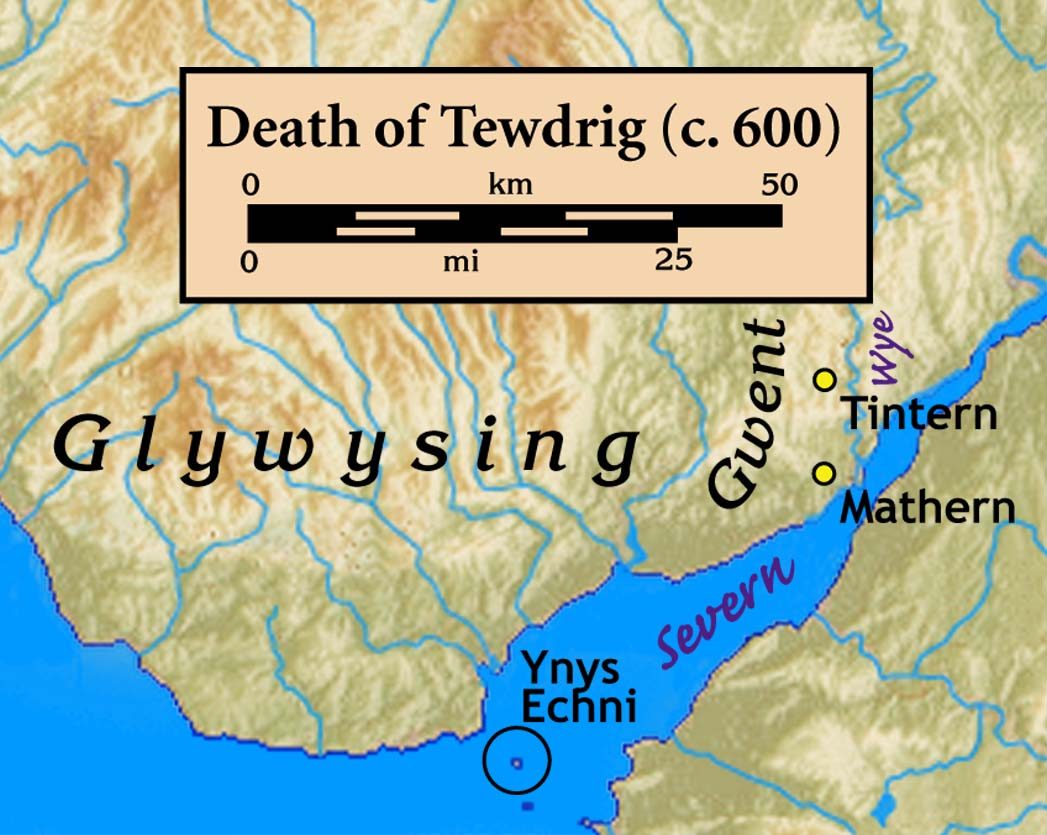
As it happens, the Book of Llandaff shows that Tewdrig did not die until he was old. Hence, it is very likely that he was still alive when Anna and Amon got married. Hence, when that happened, Meurig was still a prince and court official, similar to the social status held by Budic, the father of Amon.
Samson as the Nephew of King Arthur
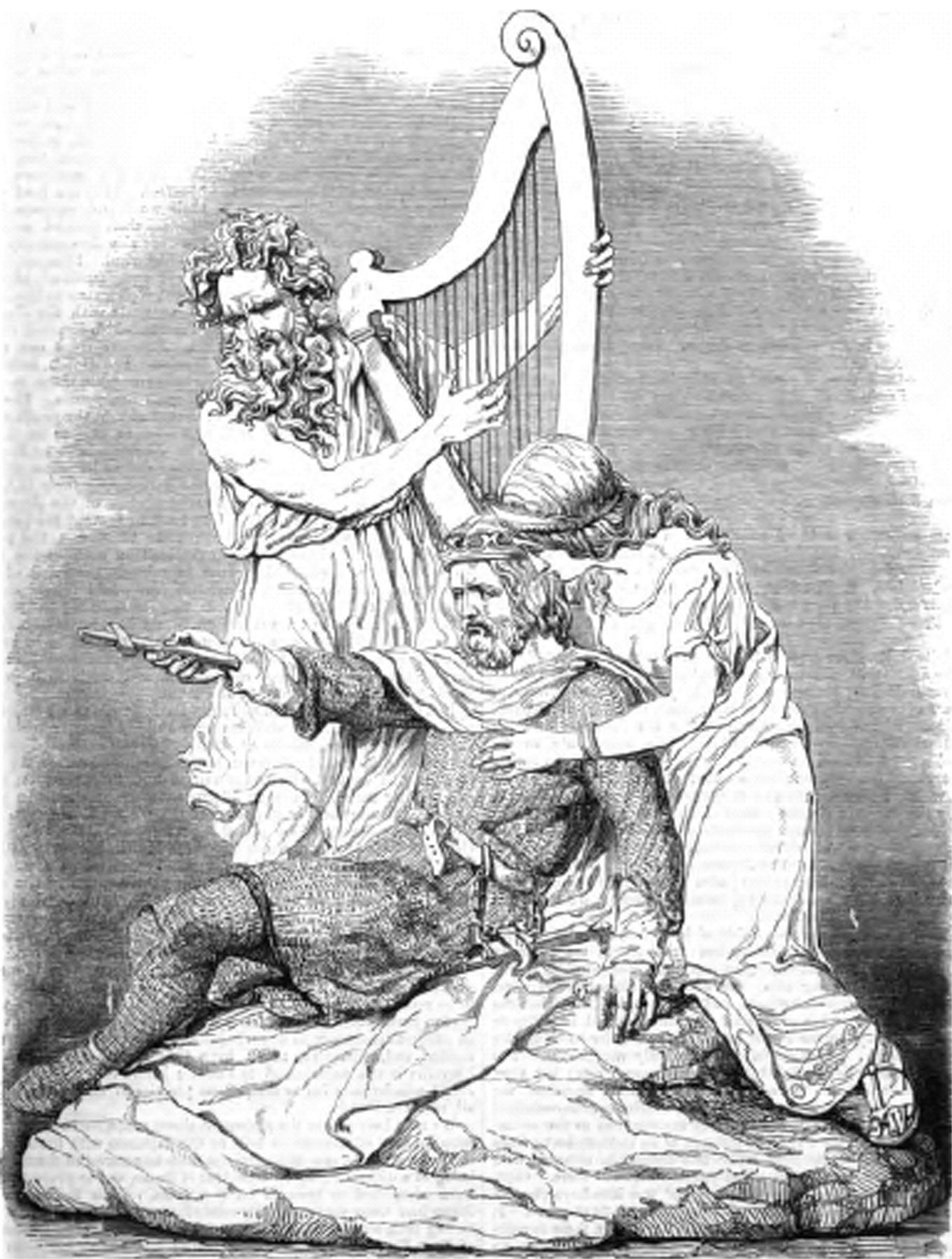
One reason why this is so fascinating is that this would mean that Samson may well have been the nephew of King Arthur. The basis for this statement is that one of Meurig’s sons was named Athrwys. There are many good reasons to believe that Athrwys was the historical figure behind the legends of Arthur.
The very fact that he had a sister named Anna is part of the evidence, since King Arthur reportedly had a sister by that name. It also seems that Athrwys had a maternal uncle named Gwrfoddw, just like Arthur. Bishop David of Menevia, likewise, appears to have been Athrwys’ maternal uncle, just as he was supposed to have been the maternal uncle of King Arthur.
What This Means for Samson of Dol
In summary, we can see that Samson of Dol seems to have been the grandson of King Budic II of Brittany and King Meurig of Gwent, although neither of them were kings at the time that the marriage of their respective children, Amon and Anna, occurred.
Hence, Samson of Dol was a very high status figure. He was from one of the most prominent dynasties of Britain and one of the most prominent dynasties in Brittany. And as we have seen, he may well have been the nephew of King Arthur.
Siblings
The Life of St Samson reveals that Samson had at least five brothers and one sister. It does not provide the names of these siblings. However, given that Amon can very probably be identified as Annun son of Budic II, we can discern the identity of at least some of them from other sources.
The record called Bonedd y Saint, mentioned earlier, tells us that one of Annun’s sons was Tydecho. Like Samson, he was remembered as a saint. This would logically be one of Samson’s five brothers recorded as pursuing a religious life in the Life of St Samson.
Tydecho’s sister is recorded as being a woman named Tegfedd. She would logically be the unnamed sister of Samson mentioned in his hagiography.
That record does say that Samson’s sister did not pursue a religious life when Samson appealed to his family, which seems to conflict with the information about Tegfedd. However, the Life of St Samson specifically says that this was because she was a child at the time of Samson’s appeal. Hence, there is no issue with the conclusion that she pursued Christianity later in life.
Aunts and Uncles
Many of Samson’s aunts and uncles are known from the records.
Regarding the family of Amon, he is recorded as having a brother named Umbraphel and a sister named Derwela.
Concerning the family of Anna, she is recorded in the Life of St Samson as having a sister named Afrella. This is possibly a form of the Latin name ‘Aurelia’. If we accept Anna’s identity as a daughter of Meurig, then the Book of Llandaff reveals that she was the sister of Athrwys, Idnerth, and Frioc.
Other records also support the conclusion that other siblings of Anna were Madoc Morfryn and Atgan.
Saint Samson’s Life
What do we know about the life of Saint Samson of Dol? The primary source for his life is the Life of St Samson. This is the earliest surviving hagiography, which makes it decidedly more valuable than any later source. As mentioned earlier, it possibly dates to as early as the seventh century.
Nevertheless, Samson does also appear in several later records. By combining these various records, though obviously giving preference to the Life of St Samson whenever there is a conflict, we can create a near comprehensive summary of his life.
Samson’s Birth and Childhood
Amon and Anna got married, but they remained childless for a time. Anna’s younger sister, Afrella, already had three sons by the time Samson was born. After he was five years old, he was sent to the College of Saint Illtud.
Illtud was perhaps the most renowned teacher in all of Britain in the sixth century. His school was at modern-day Llanilltud Fawr, where the church now stands.
Samson’s Early Religious Career
After becoming an adult, Samson was ordained deacon of the monastery of Illtud by Bishop Dubricius. Later, Dubricius ordained Samson priest.
Samson felt that the standards in Illtud’s monastery were not strict enough, so he wished to withdraw and go to an island which was inhabited by an old priest named Piro, or Pyr. Illtud, knowing what he was thinking, encouraged him to go.
This island is generally identified as Caldey Island, known in Welsh as Ynys Byr.
Conversion of His Family
However, not long after he arrived, Samson had to leave to go and visit his sick father, Amon. While there, Samson appealed to his family to follow Christ. His father, mother, and five brothers all accepted. His sister is noted for not being included, since she was still a child at the time.
On the same day, Samson also convinced other family members to pursue a life of Christianity. These were his aunt and uncle, Umbraphel (Amon’s brother) and Afrella (Anna’s sister) and their three sons. According to an eleventh century gloss, one of these sons was the so-called Saint Maglorius.
The Island Monastery
After this, Samson returned to the island monastery. With him were his father Amon and his uncle Umbraphel. Upon arriving there, Samson found that Dubricius had arrived to spend Lent at the island monastery.
Dubricius then appointed Samson as cellarer, the priest responsible for providing food and drink for the members of the monastery.
Soon after this, the old priest named Piro fell into a pit and died. Consequently, Dubricius convened a council and it was decided that Samson would be made the new abbot of the island monastery.
Connection to Ireland
Shortly after being made the new abbot, Samson decided to go to Ireland. He did this with the permission of Dubricius, which is consistent with later records that remember Dubricius as the archbishop of the Britons.
While in Ireland, he came across a certain monastery whose abbot was afflicted with madness. Samson is said to have cured the abbot. After this, the abbot resigned and gave Samson his former position.
However, Samson himself then withdrew from that monastery and travelled to Brittany. The former abbot whom he replaced went with Samson. They arrived at a place called Penetal. About this, scholar Peter Bartrum wrote:
“The monastery was Pental near Pont-Audemer where the Risle enters the estuary of the Seine. The site is now represented by Saint-Samson-sur-Risle united with Saint-Samson-de-la-Roque.”
After this, Samson returned to his island monastery just off the coast of Britain, probably Caldey Island. Upon returning, he sent his uncle, Umbraphel, to take over as the abbot of the monastery in Ireland. Meanwhile, Samson refused to resume his own responsibility as abbot of his island monastery.
Samson’s Career Continues to Progress
Upon abdicating from being abbot of his island monastery, Samson withdrew with his father Amon and two others.
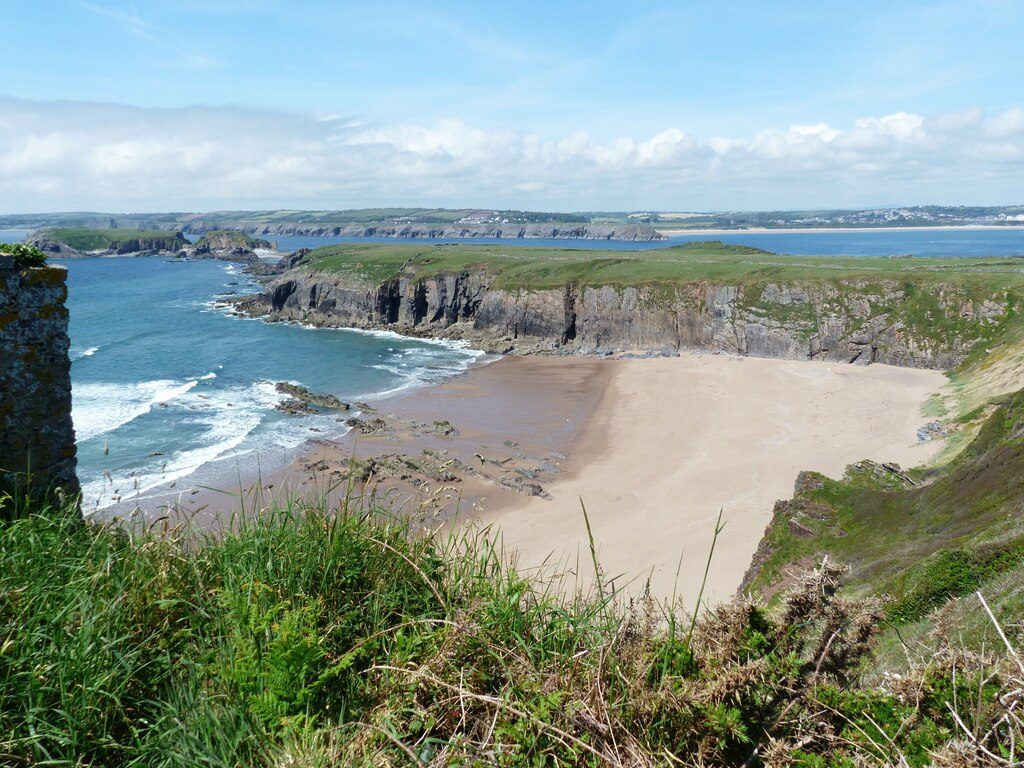
At this point, the account tells us that Samson found a cave for himself, suggesting that he intended to live as a hermit. The location of this cave remains a mystery, but one popular suggestion is that it was a cave at Rock Point near Stackpole, which is in southwest Wales. Several nearby place names support the idea that Samson was associated with this place.
After this, Dubricius is recorded as summoning a council to arrange for a new abbot to take over at Llanilltud Fawr, Illtud’s monastery.
Some scholars have understood this to mean that Illtud was dead by this point, but the account does not explicitly say this, and the Life of St Illtud claims that Illtud outlived Samson. Other scholars suggest that this took place during one of Illtud’s absences from the monastery.
In any case, the account tells us that Samson was appointed the new abbot of Llanilltud Fawr. Shortly after this, Dubricius appoints him bishop.
Journey to the Severn
At this point, the Life of St Samson tells us that an angel directed Samson to travel beyond the sea. Hence, he set off towards the Severn.
While doing so, he came across some of his family members. He saw his mother, Anna, and his aunt, Afrella. They, having devoted themselves to Christianity, had established some churches in that region. Samson consecrated them.
However, his sister is described as continuing an ungodly lifestyle. For this reason, Samson excommunicates her from the church.
Meeting Saint Petroc
Crossing the Severn Sea, Samson then arrived in Cornwall. At this point, we can combine the information in the Life of St Samson with the information we find in the Life of St Petroc. The latter hagiography is the story of the life of Petroc, a religious figure from South Wales who was sometimes confused for Saint Patrick of Ireland.
Petroc is described in his own Life as travelling to Cornwall and meeting a person named Samson. They meet in the vicinity of Padstow. Samson is said to have been residing in the ‘wilderness’ in that area. The two men have merely a brief interaction and are said to have exchanged the ‘kiss of peace’.
This part of the Life of St Petroc would seem to take place in the 550s, which is consistent with when we would expect the equivalent part of the Life of St Samson to have taken place, for reasons we will examine in detail later. Therefore, the two accounts are satisfactorily consistent.
Sojourn in Cornwall
The Life of St Samson, which does not specifically mention Samson residing in a wilderness for a time or meeting Petroc, says that he came to modern-day St Kew, where the medieval monastery of Docco, or Dochau, stood. This is not far from Padstow.
There, Samson met a person named Juniavus Lux. He is described as the wisest of those at the monastery. He advised Samson against staying at that place, due to the poor conduct of the brethren.
Samson continued travelling through the country and encountered a pagan ruler named Guedianus. He converted this ruler and all his subjects to Christianity. It is possible, although uncertain, that this ruler can be identified as Saint Gwithian, to whom many sites in Cornwall are dedicated.
In this area, Samson founded another monastery. He made Henoc, his cousin, the deacon of the monastery, while he appointed his father Amon as the abbot. Samson then continued on his journey south, heading towards the southern coast of Cornwall. Henoc and many monks are said to have accompanied him.
Arrival in Brittany
As we saw earlier, Samson’s first trip to Brittany allegedly took place after he left Ireland. However, he evidently did not stay there very long. This time, his journey to Brittany was far more meaningful.
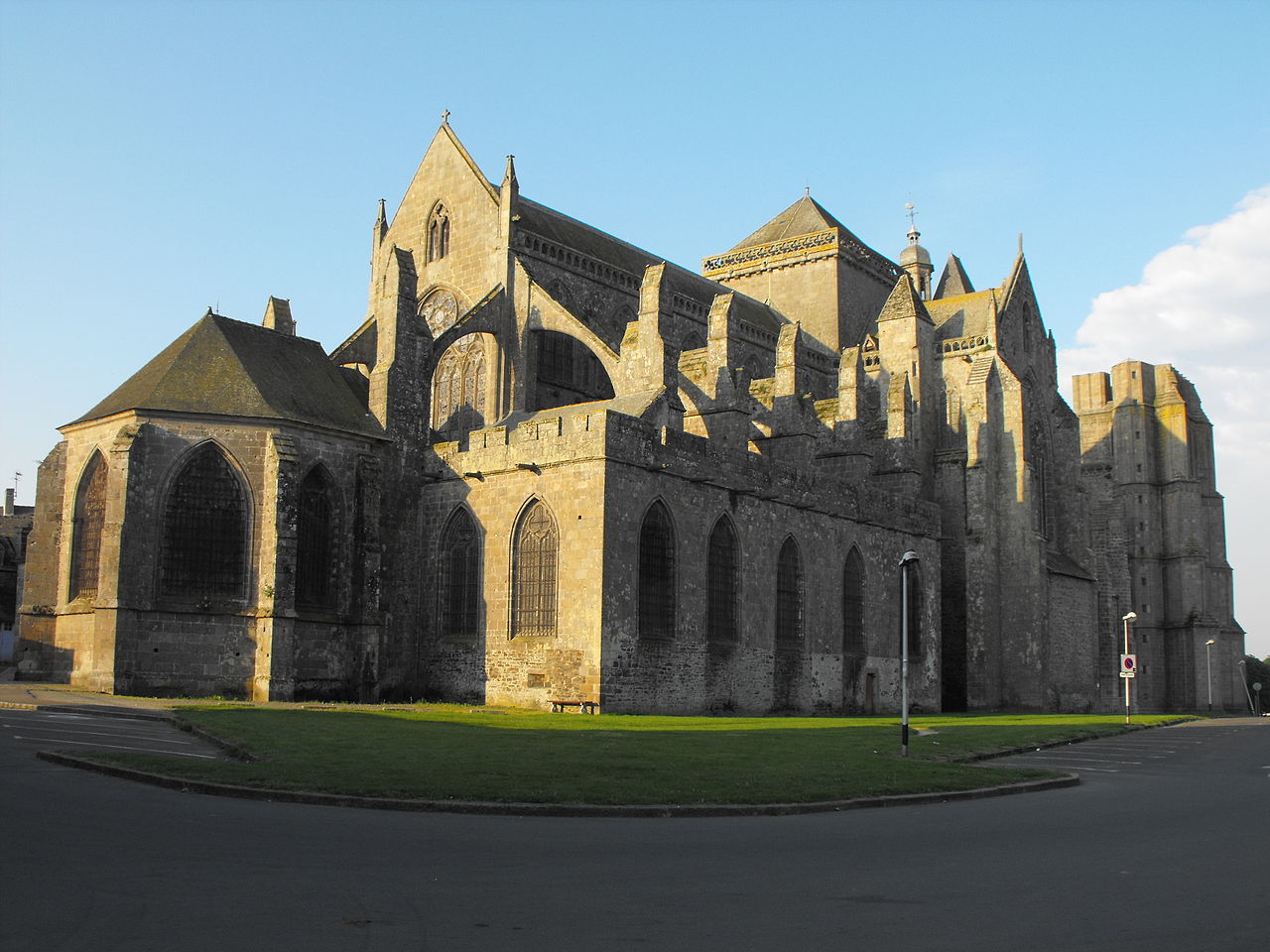
Leaving Cornwall, Samson and his followers arrived in Brittany and settled in the area of Dol. There, Samson established another monastery, one which would serve as his base for many years thereafter. He is also said to have established other monasteries throughout Brittany.
The fact that the monastery at Dol was especially important to Samson is evident from the fact that he is regularly known as ‘Samson of Dol’.
Tyranny of Conomor
After establishing the monastery at Dol, it came to Samson’s attention that a certain tyrant had overthrown Ionas, the king of Domnonée (one of the main kingdoms of Brittany). This tyrant’s name was Conomor (spelt ‘Commorus’ in the Life of St Samson).
Conomor is particularly interesting because he appears in several hagiographies as well as a contemporary, sixth century historical record from the Frankish historian Gregory of Tours. Hence, he is one of the few people from this era whose existence is absolutely certain.
As well as overthrowing and killing Ionas, Conomor is said to have driven Iudual, the son of Ionas, into exile. Samson takes it upon himself to try to correct this situation.
As mentioned earlier, the Life of St Paul Aurelian states that Samson and Iudual were cousins, and this is likely due to Samson’s father, Amon, being the brother of Iudual’s mother, the wife of Ionas. This would give Samson a special interest in the situation.
Overthrow of Conomor
Samson went to the court of Childebert I, the Frankish king who ruled from 511 to 558. This was where Iudual was living. Samson encouraged Iudual to reclaim his throne. After eventually convincing Childebert (who was allied with Conomor), Samson was allowed to return to Brittany with Iudual and help him confront Conomor.
With Samson’s help, Iudual gathered enough support that he was able to raise an army against Conomor. According to evidence from other hagiographies, there were various saints in Brittany who were in conflict with Conomor, such as Armel, Tudual, and Gildas.
With the support of the king of the Franks (who, at this time, was Clothar I, the successor of Childebert), Iudual engaged in battle against Conomor and successfully defeated and killed him. This occurred at the end of the year 560, as proven by the contemporary record of Gregory of Tours.
Samson’s Death
After this, the account says that Samson died of old age. He was then buried at the monastery of Dol. However, despite what the account indicates, there is reason to believe that his death did not actually happen just after the death of Conomor. In reality, it likely happened quite a few years after that.
The reason for saying this is that Samson is said to have died of old age. How old was this? We can probably say that he was in his sixties. The reason is that a hagiographical record about Maglorius, an older cousin of Samson, says that he was appointed as Samson’s successor at Dol.
The account then states that Maglorius was about seventy years old three years after he succeeded Samson. Hence, he was about sixty-seven years old when Samson died, and he was several years older than Samson. On this basis, Samson was probably in his early sixties when he died.
For him to have died shortly after the death of Conomor in 560, this would mean that Samson must have been born in c. 500. However, this is not possible, as we will see when we establish the chronology of Samson’s life. In reality, Samson must have been born in the late 520s, meaning that he would have been in his thirties when Conomor was overthrown.
Explaining This Apparent Issue
Why does the Life of St Samson not describe any events in Samson’s life for the next thirty years between the overthrow of Conomor and Samson’s death?
The reason is evidently due to where the information in the Life came from. The very author of the Life itself tells us that the information about Samson was passed on from Samson’s mother, Anna, to his cousin, Henoc.
Henoc then gave the information to his nephew, who then passed it on to the author of the hagiography when he was eighty years old.
Therefore, it is evident that the Life only contains information about Samson that his own mother, Anna, had passed on to Henoc. She was likely nearly sixty years old by the time that Conomor was overthrown. This seems like a reasonable age for her to have decided to present biographical information about her son to Henoc, since she would have been nearing the end of her life.
This being the case, it is obvious that the Life does not contain any information about Samson after this. The only exception is the brief comment about his death and burial at Dol, but this is easily attributable to a later source who was aware of where Samson was buried.
When Did Samson of Dol Really Live?
Let us now consider the question of when Samson really lived. As we can see, the death of Conomor in 560 is a reliable anchor point, based on the contemporary writings of Gregory of Tours. This means that we know that Samson was definitely a sixth century figure. However, can we be more specific than that?
The Life of St Samson tells us that Samson was sent to study at the College of Illtud as a child. Illtud himself is said in the Life to have been educated by Germanus. While this is commonly assumed to be Germanus of Auxerre, the chronology makes this an obvious impossibility, since he died in 448.
In reality, the earliest source which actually specifies which Germanus this was is the Life of St Brioc. This fairly early hagiography tells us that Illtud (along with Brioc and ‘Patrick’, meaning Petroc) was sent to be educated by Germanus in Paris.
Historically, this would be the Germanus commonly known as Saint Germain of Paris. He became bishop of Paris in 555, but he was already ordained a priest in 530. It was likely shortly after this that Illtud was sent to be educated by him.
Therefore, Illtud’s College was probably established in the early 530s. Since Samson was five years old when he was sent there – or at least, when he expressed a desire to go to school, with him being sent there shortly afterwards – he must have been born in the late 520s.
Realistically, he cannot have been born much later than this, since he was already bishop before Conomor was overthrown in 560.
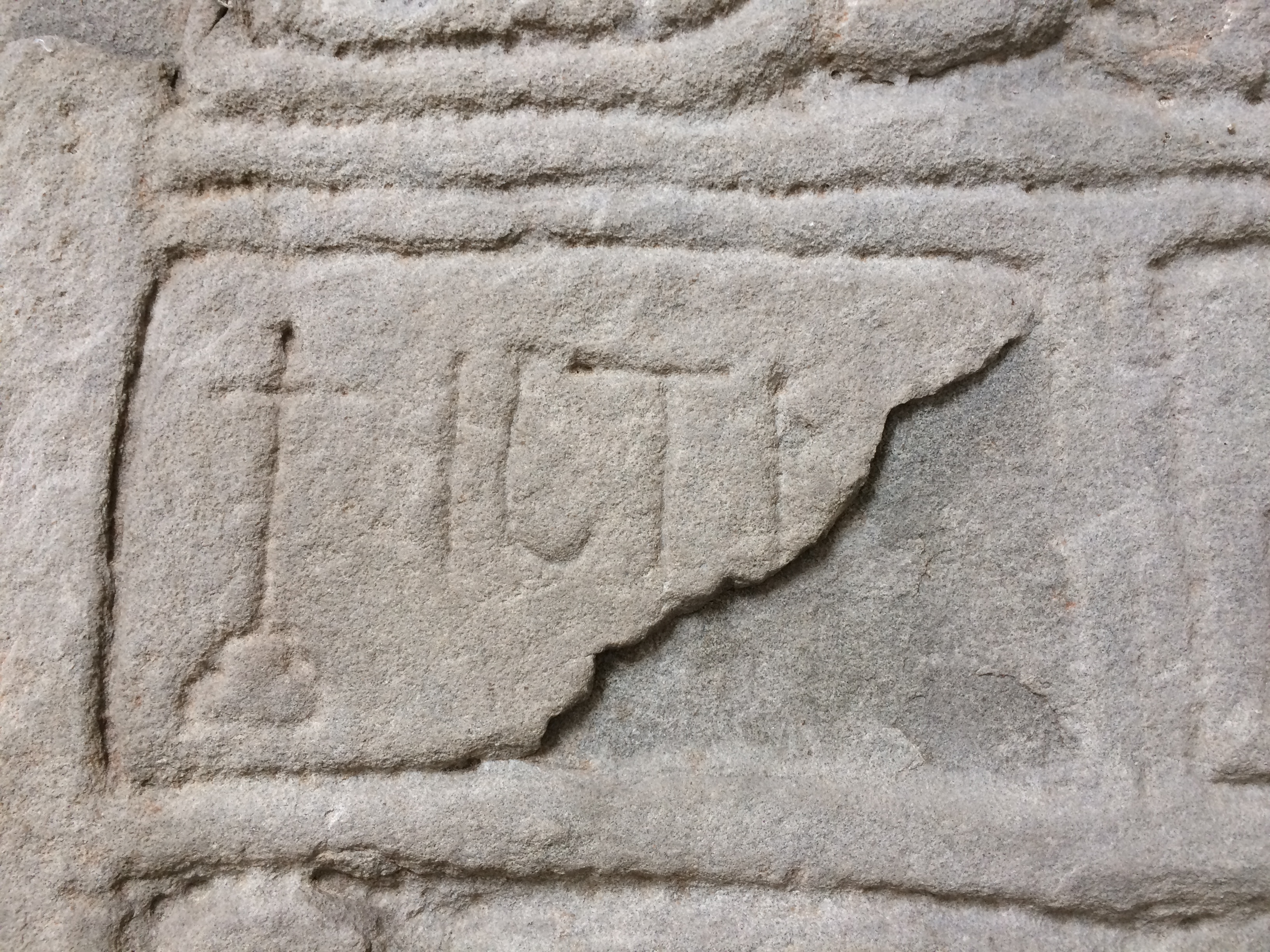
Other Supporting Evidence
That this is correct is supported by the identification of Amon with Annun ap Emyr Llydaw, or King Budic II. Budic was born in c. 480, so his son Annun was likely born in the early 500s. Annun’s son, in turn, would have logically been born in the 520s.
The dating of Anna likewise supports this. If she was a daughter of Meurig, as tradition claims, then she would have been born in the early 500s. This is based on the fact that Meurig was probably born in approximately the year 480.
Samson’s Age at Various Events
The fact that Samson was fairly young when the events being described took place is evident from the fact that his sister is described as a child when he made his appeal to his family. This was after he had already been made a priest and had left for the island monastery on Caldey Island.
At this time, he may have been about twenty years old. While this is younger than the minimum age of twenty-five for a priest in Catholic tradition, there is no reason to believe that the early medieval Britons were bound by traditions common on the continent throughout the medieval period.
When Samson was made a bishop by Dubricius, he was perhaps thirty years old. This would have occurred in the 550s, perhaps around 556 or 557.
Samson then travelled through Cornwall and established himself at Dol in Brittany. Shortly after this, after learning of Conomor’s tyranny, he went to Childebert’s court. This cannot have been later than 558, when Childebert died.
Then, as we have seen, Samson was present for the overthrow of Conomor in late 560. At this point, Samson would have been in his early thirties.
When Samson attended the Council of Paris, which was likely in 561, he would have been about thirty-five years old.
Samson of Dol in the Arthurian Legends
What about Samson’s role in the Arthurian legends? The main Arthurian source in which Samson appears is Geoffrey of Monmouth’s Historia Regum Britanniae, written in c. 1137. In this account of Arthur’s reign, there are two references to Samson. However, whether both of them are about Samson of Dol or not is questionable.
Definitely Samson of Dol
The one which definitely is about Samson of Dol is a reference that appears in the account set at Arthur’s special coronation. Geoffrey refers to several appointments of duties being made at this event. One of these is as follows:
“In place of St. Samson, archbishop of Dole, was appointed, with the consent of Hoel, king of the Armorican Britons, Chelianus, a priest of Llandaff, a person highly recommended for his good life and character.”
It is widely recognised that the ‘Chelianus’ mentioned here is a corruption of the name ‘Teilo’. In other words, this account claims that Teilo succeeded Samson as the archbishop of Dol. This was said to have occurred with the approval of Hoel, a king of Brittany.
Non-Arthurian Corroboration
Essentially the same event is described in the Life of St Teilo, although it is not associated with Arthur’s special coronation.
In this account, Teilo has spent over seven years in Brittany to escape the effects of a plague in southern Britain. At the end of that period, his countrymen begin returning to Britain, and Teilo intends to do so as well. However, King Budic III of Brittany (the father of the Hoel mentioned by Geoffrey) does not want him to go.
Therefore, an agreement is made for Teilo to replace Samson as archbishop of Dol.
The key difference between this account and Geoffrey of Monmouth’s account is that Geoffrey presents this appointment as occurring at Arthur’s court in southeast Wales, rather than in Brittany. Nevertheless, the chronological placement is an approximate match.
This likely occurred after 560, when Samson was still active in Brittany during the time of Conomor’s overthrow, but no later than 570, the year in which King Budic III died.
Possibly Samson of Dol
A possible reference to Samson of Dol occurs earlier in the Historia Regum Britanniae. After defeating the Anglo-Saxons, the Picts, and the Scots, Arthur is presented as going to York to restore it. At this point, Geoffrey mentions that the archbishop of York, a certain Samson (sometimes seen as ‘Sanxo’ in some translations) had been previously driven out during the Anglo-Saxon attacks on that region.
He had been appointed archbishop during the reign of Ambrosius, shortly after the Giants’ Dance had been set up over the graves of many slain British chieftains. This latter event must be set in c. 480.
While it has been suggested that this Samson is supposed to be Samson of Dol, the chronology obviously rules this out.
Samson in Culhwch and Olwen
The Welsh tale Culhwch and Olwen was written in c. 1100. It tells the story of Arthur and his men engaging on several extremely difficult adventures. At one point, one of the characters refers to Arthur’s numerous allies. One of them is a certain ‘Samson Finsych’.
The epithet given to this character means ‘monk’. It is possible that Samson the Monk was Samson of Dol. On the other hand, he may have been a son of a northern leader named Caw.
The basis for this latter suggestion is that this Samson comes immediately after several sons of Caw are mentioned. In a later genealogical record, Caw is given a son named Samson, suggesting that the Samson Finsych in Culhwch and Olwen was supposed to be his son, but the reference to him being the son of Caw was accidently missed out.
Of course, it is possible that the reverse is true, and that the reference to Caw having a son named Samson actually comes from a careless reading of Culhwch and Olwen. In which case, he could well be Samson of Dol.
Conclusion
In conclusion, Saint Samson of Dol was an important and prominent religious figure in sixth century Britain and Brittany. He was the son of Amon of Dyfed and Anna of Gwent. His father can likely be identified as a son of King Budic II of Brittany, while his mother can likely be identified as the daughter of King Meurig of Gwent. This being so, Samson was the nephew of Athrwys, a probable candidate for the historical King Arthur.
Samson was educated by Illtud, likely in the early 530s, and he had become a bishop by the late 550s. He was instrumental in the overthrow of Conomor and the appointment of Iudual as the king of Domnonée, Brittany, in 560.
Sources
Bartrum, Peter, A Welsh Classical Dictionary, 1993
Bromwich, Rachel, Trioedd Ynys Prydein: The Triads of the Island of Britain, 2014
Morris, John, Arthurian Period Sources, Vol 3: Persons, 1995
Breverton, Terry, Wales: A Historical Companion, 2009
Howells, Caleb, King Arthur: The Man Who Conquered Europe, 2019
Olsen, Lynette, St Samson of Dol and the Earliest History of Brittany, Cornwall and Wales, 2017